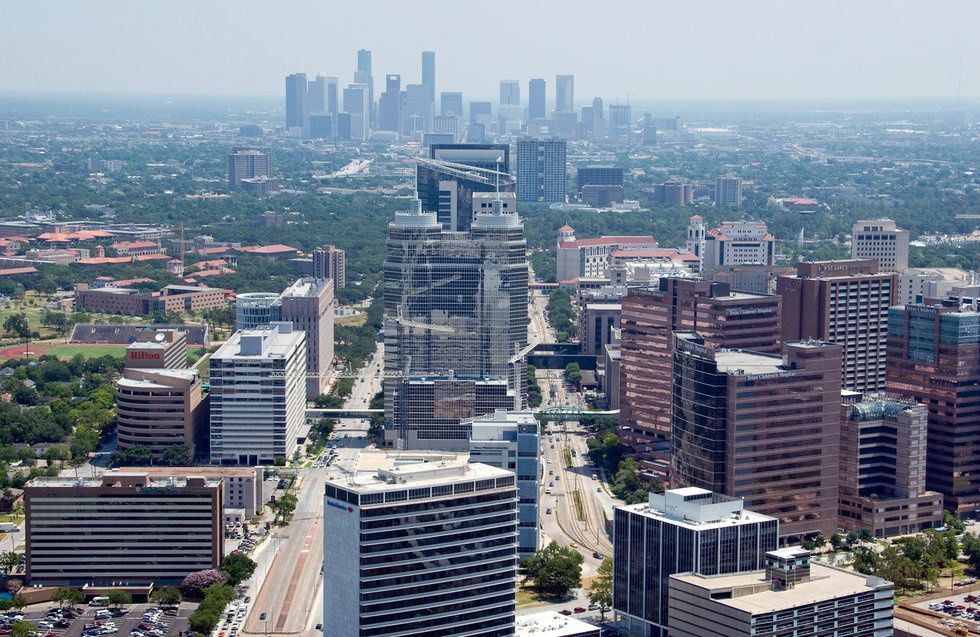
Houston saw a jump in VC funding in Q1 2026, fueled by several major investments in clean energy startups. Image via Getty Images

First-quarter venture capital funding for Houston-area startups climbed nearly 50 percent compared to the same time last year, according to the PitchBook-NVCA Venture Monitor.

In Q1 2026, Houston-area startups raised $532.3 million, a 49 percent jump from $320.2 million in Q1 2025, according to the PitchBook-NVCA Venture Monitor.

However, the Q1 total fell 23 percent from the $671.05 million raised in Q4 2025.

Among the first-quarter funding highlights in Houston were:

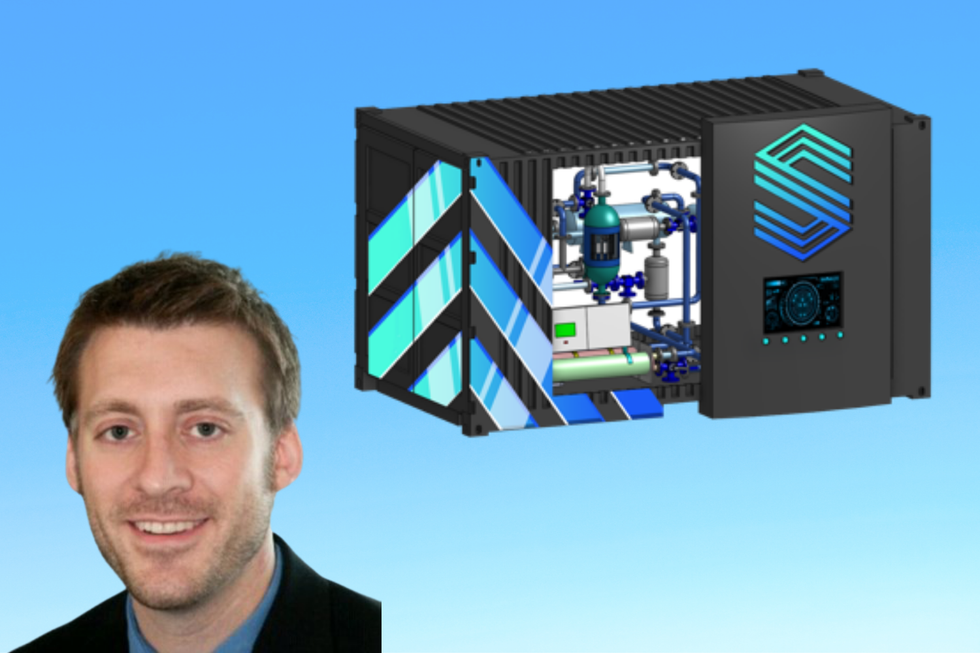
  • Utility Global, which focuses on industrial decarbonization, announced a first close of $100 million for its Series D round.
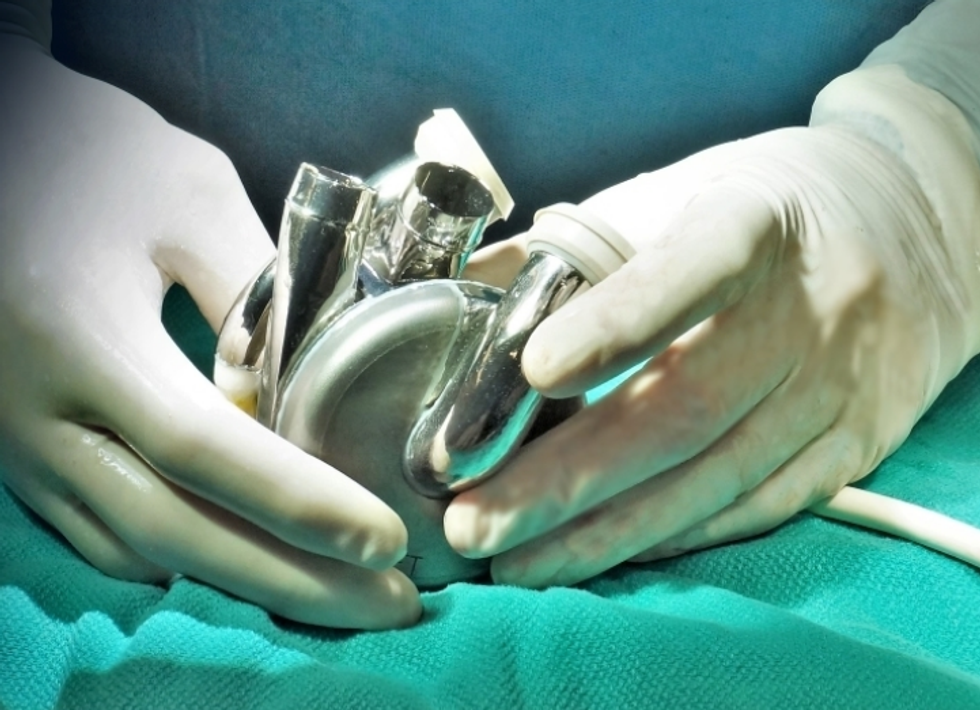
  • Sage Geosystems raised a $97 million Series B round to support its geothermal energy storage technology.

Those funding rounds underscore Houston’s evolution as a magnet for VC in the energy sector.

“Today, the energy sector is increasingly extending into the startup economy as venture capital flows into companies developing the technologies that will shape the future of global energy,” the Greater Houston Partnership says.

The energy industry accounted for nearly 40 percent of Houston-area VC funding last year, according to market research and lead generation service Growth List.

Adding to Houston’s stature in VC for energy startups are investors like Chevron Technology Ventures, the investment arm of Houston-based oil and gas giant Chevron; Goose Capital; Mercury Fund; and Quantum Energy Partners.

These are the 10 Houston companies that together raised over $525 million between July and September. Photo via Getty Images

VC roundup: Here's what Houston startups raised funds last quarter

money moves

October means several things — postseason baseball, pumpkins everywhere, and the last quarter of the year.

Before Q4 firmly takes its hold, let's talk about the 10 Houston companies that raised over $526 million between July and September, according to previous reporting from InnovationMap.

Houston chemicals company raises $357M, claims unicorn status

Solugen closed its Series C funding round at $357 million to grow its chemical products. Photo via Getty Images

Houston-based Solugen, a startup that specializes in combating carbon dioxide emitted during the production of chemicals, has hauled in $357 million in a Series C funding round. That amount eclipses the size of any Houston VC funding round this year or last year.

The Series C round lifts Solugen's pre-money valuation to $1.5 billion, according to the Axios news website. This gives Solugen "unicorn" status as a startup with a valuation of at least $1 billion.

Singapore-based GIC and Edinburgh, Scotland-based Baillie Gifford led the round, with participation from Temasek Holdings, affiliates of BlackRock, Carbon Direct Capital Management, Refactor Capital, and Fifty Years.

Since its founding in 2016, Solugen has raised more than $405 million in venture capital, according to Crunchbase.

"Solugen's vision for cleaner chemicals through synthetic biology has the potential to be a fundamental shift in how chemicals are made, to help tackle the environmental challenges we face globally. The chemical market itself is colossal, and Solugen is just getting started," Kirsty Gibson, investment manager at Baillie Gifford, says. Click here to continue reading.

Rapidly scaling Houston e-commerce software startup raises $98M series B

Houston-based Cart.com, which equips e-commerce businesses with a suite of software services, has raised $140 million in venture capital investment since its founding last year. Photo via cart.com

After closing a sizable series A round in April, a Houston tech startup has closed another round of funding — this time a near $100 million one.

Cart.com, an end-to-end e-commerce software startup and Amazon competitor, closed its series B round at $98 million. The investment announcement follows the company's series A in the spring and, according to a news release, brings Cart.com's total funding to $140 million since it launched eight months ago.

"At Cart.com, we believe e-commerce brands should be free to scale up without having to juggle countless outside vendors, and without compromising their unique vision for their brand," says Omair Tariq, CEO of Cart.com, in the release. "Our one-stop platform supports sellers across the full range of e-commerce functionality, empowering them to efficiently scale up and reach new markets using proven, best-of-breed services and technologies." Click here to continue reading.

AI-backed SaaS company based in Houston secures $30M series B funding

Imubit uses artificial intelligence for optimization at manufacturing plants. The company closed its series B at $30 million. Photo via imubit.com

Houston-based Imubit, whose AI-powered technology provides process optimization for refiners' and chemical operators' manufacturing plants, has raised $30 million in venture capital.

Zeev Ventures led the $30 million Series B round alongside Insight Partners, with participation from existing investors Spider Capital and UpWest. Since its founding in 2016, the company has raised $50 million.

"Imubit's goal is to transcend the industry beyond the decades old process control and optimization software hierarchy. … Today, we are solving previously unsolvable problems that are worth millions of dollars in annual margin to our clients," Gil Cohen, Imubit's co-founder and CEO, says in an August 16 news release. Click here to continue reading.

Houston-based medical device company snags $12.8M in series B

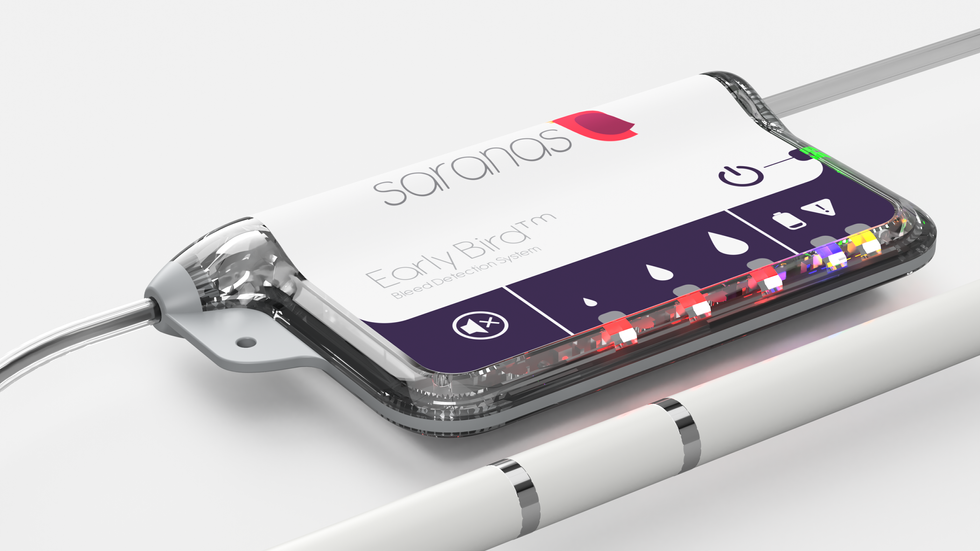
Saranas closed its series B round this week. Photo courtesy of Saranas

A Houston company that's changing the game when it comes to early bleed detection has raised its next round of funding.

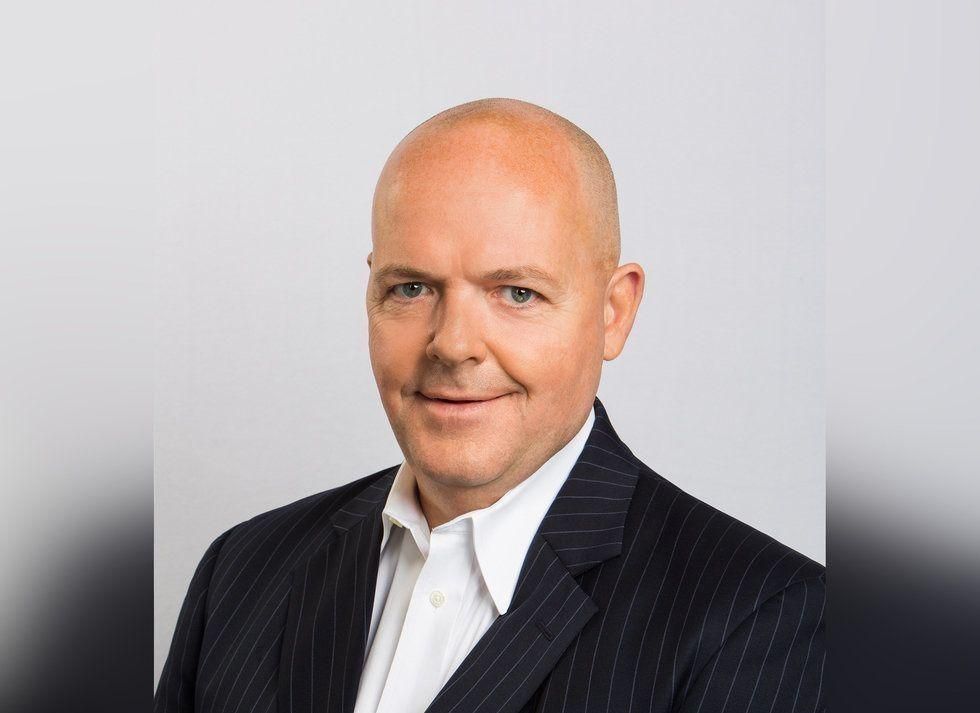
Saranas Inc. announced that it closed a $12.8 million series B investment led by Wisconsin-based Baird Capital, the venture capital and global private equity arm of Baird, a global company with a location in Houston. Austin-based S3 Ventures also supported the round.

The company will use the funds to continue its clinical trials, per a news release.

"We are pleased to announce this round of funding led by Baird Capital," says Saranas President and CEO James Reinstein in the release. "It underscores the importance of real-time monitoring of bleeding complications and our opportunity to accelerate the commercialization of Early Bird. We look forward to expanding our clinical evidence through prospective clinical trials and launching next generation products, including Bird on a Wire, to address a much broader range of endovascular procedures." Click here to continue reading.

Houston health tech company raises $7.85M series A led by local VC

Houston-based Kare Technologies has raised fresh funds to spur its national expansion. Image courtesy of Kare

A Houston-based health tech company has scored fresh funds from a Houston venture group to fuel its growth and to expand nationally.

KARE Technologies, a digital labor marketplace for health care workers, raised a $7.85 million series A investment round led by Houston-based Golden Section Ventures.

"The KARE team are well known in senior care and the caring industry at large," says Dougal Cameron, general partner at GSV, in a news release. "They are experts in their field and know this problem well. Their care for the industry and knowledge in the space clearly shows in the company's rapid adoption. They are providing a needed solution to an extremely important industry for our society." Click here to continue reading.

Houston energy blockchain company announces $7.7M in funding, plans to expand to the Middle East

Data Gumbo, founded and led by Andrew Bruce, has announced its latest funding. Photo courtesy of Data Gumbo

A Houston-based tech company has announced another round of funding to support its blockchain network growth as well as to establish a presence in the Middle East.

Data Gumbo has closed its series B funding round totaling $7.7 million with follow-on investments led by Equinor Ventures. The round includes participation from Saudi Aramco Energy Ventures and Bay Area and Houston-based venture firm L37. The round's first close was announced in September 2020 at $4 million. The additional funds to close the Series B will be used to scale Data Gumbo to serve demand for GumboNet™ and GumboNet™ ESG. Additionally, Data Gumbo plans to establish a presence in the Middle East to cover expected demand growth in the region.

"The successful close of our series B is continued proof of the efficacy and booming interest in our ability to capture critical cost savings, deliver trust and provide transparency across commercial relationships," says Andrew Bruce, founder and CEO of Data Gumbo, in a news release. "Compounded by the growing demand for transparent, accurate sustainability data and the launch of our automated ESG measurement solution, GumboNet™ ESG, Data Gumbo's trajectory is well-positioned to serve our growing customer base by ensuring economic productivity and value. This infusion of capital will support our expansion efforts as we bring more international users to our network." Click here to continue reading.

Houston artificial intelligence startup raises $6M in seed funding

This Houston startup has a game-changing technology for deep learning. Photo via Getty Images

A computer science professor at Rice University has raised seed funding last month in order to grow his company that's focused on democratizing artificial intelligence tools.

ThirdAI, founded by Anshumali Shrivastava in April, raised $6 million in a seed funding round from three California-based VCs — Neotribe Ventures and Cervin Ventures, which co-led the round with support from Firebolt Ventures.

Shrivastava, CEO, co-founded the company with Tharun Medini, a recent Ph.D. who graduated under Shrivastava from Rice's Department of Electrical and Computer Engineering. Medini serves as the CTO of ThirdAI — pronounced "third eye." The startup is building the next generation of scalable and sustainable AI tools and deep learning systems.

"We are democratizing artificial intelligence through software innovations," says Shrivastava in a news release from Rice. "Our innovation would not only benefit current AI training by shifting to lower-cost CPUs, but it should also allow the 'unlocking' of AI training workloads on GPUs that were not previously feasible." Click here to continue reading.

Houston construction tech company raises $4M round

Buildforce is an app that can connect contractors with construction experts. Photo courtesy of Buildforce

A locally founded company that's focusing on changing the construction labor game has raised a round of institutional funding.

Buildforce, which splits its headquarters between Houston and Austin, closed its latest round of funding at $4 million. The round was led by Maryland-based TDF Ventures, with participation from existing investor Houston-based Mercury Fund and Austin-based S3 Ventures.

The company uses construction staffing and management software to more efficiently connect contractors to skilled workers across trades — electrical, mechanical, plumbing, flooring, concrete, painting, and more.

"Contractors depend on skilled and reliable tradespeople to meet project timelines," says Moody Heard, co-founder and CEO of Buildforce, in a news release. "Our key insight is that by optimizing the user experience for skilled tradespeople seeking higher pay and job security, we are able to help meet contractors' needs. We're thrilled to have become the partner of choice for the top contractors in our current markets looking to connect with this workforce." Click here to continue reading.

Houston startup raises $1.75M round with support from local female-focused investor

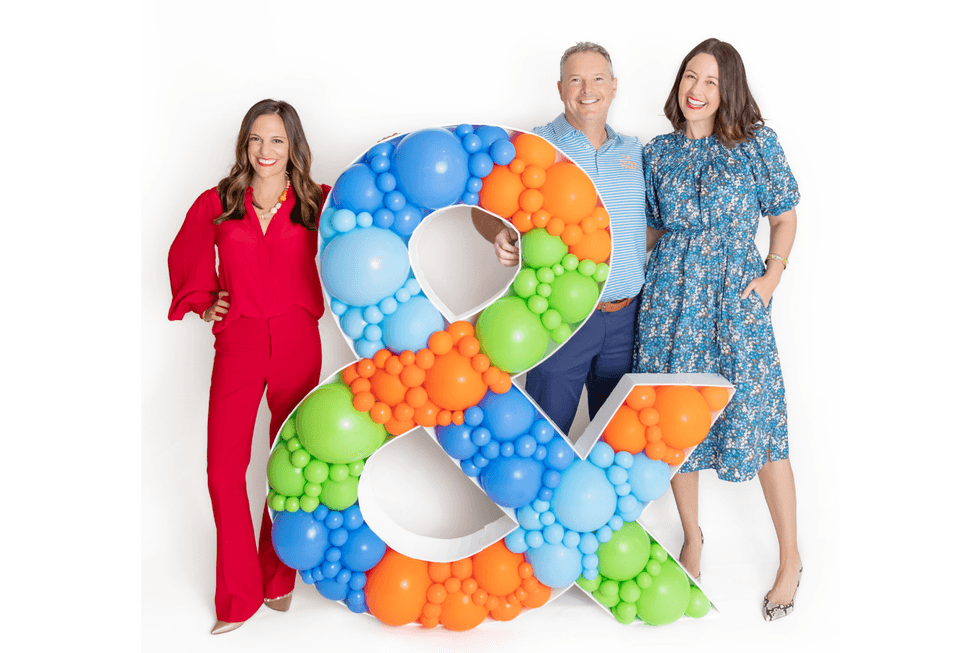
Ampersand and Curate Capital are working together to move the needle on the future of work. Photo courtesy of Curate Capital

A Houston-based startup focused on upskilling young professionals has closed its latest round of funding with support from a local investor.

Ampersand Professionals Inc. raised $1.75 million in pre-seed funding led by Curate Capital, a Houston-based, female-focused venture capital fund. Carrie Colbert, Curate's founding and general partner, will join Ampersand's advisory board.

Ampersand — founded in 2020 by Allie Danziger with Co-Founders Kathrin Applebaum and Scott Greenberg — has developed a platform for businesses to easily implement internship programs. The program also upskills and educates young professionals, providing them career development and job skills training.

"Ampersand's mission to democratize access to career-building opportunities for young professionals, ties in nicely with Curate's mission to empower women, says Colbert in a news release. "The company's platform will have a direct positive impact on young women (and others) as they begin their professional careers." Click here to continue reading.

Houston digital health platform raises $1.2M seed round

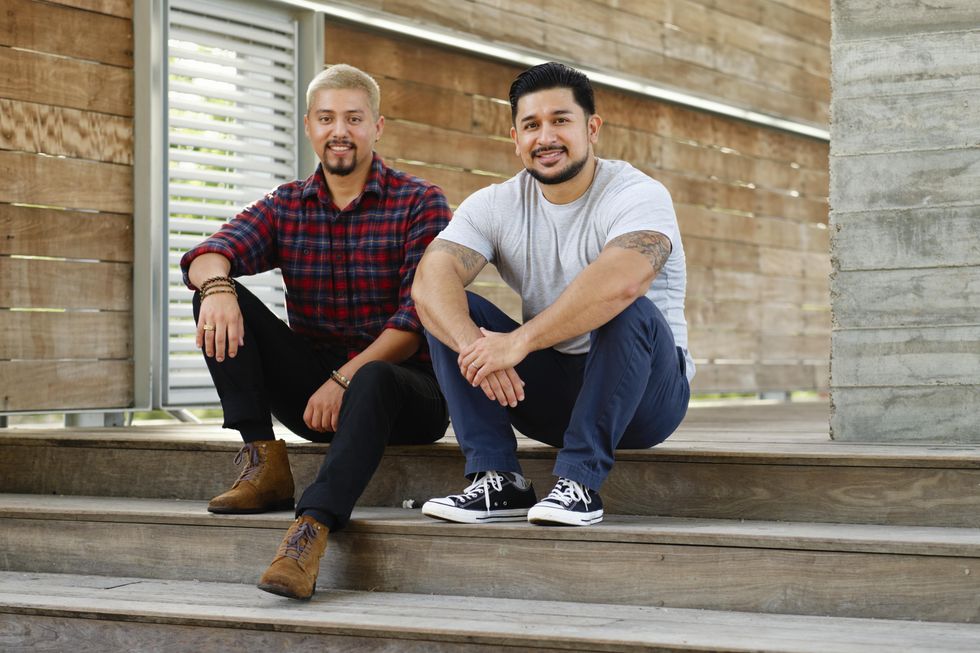
DocSpace was founded by Chief Product Officer Miles Montes (left) and CEO Mario Amaro, a physician and U.S. Navy Veteran. Photo courtesy of DocSpace

A Houston-based software company providing clinicians a turn-key platform for their practice has announced the close of its seed funding round.

DocSpace raised $1.2 million in seed funding led by Slauson & Co. with participation by Precursor Ventures, Acrew Capital's Scout Fund, and SputnikATX Ventures. The company's angel investors Nathan and Sonia Baschez, Nikhil Krishnan, and Eliana Murillo. The company was founded by CEO Mario Amaro, a physician and U.S. Navy Veteran, and Chief Product Officer Miles Montes, an expert in platform product management previously at ADP and ShopLatinx.

"Existing practice management software requires clinicians to manually self-navigate the expensive and complicated business formation process before they're able to utilize any of their product services," says Amaro in a news release. "When you require clinicians to do all the hard work of starting a new business then force them to purchase expensive software, it's no surprise that fewer clinicians have the opportunity to build new businesses in their communities." Click here to continue reading.

The second quarter of this year was good to these Houston tech startups. Photo via Getty Images

These 10 Houston startups closed funding rounds in Q2

following the money

It's been a banner year for Houston startups raising funds. From an Amazon competitor emerging from stealth and snagging a $25 million series A to a $74 million series B for a clinical-stage biopharmaceutical company, Houston's innovative companies have seen a great second quarter of 2021 in terms of VC activity.

In fact, according to a report from Houston Exponential, Q2's funding activity follows a 12-month period of $1 billion raised in Houston. This report included the first quarter's deals, which is rounded up in this article.

In case you missed some of these Q2 deals, InnovationMap has rounded up all its coverage of funding rounds closed between April and June based on previous reporting. Scroll through to see which Houston startups are catching the eyes — and cashing the checks — of investors.

Cancer-fighting company based in Houston emerges from stealth and snags $74M in its latest round

Tvardi Therapeutics Inc. has fresh funds to support its drug's advancement in clinical trials. Photo via Getty Images

A Houston-based clinical-stage biopharmaceutical company has raised millions in its latest round.

Tvardi Therapeutics Inc. closed its $74 million series B funding round led by new investors New York-based Slate Path Capital, Florida-based Palkon Capital, Denver-based ArrowMark Partners, and New York-based 683 Capital, with continued support and participation by existing investors, including Houston-based Sporos Bioventures.

"We are thrilled to move out of stealth mode and partner with this lineup of long-term institutional investors," says Imran Alibhai, CEO at Tvardi. "With this financing we are positioned to advance the clinical development of our small molecule inhibitors of STAT3 into mid-stage trials as well as grow our team." Click here to continue reading.

Houston-based cancer and disease bio-venture launches after $38.1M series A

A Houston biotech company has raised $38.1 million. Photo by Dwight C. Andrews/Greater Houston Convention and Visitors Bureau

Sporos Bioventures LLC launched this month after closing a $38.1 million round of series A financing.

The Houston-based biotech company aims to accelerate the development of breakthrough therapies for cancer and immune diseases by sharing resources, capital, access to clinical trial infrastructure, and talent from within its knowledgeable team of biotech executives, entrepreneurs, academic scholars, and investors. The company was launched with four entities: Tvardi Therapeutics, Asylia Therapeutics, Nirogy Therapeutics, and Stellanova Therapeutics.

The most advanced of the four entities, Tvardi, is currently in Phase 1 clinical trial to evaluate it's STAT3 oral inhibitor. It was named a "most promising" life sciences company at the 2020 Texas Life Science Forum, hosted by BioHouston and the Rice Alliance in December. The remaining entities are in the development stages and are focused on cancer, autoimmune disease, fibrosis, and tumor growth, among other conditions.

"Sporos was founded to accelerate the development of new medicines by addressing inefficiencies and risk in the establishment of new biotech companies," Peter Feinberg, Sporos co-founder, said in a statement. "By leveraging our extensive network, including the Texas Medical Center, we first identify transformative scientific opportunities and then deploy our top-tier talent, funding, and operational support to drive these insights into a growing pipeline of first-in-class treatment options." Click here to continue reading.

Houston-based e-commerce software startup and Amazon competitor raises $25M in its series A

Houston-based Cart.com, which equips e-commerce businesses with a suite of software services, has raised $45 million in venture capital investment since its founding in September. Photo via cart.com

An end-to-end e-commerce services provider based in Houston has closed its series A round of financing led by a Houston venture capital group.

Cart.com announced the closing of its $25 million led by Houston-based Mercury Fund and Florida-based Arsenal Growth with contribution from Austin-based Moonshots Capital and Ohio-based Scarlet Venture Fund. The new round follows its $20 million Seed round led by Amsterdam-based Bearing Ventures.

The company was founded last September by two former entrepreneurs — Omair Tariq, former executive at Home Depot and COO of Blinds.com, serves as CEO and Jim Jacobsen, co-founder and former CEO of RTIC Outdoors, serves as executive chairman.

"We know the pain points brands face in the e-commerce value chain because we have experienced them firsthand. We built Cart.com to solve those problems and deliver unequaled value for brands from a single platform," Jacobsen says in a news release. Click here to continue reading.

Houston alternative energy startup raises $23M series B with global support

Syzygy Plasmonics has raised $23 million thanks to international support. Photos via plasmonics.tech

A Houston startup founded based off research coming out of Rice University has closed its series B funding, the company announced this week.

Founded in 2017, Syzygy Plasmonics is a chemical company developing a photocatalyst-powered hydrogen fuel cell technology that produces a cheaper source of energy that releases fewer carbon emissions. As of this week, the company has $23 million more to fund its scaling and grow its team thanks to the closing of its series B financing led by Hong Kong-based Horizons Venture. Equinor Ventures, a new investor, also joined in on the round, along with previous seed and series A investors including The Engine, GOOSE Capital, and Evok Innovations.

"With renewable electricity as an energy source, our technology is cleaner, and because of the stability and activity of our photocatalysts, we can drive dozens of possibilities, tuning reactions that produce different chemicals," says Trevor Best, Syzygy Plasmonics' co-founder and CEO, in a news release. "Our initial product will focus on eliminating emissions from hydrogen production, transforming the industrial process involved in making semiconductors, LEDs and metals. Our system will also enable industries that are consumers of hydrogen fuel cells, like fuel cell vehicles." Click here to continue reading.

Houston-based artificial heart company snags $22M in fresh funds

Through a series B round and a federal grant, BiVACOR has raised $22 million in funding ahead of human trials. Photo via bivacor.com

Houston-based medtech company BiVACOR has picked up $22 million in funding — in the form of a series B round and a federal grant — to propel development of its Total Artificial Heart device for treatment of severe heart failure.

In a May 19 news release, BiVACOR says it received a series B round of $19 million and a National Institutes of Health grant of $3 million. Boston-based Cormorant Asset Management and Australia's OneVentures, through its OneVentures Healthcare Fund III, led the round.

OneVentures first invested in BiVACOR three years ago. According to Australia's Financial Review, OneVentures initially pumped $3 million (Australian dollars) into BiVACOR, with the potential of contributing as much as $10 million if BiVACOR met certain milestones. BiVACOR received a round of seed funding from U.S. investors in 2013.

"BiVACOR's one-of-a-kind technology is supported by a remarkable team that has moved this technology a significant distance toward the clinic," Paul Kelly, managing partner of OneVentures, says in BiVACOR's news release. Click here to continue reading.

Houston small biz tech platform raises $21M series B

Hello Alice Co-Founders Carolyn Rodz and Elizabeth Gore recently raised funds to continue to grow their company that supports startups and small businesses. Photos via helloalice.com

A tech company focused on supporting and growing startups and small businesses has reached its own next big growth milestone this week.

Machine learning-enabled small business support company Hello Alice, founded in Houston with a large presence in California, has closed its $21 million series B raise led by Virginia-based QED Investors with participation from new investors including Backstage Capital, Green Book Ventures, Harbert Growth Partners, and How Women Invest.

The raise comes at a pivotal time for the company, which worked hard during the pandemic to support struggling business and now aims to support entrepreneurs of all backgrounds as the world re-emerges out of the COVID-19 era. The fresh funds, according to a press release, will be used to refine the predictive capabilities on its platform, launch a mobile application, and more.

"These investments signal that despite the recent challenges small business owners have faced, there is an economic tidal wave that will revitalize Main Street, led by the entrepreneurs we serve," says Elizabeth Gore, co-founder and president of Hello Alice, in the release. Click here to continue reading.

Houston data management company closes $18M in fresh funding

Houston-based data management startup Graylog has fresh funds to fuel its growth. Photo via Graylog.org

A Houston company that's created a centralized log management solution has closed a new round in funding.

Graylog closed its $18 million growth equity round led by Richmond, Virginia-based Harbert Growth Partners, a new investor, and Minneapolis, Minnesota-based Piper Sandler Merchant Banking, the company announced today. The round also received contribution from existing investors Houston-based Mercury Fund and Integr8d Capital, as well as Germany-based HTGF.

"This investment will enable us to accelerate our global go-to-market strategies and enhancements to the award-winning solutions we deliver for IT, DevOps, and Security teams," says Andy Grolnick, CEO of Graylog, in a press release. "We're excited to have the support of new and existing investor partners to help us realize our potential." Click here to continue reading.

JLABS-based cancer therapies company closes $15.5M series A led by Houston bioventure

Laura Furr Mericas

Houston-based Stellanova Therapeutics closed a $15.5 million series A financing this month, which will advance the company's first-in-human clinical trials for oncology and help build out its team.

Stellanova is a resident company at Johnson & Johnson's biotech incubator in the TMC (JLABS @ TMC) and is one of four entities that make up cancer and disease biotech company Sporos Bioventures, which officially launched last month after closing a $38.1 million series A of its own.

Stellanova is focused on advancing therapies for cancers that are resistant to current treatments, like chemotherapy and immune therapies. According to a release, it has seen unprecedented anti-tumor activity in preclinical models of pancreas and triple negative breast cancer through the use of its lead antibody, which targets DKK3, a factor secreted by cancer-associated fibroblasts that spur tumors. Click here to continue reading.

Houston-based electronics manufacturing biz raises $15M in new funding

MacroFab's latest $15 million round will help it expand and grow throughout North America. Photo via macrofab.com

A Houston company that has optimized electronics manufacturing by setting up a digital platform connecting a network of factories across North America has raised its latest round of funding.

MacroFab closed a $15 million series B round led by New Jersey-based Edison Partners. ATX Venture Partners also participated, along with strategic investor Altium Limited, a leader in the electronics design software space.

The new funds will go toward keeping up with MacroFab's growth, specifically in expanding in North America and an increased investment in research and development, sales and marketing, and the opening of a new distribution center for international logistics this summer, according to a news release.

"MacroFab customers found themselves in a perfect storm last year, and went from being curious about cloud-enabled manufacturing to going all-in," says Misha Govshteyn, MacroFab CEO, in the release. "The turbulence started with the trade war and tariffs, and only accelerated with massive delays in delivering products from overseas and the ongoing microchip availability crisis." Click here to continue reading.

Houston SaaS startup closes $12M series A funding round with support from local VC

Molecule has closed new funding in order to focus on the energy transition. Photo via Getty Images

A Houston startup with a software-as-a-service platform for the energy transition has announced it closed a funding round with participation from a local venture capital.

Molecule closed its $12 million series A, and Houston-based Mercury Fund was among the company's investors. The company has a cloud-based energy trading and risk management solution for the energy industry and supports power, natural gas, crude/refined products, chemicals, agricultural commodities, softs, metals, cryptocurrencies, and more.

"We led the seed round of Molecule upon their formation and are excited to participate in their series A," says Blair Garrou, co-founder and managing director of Mercury, in a news release. "Molecule's success in the ETRM/CTRM industry, especially in relation to electricity and renewables, positions them as the company to beat for the energy transition in the 2020s." Click here to continue reading.


Ad Placement 300x100
Ad Placement 300x600

CultureMap Emails are Awesome

Rice student startup lands $1.85M to launch medical drone network

critical cargo

Students at Rice University have developed a medical cargo drone transport system to help deliver sensitive medical supplies and improve mobile healthcare efforts.

Haast Autonomous is the brainchild of graduating seniors Ege Halac, Jason Chen and Santiago Brent, who got their venture idea off the ground with help from the Liu Idea Lab for Innovation and Entrepreneurship (Lilie) Summer Venture Studio. The founders have developed the prototype at Rice’s Oshman Engineering Design Kitchen (OEDK) with fellow Rice researchers Felix Hasson, Ethan Javedan, Kenna Sanders and Caden Schmidt.

The startup has raised $1.85 million in pre-seed funding, according to Rice. The founders plan to focus on Haast full-time following graduation. They said they aim to launch pilot trials in 2027 and head to market later that year.

“We need better alternatives for a fast, safe and on-demand system of transport for life-critical cargo,” Halac said in a news release from Rice.

The Haast team has developed a custom aircraft with software that manages dispatch, routes, and chain of custody to assist in how materials move between sites in centralized medical systems. Generally, the transportation of medical supplies and materials between facilities and points of care relies on ground shipping or expensive air transport.

Haast Autonomous’ aircraft can take off and land vertically, and is designed around a mission profile of 50 to 62 miles. It can carry a payload of at least 5 pounds, with future versions intended to scale up in size. It also includes a built-in payload bay that regulates temperature, pressure, vibration and tilt to protect sensitive contents such as patient samples, antivenom or poisoning kits and radioligands or other therapies, according to Rice.

At first, the company envisioned the mission to be centered around transplants, but saw the product being best suited for a variety of operations.

“What we realized is that the platform we are building is suited for medicine, but it really underlies a much larger problem of mission-critical transport across industries,” Brent added in the news release. “We are building the fastest, most secure logistics chain for the world’s most sensitive cargo.”

Haast Autonomous was recognized at the 2026 Oshman Engineering Design Showcase and Competition, where it won Best Aerospace or Transportation Technology. It also performed well in the 2026 Napier Rice Launch Challenge.

In the future, Haast Autonomous plans to deploy a fleet of aircraft. The software will be designed to assist hospitals in requesting flights and tracking deliveries in real time.

“The drone is only part of the solution,” Chen also added in the release. “What matters is moving something from point A to point B in a way that fits into how hospitals already operate.”

Houston scientist wins prestigious Pew Scholar award for brain cancer research

standout scholar

Christina Tringides, an assistant professor of materials science and nanoengineering at Rice University, is one of 21 scientists to win a prestigious Pew Biomedical Scholar award.

She is the first faculty member from Rice to win the distinction, which provides $300,000 over four years for advances in biomedicine, according to the university. The awards are granted to researchers who are in the first few years at the assistant professor level.

In Tringides’ case, the funding will support her innovative new method of modeling glioblastoma, a common and extremely aggressive form of brain cancer. Thanks to producing its own blood supply, glioblastoma spreads quickly, weaving tendrils of blighted tissue throughout the brain. Because of this, surgery is difficult and conventional therapies ineffective.

Understanding the way glioblastoma spreads is crucial to the search for a cure. Tringides is using hydrogels that mimic the brain’s extracellular matrix. Using cultures and a microscopic labyrinth, her team can see how the cancer spreads, bonds with neurons and changes cell wall activity. Essentially, Tringides has devised an intelligence test for tumors in hopes of learning how to outsmart them.

“As cancer crawls through the maze, we can look at how it is interacting with the neurons more and more, and measure how electrical activity is changing as a result,” she said in a news release from Rice.

Examining how cancer cells grow can reveal which conditional changes slow them down. Finding ways to alter the structure of brain matter in a way that makes it inhospitable to the cancer could lead to therapies that would impede growth or even reverse it. Using her custom-made ersatz brain maze makes it easier to observe changes than it would be in a patient’s brain.

“Imaging synapses is time-intensive ⎯ it can involve large data files that are hard to visualize, but if we know that the only place where we might have a synapse is this tiny 1-by-4-by-10 micron channel, it makes it much faster and reliable to image them,” Tringides said.

Born in Ames, Iowa, Tringides received her doctorate in biophysics from Harvard before joining Rice in 2024 through a Cancer Prevention and Research Institute of Texas (CPRIT) recruitment award.

Her research was also one of the first four projects to receive research awards through the Rice Brain Institute and TMC Neuro Collaboration Seed Grant Program.

Texas residents earn 11th highest income in U.S., says 2026 study

Money Matters

A new WalletHub study comparing income disparities across America has ranked Texas residents No. 11 on the list of states with the highest earning residents in the nation.

The report, "States Where People Have the Highest Income (2026)," analyzed U.S. Census Bureau income data in all 50 states and the District of Columbia. The report evaluated the average annual income of the top five percent, the median annual household income, and the average annual income of the bottom 20 percent of residents in every state, all adjusted for the cost of living.

The report's data revealed the top five percent of Texans, the highest earners, make $520,378 on average yearly after adjusting for the cost of living. That's the seventh-highest income among the top five percent of earners nationwide.

Meanwhile, the median annual income of a Texas household is just under $76,000. The bottom 20 percent of Texas residents make $17,651 a year, the report found.

For additional context, the latest data from the Federal Reserve shows an American household's median yearly income is about $83,700. WalletHub analyst Chip Lupo also found that the highest earning 10 percent of individuals in the U.S. earn over 12 times more than those in the lowest-earning 10 percent, based on the latest Census data.

"By measuring the income of various percentiles against a state's median income, we can better identify where income disparities are more prevalent, which could help us better understand why residents of certain states struggle more to make ends meet," said Lupo.

Virginia is the state where residents earn the highest income in the U.S., WalletHub said. Based on the report's findings, the top five percent of Virginians make $545,097 on average per year after adjusting for the cost of living. The median annual income of a Virginia household comes out to $95,339, and the bottom 20 percent of residents make $19,671 annually on average.

Conversely, West Virginia is the state where people have the lowest income in the U.S. A West Virginia household makes a median annual income of $56,610, the third-lowest nationally, and the bottom 20 percent of residents make $13,260 on average per year, which is the fifth-lowest in the nation. The top five percent of West Virginians make $372,218 on average per year.

The top 10 states where residents have the highest income are:

  • No. 1 – Virginia
  • No. 2 – New York
  • No. 3 – New Jersey
  • No. 4 – Washington
  • No. 5 – Connecticut
  • No. 6 – Utah
  • No. 7 – Colorado
  • No. 8 – Minnesota
  • No. 9 – Illinois
  • No. 10 – Massachusetts

---

This article originally appeared on CultureMap.com.