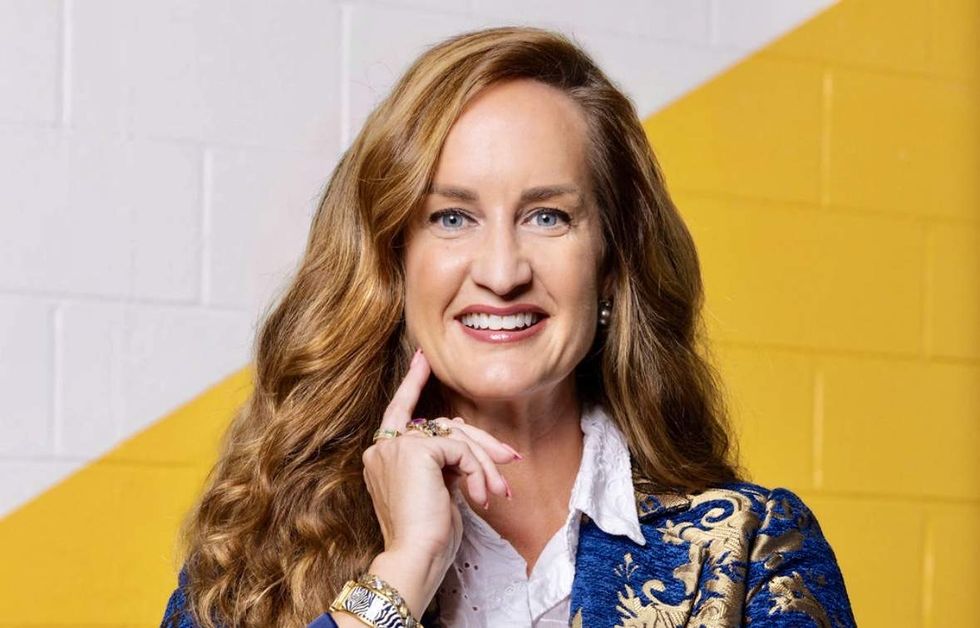
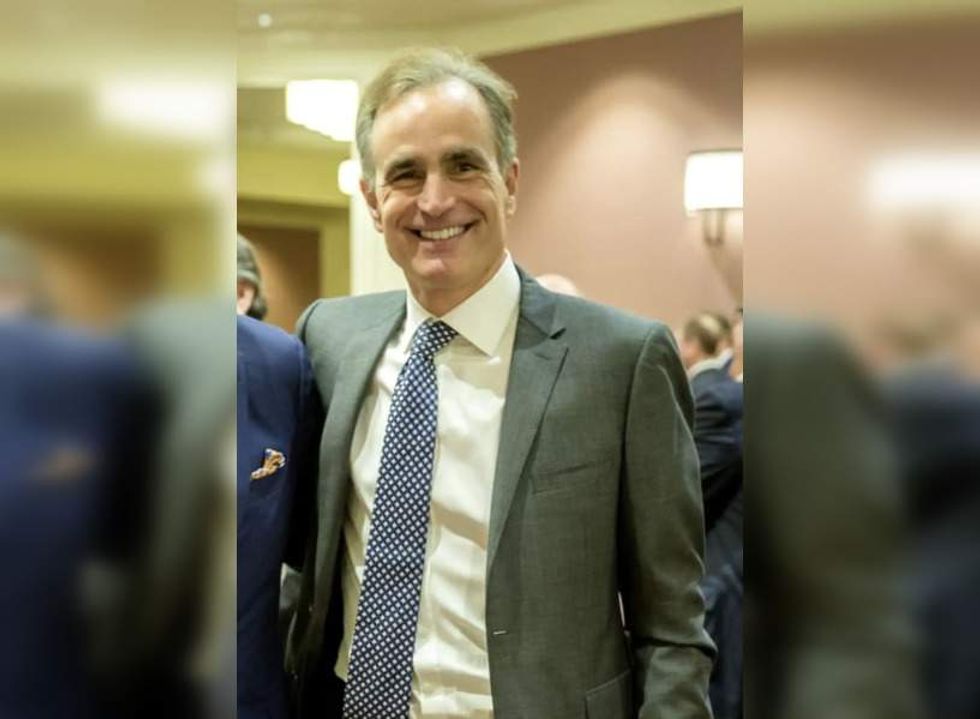
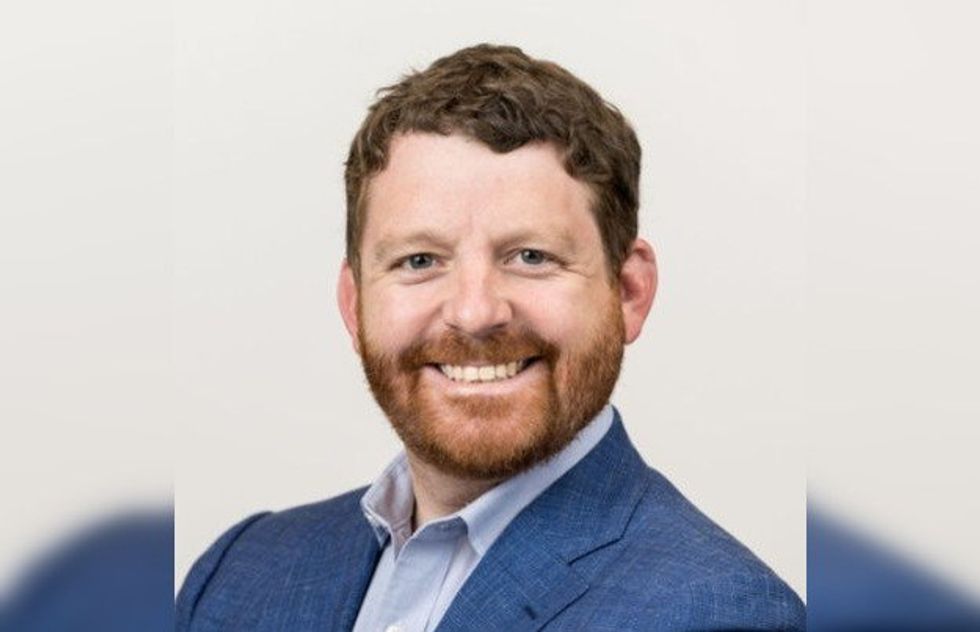
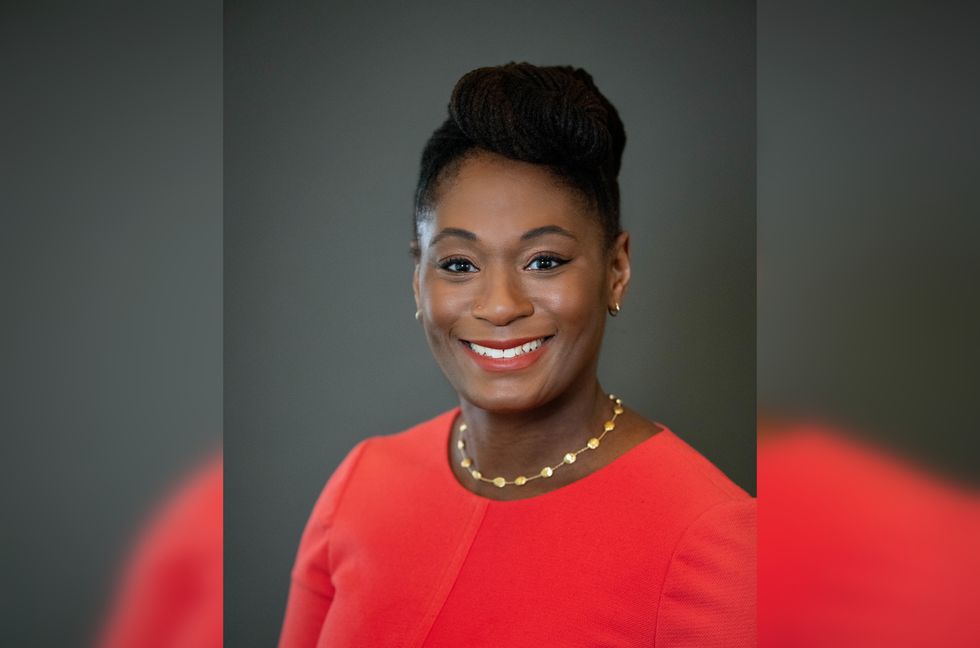
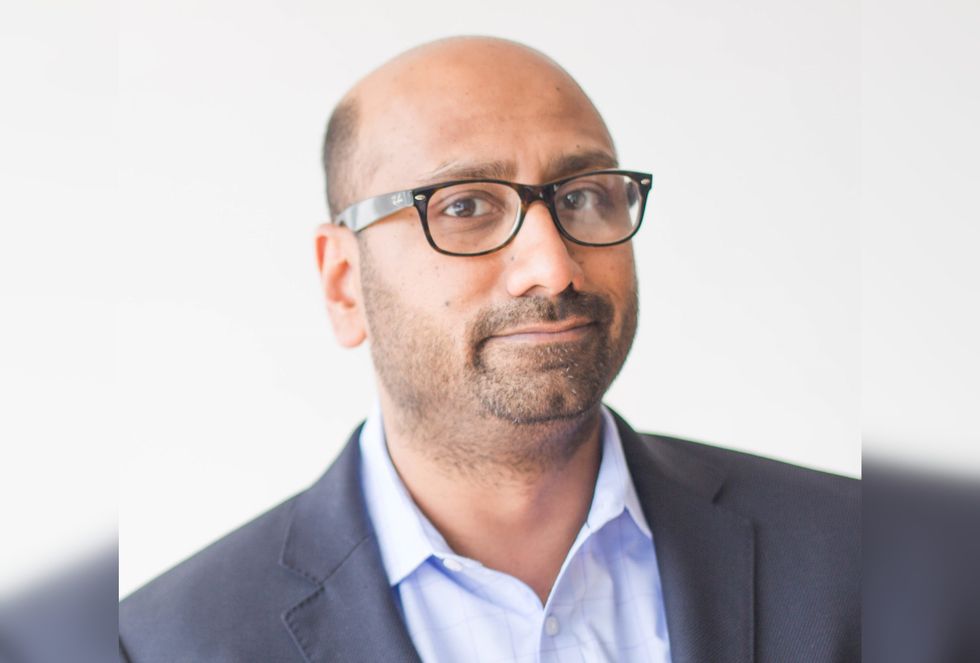
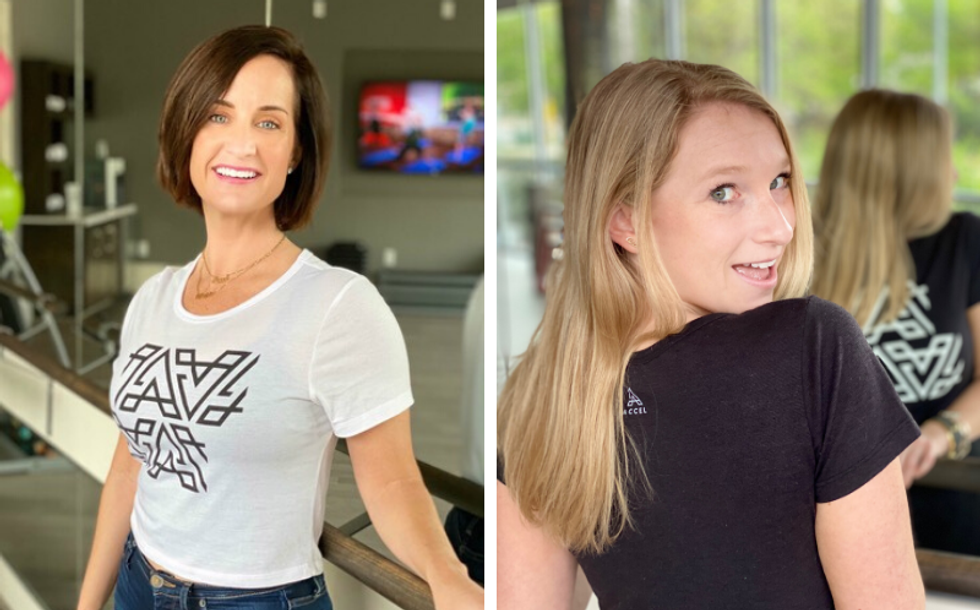
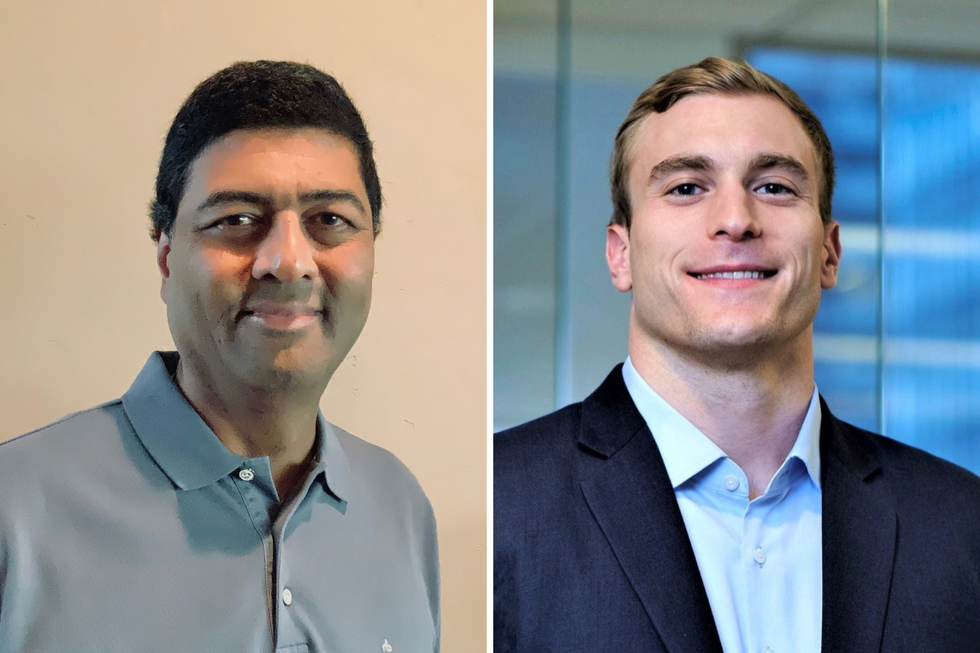
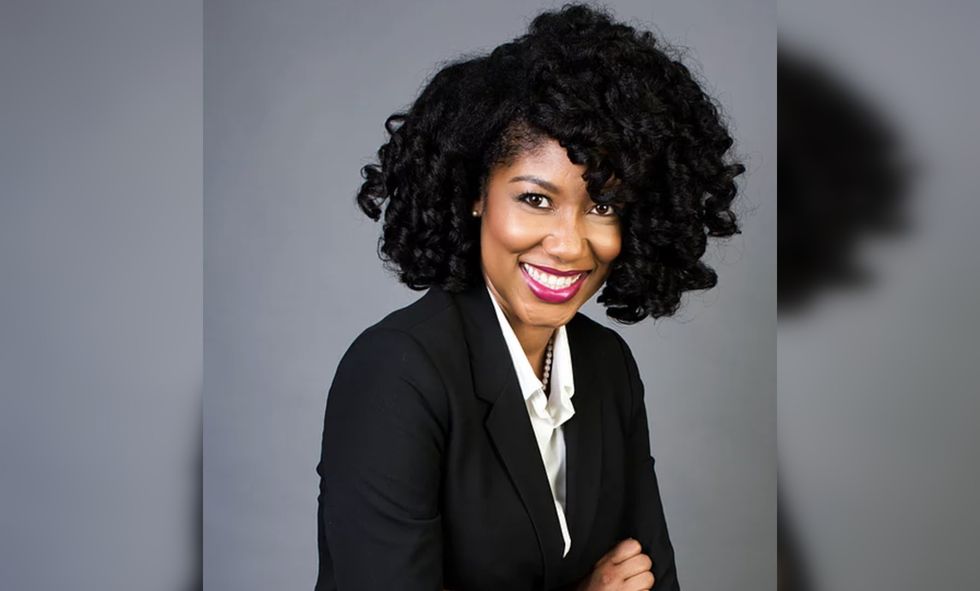
This week's roundup of Houston innovators includes Megan Eddings of Accel Lifestyle, David Gow of the Center for Houston's Future, and Tim Latimer of Fervo Energy. Photos courtesy

Editor's note: Every week, I introduce you to a handful of Houston innovators to know recently making headlines with news of innovative technology, investment activity, and more. This week's batch includes a Houston entrepreneur, a media businessman turned nonprofit leader, and growing geothermal energy company founder.

Megan Eddings, founder of Accel Lifestyle

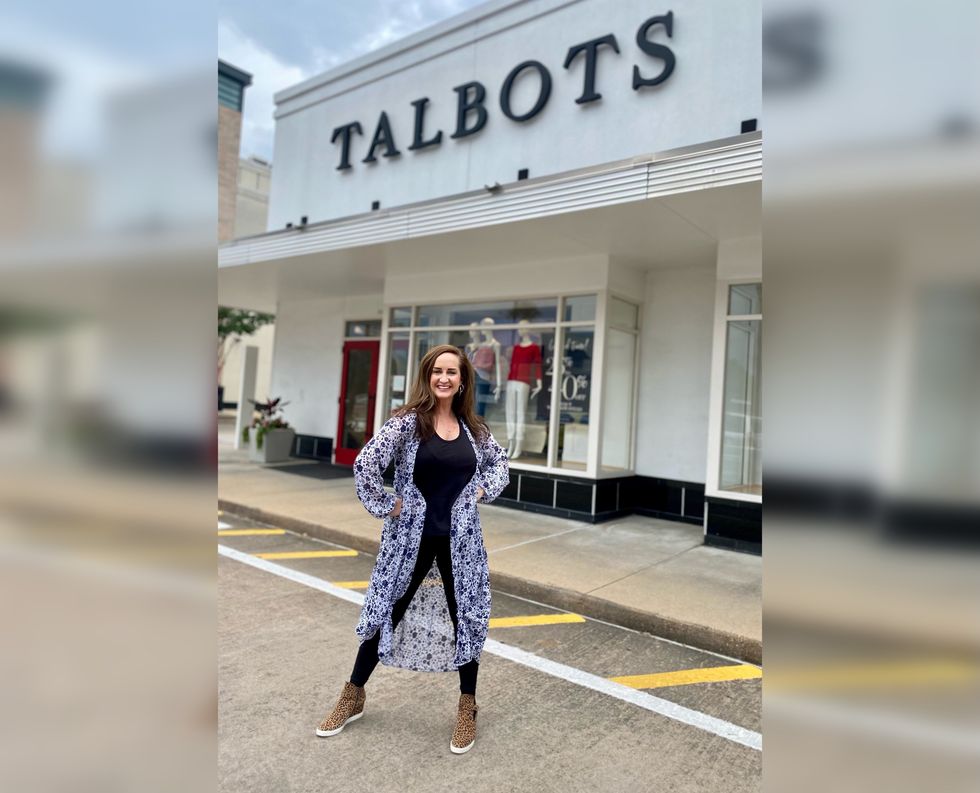
Megan Eddings shares the full entrepreneurial journey — from founding to a pandemic pivot and an exit — on the Houston Innovators Podcast. Photo courtesy of Megan Eddings

After years of tolling over her athleisure wear startup, Megan Eddings knew what her company needed for it to be successful, and she knew she wasn't the right person to do it.

Accel Lifestyle, a clothing brand based on Edding's patented antimicrobial Prema fabric, launched late in 2019 just ahead of boutique fitness studio craze was significantly affected by the pandemic. After pivoting to face masks, including manufacturing tens of thousands for the United States Military, Eddings says she went into the next few years with Accel being back on track to design stink-resistant workout clothing.

But Eddings knew the company needed a huge marketing push to make a splash in the direct-to-consumer world.

"The core of who I am is not a social media person," she says on the Houston Innovators Podcast. "That isn't my skillset. If you sell a product, one of the only ways to become wildly successful is to have an incredible marketing strategy that you need a lot of money to build and create. That is not something that I liked.

"I was so passionate about inventing something, but in order to really scale to the next level, I would have had to take on quite a bit of investment money," she continues. Read more.

David Gow, president and CEO of the Center for Houston's Future

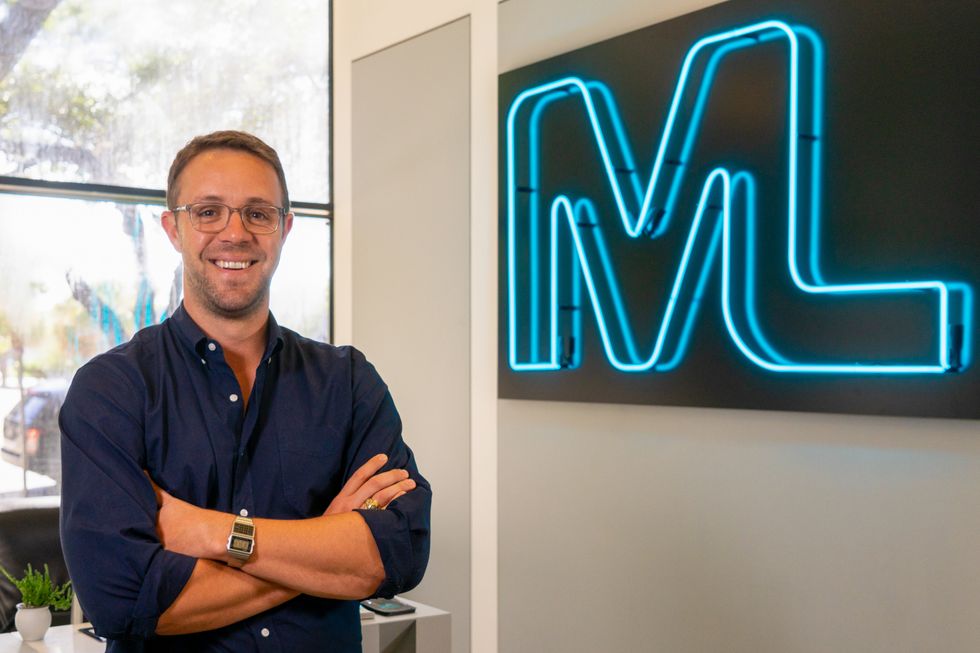
David Gow has been named president and CEO of the Center for Houston's Future. His role is effective September 3.Photo via CultureMap

A nonprofit organization dedicated to leading Houston into the future has named its next leader.

The Center for Houston’s Future named David Gow as president and CEO, succeeding Brett Perlman, who was announced in April to be remaining at the Center with a focus on the Center’s hydrogen initiative. Gow is the founder and chairman of Gow Media, InnovationMap's parent company. His role is effective September 3.

“I am excited to step into this opportunity with the Center and work with the team, the board and many other stakeholders to help shape Houston’s future,” Gow says in a news release. “The Center presents an exciting opportunity to cast a vision for our region and identify initiatives that will make an impact.” Read more.

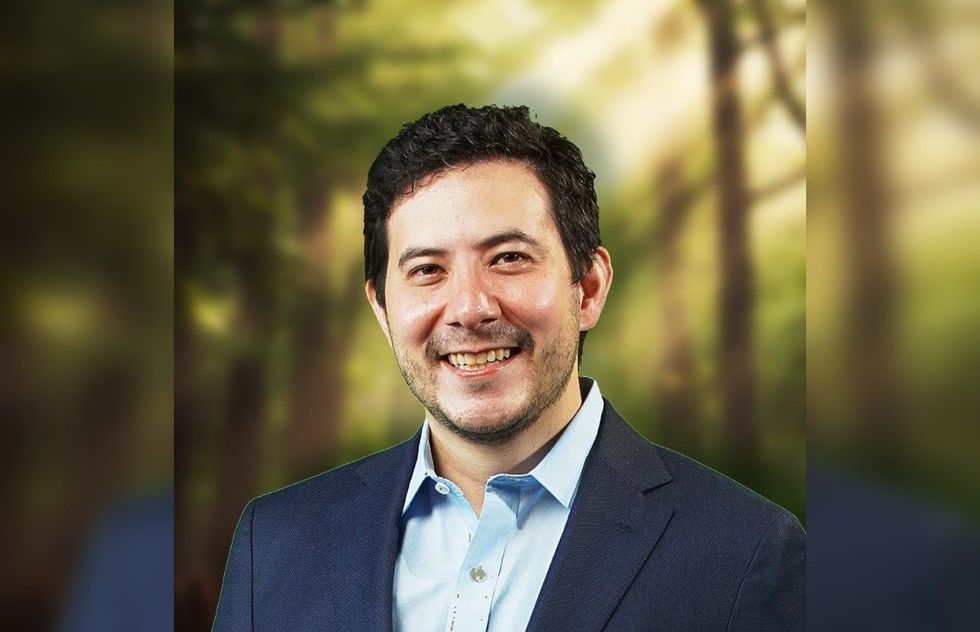
Tim Latimer, co-founder and CEO of Fervo Energy

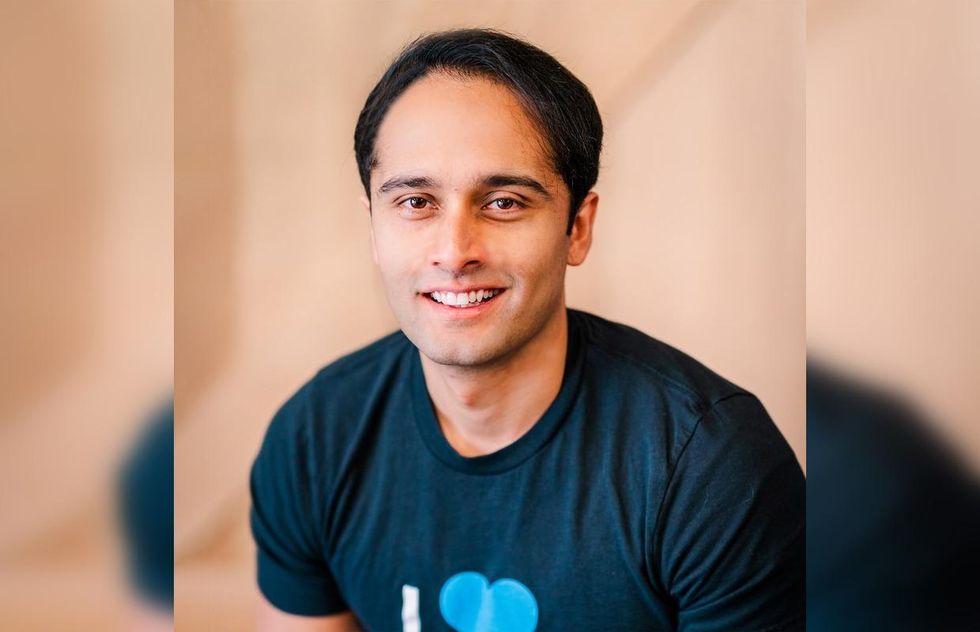
Tim Latimer's Fervo Energy went from a 5,158-square-foot space to a 23,782-square-foot office in downtown Houston. Photo courtesy of Fervo Energy

On the heels of landing more than $240 million in venture capital, Houston-based geothermal power provider Fervo Energy has more than quadrupled the size of its headquarters.

Fervo previously occupied 5,158 square feet at 114 Main St. in downtown Houston. The company recently left the Main Street space and leased 23,782 square feet at downtown Houston’s 910 Louisiana office tower. Houston-based commercial real estate company Hines owns and manages the 50-story former One Shell Plaza.

“We believe Houston is the center of the energy transition, and downtown Houston has long been its center of activity,” Tim Latimer, co-founder and CEO of Fervo Energy, says in a news release. “The availability of dining options, parks, and biking infrastructure continue to be great assets and a huge draw for our team. For these reasons and more, the only place for Fervo’s headquarters is downtown Houston.” Read more.

Megan Eddings shares the full entrepreneurial journey — from founding to a pandemic pivot and an exit — on the Houston Innovators Podcast. Photo courtesy of Megan Eddings

Houstonian shares journey of entrepreneurship from pivot to exit to focus on inspiring positivity

HOUSTON INNOVATORS PODCAST EPISODE 247

After years of tolling over her athleisure wear startup, Megan Eddings knew what her company needed for it to be successful, and she knew she wasn't the right person to do it.

Accel Lifestyle, a clothing brand based on Edding's patented antimicrobial Prema fabric, launched late in 2019 just ahead of boutique fitness studio craze was significantly affected by the pandemic. After pivoting to face masks, including manufacturing tens of thousands for the United States Military, Eddings says she went into the next few years with Accel being back on track to design stink-resistant workout clothing.

But Eddings knew the company needed a huge marketing push to make a splash in the direct-to-consumer world.

"The core of who I am is not a social media person," she says on the Houston Innovators Podcast. "That isn't my skillset. If you sell a product, one of the only ways to become wildly successful is to have an incredible marketing strategy that you need a lot of money to build and create. That is not something that I liked.

"I was so passionate about inventing something, but in order to really scale to the next level, I would have had to take on quite a bit of investment money," she continues.

The process of figuring this out wasn't fast — and it wasn't easy, Eddings says. It took a lot of soul searching and figuring out her strengths and what was right for her.

Eddings says she started considering B2B opportunities — some of which were with major retail brands — but these companies weren't willing to make the financial commitment to Accel or its Prema fabric. The one exception was Talbots, which agreed to stock Accel's clothing.

"It was like trying to fit a round peg into a square hole for a solid year," she says, explaining the emotional and mental toll the process took on her.

Eddings says that just as the opportunity for entrepreneurship found her — by way of her husband's sweaty workout gear she felt convinced she could improve — the next opportunity for Accel found her as well. Eddings was invited to film a segment featuring Accel's products on TV.

As great of an opportunity as it was to sell Accel's products, the segment would be even more meaningful to the company. Shortly after the it aired, a man reached out to Eddings with an acquisition offer from him and his two Australian colleagues who want to build a clothing brand as big as Patagonia, Eddings says.

"When the three men flew in, we had a three-hour lunch and I felt like I was sitting with friends," Eddings says. "I decided I was going to sell, and that was pretty much it." The terms of the deal were not disclosed.

Eddings, whose background in medical sales originally brought her to Houston 12 years ago, turned back to the business world — this time tackling another new industry: oil and gas. She's now the chief strategy officer of Houston-based consultancy New Wave Offshore Energy. And as much as she likes this new role, she says she's ready to add onto her plate a new venture taking her experience with making pivots and incorporating positivity into every asset of her life.

"What I've realized is everyone wants to be happier. When I would give talks about entrepreneurship, the No. 1 question I would get as a founder is 'how do you stay so positive?'" Eddings says.

With this inspiration, she's starting a podcast — The Pivot to Positivity — and has already filmed a pilot episode of a TV show with the same focus.

"Everyone just needs more joy in their life," Eddings says.

Support Houston startups by shopping local this holiday season. Photo via Getty Images

2023 startup gift guide: Shop local from these Houston innovators

It's giving season, and you need not look any further than Houston's startup and innovation community for some gift ideas.

This year's Houston startup gift guide includes experiences, sustainable shopping, and more.

Need some more ideas? Browse last year's roundup of Houston startup-created gift ideas, and check out the 2021, 2020 and 2019 startup gift guides as well for even more options.

For someone outdoorsy: An easy-to-book fishing trip

Mallard Bay, which won big at the Rice Business Plan Competition, expanded in Houston this year. Photo via Getty Images

After seeing success in last year's Rice Business Plan Competition, Mallard Bay, a marketplace for booking guided fishing and hunting trips, announced this year that it's moving half of its employees to Houston, InnovationMap reported. The company hopes the move will help it tap into the large corporate and convention entertainment market in Texas. You can book a trip for your family or shop gear on the startup's website.

For a wine lover: A quick cooling tool

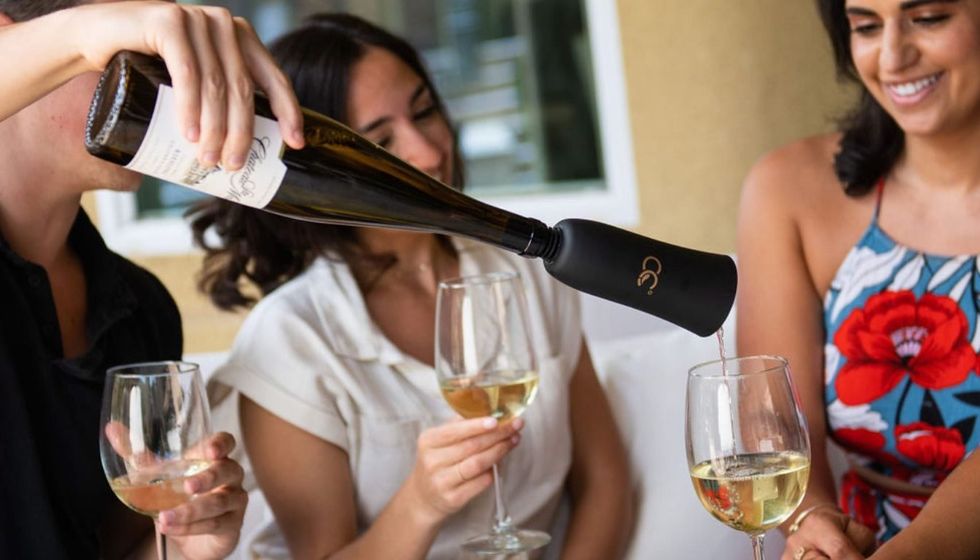
The Cold Cork delivers 20-second beverage chilling. Photo via Facebook/Cold Cork

Perfect for someone who loves to entertain, The idea Cold Cork came from the brains of two Houstonians who love a chilled wine at the end of a long day. However, it often happens that while you're ready for wine, but the wine's not ready for you. The device, priced at $64.95, chills liquids 20 degrees in 20 seconds.

For the new mom in your life: A game-changing breastmilk service

Milkify secured a deal on Shark Tank. Photo courtesy of Milkify

As seen on Shark Tank, Houston-based Milkify provides a unique service to breastfeeding moms. The company freeze dries breast milk so that families can have the convenience of formula with the nutrition of breast milk. The startup, which won at this year's Houston Innovation Awards, secured an investment on the show and even got the nod of approval from Gwyneth Paltrow. Milkify has plans to scale, as the husband-and-wife team shared on the Houston Innovators Podcast.

For someone who loves a sweat sesh: Smell-free athletic wear

Houston-based Accel Lifestyle's innovative line of athleisure has made it into Talbots. Photo courtesy of Accel Lifestyle

For years, Houston athletic clothing brand Accel Lifestyle has been providing its customers with sporty outfits that are designed to not hold onto any stink resulting from bacteria from sweat. As of this summer, the brand is in Talbots, so you can shop in store, as well as online.

For the trendsetter: Sustainable fashion

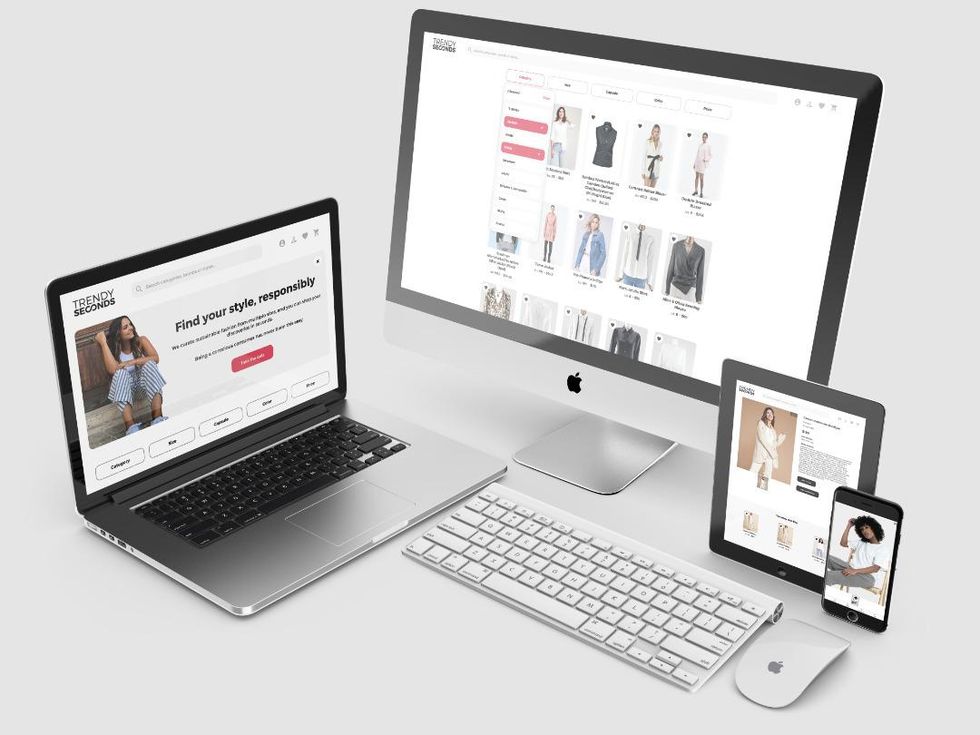
A Houston innovator found second-hand shopping time consuming. So, she designed a better experience. Image courtesy of Trendy Seconds

Shop for one (or all) of your loved ones sustainably with Trendy Seconds, a website created by Houstonian Maria Burgos. There's likely something for everyone on your Christmas list — and no purchase can possibly considered naughty — at least when considering your carbon footprint.

For a party animal: Brews for every occasion

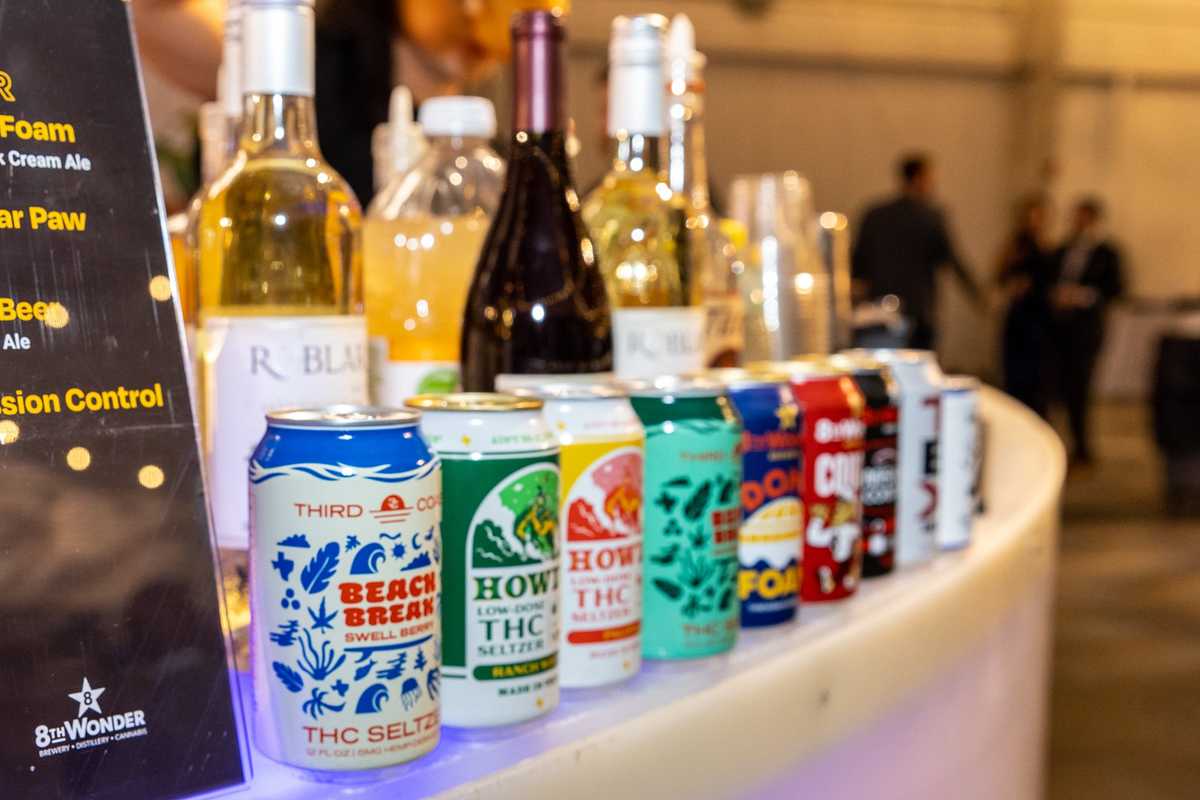
Bring these to your next holiday party. Photo by Emily Jaschke/InnovationMap

Two Houston companies formalized their partnership this year. Bayou City Hemp Company announced that it has purchased 8th Wonder Brewery, Distillery, and Cannabis. The acquisition deepens a relationship that dates back to 2021, when 8th Wonder and Bayou City Hemp partnered to create Wonder Water, a non-alcoholic beverage available with either CBD or Delta-8 that became the top-selling to-go product at 8th Wonder. Now, the combined company creates adult beverages by offering a full lineup of beer, spirits, and cannabis-infused drinks.

For a mother-daughter duo: A tool to enhance their relationship

Houston startup addresses mother-daughter dynamic with first app of its kindA Houston-founded company is targeting mothers and daughters with their teletherapy app. Photo courtesy of Passport Journeys

Passport Journeys, an app with a membership that helps cultivate mother-daughter relationships, can help you on your new year's resolution to heal your relationship with your mom or daughter. The intake process is $280 with monthly fees after and includes a slew of support for relationship building.

This week's roundup of Houston innovators includes Jason Ethier of Greentown Labs, Megan Eddings of Accel Lifestyle, and Omair Tariq of Cart.com. Photos courtesy

3 Houston innovators to know this week

who's who

Editor's note: In this week's roundup of Houston innovators to know, I'm introducing you to three local innovators across industries — from clean energy to materials science — recently making headlines in Houston innovation.

Jason Ethier, senior director of membership at Greentown Labs

Jason Ethier witnessed Greentown Labs, a climatetech incubator based in Somerville, Massachusetts, outside of Boston, from its early days.

"Greentown is one of those things where a business seems obvious in retrospect," says Ethier, a serial energy entrepreneur, on this week's episode of the Houston Innovators Podcast, explaining how the incubator launched as just a way to enable coworking between startups. As it grew and eventually expanded to Houston, Ethier had a front-row seat.

Ethier, whose previous startup brought him to Houston frequently, recognized the same scrappy founder mentality and need for incubation support in the Bayou City and was a key player in expanding Greentown to Houston in 2021.

"Every city is proud of who they are, but I think Houston especially is a city that likes to solve problems and build things locally," Ethier says. "When presented the opportunity to help build and ecosystem here, members of the ecosystem raised their hands and said, 'how can I help.'" Read more.

Megan Eddings, founder of Accel Lifestyle

Houston-based Accel Lifestyle's innovative line of athleisure has made it into Talbots. Photo courtesy of Accel

For a year, Megan Eddings, founder of Accel Lifestyle, has been working on the logistics of getting her clothing — made from eco-friendly, sustainable, antibacterial fabrics — into Talbots, and she's finally sealed the deal.

Shoppers can now find Accel Lifestyle apparel on Talbot's website. This partnership marks the first-ever collaboration for the athleisure brand of Talbots, T by Talbots. By teaming up with Accel Lifestyle, Talbots expands its product offerings and also provides its loyal, forward-thinking, and ethically minded customers with a new clothing option that perfectly fits with their values.

"We are beyond elated about the Accel x Talbots launch," Eddings tells CultureMap." Amanda Cotler, Accel's Director of Operations, and I have been working on this opportunity for a year, and it feels incredible for the collaboration to be live. Our passions are textiles with technology and an ethical made-in-the-USA supply chain. To have a multi-billion dollar company like Talbots care about the same things brings us so much joy." Read more.

Omair Tariq, CEO and co-founder of Cart.com

Omair Tariq's Cart.com raised a big round this week. Photo via Cart.com

Houston-founded Cart.com, which provides a suite of software solutions for commerce and logistics enablement, can now check the box saying "unicorn" with its $1.2 billion valuation that came with its $60 million series C equity funding round.

According to a news announcement from the company, Cart.com will use the funding for international expansion, continued product development, and to meet increased client demand.

“We are proud to partner with this prestigious group of investors to accelerate our growth and continue to deliver best-in-class solutions to our customers,” says Omair Tariq, CEO and co-founder of Cart.com, in a statement. “As a leading commerce software and services provider, we are focused on enabling our customers to compete and win across every channel through digital tools and digitally driven logistics capabilities. We will continue to invest in our industry-leading commerce data capabilities, which are built to address the specific inventory, channel and supply chain challenges facing enterprises.” Read more.

Houston-based Accel Lifestyle's innovative line of athleisure has made it into Talbots. Photo courtesy of Accel

Innovative Houston athleisure startup debuts in Talbots

ready-to-wear innovation

After a year of planning and behind-the-scenes work, the highly anticipated collaboration between local apparel brand Accel Lifestyle and Talbots has finally come to fruition.

Shoppers can now find Accel Lifestyle apparel — beloved for its eco-friendly, sustainable, antibacterial fabrics sourced made in the USA — on Talbot's website.

This partnership marks the first-ever collaboration for the athleisure brand of Talbots, T by Talbots. By teaming up with Accel Lifestyle, Talbots expands its product offerings and also provides its loyal, forward-thinking, and ethically minded customers with a new clothing option that perfectly fits with their values.

At the helm of Accel Lifestyle is founder Megan Eddings, whose background in chemistry ignited the creation of the brand's groundbreaking Prema fabric after one too many run-ins with foul-smelling gym clothes. Her proprietary fabric boasts a revolutionary antibacterial technology, rendering Accel Lifestyle's apparel supremely comfortable, high-quality, and remarkably odor-resistant. With this cutting-edge fabric, Accel Lifestyle firmly establishes itself as a trailblazer in the industry, setting new standards for functionality and style.

As CultureMap reported in 2019, Eddings's innovative work was rewarded with a partnership with Inc. Magazine, Houston billionaire Tilman Fertitta, and others.

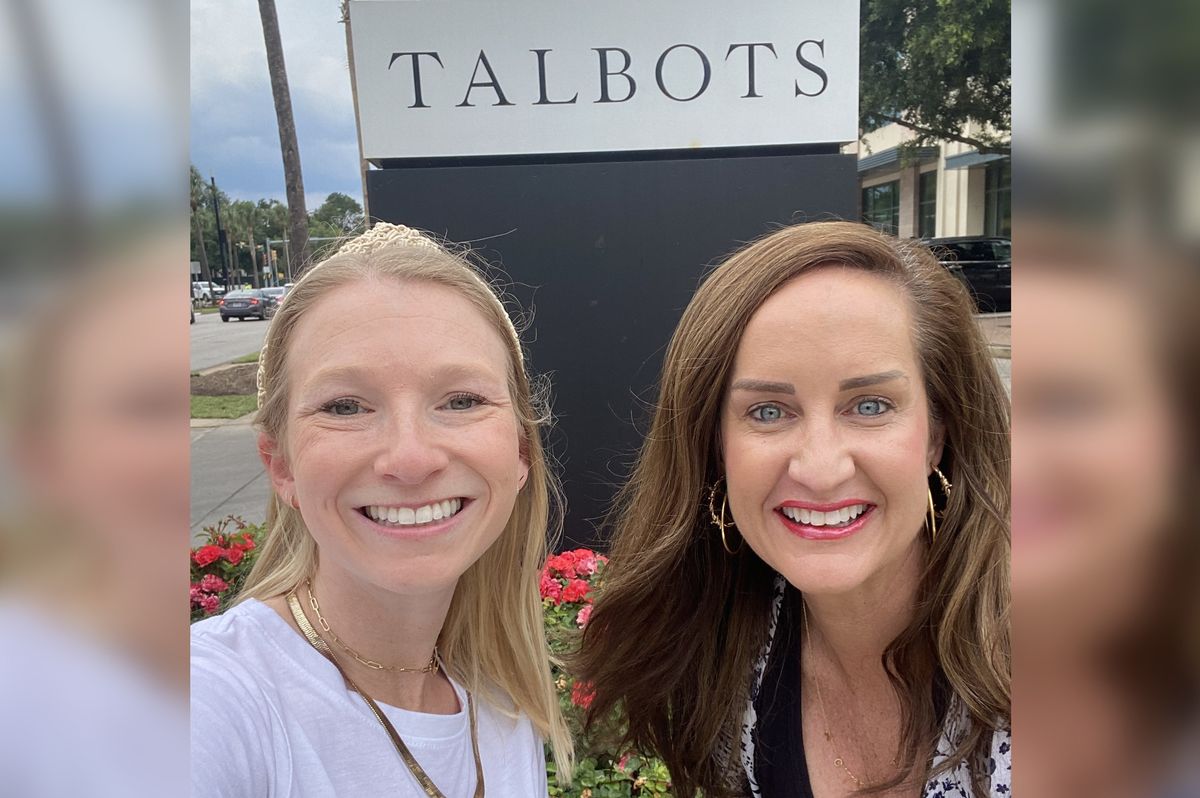
Amanda Cotler and Megan Eddings of Accel Lifestyle are celebrating a big win for their company. Photo courtesy

"We are beyond elated about the Accel x Talbots launch," Eddings tells CultureMap." Amanda Cotler, Accel's Director of Operations, and I have been working on this opportunity for a year, and it feels incredible for the collaboration to be live. Our passions are textiles with technology and an ethical made-in-the-USA supply chain. To have a multi-billion dollar company like Talbots care about the same things brings us so much joy."

In addition to their remarkable achievements in fashion, Accel Lifestyle champions the power of women in STEM through their team's leadership and this collaboration. By showcasing the applications of science and technology within the realm of fashion, Accel Lifestyle and Talbots are spotlighting the remarkable potential within these fields.

With the Accel Lifestyle x Talbots collaboration in full swing, customers can expect an extraordinary fusion of sustainable fashion and impeccable style. The Accel Lifestyle collaboration features an Anti-Odor Power Tank and an Anti-Odor Timeless Tee. Both are available in colors black and white.

------

This article originally ran on CultureMap.

The ultimate who's who of 2020 — favorite Houston Innovators Podcast guests of last year. Photos courtesy

Editor's Picks: Top 7 Houston innovation interviews of 2020

2020 in review

Editor's note: With 2020 in the rearview, InnovationMap is looking back on the top stories of the year. With over 60 episodes of the Houston Innovators Podcast and about half of those being recorded in 2020, here are the top episides from the year.

Chris Buckner, co-founder and CEO of Mainline

With sports went offline, esports startup Mainline saw an opportunity for growth during the COVID-19 outbreak. Photo courtesy of Mainline

What happened when collegiate sport stadiums shut down and seasons were postponed? People started to turn to esports to get their competitive fix. And Houston-based esports tournament software company Mainline saw a huge boost to business.

"Everyone is looking for how to get sports, or esports, in front of people because everyone is just missing [sports] so much," Chris Buckner, co-founder and CEO of Mainline, says in a June episode of the Houston Innovators Podcast. "We've been very fortunate to work in the industry we do."

On campuses this past spring, colleges are looking for a way to connect with and engage students, Buckner says. And, Mainline has even been able to attract interest on the professional level.

"Our June will pretty much be the best month of our company, and a lot of that is driven by the fact that everyone is looking for a digital solution rather than an in-person solution," Buckner says.

Read more and stream the podcast episode here.

Fiona Mack, head of JLABS @ TMC

Fiona Mack joined JLABS @ TMC as head of the incubator. Photo courtesy of JLABS

Last year, JLABS @ TMC — a local health tech startup incubator under the Johnson & Johnson arm — welcomed Fiona Mack as the new head of the program. On her plate was assessing the needs of the incubator's 49 member companies in the portfolio and understanding the needs of the Texas innovation ecosystem.

"As I learn more about the history of life science sector in Texas, over the past 20 years there has been an impetuous to build up this critical mass of companies here to really make it a strong hub that competes with the energy sector to make it a pillar of the economy here," Mack says in a November episode of the Houston Innovators Podcast.

One of the things that's top of mind for Mack is a focus on diversity — both from an entrepreneurship and a representation standpoint.

"From a research perspective, there's a strong effect of having a lack of diversity in a lot of the metrics we're looking at," she shares.

Read more and stream the podcast episode here.

Joe Alapat, CEO of Liongard

Joe Alapat is the CEO of Houston-based Liongard, which just raised a $17 million series B round. Courtesy of Liongard

Despite a pandemic that at least in some ways negatively affected venture capital investment, a Houston software startup managed to persevere with a $17 million series B. Liongard's CEO Joe Alapat, who co-founded the company with COO Vincent Tran in 2015, says in a May episode of the Houston Innovators Podcast that the round was the result of ongoing relationships with advisers and investors that meant a successful round — even in light of a pandemic.

In the episode, Alapat also shares his advice for Houston startups looking to tap into the Houston innovation ecosystem — something he's watched grow over the past five years. Now, he says, when it comes to new startups in Houston, "the waves are hitting the shore."

"Houston has always been an entrepreneurial city, and this is just that next stage," Alapat says on the episode. "For me, it's the technology side that excites me even more to see technology companies really succeeding."

Read more and stream the podcast episode here.

Megan Eddings and Amanda Cotler of Accel Lifestyle

Megan Eddings and Amanda Cotler of Accel Lifestyle joined the Houston Innovators Podcast to share how they made the pivot from making T-shirts to face masks. Photos courtesy

For years, Megan Eddings, founder and CEO of Accel Lifestyle, worked on perfecting the perfect antibacterial fabric for an anti-stink athletic clothing line, but it only took her a few weeks to pivot toward using the material to make masks.

On a May episode of the Houston Innovators Podcast, Eddings and Amanda Cotler, director of operations, shared the story of how this pivot came to be and how they saw the Center for Disease Control was recommending wearing bandanas and cloth when face masks weren't available, they had an epiphany.

"Megan and I read that and immediately hopped on a call with our team," Cotler says. "We had a realization with our antibacterial fabric that a face mask made from it would be so much cleaner."

Within 24 hours, the duo had a sample in their hands, and they had 14,000 yards of their Prema fabric being shipped from California to Houston, where they had managed to find 60 local sewers ready to start making the masks.

Now, with the Houston workforce making moves to return to the workplace, Eddings says she's seen an increased interest in corporations wanting custom masks with the company logo on it for their employees.

Read more and stream the podcast episode here.

Durg Kumar and Allen Bryant,  partners at Knightsgate Ventures

Houston-founded venture capital firm heads into second fund focused on social impactDurg Kumar (left) and Allen Bryant, partners at Knightsgate Ventures, join the Houston Innovators Podcast to discuss their second fund. Photos courtesy

Durg Kumar founded Knightsgate Ventures in order to find and fund startups with a social impact and a profitable business strategy. The Houston-based firm was founded in Houston and has since expanded to add a New York partner, Allen Bryant, to the operation. The duo joined the Houston Innovators Podcast in November.

"For a very long time, there was a perceived trade off between social returns and financial returns," Bryant says on this week's episode of the Houston Innovators Podcast. "What we are seeing now is that's really not the case. You actually have businesses that are bringing impactful change and those businesses are propelled by that."

The VC's first fund invested in six startups — including Houston-based Voyager — and is now heading into its second fund. Kumar says the first fund's success was in part due to his network. Now heading into the second go around, Knightsgate's network has grown with the addition of Bryant.

The end of the year, Kumar and Bryant were focused on helping their portfolio startups focus on the next year.

"Now's a good time to retrench and focus on building product," Kumar says, "so that in 2021 when travel restrictions ease, then you've got your refined product to go out and take it to the customers."

Read more and stream the podcast episode here.

Joy M. Hutton, local leader of the Grow with Google in Houston

Joy M. Hutton leads the Grow with Google in Houston. Photo courtesy of Google

In November, when Google announced it was expanding its Grow with Google Digital Coach program to Houston, Joy M. Hutton was named the local leader. The entrepreneur and business consultant is hoping to help provide important business resources to entrepreneurs just like herself.

"In Houston, you have a lot of different resources that weren't available to startups before just within the past few years, and I think that's huge," Hutton says in a December episode of the Houston Innovators Podcast. "Being more inclusive with people who need the resources who haven't traditionally had access to those resources is a big initiative. I personally am proud to be a part of that."

Hutton specifically calls out resources like MassChallenge and Founder's Institute — both of which she serves as a mentor for — as well as DivInc, gBeta, and of course the Grow with Google program. To get involved, Houston entrepreneurs can head online to learn more and keep an eye out for monthly classes online — and hopefully, in the future, in person events as well.

Read more and stream the podcast episode here.

Kyle Judah, executive director of Rice University's Liu Idea Lab for Innovation and Entrepreneurship

Kyle Judah joins the Houston Innovators Podcast to discuss his new role. Photo courtesy of Lilie

When Kyle Judah accepted his position as executive director at Rice University's Liu Idea Lab for Innovation & Entrepreneurship, he had spent less than 48 hours in the city of Houston. In fact, his first two months in the role have been spent completely remote and out of town.

Still, his limited in-person interaction with the city and with Rice made an impact.

"One of the things I found so exciting about what's going on in Houston right now that, quite frankly, was incredibly attractive about the opportunity to come and join Lilie and Rice was that Houston has these big pillar companies in energy and health care and all these critical areas that the world, the economy, and the society needs," Judah says in a September episode of the Houston Innovators Podcast. "That's all in Houston right now."

Judah and Lilie's goal is to help identify the innovation happening on campus at Rice and bring it to the world. And, he says, Rice as a whole has a huge place in the greater Houston innovation ecosystem. The challenge is identifying what industries Houston and Rice have an opportunity to disrupt.

"We can't just copy and paste what works for the Bay Area or what works for Boston," he says. "We have to figure out what is going to be the authentic right sort of centers of excellence for Rice and for Houston — areas like energy, health care, space. It just so happens that these areas that Houston and Rice have historically done better at than anyone else — those happen to be the most grand challenges for all of humanity."

Read more and stream the podcast episode here.

Ad Placement 300x100
Ad Placement 300x600

CultureMap Emails are Awesome

Houston-based Fervo Energy bumps up IPO target to $1.82 billion

IPO update

Houston-based geothermal power company Fervo Energy is now eyeing an IPO that would raise $1.75 billion to $1.82 billion, up from the previous target of $1.33 billion.

In paperwork filed Monday, May 11 with the U.S. Securities and Exchange Commission, Fervo says it plans to sell 70 million shares of Class A common stock at $25 to $26 per share.

In addition, Fervo expects to grant underwriters 30-day options to buy up to 8.33 million additional shares of Class A common stock. This could raise nearly $200 million.

When it announced the IPO on May 4, Fervo aimed to sell 55.56 million shares at $21 to $24 per share, which would have raised $1.17 billion to $1.33 billion. The initial valuation target was $6.5 billion.

A date for the IPO hasn’t been scheduled. Fervo’s stock will be listed on Nasdaq under the ticker symbol FRVO.

Fervo, founded in 2017, has attracted about $1.5 billion in funding from investors such as Bill Gates-founded Breakthrough Energy Ventures, Google, Mitsubishi Heavy Industries, Devon Energy (which is moving its headquarters to Houston), Tesla co-founder JB Straubel, CalSTRS, Liberty Mutual Investments, AllianceBernstein, JPMorgan, Bank of America and Sumitomo Mitsui Trust Bank.

Fervo’s marquee project is Cape Station in Beaver County, Utah, the world’s largest EGS (enhanced geothermal system) project. The first phase will deliver 100 megawatts of baseload clean power, with the second phase adding another 400 megawatts. The site can accommodate 2 gigawatts of geothermal energy. Fervo holds more than 595,000 leased acres for potential expansion.

Cape Station has secured power purchase agreements for the entire 500-megawatt capacity. Customers include Houston-based Shell Energy North America and Southern California Edison.

---

This article originally appeared on our sister site, EnergyCapitalHTX.com.

Texas university's new flight academy opens at Houston Spaceport

cleared for takeoff

The vehicles may not have “student driver” stickers on them, but Texas Southern University has moved a dozen planes into its new training facility at the Houston Spaceport, opening the way for student flyers to use the facility.

TSU previously reached a deal with Houston Airports and the City of Houston in 2023 to house its prospective Flight Academy at Ellington Field. At the time, TSU had a small fleet of nine planes for student use, but a $5.5 million investment from the city greatly expanded the space available.

The Flight Academy includes a 20,000-square-foot hangar that serves as a TSU satellite campus. The school now has a fleet of 12 Cirrus SR20 aircraft that were acquired last year through state and alumni funding. An additional 4,500 square feet is used as classroom and office space. An 8,000-gallon fuel tank will support flight training operations.

TSU first launched its Aviation Science Management program in 1986 and added a professional pilot program in 2016. The school is now part of the United Airlines pipeline program and has also forged relationships with Delta and Southwest.

“I want to commend Texas Southern University and Houston Airports for their leadership and partnership in advancing aviation education right here in our city,” Houston City Councilwoman Dr. Carolyn Evans-Shabazz in a press release.

“It connects our students to high-paying, high-demand careers in aviation and aerospace. This is how we grow a city in the right way—by investing in workforce development, aligning education with industry and making sure our residents are prepared to lead in the industries of tomorrow. Houston is already a global leader in aerospace and projects like this strengthen that position even further, especially here at Ellington, where innovation and opportunity continue to take flight.”

The City of Houston signed an agreement to continue funding the academy for five years.

Amazon launches ultrafast, 30-minute delivery service across Houston

Amazon Now

More than 20 years after it redefined fast shipping, Amazon is preparing to raise the bar on consumer expectations again by offering to fulfill customers' most urgent product needs in Houston and other parts of the world in a half-hour or less for an extra fee.

The company, which revolutionized online shopping in 2005 with two-day deliveries for Prime members, is rapidly opening small order-processing hubs in dozens of U.S. and foreign cities to cater to shoppers who can't or don't want to wait for cough medicine to relieve flu symptoms or tomatoes for tonight's dinner salad.

The ultrafast service, called Amazon Now, first launched in India last June. Amazon says 30-minute deliveries now are also available in urban areas of the United States, Brazil, Mexico, Japan, the United Arab Emirates, the United Kingdom.

The mini-warehouses devoted to Amazon Now are about the size of a CVS drugstore. They stock about 3,500 products for expedited delivery, including beer, diapers, pet food, meat, nonprescription medications, playing cards and cellphone charging cables.

“We know that customers love speed and always have,” Beryl Tomay, Amazon’s head of transportation, told The Associated Press on Monday. “What we see customers doing, when we offer faster speeds, are they purchase more from Amazon. And Amazon becomes more top of mind for that or other types of items as well.”

In the U.S., the company first tested Amazon Now in Seattle, the home of its headquarters, and in Philadelphia. Most residents of the Dallas-Fort Worth area and Atlanta now have access as well. The service is also live in Dallas-Fort Worth, Denver, Minneapolis, Phoenix, Oklahoma City, Orlando, and dozens of other cities, Amazon said, with New York City and others expected by year-end.

The service charges for Amazon Now start at $3.99 for Prime members, who pay an annual fee of $139, and $13.99 for non-members. A $1.99 small basket fee applies to orders under $15, Amazon said.

The company's bet on a need for speed also comes as some consumers are rebelling against rushed deliveries as they weigh the potential impact on the environment and the workers tasked with preparing orders at a rapid rate.

Amazon’s approach
A relentless focus on speed helped Amazon build a logistics and e-commerce empire. After it made two days the new delivery time normal, Amazon moved into one-day and same-day deliveries for its Prime members. This spring, the company began making 90,000 products available in one hour or three hours at an extra cost.

The scaled down and sped up microhubs that are designed to handle 30-minute orders represent another step in Amazon's pursuit.

Only a handful of people prepare orders from aisles of shelves in the 5,000- to 10,000-square-foot facilities, unlike the sprawling fulfillment centers storing millions of items where Amazon employs a mix of human workers and robotics to pick and pack orders.

Amazon tailors the product inventory to each location and uses artificial intelligence and other technology to analyze what customers buy, as well as when and how often. The most popular U.S. purchases so far include soap, toothpaste, mouthwash, toilet plungers, bananas, limes and wireless earbuds, Amazon said.

The competition
Amazon’s attempt to up the instant gratification ante provides direct competition to on-demand food delivery platforms like Instacart, Uber Eats, DoorDash and Grubhub, which don't have the scale of the e-commerce titan, according to independent retail analyst Bruce Winder.

“What Amazon brings is their prowess in supply chain,” Winder said.

These smaller companies said they don't see Amazon as a threat, though, citing the hundreds of thousands of items they are able to deliver to users' doorsteps by partnering with various merchants and restaurants.

“DoorDash has a mission to empower grocers and retailers and augment their existing footprint, not to replace them,” DoorDash spokesperson Ali Musa said in an emailed statement. “We win only when they win, which is how we can offer over half a million grocery and retail items in under an hour across the country.”

Amazon also is in a race with Walmart to become the retailer that reliably gets orders to online shoppers in under an hour.

For an additional $10 on top of standard delivery charges, shoppers can place Walmart Express Delivery orders from among more than 100,000 products that are guaranteed to arrive in an hour. Many customers, however, are receiving the items under 30 minutes, Walmart CEO John Furner told analysts in February.

Domino's cautionary tale
Companies have promised deliveries in 30 minutes or less before, but the landscape also is littered with failed attempts to break the speed barrier.

The COVID-19 pandemic produced a flurry of companies that promised 10- to 15-minute grocery deliveries from microwarehouses in dense neighborhoods, according to Sucharita Kodali, an analyst at market research firm Forrester Research.

But soaring operating costs, low customer loyalty and the drying up of investor money ultimately caused most to fail before the pandemic was over, analysts said.

Domino’s in 1984 pushed a guarantee that customers would receive their pizzas for free if they weren't delivered in under a half-hour. The company amended the “30 minutes or it’s free” policy after two years, providing only a $3 discount for late deliveries.

The promotion helped Domino’s win market share, but it ended up tarnishing the company's reputation. It dropped the guarantee in December 1993 after a string of crashes and lawsuits involving drivers racing to meet the deadline.

Brad Jashinsky, a retail analyst at information technology research and consulting firm Gartner, said he thinks Amazon should take the pizza chain's experience as a cautionary tale.

“You get in trouble when you start overpromising something like that,” he said.

Amazon won't be making any time guarantees and instead plans to keep customers who chose the 30-minute delivery option updated on the progress of their orders, Tomay said.

“There's no rushing either in our building workers or the gig workers,” she said.

Taking it slow
Kodali thinks Amazon will need a lot of people placing orders around the same time from the same or adjacent apartment buildings for the 30-minute service to be cost-effective.

Consumers may appreciate rapid receipt of products like toilet paper and batteries, but retailers and logistics experts said they also see some online shoppers, especially members of Generation Z, choosing no-rush shipping for products they don't need in a hurry.

Amazon for several years has invited customers to skip one- or two-day delivery and to receive their orders on the same day in as few parcels as possible. Consolidating orders into fewer packages by electing to have them delivered at the same time cuts down on boxes, shipping envelopes and fuel use, analysts said.

“The millennials who came to age in an era that was on fast delivery came to expect it de facto, whereas ... Gen Z is more accepting of a slower speed than previous generations before them,” said Darby Meegan, a general manager at Flexport, a supply chain and logistics company that fulfills orders for thousands of online merchants.

Still, Amazon executives have cited positive early results for Amazon Now in India, where they said Prime members tripled their requests for 30-minute deliveries once they started using the service.

Amazon Now also is attracting more repeat American customers, Tomay said.

“It’s in early days and time will tell,” she said. “I think that it will be interesting to see how it evolves.”