Support Houston startups by shopping local this holiday season. Photo via Getty Images

It's giving season, and you need not look any further than Houston's startup and innovation community for some gift ideas.

This year's Houston startup gift guide includes experiences, sustainable shopping, and more.

Need some more ideas? Browse last year's roundup of Houston startup-created gift ideas, and check out the 2021, 2020 and 2019 startup gift guides as well for even more options.

For someone outdoorsy: An easy-to-book fishing trip
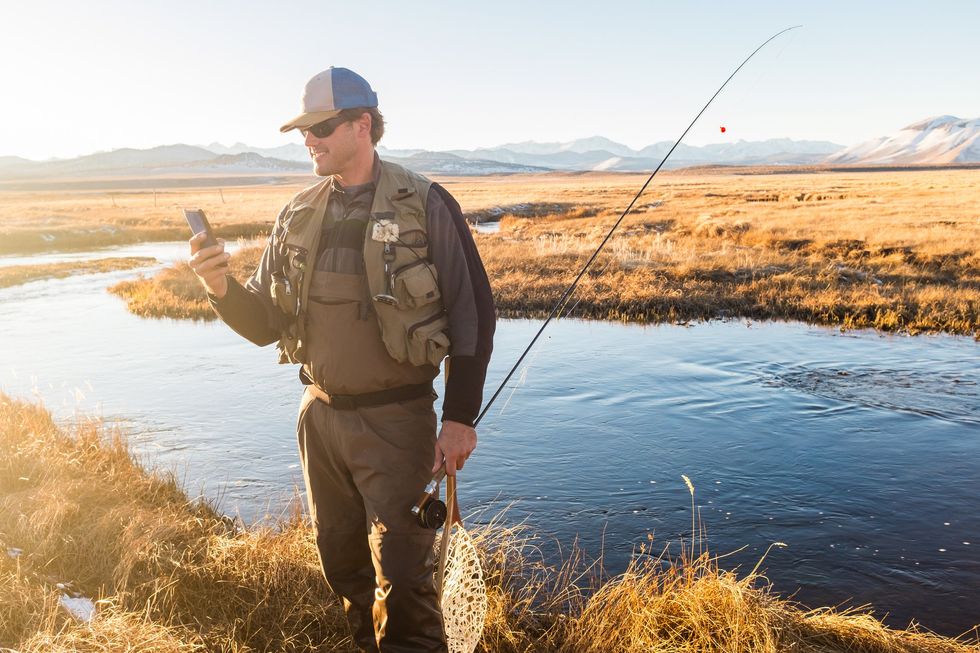
Mallard Bay, which won big at the Rice Business Plan Competition, expanded in Houston this year. Photo via Getty Images

After seeing success in last year's Rice Business Plan Competition, Mallard Bay, a marketplace for booking guided fishing and hunting trips, announced this year that it's moving half of its employees to Houston, InnovationMap reported. The company hopes the move will help it tap into the large corporate and convention entertainment market in Texas. You can book a trip for your family or shop gear on the startup's website.

For a wine lover: A quick cooling tool
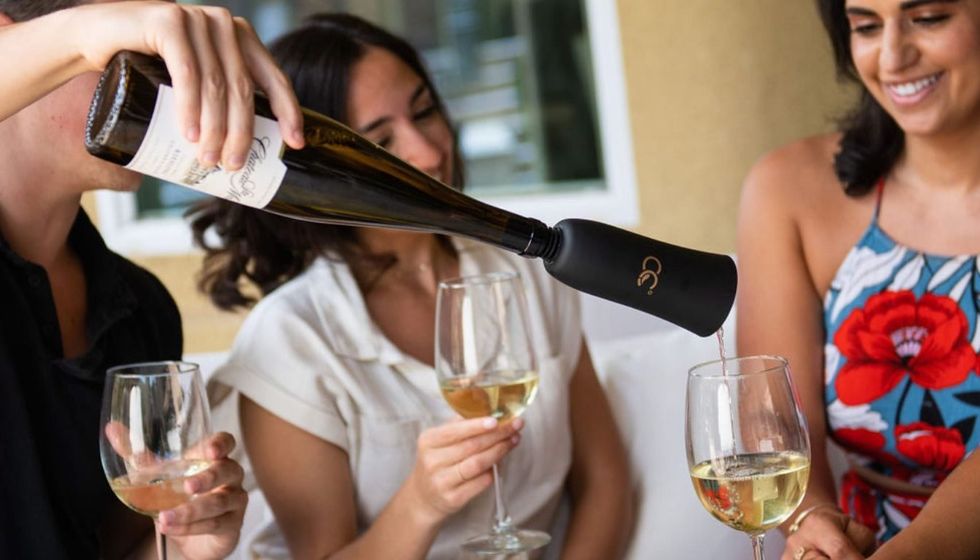
The Cold Cork delivers 20-second beverage chilling. Photo via Facebook/Cold Cork

Perfect for someone who loves to entertain, The idea Cold Cork came from the brains of two Houstonians who love a chilled wine at the end of a long day. However, it often happens that while you're ready for wine, but the wine's not ready for you. The device, priced at $64.95, chills liquids 20 degrees in 20 seconds.

For the new mom in your life: A game-changing breastmilk service

Milkify secured a deal on Shark Tank. Photo courtesy of Milkify

As seen on Shark Tank, Houston-based Milkify provides a unique service to breastfeeding moms. The company freeze dries breast milk so that families can have the convenience of formula with the nutrition of breast milk. The startup, which won at this year's Houston Innovation Awards, secured an investment on the show and even got the nod of approval from Gwyneth Paltrow. Milkify has plans to scale, as the husband-and-wife team shared on the Houston Innovators Podcast.

For someone who loves a sweat sesh: Smell-free athletic wear
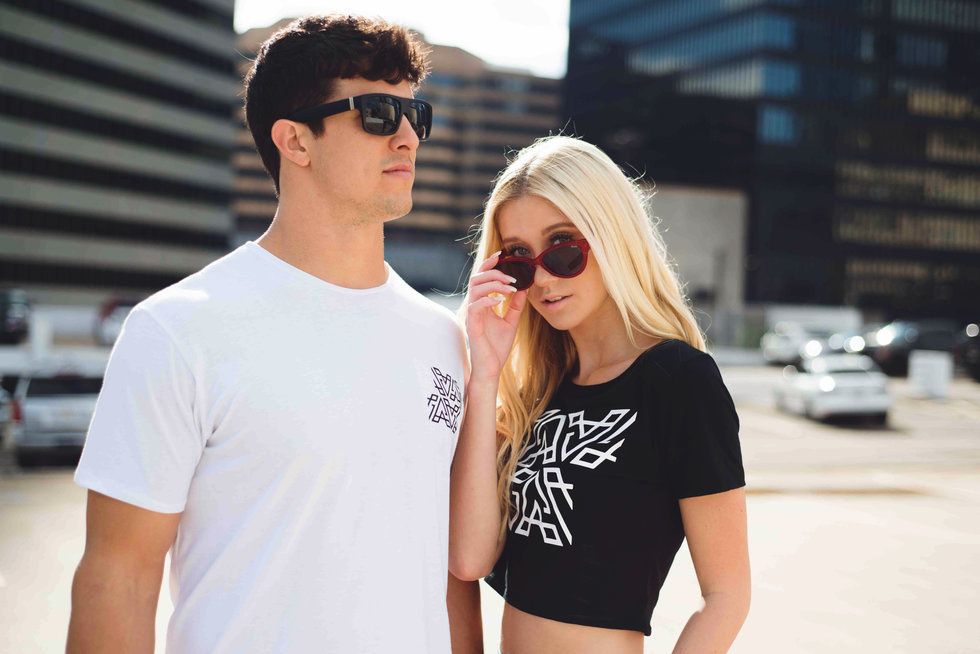
Houston-based Accel Lifestyle's innovative line of athleisure has made it into Talbots. Photo courtesy of Accel Lifestyle

For years, Houston athletic clothing brand Accel Lifestyle has been providing its customers with sporty outfits that are designed to not hold onto any stink resulting from bacteria from sweat. As of this summer, the brand is in Talbots, so you can shop in store, as well as online.

For the trendsetter: Sustainable fashion
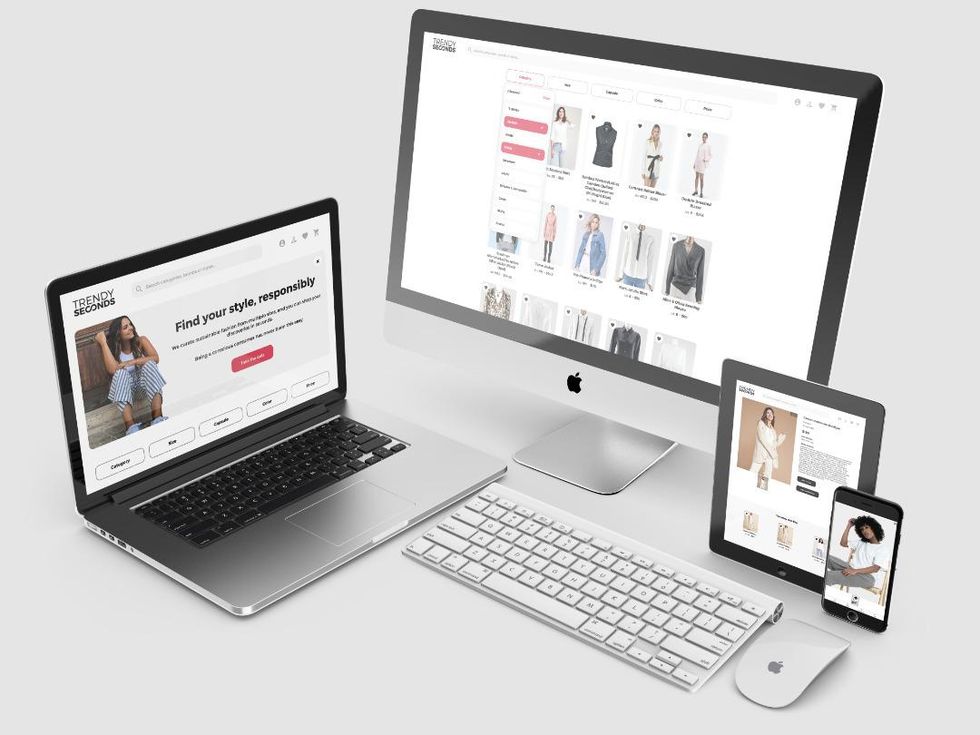
A Houston innovator found second-hand shopping time consuming. So, she designed a better experience. Image courtesy of Trendy Seconds

Shop for one (or all) of your loved ones sustainably with Trendy Seconds, a website created by Houstonian Maria Burgos. There's likely something for everyone on your Christmas list — and no purchase can possibly considered naughty — at least when considering your carbon footprint.

For a party animal: Brews for every occasion
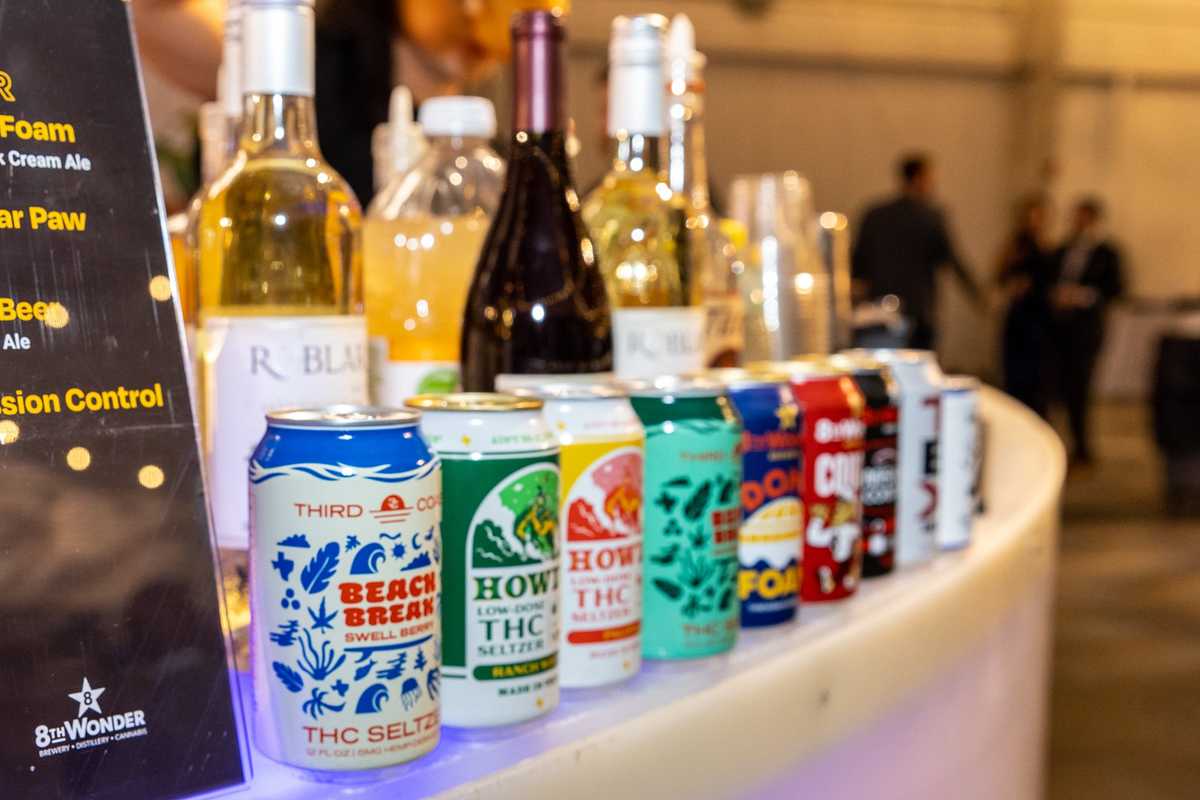
Bring these to your next holiday party. Photo by Emily Jaschke/InnovationMap

Two Houston companies formalized their partnership this year. Bayou City Hemp Company announced that it has purchased 8th Wonder Brewery, Distillery, and Cannabis. The acquisition deepens a relationship that dates back to 2021, when 8th Wonder and Bayou City Hemp partnered to create Wonder Water, a non-alcoholic beverage available with either CBD or Delta-8 that became the top-selling to-go product at 8th Wonder. Now, the combined company creates adult beverages by offering a full lineup of beer, spirits, and cannabis-infused drinks.

For a mother-daughter duo: A tool to enhance their relationship

Houston startup addresses mother-daughter dynamic with first app of its kindA Houston-founded company is targeting mothers and daughters with their teletherapy app. Photo courtesy of Passport Journeys

Passport Journeys, an app with a membership that helps cultivate mother-daughter relationships, can help you on your new year's resolution to heal your relationship with your mom or daughter. The intake process is $280 with monthly fees after and includes a slew of support for relationship building.

From a new hard tech grant opportunity to apply for to health tech innovation expansion, here's your latest roundup of Houston startup and innovation news you may have missed. Photo via Getty Images

Houston startup expands nationally, teams win DOE prize, and more local innovation news

short stories

As Houston ramps up for fall, the city's innovation news has followed suit, and there might be some headlines you may have missed.

In this roundup of short stories within Houston startups and tech, Houston angel investors dole out prize money, the DOE grants Houston innovators some cash, a digital health company expands, and more.

2 Houston teams win DOE geothermal manufacturing prize

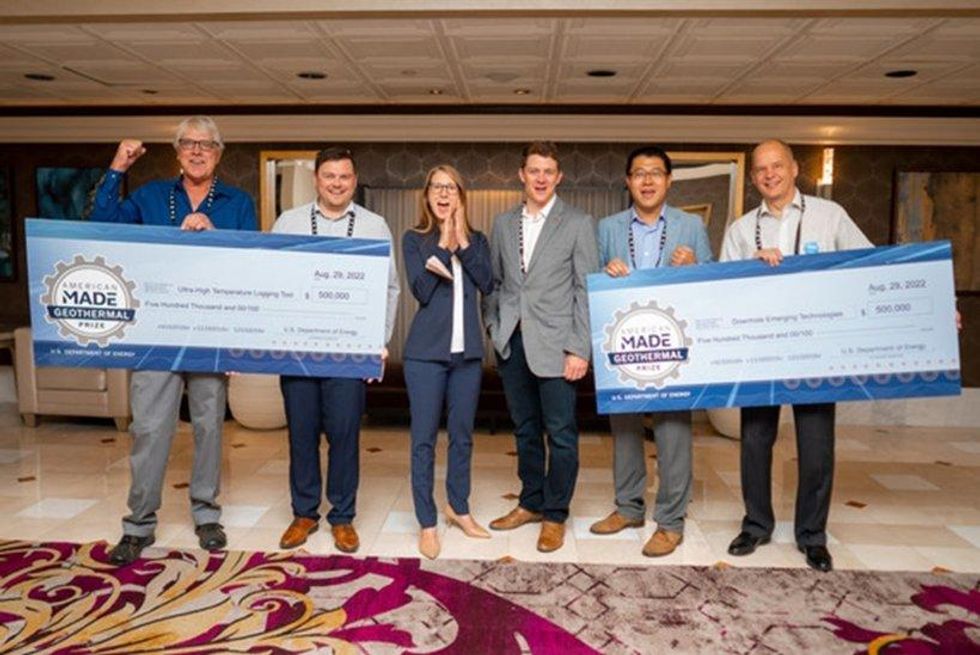
Both of the teams that won this competition hailed from Houston. Image via energy.gov

This week, the U.S. Department of Energy announced that two Houston-based companies have won the American-Made Geothermal Manufacturing Prize — a $4.65 million competition to incentivize innovators to use 3D printing, or additive manufacturing, to address the challenges associated with operating sensitive equipment in harsh geothermal environments, per a press release. The competition challenged participants with quickly developing, testing, and revising prototypes using additive manufacturing to support the advancement of geothermal tools and technologies.

“This DOE competition harnesses breakthroughs in additive manufacturing to help overcome barriers to widespread deployment of geothermal energy,” says Alejandro Moreno, deputy assistant secretary for renewable power, in the release. “The rapid prototype development supported by this prize is spurring advancements in the geothermal industry to help power the nation from the heat beneath our feet.”

The competition launched in January 2020, and the finalists presented their innovations at the annual Geothermal Rising conference in Reno, Nevada. The winning teams each were awarded $500,000 in cash and up to $200,000 to test their innovations in the field. The two Houston-based winning teams were:

  • Team Downhole Emerging Technologies: "This team developed an alternative to traditional packer systems," the release states. "The all-metal, retrievable packer system is designed specifically for high temperatures, extreme pressures, and corrosion experienced in geothermal wells. The Downhole Emerging Technologies’ partnership resulted in the production of the largest Inconel additively manufactured component by Proto Labs, Inc. and the development of DET’s tool, the Diamond ETIP (Extreme Temperature Isolation Packer).”
  • Team Ultra-High Temperature Logging Tool: "This team developed a technology that uses a labyrinthian heat sink to reduce thermal emissivity and increase the exposure time of temperature sensitive electronic components," according to the release. "Oak Ridge National Laboratory used a powder bed laser fusion technique to manufacture the heat sink design, with the aim that the technology would solve limitations around maximum temperature rating and lifetime of electronics in logging and measurement tools. The team also worked closely with Sandia National Laboratories to test the logging prototype in a high-temperature setting."

Koda Health expands across the country

Koda Health has gone nationwide. Image via kodahealthcare.com

Houston-based Koda Health has announced via LinkedIn that it has expanded into a handful of new states recently: Florida, Oregon, North Carolina, Virginia, California, and Maryland. These six expansions have all been announced over the past month following the announcement in July that the company is going nationwide.

"Every state has different regulations and requirements for their advancecare planning documents. So, the folks at Nixon Gwilt Law and Koda Health have been hard at work making our platform compliant in every single state," the company announced in a post. "It's hard work, but we're committed to helping patients stay in control of their health care journey, regardless of where they call home."

Koda Health was born out of the TMC's Biodesign Fellowship and launched by Tatiana Fofanova, Dr. Desh Mohan, and Katelin Cherry in March of 2020. The platform uses AI to help patients create advanced medical care directives and documents, such as a living will, through its proprietary machine learning approach.

In February, Koda closed over $3 million in seed funding in order to grow its staff and support expansion. Now, including Texas, Koda is in seven states across the country.

Houston angels dole out cash to RBPC winner

Hoth Intelligence — a digital health startup — is cashing in on its RBPC prizes. Photo via Getty Images

The Houston Angel Network announced its investment of over $160,000 in Hoth Intelligence, the winner of HAN’s prize at the 2022 Rice Business Plan Competition.

“Following the HAN award announcement at the RBPC banquet, we learned that the Houston Chapter of The Indus investor Entrepreneurs (TiE) was also interested in Hoth as an investment for its members," says HAN Chairman Richard Hunter in a news release.

The organizations collaborated on due diligence and negotiation of the investment terms. Hunter led HAN's due diligence and Jeff Tomlinson led the effort on behalf of TiE.

The company, which was established at University of Pittsburgh, has developed an artificial intelligence platform for health care providers. The company's RBPC prize initially totaled $386,700 in investment awards from a handful of entities.

Per HAN's news release, Houston investment firms Prosalus Capital Partners joined in with a $300,000 investment and PiFei VC contributed an additional $100,000.”

“Several companies at the 2022 RPBC, including Hoth Intelligence, ranked very high in the TiE judging," says TiE Houston Chapter President Ram Shenoy. "We therefore decided to pursue due diligence and were very pleased to have worked with HAN to expeditiously complete the deal. To date, it has attracted TiE investors from chapters in Atlanta, Silicon Valley, and Southern California who have committed over $154,000 in investment.”

Sustainable biz tapped for prestigious program

This Houston entrepreneur is getting ready to pitch. Image courtesy

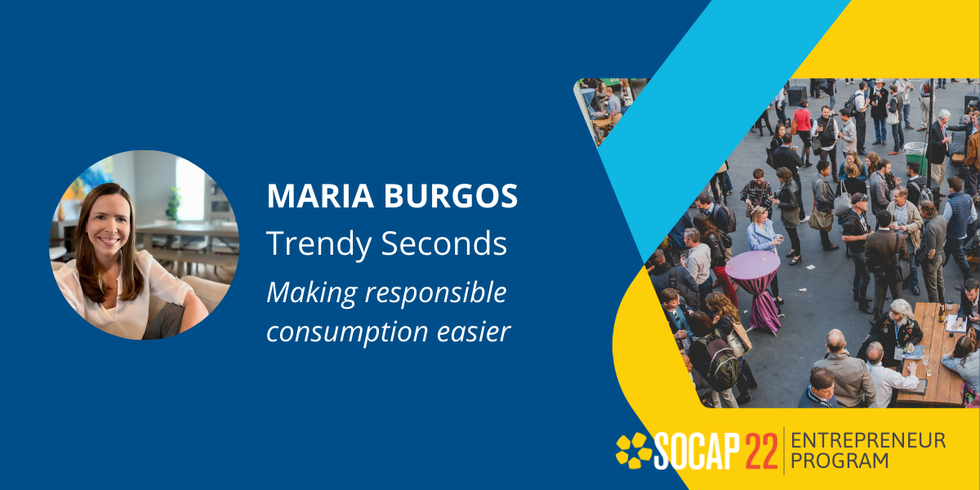
Houston-based Trendy Seconds was chosen as part of the SOCAP Global Entrepreneur 2022 Cohort — a prestigious event in the social entrepreneurship world that grants scholarships to entrepreneurs from all over the globe.

Trendy Seconds is an online marketplace where women can find pre-owned clothing or shop for new clothing from sustainable brands. The company shares items from more than 50 brands that can be searched by category, style, size, price, condition, and positive impact. To ensure the clothing is high quality, shoppers will find only gently-used or new items featured on Trendy Seconds.

Through the program, Founder Maria Burgos will pitch live in San Francisco on October 20.

Deadline approaches for Activate Anywhere

Calling all scientists on a mission. Image via Getty Images

A global accelerator billed as "for scientists on a mission" has opened its latest round of registration. Activate Anywhere is a remote-based program for hard tech innovators that takes no equity, requires no fees, and provides significant financial support, including a living stipend of up to $110,000 a year, $100,000 in R&D funding, $100,000 additional flexible capital, health care coverage, travel allowance, and more.

Applications September 15, but registration to apply is free and open now. The deadline to apply is October 31 and finalists will be announced in February.

To be eligible for the program, you must:

  • have a bachelor’s degree and at least four years post-baccalaureate scientific research, engineering, or technology development experience.
  • be the leader of a technical project or company that is relevant to our target industries and is based in the physical or biological sciences, or related engineering disciplines.
  • be leading the commercial development of a hardware-based technology innovation for the first time i.e. not a repeat hard-tech founder. You may apply as a solo applicant or with one co-applicant.
  • not have raised more than $2 million in debt or equity funding from non-governmental sources for the proposed project at the time of the application deadline.
  • be able to work in the U.S. for the duration of the fellowship, and have access to a qualified host laboratory.

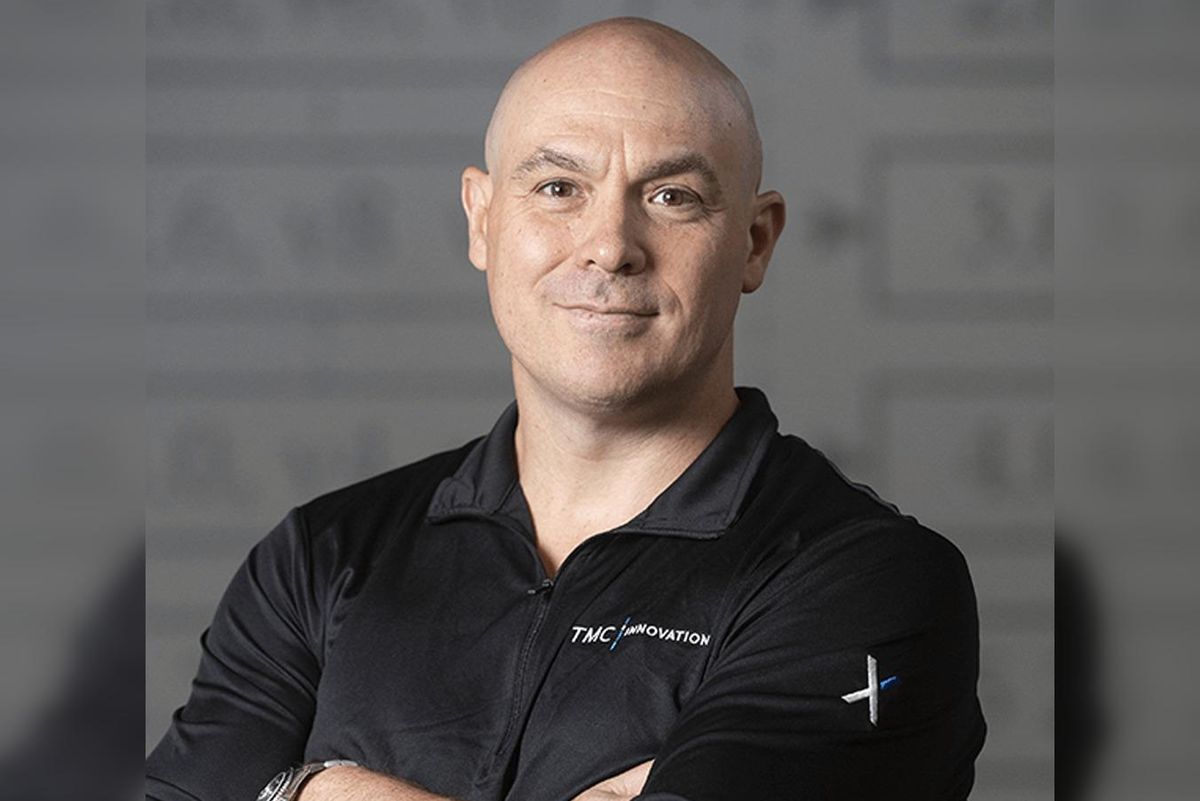
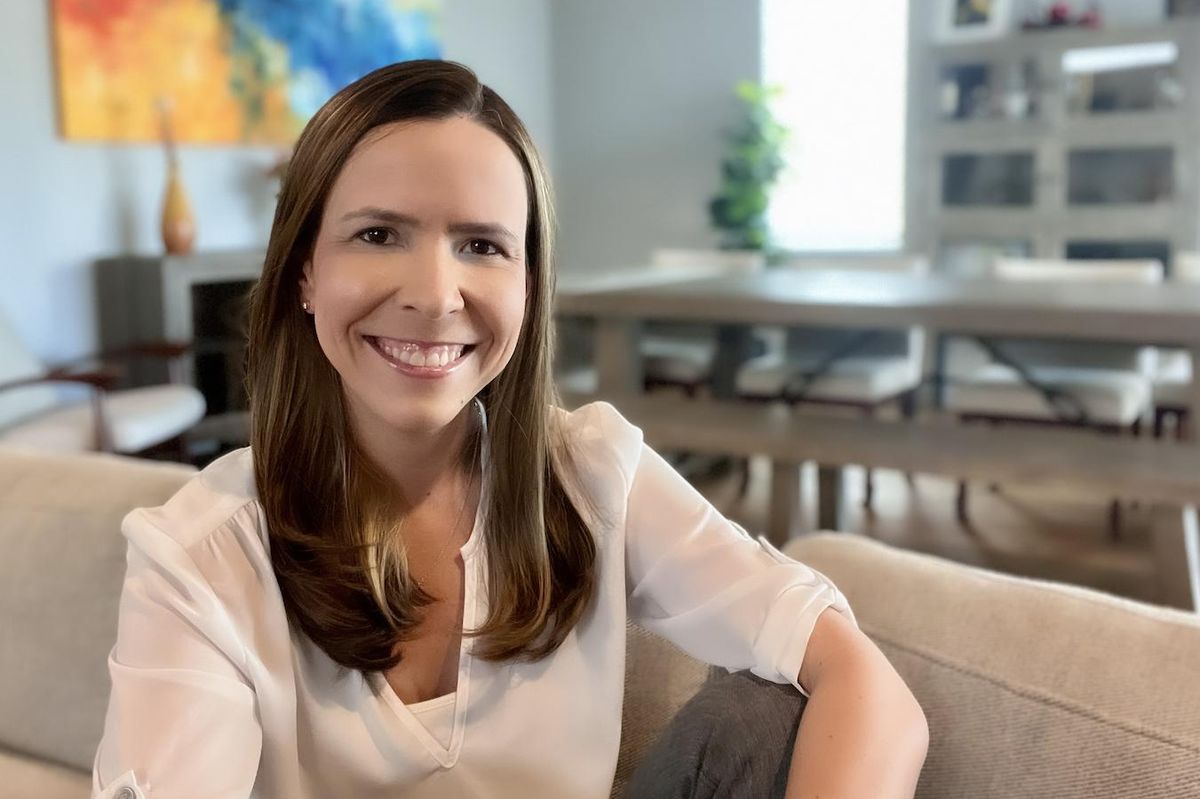
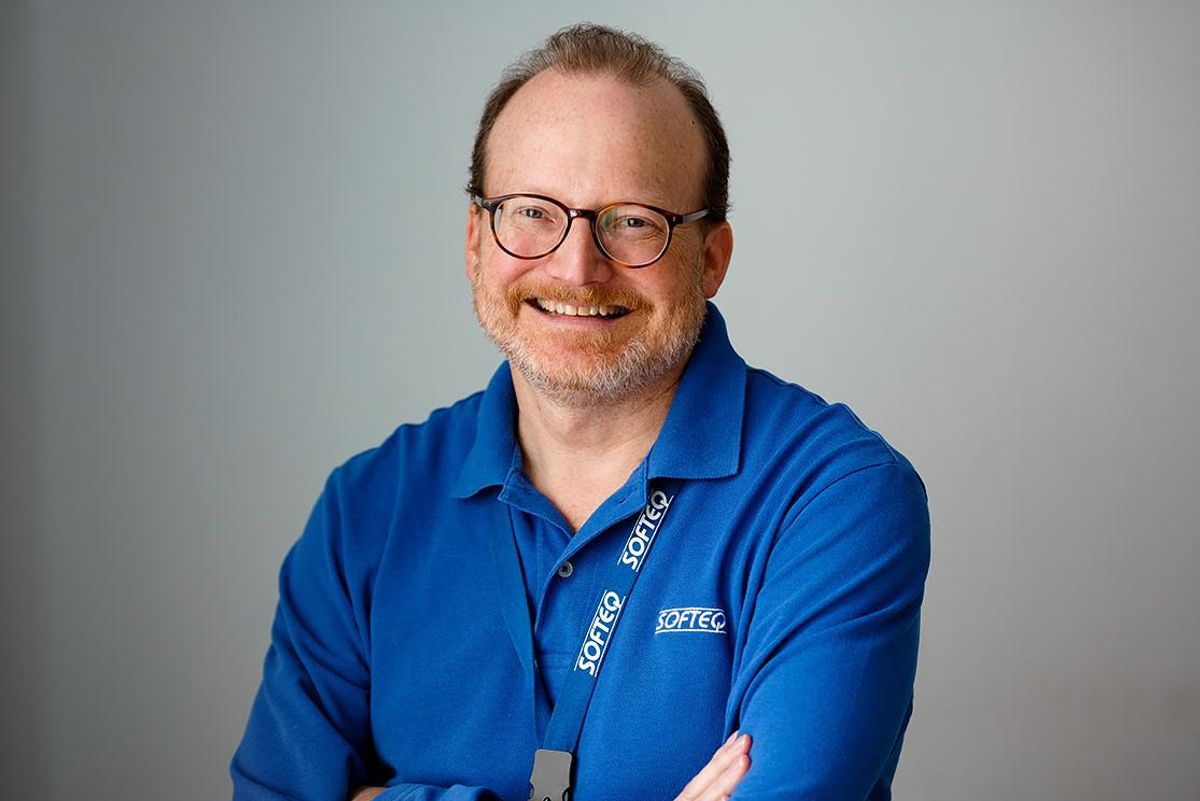
This week's roundup of Houston innovators includes John "JR" Reale of the TMC, Maria Burgos of Trendy Seconds, and Christopher Howard of Softeq. Courtesy photos

3 Houston innovators to know this week

who's who

Editor's note: In this week's roundup of Houston innovators to know, I'm introducing you to three local innovators across industries — from venture funding to startup acceleration — recently making headlines in Houston innovation.


John "JR" Reale, executive in residence at Texas Medical Center Innovation and managing director of Integr8d Capital

John "JR" Reale joined the Houston Innovators Podcast for a special two-part series. Photo courtesy of TMC

John "JR" Reale has seen the evolution of Houston's innovation ecosystem from day one. Recently, he joined InnovationMap for a two-part series on the Houston Innovators Podcast to discuss the city's evolution as a tech and startup hub as well as what he's up to nowadays — leading venture activity at the Texas Medical Center Innovation and within his own firm.

"One of the most important moments for Houston was when we got kicked in the teeth with the Amazon HQ2 bid," he says on the show. "Amazon came back with the shortlist of the 20 cities in North America — and Houston isn't on it. I remember being excited. It was arguably the most innovative company in the world saying 'no thank you.'"

Flash forward, and Houston's a different ecosystem — still with a ways to go. Click here to stream part one and part two of the series.

Maria Burgos, founder of Trendy Seconds

A Houston innovator found second-hand shopping time consuming. So, she designed a better experience. Image courtesy of Trendy Seconds

After donating her items to a local church, Maria Burgos sought to be more sustainable and decided to try secondhand shopping.

“The good news was that I had so many options, new with tags, great conditions…the bad news was that it was so much that I ended up being frustrated because I didn't find what I liked,” she tells InnovationMap. “I had to spend hours of my time scrolling thousands of items, dozens of filters, multiple platforms."

She asked herself why there wasn’t a website where she could find items in one place. “That was the genesis of Trendy Seconds,” she shares. Click here to read more.

Christopher Howard, founder and CEO of Softeq

Chris Howard, CEO and founder of SofteqA Houston software company has announced its new venture fund. Photo courtesy of Softeq
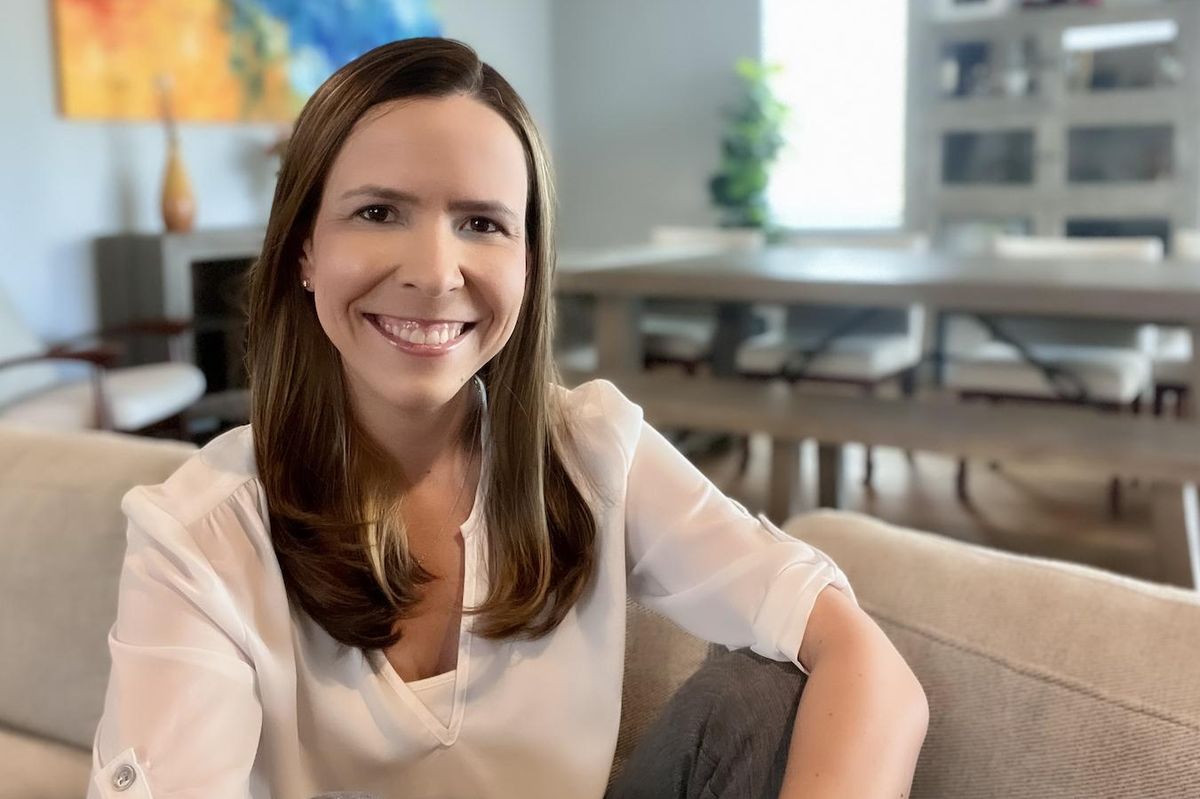
Houston-based Softeq Development Corp. announced its third group of early-stage startups to join the Softeq Venture Studio, which is geared at helping its resident startups quickly develop their technology and build their businesses. With 14 startups, the summer 2022 cohort is the largest yet and brings the total portfolio to 27 companies. Additionally, the $40 million Softeq Venture Fund welcomed Royal Eagle Capital Partners, a Houston-based investment firm, as a limited partner with its $3 million commitment.

“We are thrilled to see how much the Softeq Venture Studio has grown since 2021,” says Christopher A. Howard, founder and CEO of Softeq, in a news release. “We’re also pleased to welcome Royal Eagle Capital Partners as an investment partner in our Venture Fund, which allowed us to achieve more than 50 percent of our funding goal in just five months. We look forward to building on this partnership and growing Softeq in North America, Latin America, and beyond.”

Softeq is also celebrating a recent expansion into Latin America and staffing the new regional office with 30 engineers. The company has plans to grow to 150 employees in the region over the next year. Click here to read more.

A Houston innovator found second-hand shopping time consuming. So, she designed a better experience. Image courtesy of Trendy Seconds

Houston startup seeks to simplify sustainable fashion

design innovation

When the coronavirus pandemic started in 2020, people found themselves at home with a surplus of free time. Puzzles covered dining room tables, remnants of new hobbies were strewn across dens, TikTok dances were rehearsed, and television was binged. Maria Burgos found herself watching Netflix’s “Tidying Up with Marie Kondo,” which inspired her to clean out her closet. In practicing Kondo’s dogma of parting with items that don’t “spark joy,” Burgos uncovered a bigger issue to purge: America’s unsustainable fashion industry.

With piles of clothing ready for a new home, Burgos searched for reliable organizations to donate her possessions. Her research led her to learn more about the negative impact the fashion industry has on the environment.

According to Slate, almost 24 billion pounds of clothes and shoes are thrown out each year — more than double what we tossed two decades ago. Americans consume more than 20 billion garments each year, and each garment can be expected to be worn around seven times, according to The Wall Street Journal. We’re buying more clothing than ever when clothing is at its lowest cost.

A $17.99 linen crop top from H&M may seem like a steal, but the low price tag poses a much greater cost for the environment. Low-quality garments have a bleak chance of finding a secondhand home, and 80 percent of donated clothing won’t ever be seen see a charity shop rack. While some used clothing gets recycled as insulation, others end up in containers that overwhelm charities abroad or sit in landfills.

After donating her items to a local church, Burgos sought to be more sustainable and decided to try secondhand shopping.

“The good news was that I had so many options, new with tags, great conditions…the bad news was that it was so much that I ended up being frustrated because I didn't find what I liked,” she says. “I had to spend hours of my time scrolling thousands of items, dozens of filters, multiple platforms."

She asked herself why there wasn’t a website where she could find items in one place. “That was the genesis of Trendy Seconds,” she shares.

Maria Burgos founded Trendy Seconds to streamline second-hand shopping. Photo courtesy
Burgos has always been drawn to entrepreneurial aspirations. The Venezuela native started her first company, a film magazine, while in college. She studied dentistry and graduated with an offer to become a professor at her university, which she turned down to explore her passion for marketing further. After moving to Spain to obtain an MBA, she gained experience working for large corporations like 3M and GlaxoSmithKline.

Living in countries around the world and dipping her toes into different industries, Burgos gained a unique resume. When she came to the United States, she was eager to get her work permit. She obtained a real estate license and even began working at a startup before having her second child.

“I don't ever have the profile that is right to do what I'm doing at the moment, professionally. That has been something that I considered years ago as a disadvantage, [but] that has been my advantage because I come with a fresh pair of eyes,” she explains. “I solve problems differently, and I throw ideas out there that maybe other people don't,” she continues.

When she thought of Trendy Seconds, Burgos was trying to solve the issues she faced while striving to be a conscious consumer.

“I know that there are many other women like myself that are trying to make better choices, but right now, it's too hard,” she says.

She applied and graduated from the Founders Institute and won a Frost Bank grant to join Impact Hub Houston’s accelerator program.

“The accelerator opened up a lot of doors for me, and I went through all of them,” she shares.

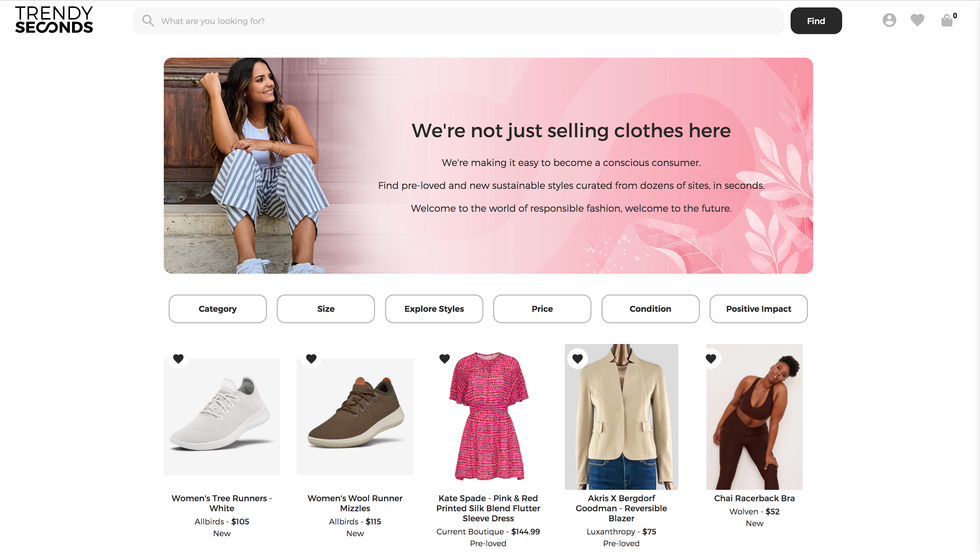
Burgos launched Trendy Seconds, as an online marketplace where women can find pre-owned clothing or shop for new clothing from sustainable brands. The company shares items from more than 50 brands that can be searched by category, style, size, price, condition, and positive impact. To ensure the clothing is high quality, shoppers will find only gently-used or new items featured on Trendy Seconds.

Shoppers can have a much more cultivated experience on Trendy Seconds. Image courtesy

“We work with a fashion stylist to curate the product assortment because one thing that happens is analysis paralysis. When you have too many choices, you don't take action,” says Burgos.

Trendy Seconds creates wardrobe capsules that include an assortment of versatile styles that can be mixed and matched together. Visitors can search for various styles like beachwear, spring/summer, maternity, and special occasion attire.

Burgos has aligned with online secondhand marketplaces as well as sustainable clothing websites, where shoppers are redirected once they find items to purchase. She uses the United Nations’ sustainability goals to vet vendors and determine which brands to include on the website. Some featured eco-conscious brands include Christy Dawn, Eileen Fisher, Soul Flower, and Allbirds.

“Our ultimate goal is to make responsible consumption super easy,” Burgos explains.

Trendy Seconds is currently fundraising and Burgos is looking to bring in investors as she expands the company.

In the future, Burgos wants Trendy Seconds to evolve past the online marketplace and become a resource for circular fashion.

“How we envision this is that we will give the opportunity to consumers to come to the site and not just buy clothes, but actually purchase products and services that can help them increase the life of the clothes that they already have,” she shares.

“I believe that the best way to create a really good, like, motivated consumer audience is by letting them know how can they how can they help,” says Burgos.

Ad Placement 300x100
Ad Placement 300x600

CultureMap Emails are Awesome

New report shows surge in startup activity in Houston and across Texas

by the numbers

Houston and the rest of Texas are experiencing a boom in the creation of startups.

One barometer of growth in startup activity: The Houston metro area saw a 92 percent rise from 2024 to 2025 in the number of account applications submitted to Bluevine, a banking platform for small businesses.

New data from Bluevine also shows healthy year-over-year growth in account applications submitted by entrepreneurs in Texas’ three other major metros:

  • 242 percent growth in the San Antonio area
  • 153 percent growth in the Austin area
  • 28 percent growth in Dallas-Fort Worth

Further evidence of Texas’ uptick in business creation comes from a new state-by-state analysis of U.S. Census Bureau data by digital mailbox provider iPostal1.

From 2019 to 2024, the number of new business applications jumped 60 percent in Texas, according to the iPostal1 analysis. Wyoming tops the list, with a five-year growth rate of 216 percent.

“The U.S. has no shortage of ambition, but opportunity isn’t spread evenly,” says Jeff Milgram, founder and CEO of iPostal1. “In states like New York, Florida, and Texas, entrepreneurship is booming — people are starting businesses, taking risks, and finding opportunity.”

“Other states are still catching up,” Milgram adds. “Sometimes it’s access to funding, sometimes local policy, or just the confidence that new ventures will be supported.”

Women own many of the new businesses sprouting in Texas, according to a new analysis of 2024-25 data from the U.S. Small Business Administration. The analysis, done by SimpleTiger, a marketing agency for software-as-a-service (SaaS), shows Texas ranks eighth for the highest concentration of women entrepreneurs (109 per 1,000 female residents) among all states. That rate is three percent higher than the national average.

“Women entrepreneurs are no longer a side story in small business growth; they’re a leading indicator of where local economies are expanding next,” SimplyTiger says. “When women-owned business density is high, it usually signals stronger access to customers, networks, and startup pathways that make it easier to launch and keep going.”

In a December news release, Gov. Greg Abbott highlights Texas’ nation-leading job gains over the past 12 months, driven by employers small and large.

“From innovative startups to Fortune 500 corporations, job-creating businesses invest with confidence in Texas,” Abbott says. “With our strong and growing workforce, we will continue to expand career and technical training programs for better jobs and bigger paycheck opportunities for more Texans.”

Houston poised to add 30,900 new jobs in 2026, forecast says

jobs forecast

Buoyed by the growing health care sector, the Houston metro area will add 30,900 jobs in 2026, according to a new forecast from the Greater Houston Partnership.

The report predicts the Houston area’s health care sector will tack on 14,000 jobs next year, which would make it the No. 1 industry for local job growth. The 14,000 health care jobs would represent 45 percent of the projected 30,900 new jobs. In the job-creation column, the health care industry is followed by:

  • Construction: addition of 6,100 jobs in 2026
  • Public education: Addition of 5,800 jobs
  • Public administration: Addition of 5,000 jobs

At the opposite end of the regional workforce, the administrative support services sector is expected to lose 7,500 jobs in 2026, preceded by:

  • Manufacturing: Loss of 3,400 jobs
  • Oil-and-gas extraction: Loss of 3,200 jobs
  • Retail: Loss of 1,800 jobs

“While current employment growth has moderated, the outlook remains robust and Houston’s broader economic foundation remains strong,” GHP president and CEO Steve Kean said in the report.

“Global companies are choosing to invest in Houston — Eli Lilly, Foxconn, Inventec, and others — because they believe in our workforce and our long-term trajectory,” Kean added. “These commitments reinforce that Houston is a place where companies can scale and where our economy continues to demonstrate its resilience as a major engine for growth and opportunity. These commitments and current prospects we are working on give us confidence in the future growth of our economy.”

The Greater Houston Partnership says that while the 30,900-job forecast falls short of the region’s recent average of roughly 50,000 new jobs per year, it’s “broadly in line with the muted national outlook” for employment gains anticipated in 2026.

“Even so, Houston’s young, skilled workforce and strong pipeline of major new projects should help offset energy sector pressures and keep regional growth on pace with the nation,” the report adds.

The report says that even though the health care sector faces rising insurance costs, which might cause some people to delay or skip medical appointments, and federal changes in Medicare and Medicaid, strong demographic trends in the region will ensure health care remains “a key pillar of Houston’s economy.”

As for the local oil-and-gas extraction industry, the report says fluctuations and uncertainty in the global oil-and-gas market will weigh on the Houston sector in 2026. Furthermore, oil-and-gas layoffs partly “reflect a longer-term trend as companies in the sector move toward greater efficiency using fewer workers to produce similar volumes,” according to the report.

Construction underway on first-of-its-kind 3D-printed community in Houston

Building a Sustainable Future

Houston is putting itself front-and-center to help make sustainable, affordable housing a reality for 80 homeowners in an innovative scalable housing community. Developer Cole Klein Builders has partnered with HiveASMBLD to pioneer what’s touted as the world’s first large-scale, one-of-a-kind, affordable housing development using 3D printing technology — merging robotics, design, and sustainability.

Located across from Sterling Aviation High School, near Hobby Airport, Zuri Gardens will offer 80 two-bedroom, two-bathroom homes of approximately 1,360 square feet, situated in a park-like setting that includes walking trails and a community green space.

Homes in Zuri Gardens will hit the market in early summer of 2026. Final pricing has yet to be determined, but Cole Klein Builders expects it to be in the mid-to-high 200s.

Interestingly, none of the homes will offer garages or driveways, which the developer says will provide a cost savings of $25,000-$40,000 per home. Instead of parking for individual units, 140 parking spaces will be provided.

Each two-story home is comprised of a ground floor printed by HiveASMBLD, using a proprietary low-carbon cement alternative by Eco Material Technologies that promises to enhance strength and reduce CO2 emissions. The hybrid homes will have a second floor built using engineered wood building products by LP Building Solutions. Overall, the homes are designed to be flood, fire, and possibly even tornado-proof.

The "Zuri" in Zuri Gardens is the Swahili word for “beautiful,” a choice that is fitting considering that the parks department will be introducing a five acre park to the project — with 3D-printed pavilions and benches — plus, a three-acre farm is located right across the street. The Garver Heights area is classified as a food desert, which means that access to fresh food is limited. Residents will have access to the farm’s fresh produce, plus opportunities to participate in gardening and nutrition workshops.

zuri gardens 3d-printed housing community First large-scale affordable housing project of 3D-printed homes rises in Houston Zuri Gardens is getting closer to completion. Courtesy rendering

Cole Klein Builders created Zuri Gardens in partnership with the Houston Housing Community Development Department, who provided infrastructure reimbursements for the roads, sewer lines, and water lines. In return, CKB agreed to push the purchase prices for the homes as low as possible.

Zuri Gardens also received $1.8 million dollars from the Uptown Tourism Bond, 34 percent of which must be used with minority-owned small businesses. Qualified buyers must fit a certain area of median income according to HUD guidelines, and homes must be owner-occupied at all times. Zuri Gardens already has an 800-person waitlist.

“They’re trying to bridge that gap to make sure there is a community for the homebuyers who need it — educators, law enforcement, civil workers, etc.,” Cole Klein Builders’ co-principal Vanessa Cole says. “You have to go through a certification process with the housing department to make sure that your income is in alignment for this community. It has been great, and everyone has been really receptive.”

Cole has also brought insurance underwriters to visit the site and to help drive premiums below regular rates for Houston homeowners, as claim risks for one of the 3D homes are extremely low.

Tim Lankau, principal at HiveASMBLD, notes that the 3D hybrid design allows for a more traditional appearance, while having the benefits of a concrete structure: “That’s where the floodwaters would go, that’s where you can hide when there’s a tornado, and that’s where termites would eat. So you get the advantages of it while having a traditionally-framed second floor.”

It’s important to note that Zuri Gardens is not located in a flood prone area, nor did it flood during Hurricane Harvey — being flood-proof is merely a perk of a cement house. The concrete that Eco Material Technologies developed is impervious. The walls are printed into hollow forms, which house rebar, plumbing, and accessible conduits for things like electrical lines and smart house features. Those walls are then filled with a foamcrete product that expands to form a “monolithic concrete wall.”

David McNitt, of Eco Material Technologies, explains that his proprietary concrete is made of PCV, and contains zero Portland cement. Instead, McNitt’s cement is made from coal ash and is 99 percent green (there are a few chemicals added to the ash). Regardless, it’s made from 100 percent waste products.

“This is a product that has really been landfilled before,” says McNitt. “It’s coal ash, and it’ll set within 8-10 minutes. It’s all monolithic, and one continuous pour — it’s literally all one piece.”

Eco Material Technologies’ concrete product is impressively durable. A traditional cinderblock wall will crush at around 800 psi, while this material crushes at about 8,000 psi.

“It’s ten times stronger than a cinderblock wall that can withstand hurricanes,” claims McNitt. “I don’t think you’d even notice a hurricane. It’ll be really quiet inside, too — so you won’t get interrupted during your hurricane party. It’s way over-engineered, it really is.”

The second story is built using weatherproof and eco-friendly products by LP Building Solutions. Their treated, engineered wood products come with a 50 year warranty, and their radiant barrier roof decking product blocks 97% of UV rays, and keeps attic temperatures 30° cooler than traditional building materials. These materials, combined with the concrete first floor, will keep heating and cooling costs low — something the folks at HiveASMBLD refer to as “thermal mass performance.”

---

This article originally appeared on CultureMap.com.