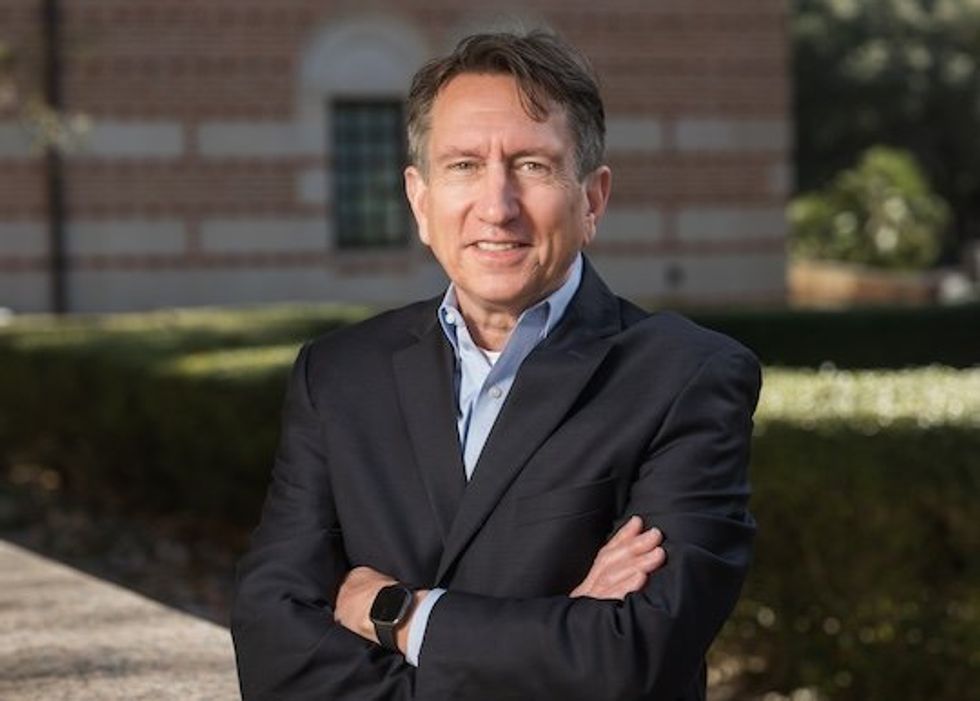
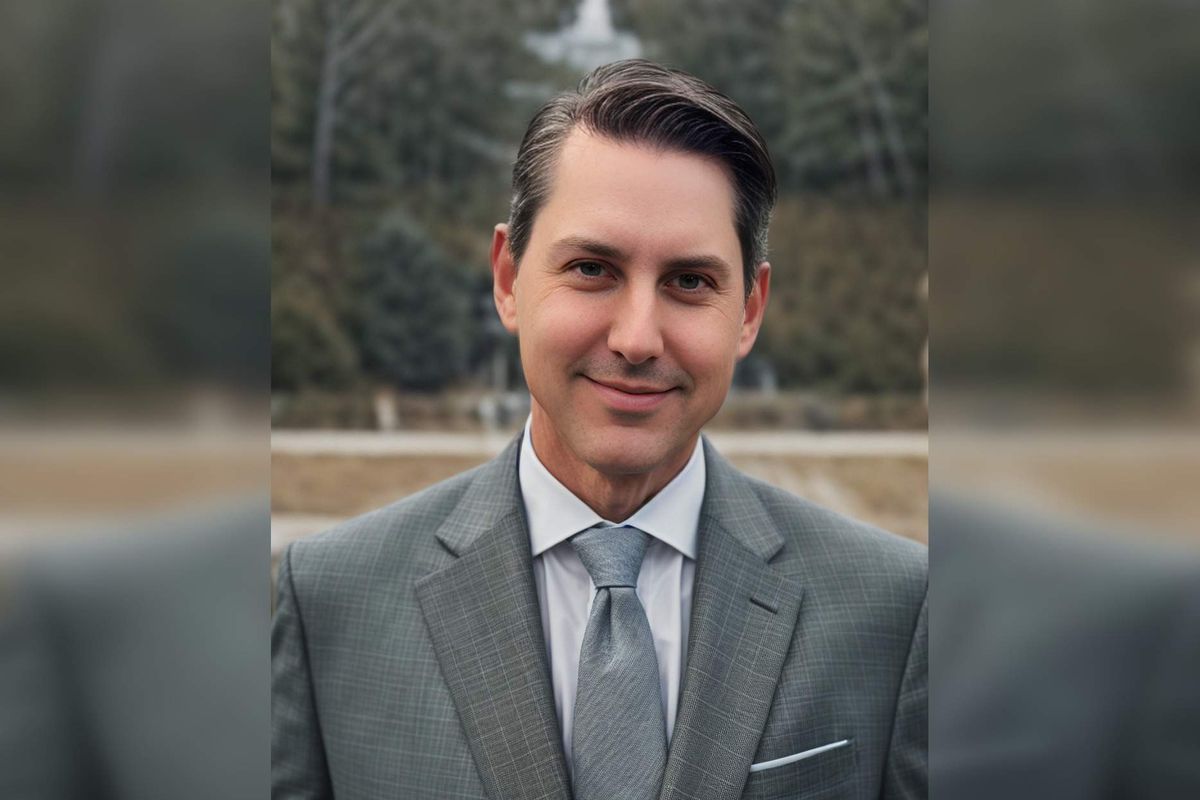
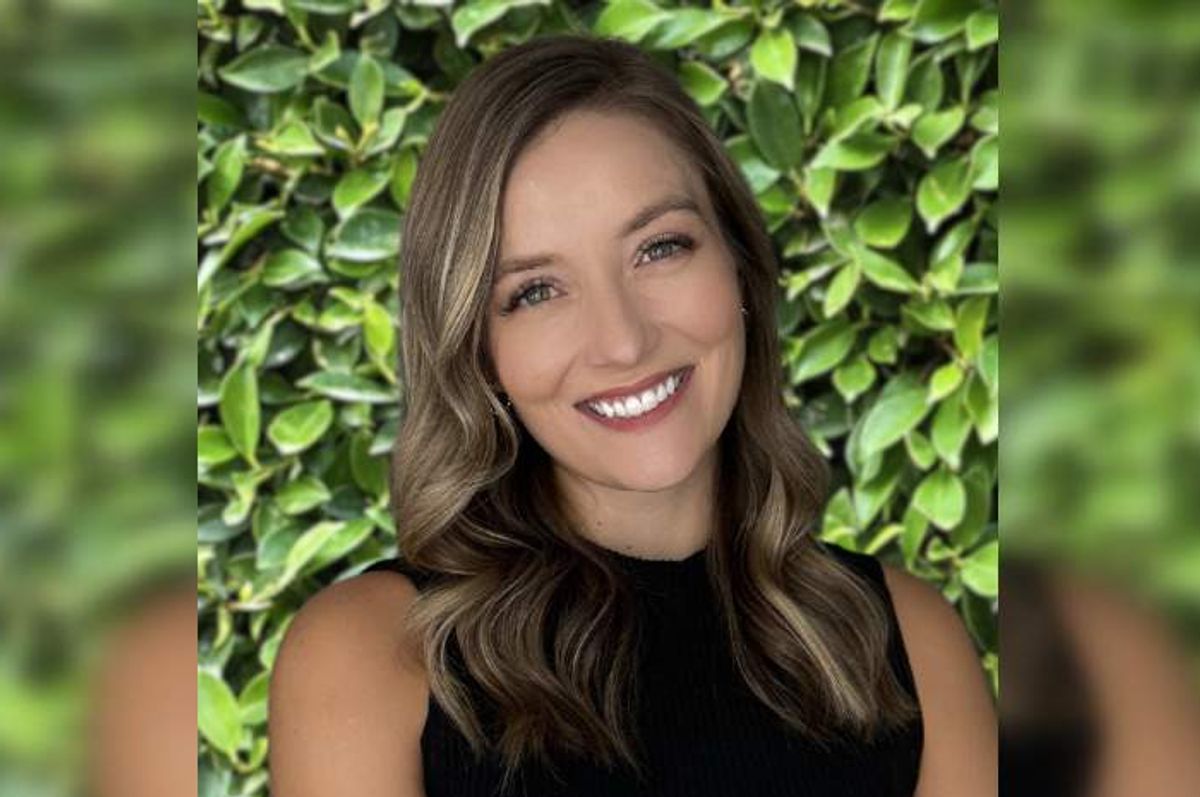
Zach Ellis, founder and general partner of South Loop Ventures, which recently closed its debut fund. Photo via LinkedIn

Houston-based South Loop Ventures recently closed its debut fund for more than $21 million, led by investments from Rice Management Company and Chevron Technology Ventures.

The funds will go toward teams with at least one underrepresented founder of color working in the energy, health, space, sports and fintech sectors. Additional investments came from The Great Commission Foundation of the Episcopal Diocese of Texas, Texas CapitalBank and others organizations.

According to South Loop Ventures, less than 3 percent of venture capital reaches underrepresented founders of color. Zach Ellis Jr., founder and general partner of South Loop, says the firm wants to address this "billion-dollar blind spot."

"Inequitable distribution of venture capital represents a clear market inefficiency—and market inefficiencies translate into exceptional opportunities," Ellis said in a release.

He added that the firm's location in Houston will help it make an impact.

"Being anchored here gives us front-row access to world-class corporations eager to engage and support innovation from founders with underrepresented voices and perspectives," he added in the release.

Ellis founded South Loop Ventures in 2022. It has funded 13 companies since August 2023 and plans to fund several more this year. Its portfolio includes Houston-based Milkify, a breast milk freeze-drying service; Lokum App, a Houston-founded platform for recruiting certified registered nurse anesthetists; and others.

Ellis' background spans the United States Military, academia, and roles at Rev1 Ventures and PepsiCo’s corporate venture team. He previously told InnovationMap that he was called to invest in founders of color after George Floyd's murder. He says he also realized how much money was being left on the table by overlooking these innovators.

"The mission of South Loop is to become the preeminent source of venture capital dollars for underrepresented, diverse teams nationally to serve as a beacon for the best underrepresented talent and to enable them to be successful through leveraging the unique resources and talent of Houston," he said on the Houston Innovators Podcast in 2024. "A big part of our mission is also to help catalyze Houston as an ecosystem for tech entrepreneurship."

Listen to the full interview with Ellis here. The recent funding news and Ellis were also featured in a profile by TechCrunch earlier this week. Click here to read more.

Here's who's calling the shots for the 2024 Houston Innovation Awards. Photos courtesy

2024 Houston Innovation Awards names esteemed judges for annual program

meet the decision makers

Ten Houstonians are in the hot seat for deciding the best companies and individuals in Houston's innovation ecosystem.

InnovationMap has announced its 2024 Houston Innovation Awards judging panel, which includes startup founders, nonprofit leaders, investors, corporate innovators, and more. In addition to the 10 judges, InnovationMap Editor Natalie Harms will serve as the editorial representative on the judging panel.

The selected judges will evaluate applications from the nearly 300 nominations that were submitted this year. The judges will be using their expertise to evaluate the nominees' applications, which are due to InnovationMap this week.

Read about this year's judges below, and don't forget to secure your tickets to the November 14 event to see who the panel selects as the winners for the annual celebration of Houston innovation.


Angela Wilkins, chief data officer at Starling Medical

Houston data scientist joins medical device startup amid AI evolution in the sectorAngela Wilkins joins the Houston Innovators Podcast to discuss the intersection of data and health care. Photo courtesy

Angela Wilkins has had a decade-long career in data science in business and academia and now oversees data science for Houston health tech company Starling Medical. She founded Mercury Data Science, which became OmniScience, and previously ran Rice University's Ken Kennedy Institute as executive director.

Brad Burke, associate vice president for industry and new ventures at Rice University's Office of Innovation and executive director of the Rice Alliance

The 2023 recipient of the Trailblazer Award, Brad Burke returns to the Houston Innovation Awards as a judge. For over 20 years, he's led the Rice Alliance for Technology and Entrepreneurship, and recently took on a new leadership role within the university's growing Office of Innovation.

Calicia Johnson, senior product manager at Xbox and co-lead for Black at Xbox at Microsoft

Calicia Johnson is a leader within Microsoft's Houston office, especially when it comes to representing and encouraging diversity. She was named the winner of the 2023 DEI Champion award at the Houston Innovation Awards. Prior to Xbox, she worked for nearly 10 years in oil and gas with the bulk of that time at Chevron.

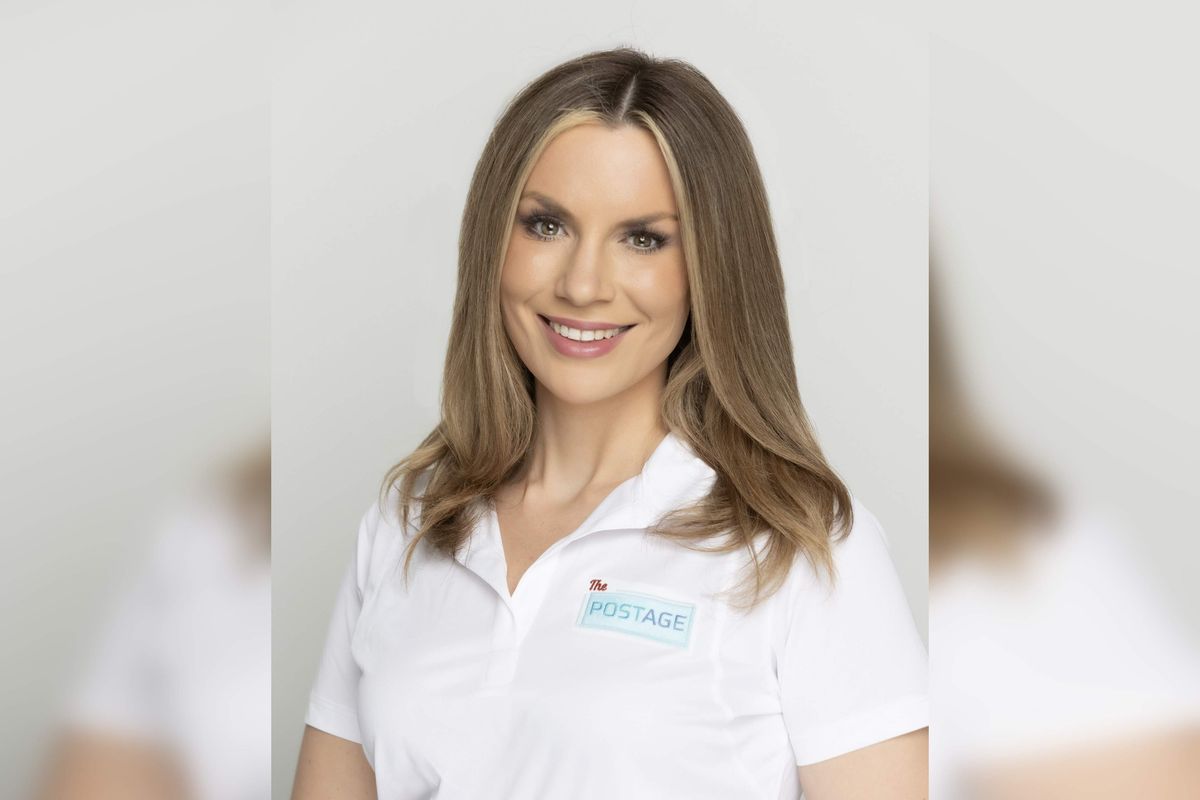
Emily Cisek, CEO and founder of The Postage

Last year, Emily Cisek's company, The Postage, a secure life planning and small business succession platform, was a finalist in three Houston Innovation Awards categories, winning the award for Female-Founded Business. She returns as a judge as her company continues to grow.

Grace Rodriguez, CEO and executive director of Impact Hub Houston

Grace Rodriguez was a judge for the inaugural Houston Innovation Awards in 2021, and she returns to judge the awards in accordance to her mission of helping "do gooders do greater." In addition to leading Impact Hub Houston, she is a board member of the City of Houston Office of Business Opportunity and is on the Board of Directors for Downtown Houston.

Joey Sanchez, founder of Cup of Joey

As the 2024 Ecosystem Builder award recipient, Joey Sanchez has worked for years leading Houston innovation, including as senior director of ecosystems at the Ion Houston and director of corporate engagement at Houston Exponential. He's now growing his startup, Cup of Joey, a weekly coffee meetup organization, across Houston.

Jon Nordby, managing partner at investment firm Anthropy Partners and founder of EconWerx

For years, Jon Nordby has been a champion of Houston innovation in his previous leadership roles at Houston Exponential, MassChallenge, and the Greater Houston Partnership. A former Houston Innovation Awards judge from 2021, he now works hands on with startups and organizations looking to grow an innovation ecosystem.

Margarita Kelrikh, counsel at Pillsbury

As counsel in Pillsbury's Houston office, Margarita Kelrikh has supported the firm's growing startup clients since her appointment earlier this year. Prior to joining the firm, she held in-house counsel positions at a few companies, including WeWork. She received her bachelor's degree at the University of Chicago and her law degree at Columbia School of Law.

Pedro Silva, co-founder of Milkify

Pedro Silva co-founded Milkify, a freeze-drying breastmilk service, with his wife, Berkley Luck, and the company has appeared on Shark Tank and won last year's BIPOC-Founded Business Award.

Wade Pinder, founder of Product Houston

As the 2023 Mentor of the Year winner, Wade Pinder has mentored countless Houston startups and has decades of experience in product development — most recently through his own company, Product Houston.

Editorial judge: Natalie Harms, editor of InnovationMap

For the fourth year, Natalie Harms will represent InnovationMap on the annual awards judging panel as the founding editor of InnovationMap the host of the Houston Innovators Podcast.

She reports on innovation and technology for InnovationMap and on energy transition for EnergyCapitalHTX — and their impact on the city of Houston. A Houston native, she's worked as a business journalist for almost a decade and has a degree in journalism from the University of Houston and a certificate in publishing from New York University.

Zach Ellis explains on the Houston Innovators Podcast that South Loop Ventures plans to invest in promising companies from across the country and bring them into Houston's ecosystem to grow and scale. Photo via LinkedIn

New VC firm aims to be the bridge between promising startups and Houston's innovation ecosystem

Houston innovators podcast Episode 236

Houston has a lot of the right ingredients for commercialization and scaling up companies, so when Zach Ellis moved to town to stand up a venture capital firm that made investments in diverse founders, he decided to go about it in an innovative way.

South Loop Ventures, which Ellis launched two years ago, invests in pre-seed and seed-stage startups across health care, climatetech, aerospace, sports, and fintech. While the first handful of investments, which have already been made, are into Houston-based companies, Ellis explains on the Houston Innovators Podcast that the firm plans to invest in promising companies from across the country and bring them into Houston's ecosystem to grow and scale.

"Any investor wants to feel like they are looking at the best possible investment opportunities in which to deploy capital," Ellis says on the show. "So that's reason No. 1 to cast your net as widely as possible.

"At the same time, you want to give any investment that you make greatest chances of success," he continues. "The biggest factor of success outside of the team and the capital you give them, is the customers that they can call upon. In bringing targeted companies to Houston or connecting them with Houston, you introduce the opportunity for them to achieve rapid scale and work with world-class partners very efficiently."


With his background that spans from the United States Military to academia and corporate venture, Ellis has had seats on nearly every side of the innovation table. But he says he was called to invest in founders of color after the murder of George Floyd. He says he also realized how much money was being left on the table by overlooking these innovators.

As one of the most diverse cities and the fourth largest city in the country, Houston is the place for Ellis's mission.

"The mission of South Loop is to become the preeminent source of venture capital dollars for underrepresented, diverse teams nationally to serve as a beacon for the best underrepresented talent and to enable them to be successful through leveraging the unique resources and talent of Houston," Ellis says. "A big part of our mission is also to help catalyze Houston as an ecosystem for tech entrepreneurship."

South Loop has six portfolio companies, including Houston-based Milkify, a breast milk freeze-drying service that went on to pitch and receive an investment on Shark Tank. Ellis says the firm expects to announce a handful of new investments over the next year or so. On the show, he explains more on what types of investment opportunities he's looking for and how founders can get in touch.

"The innovation is in the insight," he says. "We look to activate this community because we strongly believe in the power of founder insight."

Support Houston startups by shopping local this holiday season. Photo via Getty Images

2023 startup gift guide: Shop local from these Houston innovators

It's giving season, and you need not look any further than Houston's startup and innovation community for some gift ideas.

This year's Houston startup gift guide includes experiences, sustainable shopping, and more.

Need some more ideas? Browse last year's roundup of Houston startup-created gift ideas, and check out the 2021, 2020 and 2019 startup gift guides as well for even more options.

For someone outdoorsy: An easy-to-book fishing trip

Mallard Bay, which won big at the Rice Business Plan Competition, expanded in Houston this year. Photo via Getty Images

After seeing success in last year's Rice Business Plan Competition, Mallard Bay, a marketplace for booking guided fishing and hunting trips, announced this year that it's moving half of its employees to Houston, InnovationMap reported. The company hopes the move will help it tap into the large corporate and convention entertainment market in Texas. You can book a trip for your family or shop gear on the startup's website.

For a wine lover: A quick cooling tool

The Cold Cork delivers 20-second beverage chilling. Photo via Facebook/Cold Cork

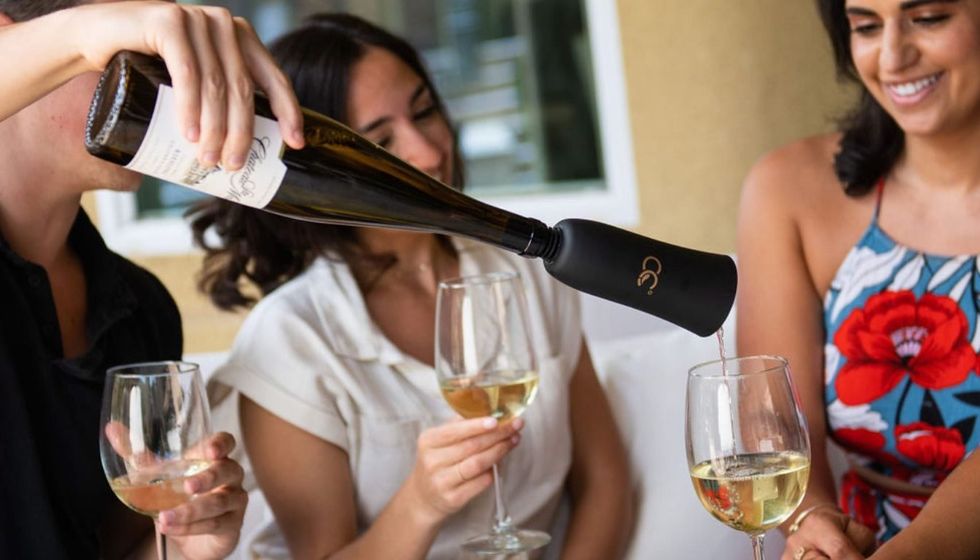
Perfect for someone who loves to entertain, The idea Cold Cork came from the brains of two Houstonians who love a chilled wine at the end of a long day. However, it often happens that while you're ready for wine, but the wine's not ready for you. The device, priced at $64.95, chills liquids 20 degrees in 20 seconds.

For the new mom in your life: A game-changing breastmilk service

Milkify secured a deal on Shark Tank. Photo courtesy of Milkify

As seen on Shark Tank, Houston-based Milkify provides a unique service to breastfeeding moms. The company freeze dries breast milk so that families can have the convenience of formula with the nutrition of breast milk. The startup, which won at this year's Houston Innovation Awards, secured an investment on the show and even got the nod of approval from Gwyneth Paltrow. Milkify has plans to scale, as the husband-and-wife team shared on the Houston Innovators Podcast.

For someone who loves a sweat sesh: Smell-free athletic wear

Houston-based Accel Lifestyle's innovative line of athleisure has made it into Talbots. Photo courtesy of Accel Lifestyle

For years, Houston athletic clothing brand Accel Lifestyle has been providing its customers with sporty outfits that are designed to not hold onto any stink resulting from bacteria from sweat. As of this summer, the brand is in Talbots, so you can shop in store, as well as online.

For the trendsetter: Sustainable fashion

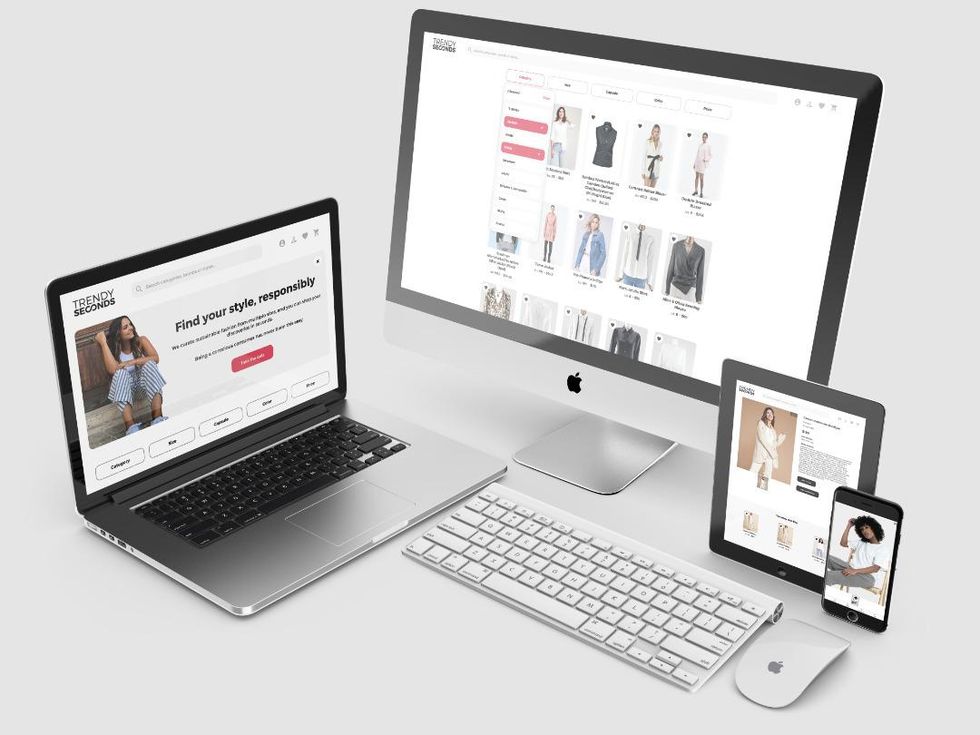
A Houston innovator found second-hand shopping time consuming. So, she designed a better experience. Image courtesy of Trendy Seconds

Shop for one (or all) of your loved ones sustainably with Trendy Seconds, a website created by Houstonian Maria Burgos. There's likely something for everyone on your Christmas list — and no purchase can possibly considered naughty — at least when considering your carbon footprint.

For a party animal: Brews for every occasion

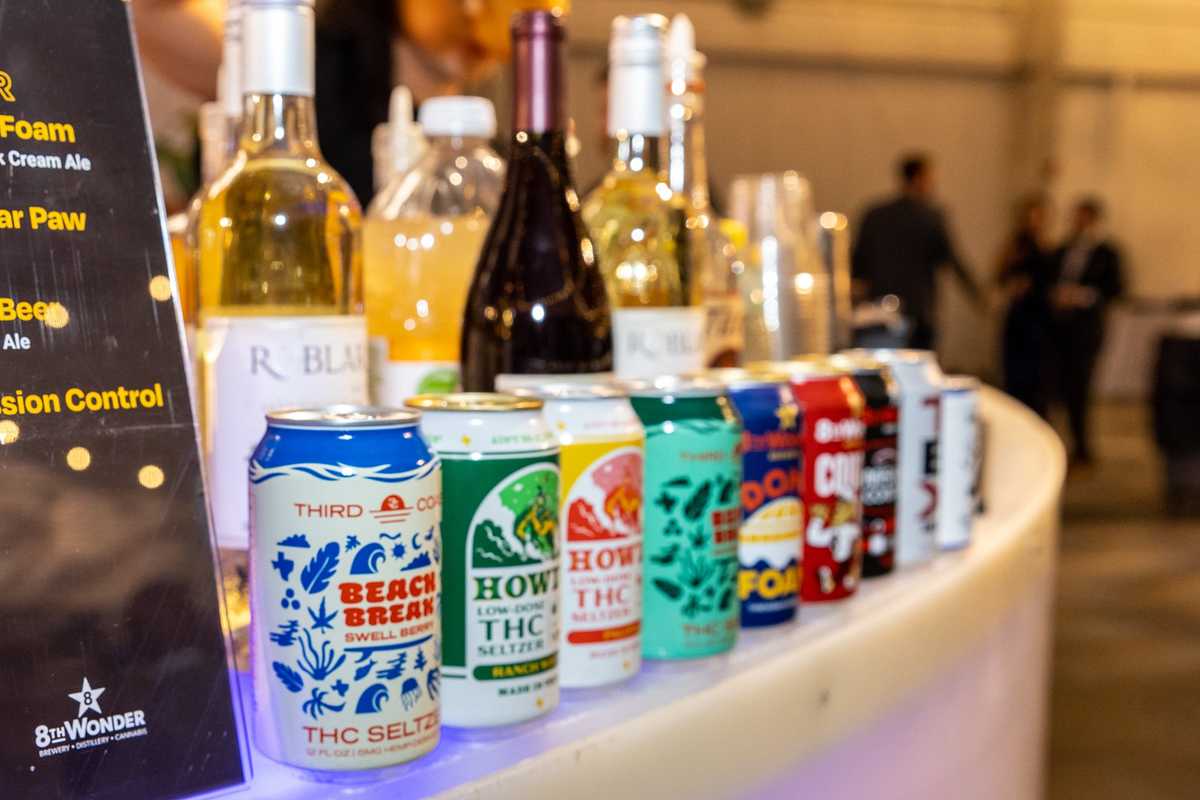
Bring these to your next holiday party. Photo by Emily Jaschke/InnovationMap

Two Houston companies formalized their partnership this year. Bayou City Hemp Company announced that it has purchased 8th Wonder Brewery, Distillery, and Cannabis. The acquisition deepens a relationship that dates back to 2021, when 8th Wonder and Bayou City Hemp partnered to create Wonder Water, a non-alcoholic beverage available with either CBD or Delta-8 that became the top-selling to-go product at 8th Wonder. Now, the combined company creates adult beverages by offering a full lineup of beer, spirits, and cannabis-infused drinks.

For a mother-daughter duo: A tool to enhance their relationship

Houston startup addresses mother-daughter dynamic with first app of its kindA Houston-founded company is targeting mothers and daughters with their teletherapy app. Photo courtesy of Passport Journeys

Passport Journeys, an app with a membership that helps cultivate mother-daughter relationships, can help you on your new year's resolution to heal your relationship with your mom or daughter. The intake process is $280 with monthly fees after and includes a slew of support for relationship building.

The 2023 Houston Innovation Awards revealed its big winners across 13 categories. Photos courtesy

Houston Innovation Awards winners revealed at 2023 event

drum roll, please...

Who are the top innovators and startups in Houston? We just found out for you.

The Houston Innovation Awards honored over 50 finalists categories, naming the 12 winners at the event. The 2023 Trailblazer Award recipient, Brad Burke, managing director of the Rice Alliance for Technology and Entrepreneurship, was also honored at the event by inaugural winner, Barbara Burger.

The 2023 judges — who represent various industries and verticals in Houston — scored over 200 submissions. The event, hosted November 8 in partnership with Houston Exponential and emceed by Scott Gale, executive director of Halliburton Labs, revealed the winners.

The event's sponsors included Halliburton Labs, Microsoft, The Ion, Houston Community College, Houston Energy Transition Initiative, NOV, Tito's Handmade Vodka, Uncle Nearest Premium Whisky, 8th Wonder Brewery, and 8th Wonder Cannabis.

Without further adieu, here the winners from the 2023 Houston Innovation Awards.

BIPOC-Owned Business: Milkify

The winner of the BIPOC-Owned Business category, honoring an innovative company founded or co-founded by BIPOC representation, is Milkify, a service that turns breast milk into a shelf-stable powder.

Female-Owned Business: The Postage

The winner of the Female-Owned Business category, honoring an innovative company founded or co-founded by a woman, is The Postage, a comprehensive life planning and succession software platform for families and small businesses.

Hardtech Business: Syzygy Plasmonics

The winner of the Hardtech Business category, honoring an innovative company developing and commercializing a physical technology, is Syzygy Plasmonics, a deep decarbonization company that builds chemical reactors designed to use light instead of combustion to produce valuable chemicals like hydrogen and sustainable fuels.

Digital Solutions Business: RepeatMD

The winner of the Digital Solutions Business category, honoring an innovative company developing and programming a digital solution to a problem in an industry, is RepeatMD, software platform for customer loyalty, eCommerce, and fintech solutions to enhance the patient experience and provide a new source of revenue for the aesthetics and wellness space.

Social Impact Business: ALLY Energy

The winner of the Social Impact Business category, honoring an innovative company providing a solution that would enhance humanity or society in a significant way, is ALLY Energy, helping energy companies and climate startups find, develop, and retain great talent.

Sustainability Business: Fervo Energy

The winner of the Sustainability Business category, honoring an innovative company providing a solution within renewables, climatetech, clean energy, alternative materials, circular economy, and beyond, is Fervo Energy, leveraging proven oil and gas drilling technology to deliver 24/7 carbon-free geothermal energy.

Life Science Business: CellChorus

The winner of the Life Science Business category, honoring an innovative company within the health and medical industries designing a treatment or technology, is CellChorus, using AI to evaluate immune cell function and performance to improve the development and delivery of therapeutics.

Corporate of the Year: Houston Methodist

The winner of the Corporate of the Year category, honoring a corporation that supports startups and/or the Houston innovation community, Houston Methodist, a hospital system and health care innovation leader.

DEI Champion: Calicia Johnson

The winner of the DEI Champion, honoring an individual who is leading impactful diversity, equity, and inclusion initiatives and progress within Houston and their organization, is Calicia Johnson, chair of Blacks at Microsoft Houston.

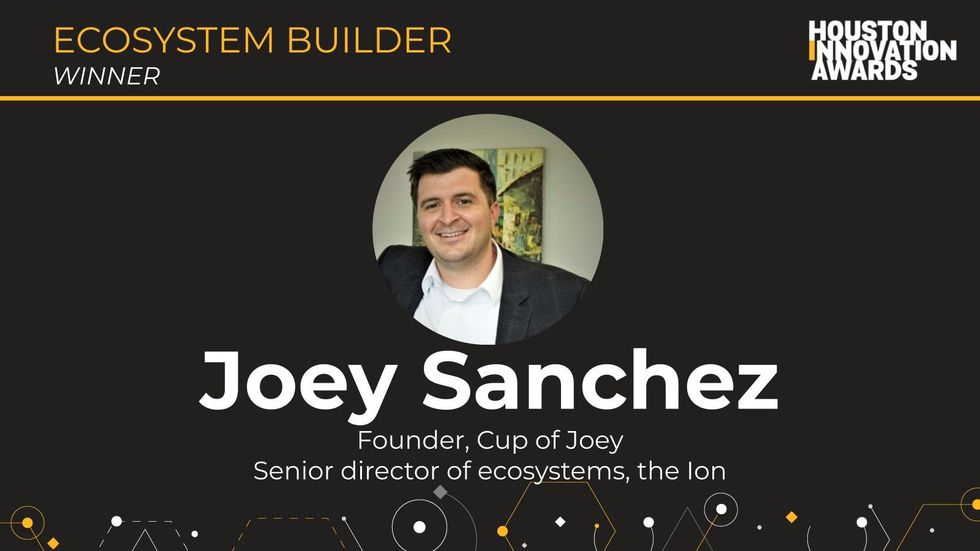
Ecosystem Builder: Joey Sanchez

The winner of the Ecosystem Builder category, honoring an individual who has acted as a leader in developing Houston’s startup ecosystem, is Joey Sanchez, founder of Cup of Joey and senior director of ecosystems at the Ion.

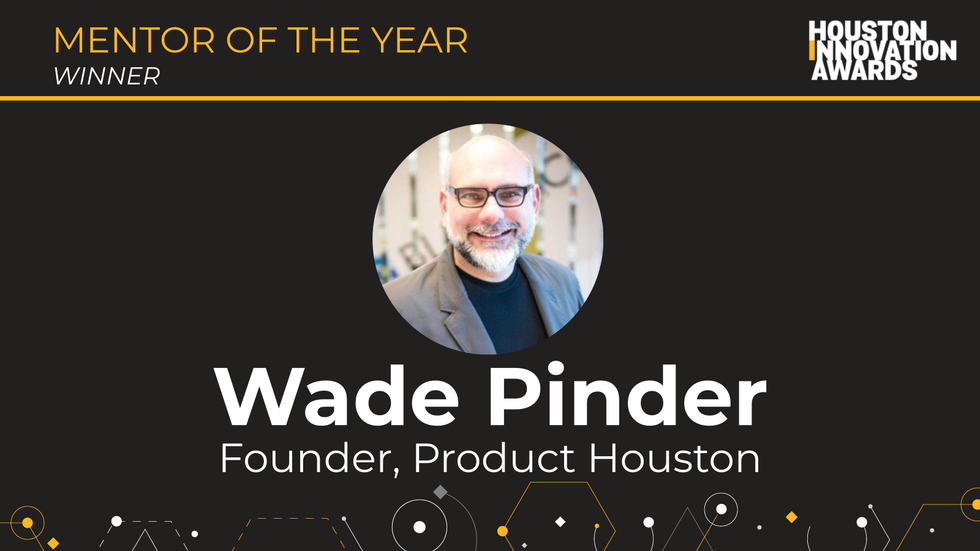
Mentor of the Year: Wade Pinder

The winner of the Mentor of the Year category, honoring an individual who dedicates their time and expertise to guide and support to budding entrepreneurs, is Wade Pinder, founder of Product Houston.

People's Choice: 

The winner of the People's Choice: Startup of the Year category, selected via an interactive voting portal during the event, is Blue People, helping bring ideas to life through software development expertise.

Fifteen of Houston Innovation Awards finalists share the best advice they've given or received. Photo via Getty Images

Overheard: Houston Innovation Awards finalists share top advice for fellow founders

Take note

The startup journey is a long and winding road, and there's many ways to navigate it. Fifteen of this year's finalists have shared what their most valuable startup advice for their fellow Houston founders.

From the importance of mentorship to tips for female and BIPOC founders, these pearls of wisdom come directly from a selection of finalists across a handful of categories, including DEI Champion, BIPOC-Owned Business, Female-Owned Business, and Mentor of the Year.

Read these excerpts of advice from Houston's innovation community's top startup founders and supporters.

Click here to secure your tickets to the November 8 event where we'll name the 2023 Houston Innovation Awards winners.

"Be comfortable with asking for and accepting help. This journey is a marathon, not a sprint, but helping yourself with supportive people around is critical." — Cameron Carter of Rosarium Health, a BIPOC-Owned Business finalist

"Underrepresented founders often have trouble asking for what they want or deserve. ... Don't be scared to ask for what you want, or what you believe you deserve." — Pedro Silva of Milkify, a BIPOC-Owned Business finalist

"It's not 'fake it' until you make it. It's 'take it' until you make it. Be proud to be you." — Pamela Singh of CaseCTRL, a BIPOC-Owned Business finalist

"When starting a company, remember it’s a game of attrition. The best way to last longer than your nearest neighbor is to find your tribe." — Aaron Fitzgerald of Mars Materials, a BIPOC-Owned Business finalist

"Know your worth and add tax. Choose your partners wisely — at home and work. Invest in the best stock you own: YOU." — Katie Mehnert of ALLY Energy, a Female-Owned Business finalist

"Whatever battle you're fighting now that no one knows about — go ahead and WIN the war." — Shoshi Kaganovsky of Feelit Technologies, a Female-Owned Business finalist

"My advice would be to find truly effective mentors who are willing to open up their network for you. It doesn't matter if the mentors are men or women — what matters is that they genuinely care about your professional success and who you are as a person." — Tatiana Fofanova of Koda Healthcare, a Female-Owned Business finalist

"Remember...There are a BILLION ways to apply sunscreen, but no matter how you apply it, it ALL protects you from the sun. Like sunscreen, there are infinite ways to succeed in the startup world. Trust your gut, stick to your vision, and keep trying until you find what works for you. ... Your purpose and vision should be your North Star, guiding decisions in team-building, coaching, and creating a company culture. Stick to that purpose—it's what will drive you through the rollercoaster of entrepreneurship." — Emily Cisek of The Postage, a Female-Owned Business finalist

"First and foremost, embrace your uniqueness. As a woman of color, you bring a distinctive perspective to the table. Your background is not just a part of who you are; it's a strength that sets you apart in a male-dominated industry. ... Resilience is your greatest ally. Challenges will arise, and it's okay to acknowledge them. What matters most is how you respond. Each obstacle is an opportunity for growth and learning. ... Lastly, trust yourself. You are not just running a business; you are shaping a narrative of empowerment and change." — Ghazal Qureshi of UpBrainery Technologies, a Female-Owned Business finalist

"Figure out, learn, and understand your mission inside and out and use it to make all your major business (and sometimes personal) decisions." — LaGina R Harris, founder and CEO of The Us Space and Mentor of the Year finalist

"Know your value and continue advocating for inclusion." — Janice Tran of Kanin Energy, a BIPOC-Owned Business finalist

"Be your true, authentic self. There are going to be some people that like what you are doing, and there's going to be some people that don't, but the biggest thing is being true to who you are, and that's always going to flourish more than being who someone else wants you to be." — Muriel Foster, director of gBETA Houston and Mentor of the Year finalist

"Until you hire someone, you are the one wearing the product manager hat. You've got to love the problem more than the solution." — Wade Pinder, founder of Product Houston and Mentor of the Year finalist

"Be the person your younger self needed. Representation really does matter. Be a listening ear, share your lessons, and allow people to blossom under your leadership." — Michelle Ngome, founder and president of the African American Marketing Association and DEI Champion finalist

"Embrace your unique perspective as a source of strength and innovation. ... In Houston's dynamic startup scene, your presence and contributions as a traditionally marginalized founder or investor are essential for driving innovation and diversity. By staying resilient, seeking support, and advocating for inclusivity, you can navigate the entrepreneurial journey and make a lasting impact on both your business and the broader community." — Jessica Adebiyi, diversity and professional development director at Womble Bond Dickinson and DEI Champion finalist


Ad Placement 300x100
Ad Placement 300x600

CultureMap Emails are Awesome

New Rice Brain Institute partners with TMC to award inaugural grants

brain trust

The recently founded Rice Brain Institute has named the first four projects to receive research awards through the Rice and TMC Neuro Collaboration Seed Grant Program.

The new grant program brings together Rice faculty with clinicians and scientists at The University of Texas Medical Branch, Baylor College of Medicine, UTHealth Houston and The University of Texas MD Anderson Cancer Center. The program will support pilot projects that address neurological disease, mental health and brain injury.

The first round of awards was selected from a competitive pool of 40 proposals, and will support projects that reflect Rice Brain Institute’s research agenda.

“These awards are meant to help teams test bold ideas and build the collaborations needed to sustain long-term research programs in brain health,” Behnaam Aazhang, Rice Brain Institute director and co-director of the Rice Neuroengineering Initiative, said in a news release.

The seed funding has been awarded to the following principal investigators:

  • Kevin McHugh, associate professor of bioengineering and chemistry at Rice, and Peter Kan, professor and chair of neurosurgery at the UTMB. McHugh and Kan are developing an injectable material designed to seal off fragile, abnormal blood vessels that can cause life-threatening bleeding in the brain.
  • Jerzy Szablowski, assistant professor of bioengineering at Rice, and Jochen Meyer, assistant professor of neurology at Baylor. Szablowski and Meyer are leading a nonsurgical, ultrasound approach to deliver gene-based therapies to deep brain regions involved in seizures to control epilepsy without implanted electrodes or invasive procedures.
  • Juliane Sempionatto, assistant professor of electrical and computer engineering at Rice, and Aaron Gusdon, associate professor of neurosurgery at UTHealth Houston. Sempionatto and Gusdon are leading efforts to create a blood test that can identify patients at high risk for delayed brain injury following aneurysm-related hemorrhage, which could lead to earlier intervention and improved outcomes.
  • Christina Tringides, assistant professor of materials science and nanoengineering at Rice, and Sujit Prabhu, professor of neurosurgery at MD Anderson, who are working to reduce the risk of long-term speech and language impairment during brain tumor removal by combining advanced brain recordings, imaging and noninvasive stimulation.

The grants were facilitated by Rice’s Educational and Research Initiatives for Collaborative Health (ENRICH) Office. Rice says that the unique split-funding model of these grants could help structure future collaborations between the university and the TMC.

The Rice Brain Institute launched this fall and aims to use engineering, natural sciences and social sciences to research the brain and reduce the burden of neurodegenerative, neurodevelopmental and mental health disorders. Last month, the university's Shepherd School of Music also launched the Music, Mind and Body Lab, an interdisciplinary hub that brings artists and scientists together to study the "intersection of the arts, neuroscience and the medical humanities." Read more here.

Your data center is either closer than you think or much farther away

houston voices

A new study shows why some facilities cluster in cities for speed and access, while others move to rural regions in search of scale and lower costs. Based on research by Tommy Pan Fang (Rice Business) and Shane Greenstein (Harvard).

Key findings:

  • Third-party colocation centers are physical facilities in close proximity to firms that use them, while cloud providers operate large data centers from a distance and sell access to virtualized computing resources as on‑demand services over the internet.
  • Hospitals and financial firms often require urban third-party centers for low latency and regulatory compliance, while batch processing and many AI workloads can operate more efficiently from lower-cost cloud hubs.
  • For policymakers trying to attract data centers, access to reliable power, water and high-capacity internet matter more than tax incentives.

Recent outages and the surge in AI-driven computing have made data center siting decisions more consequential than ever, especially as energy and water constraints tighten. Communities invest public dollars on the promise of jobs and growth, while firms weigh long-term commitments to land, power and connectivity.

Against that backdrop, a critical question comes into focus: Where do data centers get built — and what actually drives those decisions?

A new study by Tommy Pan Fang (Rice Business) and Shane Greenstein (Harvard Business School) provides the first large-scale statistical analysis of data center location strategies across the United States. It offers policymakers and firms a clearer starting point for understanding how different types of data centers respond to economic and strategic incentives.

Forthcoming in the journal Strategy Science, the study examines two major types of infrastructure: third-party colocation centers that lease server space to multiple firms, and hyperscale cloud centers owned by providers like Amazon, Google and Microsoft.

Two Models, Two Location Strategies

The study draws on pre-pandemic data from 2018 and 2019, a period of relative geographic stability in supply and demand. This window gives researchers a clean baseline before remote work, AI demand and new infrastructure pressures began reshaping internet traffic patterns.

The findings show that data centers follow a bifurcated geography. Third-party centers cluster in dense urban markets, where buyers prioritize proximity to customers despite higher land and operating costs. Cloud providers, by contrast, concentrate massive sites in a small number of lower-density regions, where electricity, land and construction are cheaper and economies of scale are easier to achieve.

Third-party data centers, in other words, follow demand. They locate in urban markets where firms in finance, healthcare and IT value low latency, secure storage, and compliance with regulatory standards.

Using county-level data, the researchers modeled how population density, industry mix and operating costs predict where new centers enter. Every U.S. metro with more than 700,000 residents had at least one third-party provider, while many mid-sized cities had none.

ImageThis pattern challenges common assumptions. Third-party facilities are more distributed across urban America than prevailing narratives suggest.

Customer proximity matters because some sectors cannot absorb delay. In critical operations, even slight pauses can have real consequences. For hospital systems, lag can affect performance and risk exposure. And in high-frequency trading, milliseconds can determine whether value is captured or lost in a transaction.

“For industries where speed is everything, being too far from the physical infrastructure can meaningfully affect performance and risk,” Pan Fang says. “Proximity isn’t optional for sectors that can’t absorb delay.”

The Economics of Distance

For cloud providers, the picture looks very different. Their decisions follow a logic shaped primarily by cost and scale. Because cloud services can be delivered from afar, firms tend to build enormous sites in low-density regions where power is cheap and land is abundant.

These facilities can draw hundreds of megawatts of electricity and operate with far fewer employees than urban centers. “The cloud can serve almost anywhere,” Pan Fang says, “so location is a question of cost before geography.”

The study finds that cloud infrastructure clusters around network backbones and energy economics, not talent pools. Well-known hubs like Ashburn, Virginia — often called “Data Center Alley” — reflect this logic, having benefited from early network infrastructure that made them natural convergence points for digital traffic.

Local governments often try to lure data centers with tax incentives, betting they will create high-tech jobs. But the study suggests other factors matter more to cloud providers, including construction costs, network connectivity and access to reliable, affordable electricity.

When cloud centers need a local presence, distance can sometimes become a constraint. Providers often address this by working alongside third-party operators. “Third-party centers can complement cloud firms when they need a foothold closer to customers,” Pan Fang says.

That hybrid pattern — massive regional hubs complementing strategic colocation — may define the next phase of data center growth.

Looking ahead, shifts in remote work, climate resilience, energy prices and AI-driven computing may reshape where new facilities go. Some workloads may move closer to users, while others may consolidate into large rural hubs. Emerging data-sovereignty rules could also redirect investment beyond the United States.

“The cloud feels weightless,” Pan Fang says, “but it rests on real choices about land, power and proximity.”

---

This article originally appeared on Rice Business Wisdom. Written by Scott Pett.

Pan Fang and Greenstein (2025). “Where the Cloud Rests: The Economic Geography of Data Centers,” forthcoming in Strategy Science.

Houston climbs to top 10 spot on North American tech hubs index

tech report

Houston already is the Energy Capital of the World, and now it’s gaining ground as a tech hub.

On Site Selection magazine’s 2026 North American Tech Hub Index, Houston jumped to No. 10 from No. 16 last year. The index relies on data from Site Selection as well as data from CBRE, CompTIA and TeleGeography to rank the continent’s tech hotspots. The index incorporates factors such as internet connectivity, tech talent and facility projects for tech companies.

In 2023, the Greater Houston Partnership noted the region had “begun to receive its due as a prominent emerging tech hub, joining the likes of San Francisco and Austin as a major player in the sector, and as a center of activity for the next generation of innovators and entrepreneurs.”

The Houston-area tech sector employs more than 230,000 people, according to the partnership, and generates an economic impact of $21.2 billion.

Elsewhere in Texas, two other metros fared well on the Site Selection index:

  • Dallas-Fort Worth nabbed the No. 1 spot, up from No. 2 last year.
  • Austin rose from No. 8 last year to No. 7 this year.

San Antonio slid from No. 18 in 2025 to No. 22 in 2026, however.

Two economic development officials in DFW chimed in about the region’s No. 1 ranking on the index:

  • “This ranking affirms what we’ve long seen on the ground — Dallas-Fort Worth is a top-tier technology and innovation center,” said Duane Dankesreiter, senior vice president of research and innovation at the Dallas Regional Chamber. “Our region’s scale, talent base, and diverse strengths … continue to set DFW apart as a national leader.”
  • “Being recognized as the top North American tech hub underscores the strength of the entire Dallas-Fort Worth region as a center of innovation and next-generation technology,” said Robert Allen, president and CEO of the Fort Worth Economic Development Partnership.

While not directly addressing Austin’s Site Selection ranking, Thom Singer, CEO of the Austin Technology Council, recently pondered whether Silicon Hills will grow “into the kind of community that other cities study for the right reasons.”

“Austin tech is not a club. It is not a scene. It is not a hashtag, a happy hour, or any one place or person,” Singer wrote on the council’s blog. “Austin tech is an economic engine and a global brand, built by thousands of people who decided to take a risk, build something, hire others, and be part of a community that is still young enough to reinvent itself.”

South of Austin, Port San Antonio is driving much of that region’s tech activity. Occupied by more than 80 employers, the 1,900-acre tech and innovation campus was home to 18,400 workers in 2024 and created a local economic impact of $7.9 billion, according to a study by Zenith Economics.

“Port San Antonio is a prime example of how innovation and infrastructure come together to strengthen [Texas’] economy, support thousands of good jobs, and keep Texas competitive on the global stage,” said Kelly Hancock, the acting state comptroller.