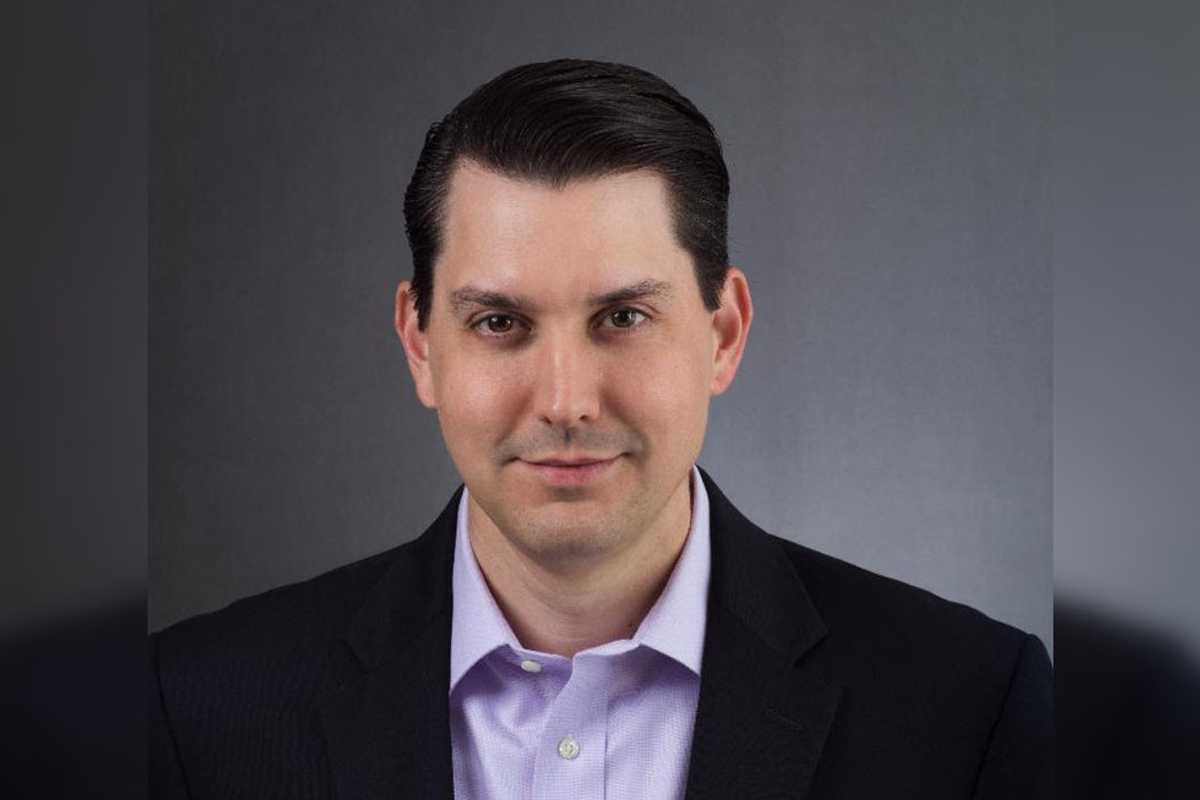
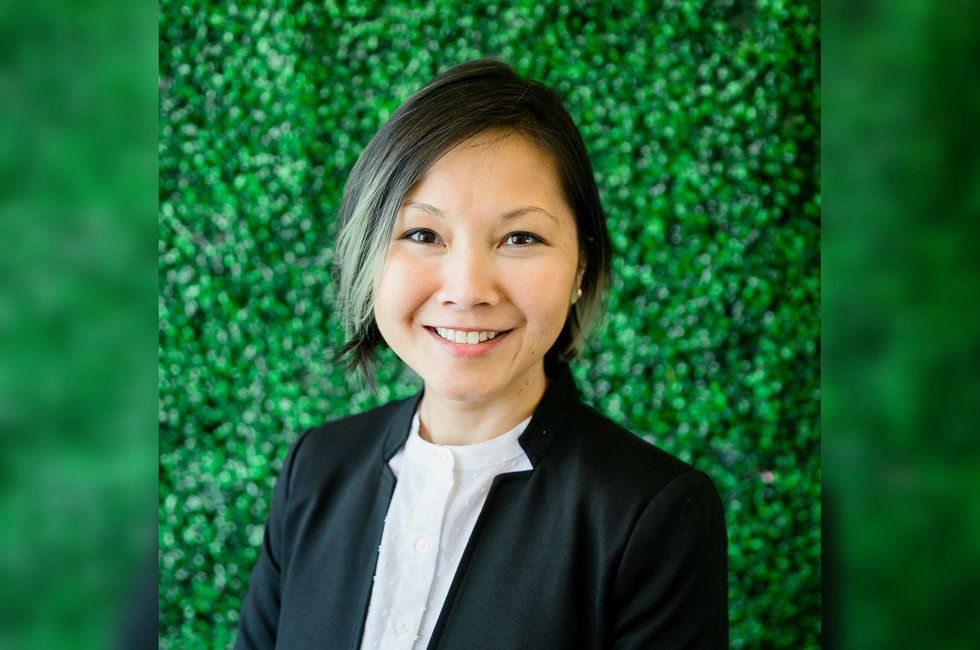
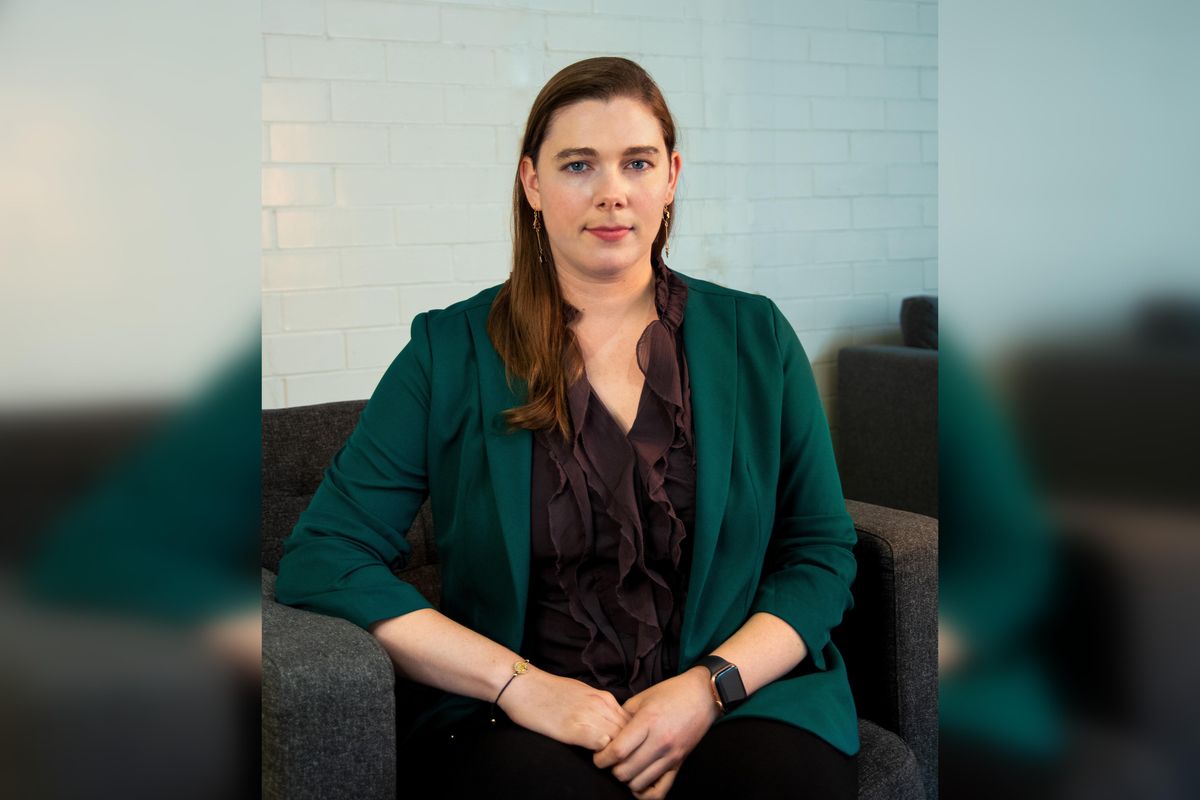
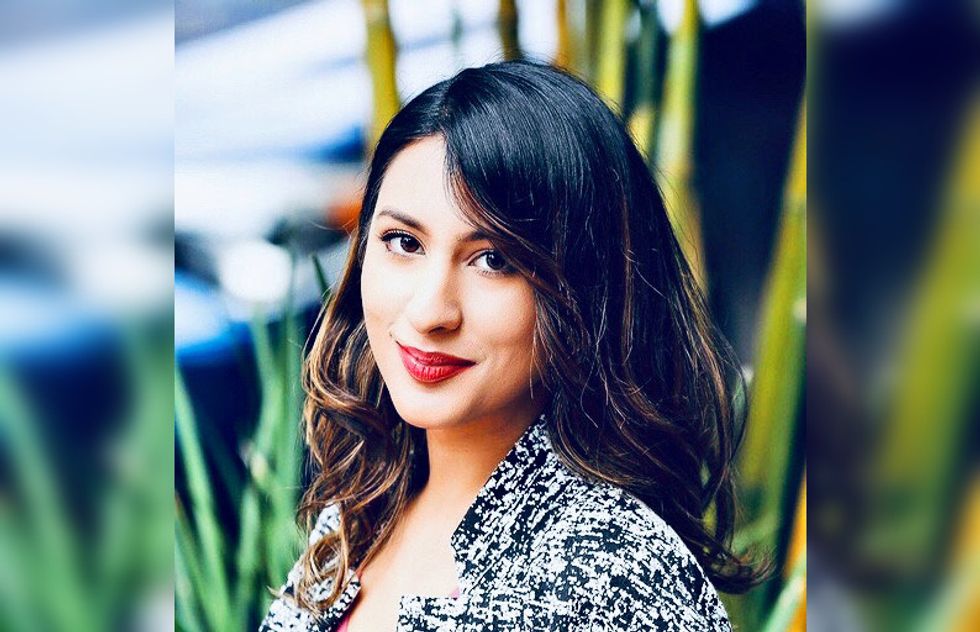
Here's your latest roundup of innovation news you may have missed. Photo via Getty Images

Houston startup news is in full swing this year, and there might be some headlines you may have missed.

In this roundup of short stories within Houston startups and tech, Venus Aerospace makes an impressive appointment, a sportstech startup is headed to SXSW, and more.

Houston space startup names former NASA administrator to board
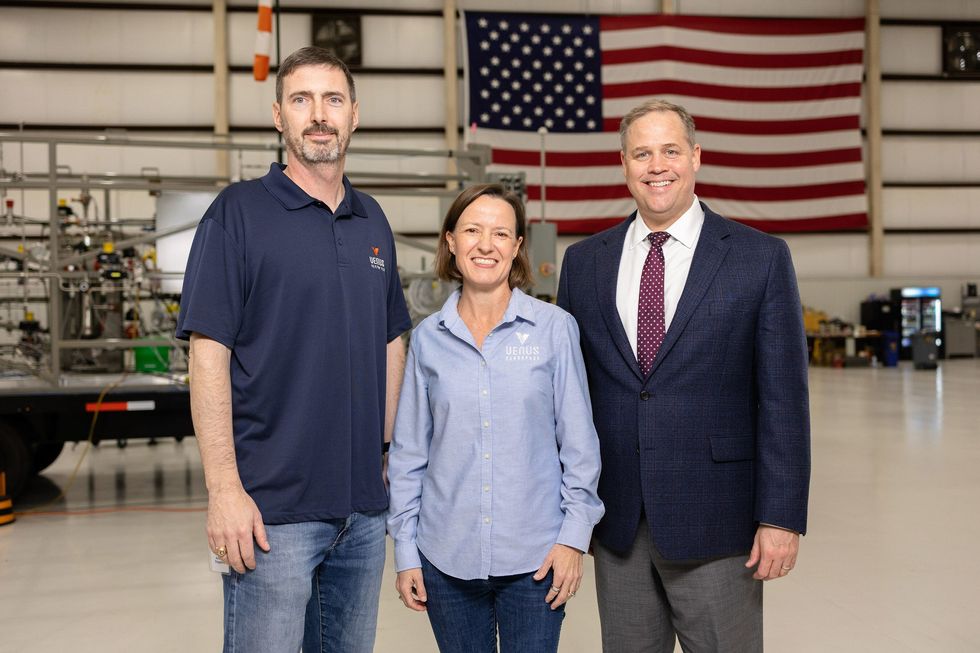
Jim Bridenstine, formerly NASA's administrator, has joined Venus Aerospace. Photo courtesy of Venus

A Houston-based company that's creating reusable hypersonic drones and spaceplanes has named its latest adviser. Jim Bridenstine, who served as the 13th administrator for NASA, is Venus Aerospace's latest addition to the team.

"I'm excited to be on the board of advisors for Venus Aerospace," Bridenstine says in a statement. "We have been plowing through the atmosphere at Mach 0.7 for over 70 years. This not only wastes time, but it also costs too much money and places greenhouse gasses in the atmosphere. It's time to disrupt the transportation business and Venus Aerospace has the talent to do it."

"Now we're going above the atmosphere, at hypersonic speeds, to get from one side of the planet to the other in a much cleaner way," he continues.

Founded in California in 2020 and then relocated to the Houston Spaceport, Venus is scaling after raising a $20M series A last spring.

"Jim brings a very unique perspective and capabilities from aviator to congressman to administrator," says Andrew Duggleby, CTO and co-founder, in the release. "The thing that gets me most excited is his ability to jump in, understand the context, and know exactly where he can make an immediate difference."

Houston startup snags spot as SXSW Pitch alternate
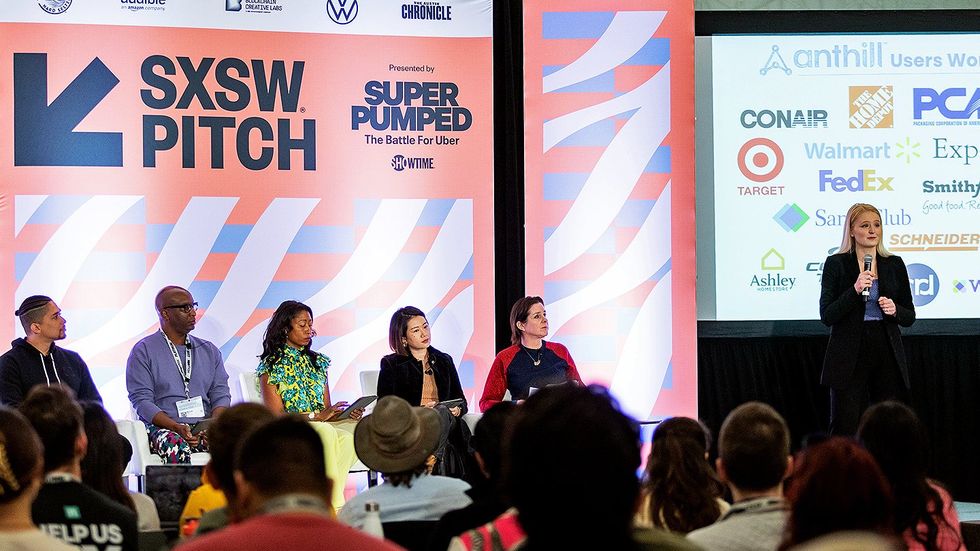
This Houston tech company has been named an alternate for the 2023 SXSW pitch. Photo via SXSW

SXSW announced 40 finalists for the 15th annual SXSW Pitch competition taking place March 11 to 12.

"Since its inception, SXSW Pitch has been front row to some of the most ambitious startups from around the world, using creative ideas to change their industry’s future," says SXSW Pitch Event Producer Chris Valentine in a news release. "We are thrilled to play a role in helping shape these early-stage ventures and connect them with the resources they need to thrive. This year’s competition will be a representation of the incredible and innovative work being done around the world."

In addition to the finalists for each category, SXSW names a handful of alternates. This year, Houston-based AiKYNETIX was included in the Artificial Intelligence, Robotics & Voice category.

AiKYNETIX, which was founded in January 2021, uses real-time video analytics technology to provide a new option for runners on treadmills. App users — runners and their coaches — then can measure running form and running performance metrics to improve training.

Houston IT and software services company claims spot on 2023 cloud tech awards
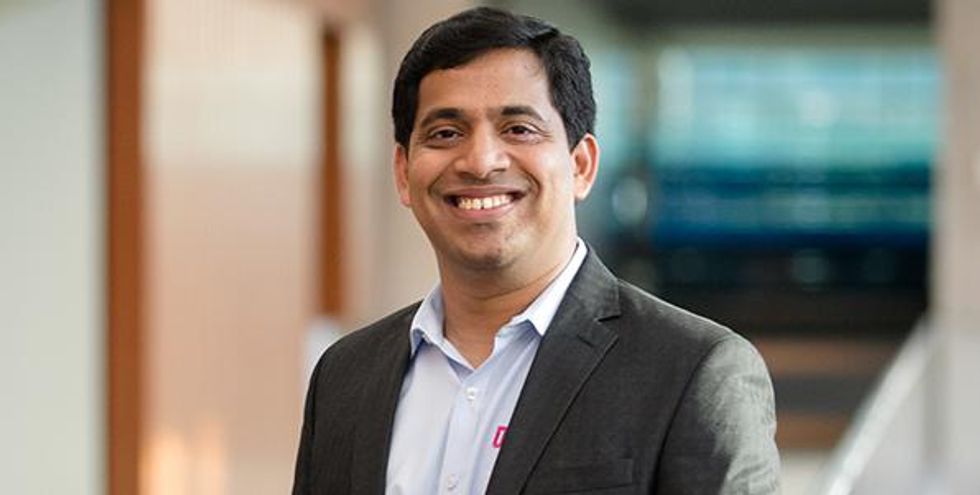
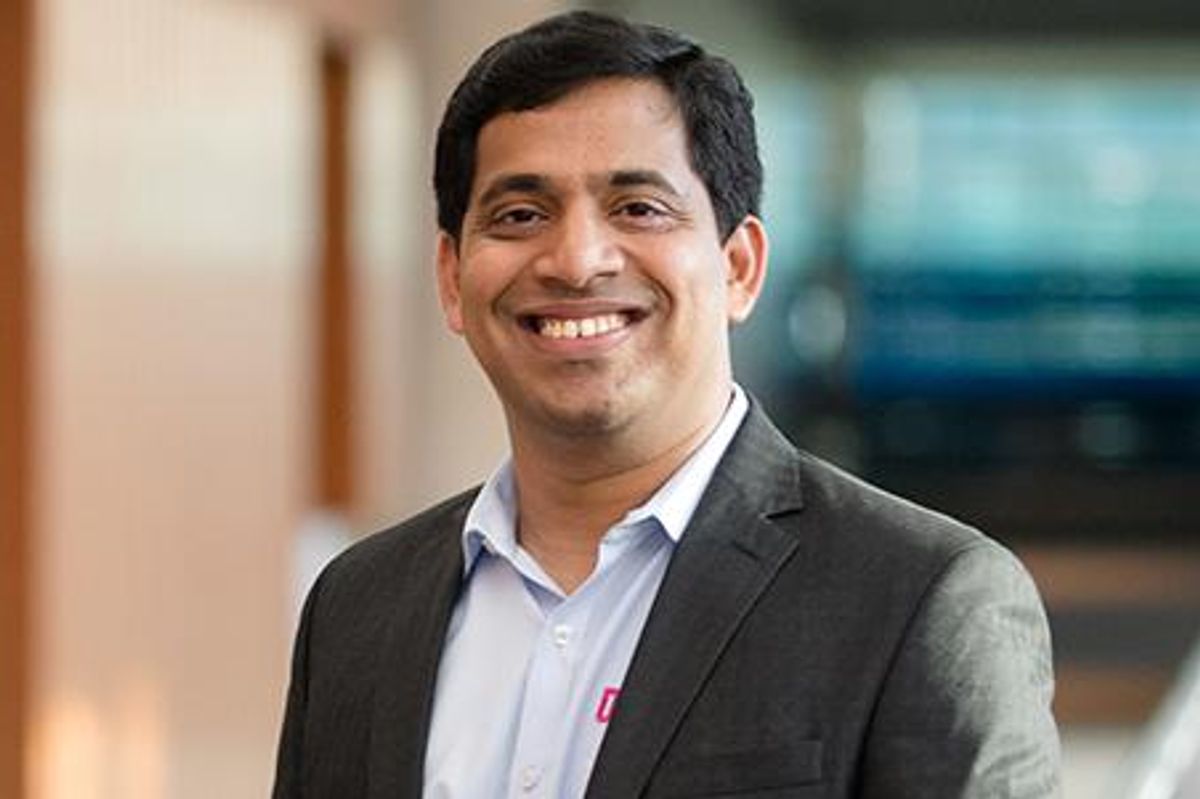
Rajasekhar Gummadapu is the CEO of Techwave. Photo via Techwave

Houston-based Techwave has won a prestigious award. The company claimed the “Best Cloud Migration or Systems Integration Solution” award at the 2022-2023 International Cloud Awards.

The award, which recognizes and honors industry leaders, innovators, and organizational transformation in cloud computing, was announced earlier this month.

"It is an honor to receive the Best Cloud Migration award at the International Cloud Awards," says Raj Gummadapu, co-founder and CEO, in a news release. "This accolade is a reflection of our relentless pursuit of innovation and delivering exceptional solutions."

Techwave is a global IT and engineering services and solutions company revolutionizing digital transformations.

Houston startup secures latest level of compliance

Koda Health has cleared a new level of compliance. Image via kodahealthcare.com

Growing Houston company Koda Health has announced that it achieved SOC 2 Type II compliance, a distinction that indicates a certain standard of securing customer data.

"This compliance demonstrates our commitment to protecting our partners and their data through enterprise-level security protocol and standards," the company announced on LinkedIn.

Koda Health was audited by Prescient Assurance, a leader in security and compliance attestation for B2B, SAAS companies worldwide, according to the company.
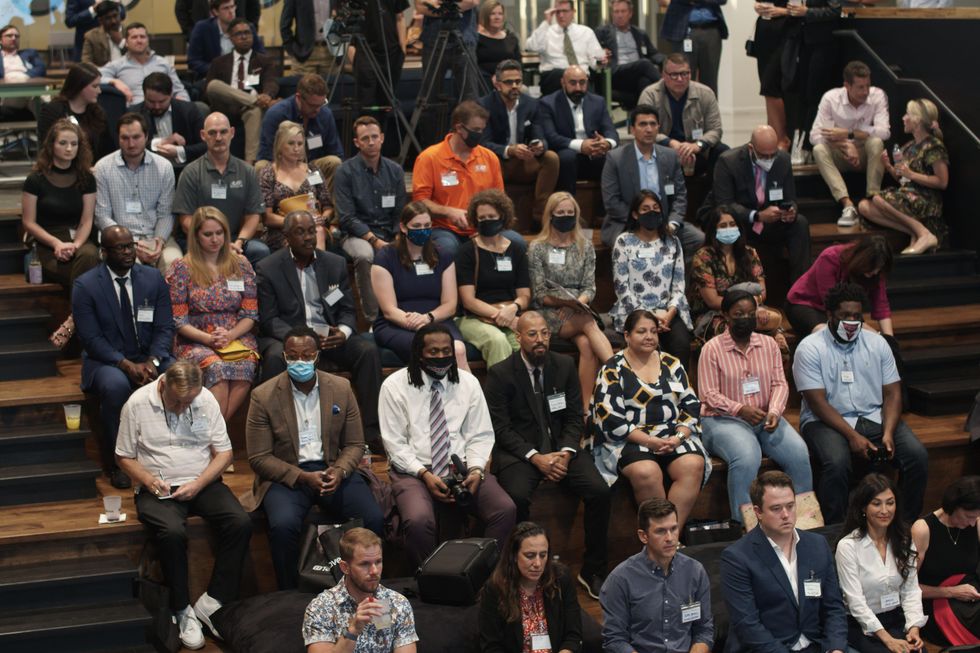
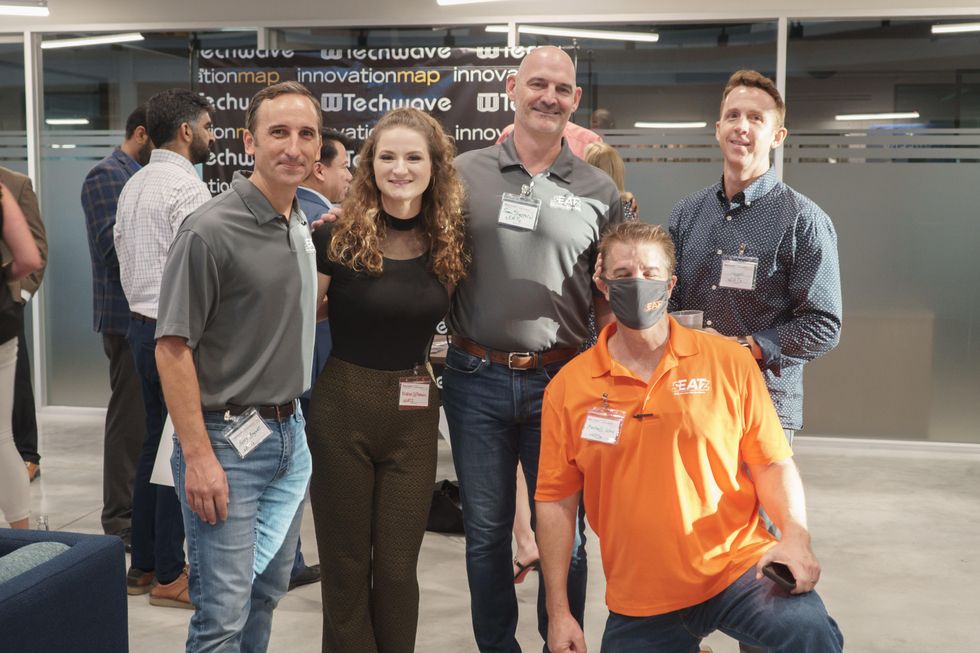
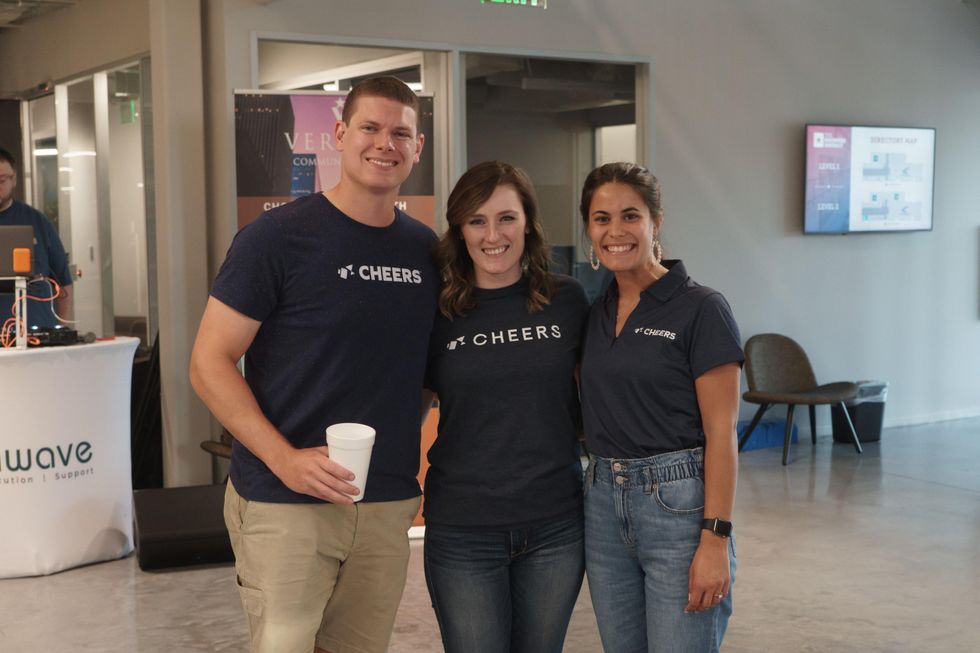
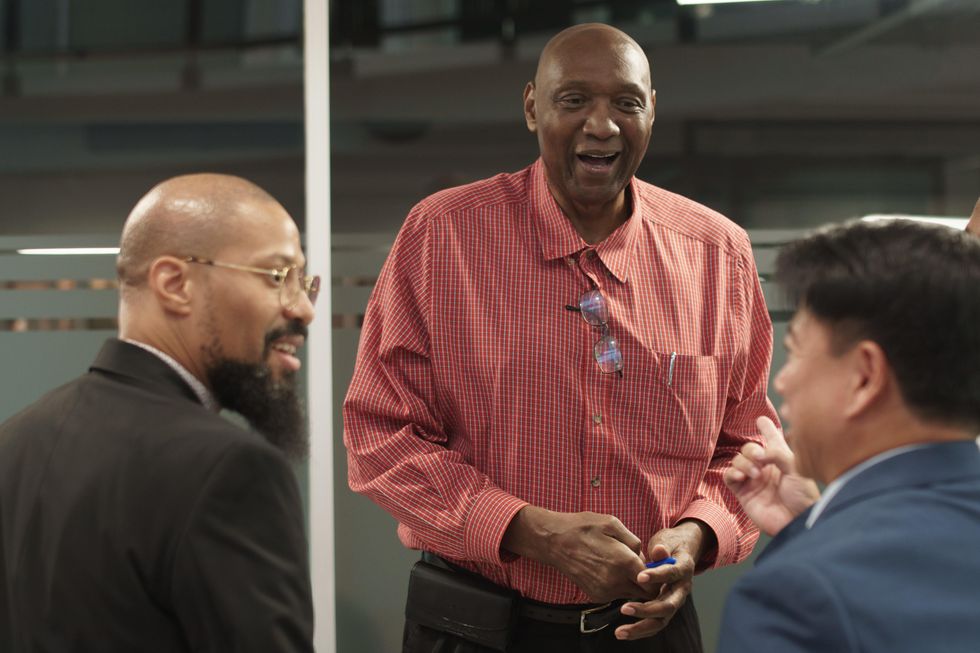
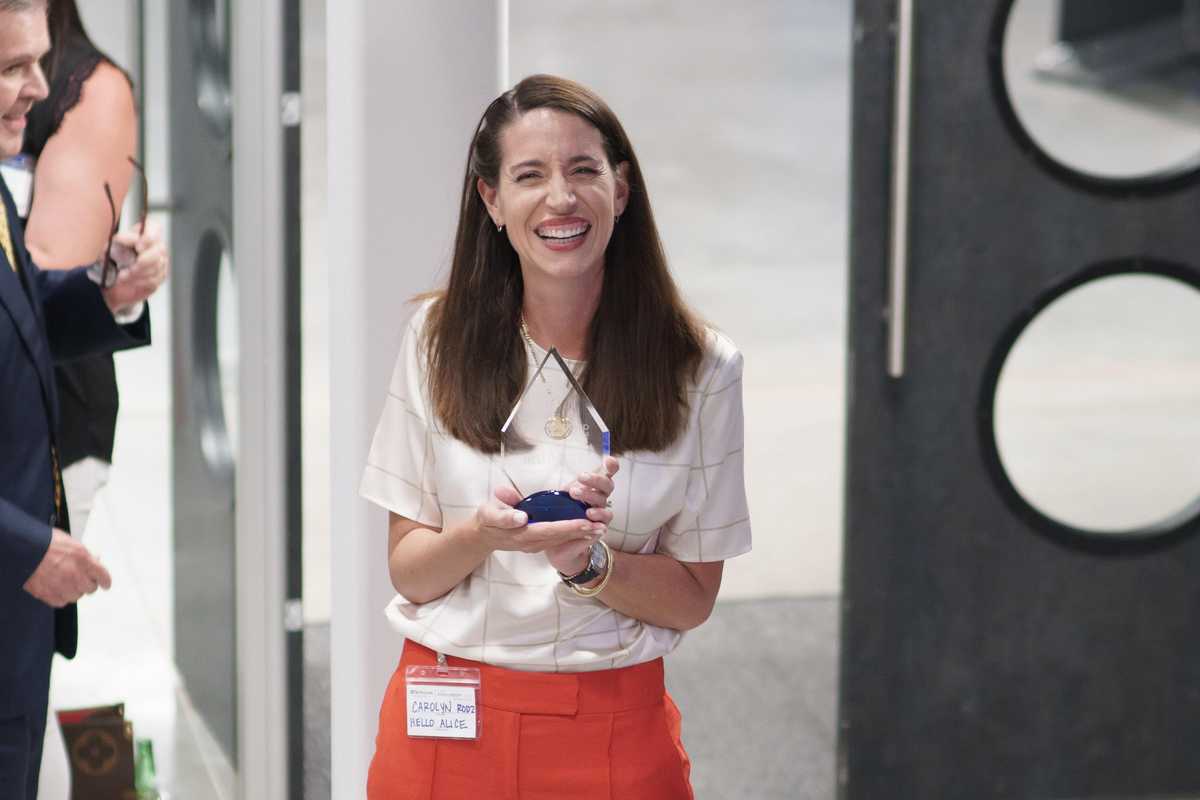
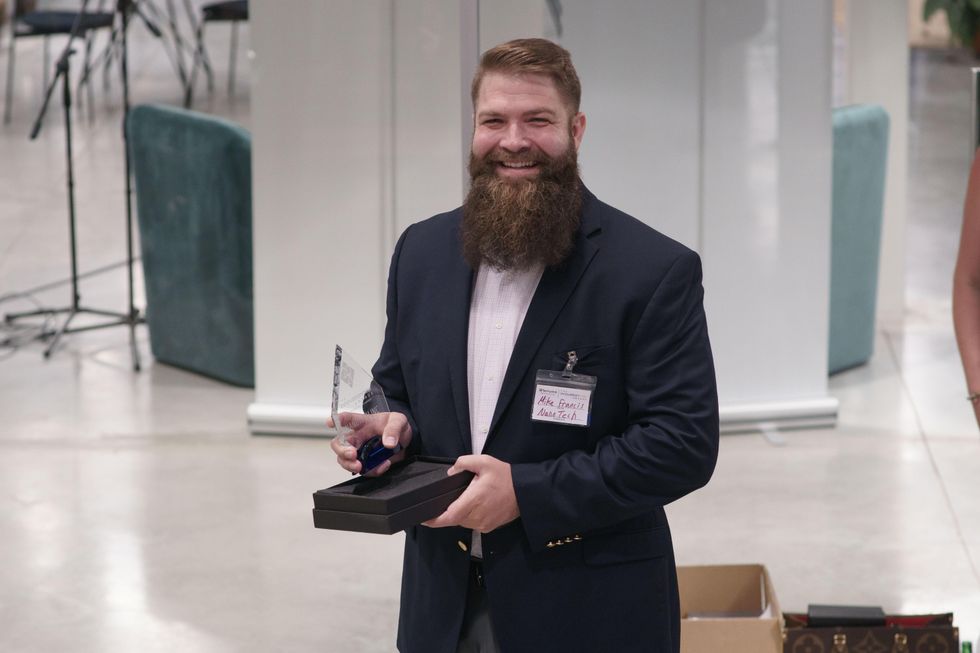
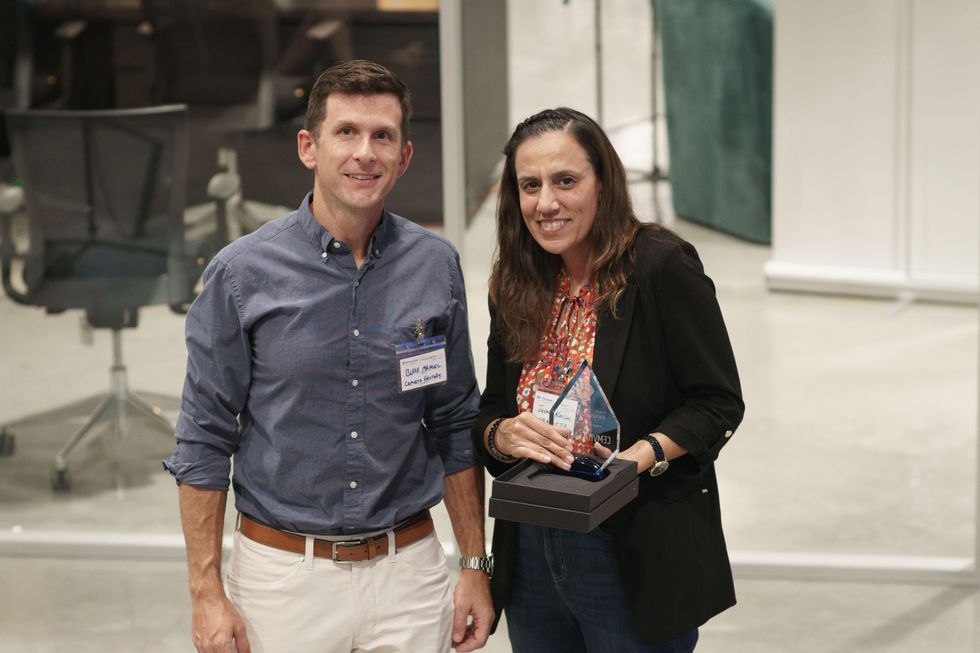
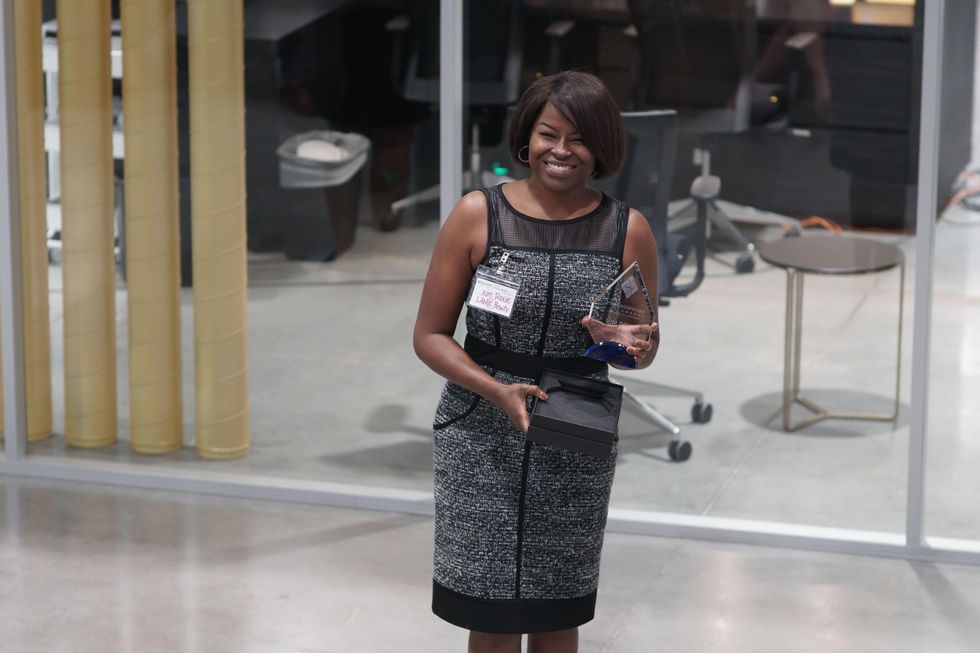
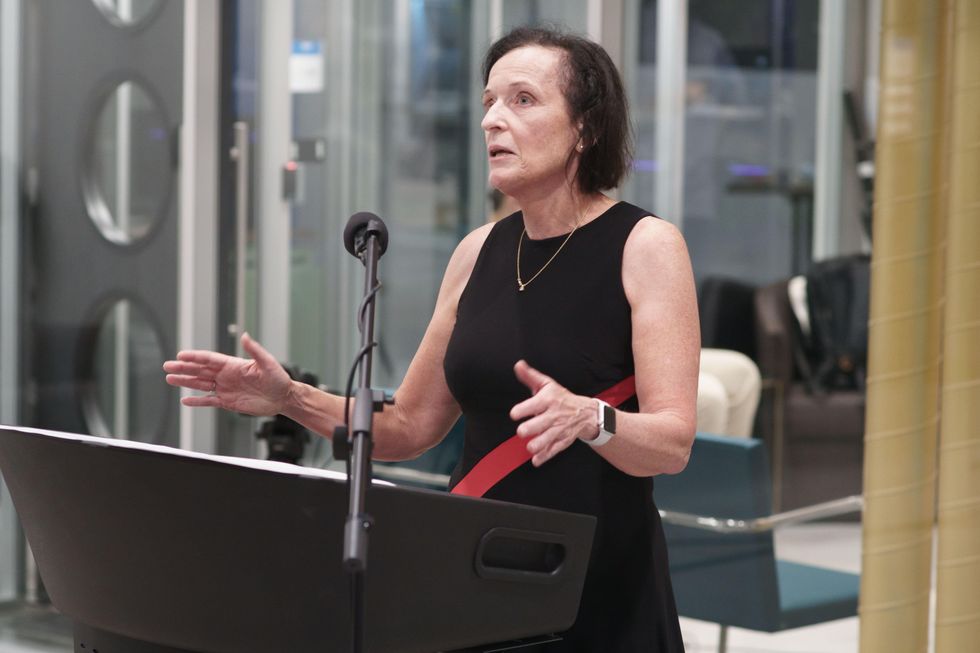
Get a sneak peek into the inaugural InnovationMap Awards presented by Techwave. Photo by Queen's Photoworks

Photos: InnovationMap shares scenes from its 2021 awards celebration

event highlights

Last week, the inaugural InnovationMap Awards presented by Techwave honored 28 companies across eight categories.

The hybrid event, which took place on September 8, was hosted at The Cannon West Houston as well as streamed online. The in-person attendees included finalists, judges, partners, and sponsors as well as their guests. Missed the event? We rounded up some moments in an episode of the Houston Innovators Podcast as well as the slideshow below.

Click here to read more articles about the InnovationMap Awards.

Scenes from the 2021 InnovationMap Awards

Photo by Queen's Photoworks

The crowd of startup founders, corporate innovators, and more attended the event at The Cannon West Houston.

Want more from the awards?

And the finalists for the inaugural InnovationMap Awards are... Graphic via Gow Media

InnovationMap names 28 Houston startup finalists for inaugural awards

who will take home the win?

Who are Houston's rising stars across energy transition, sports tech, health, and more? InnovationMap set out on a quest to discover that for its inaugural awards. Ahead of the September 8 event, we're revealing the finalists across all categories.

Eight judges evaluated over 100 applications across eight categories for the 2021 InnovationMap Awards presented by Techwave. This year's judges included: Juliana Garaizar, head of the Houston incubator and vice president of innovation at Greentown Labs; Alex Gras, managing director at The Cannon; Rajasekhar Gummadapu, co-founder and CEO of Techwave; Natalie Harms, editor of InnovationMap; Serafina Lalany, interim president at Houston Exponential; Jon Nordby, managing director at MassChallenge; Emily Reiser, senior manager of innovation community engagement at the Texas Medical Center; and Grace Rodriguez, CEO and executive director of Impact Hub Houston.

The winners will be announced and celebrated — along with this year's previously announced Trailblazer Award recipient, Barbara Burger of Chevron Technology Ventures — at the September 8 event at The Cannon - West Houston. Honorees, sponsors, judges, and their guests will celebrate in person, and the rest of the innovation community is invited to tune in to the livestream. Click here to RSVP.

Sponsorships are still available! If you are interested in partnering with InnovationMap as a sponsor of this event, send an email to awards@innovationmap.com.

Without further adieu, here are this year's finalists:

BIPOC-Founded Business Finalists

The finalists for the BIPOC-Founded Business Award category, honoring innovative tech companies founded or co-founded by BIPOC representation, are:

  • Allotrope Medical — creator of StimSite, a device that improves surgical safety and efficiency in millions of operations performed every year.
  • Hello Alice — a small business owner's passport through entrepreneurship that helps with networking, raising capital, and accessing growth tools.
  • LAMIK Beauty — a tech-enabled clean color cosmetics company focusing on women of all diverse backgrounds
  • Molecule Software — creator of a leading cloud-native energy trading software.

Female-Founded Business Finalists

The finalists for the Female-Founded Business Award category presented by Veritex Community Bank, honoring innovative tech companies founded or co-founded by women, include:

  • DonateStock — simplifying the process of donating stock and helping nonprofits solicit, process, and manage stock donations.
  • Hello Alice — a small business owner's passport through entrepreneurship that helps with networking, raising capital, and accessing growth tools.
  • re:3D Inc. — producer of large, affordable industrial 3D printers, and services that can print with new or recycled filament, pellets, or flake.
  • RingOn — wearable GPS tracker that is also a panic button that's designed for school kids and with an impact-driven mission of ending child trafficking.
  • Topl — impact monetization engine that enables digital and sustainable transformation across value chains and empowers the monetization of impact verified on the Topl Blockchain.
  • Zibrio Inc. — a fall prevention solution that empowers both clinicians and patients for better outcomes.

Health Care Business Finalists

The finalists for the Health Care Business Award category presented by Gray Reed, which honors health care businesses with an innovative solution within life sciences, include:

  • Allotrope Medical — creator of StimSite, a device that improves surgical safety and efficiency in millions of operations performed every year.
  • Medical Informatics Corp. — creator of Sickbay, which features web-based applications that transform data into actionable information to help care teams make better, faster decisions.
  • Saranas — creator of the Early Bird, the first and only FDA-approved bleed detection system for endovascular procedures.
  • Starling Medical — using AI and telehealth enabled medical devices to enable millions with bladder dysfunctions to be able to urinate safely and conveniently again.

Energy Transition Business Finalists

The finalists for the Energy Transition Business category, which honors energy business with innovative solutions within renewables, climatetech, clean energy, and beyond, are:

  • Cemvita Factory — engineering microbes that eat CO2 and produce valuable chemicals.
  • Data Gumbo — creator of an interconnected industrial smart contract network secured and powered by blockchain.
  • Enercross LLC — automation software for the energy industry.
  • Nanotech — a material science company with a mission to fireproof the world and reduce energy consumption.
  • re:3D Inc. — producer of large, affordable industrial 3D printers, and services that can print with new or recycled filament, pellets, or flake.
  • Renewell Energy — converting idle oil and gas wells into flexible energy storage.

Sports Tech Business Finalists

The finalists for the Sports Tech Business category, which is honoring a sports tech business with an innovative solution within sports are:

  • FitLift — a wearable device and mobile platform that tracks motion and gives real-time feedback on lifting technique, allowing trainers, and athletes to drive results.
  • Mainline — an esports tournament management system, tournament organizer, and event production company.
  • sEATz — a mobile ordering and delivery platform for food, drinks, and merchandise at large events.

Space Tech Business Finalists

The finalists for the Space Tech Business category, which is honoring an aerospace business with an innovative solution within space exploration. are:

  • Cemvita Factory — engineering microbes that eat CO2 and produce valuable chemicals.
  • Cognitive Space — providing a scalable satellite constellation management solution to the space industry.
  • NANCO Aero — developing package- and person-carrying air vehicles.

Top Founder Under 40 Finalists

The finalists for the Top Founder Under 40 category, which honors an innovative founder younger than 40 by Sept. 8, 2021, are:

  • Pamela Singh of CaseCTRL — using artificial intelligence and automation to streamline surgical scheduling.
  • Timothy Neal of GoExpedi — an e-commerce, supply chain, and analytics company that is streamlining procurement for industrial and energy MRO (maintenance, repair and operations).
  • Kim Roxie of LAMIK Beauty — a tech-enabled clean color cosmetics company focusing on women of all diverse backgrounds.
  • Emma Fauss of Medical Informatics Corp. — creator of Sickbay, which features web-based applications that transform data into actionable information to help care teams make better, faster decisions.
  • Emily Cisek of The Postage — a legacy planning platform using tech to make afterlife decision making easier.

People’s Choice: Startup of the Year Finalists

The finalists for the People's Choice: Startup of the Year category, which will each present a 60-second live elevator pitch at the event on September 8, are:

    • Cheers Health — creating products that are designed to support your liver and help you feel better after consuming alcohol.
    • GoCo — all-in-one employee management platform.
    • Hello Alice — a small business owner's passport through entrepreneurship that helps with networking, raising capital, and accessing growth tools.
    • Liongard — a platform that helps Information Technology companies automatically discover, document, and audit their customers' IT systems.
    • Nanotech — a material science company with a mission to fireproof the world and reduce energy consumption.
    • re:3D Inc. — producer of large, affordable industrial 3D printers, and services that can print with new or recycled filament, pellets, or flake.
    • Topl — impact monetization engine that enables digital and sustainable transformation across value chains and empowers the monetization of impact verified on the Topl Blockchain.

    Raj Gummadapu, CEO and co-founder of Techwave, is excited to be working among the tech scene in Houston. Photo courtesy of Techwave

    Software co. leader shares why he bet on Houston's tech talent with HQ move

    houston innovators podcast episode 96

    A couple years ago, Raj Gummadapu and his executive team moved the Techwave headquarters to Houston from the Northeast in order to access a diverse workforce in a city with a developing tech scene. He's never looked back.

    Gummadapu joined this week's episode of the Houston Innovators Podcast to discuss why he placed his bets on Houston and took his global IT services and solutions company from the suburbs of Philadelphia to the Bayou City — a move that happened as Techwave became more globally focused.

    "When we started looking at various cities, Houston presented itself as a great opportunity," Gummadapu says on the episode. "Houston is home to large Fortune 500 companies, and the talent pool we get here has really attracted us to make this as our home."

    The company, which employs 1,800 people, provides end-to-end software solutions for companies from scaling startups to massive corporations.

    "We are widely spread in terms of our service offerings," Gummadapu says. "Our unique positioning on Techwave is it's the right sized organization for companies that are looking for services partners with strong domain knowledge and great expertise with the technology, but has a quality of being a good transition partner."

    Gummadapu says Techwave has several startups in its portfolio of clients across industries, including health tech, education tech, and blockchain.

    "We service a lot of technology companies in startup stage," Gummadapu says. "We bring that core knowledge to the table and help startups think from a different angle, as well as bring our services from the domain knowledge standpoint to work collaboratively to deliver a solution to startups. We're the perfect fit for startups and bring a 360-degree view."

    Techwave is again betting on Houston and its startup ecosystem as the presenting sponsor for the inaugural InnovationMap Awards. Nominations for the awards have closed, but online registration for the hybrid event is open.

    Gummadapu shares more on how he's seen the software services industry evolve over his 20-plus years in the industry, as well as the challenges he's facing today on the episode. Stream the show below or wherever you get your podcasts.


    You have an extra week to submit your nominations. Graphic via Gow Media

    Deadline extended for inaugural InnovationMap Awards nominations

    nominate now

    If you didn't get a chance to submit your nomination for the inaugural InnovationMap Awards presented by Techwave by the July 23 deadline — you're in luck. The nomination period has been extended, and you now have an extra week to submit.

    The new — and final — deadline for nominations is July 30 by midnight. Submissions can be made online at InnovationMapAwards.com.

    Following nominations, the nominated companies will receive an application to submit by August 13. The already nominated companies will receive their applications today. So, if you're interested in being a part of the awards and you haven't received an application from InnovationMap by the end of Monday, July 26, your company has not already been nominated.

    The categories for the awards are:

    • BIPOC-Owned Business honoring an innovative tech company founded or co-founded by BIPOC representation
    • Female-Owned Business honoring an innovative tech company founded or co-founded by a woman
    • Health Care Business honoring a health care business with an innovative solution within life sciences
    • Energy Transition Business honoring an energy business with an innovative solution within renewables, climatetech, clean energy, and beyond
    • Space Tech Business honoring an aerospace business with an innovative solution within space exploration
    • Sports Tech Business honoring a tech business with an innovative solution within sports
    • Top Founder Under 40 honoring an innovative founder younger than 40 by Sept. 8, 2021
    • Lifetime Achievement Award honoring an innovator who's made a lasting impact on the Houston innovation community
    • People's Choice: Startup of the Year selected via an internet voting portal ahead of the event
    • Techwave's Texas Advocate Awards honoring two non-Houston based companies selected by our presenting sponsor, Techwave

    Earlier this month, InnovationMap named the eight judges for this year's awards. Click here to see who will be selecting the award finalists and winners.

    Follow along on InnovationMap as we learn more about the program's inaugural nominees. Then, on September 8, we will host the finalists and a group of special guests at The Cannon for a celebration of the city's top innovators. A livestream of the event will be open to everyone on the night of the awards — tune in to find out who takes home the big win across all 10 categories.

    Click here to RSVP for what will surely be a can't-miss event in Houston innovation.

    Here's who's making the call for the inaugural InnovationMap Awards. Photos courtesy

    InnovationMap names judges for inaugural awards program

    in the hot seat

    It's been two weeks since InnovationMap announced its inaugural awards program presented by Techwave — and the ecosystem is already buzzing with excitement to find out the top innovative companies in town.

    The InnovationMap Awards will honor Houston's innovators and their breakthrough technologies across industries. The program and hybrid event — which will take place September 8 — will shine a spotlight on the movers and shakers within Houston's burgeoning innovation community. Nominations are open for the awards now — and the deadline to submit your nomination is July 23.

    Click here to nominate a deserving company.

    But who will decide this year's finalists and winners for the event? A cohort of eight of the best innovation leaders in the Bayou City. Introducing: The 2021 InnovationMap Awards judges:

    Juliana Garaizar, head of Greentown Houston and vice president of Greentown Labs

    Courtesy photo

    A longtime angel investor and Houston innovation leader, Juliana Garaizar is no stranger to the local ecosystem. Prior to her current role leading Greentown Labs in Houston, she served as director of the Texas Medical Center's Venture Fund and managing director at the Houston Angel Network. She's also involved with Houston-based Business Angel Minority Association, or baMa, and has worked with Portfolia for over five years.

    Jon Nordby, managing director at MassChallenge

    Photo courtesy of MassChallenge

    ​A leader in Houston innovation for several years now, Jon Nordby oversees Boston-based MassChallenge's entire Texas operation. MassChallenge's global accelerator program supports an annual cohort of startups across industries. Prior to his current role, he served as director of strategy at Houston Exponential and vice president of talent and innovation at the Greater Houston Partnership.

    Grace Rodriguez, CEO and executive director of Impact Hub Houston

    Photo courtesy of Impact Hub Houston

    Grace Rodriguez has dedicated herself to helping do-gooders do greater, as her LinkedIn page proudly boasts, and for the past three years, she's been doing that by leading Impact Hub Houston, a locally rooted, globally connected 501c3 nonprofit that champions inclusive, impact-driven innovation. She also co-founded Station Houston in 2016.

    Emily Reiser, senior manager of innovation community engagement at the Texas Medical Center

    Photo courtesy of TMC Innovation

    Emily Reiser is like a switchboard operator for TMC Innovation, where she's worked with health tech startups since 2019. She supports clinicians, innovators, corporate partners, and business advisers who are dedicated to advancing healthcare innovation all while providing a common ground for collaboration, connection, and innovation.

    Serafina Lalany, vice president of operations at Houston Exponential

    Photo courtesy of Serafina Lalany

    Serafina Lalany leads operations at Houston Exponential, the city's nonprofit focused on accelerating the development of Houston's innovation economy. She's also a board member of Diversity Fund Houston — a micro venture fund created to invest in minority tech founders during the "friends and family round."

    Alex Gras, managing director at The Cannon

    Photo via LinkedIn

    After spending eight years in oil and gas, Alex Gras took his management skills to The Cannon Houston — a network of entrepreneurial hubs across Houston. The Cannon is the InnovationMap Awards venue for the September 8 event.

    Rajasekhar Gummadapu, CEO of Techwave

    Photo courtesy

    Raj Gummadapu is the co-founder of Techwave, the award program's presenting sponsor. An accountant by trade, he has about 17 years of experience with combination of working with "big 5" consulting companies and various midsize to Fortune 100 companies across different industries on various strategic initiatives and global process and systems transformations.

    Natalie Harms, editor of InnovationMap

    Photo courtesy

    Natalie Harms has been at the helm of InnovationMap — Houston's voice for Innovation — since its inception in October 2018. She oversees all editorial operations of the site and hosts its weekly podcast, the Houston Innovators Podcast.

    Ad Placement 300x100
    Ad Placement 300x600

    CultureMap Emails are Awesome

    Artemis II makes historic call to space station with help from Houston Mission Control

    History in the making

    Still aglow from their triumphant lunar flyby, the Artemis II astronauts made more history Tuesday, April 7: calling their friends aboard the International Space Station hundreds of thousands of miles away as they headed home from the moon.

    It was the first moonship-to-spaceship radio linkup ever. NASA's Apollo crews had no off-the-planet company back in the 1960s and 1970s, the last time humanity set sail for deep space.

    "We have been waiting for this like you can’t imagine,” Artemis II commander Reid Wiseman called out.

    For Christina Koch on Artemis II and Jessica Meir aboard the space station, it marked a joyous space reunion despite being 230,000 miles (370,000 kilometers) apart. The two teamed up for the world's first all-female spacewalk in 2019 outside the orbiting lab.

    Koch told her “astro-sister” that she'd hoped to meet up with her again in space “but I never thought it would be like this — it's amazing.”

    “I'm so happy that we are back in space together,” Meir replied, “even if we are a few miles apart.”

    Houston's Mission Control arranged the cosmic chitchat between the four lunar travelers and the space station's three NASA and one French residents.

    Koch described being awe-struck by not just the beauty of Earth, “but how much blackness there was around it.”

    “It just made it even more special. It truly emphasized how alike we are, how the same thing keeps every single person on planet Earth alive,” she told the space station crew. “The specialness and preciousness of that really is emphasized” when viewing the home planet from the moon.

    By late Tuesday afternoon, the Artemis II astronauts had beamed back more than 50 gigabytes' worth of pictures and other data from the previous day's lunar rendezvous, which set a new distance record for humanity. The highlight: an Earthset photo reminiscent of Apollo 8's Earthrise shot from 1968.

    "While they are inspirational and, I think, allow all of us to really feel a little bit of what they were feeling, there's also a lot of science hidden inside of those images," said Mission Control's lead lunar scientist Kelsey Young. “The conversations and the science lessons learned are just beginning."

    During a debriefing with Young, the astronauts recounted how they spotted a cascade of pinpricks of light on the lunar surface from impacting cosmic debris. The flashes lasted mere milliseconds and coincided by chance with Monday evening's total solar eclipse.

    Young said it was too soon to know whether the crew witnessed an actual meteor shower or more random, run-of-the-mill micrometeoroid hits. Either way, there were “audible screams of delight” in the science operations center, she said.

    Koch described being awe-struck by not just the beauty of Earth, “but how much blackness there was around it.”

    “It just made it even more special. It truly emphasized how alike we are, how the same thing keeps every single person on planet Earth alive,” she told the space station crew. “The specialness and preciousness of that really is emphasized” when viewing the home planet from the moon.

    The first lunar explorers since Apollo 17 in 1972, Wiseman and his crew are aiming for a splashdown off the San Diego coast on Friday to wrap up the nearly 10-day test flight. The recovery ship USS John P. Murtha left port Tuesday for the target zone.

    It sets the stage for next year's Artemis III, a lunar lander docking demo in orbit around Earth. Artemis IV will follow in 2028 with two astronauts attempting to land near the lunar south pole.

    As for the Orion capsule’s pesky potty, Mission Control assured the astronauts that no maintenance was required Tuesday. The toilet has been on-and-off limits to the crew ever since last week’s launch, prompting them to rely on a backup bag-and-funnel system for urinating.

    NASA Administrator Jared Isaacman told the crew following the lunar flyby Monday night: “We definitely have to fix some of the plumbing” ahead of the next Artemis mission. Engineers suspect a clogged filter in the overboard flushing system.

    Aside from the toilet and other relatively minor matters, the mission has gone well, Isaacman noted at a news conference Tuesday, “but I'll breathe easier when we get through reentry and everybody's under chutes and in the water.”

    AI-powered Houston startup helps restaurants boost customer loyalty

    order up

    It’s no secret that restaurant trends move fast and margins run thin. And with the proliferation of platforms like Uber Eats, DoorDash and Easy Cater, customer loyalty is fleeting.

    The solution?

    How about an AI-powered restaurant technology platform that helps restaurant brands cut back on third-party platforms in favor of driving direct discovery, conversion and loyalty?

    Enter Saivory. Founded in 2025 by Stephen Klein, a software investor, and Fajita Pete’s restaurateur Hugh Guill, the Houston-based startup aims to help eateries better understand and activate guest behavior across digital channels as AI increasingly reshapes how consumers discover and engage with brands.

    In less than a year, Saivory has partnered with Shipley Do-Nuts and Fajita Pete’s to bring AI-powered ordering to life.

    “With Saivory, we were able to answer the question of, ‘what if the ordering process could be reduced to a single step, where customers simply tell us what they want and AI takes care of the rest?’” Klein tells InnovationMap.

    The Houston-based startup made such an immediate impact that it was selected as a semi-finalist during Start-Up Alley at MURTEC, the restaurant industry’s leading technology conference, which took place last month in Las Vegas.

    “Houston is a great hub for technology innovation, and we were proud to represent the city at MURTEC this year,” says Klein. “We didn’t win, but we were able to talk about some of the work that we have existing in the market for clients right now and a little bit about what we’re working on in the future.”

    In the current restaurant technology ecosystem, the third-party aggregators own the customer attention that brings volume to restaurants, while also taking big commissions and having control over the end relationships with the customer.

    That can often make it difficult for restaurants to grow loyalty and repeat business from customers. Saivory aims to level the playing field for restaurants, helping them stay more connected to their customers.

    Take Saivory’s recent application with Shipley’s Do-Nuts, for example.

    Saivory powered the donut giant’s AI-ordering and launched Shipley's website and mobile app to support its over 300 locations in Texas alone.

    Shipley’s new AI-powered assistant helps users create personalized order recommendations based on individual or group preferences. And unlike standard chatbox features, the new assistant makes custom recommendations based on multiple customer factors, including budgetary habits, individual flavor preferences and order size. It can also be used for large catering orders.

    “They're seeing more traffic to the site and they're seeing when customers use our AI-enabled flows,” Klein says. “And they're seeing higher basket sizes, bigger tickets, by about 25 percent.”

    Klein says Saivory’s technology helps strengthen first-party digital relationships, reduce friction and cart abandonment, improve average order value, and delivers personalized, efficient experiences.

    “It’s a win-win: the customer gets the right order quickly, while the restaurant gets a bigger margin,” he adds.

    Additionally, the technology makes it easier for restaurants to share rewards, loyalty and discounts, ultimately growing more direct traffic and making restaurants less reliant on third-party delivery apps.

    Next up for Saivory is adding new components to its platform to enhance the relationship between restaurant and customer, as well as technology around making it easier for restaurants to get found on Google.

    “A lot of people are still searching for the best donuts near me,” Klein says. “Or what’s the best Mexican food near me? Customers will increasingly move to AI, where they’re going to ask where they should eat dinner and expect it to just order them dinner. They will eventually expect the technology to know how to do that. So that’s what we’re driving at.”

    Houston leads U.S. in population growth for 2025, Census says

    Boomtown

    Imagine that the Houston metro area swallowed a city the size of Pearland in just one year. That’s essentially what happened from 2024 to 2025, with the Houston metro ranking first in the U.S. for population growth based on the number of people.

    New estimates from the U.S. Census Bureau show the 10-county Houston metro added 126,720 residents from July 1, 2024, to July 1, 2025. That’s just shy of Pearland’s roughly 133,000-resident tally.

    To calculate population, the Census Bureau counts births, deaths, new residents, and moved-away residents.

    Region’s population approaches 8 million

    On July 1, 2025, the Houston metro’s population hovered slightly above 7.9 million, up 1.6 percent from the same time in 2024. In the very near future, the region’s population should break the eight million mark.

    This follows massive growth in the past 20 years. From 2005 to 2025, the region’s population soared by 39 percent. By comparison, the growth rate from 2021 to 2025 sat at nine percent.

    A forecast from the Texas Demographics Center indicates that under a middle-of-the-road scenario, the Houston metro’s population will reach nearly 8.5 million in mid-2030 and more than 9.5 million in mid-2040.

    Dan Potter, director of Rice University’s Houston Population Research Center, attributes much of the region’s population surge to people moving to the area from outside the U.S. In Harris County, this means a combination of military personnel returning home, people living or working overseas coming back to the U.S., and immigrants relocating to the U.S., he tells CultureMap.

    But Harris County fell short from 2024 to 2025 when it comes to people moving here from elsewhere in the U.S., according to Potter. Counties surrounding Harris County benefited from that trend, drawing new residents who preferred to settle in the suburbs.

    “The incredible pull and attraction of the Houston area is its economy, its people, and its affordability, and the significant growth that was observed in 2024 and again in 2025 speaks to the magnetism of the region,” Potter says. “That pull to Houston is too strong to be turned off overnight.”

    Cooling economy and immigration shifts slow down growth

    Whether looking at urban or suburban places, population growth in the Houston area slowed in 2025 and appears to be slowing even more this year, Potter says.

    “A cooling economy and changes to immigration policy are a one-two combination that could knock out the region’s population growth,” says Potter, citing the region’s addition of a less-than-expected 14,800 jobs in 2025 as an example.

    Weaker population growth may not be felt evenly across the metro area, according to Potter.

    A continuing influx of people from Houston to outlying counties such as Brazoria, Fort Bend, Liberty, Montgomery, and Waller could curb growth in Harris County, Potter said. Why? If the number of people arriving from other other countries flattens or even drops, then there could be “doughnut-style population growth for the next few years, where Harris County and Houston see declines while the suburban counties see an increase.”

    Harris County represents 40 percent of region’s population lift

    Houston-anchored Harris County accounted for almost 40 percent of the region’s population spike from 2024 to 2025. In one year, Harris County grew by 48,695 residents, or 1 percent, pushing its population past five million. That increase put Harris County in first place for numeric growth (rather than percentage growth) among all U.S. counties.

    From 2020 to 2025, Harris County’s growth rate was 6.6 percent. It remains the country’s third largest county based on population, behind Southern California’s Los Angeles County and Illinois’ Chicago-anchored Cook County.

    Harris County is on track to surpass Cook County in size in the near future. As of July 1, 2025, a nearly 150,000-resident gap separated population-losing Cook County and fast-growing Harris County.

    The Texas Demographics Center predicts Harris County’s population will be 5.37 million in mid-2030 and just short of six million in mid-2040.

    Suburban counties see significant population gains

    Harris County isn’t the only county in the area that experienced a growth spurt from 2024 to 2025:

    • Waller County’s population climbed 5.69 percent, winding up at 69,858. Its growth rate ranked second among U.S. counties.
    • Liberty County’s population rose 4.4 percent to 121,364, putting its growth rate in eighth place among U.S. counties.
    • Montgomery County gained 30,011 residents, with its population landing at 781,194. That placed it at No. 4 among U.S. counties for numeric growth.
    • Fort Bend County picked up 24,163 residents, arriving at a total of 975,191 and positioning it at No. 8 among U.S. counties for numeric growth. Fort Bend County, the region’s second largest county based on population, is projected to break the one million-resident mark by July 2030, according to the Texas Demographics Center.

    “Lower mortgage rates from 2009 to 2022 and the rise of remote work have made suburban housing more attractive, especially for families seeking affordability,” Pramod Sambidi, the Houston-Galveston Area Council’s assistant director of data analytics and research, said last year. “Additionally, suburban areas are seeing more multifamily developments than before the pandemic.”

    ---

    This article originally appeared on CultureMap.com.