Here's who won big for Houston innovation. Photos courtesy

In a virtual awards program, Houston Exponential has revealed the winners of the inaugural Listies awards.

The Listies, brought to you by Houston Exponential in partnership with InnovationMap, named the winning companies and people across 12 awards on November 20 at 3 pm as a part of Impact Hub's annual The Houston Innovation Summit (THIS).

Nominations were open until Friday, November 6, and then a group of judges made up of members of the Houston innovation ecosystem reviewed the submissions to settle on the 38 finalists. Click here to see the finalists.

Here's who took home the big wins.

SDO Superstar: MassChallenge Texas
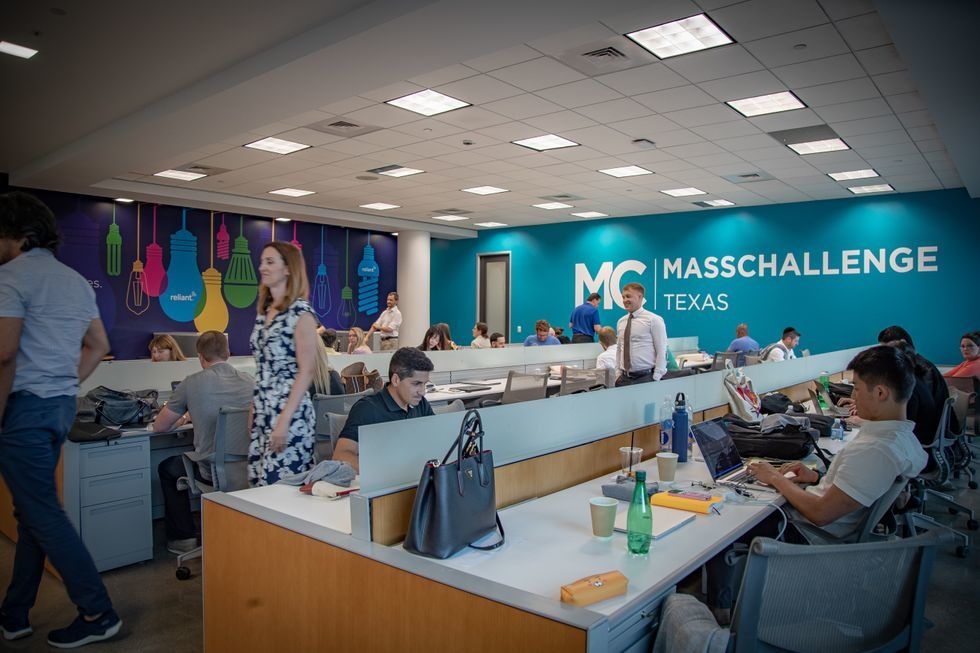
Photo courtesy of MassChallenge

A startup development organization can be an accelerator program, an incubator, or a coworking space — and organizations falling into all three of these sectors were nominated for this category. MassChallenge Texas, which has been running its non-equity, general accelerator program in Houston for two years, stood out to judges to take the win for the SDO Superstar category.

Individual Contributor: Slawek Omylski of SecurityGate
Photo via LinkedIn

The individual contributor award was meant to find and recognize a non-founder who was essential to the success of a Houston startup, and that's exactly how SecurityGate's team sees Slawek Omylski, director of engineering. Not only has he been essential from the start over three years ago when he joined as employee No. 4, but Omylski, when unexpectedly having to move back home to Italy, never missed a single meeting or tech deployment despite being an ocean away from the rest of his team. Known as "Suave" by his teammates, his nominators say Omylski is usually the first to arrive at the office and the last to leave.

Civic Innovation: Annapurna Solutions

Image viaannapurnasolutions.org

Everyone knows that the key to sustainability is reducing, reusing, and recycling, but the fact of the matter is no one has quite perfected recycling. Houston-based Annapurna Solutions is stepping in to help. The company provides innovative technology solutions to address waste and recycling challenges, helping to make cities smart and sustainable — like the company's ReciklApp.

Welcome to Houston: Greentown Labs

Photo via greentownlabs.com

Greentown Labs is a startup development organization, but it's are also a startup itself, but when it opens its doors in Houston in the spring, the organization isn't starting from scratch. After years of working with over 200 climatech companies in the Boston area, Greentown's expansion into Houston means incubating Houston energy tech companies and furthering the conversation and activation within the energy transition.

Investor of the Year: Integr8d Capital

Photo via TMC.edu

John "J.R." Reale has been a well respected mentor, entrepreneur, and investor in Houston for years. His firm Integr8d Capital has invested in several Houston companies, including Liongard from seed stage to series A and series B. Reale is also the entrepreneur in residence for the TMC Innovation Institute.

Corporate Innovator: Houston Methodist
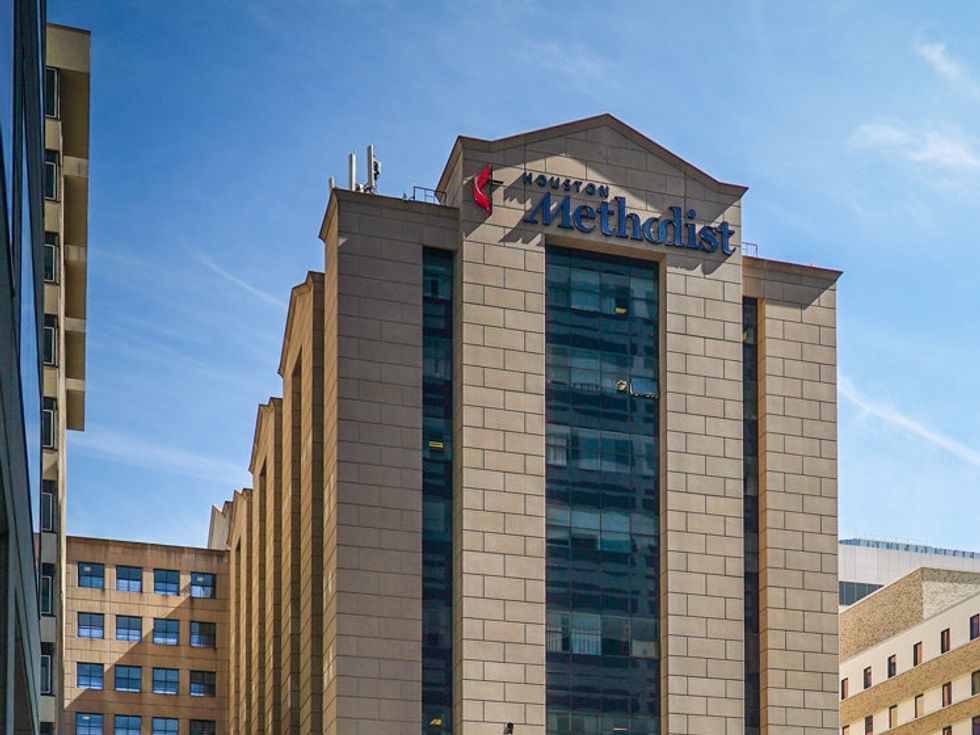
Courtesy of Methodist Hospital/Facebook

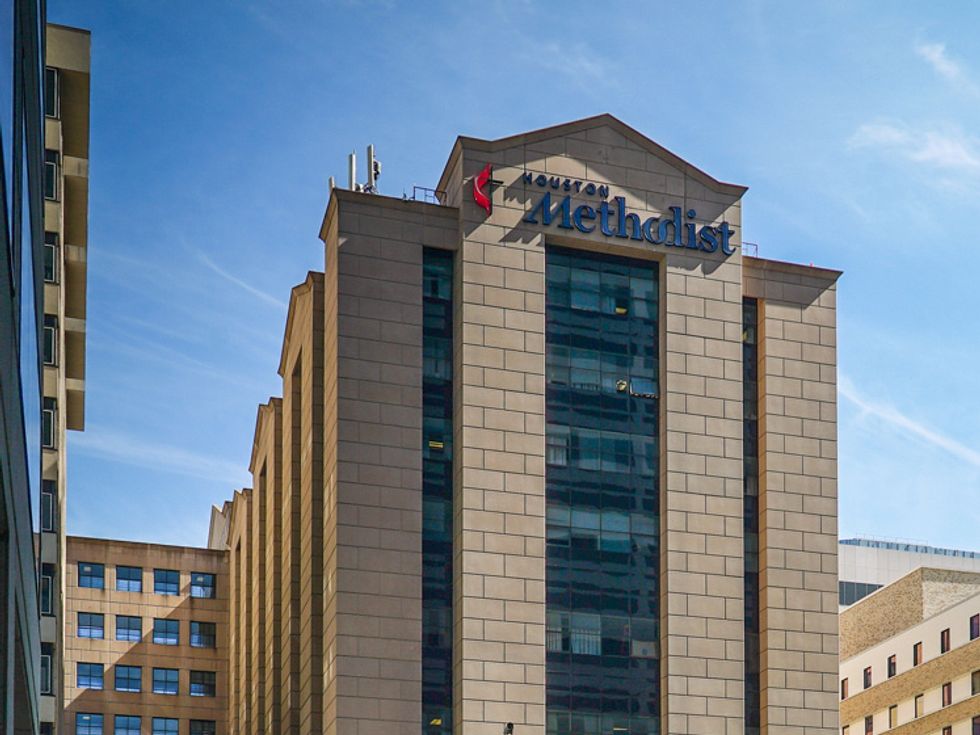
Houston Methodist and its Center for Innovation led by Roberta Schwartz is leading health tech innovation in Houston. In January, the hospital opened its Technology Hub, 3,500-square-foot space renovated from a former 18-room patient wing to showcase and test new digital health technologies like virtual reality, ambient listening, wearables, and more. Additionally, the hub helped with the training of dozens of doctors with the rise of telemedicine during COVID-19.

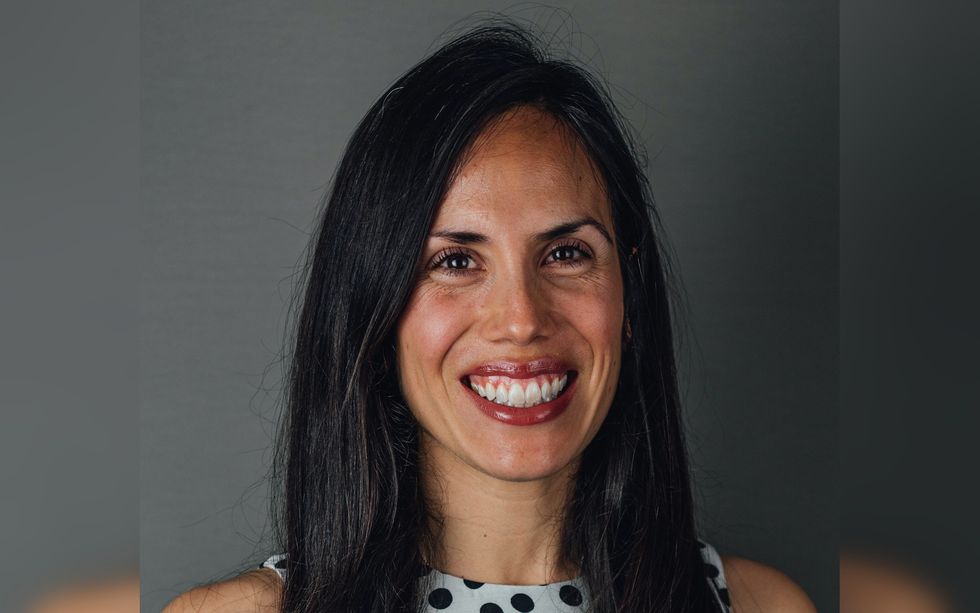
Outstanding Leadership: Grace Rodriguez

Photo courtesy of Grace Rodriguez

Grace Rodriguez's career spans industry and time, but her leadership has been consistent throughout. She currently serves Impact Hub Houston as CEO and executive director. Her nominator calls her an inspiration and someone who "shows up," clearly loving everything she does and is responsible. During COVID-19, she's gone above and beyond to provide resources and information to everyone who needs it, including launching a fund to help pay for meals for health care workers and first responders. The LIFE Fund raised over $20,000.

COVID Phoenix: Luminare

Image via luminaremed.com

Originally founded by Dr. Sarma Velamuri to treat and fight sepsis, Luminare took its sepsis platform and pivoted it to created a COVID self-assessment and testing tool. Their digital platform directed 5.5 million people to COVID-19 testing sites in just 21 days, according to its nomination. The tool was used by Harris County and several other entities.

DEI Champion: Maria Maso

Photo courtesy of Nijalon Dunn

Maria Maso is looking out for minorities when it comes to investment. As the founder and CEO of the Business Angel Minority Association (baMa) — an Angel Association aimed at bridging minority-founded startups with accesses to capital — Maria has been a champion for diversity. She also has helped to educate and activate 40 diverse investors through baMa's Diversity Investor Academy, according to her nomination.

Mentor of the Year: Landi Spearman

Photo via LinkedIn

Landi Spearman's approach to mentorship, according to her nominee, is to mentor the full person — from professional to personal life — through Organized SHIFT, which focuses on helping highly productive leaders, individuals and organizations in their quest to sustain positive growth internally and externally. She also supports entrepreneurs though The Ion, Station Houston, General Assembly, the National Urban League, Power to Fly, Black Women in Science and Engineering, the Greater Houston Partnership, the Greater Houston Black Chamber, Pink Petro, and more.

People's Choice and Soonicorn: Liongard

Photos via LinkedIn

People's Choice was based off how many nominations the startups received, and Liongard was a clear winner. The company, which also won in the Soonicorn category, has experienced major growth and, as the nominations read, that's to both Joe Alapat and Vincent Tran, co-founders, credit. The company has raised $12 million to date — the most recent round, a $10 million Series A — closed this year.


This week's Houston innovators to know roundup includes Josh Pherigo of the Greater Houston Partnership, Brittany Barreto of FemTech Focus, and Ted Gutierrez of SecurityGate.io. Photos courtesy

3 Houston innovators to know this week

Who's who

Editor's note: Another Monday, another round of innovators to know in Houston as you start your week. This week's edition features a researcher who has crunched the numbers on Houston's tech specialties, a founder who's shining a spotlight on femtech, and an entrepreneur who's snagged a deal with Chevron.

Josh Pherigo, research director of data analytics at the Greater Houston Partnership

Josh Pherigo at GHP used data to look into what tech specialties are thriving in Houston — and what niches have shown promising growth. Photo via LinkedIn

When Josh Pherigo decided to look where venture capital money was going in Houston, he did so to investigate what potential industries had growth opportunities. He found that Houston has an opportunity to be a leader in clean tech — but it has some in-state competition.

Pherigo's study for the Greater Houston Partnership found that there was a cleantech war emerging between Austin and Houston. While Houston's ecosystem has a greater presence of cleantech startups, Austin cleantech is still bringing in more VC investments. However, in Houston, between new corporate incubators and Greentown Labs entering Houston, the city is creating a lot of infrastructure for this industry.

"It's going to be interesting over the next few years to see how Houston can position itself as the leader in Texas for this, because they are going to have a lot of competition from Austin," Pherigo says. Read more.

Brittany Barreto, founder of FemTech Focus

Brittany Barreto launched FemTech Focus to help call attention to women's health and wellness, as well as to help accelerate companies with tech solutions within the field. Photo courtesy of FemTech Focus

Brittany Barreto has conducted dozens of interviews with femtech entrepreneurs, and it's become abundantly clear that general accelerators aren't giving femtech companies the full picture.

"Femtech startups actually need a little bit of different advice — that's why I'm very bullish on creating a femtech accelerator," Barreto says. "In femtech, we have some unique barriers. If you just go to a general accelerator, they might not cover these issues, and you'll be blindsighted."

Barreto is now working on specified program with The Guild that's launching this month. Then, in 2021, she hopes to go live with a full program under her company, FemTech Focus. Read more.

Ted Gutierrez, founder and CEO of SecurityGate.io

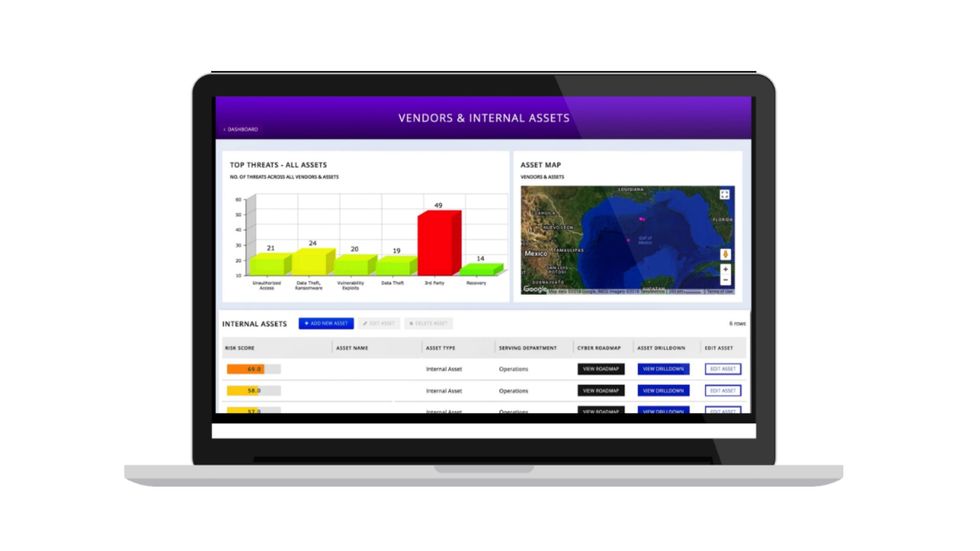
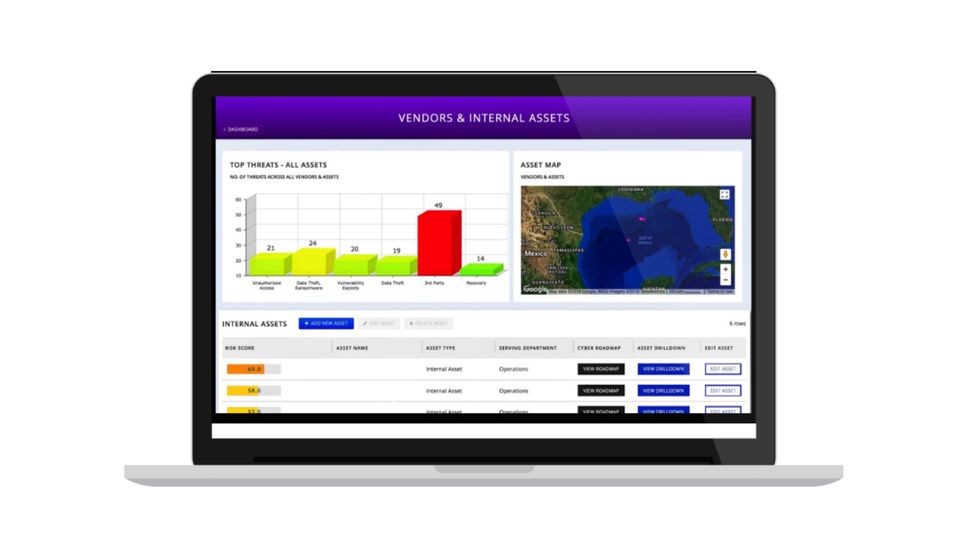
Chevron has tapped SecurityGate.io's risk management cybersecurity platform. Photo courtesy of Security Gate

Last week, Ted Gutierrez announced that his company, SecurityGate.io scored a partnership with Chevron. The deal means that the energy giant will adopt SecurityGate's risk management platform for scaling operational technology cybersecurity.

"We're very excited to be working with Chevron as they replace manual, spreadsheet cybersecurity practices with scalable, digitized processes," says Ted Gutierrez, CEO at SecurityGate.io, in a press release. "Their risk management team has done amazing work and it's exciting to see where they're headed." Read more.

Chevron has tapped SecurityGate.io's risk management cybersecurity platform. Photo courtesy of Security Gate

Houston cybersecurity startup nabs Chevron partnership

new biz

A Houston-based cybersecurity software-as-a-service startup has inked a new partnership with Chevron for its risk management platform.

SecurityGate.io announced this week that Chevron has selected their risk management platform for scaling operational technology cybersecurity.

"We're very excited to be working with Chevron as they replace manual, spreadsheet cybersecurity practices with scalable, digitized processes," says Ted Gutierrez, CEO at SecurityGate.io, in a press release. "Their risk management team has done amazing work and it's exciting to see where they're headed."

Earlier this summer, SecurityGate closed a series A fundraising round at an undisclosed amount with investment from Houston Ventures. The company cites other oil and gas clients, such as West Lake Chemical, Diamond Offshore and Paterson UTI.

According to the press release, Chevron will use the SecurityGate.io platform to:

  • Scale and increase the speed of cyber assessments.
  • Create consistency to performance metrics and reports, which will enable tracking and accuracy.
  • Use the platform's dashboards and reports to bridge the IT/OT gap within the company's workflow and global risk management team to decentralize many processes and empower facility risk owners.
SecurityGate, which created a case study for its technology for Chevron, also conducted an interview with Chevron's Kenny Mesker, who said that the software's automation helped greatly as Chevron transitioned projects into remote work amid the pandemic, saying that Chevron "had a number of projects that did not stop at all. [Because of SecurityGate.io] it was just as easy to do them without any travel or physical presence, and that would have been impossible before."


Houston-based SecurityGateChevron has tapped SecurityGate.io's risk management cybersecurity platform. Photo via securitygate.io

The Texas Medical Center is buzzing with recent innovation news, from Texas A&M University naming its buildings, Houston Methodist is introducing a new technology, and more. Photo by Dwight C. Andrews/Greater Houston Convention and Visitors Bureau

Startup closes series A, Houston hospital taps into new tech, and more local innovation news

short stories

Houston's innovation ecosystem has been booming with news, and it's likely some might have fallen through the cracks.

For this roundup of short stories within Houston innovation, Deloitte is looking for tech companies to honor, a few Houston innovators have fresh funds, buildings rising in the Texas Medical Center now have names, and more.

Texas A&M names buildings in Innovation Plaza

Texas A&M University has named the buildings that will be a part of its Innovation Plaza. Photo courtesy of Texas A&M University System

The Texas A&M University System has revealed the names of the three buildings in the Texas A&M Innovation Plaza rising near the Texas Medical Center: Discovery Tower, Life Tower, and Horizon Tower.

Discovery Tower is the future home of A&M's EnMed program and is currently being renovated from an 18-story office building. Life Tower, which is expected to deliver in June 2022, is a 19-story, 714-bed student housing tower for Texas A&M medical students and Prairie View A&M University nursing students. Lastly, the Horizon Tower will be a 17-story, 485,000 square-foot integrated building that will feature a 13-story parking structure at the bottom.

SecurityGate closes series A

Ted Gutierrez, CEO of SecurityGate, announced the closing of his company's series A. Courtesy of Security Gate

SecurityGate.io, a software-as-a-service cybersecurity startup based in Houston, has closed its series A fundraising round. Houston Ventures led the capital raise. The amount raised has not been disclosed.

"It was very attractive to us how tightly tuned SecurityGate.io is to the needs of their customers," says Chip Davis, managing partner at Houston Ventures, in a news release. "Successful enterprise software companies generally know they are instruments of change for their customers."

Davis says the feedback from SecurityGate's customers was what sealed the deal.

"Digital transformation is no easy task in highly dynamic environments, especially when the risk of cyberattacks keeps rising daily. We're excited to partner with Houston Ventures who sees this market growing, and our clients that see our vision of the future," says Ted Gutierrez, CEO of SecurityGate, in the release.

Well Health launches at Houston Methodist

Thanks to tech from the West Coast, a Houston hospital has optimized virtual visits. Courtesy of Methodist Hospital/Facebook

Through a partnership with California-based WELL Health Houston Methodist was able up the ante on virtual visits during the pandemic. According to a news release, WELL enabled Houston Methodist to deliver over 260,000 text messages to patients Houston Methodist. The messages educated them about virtual care, schedule visits, and more.

"The ability to communicate back and forth, assuring patients that we are here for them both virtually and in-person is crucial as we continue to safely provide care in the midst of this pandemic," says Tesha Montgomery, vice president of operations and patient access at Houston Methodist, in the release.

Houston podcast network raises over $1 million

A podcast network with Houston ties has raised a seed round. Pexels

Lemonada Media, a podcast network with Houston roots that launched in September, has raised $1.38 million in a seed funding round led by Blue Collective, an early-stage venture capital firm. The fresh funds will allow for strategic growth for the two co-founders, Jessica Cordova Kramer, CEO, and Houstonian Stephanie Wittels Wachs, chief creative officer. Lemonada also plans to hire several positions including vice presidents across finance, production, and marketing.

"We are slated to be a content and talent incubator, spinning out new audio concepts and hit series that present humanity, unfiltered," says Wittels Wachs in a news release. "Now more than ever, people are hungry for content that addresses their lived experience, those that are mundane, and those that may be painful and isolating. Because our company was built off a mountain of personal grief and loss, Lemonada is well-situated to cut through the noise, create beautiful works of art, and make people laugh and feel less alone along the way."

Deloitte is looking for tech companies for annual competition

For the 26th year, Deloitte is looking for cutting edge tech companies. Photo courtesy of Deloitte

Deloitte has opened applications for its 2020 Technology Fast 500. The application is available online and closes July 17. To be eligible for the award, the startup must be in business for a minimum of four years, have its headquarters in North America, have fiscal year 2016 operating revenues of at least $50,000, a fiscal year 2019 operating revenues of at least $5 million USD with a growth rate of 75 percent or greater, and own proprietary intellectual property or proprietary technology which must be sold to customers in products or services that contribute to a majority of the company's operating revenues, according to the contest's rules.

Companies should also fall within one of the following industry categories: biotechnology/pharmaceutical, communications/networking, digital content/media/entertainment, electronic devices/hardware, energy tech, medical devices, semiconductor, or software/SaaS.

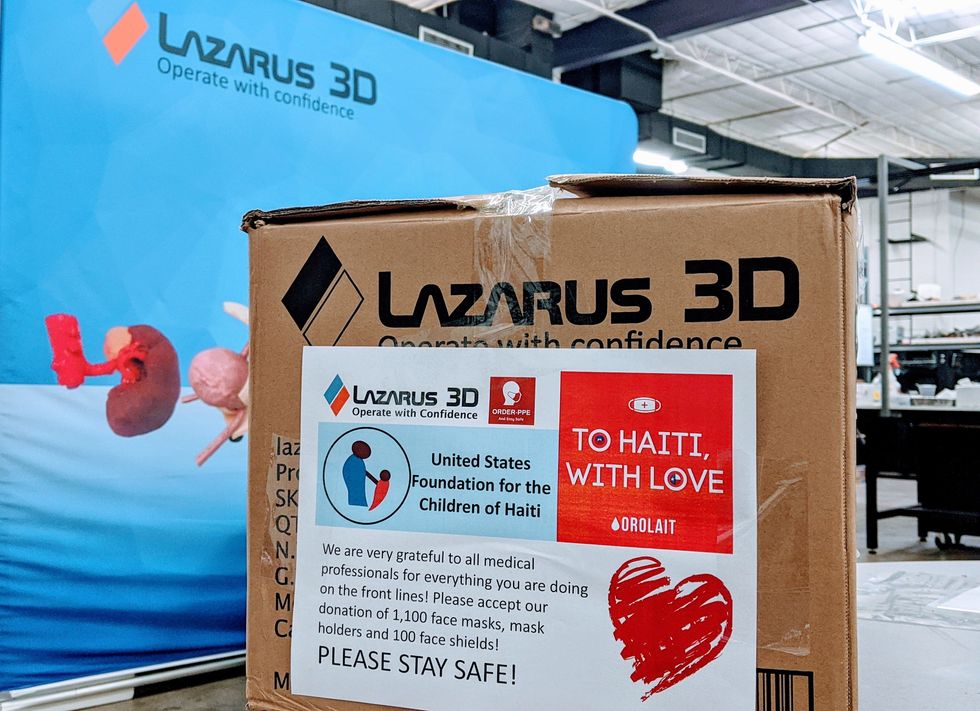
Lazarus 3D delivers PPE to Haiti

A few Houston innovators have helped get Haitians critical PPE. Photo courtesy of Orolait

A few Houston innovators have helped connect health care workers in Haiti to some PPE. Ana Rojas Bastidas, founder of Orolait, and Jacques and Smriti Agrawal Zaneveld of Lazarus 3D, teamed up to ship over 1,000 pieces of PPE to United States Foundation for the Children of Haiti which supported orphanages, schools, and a hospital called Hopital Espoir.

In the middle of April, Bastidas saw the organization's need for PPE and saw how Lazarus 3D was creating materials. The group in Haiti received the supplies by the beginning of June.

"I'm really proud of the collaboration between myself and the Lazarus 3D team," Bastidas says. "Smriti and Jacques are absolute gems and while our businesses are completely separate, we found a common problem we both had the resources to tackle."

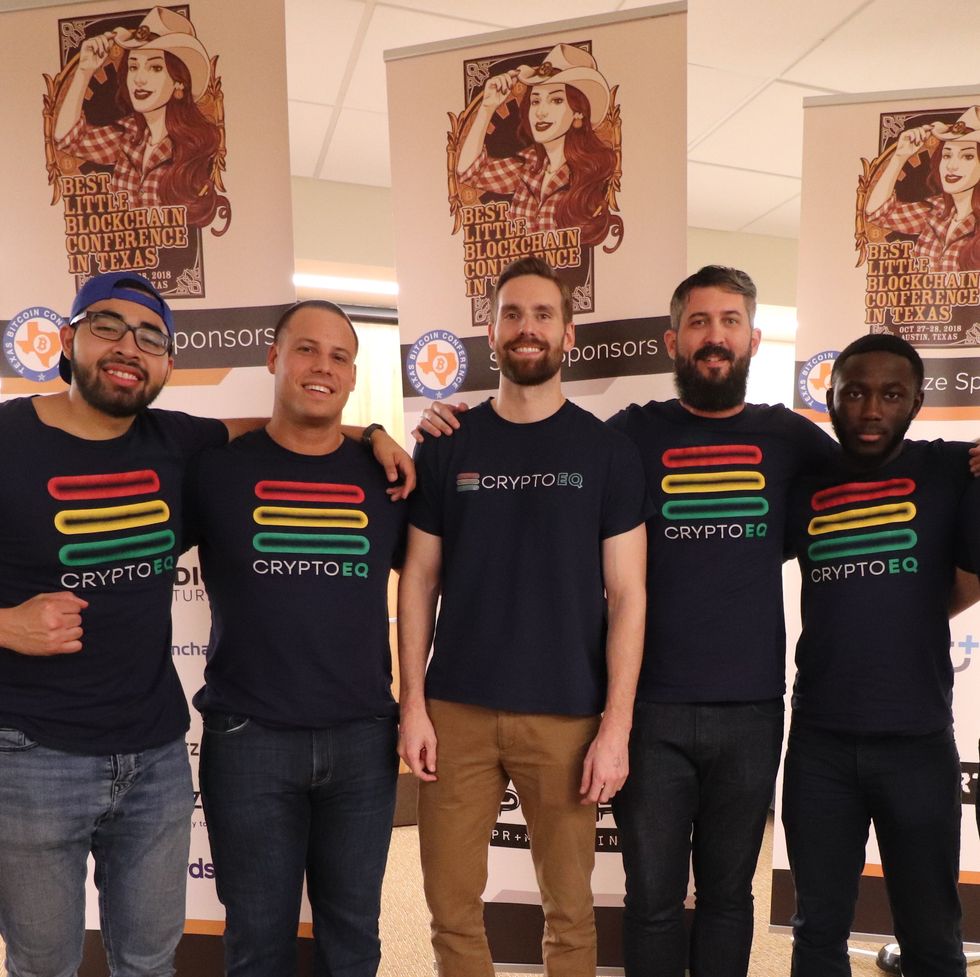
CryptoEQ begins offering consulting packages

Need custom cryptocurrency support? CryptoEQ is here to help. Courtesy of CryptoEQ

A cryptocurrency startup based in Houston has expanded its service to include custom-consulting packages.

"With our personalized packages, gain the market insights you need to refine your cryptocurrency investing and trading strategies," writes Spencer Randall, co-founder and principal of CryptoEQ.

The packages come at three levels: the enthusiast, the professional, and the expert. The individualized support begins at $499, and more information can be requested from the startup by emailing team@cryptoeq.io.

Cybersecurity startup, SecurityGate, has developed a new feature in its technology to help support companies safely bring back employees into the office. Luis Alvarez/Getty Images

Houston startup releases new tool to help companies get employees safely back into work

tech tool

Houston-based software startup SecurityGate Inc. focuses on cyber-risk management for major energy, chemical, transportation, and defense companies. But this spring, SecurityGate shifted to a different type of risk management — keeping workplaces healthy in the wake of the coronavirus pandemic.

When SecurityGate recently started reopening the gates, so to speak, for its 15 employees to go back to the office after working remotely, the company wanted to track their health. So SecurityGate turned to Excel spreadsheets for employees to fill out a 10-point questionnaire aimed at gauging their health. It didn't take long, though, for the company to realize it could ditch the spreadsheets and layer the wellness questionnaire on top of its cyber-risk management software.

Now, SecurityGate is inviting companies inside and outside its core sectors to sign up for its cloud-based wellness technology, available through an online platform and a mobile app. The goal: Help employers incorporate health screenings into their return-to-work initiatives. Employers in North America and Europe can install the technology.

"The biggest thing that I want people to know is you don't have to come up with your own workflow and you don't have to spend tons of money to get your people back to work," says Ted Gutierrez, co-founder and CEO of the three-year-old startup. "There's a company out there that is already doing this for a living, so this is the least we could do to help out."

The wellness technology is a free add-on for customers of SecurityGate's existing products, a software-as-a-service platform and a mobile app for managing cybersecurity risks that threaten critical infrastructure. Gutierrez says those products help protect nearly 30 global facilities valued at $300 billion.

Companies that aren't customers of SecurityGate can take advantage of the wellness platform and app at no cost through at least July 31, Gutierrez says. Among the soon-to-be users of the coronavirus-inspired technology is a residential real estate firm in Houston with nearly 100 employees. While SecurityGate's current customers are big companies, the wellness technology should appeal to small, midsize, and large employers, he says.

"This is going to be opened up to any company that needs help. We believe that the majority of users that are going to sign up are companies ranging between 50 and 500 employees and in any industry," Gutierrez says.

By May 15, about 15 to 20 companies are expected to have signed up for the wellness technology, Gutierrez says. He envisions that number rising to 200 to 300 by June 1. The online platform should be ready in late May, while the mobile app should be available by June 1.

Each user of the wellness tool will receive a COVID-19 care package that includes items like face masks, gloves, and sanitizers.

Gutierrez says the technology can help monitor the health of not only on-site and off-site employees, but also contractors and office visitors. Any user of the technology can submit a coronavirus assessment without being directed to complete one, he says. It takes less than 90 seconds to fill out the wellness assessment.

"Traditionally with SecurityGate, the 'owner' of the SecurityGate platform has to assign [cyber-risk] assessments to facility owners," Gutierrez says. "This app is going to be able to get used at any given time by any user."

All of this data is funneled into a central database so that an employer can, for instance, order in-house coronavirus testing or ask employees to stay at home if they're exhibiting coronavirus symptoms, Gutierrez says. The data isn't automatically supplied to public health agencies, he says, although an employer could decide on its own to publicly report the data.

"This is purely a workforce management option," Gutierrez says. "It's still to be determined whether this turns into a revenue generator for us. The most important thing that we can do is to help whatever ecosystem needs help right now and get them back to work."

Gutierrez credits Cherise Esparza, co-founder and chief technology officer of SecurityGate, with being the primary driver of the return-to-work wellness effort.

"We are the risk management folks," Gutierrez explains, "and getting back to work safely is just as important as making sure that all your critical systems are working from a cyber perspective."

From closing a million-dollar raise to being tapped by Google to serve on a council, Houston entrepreneurs have been busy. Courtesy of Security Gate

Company closes $1M round, new nonprofit startup hub launches, and more Houston innovation news

Short Stories

Wrapping up March, there's been a lot of innovator and startup news that's slipped through the cracks. From funds closing and incubator applications opening, here's all the news bits you need to know.

SecurityGate closes $1 million fund

Photo via securitygate.io

Houston-based SecurityGate closed its $1 million seed round on March 22. The lead investor was a private investment group in Houston. The startup, a B-to-B, software-as-a-service cybersecurity company, will use the funds to further refine its business and grow its team.

"We're excited our investment team understands the need for digital transformation in the critical infrastructure security space," CEO and co-founder, Ted Gutierrez says.

In February, SecurityGate traveled to Charlotte, North Carolina, to accept the Game Changers award. Gutierrez said being able to bring home that award really spurred the last leg of the raise.

Impact Hub Houston launches with fundraising campaign

Photo via LinkedIn

Houston's Impact Hub, a nonprofit organization focused on impacting change within the world through startups and technologies, has officially launched. The organization also launched its fundraising campaign called 321 Impact.

Led by Grace Rodriguez, Impact Hub Houston will set up shop in a few "pop-up" locations to truly serve all of the city. The first location will soon be announced, Rodriguez writes online.

Impact Hub Houston also announced a few other projects the organization has launched or is working on:

MassChallenge Texas will open Houston application at kick-off event

Photo via greenstreetdowntown.com

MassChallenge Texas announced its first Houston cohort in January, indicating that applications will open sometime in April. Last week, the zero-equity incubator program revealed that applications will open following an April 10th launch party event. The networking event will be at the Four Seasons in downtown Houston and will take place from 6 to 9 pm. Guests can RSVP here, and startups can begin the application process at masschallenge.org/apply to start their application. The application deadline is May 8, 2019 at noon.

Google taps Houston innovator for AI-focused council

Dyan Gibbons

Courtesy of Alice

Google has selected Houston innovator and founder of Trumbull Unmanned, Dyan Gibbens, as a member of its inaugural Advanced Technology Executive Advisory Council focused on AI. The council will meet with Google's executive leadership quarterly throughout 2019, beginning in April. Kent Walker, senior vice president of Global Affairs at Google, introduced Gibbens, and the fellow council members, in a blog post.

"We hope this effort will inform both our own work and the broader technology sector," writes Walker in the post. "In addition to encouraging members to share generalizable learnings in their ongoing activities, we plan to publish a report summarizing the discussions. Council members represent their individual perspectives, and do not speak for their institutions."

Houston to host nationwide pitch competition finals

Photo via celebrasianconference.com

The country's largest Asian organization is concluding its pitch competition in Houston. The contest, called What's Your Pitch: Innovations Meets the Market, is put on by the United States Pan Asian Chamber of Commerce. Chaired by Diane Yoo, former director of the Rice Angel Network, the semifinal and final rounds will take place in Houston on June 4 and 5, respectively. $100,000 work of cash and prizes is on the line. For more info on the contest, click here.

FutureSight AR selected as the only Texas startup for an international program

future sight AR

Courtesy of Future Sight AR

Houston-based Future Sight AR was selected for Magic Leap's Independent Creators Program in the productivity category and was awarded a grant to continue development. The program, which had over 6,500 applicants, will take place through March and some of April. FutureSight AR, which uses artificial reality to make oil and gas construction workers more productive, is the only startup represented from Texas in the program, says co-founder of the company, Lori-Lee Emshey.

Lyft introduces new programs and opportunities in Houston

Courtesy of Lyft

Lyft will bring or expand three driver-focused programs to the Houston market, the company announced this week.

  • Drivers can opt into Lyft Direct, a bank account with no fees that links to a debit card. Rather than cashing their check from Lyft, drivers can instantly access earnings and even receive points for cash back on specific purchases.
  • Lyft will open a Vehicle Service Center, which is a new and improved version of Lyft Hubs. The idea is to have mechanics work on the vehicles of Lyft drivers at cost, rather than the drivers having to pay full-price for their repairs. Also new to the program is the opportunity to provide mobile repair services for drivers on the go.
  • Lyft announced that Houston will have more locations of the Express Drive program, where Lyft drivers can use a rental car and receive subsidized earnings.

Blockchain entrepreneur profiled by Rice University publication

Courtesy of Topl

Houston-based Topl's co-founder, Kim Raath, was featured in a piece for Rice University as a part of the school's Spotlights on Diversity in Engineering. Her company, Topl, uses blockchain technology to connect the dots on industries — from food to oil and gas. To read the feature of how Raath went from backpacking through developing countries to startup founder, click here.

------

Short stories will be a regular roundup on InnovationMap. If your company recently closed on a round, received recognition, or has any news, please email Natalie Harms at natalie@innovationmap.com with the information.

Ad Placement 300x100
Ad Placement 300x600

CultureMap Emails are Awesome

Houston institutions launch Project Metis to position region as global leader in brain health

brain trust

Leaders in Houston's health care and innovation sectors have joined the Center for Houston’s Future to launch an initiative that aims to make the Greater Houston Area "the global leader of brain health."

The multi-year Project Metis, named after the Greek goddess of wisdom and deep thought, will be led by the newly formed Rice Brain Institute, The University of Texas Medical Branch's Moody Brain Health Institute and Memorial Hermann’s comprehensive neurology care department. The initiative comes on the heels of Texas voters overwhelmingly approving a ballot measure to launch the $3 billion, state-funded Dementia Prevention and Research Institute of Texas (DPRIT).

According to organizers, initial plans for Project Metis include:

  • Creating working teams focused on brain health across all life stages, science and medical advances, and innovation and commercialization
  • Developing a regional Brain Health Index to track progress and equity
  • Implanting pilot projects in areas such as clinical care, education and workplace wellness
  • Sharing Houston’s progress and learnings at major international forums, including Davos and the UN General Assembly

The initiative will be chaired by:

  • Founding Chair: Dr. Jochen Reiser, President of UTMB and CEO of the UTMB Health System
  • Project Chair: Amy Dittmar, Howard R. Hughes Provost and Executive Vice President of Rice University
  • Project Chair: Dr. David L. Callender, President and CEO of Memorial Hermann Health System

The leaders will work with David Gow, Center for Houston’s Future president and CEO. Gow is the founder and chairman of Gow Media, InnovationMap's parent company.

“Now is exactly the right time for Project Metis and the Houston-Galveston Region is exactly the right place,” Gow said in a news release. “Texas voters, by approving the state-funded Dementia Prevention Institute, have shown a strong commitment to brain health, as scientific advances continue daily. The initiative aims to harness the Houston’s regions unique strengths: its concentration of leading medical and academic institutions, a vibrant innovation ecosystem, and a history of entrepreneurial leadership in health and life sciences.”

Lime Rock Resources, BP and The University of Texas MD Anderson Cancer Center served as early steering members for Project Metis. HKS, Houston Methodist and the American Psychiatric Association Foundation have also supported the project.

An estimated 460,000 Texans are living with dementia, according to the Alzheimer’s Association, and more than one million caregivers support them.

“Through our work, we see both the immense human toll of brain-related illness and the tremendous potential of early intervention, coordinated care and long-term prevention," Callender added in the release. "That’s why this bold new initiative matters so much."

Texas launches cryptocurrency reserve with $5 million Bitcoin purchase

Money Talks

Texas has launched its new cryptocurrency reserve with a $5 million purchase of Bitcoin as the state continues to embrace the volatile and controversial digital currency.

The Texas Comptroller’s Office confirmed the purchase was made last month as a “placeholder investment” while the office works to contract with a cryptocurrency bank to manage its portfolio.

The purchase is one of the first of its kind by a state government, made during a year where the price of Bitcoin has exploded amid the embrace of the digital currency by President Donald Trump’s administration and the rapid expansion of crypto mines in Texas.

“The Texas Legislature passed a bold mandate to create the nation’s first Strategic Bitcoin Reserve,” acting Comptroller Kelly Hancock wrote in a statement. “Our goal for implementation is simple: build a secure reserve that strengthens the state’s balance sheet. Texas is leading the way once again, and we’re proud to do it.”

The purchase represents half of the $10 million the Legislature appropriated for the strategic reserve during this year’s legislative session, but just a sliver of the state’s $338 billion budget.

However, the purchase is still significant, making Texas the first state to fund a strategic cryptocurrency reserve. Arizona and New Hampshire have also passed laws to create similar strategic funds but have not yet purchased cryptocurrency.

Wisconsin and Michigan made pension fund investments in cryptocurrency last year.

The Comptroller’s office purchased the Bitcoin the morning of Nov. 20 when the price of a single bitcoin was $91,336, according to the Comptroller’s office. As of Friday afternoon, Bitcoin was worth slightly less than the price Texas paid, trading for $89,406.

University of Houston energy economist Ed Hirs questioned the state’s investment, pointing to Bitcoin’s volatility. That makes it a bad investment of taxpayer dollars when compared to more common investments in the stock and bond markets, he said.

“The ordinary mix [in investing] is one that goes away from volatility,” Hirs said. “The goal is to not lose to the market. Once the public decides this really has no intrinsic value, then it will be over, and taxpayers will be left holding the bag.”

The price of Bitcoin is down significantly from an all-time high of $126,080 in early October.

Lee Bratcher, president of the Texas Blockchain Council, argued the state is making a good investment because the price of Bitcoin has trended upward ever since it first launched in early 2009.

“It’s only a 16-year-old asset, so the volatility, both in the up and down direction, will smooth out over time,” Bratcher said. “We still want it to retain some of those volatility characteristics because that’s how we could see those upward moves that will benefit the state’s finances in the future.”

Bratcher said the timing of the state’s investment was shrewd because he believes it is unlikely to be valued this low again.

The investment comes at a time that the crypto industry has found a home in Texas.

Rural counties have become magnets for crypto mines ever since China banned crypto mining in 2021 and Gov. Greg Abbott declared “Texas is open for crypto business” in a post on social media.

The state is home to at least 27 Bitcoin facilities, according to the Texas Blockchain Council, making it the world’s top crypto mining spot. The two largest crypto mining facilities in the world call Texas home.

The industry has also come under criticism as it expands.

Critics point to the industry’s significant energy usage, with crypto mines in the state consuming 2,717 megawatts of power in 2023, according to the comptroller’s office. That is enough electricity to power roughly 680,000 homes.

Crypto mines use large amounts of electricity to run computers that run constantly to produce cryptocurrencies, which are decentralized digital currencies used as alternatives to government-backed traditional currencies.

A 2023 study by energy research and consulting firm Wood Mackenzie commissioned by The New York Times found that Texans’ electric bills had risen nearly 5%, or $1.8 billion per year, due to the increase in demand on the state power grid created by crypto mines.

Residents living near crypto mines have also complained that the amount of job creation promised by the facilities has not materialized and the noise of their operation is a nuisance.

“Texas should be reinvesting Texan’s tax money in things that truly bolster the economy long term, living wage, access to quality healthcare, world class public schools,” said state Sen. Molly Cook, D-Houston, who voted against the creation of the strategic fund. “Instead it feels like they’re almost gambling our money on something that is known to be really volatile and has not shown to be a tide that raises all boats.”

State Sen. Charles Schwertner, R-Georgetown, who authored the bill that created the fund, said at the time it passed that it will allow Texas to “lead and compete in the digital economy.”

___

This story was originally published by The Texas Tribune and distributed through a partnership with The Associated Press.

Houston-based HPE wins $931M contract to upgrade military data centers

defense data centers

Hewlett Packard Enterprise (HPE), based in Spring, Texas, which provides AI, cloud, and networking products and services, has received a $931 million contract to modernize data centers run by the federal Defense Information Systems Agency.

HPE says it will supply distributed hybrid multicloud technology to the federal agency, which provides combat support for U.S. troops. The project will feature HPE’s Private Cloud Enterprise and GreenLake offerings. It will allow DISA to scale and accelerate communications, improve AI and data analytics, boost IT efficiencies, reduce costs and more, according to a news release from HPE.

The contract comes after the completion of HPE’s test of distributed hybrid multicloud technology at Defense Information Systems Agency (DISA) data centers in Mechanicsburg, Pennsylvania, and Ogden, Utah. This technology is aimed at managing DISA’s IT infrastructure and resources across public and private clouds through one hybrid multicloud platform, according to Data Center Dynamics.

Fidelma Russo, executive vice president and general manager of hybrid cloud at HPE, said in a news release that the project will enable DISA to “deliver innovative, future-ready managed services to the agencies it supports that are operating across the globe.”

The platform being developed for DISA “is designed to mirror the look and feel of a public cloud, replicating many of the key features” offered by cloud computing businesses such as Amazon Web Services (AWS), Microsoft Azure and Google Cloud Platform, according to The Register.

In the 1990s, DISA consolidated 194 data centers into 16. According to The Register, these are the U.S. military’s most sensitive data centers.

More recently, in 2024, the Fort Meade, Maryland-based agency laid out a five-year strategy to “simplify the network globally with large-scale adoption of command IT environments,” according to Data Center Dynamics.