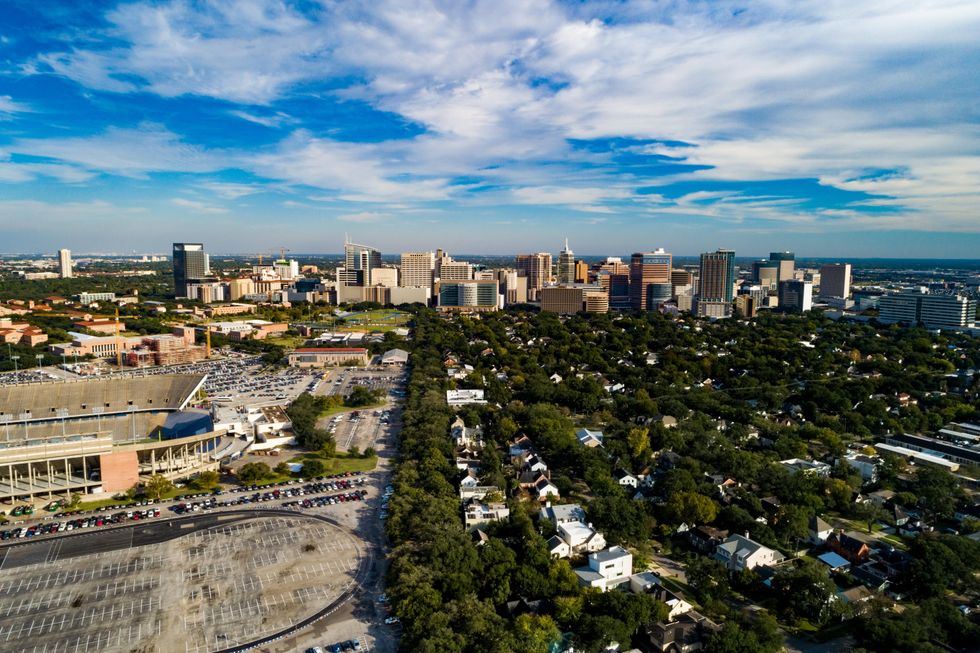
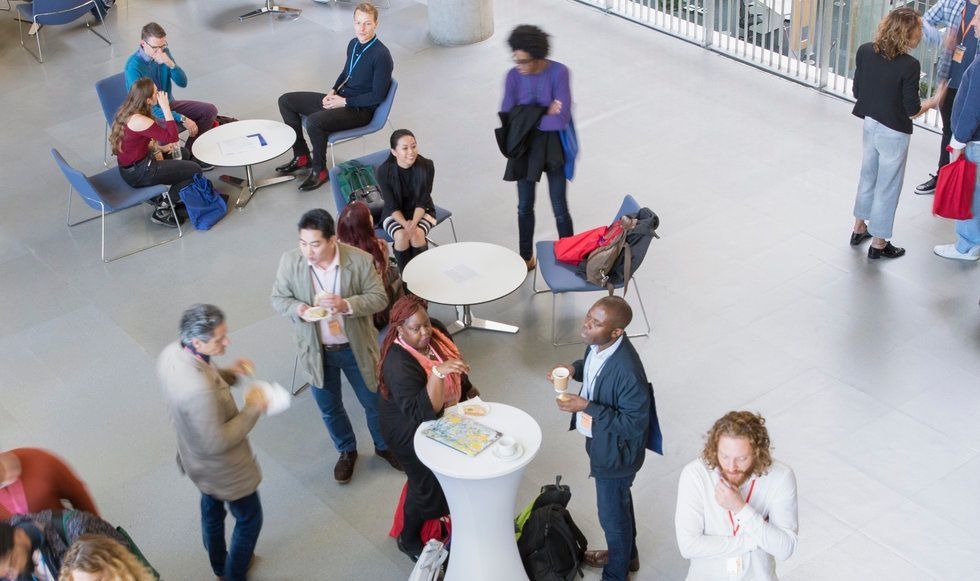
Check out these workshops, networking events, conferences, and other goings on in Houston this month. Photo via Getty Images

10+ can't-miss Houston business and innovation events in November

where to be

This month, Houstonians have yet another good batch of in-person and online innovation events, and you and your tech network need to know about them.

Here's a roundup of virtual events not to miss this month — like demo days, workshops, conventions, and more.

Note: This post might be updated to add more events.

November 3 — Enventure "Inspire" Seminar Series - With Dr. Alyssa Johnston

The "Inspire" Seminar Series was developed by Enventure to help students learn about the reality of working in the biotech and biomedical fields. This particular event will star Dr. Alyssa Johnston, PhD, AstraZeneca Medical Science Liaison. Currently, Alyssa is a MSL at AstraZeneca specializing in GI/GU/Head & Neck Oncology. She is the study lead for a gastric cancer clinical trial, tumor lead for several liver cancer trials, and also works on several IITs. She is the field medical trainer for the pan tumor team and works on sustainability projects including inclusion and diversity projects.

The event is on Wednesday, November 3, at 6 pm. It's free and happening online. Click here to register.

November 4 — The Greentown Labs Climatetech Summit 2021: Empowering the Technology of Tomorrow

The Greentown Labs Climatetech Summit is a deep dive focused on empowering the technology of tomorrow. Climatetech entrepreneurs are developing the solutions that are the core of global decarbonization, yet they need support, cooperation, and collaboration from investors, policymakers, and the growing climatetech workforce in order to scale their critical technologies. The energy transition is here, and the climatetech ecosystem needs your involvement to keep the momentum going.

The event is all day Thursday, November 4. It's free and happening online, or $100 to attend in person at Greentown Houston. Click here to register.

November 8 — Climathon 2021 Awards

Drum roll... and the winning projects of the 2021 Houston Climathon Awards are... going to be revealed soon! Learn More About the Climathon: https://climathonhouston.org

The event is on Monday, November 8, at noon. It's free and happening online. Click here to register.

November 8 — The Cannon + Chevron Open House

Join The Cannon and Chevron for some snacks and learn how Chevron leverages relationships with the start up community to deliver higher returns and lower carbon. Members of Chevron Technology Ventures and the IT function will be available to provide some background on our presence at The Cannon and exchange ideas on partnering opportunities.

The event is on Monday, November 8, at noon. It's free and happening at The Cannon (1300 Brittmoore Rd). Click here to register.

November 9 — BEAMW Networking Launch Event

Business Ecosystem Alliance for Minorities & Women (BEAMW) is a newly launched alliance seeking to reduce barriers women and minority small business owners face. This Networking Launch Event will be the first of a series of networking events designed to bring small business owners, different business support organizations, investors, bankers, and collaborators together to gain valuable information and make key connections.

The event is on Tuesday, November 9, at 6 pm. It's free and happening at The Downtown Launchpad (1801 Main St). Click here to register.

November 10 — Go to Market Strategies with RHIS Group

The Cannon has partnered with the RHIS Group to expand available resources. Join the session on Go to Market Strategies to understand different pillars of strategy, organizational capability, challenges and common perceptions, and strategy development.

The event is on Wednesday, November 10, at 10:30 am. It's free and happening at The Cannon (1300 Brittmoore Rd). Click here to register.

November 10 — Investing in the Energy Transition: ESG and Regulatory Impacts

A key aspect of the energy transition is how industry accounts for long-term strategy and competitive positioning in a constantly evolving landscape. With a sharp focus on regulatory and ESG legal implications, this panel discussion examines how companies will address the marketplace changes – not only with its stakeholders, but within the foundation of their products and procedures as they define value creation toward constituents in the court of global opinion.

The event is on Tuesday, November 16, at 10 am. It's free and happening online. Click here to register.

November 11 — The Listies Gala

Come one, come all to a night celebrating Houston innovation at the Houston Museum of Natural Science. Think "Met Gala meets Houston innovation" and an evening of multicultural Houston food, immersive experiences, and of course HouTech. The host of the evening is Houston's Poet Laureate, Outspoken Bean, who will bring more Houston energy to the Lisites for everyone to enjoy.

The event is on Thursday, November 11, at 7 pm at the Houston Museum of Natural Science. Tickets are $75. Click here to register.

November 16 —  Investing in the Energy Transition: The World of External Investment Finance

As global industry continues to embark on an unparalleled pivot toward sustainable energy, crucial questions have risen regarding the financial risks and rewards of such an intrepid move. What is the role of venture capital? Private equity? Institutional investors? Infrastructure funds? Is moving away from traditional fossil fuels sustainable, and are there adequate channels of investments to fund? In what should be an insightful dialogue on our present position and what must be addressed along the way, this panel poses these queries – and more – toward financial experts to determine industry and societal cost of the energy transition. The goal? To explore the mismatch of opportunity and investment as well as the full range of buy-in – literally and figuratively – that the world must achieve to successfully adapt to the new landscape. Moderated by Ahmad Atwan, CEO of VC Fuel.

The event is on Tuesday, November 16, at 10 am. It's free and happening online. Click here to register.

November 16 — What happens when you talk to an investor?

Steve Jennis of Founder's Compass responds to questions submitted by members of The Cannon Community related to the fundraising process. This online session will be followed by an AMA session for any other questions, clarifications, or points provoked by his answers.

The event is on Tuesday, November 16, at 10 am. It's free and happening online. Click here to register.

November 17 — Illuminate Houston

The Greater Houston Partnership's Young Professionals and Entrepreneurs group, HYPE, invites you to Illuminate Houston - an event series highlighting businesses and thought leaders challenging the way we think about the future. Join for the final Illuminate Houston of 2021 featuring Juliana Garaizar, Head of Houston Incubator and VP, Innovation, Greentown Labs. Don't miss this dynamic conversation where this climatetech startup leader shares insights on Houston's growing innovation ecosystem and leading the way in the global energy transition.

The event is on Wednesday, November 17, at noon. It's $25 for non-members and happening online. Click here to register.

According to a report, Houston has grown its tech workforce more than other major metros over the past year. Joe Daniel Price/Getty Images

Houston ranks among fastest growing tech hubs amid the pandemic, report finds

growth in HOU

When Americans think of tech hubs, Silicon Valley or even Austin may initially come to mind. However, Houston appears to be making a play for tech-hub status.

Citing data from career platform LinkedIn, the Axios news website reports that Houston has seen a healthy influx of tech workers since the start of the pandemic. In fact, Houston ranks second among 14 major U.S. labor markets for the number of relocating software and IT workers between March 2020 and February 2021 compared with the same period a year earlier.

Miami grabs the No. 1 spot for the gain in software and IT workers (up 15.4 percent) between the two periods, with Houston in second place (10.4 percent) and Dallas-Fort Worth in third place (8.6 percent), according to the LinkedIn data.

"Young engineers and recent college graduates see Miami, Houston, and Philadelphia — not San Francisco, New York, or Seattle — as the hot new places to jumpstart a technology or creative economy career," Axios notes.

At the bottom of the barrel sits the San Francisco Bay Area, which suffered a loss of 34.8 percent when comparing the arrival and departure of software and IT workers. Interestingly, Austin experienced a loss of 8 percent in this category.

The shift from traditional tech hub to emerging tech hub is likely to continue as employers and employees alike further embrace remote work. A survey commissioned in April by the nonprofit One America Works found 47% of tech workers had moved during the pandemic. In addition, 3 in 10 tech workers anticipate living somewhere different than they did during the pandemic.

The CompTIA tech trade group says the Houston metro area is home to 243,908 tech workers. The Houston area's tech workforce grew 12.3 percent from 2010 to 2019, according to the group.

"Houston has been a center for world-changing innovations in energy, life sciences and aerospace for over a century. With science and engineering breakthroughs ingrained in the fabric of Houston's economy, the region has become a thriving hub of digital technology talent and companies thanks to our access to customers and expertise," says a report released in March by the Greater Houston Partnership.

One employer taking advantage of that talent is Bill.com. In 2019, the digital payments company opened a Houston outpost — the company's first office outside Silicon Valley.

"Though the city's technology industry is still developing, it offers a breath of fresh air compared to overcrowded late-stage tech markets like Austin and Denver. Ultimately, the breadth and depth of Houston's talent pool and the neighboring educational pipelines made it an ideal location for a second home," Vinay Pai, senior vice president of engineering at Palo Alto, California-based Bill.com and a Rice University graduate, wrote in April 2020 on LinkedIn.

Ad Placement 300x100
Ad Placement 300x600

CultureMap Emails are Awesome

Baylor center receives $10M NIH grant to continue rare disease research

NIH funding

Baylor College of Medicine’s Center for Precision Medicine Models received a $10 million, five-year grant from the National Institutes of Health last month that will allow it to continue its work studying rare genetic diseases.

The Center for Precision Medicine Models creates customized cell, fly and mouse models that mimic specific genetic variations found in patients, helping scientists to better understand how genetic changes cause disease and explore potential treatments.

The center was originally funded by an NIH grant, and its models have contributed to the discovery of several new rare disease genes and new symptoms caused by known disease genes. It hosts an online portal that allows physicians, families and advocacy groups to nominate genetic variants or rare diseases that need further investigation or new treatments.

Since its founding in 2020, it has received 156 disease/variant nominations, accepted 63 for modeling and produced more than 200 precision models, according to Baylor.

The center plans to use the latest round of funding to bring together more experts in rare disease research, animal modeling and bioinformatics, and to expand its focus and model more complex diseases.

Dr. Jason Heaney, associate professor in the Department of Molecular and Human Genetics at BCM, serves as the lead principal investigator of the center.

“The Department of Molecular and Human Genetics is uniquely equipped to bring together the diverse expertise needed to connect clinical human genetics, animal research and advanced bioinformatics tools,” Heaney added in the release. “This integration allows us to drive personalized medicine forward using precision animal models and to turn those discoveries into better care for patients.”

Houston institutions launch Project Metis to position region as global leader in brain health

brain trust

Leaders in Houston's health care and innovation sectors have joined the Center for Houston’s Future to launch an initiative that aims to make the Greater Houston Area "the global leader of brain health."

The multi-year Project Metis, named after the Greek goddess of wisdom and deep thought, will be led by the newly formed Rice Brain Institute, The University of Texas Medical Branch's Moody Brain Health Institute and Memorial Hermann’s comprehensive neurology care department. The initiative comes on the heels of Texas voters overwhelmingly approving a ballot measure to launch the $3 billion, state-funded Dementia Prevention and Research Institute of Texas (DPRIT).

According to organizers, initial plans for Project Metis include:

  • Creating working teams focused on brain health across all life stages, science and medical advances, and innovation and commercialization
  • Developing a regional Brain Health Index to track progress and equity
  • Implanting pilot projects in areas such as clinical care, education and workplace wellness
  • Sharing Houston’s progress and learnings at major international forums, including Davos and the UN General Assembly

The initiative will be chaired by:

  • Founding Chair: Dr. Jochen Reiser, President of UTMB and CEO of the UTMB Health System
  • Project Chair: Amy Dittmar, Howard R. Hughes Provost and Executive Vice President of Rice University
  • Project Chair: Dr. David L. Callender, President and CEO of Memorial Hermann Health System

The leaders will work with David Gow, Center for Houston’s Future president and CEO. Gow is the founder and chairman of Gow Media, InnovationMap's parent company.

“Now is exactly the right time for Project Metis and the Houston-Galveston Region is exactly the right place,” Gow said in a news release. “Texas voters, by approving the state-funded Dementia Prevention Institute, have shown a strong commitment to brain health, as scientific advances continue daily. The initiative aims to harness the Houston’s regions unique strengths: its concentration of leading medical and academic institutions, a vibrant innovation ecosystem, and a history of entrepreneurial leadership in health and life sciences.”

Lime Rock Resources, BP and The University of Texas MD Anderson Cancer Center served as early steering members for Project Metis. HKS, Houston Methodist and the American Psychiatric Association Foundation have also supported the project.

An estimated 460,000 Texans are living with dementia, according to the Alzheimer’s Association, and more than one million caregivers support them.

“Through our work, we see both the immense human toll of brain-related illness and the tremendous potential of early intervention, coordinated care and long-term prevention," Callender added in the release. "That’s why this bold new initiative matters so much."

Texas launches cryptocurrency reserve with $5 million Bitcoin purchase

Money Talks

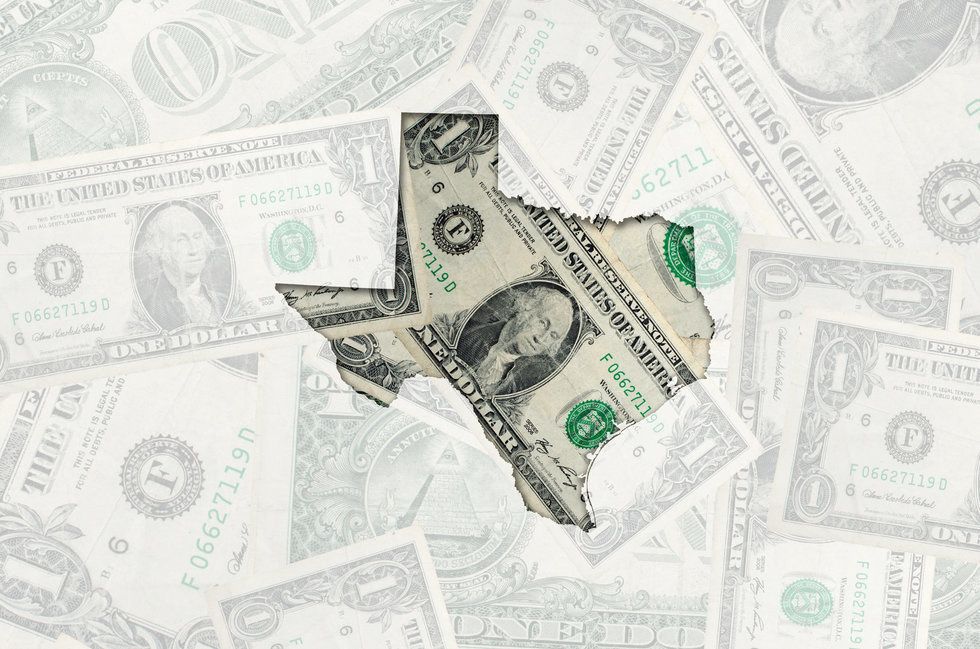
Texas has launched its new cryptocurrency reserve with a $5 million purchase of Bitcoin as the state continues to embrace the volatile and controversial digital currency.

The Texas Comptroller’s Office confirmed the purchase was made last month as a “placeholder investment” while the office works to contract with a cryptocurrency bank to manage its portfolio.

The purchase is one of the first of its kind by a state government, made during a year where the price of Bitcoin has exploded amid the embrace of the digital currency by President Donald Trump’s administration and the rapid expansion of crypto mines in Texas.

“The Texas Legislature passed a bold mandate to create the nation’s first Strategic Bitcoin Reserve,” acting Comptroller Kelly Hancock wrote in a statement. “Our goal for implementation is simple: build a secure reserve that strengthens the state’s balance sheet. Texas is leading the way once again, and we’re proud to do it.”

The purchase represents half of the $10 million the Legislature appropriated for the strategic reserve during this year’s legislative session, but just a sliver of the state’s $338 billion budget.

However, the purchase is still significant, making Texas the first state to fund a strategic cryptocurrency reserve. Arizona and New Hampshire have also passed laws to create similar strategic funds but have not yet purchased cryptocurrency.

Wisconsin and Michigan made pension fund investments in cryptocurrency last year.

The Comptroller’s office purchased the Bitcoin the morning of Nov. 20 when the price of a single bitcoin was $91,336, according to the Comptroller’s office. As of Friday afternoon, Bitcoin was worth slightly less than the price Texas paid, trading for $89,406.

University of Houston energy economist Ed Hirs questioned the state’s investment, pointing to Bitcoin’s volatility. That makes it a bad investment of taxpayer dollars when compared to more common investments in the stock and bond markets, he said.

“The ordinary mix [in investing] is one that goes away from volatility,” Hirs said. “The goal is to not lose to the market. Once the public decides this really has no intrinsic value, then it will be over, and taxpayers will be left holding the bag.”

The price of Bitcoin is down significantly from an all-time high of $126,080 in early October.

Lee Bratcher, president of the Texas Blockchain Council, argued the state is making a good investment because the price of Bitcoin has trended upward ever since it first launched in early 2009.

“It’s only a 16-year-old asset, so the volatility, both in the up and down direction, will smooth out over time,” Bratcher said. “We still want it to retain some of those volatility characteristics because that’s how we could see those upward moves that will benefit the state’s finances in the future.”

Bratcher said the timing of the state’s investment was shrewd because he believes it is unlikely to be valued this low again.

The investment comes at a time that the crypto industry has found a home in Texas.

Rural counties have become magnets for crypto mines ever since China banned crypto mining in 2021 and Gov. Greg Abbott declared “Texas is open for crypto business” in a post on social media.

The state is home to at least 27 Bitcoin facilities, according to the Texas Blockchain Council, making it the world’s top crypto mining spot. The two largest crypto mining facilities in the world call Texas home.

The industry has also come under criticism as it expands.

Critics point to the industry’s significant energy usage, with crypto mines in the state consuming 2,717 megawatts of power in 2023, according to the comptroller’s office. That is enough electricity to power roughly 680,000 homes.

Crypto mines use large amounts of electricity to run computers that run constantly to produce cryptocurrencies, which are decentralized digital currencies used as alternatives to government-backed traditional currencies.

A 2023 study by energy research and consulting firm Wood Mackenzie commissioned by The New York Times found that Texans’ electric bills had risen nearly 5%, or $1.8 billion per year, due to the increase in demand on the state power grid created by crypto mines.

Residents living near crypto mines have also complained that the amount of job creation promised by the facilities has not materialized and the noise of their operation is a nuisance.

“Texas should be reinvesting Texan’s tax money in things that truly bolster the economy long term, living wage, access to quality healthcare, world class public schools,” said state Sen. Molly Cook, D-Houston, who voted against the creation of the strategic fund. “Instead it feels like they’re almost gambling our money on something that is known to be really volatile and has not shown to be a tide that raises all boats.”

State Sen. Charles Schwertner, R-Georgetown, who authored the bill that created the fund, said at the time it passed that it will allow Texas to “lead and compete in the digital economy.”

___

This story was originally published by The Texas Tribune and distributed through a partnership with The Associated Press.