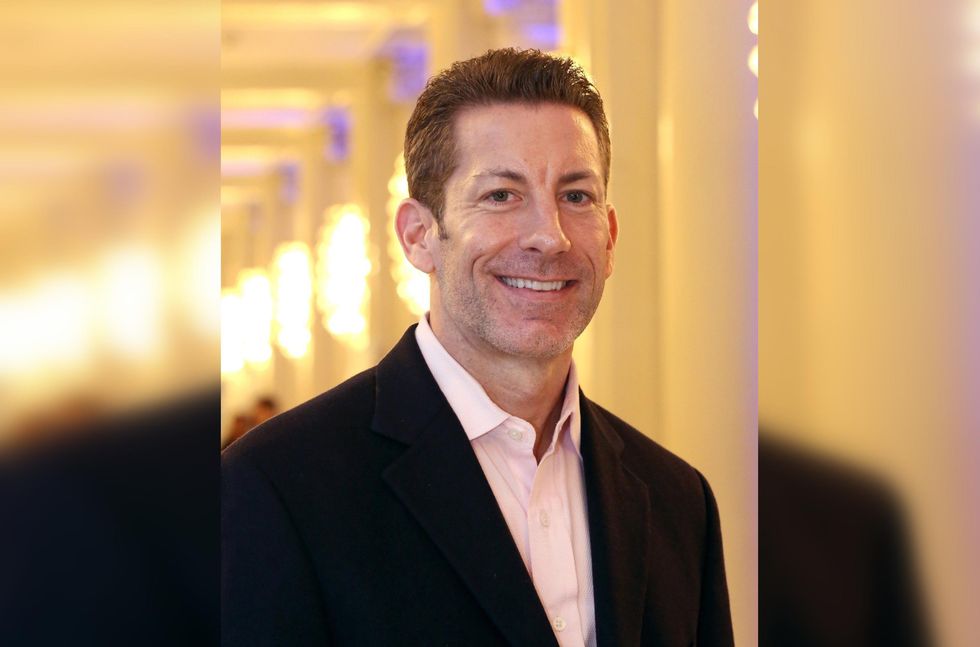
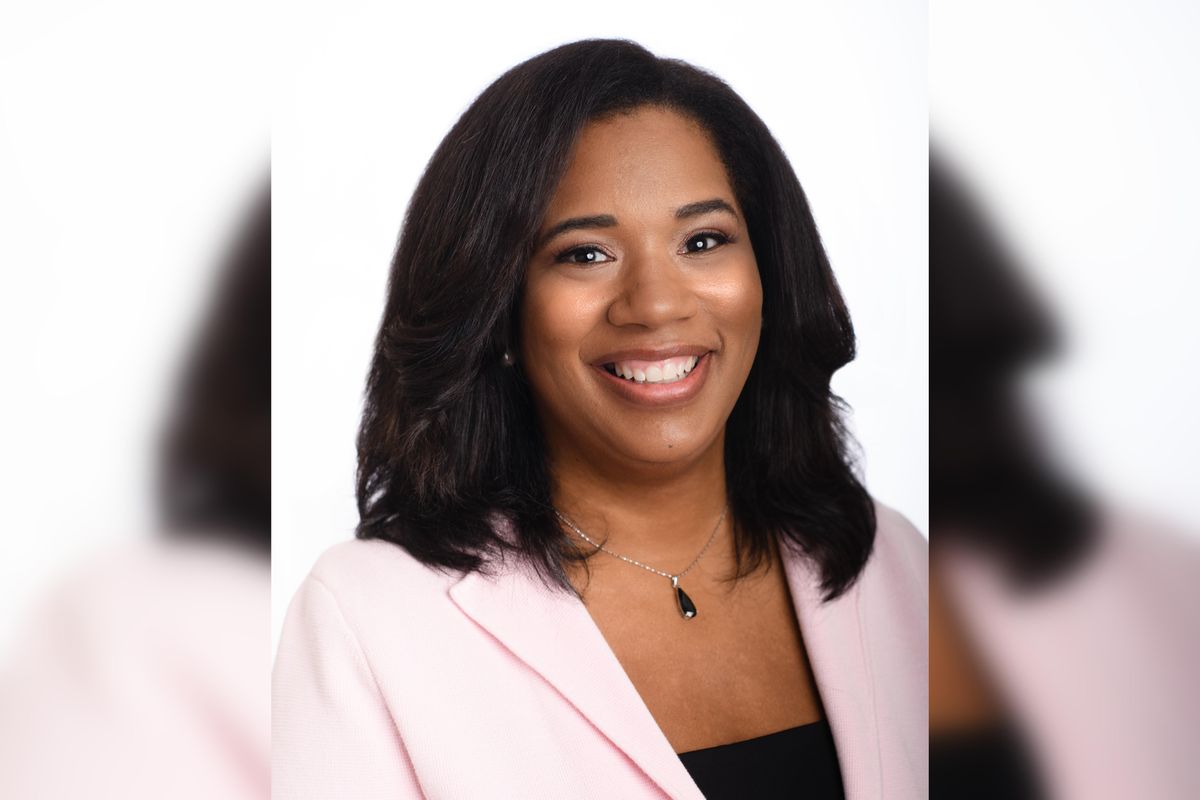
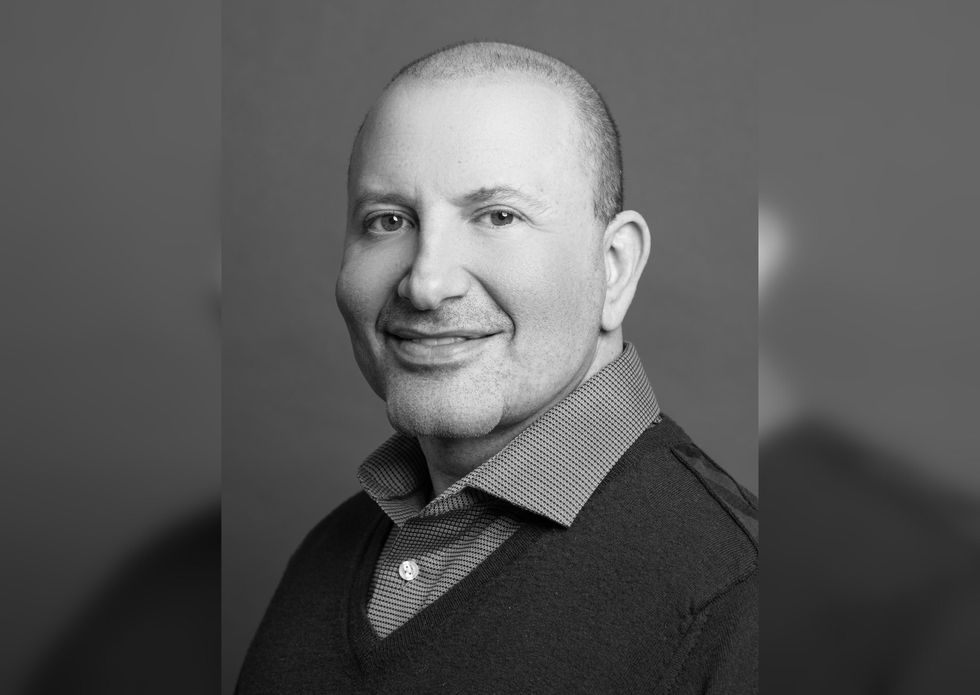
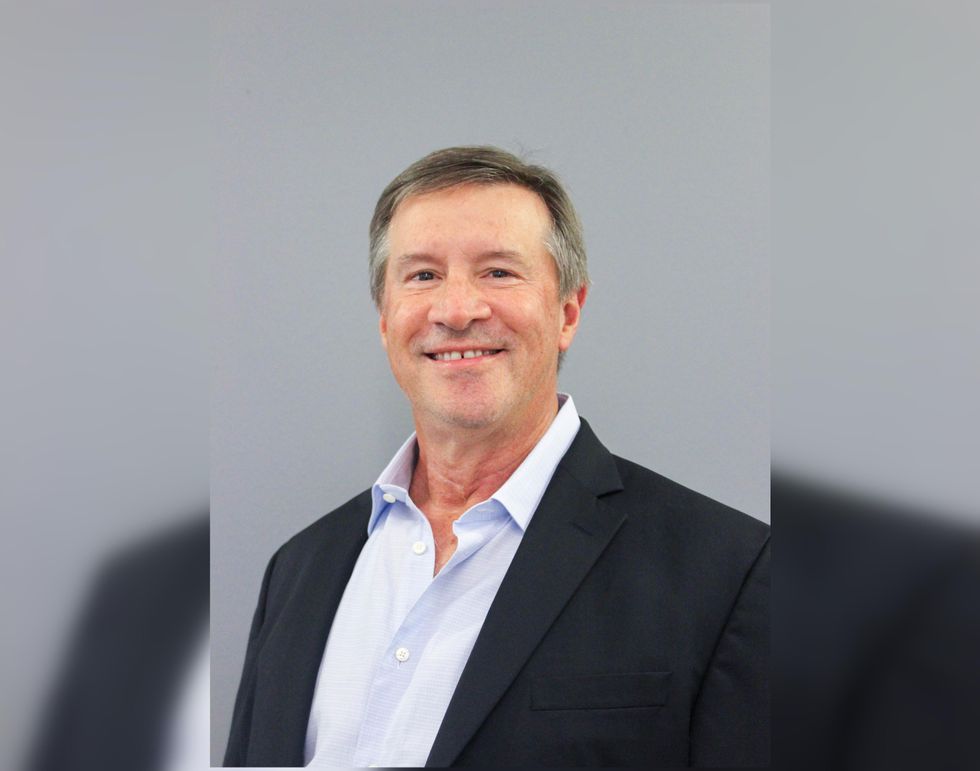
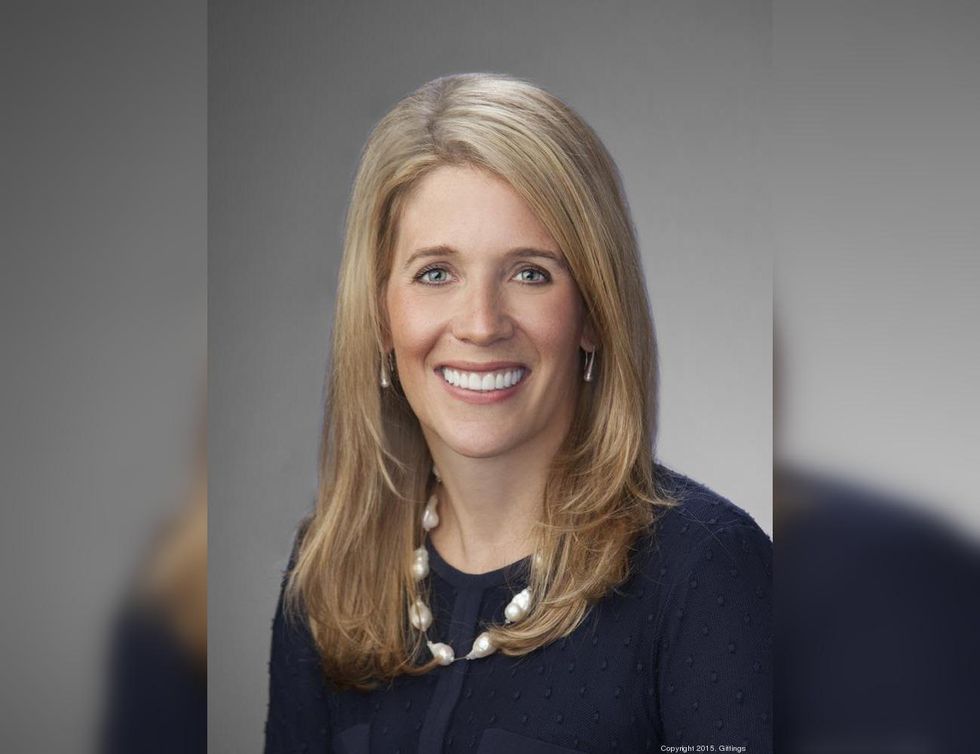
This week's roundup of Houston innovators includes Steve Latham of DonateStock, Arianne Dowdell of Houston Methodist, and Howard Berman of Coya Therapeutics. Photos courtesy

Editor's note: In this week's roundup of Houston innovators to know, I'm introducing you to three local innovators across industries — from fintech to health care DEI — recently making headlines in Houston innovation.

Steve Latham, co-founder and CEO of DonateStock

Houstonian and serial entrepreneur plans to scale nonprofit fintech toolThe sky's the limit for DonateStock, Co-Founder and CEO Steve Latham says. Photo courtesy of DonateStock

For the third time in his career, serial entrepreneur Steve Latham recession activity, so he feels confident he knows the playbook of how to handle what's on the horizon. For his latest venture, Donate Stock, a tech platform that simplifies stock donation for both the donor and the beneficiary, he's focused on weathering whatever storm is incoming.

"We've raised more money to extend our runway, and we're keeping a super tight lid on expenses because your cash is your oxygen," he says. "There are companies going out of business in our industry right now that had really promising businesses but just spent too much money before they could get to the revenue phase."

He shares the background story on DonateStock and his own career on last week's Houston Innovators Podcast episode. Read more and stream the episode.

Arianne Dowdell, vice president and chief diversity, equity and inclusion officer at Houston Methodist

Arianne Dowdell spoke with InnovationMap about Houston Methodist's DEI initiatives — and how they will help develop the hospital of the future. Photo courtesy of Houston Methodist

Innovation and equity are two things they have to go together — and Houston Methodist knows that. Which is why Arianne Dowdell serves as vice president and chief diversity, equity and inclusion officer at Houston Methodist. Under her leadership, the health care provider is putting the patients at the forefront of the hospital system's priorities through its DEI initiatives.

In an interview with InnovationMap, Dowdell shares more about these ongoing initiatives and her role, as well as the importance of DEI in innovative health care.

"It doesn't matter if you're down here in the medical center or out in Baytown," she says. "The innovation and what we're thinking about and the technologies and the way that we communicate with our patients, all that is part of innovation, which helps our DEI initiatives become more successful in everything that we're doing." Read more.

Howard Berman, CEO of Coya Therapeutics

A Houston biotech startup focused on developing therapeutics for neurodegenerative and autoimmune diseases has closed its IPO. Photo courtesy of Coya

A clinical-stage biotech company based in Houston has announced the closing of its $15.25 million IPO.

Coya Therapeutics, now trading under the ticker COYA, announced this week that its IPO — previously disclosed in December — has closed its initial public offering of 3,050,000 shares of its common stock and accompanying warrants to purchase up to 1,525,000 shares of common stock, per a news release. Howard Berman, CEO of Coya Therapeutics, has lead the company since February of 2021. Read more.

The sky's the limit for DonateStock, Co-Founder and CEO Steve Latham says. Photo courtesy of DonateStock

Houstonian and serial entrepreneur plans to scale nonprofit fintech tool

Houston innovators podcast episode 167

Donating stock can be a smart way to offload assets and optimize a donation — but Steve Latham thought it was so cumbersome a process that it didn't even feel worth it.

"It was such a hassle that I never did it again," says Latham on the Houston Innovators Podcast.

That opportunity for innovation stuck with Latham as he advanced his career in AdTech in New York before moving back to Houston a few years ago. A serial entrepreneur, Latham was an early co-founder of the Houston Technology Center.

His latest venture is DonateStock — a tech platform that simplifies stock donation for both the donor and the beneficiary. The early version of Latham's vision was to clear up the lack of communication the original process had — nonprofits receiving stock donations were never notified about who made each donation.

The next phase for the fintech company, as Latham explains on the show, is to scale this idea by way of channel distribution, rather than just directly working between donor and nonprofit. He says he wants DonateStock to be a featured as an "easy button" option wherever donations are accepted online.

"Now that we've proven and shown that our process works," he says, "let's scale that to make that button available to the 20 or so online donation platforms."

In order to accomplish this goal, Latham is preparing to fundraise early this year, but it's a challenging time for fintech amid economic uncertainty, he says. So far, the company has raise $2.25 million from within the company's network along with angel and family office investment.

"We've raised more money to extend our runway, and we're keeping a super tight lid on expenses because your cash is your oxygen," he says. "There are companies going out of business in our industry right now that had really promising businesses but just spent too much money before they could get to the revenue phase."

This is the third time in Latham's career that he's seen this recession activity, so he feels confident he knows the playbook of how to handle what's on the horizon.

Latham shares more about the difference his company is making within the nonprofit sector, as well as his passion for Houston and its local tech ecosystem — which he's seen grow up from afar — on the podcast episode. Stream the episode below, or wherever you listen to your podcasts.


Here's your latest roundup of Houston startup and innovation news you may have missed. Photo via Getty Images

Houston startup raises $25M, biz plan competition opens apps, and more local innovation news

Short stories

We're on the other side of the hill that is Houston's summer, but the Bayou City's still hot in terms of innovation news, and there might be some headlines you may have missed.

In this roundup of short stories within Houston startups and tech, a Houston venture capital fund has made its latest investment, a hydrogen startup has raised fresh funding, accelerators open apps, and more.

Houston hydrogen startup closes $25M series B

This hydrogen company has fresh funding. Photo via utility.global

Utility Global, a Houston-based sustainable hydrogen company, has closed its series B round of funding to the tune of $25 million, Axios reports.

Houston-based private equity firm Ara Partners led the round. Other participating investors included: Samsung Ventures, NOVA, and Aramco.

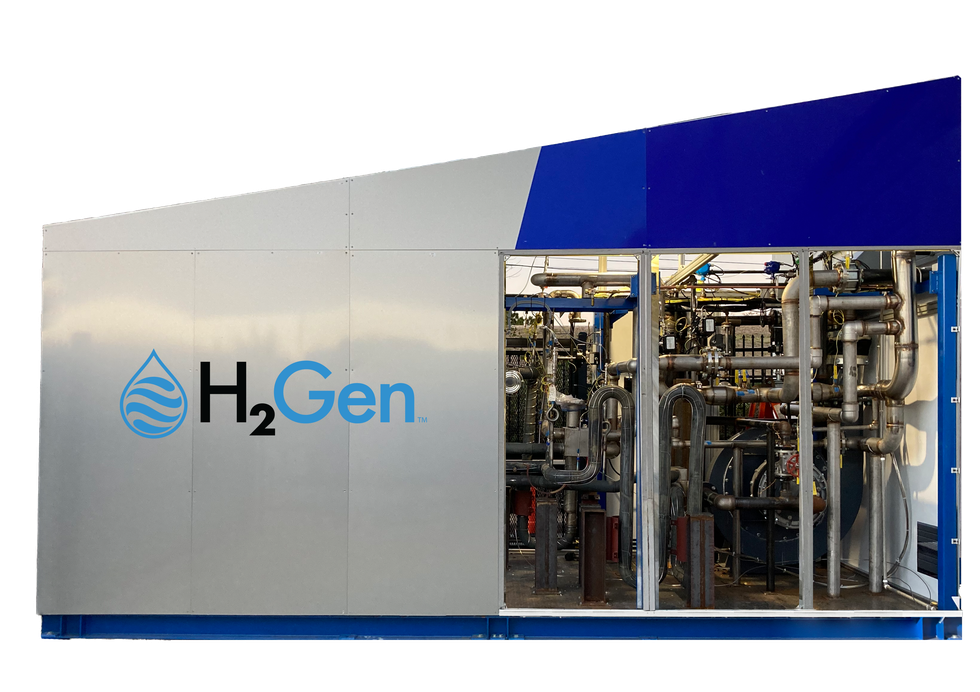
Utility Global, founded in 2018, has developed a clean hydrogen solution. The proprietary tech — called the eXERO Technology Platform — includes a zero electricity process that converts sustainable waste streams into high-purity hydrogen. Additionally, the company developed its H2Gen Product Line that delivers customers reliable, low carbon, and high purity hydrogen, which offers unparalleled feedstock flexibility and highly competitive economics.

"Leveraging our industry-first eXERO™ Process, Utility Global is expanding into numerous industrial sectors," reads the company's website. "Whether it's next-gen fueling, green chemicals, or sustainable steel, Utility Global's products can meet your needs. Our ultra-high-purity hydrogen is also ideal for the electronics, food, and glass industries. In the steel industry, our waste-to-hydrogen offering converts waste-gases into pure hydrogen, enabling decarbonization of the steel making process.

Houston female-focused VC fund leads round of fintech company

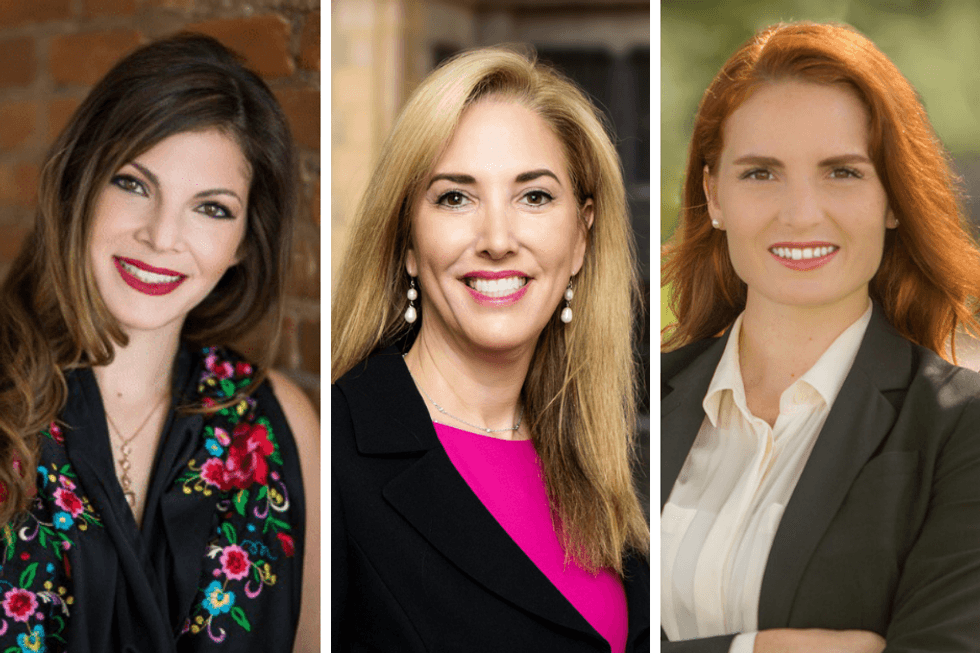
The Artemis Fund — led by Diana Murakhovskaya, Leslie Goldman, and Stephanie Campbell — has announced its latest investment. Courtesy photos

Houston-based Artemis Fund — a women-led, female-focused venture capital fund, has released information on its latest investment. The firm announced it has led the seed funding round for Los Angeles-based Payverse, a payment processor focusing on enabling global commerce via emerging technologies.

The round also saw participation from Alpha Ascent Ventures, Frank Mastrangelo, Mary Wieler, and Jonathan Palmer. Hunton Andrews Kurth LLP represented Artemis in the deal.

“The Artemis Fund invests in phenomenal female talent modernizing and diversifying wealth. Payverse is poised to transform the payments industry by making it easier and more cost-effective for businesses and consumers to transact globally," says Stephanie Campbell, general partner at The Artemis Fund, in a news release. "We are proud to lead the company’s seed round which includes other top FinTech experts and industry leaders."

Houston public service professional accelerator opens applications for its second cohort

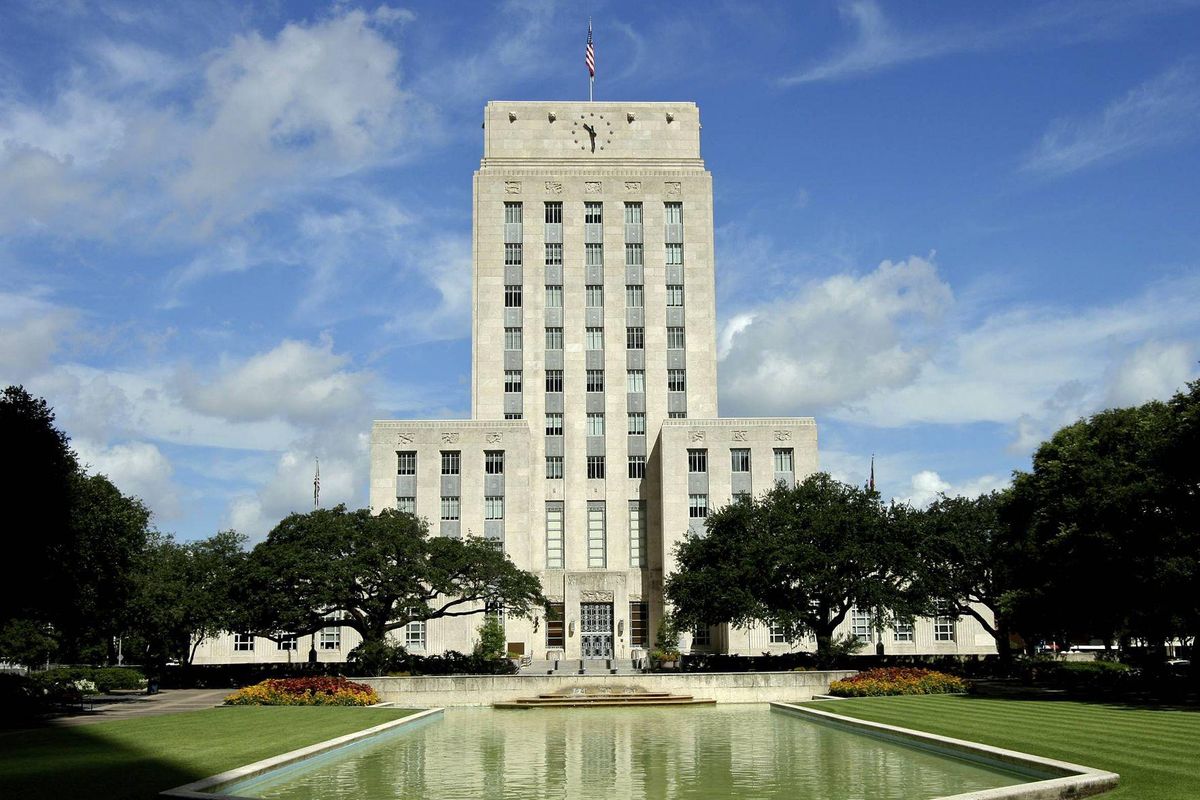
HTXelerator is gearing up for its second cohort. Photo via HoustonTX.gov

With its mission to identify and prepare future-focused leaders for public service, specifically boards, commissions, and city council, HTXelerator, a nonprofit that launched last fall, has opened applications for the second cohort. The three-month program trains class members on the nuts and bolts of city government and ends with a competition known as The Pitch, which enables each participant to put forward a policy platform for a hypothetical race.

“The Houston region continues to grow and subsequently so does the need for public leadership to reflect the city’s dynamic diversity," says Renee Cross, senior director at the University of Houston's Hobby School of Public Affairs, in a news release. "HTXelerator will allow people with an interest in public service to learn from experts in government, non-profit organizations, academia and the private sector. Whether pursuing a leadership position or running for office, HTXelerator graduates will be ahead of the game.”

Applications are due by August 22, and the cohort members will be announced by August 29. There is no fee to apply, but the program costs $250 per participant. Scholarships are available for those that need assistance. The program kicks off with a weekend retreat September 10 and 11 and ends with The Pitch competition on December 7.

Houston startup partners with pet tech giant

Wag, Robinhood, and DonateStock have teamed up on a new initiative. Photo by Jason Briscoe on Unsplash

Houston-based DonateStock, a fintech platform that easily enables stock-based donations, has been adopted by Wag, a mobile-first marketplace for pet services. The company, which also struck a deal with Robinhood. Through these partnerships, the company has launched its Wag! Community Shares Program, a new method of charitable giving for the community of pet caregivers and for domestic pet nonprofit organizations, according to a news release.

Through its SPAC, CHW Acquisition Corp., Wag! will reserve up to 300,000 shares of common stock for the program, to be arranged through and administered by Robinhood. The company goes into more details — including information on how to participate — in the release.

“We are excited to play a key role in this ground-breaking initiative to use common stock to support domestic pet nonprofits at scale,” says Steve Latham, CEO and co-founder of DonateStock, in the release. “Our mission is to democratize charitable stock gifting. By allocating stock to more than 500 pet nonprofits, Wag! is expanding the definition of what that means.”

Annual business competition lifts off

Houston business competition opens applications

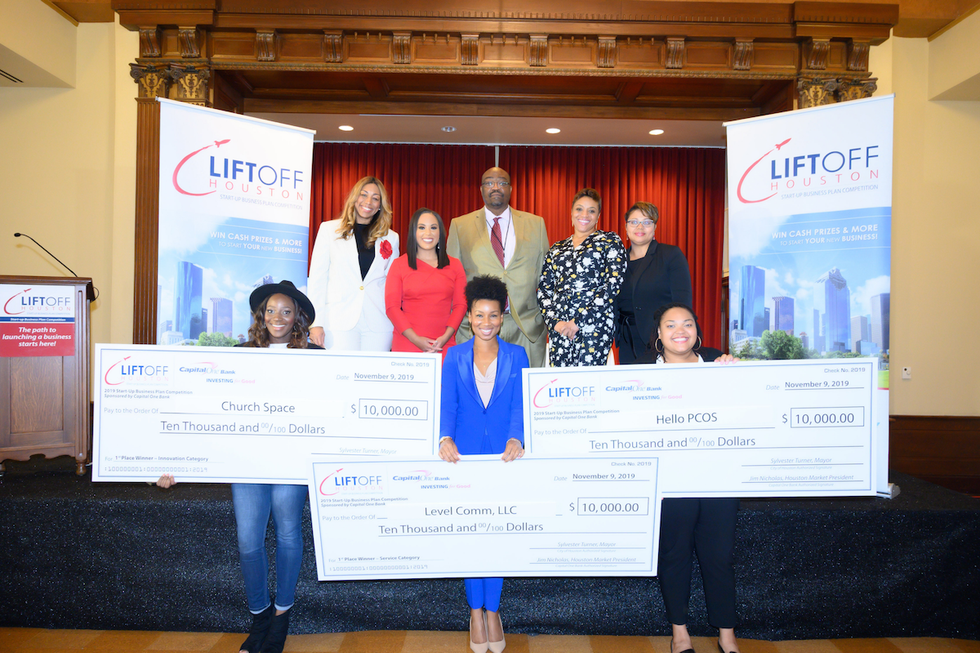
Small businesses in Houston can apply for the annual Liftoff Houston competition. Photo via liftoffhouston.smapply.org

The city of Houston's annual business plan competition has kicked off. Liftoff Houston is an entrepreneurial initiative aimed at empowering Houston entrepreneurs mentorship and business support and education.The program's sponsor, Capital One Bank, provides cash prizes totaling $30,000.

To be eligible for the startup program, the applicant:

  • Must be in the start-up phase of your business, which means you either must have a business idea or have a business in operation for less than one year
  • Must have revenue of less than $10,000
  • Must live within the city of Houston limits. Also, if you have a business location, it must be within the city of Houston limits.

Participants can also apply for the 2022 Liftoff Houston Educational Pathway. There are no eligibility requirements for that program, which will support small businesses and provide access to workshops and the final competition event.

There will be three award categories: product, service, and innovation.

  • $10,000 – Awarded for top “Product” Based Business Plan (Retail, resale, merchandise, etc.)
  • $10,000 – Awarded for top “Service” Based Business Plan (Food, labor, consulting, etc.)
  • $10,000 – Awarded for top “Innovation” Based Business Plan (Software, Hardware, inventions, new market businesses, etc.)

The competition will open applications online on July 27 and close August 19. The full schedule is online.


Want to work for one of the top startups in Houston? These ones are hiring. Photo by Tima Miroshnichenko from Pexels

Here's which of the InnovationMap Awards finalists are hiring

growing biz

After scouring Houston for the best of the Houston innovation ecosystem and evaluating dozens of companies, InnovationMap has announced the finalists in its inaugural awards. But which of these companies are growing their teams?

Turns out, almost all of them have open positions — some planning to double their teams over the next year. In fact, the 28 companies that make up our cohort of finalists are looking for over 250 new employees — some have these positions open now and others are seeking these new team members over the next 12 months.

Let's look at how many new hires these top startups are looking for.

Biggest gains

The InnovationMap Awards finalist with the loftiest hiring goal is Liongard, which is a finalist in the People's Choice: Startup of the Year category. Liongard — a platform that helps IT companies automatically discover, document, and audit their customers' IT systems — is looking to fill 70 positions over the next year. The company, founded in 2015, has just over 100 employees now.

The startup finalist with the second highest hiring goals is Nanotech, a material science company with a mission to fireproof the world and reduce energy consumption. Nanotech is looking to hire over 40 new employees in the next 12 months, which would almost triple its current staff of 15. Founded in 2019 by Mike Francis, the company is a finalist in both the Energy Transition and People's Choice categories.

Another People's Choice finalist, GoCo, and its all-in-one employee management platform, is currently looking to grow its team by adding 20 new employees to its staff of 53. The company was founded in 2015 and has since raised over $12 million in VC funding.

Also looking to grow their team by 20 new hires is Hello Alice — a small business owner's passport through entrepreneurship that helps with networking, raising capital, and accessing growth tools. The company, co-founded by Carolyn Rodz, is up for an award in the BIPOC-Founded, Female-Founded, and People's Choice categories.

GoExpedi, whose founder and CEO Timothy Neal is a finalist in the Top Founder Under 40 category, currently has 17 positions open at the moment and is looking to add those new hires into its team of over 150 employees. The e-commerce, supply chain, and analytics company is streamlining procurement for industrial and energy MRO (maintenance, repair and operations).

While Female-Founded Business finalist RingOn — a wearable GPS tracker that is also a panic button that's designed for school kids and with an impact-driven mission of ending child trafficking — is only currently looking for six new hires, the company is expecting to hiring another 15 new employees next year. Right now, the company's employee count is at three.

Steady growth

A few of the awards finalists are sporting hiring goals in the seven to 12 new staffers range. Space Tech finalist NANCO Aero, which is developing package- and person-carrying air vehicles, is hiring a dozen new employees — a big goal considering the company currently has just four employees.

Enercross LLC, automation software for the energy industry, is a finalist in the Energy Transition category and is looking to add 11 new people to its team of 42. Meanwhile Sports Tech finalist sEATz — a mobile ordering and delivery platform for food, drinks, and merchandise at large events — is looking to about double its team of 10 over the few months.

Health Tech finalist Medical Informatics Corp. is the creator of Sickbay, which features web-based applications that transform data into actionable information to help care teams make better, faster decisions. The company has seven open positions to grow its team of 36.

Seeking selectively

The following InnovationMap Awards finalists are looking to grow their teams with between two and six new hires:

  • Allotrope Medical — creator of StimSite, a device that improves surgical safety and efficiency in millions of operations performed every year.
  • CaseCTRL — using artificial intelligence and automation to streamline surgical scheduling.
  • Cemvita Factory — engineering microbes that eat CO2 and produce valuable chemicals.
  • Cheers Health — creating products that are designed to support your liver and help you feel better after consuming alcohol.
  • Cognitive Space — providing a scalable satellite constellation management solution to the space industry.
  • Data Gumbo — creator of an interconnected industrial smart contract network secured and powered by blockchain.
  • DonateStock — simplifying the process of donating stock and helping nonprofits solicit, process, and manage stock donations.
  • FitLift — a wearable device and mobile platform that tracks motion and gives real-time feedback on lifting technique, allowing trainers, and athletes to drive results.
  • LAMIK Beauty — a tech-enabled clean color cosmetics company focusing on women of all diverse backgrounds
  • Molecule Software — creator of a leading cloud-native energy trading software.
  • re:3D Inc. — producer of large, affordable industrial 3D printers, and services that can print with new or recycled filament, pellets, or flake.
  • Saranas — creator of the Early Bird, the first and only FDA-approved bleed detection system for endovascular procedures.
  • Starling Medical — using AI and telehealth enabled medical devices to enable millions with bladder dysfunctions to be able to urinate safely and conveniently again.
  • Topl — impact monetization engine that enables digital and sustainable transformation across value chains and empowers the monetization of impact verified on the Topl Blockchain.
  • Zibrio Inc. — a fall prevention solution that empowers both clinicians and patients for better outcomes.

Find out which of these employers take home the win at the September 8 event at The Cannon - West Houston. Honorees, sponsors, judges, and their guests will celebrate in person, and the rest of the innovation community is invited to tune in to the livestream. Click here to RSVP.

Sponsorships are still available! If you are interested in partnering with InnovationMap as a sponsor of this event, send an email to awards@innovationmap.com.

And the finalists for the inaugural InnovationMap Awards are... Graphic via Gow Media

InnovationMap names 28 Houston startup finalists for inaugural awards

who will take home the win?

Who are Houston's rising stars across energy transition, sports tech, health, and more? InnovationMap set out on a quest to discover that for its inaugural awards. Ahead of the September 8 event, we're revealing the finalists across all categories.

Eight judges evaluated over 100 applications across eight categories for the 2021 InnovationMap Awards presented by Techwave. This year's judges included: Juliana Garaizar, head of the Houston incubator and vice president of innovation at Greentown Labs; Alex Gras, managing director at The Cannon; Rajasekhar Gummadapu, co-founder and CEO of Techwave; Natalie Harms, editor of InnovationMap; Serafina Lalany, interim president at Houston Exponential; Jon Nordby, managing director at MassChallenge; Emily Reiser, senior manager of innovation community engagement at the Texas Medical Center; and Grace Rodriguez, CEO and executive director of Impact Hub Houston.

The winners will be announced and celebrated — along with this year's previously announced Trailblazer Award recipient, Barbara Burger of Chevron Technology Ventures — at the September 8 event at The Cannon - West Houston. Honorees, sponsors, judges, and their guests will celebrate in person, and the rest of the innovation community is invited to tune in to the livestream. Click here to RSVP.

Sponsorships are still available! If you are interested in partnering with InnovationMap as a sponsor of this event, send an email to awards@innovationmap.com.

Without further adieu, here are this year's finalists:

BIPOC-Founded Business Finalists

The finalists for the BIPOC-Founded Business Award category, honoring innovative tech companies founded or co-founded by BIPOC representation, are:

  • Allotrope Medical — creator of StimSite, a device that improves surgical safety and efficiency in millions of operations performed every year.
  • Hello Alice — a small business owner's passport through entrepreneurship that helps with networking, raising capital, and accessing growth tools.
  • LAMIK Beauty — a tech-enabled clean color cosmetics company focusing on women of all diverse backgrounds
  • Molecule Software — creator of a leading cloud-native energy trading software.

Female-Founded Business Finalists

The finalists for the Female-Founded Business Award category presented by Veritex Community Bank, honoring innovative tech companies founded or co-founded by women, include:

  • DonateStock — simplifying the process of donating stock and helping nonprofits solicit, process, and manage stock donations.
  • Hello Alice — a small business owner's passport through entrepreneurship that helps with networking, raising capital, and accessing growth tools.
  • re:3D Inc. — producer of large, affordable industrial 3D printers, and services that can print with new or recycled filament, pellets, or flake.
  • RingOn — wearable GPS tracker that is also a panic button that's designed for school kids and with an impact-driven mission of ending child trafficking.
  • Topl — impact monetization engine that enables digital and sustainable transformation across value chains and empowers the monetization of impact verified on the Topl Blockchain.
  • Zibrio Inc. — a fall prevention solution that empowers both clinicians and patients for better outcomes.

Health Care Business Finalists

The finalists for the Health Care Business Award category presented by Gray Reed, which honors health care businesses with an innovative solution within life sciences, include:

  • Allotrope Medical — creator of StimSite, a device that improves surgical safety and efficiency in millions of operations performed every year.
  • Medical Informatics Corp. — creator of Sickbay, which features web-based applications that transform data into actionable information to help care teams make better, faster decisions.
  • Saranas — creator of the Early Bird, the first and only FDA-approved bleed detection system for endovascular procedures.
  • Starling Medical — using AI and telehealth enabled medical devices to enable millions with bladder dysfunctions to be able to urinate safely and conveniently again.

Energy Transition Business Finalists

The finalists for the Energy Transition Business category, which honors energy business with innovative solutions within renewables, climatetech, clean energy, and beyond, are:

  • Cemvita Factory — engineering microbes that eat CO2 and produce valuable chemicals.
  • Data Gumbo — creator of an interconnected industrial smart contract network secured and powered by blockchain.
  • Enercross LLC — automation software for the energy industry.
  • Nanotech — a material science company with a mission to fireproof the world and reduce energy consumption.
  • re:3D Inc. — producer of large, affordable industrial 3D printers, and services that can print with new or recycled filament, pellets, or flake.
  • Renewell Energy — converting idle oil and gas wells into flexible energy storage.

Sports Tech Business Finalists

The finalists for the Sports Tech Business category, which is honoring a sports tech business with an innovative solution within sports are:

  • FitLift — a wearable device and mobile platform that tracks motion and gives real-time feedback on lifting technique, allowing trainers, and athletes to drive results.
  • Mainline — an esports tournament management system, tournament organizer, and event production company.
  • sEATz — a mobile ordering and delivery platform for food, drinks, and merchandise at large events.

Space Tech Business Finalists

The finalists for the Space Tech Business category, which is honoring an aerospace business with an innovative solution within space exploration. are:

  • Cemvita Factory — engineering microbes that eat CO2 and produce valuable chemicals.
  • Cognitive Space — providing a scalable satellite constellation management solution to the space industry.
  • NANCO Aero — developing package- and person-carrying air vehicles.

Top Founder Under 40 Finalists

The finalists for the Top Founder Under 40 category, which honors an innovative founder younger than 40 by Sept. 8, 2021, are:

  • Pamela Singh of CaseCTRL — using artificial intelligence and automation to streamline surgical scheduling.
  • Timothy Neal of GoExpedi — an e-commerce, supply chain, and analytics company that is streamlining procurement for industrial and energy MRO (maintenance, repair and operations).
  • Kim Roxie of LAMIK Beauty — a tech-enabled clean color cosmetics company focusing on women of all diverse backgrounds.
  • Emma Fauss of Medical Informatics Corp. — creator of Sickbay, which features web-based applications that transform data into actionable information to help care teams make better, faster decisions.
  • Emily Cisek of The Postage — a legacy planning platform using tech to make afterlife decision making easier.

People’s Choice: Startup of the Year Finalists

The finalists for the People's Choice: Startup of the Year category, which will each present a 60-second live elevator pitch at the event on September 8, are:

    • Cheers Health — creating products that are designed to support your liver and help you feel better after consuming alcohol.
    • GoCo — all-in-one employee management platform.
    • Hello Alice — a small business owner's passport through entrepreneurship that helps with networking, raising capital, and accessing growth tools.
    • Liongard — a platform that helps Information Technology companies automatically discover, document, and audit their customers' IT systems.
    • Nanotech — a material science company with a mission to fireproof the world and reduce energy consumption.
    • re:3D Inc. — producer of large, affordable industrial 3D printers, and services that can print with new or recycled filament, pellets, or flake.
    • Topl — impact monetization engine that enables digital and sustainable transformation across value chains and empowers the monetization of impact verified on the Topl Blockchain.

    This week's roundup of Houston innovators includes Barbar Burger of Chevron, David Aaronson of REVs, and Andrea Young of DonateStock. Courtesy photos

    3 Houston innovators to know this week

    who's who

    Editor's note: In this week's roundup of Houston innovators to know, I'm introducing you to three local innovators across industries — from energy to fintech — recently making headlines in Houston innovation.

    Barbara Burger, vice president of innovation at Chevron and president of Chevron Technology Ventures

    The InnovationMap Awards will celebrate Barbara Burger, vice president of innovation at Chevron and president of Chevron Technology Ventures, as this year's Trailblazer Award honoree. Photo courtesy of CTV

    The inaugural Trailblazer Award at the 2021 InnovationMap Awards event was established to honor a Houston innovation leader and advocate who's making a lasting impact on the Houston innovation community. Barbara Burger, vice president of innovation at Chevron and president of Chevron Technology Ventures, was selected to receive award.

    "I am deeply honored to be recognized for my contributions to the Houston Innovation Ecosystem. I moved to Houston in 2013 and in short order was included and saw ways I could contribute. That is a great welcome! While I am proud of my contributions and our progress, we are just getting started," Burger says.

    Burger leads Chevron's corporate venture arm, Chevron Technology Ventures, which has invested millions in the future of energy technology. This type of corporate venture activity — especially in a city with so many Fortune 500 companies — plays a key role in an innovation community. Click here to read more.

    David Aaronson, founder of REVS

    David Aaronson of REVS shares his EV entrepreneurial journey on the Houston Innovators Podcast. Photo courtesy of REVS

    It might not be today, and it might not be tomorrow, but electric vehicles are coming into Texas at an increasing rate. EVolve Houston, founded in part by the city, predicts that EV sales locally will make up 30 percent of annual new car sales by 2030. Aaronson says they reported that Houston has around 15,000 EVs on the road today, but by 2030, that's going to be 600,000.

    "If it's not 2030 it's going to be 2032, because it's all the manufacturers are making," David Aaronson, founder of REVS, says on this week's episode of the Houston Innovators Podcast. "It's just a matter of time."

    Aaronson, a Houston real estate veteran, founded Refuel Electric Vehicle Solutions, or REVS, last year to become the go-between for multifamily property owners and managers and the charging technology providers. Click here to read more and stream the episode.

    Andrea Young, co-founder and CEO of DonateStock

    DonateStock, a Houston fintech company that simplifies the stock donation process, has officially launched. Image courtesy of DonateStock

    A few years back, Andrea Young donated some of her stock, and the process, while having its perks, wasn't worth the trouble.

    "I valued the immense benefits stock donations provided me as an investor while simultaneously helping a nonprofit," Young says of her early experience with donating stock. "I enjoyed the significant tax advantages that allowed me to avoid capital gains taxes while deducting the full market value of my gifted stock. However, I found the entire process time consuming and cumbersome, which led to the end of my stock donation journey."

    When the pandemic hit and nonprofits were greatly impacted, Young and her co-founder saw an opportunity to found DonateStock to help drive donations and guide nonprofits and donors alike through the process. During its beta testing phase, the company partnered with almost 100 nonprofits. Click here to read more.

    Ad Placement 300x100
    Ad Placement 300x600

    CultureMap Emails are Awesome

    Houston wearable biosensing company closes $13M pre-IPO round

    fresh funding

    Wellysis, a Seoul, South Korea-headquartered wearable biosensing company with its U.S. subsidiary based in Houston, has closed a $13.5 million pre-IPO funding round and plans to expand its Texas operations.

    The round was led by Korea Investment Partners, Kyobo Life Insurance, Kyobo Securities, Kolon Investment and a co-general partner fund backed by SBI Investment and Samsung Securities, according to a news release.

    Wellysis reports that the latest round brings its total capital raised to about $30 million. The company is working toward a Korea Securities Dealers Automated Quotations listing in Q4 2026 or Q1 2027.

    Wellysis is known for its continuous ECG/EKG monitor with AI reporting. Its lightweight and waterproof S-Patch cardiac monitor is designed for extended testing periods of up to 14 days on a single battery charge.

    The company says that the funding will go toward commercializing the next generation of the S-Patch, known as the S-Patch MX, which will be able to capture more than 30 biometric signals, including ECG, temperature and body composition.

    Wellysis also reports that it will use the funding to expand its Houston-based operations, specifically in its commercial, clinical and customer success teams.

    Additionally, the company plans to accelerate the product development of two other biometric products:

    • CardioAI, an AI-powered diagnostic software platform designed to support clinical interpretation, workflow efficiency and scalable cardiac analysis
    • BioArmour, a non-medical biometric monitoring solution for the sports, public safety and defense sectors

    “This pre-IPO round validates both our technology and our readiness to scale globally,” Young Juhn, CEO of Wellysis, said in the release. “With FDA-cleared solutions, expanding U.S. operations, and a strong AI roadmap, Wellysis is positioned to redefine how cardiac data is captured, interpreted, and acted upon across healthcare systems worldwide.”

    Wellysis was founded in 2019 as a spinoff of Samsung. Its S-Patch runs off of a Samsung Smart Health Processor. The company's U.S. subsidiary, Wellysis USA Inc., was established in Houston in 2023 and was a resident of JLABS@TMC.

    Elon Musk vows to launch solar-powered data centers in space

    To Outer Space

    Elon Musk vowed this week to upend another industry just as he did with cars and rockets — and once again he's taking on long odds.

    The world's richest man said he wants to put as many as a million satellites into orbit to form vast, solar-powered data centers in space — a move to allow expanded use of artificial intelligence and chatbots without triggering blackouts and sending utility bills soaring.

    To finance that effort, Musk combined SpaceX with his AI business on Monday, February 2, and plans a big initial public offering of the combined company.

    “Space-based AI is obviously the only way to scale,” Musk wrote on SpaceX’s website, adding about his solar ambitions, “It’s always sunny in space!”

    But scientists and industry experts say even Musk — who outsmarted Detroit to turn Tesla into the world’s most valuable automaker — faces formidable technical, financial and environmental obstacles.

    Feeling the heat

    Capturing the sun’s energy from space to run chatbots and other AI tools would ease pressure on power grids and cut demand for sprawling computing warehouses that are consuming farms and forests and vast amounts of water to cool.

    But space presents its own set of problems.

    Data centers generate enormous heat. Space seems to offer a solution because it is cold. But it is also a vacuum, trapping heat inside objects in the same way that a Thermos keeps coffee hot using double walls with no air between them.

    “An uncooled computer chip in space would overheat and melt much faster than one on Earth,” said Josep Jornet, a computer and electrical engineering professor at Northeastern University.

    One fix is to build giant radiator panels that glow in infrared light to push the heat “out into the dark void,” says Jornet, noting that the technology has worked on a small scale, including on the International Space Station. But for Musk's data centers, he says, it would require an array of “massive, fragile structures that have never been built before.”

    Floating debris

    Then there is space junk.

    A single malfunctioning satellite breaking down or losing orbit could trigger a cascade of collisions, potentially disrupting emergency communications, weather forecasting and other services.

    Musk noted in a recent regulatory filing that he has had only one “low-velocity debris generating event" in seven years running Starlink, his satellite communications network. Starlink has operated about 10,000 satellites — but that's a fraction of the million or so he now plans to put in space.

    “We could reach a tipping point where the chance of collision is going to be too great," said University at Buffalo's John Crassidis, a former NASA engineer. “And these objects are going fast -- 17,500 miles per hour. There could be very violent collisions."

    No repair crews

    Even without collisions, satellites fail, chips degrade, parts break.

    Special GPU graphics chips used by AI companies, for instance, can become damaged and need to be replaced.

    “On Earth, what you would do is send someone down to the data center," said Baiju Bhatt, CEO of Aetherflux, a space-based solar energy company. "You replace the server, you replace the GPU, you’d do some surgery on that thing and you’d slide it back in.”

    But no such repair crew exists in orbit, and those GPUs in space could get damaged due to their exposure to high-energy particles from the sun.

    Bhatt says one workaround is to overprovision the satellite with extra chips to replace the ones that fail. But that’s an expensive proposition given they are likely to cost tens of thousands of dollars each, and current Starlink satellites only have a lifespan of about five years.

    Competition — and leverage

    Musk is not alone trying to solve these problems.

    A company in Redmond, Washington, called Starcloud, launched a satellite in November carrying a single Nvidia-made AI computer chip to test out how it would fare in space. Google is exploring orbital data centers in a venture it calls Project Suncatcher. And Jeff Bezos’ Blue Origin announced plans in January for a constellation of more than 5,000 satellites to start launching late next year, though its focus has been more on communications than AI.

    Still, Musk has an edge: He's got rockets.

    Starcloud had to use one of his Falcon rockets to put its chip in space last year. Aetherflux plans to send a set of chips it calls a Galactic Brain to space on a SpaceX rocket later this year. And Google may also need to turn to Musk to get its first two planned prototype satellites off the ground by early next year.

    Pierre Lionnet, a research director at the trade association Eurospace, says Musk routinely charges rivals far more than he charges himself —- as much as $20,000 per kilo of payload versus $2,000 internally.

    He said Musk’s announcements this week signal that he plans to use that advantage to win this new space race.

    “When he says we are going to put these data centers in space, it’s a way of telling the others we will keep these low launch costs for myself,” said Lionnet. “It’s a kind of powerplay.”

    Johnson Space Center and UT partner to expand research, workforce development

    onward and upward

    NASA’s Johnson Space Center in Houston has forged a partnership with the University of Texas System to expand collaboration on research, workforce development and education that supports space exploration and national security.

    “It’s an exciting time for the UT System and NASA to come together in new ways because Texas is at the epicenter of America’s space future. It’s an area where America is dominant, and we are committed as a university system to maintaining and growing that dominance,” Dr. John Zerwas, chancellor of the UT System, said in a news release.

    Vanessa Wyche, director of Johnson Space Center, added that the partnership with the UT System “will enable us to meet our nation’s exploration goals and advance the future of space exploration.”

    The news release noted that UT Health Houston and the UT Medical Branch in Galveston already collaborate with NASA. The UT Medical Branch’s aerospace medicine residency program and UT Health Houston’s space medicine program train NASA astronauts.

    “We’re living through a unique moment where aerospace innovation, national security, economic transformation, and scientific discovery are converging like never before in Texas," Zerwas said. “UT institutions are uniquely positioned to partner with NASA in building a stronger and safer Texas.”

    Zerwas became chancellor of the UT System in 2025. He joined the system in 2019 as executive vice chancellor for health affairs. Zerwas represented northwestern Ford Bend County in the Texas House from 2007 to 2019.

    In 1996, he co-founded a Houston-area medical practice that became part of US Anesthesia Partners in 2012. He remained active in the practice until joining the UT System. Zerwas was chief medical officer of the Memorial Hermann Hospital System from 2003 to 2008 and was its chief physician integration officer until 2009.

    Zerwas, a 1973 graduate of the Houston area’s Bellaire High School, is an alumnus of the University of Houston and Baylor College of Medicine.