


Editor's note: Houston has tech news abound, from within the inner workings of the Houston Astros to pizza delivery. Plus funding news, a Q&A with a leader in Houston's LGBT scene for Pride Month, and more.
Hypergiant receives funding from Japan, UH honored for entrepreneur program, coworking space opens, and more Houston innovation news
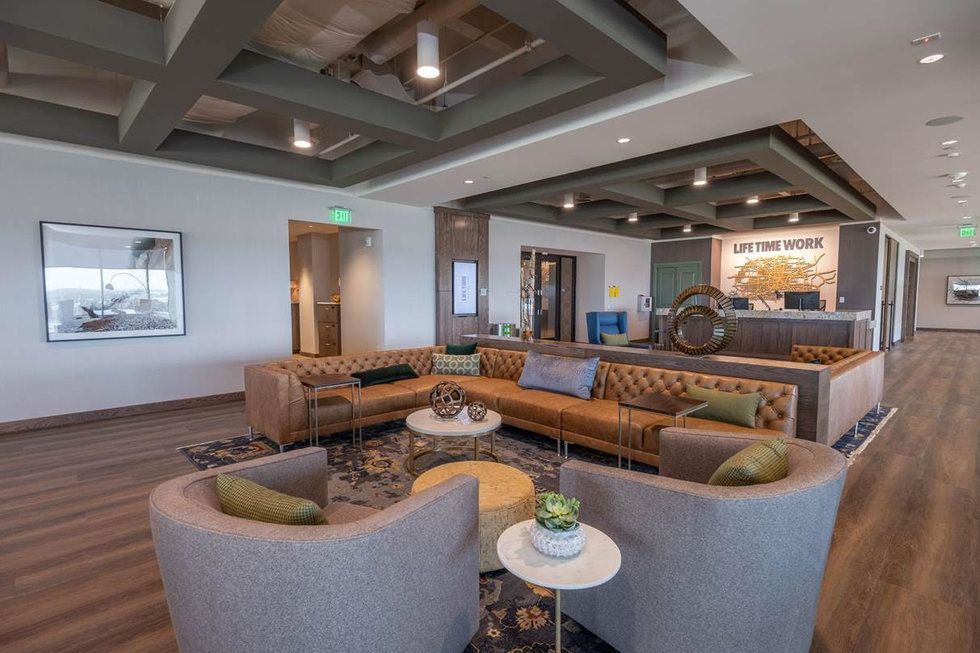
Life Time Work opening its first Houston location is among this roundup of Houston innovation news. Courtesy of Life Time Work
In the Houston innovation news cycle, it's hard to keep up. Three higher education institutions are celebrating big wins within innovation and entrepreneurialism, a new coworking space joins the scene, and a health tech competition launches out of the Texas Medical Center. Continue reading the story.
Houston Astros executive addresses innovations in sports from esports to health care
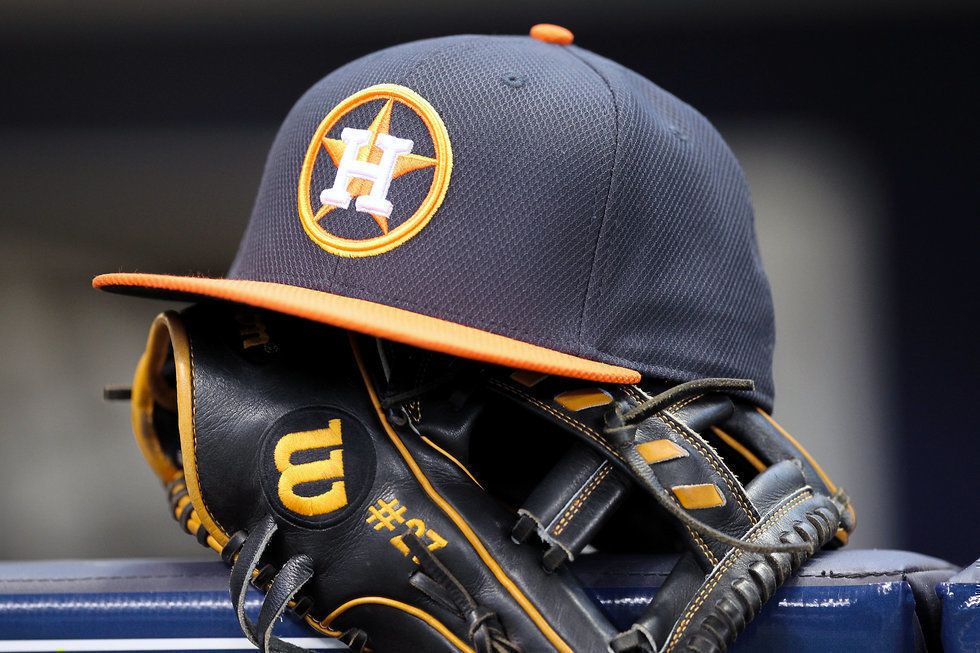
Technology is changing America's pastime, and the Houston Astros have the lead off. Photo by Dylan Buell/Getty Images
Over the past decade or so, sports franchises have seen a boom in technology integration. The fact of the matter is that both the teams and the players need to tap into tech to have a competitive advantage on the field — and especially when it comes to the business side of things.
"Technologically advanced companies want to do business with technologically advanced companies," says Matt Brand, senior vice president of corporate partnerships and special events at the Houston Astros. "Old cats like me need to realize you have to stay current or else you're just going to get passed up." Continue reading the story.
Houston entrepreneur explains how he's seen the city's LGBT and innovation communities evolve
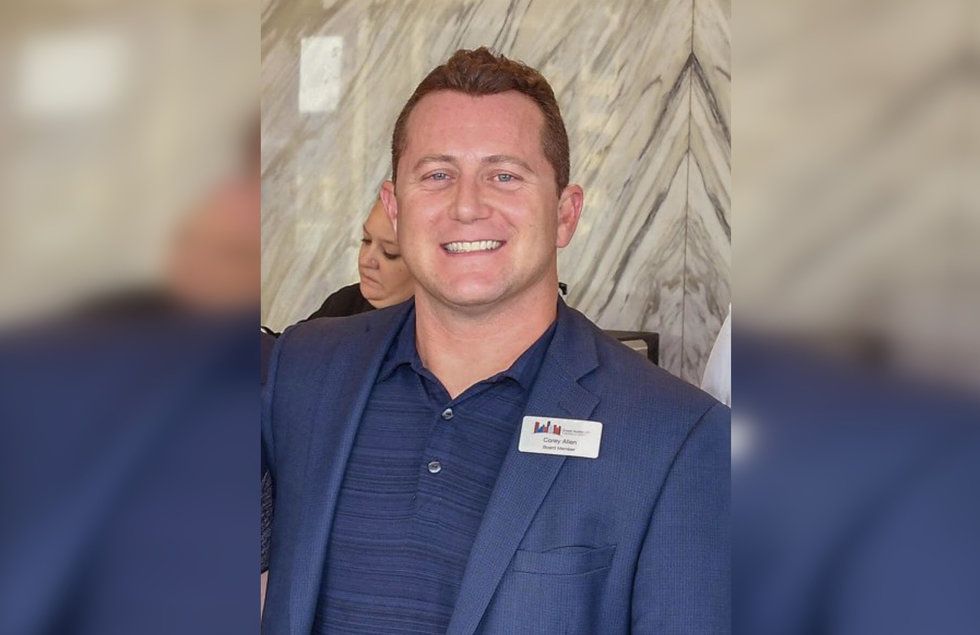
Corey Allen had entrepreneurialism in his blood — but it wasn't until he got involved with the Greater Houston LGBT Chamber that he got the courage to break out on his own. Courtesy of Corey Allen
Corey Allen grew up surrounded by entrepreneurship. His family owned several small businesses when he was growing up. But it took the support of his community to push him toward leadership.
From working in an accounting firm to dabbling in a few oil and gas companies, Allen's career trajectory changed when he joined the Greater Houston LGBT Chamber of Commerce. Within the organization, for which he serves as treasurer, he met other motivated entrepreneurs and was given the support needed to open his own business, Ecotone. Continue reading the story.
Self-driving pizza delivery vehicles will hit Houston's roads later this year
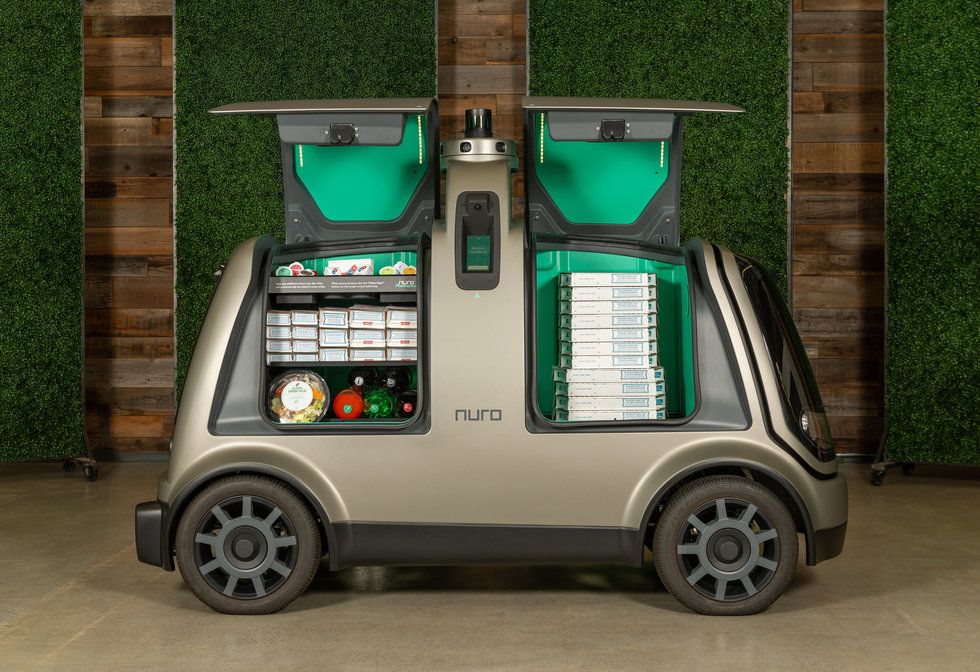
Domino's and Nuro have picked Houston to launch a self-driving pizza delivery vehicle pilot program. Courtesy of Nuro and Domino's
Unmanned vehicles are taking over Houston, any way you slice it. Nuro, the robotics company specializing in commercialized self-driving cars, first entered the Houston market earlier this year with its grocery delivery partnership with Kroger. Now, the company has teamed up with Domino's Pizza to deliver an autonomous pizza delivery pilot program in Houston.
Only a select group of Houston Domino's customers will be able to have the option to choose an unmanned delivery process from the R2 vehicles. Currently, Nuro and Domino's have not revealed who will be able to use the service or when. In a news release from Domino's, the company notes that the technology will be available later this year. Continue reading the story.
Overheard: Prominent business leaders weigh in on innovation in the energy and health industries
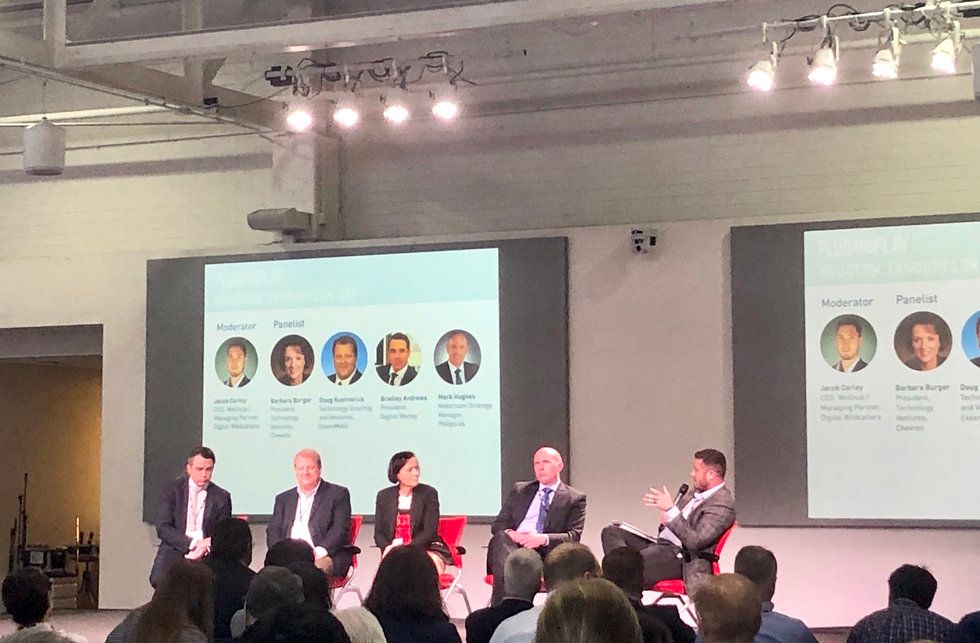
Ahead of entering the Houston market later this year, Silicon Valley's Plug and Play hosted three days of programming surrounding innovation in energy and health care. Natalie Harms/InnovationMap
Plug and Play, a Silicon Valley venture capital firm and accelerator program, plans to launch its operations in Houston later this year. And, in showing its commitment to the Bayou City, the organization hosted three days worth of panels, talks, and pitches at the Texas Medical Center's TMC Innovation Institute earlier this month.
Houston Innovation Week was Plug and Play's formal introduction to Houston startups and the local corporations that have the potential to support them. The programming focused on health and energy and sustainability, and the summit concluded with TMCx's Demo Day. Continue reading the story.
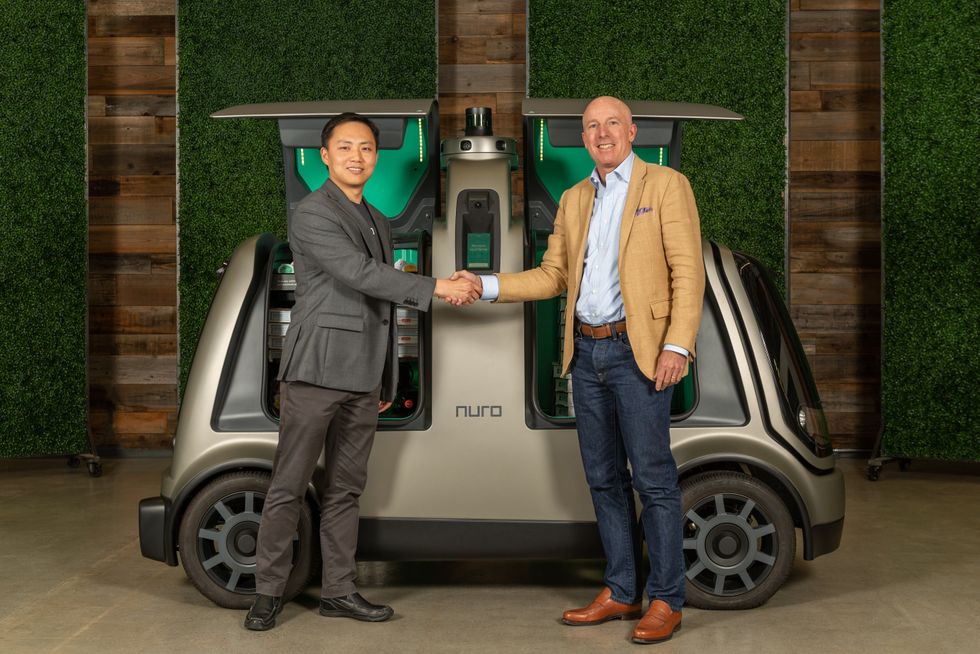 Nuro Co-Founder Jiajun Zhu and Domino's CEO Ritch Allison in front of one of Nuro's R1 vehicle.sCourtesy of Nuro and Domino's
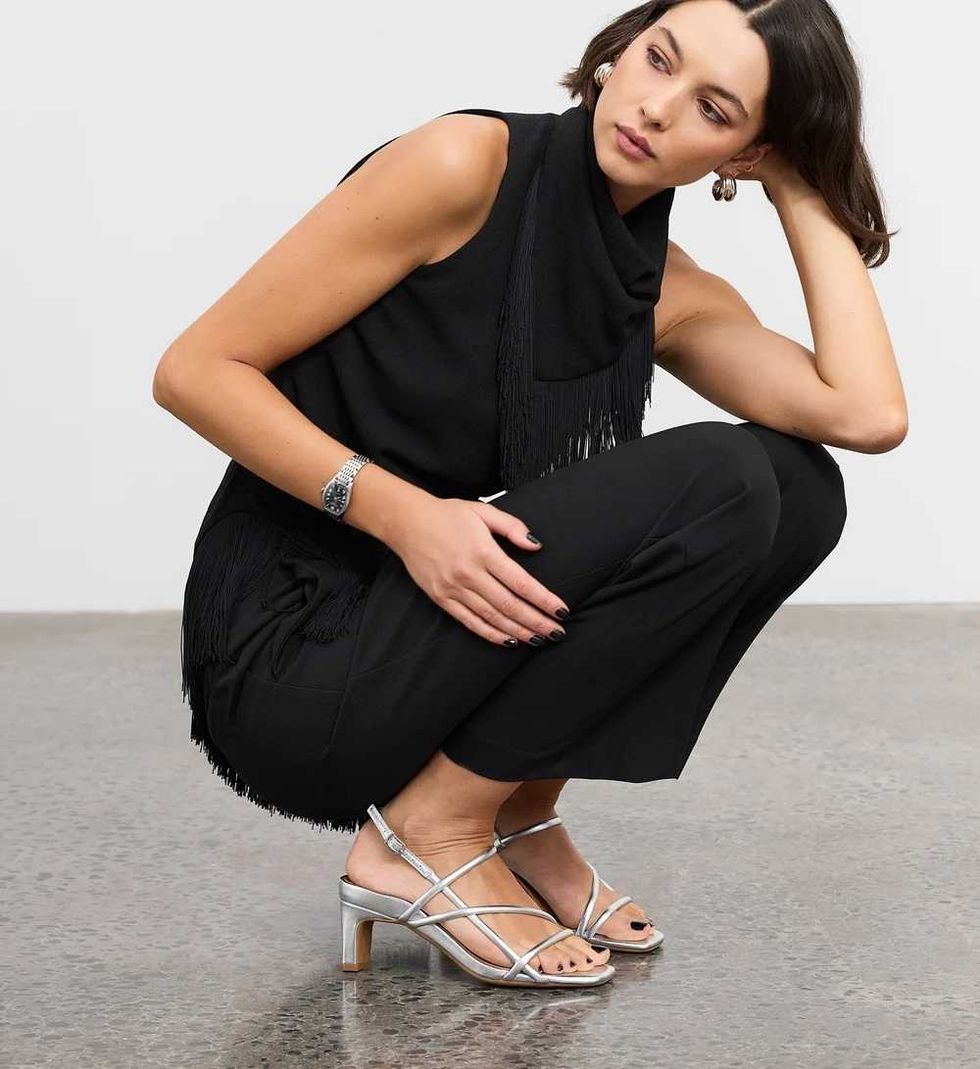 Rheom's Benree material was used for a high-heel prototype. Photo courtesy Rheom Materials