Nine Houston startups ended 2023 with a fundraise. Photo via Getty Images

Houston startups ended 2023 with a flurry of funding news — from several seeds and series As to series C rounds and extensions.

Here are nine Houston startups that secured funding in the fourth quarter of last year, according to reporting by InnovationMap. For further reading, here were 2023's top rounds raised.

Amperon Holdings Inc. closed its $20 million series B in October
It's payday for a startup that's improving analytics for its energy customers. Photo via Getty Images

A Houston startup has raised $20 million in its latest round of funding in order to accelerate its energy analytics and grid decarbonization technology.

Amperon Holdings Inc. announced today that it closed its series B round at $20 million. Energize Capital led the round and the D. E. Shaw group, Veriten, and HSBC Asset Management, an existing investor, joined in on the round. Additionally, two of Amperon's early customers, Ørsted and another strategic utility partner, participated in the series B, which brought Amperon’s total funding to $30 million.

“The energy transition is creating unprecedented market volatility, and Amperon is uniquely positioned to help market participants better navigate the transitioning grid – both in the U.S. and as we expand globally,” Sean Kelly, CEO and co-founder of Amperon, says in the release. Read more.

Velostics raised nearly $2M additional seed funding in October
Velostics has raised additional funding to grow its logistics software. Photo via velostics.com

A Houston company that's providing innovative unified scheduling software for the logistics industries has raised additional seed funding.

Houston-based Velostics Inc. raised $1.95 million, the company announced this week. The additional seed round follows a $2.5 million round announced in 2021. The Velostics platform optimizes scheduling for inbound and outbound trucks, saving companies money across the supply chain and resulting in fewer emissions from idling trucks.

“Scheduling is a major headache for all parties focused on reducing cost and delivering on high customer expectations — our cloud based solution is designed to go live in one day with no apps required,” Gaurav Khandelwal, founder and CEO of Velostics, says in a news release. Read more.

Konect.ai secured $5.5M seed funding in October

Konect.ai is using AI and natural language processing within the automotive retail industry. Image via Getty Images

A Houston startup that's using artificial intelligence and natural language processing to disrupt the retail automotive industry has raised seed funding.

Konect.ai announced a $5.5 million seed investment from Austin-based Silverton Partners. The funding will support the company's development of its software, which hopes to advance communications between auto dealerships and auto tech companies and customers.

"This investment from Silverton Partners is a strong validation of our vision and the hard work of our talented team. With this support, we are poised to accelerate our growth and continue to innovate, bringing the most advanced conversational AI products to the automotive retail industry," Cole Kutschinski, president and CEO of Konect.ai, says in a news release. Read more.

Graylog closed $9M in a series C extension round and $30M in financing in October

Graylog, a Houston SaaS company, has new fuel to scale and develop its product. Photo via Getty Images

A Houston software-as-a-service company has secured $39 million in financing and announced its latest upgrade to its platform.

Graylog, which has created an innovative platform for cybersecurity and IT operations, raised equity funding with participation from new investor Silver Lake Waterman and existing investors Piper Sandler Merchant Banking and Harbert Growth Partners leading the round.

“The growth we are seeing globally is a response to our team’s focus on innovation, a superior user experience, low total cost of ownership, and strong execution from our Go-To-Market and Customer Success teams,” Andy Grolnick, CEO of Graylog, says in a news release. “We expect this momentum to continue as Graylog expands its reach and raises its profile in the security market.” Read more.

RepeatMD raised $50M series A in November
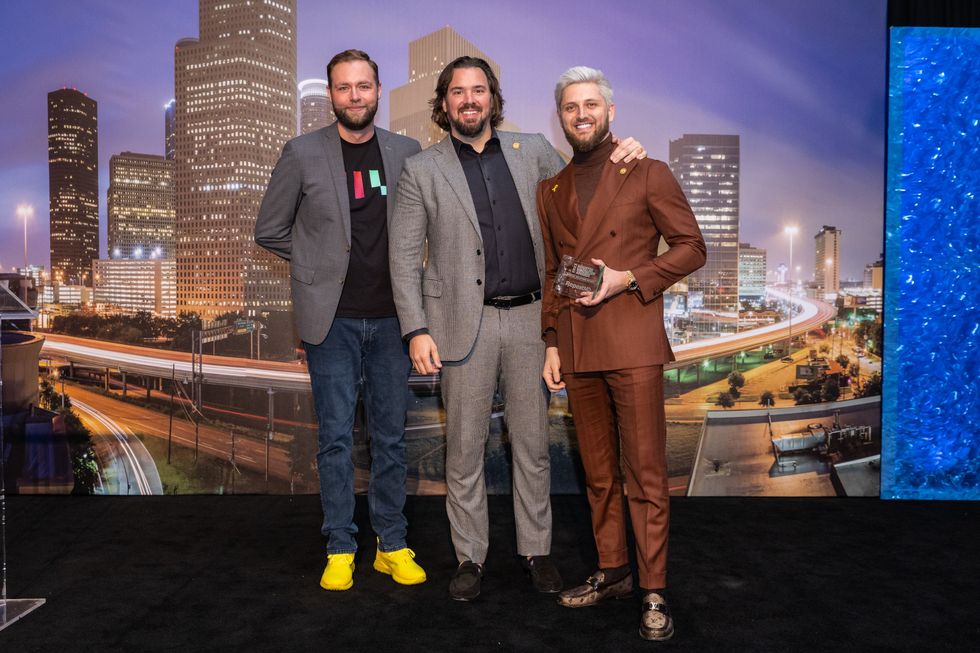
Fresh off a win at the Houston Innovation Awards, RepeatMD has raised funding. Photo by Emily Jaschke/InnovationMap

Just nine months after its seed round, a Houston startup with a software platform for the aesthetic and wellness industry has secured $40 million in venture capital and $10 million in debt facility.

RepeatMD, a SaaS platform, announced today that it's secured $50 million, which includes a $10 million debt facility from Silicon Valley Bank. The round was co-led by Centana Growth Partners and Full In Partners with participation from PROOF and Mercury Fund, which also contributed to the seed round earlier this year.

“Even though the aesthetics and wellness industry has continued to innovate a growing range of life-changing treatments, practices continue to face challenges selling treatments and services that are new and unfamiliar to patients,” Phil Sitter, CEO of RepeatMD, says in the release. Read more.

Kahuna Workforce Solutions secures $21M series B in November

Kahuna Workforce Solutions, which provides HR software solutions, announced it has closed a $21 million series B. Photo via Getty Images

A Houston company with a software platform to enhance skills management operations has raised its series B.

Kahuna Workforce Solutions announced it has closed a $21 million series B funding round led by Baltimore-based Resolve Growth Partners. Kahuna's platform provides its users — which come the from health care, energy, field service, and manufacturing industries — with effective assessment, training and development, and staffing and deployment initiatives.

“We are thrilled to work with Resolve as Kahuna begins the next growth phase. Their expertise in enterprise software, and commitment to innovation and continuous improvement fully aligns with our mission, vision, and goals for Kahuna,” Jai Shah, CEO of Kahuna Workforce Solutions, says in a news release. Read more.

Allganize closed $20 million series B in November

Allganize recently closed a $20 million series B round of funding, bringing its total amount raised to $35 million. Graphic via allganize.ai

A Houston tech startup with an artificial intelligence technology has announced it's raised two rounds of funding as it plans to continue developing its product and IPO in Japan.

Allganize recently closed a $20 million series B round of funding, bringing its total amount raised to $35 million, according to the company. Allganize developed Alli, an all-in-one platform for enabling large language models, that's used by over 200 enterprise and public companies globally, including Sumitomo Mitsui Banking Corporation, Nomura Securities, Hitachi, Fujitsu, and KB Securities.

"This investment accelerates our journey towards global expansion and achieving a milestone of listing on the Japanese stock exchange by 2025," Changsu Lee, CEO of Allganize, says in a news release. Read more.

EndoQuest Robotics Inc. announced $42 million series C in December

Houston-based EndoQuest has closed a $42 million round. Photo via Getty Images

A Houston medical device company that's tapping into robotics technology for the operating room has just announced a major chunk of fresh funding.

EndoQuest Robotics Inc. announced that it has closed a $42 million series C to advance its robot technology that's targeting endoluminal and gastrointestinal minimally invasive procedures. Returning investors, CE Ventures Limited and McNair Interests, and new investor, Puma Venture Capital, led the round of funding.

"Our investors share our vision of leveraging robotics to redefine the possibilities in minimally invasive procedures," Kurt Azarbarzin, CEO of EndoQuest Robotics, says in a press release. Read more.

Digital Wildcatters announced $2.5M seed in December

Digital Wildcatters just raised $2.5 million in funding. Image courtesy

With $2.5 million in fresh funding, Digital Wildcatters is on its way to keep empowering the evolving energy workforce.

Digital Wildcatters, a Houston company that's providing a community for the next generation of energy professionals, has closed its seed plus funding round at $2.5 million. The round by energy industry veteran Chuck Yates, who also hosts his podcast "Chuck Yates Needs a Job" on the Digital Wildcatters' podcast network.

"Our industry's survival depends on recruiting the next generation of energy workers. We must adapt to their digital, content-rich world, as we currently lag behind, like a VHS tape in a Netflix world. Digital Wildcatters is our path to modernization," Yates says. Read more.
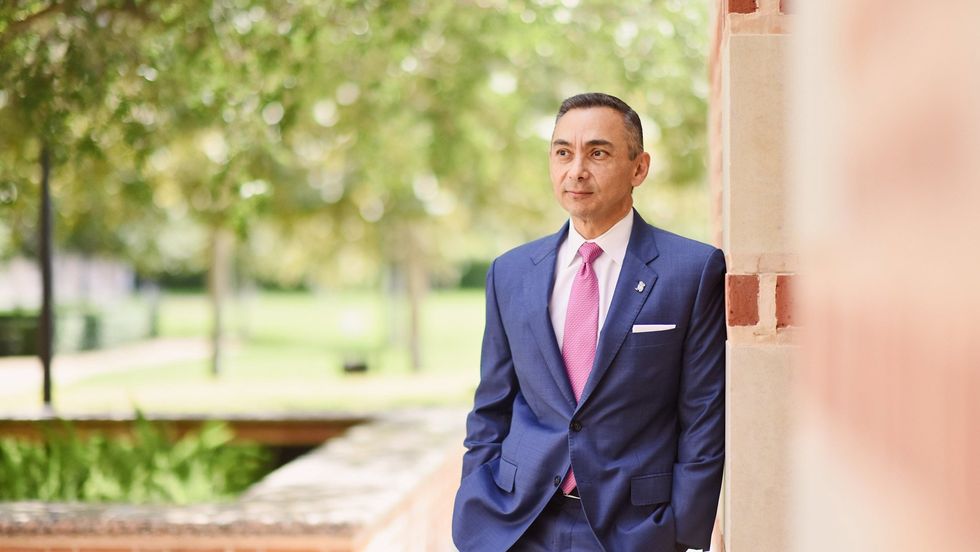
This week's roundup of Houston innovators includes Peter Rodriguez of Rice University, Kike Oduba of WellnessWits, and Phil Sitter of RepeatMD. Photos courtesy

3 Houston innovators to know this week

who's who

Editor's note: In this week's roundup of Houston innovators to know, I'm introducing you to three local innovators across industries recently making headlines in Houston across business, software, and digital health.

Peter Rodriguez, dean of Rice University's Jones Graduate School of Business

Peter Rodriguez joins the Houston Innovators Podcast to discuss the school's growth and development as an innovation leader. Photo courtesy Annie Tao/Rice University

Entrepreneurship doesn't require a MBA from Rice University, but Dean Peter Rodriguez wants to make sure that the students who do pass through the halls of the Jesse H. Jones Graduate School of Business are well prepared for creating a successful company.

"We really want to be the deliverer of the software in people's brain of how to launch great companies and to be trumpeting the opportunities here," he says on the Houston Innovators Podcast.

Rodriguez joined the school as dean in 2016, and since then he's doubled MBA enrollment, grown the tenure-track faculty by over 40 percent, launched an online graduate degree, created an undergraduate business major, and more.

"When I came here, I thought Rice had the best strategic foundation of any university for a great business school — and a lot of that is being really closely connected to Houston and bringing in innovation," he says on the show. Read more.
Kike Oduba, founder and CEO of WellnessWits

WellnessWits, founded by Kike Oduba to enhance patient-physician interaction, has integrated AI with the help of IBM. Photo via WellnessWits.com

A Houston startup aimed at transforming healthcare with solutions for chronic disease and its prevention has teamed up with IBM technology.

WellnessWits has embedded IBM watsonx Assistant into its app for both iOS and Android. By making generative AI part of the app, WellnessWits now boasts an AI-based chat functionality.

That cutting-edge aspect of the platform allows patients to get information on chronic disease more quickly than ever, even before meeting with their physician. But it helps with that, too, aiding in scheduling appointments more easily with doctors who specialize in a host of chronic maladies.

“I founded WellnessWits as a platform for shared medical appointments where doctors with large patient loads can see them in groups and offer collective shared medical experiences to people suffering from chronic conditions. The goal is to bridge this divide, leveraging the strength of digital communities to enhance the overall well-being and healthcare experiences of individuals everywhere,” WellnessWits Founder and CEO Dr. Kike Oduba, a physician and informatician, writes in a blog post. Read more.
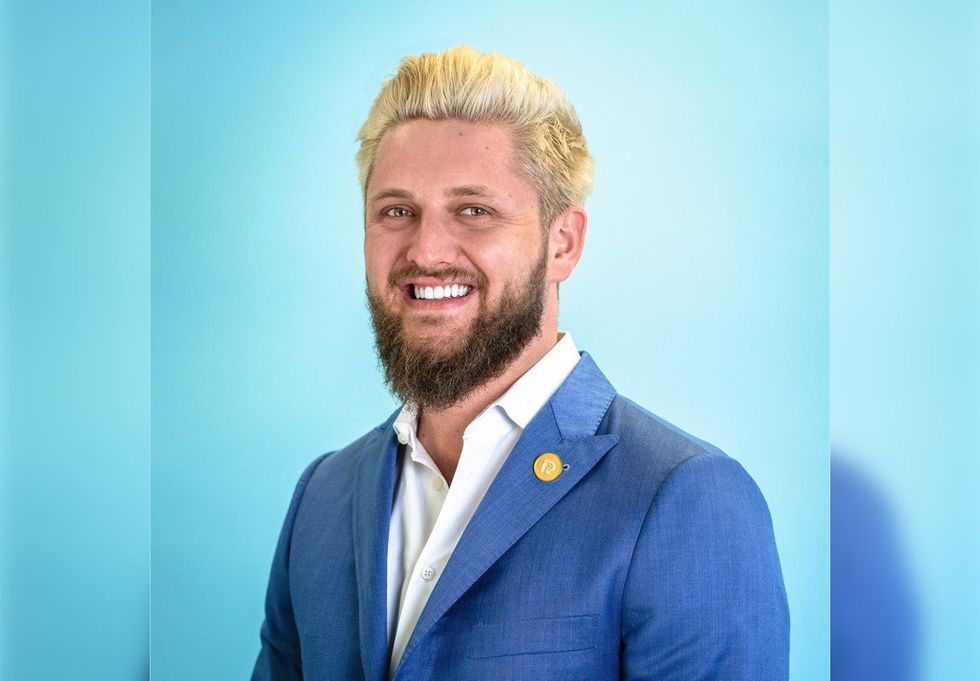
Phil Sitter, founder and CEO of RepeatMD

Fresh off a win at the Houston Innovation Awards, Phil Sitter's RepeatMD has raised funding. Photo via RepeatMD

Just nine months after its seed round, a Houston startup with a software platform for the aesthetic and wellness industry has secured $40 million in venture capital and $10 million in debt facility.

RepeatMD, a SaaS platform, announced today that it's secured $50 million, which includes a $10 million debt facility from Silicon Valley Bank. The round was co-led by Centana Growth Partners and Full In Partners with participation from PROOF and Mercury Fund, which also contributed to the seed round earlier this year.

The mobile ecommerce platform, launched in October 2021 by Phil Sitter, targets practices within the med spa and aesthetics industry. In the United States, the med spa market is slated to hit $19 billion in 2023, according to the company's press release, while the global aesthetics market is forecasted to reach to nearly $332 billion by 2030.

“Even though the aesthetics and wellness industry has continued to innovate a growing range of life-changing treatments, practices continue to face challenges selling treatments and services that are new and unfamiliar to patients,” Sitter, CEO of RepeatMD, says in the release. “Our goal at RepeatMD is to give these practice owners the technology to elevate their patients’ experience. Our platform serves as a med-commerce engine equipped with the same firepower as large retailers to convert sales inside and outside of practice operating hours.” Read more.
Fresh off a win at the Houston Innovation Awards, RepeatMD has raised funding. Photo by Emily Jaschke/InnovationMap

Houston software company raises $50M series A, plans to scale

fresh funding

Just nine months after its seed round, a Houston startup with a software platform for the aesthetic and wellness industry has secured $40 million in venture capital and $10 million in debt facility.

RepeatMD, a SaaS platform, announced today that it's secured $50 million, which includes a $10 million debt facility from Silicon Valley Bank. The round was co-led by Centana Growth Partners and Full In Partners with participation from PROOF and Mercury Fund, which also contributed to the seed round earlier this year.

The mobile ecommerce platform, launched in October 2021 by Phil Sitter, targets practices within the med spa and aesthetics industry. In the United States, the med spa market is slated to hit $19 billion in 2023, according to the company's press release, while the global aesthetics market is forecasted to reach to nearly $332 billion by 2030.

“Even though the aesthetics and wellness industry has continued to innovate a growing range of life-changing treatments, practices continue to face challenges selling treatments and services that are new and unfamiliar to patients,” Sitter, CEO of RepeatMD, says in the release. “Our goal at RepeatMD is to give these practice owners the technology to elevate their patients’ experience. Our platform serves as a med-commerce engine equipped with the same firepower as large retailers to convert sales inside and outside of practice operating hours.”

The fast-growing company, which has over 100 employees and is looking to hire 20 more according to InnovationMap data, has a client base of 2,500 med spas, dermatologists, OBGYNs, and more across all 50 states. The startup won in the Digital Solutions category at the 2023 Houston Innovation Awards, which took place earlier this month.

“Just 9 months ago Mercury provided RepeatMD’s Seed financing round. We have quickly doubled down in its Series A because of the company's massive traction, customer adoption and Phil’s leadership,” Aziz Gilani, managing director of Mercury Fund, says in the release.

In the past year, RepeatMD reports a 2,519 percent increase in Gross Merchandise Value revenue and a 130 percent increase in SaaS revenue.

“As investors in growth-stage vertical SaaS companies, we’ve closely followed the rise of platforms that not only help practitioners run their businesses, but also drive a higher ROI go-to-market motion,” Jacob Cole, principal at Full In Partners, adds. “RepeatMD stood out both for helping clinics access higher-margin, recurring revenue, and for their customer-centric mindset.”

RepeatMD will use the funding to grow its "network of strategic partners, provide further product enhancements, and integrate AI to further amplify the patient shopping experience while scaling its Inbound Revenue Platform," per the release.

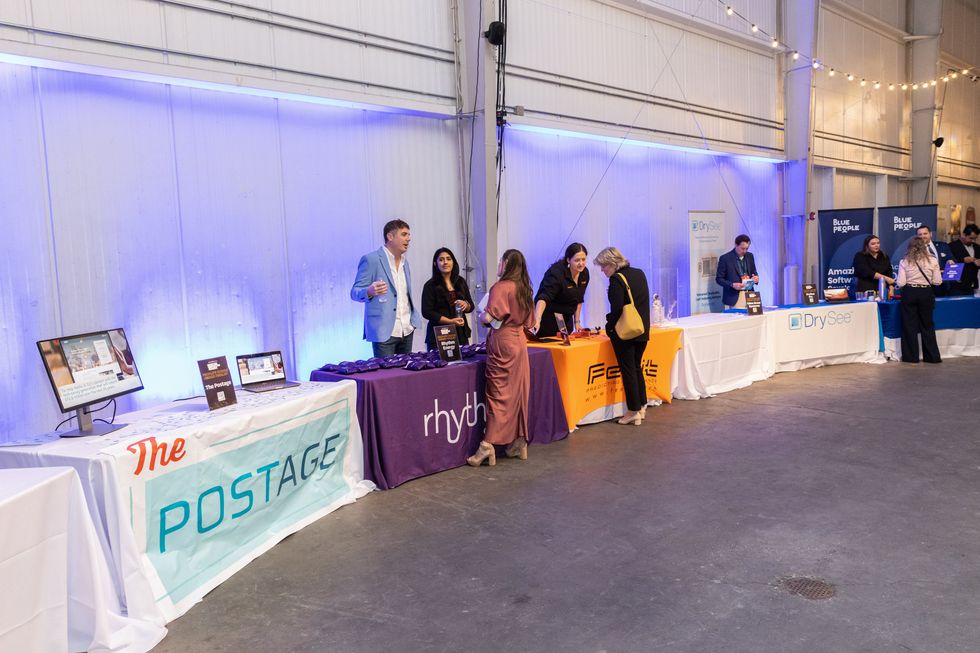
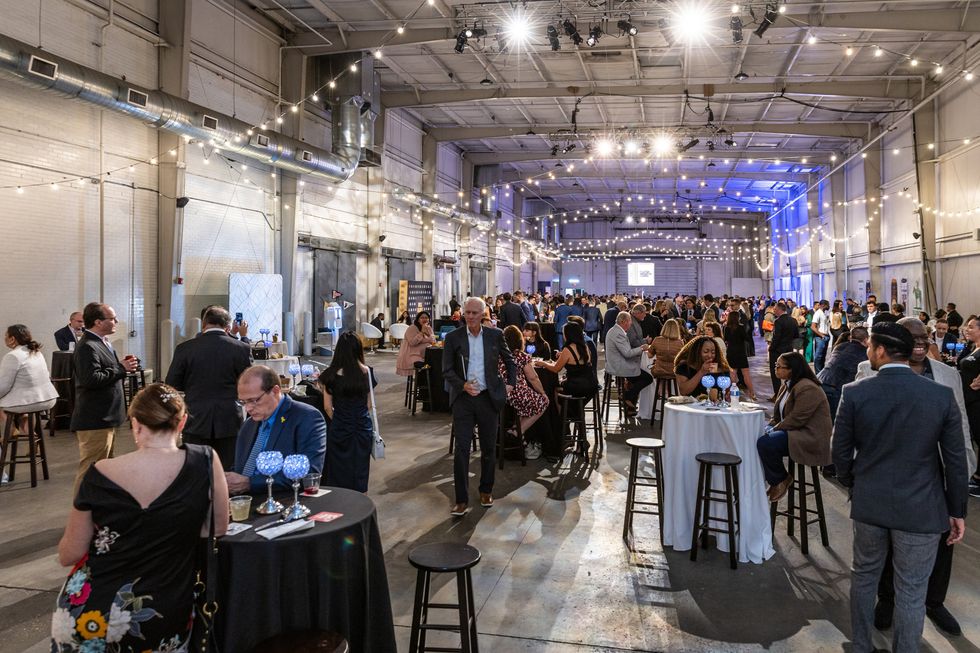
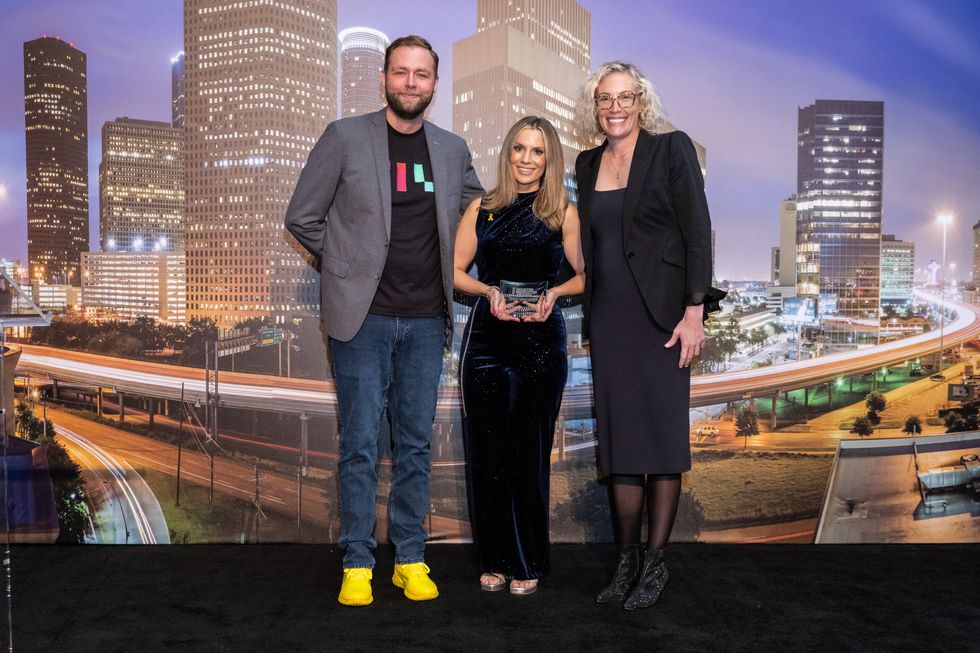
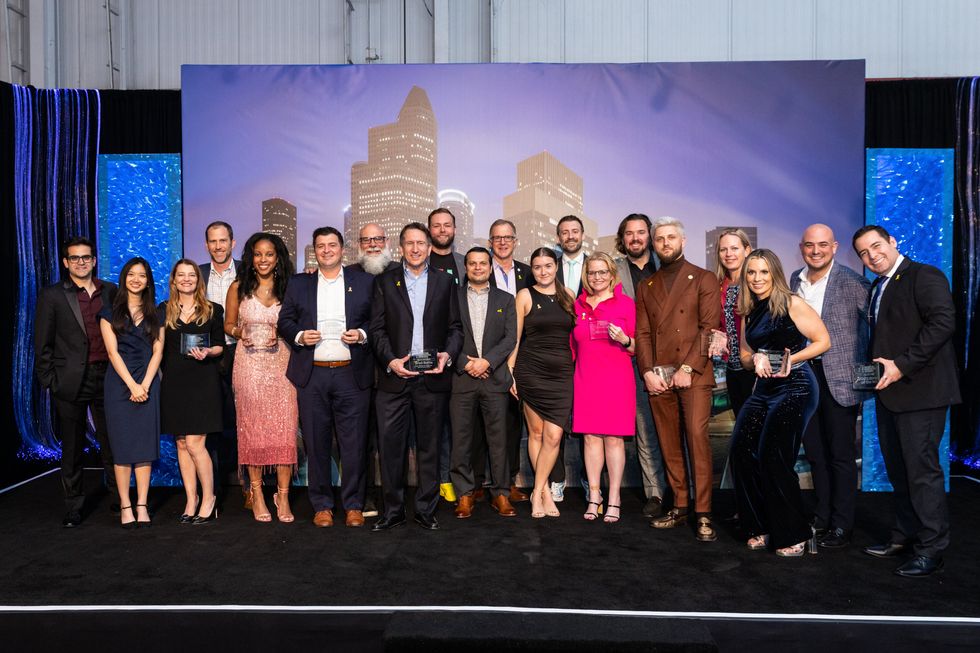
The 2023 Houston Innovation Awards celebrated Houston's tech and entrepreneurship community. Photo by Emily Jaschke/InnovationMap

Photos: Houston innovation ecosystem celebrates wins at annual event

Houston Innovation Awards

That's a wrap on the 2023 Houston Innovation Awards — and boy did the event deliver on networking, award wins, and plenty of celebrating Houston's tech and entrepreneurship community.

With a crowd of around 600 attendees, the Houston Innovation Awards, which took place on November 8 at Silver Street Studios in partnership with Houston Exponential, celebrated over 50 finalists and a dozen winners across categories. Click here to see who won an award.

Learn more about this year's honorees in InnovationMap's the editorial series:

See below for photos from the event.

The 2023 Houston Innovation Awards took place on Nov. 8.

Photo by Emily Jaschke/InnovationMap

The 2023 Houston Innovation Awards revealed its big winners across 13 categories. Photos courtesy

Houston Innovation Awards winners revealed at 2023 event

drum roll, please...

Who are the top innovators and startups in Houston? We just found out for you.

The Houston Innovation Awards honored over 50 finalists categories, naming the 12 winners at the event. The 2023 Trailblazer Award recipient, Brad Burke, managing director of the Rice Alliance for Technology and Entrepreneurship, was also honored at the event by inaugural winner, Barbara Burger.

The 2023 judges — who represent various industries and verticals in Houston — scored over 200 submissions. The event, hosted November 8 in partnership with Houston Exponential and emceed by Scott Gale, executive director of Halliburton Labs, revealed the winners.

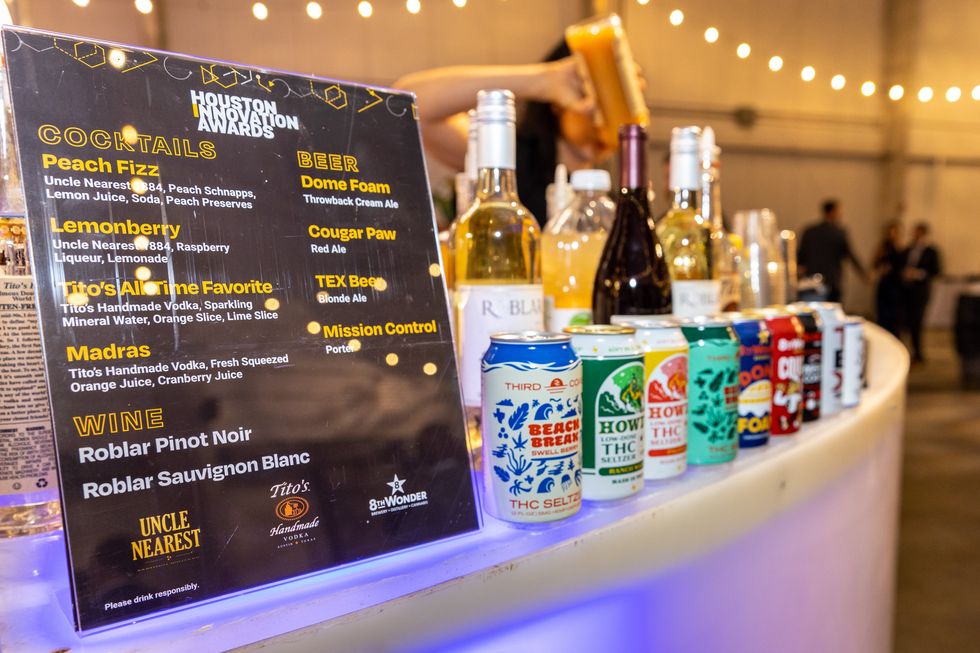
The event's sponsors included Halliburton Labs, Microsoft, The Ion, Houston Community College, Houston Energy Transition Initiative, NOV, Tito's Handmade Vodka, Uncle Nearest Premium Whisky, 8th Wonder Brewery, and 8th Wonder Cannabis.

Without further adieu, here the winners from the 2023 Houston Innovation Awards.

BIPOC-Owned Business: Milkify

The winner of the BIPOC-Owned Business category, honoring an innovative company founded or co-founded by BIPOC representation, is Milkify, a service that turns breast milk into a shelf-stable powder.

Female-Owned Business: The Postage

The winner of the Female-Owned Business category, honoring an innovative company founded or co-founded by a woman, is The Postage, a comprehensive life planning and succession software platform for families and small businesses.

Hardtech Business: Syzygy Plasmonics

The winner of the Hardtech Business category, honoring an innovative company developing and commercializing a physical technology, is Syzygy Plasmonics, a deep decarbonization company that builds chemical reactors designed to use light instead of combustion to produce valuable chemicals like hydrogen and sustainable fuels.

Digital Solutions Business: RepeatMD

The winner of the Digital Solutions Business category, honoring an innovative company developing and programming a digital solution to a problem in an industry, is RepeatMD, software platform for customer loyalty, eCommerce, and fintech solutions to enhance the patient experience and provide a new source of revenue for the aesthetics and wellness space.

Social Impact Business: ALLY Energy

The winner of the Social Impact Business category, honoring an innovative company providing a solution that would enhance humanity or society in a significant way, is ALLY Energy, helping energy companies and climate startups find, develop, and retain great talent.

Sustainability Business: Fervo Energy

The winner of the Sustainability Business category, honoring an innovative company providing a solution within renewables, climatetech, clean energy, alternative materials, circular economy, and beyond, is Fervo Energy, leveraging proven oil and gas drilling technology to deliver 24/7 carbon-free geothermal energy.

Life Science Business: CellChorus

The winner of the Life Science Business category, honoring an innovative company within the health and medical industries designing a treatment or technology, is CellChorus, using AI to evaluate immune cell function and performance to improve the development and delivery of therapeutics.

Corporate of the Year: Houston Methodist

The winner of the Corporate of the Year category, honoring a corporation that supports startups and/or the Houston innovation community, Houston Methodist, a hospital system and health care innovation leader.

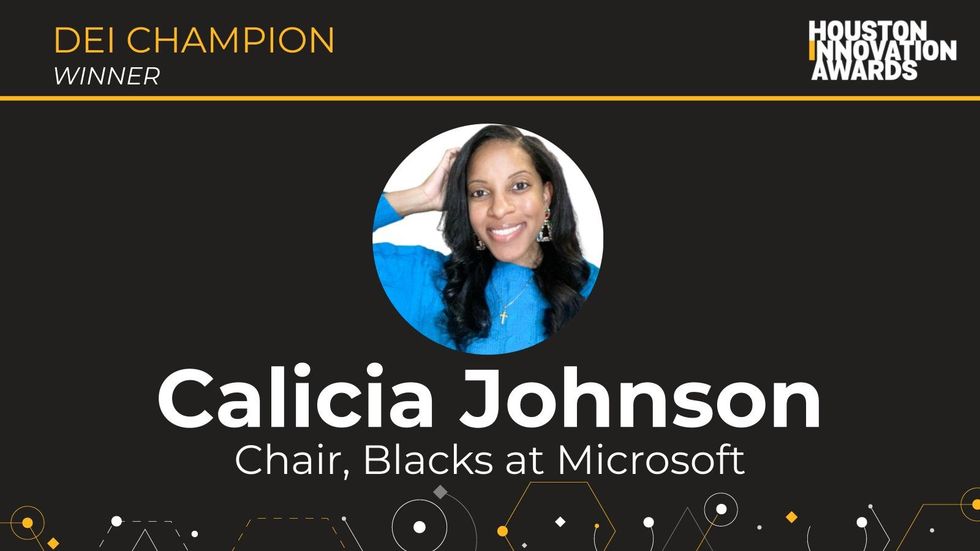
DEI Champion: Calicia Johnson

The winner of the DEI Champion, honoring an individual who is leading impactful diversity, equity, and inclusion initiatives and progress within Houston and their organization, is Calicia Johnson, chair of Blacks at Microsoft Houston.

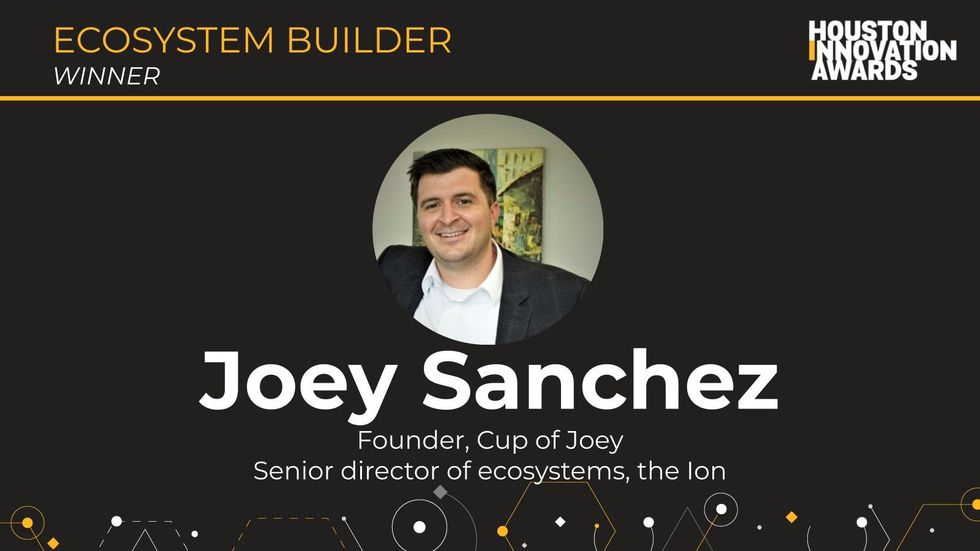
Ecosystem Builder: Joey Sanchez

The winner of the Ecosystem Builder category, honoring an individual who has acted as a leader in developing Houston’s startup ecosystem, is Joey Sanchez, founder of Cup of Joey and senior director of ecosystems at the Ion.

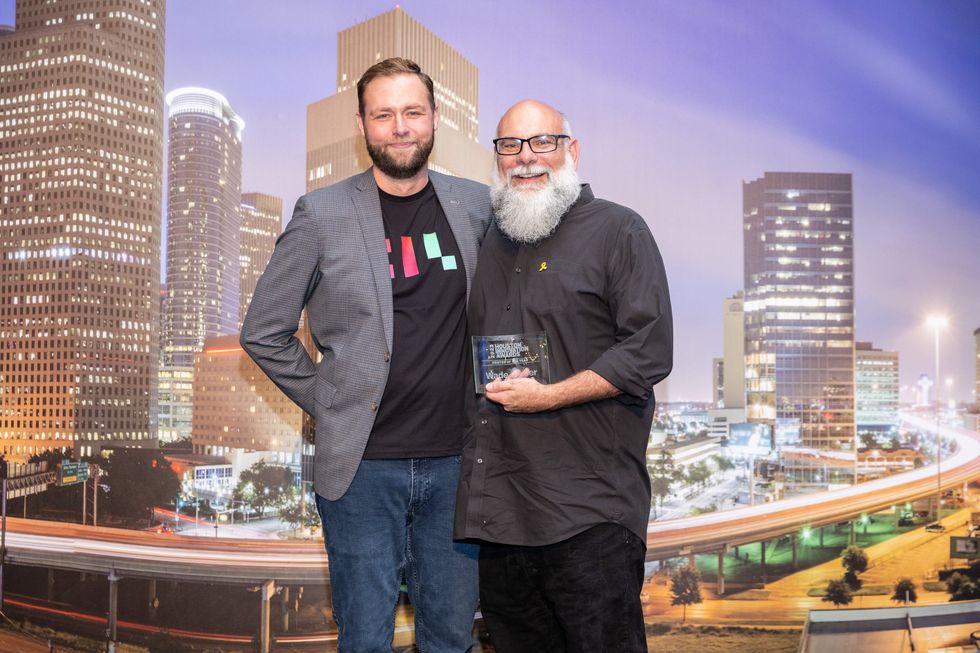
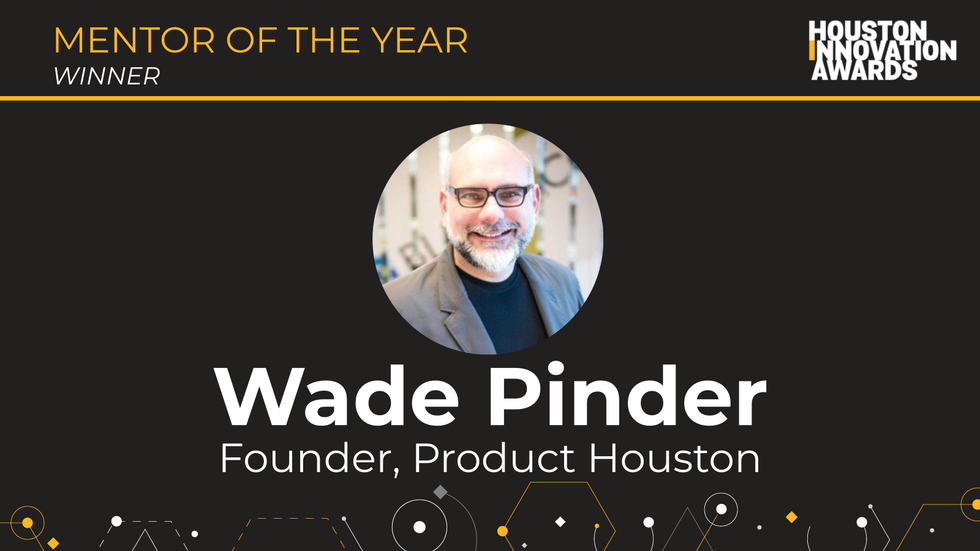
Mentor of the Year: Wade Pinder

The winner of the Mentor of the Year category, honoring an individual who dedicates their time and expertise to guide and support to budding entrepreneurs, is Wade Pinder, founder of Product Houston.

People's Choice: 

The winner of the People's Choice: Startup of the Year category, selected via an interactive voting portal during the event, is Blue People, helping bring ideas to life through software development expertise.

Want to work for one of the top startups in Houston? Some of the best in Houston are hiring. Photo by Tima Miroshnichenko from Pexels

Looking for a job? These 2023 Houston Innovation Awards finalists are hiring

calling all applicants

More than half of this year's startup finalists in the Houston Innovation Awards are hiring — who's looking for a job at one of the best startups in Houston?

When submitting their applications for the 2023 Houston Innovation Awards, which is taking place November 8 at Silver Street Studios, every startup was asked if it's hiring. Twenty-seven of the 35 startup honorees said yes, ranging from over 20 to just one positions open at each company.

Click here to secure your tickets to see which of these growing startups win.

Here's a look at which of the top startups in Houston are seeking new team members.

Double-digit growth

When it comes to the awards finalists looking to scale their team by 10 or more new hires, five finalists are growing rapidly.

Medical practice software platform RepeatMD, fresh off a $40 million raise — which included participation from Houston-based Mercury — is reportedly growing its team. The company, which has 115 employees already, is looking for over 20 new hires.

Female-owned business Feelit Technologies, which is using nanotechnology for preventive maintenance to eliminate leaks, fires and explosions, increase safety and reduce downtime, has 50 employees, and only three of which are in Houston – for now. The company hopes to grow its team by 12 to 15 employees in Houston alone.

Square Robot, an energy industry-focused robotics company that recently grew its presence in Houston, is hiring 10 to 30 new team members. It has 24 employees already in Houston.

Solugen, an alternative chemicals business, has around 140 of its 200 employees in Houston. The company, which has raised over $600 million to date, is hiring an additional 10 to 15 new hires.

Additionally, Blue People, also a finalist in last year's awards, is hiring 25 new employees. The company was founded in 2015 in Mexico and relocated its primary operations to Houston in 2020. Blue People, which develops software innovation for its clients, has over 150 employees — 10 of whom, including C-level executives, are based in Houston. Some of the company's new hires will be based in town.

Steady growth

Four Houston startups are hiring within the six to 10 team member range — all with fairly significant employee counts already.

A finalist in last year's awards too, Venus Aerospace, a hypersonics company on track to fly reusable hypersonic flight platforms by 2024, is again growing its team. With 48 on-site employees and 23 working remotely, Venus's team will add another five to 10 employees.

Syzygy Plasmonics, a deep decarbonization company that builds chemical reactors designed to use light instead of combustion to produce valuable chemicals like hydrogen and sustainable fuels, has 112 employees in Houston and plans to hire another eight to its team.

Lastly, Fervo Energy, which recently raised $10 million, has 63 full-time employees (34 in Houston, 29 outside of Houston) and looking to hire seven more.

Seeking selectively

The following awards finalists are looking to grow their teams by just a handful or so — between one and five — of new hires:

  • ALLY Energy, helping energy companies and climate startups find, develop, and retain great talent.
  • CaseCTRL, an AI-powered surgery scheduling and coordination software for optimized procedures.
  • CellChorus, using AI to evaluate immune cell function and performance to improve the development and delivery of therapeutics.
  • FluxWorks, making frictionless gearboxes for missions in any environment.
  • Helix Earth Technologies, decarbonizing the built environment and heavy industry.
  • Hope Biosciences, a clinical stage biotechnology company focused on the development and delivery of adult stem cell based therapeutics.
  • Innovapptive, empowering the deskless workers in operations, maintenance and warehouses by unlocking the power of SAP through mobility.
  • INOVUES, re-energizing building facades through its non-invasive window retrofit innovations, making building smarter, greener, and healthier for a better and sustainable future.
  • Koda Health, , a tech-enabled care coordination service to improve serious illness care planning and drive savings for value-based care at scale.
  • Molecule, an energy/commodity trading risk management software that provides users with an efficient, reliable, responsive platform for managing trade risk.
  • Rhythm Energy, 100 percent renewable electricity service for residential customers in Texas.
  • Starling Medical, bringing the future of a proactive and predictive home-based healthcare system to patients today through passive AI powered at home urine screening.
  • Taurus Vascular, pioneering a new era of aortic aneurysm treatment by developing minimally invasive catheter solutions to drive better long-term patient outcomes.
  • Tierra Climate, decarbonizing the power grid faster by helping grid-scale batteries monetize their environmental benefits and change their operational behavior to abate more carbon.
  • UpBrainery Technologies, an innovative educational technology company that provides personalized and adaptive learning experiences to learners
  • Utility Global, a technology company converting a range of waste gases into sustainable hydrogen and syngas.
  • Voyager Portal, helping commodity shippers identify root causes of demurrage, reduce risk and streamline the entire fixture process.

Ad Placement 300x100
Ad Placement 300x600

CultureMap Emails are Awesome

Texas still No. 1 in U.S. for inbound moves, but growth dips

by the numbers

Texas continues to be the country’s No. 1 magnet for newcomers from other states, giving a boost to the state’s economy. However, Texas’ appeal weakened in 2024 compared with the previous year, due in large part to spiking home prices.

An analysis of U.S. Census Bureau data by self-storage platform StorageCafe shows Texas saw net interstate migration of 76,000 people in 2024. Texas’ net interstate migration dropped nearly 50 percent from 2023, according to the analysis. Net migration refers to the number of incoming residents minus the number of outgoing residents.

California remained the top source of newcomers for Texas, sending nearly 77,000 residents to the Lone Star State in 2024, the analysis says. Florida ranked second, followed by New York, Colorado and Illinois.

“These trends reveal Texas’ continued pull from both high-cost coastal markets and other large Sun Belt states, resulting in a mix of affordability-driven and job-driven relocation,” StorageCafe says.

Putting a damper on the influx of new residents: a roughly 124 percent surge in Texas home prices over the past decade, according to StorageCafe.

“While the state remains significantly more affordable than California, its top feeder state, the once-wide pricing gap has narrowed,” says StorageCafe. “For many movers, Texas is still a relative bargain, but no longer an undisputed one.”

Nonetheless, Texas keeps attracting young, highly educated people, which bodes well for the state’s long-term economic outlook, StorageCafe says. More than half of new arrivals to Texas in 2024 held at least a bachelor’s degree, and the age of newcomers averaged 32.

Where are most of these young, highly educated newcomers settling?

Lloyd Potter, former Texas state demographer, tells StorageCafe that population growth in Texas is happening most rapidly in suburban “ring counties” at the expense of slowing growth in urban cores. Ring counties are on the outskirts of major metro areas.

“Many people are moving from urban cores to suburban rings seeking lower costs, newer housing, better schools, and more space,” Potter says. “Typically, a move to a suburban county will be within commuting or hybrid‑commuting distance of major metro economies.”

Artemis II makes historic call to space station with help from Houston Mission Control

History in the making

Still aglow from their triumphant lunar flyby, the Artemis II astronauts made more history Tuesday, April 7: calling their friends aboard the International Space Station hundreds of thousands of miles away as they headed home from the moon.

It was the first moonship-to-spaceship radio linkup ever. NASA's Apollo crews had no off-the-planet company back in the 1960s and 1970s, the last time humanity set sail for deep space.

"We have been waiting for this like you can’t imagine,” Artemis II commander Reid Wiseman called out.

For Christina Koch on Artemis II and Jessica Meir aboard the space station, it marked a joyous space reunion despite being 230,000 miles (370,000 kilometers) apart. The two teamed up for the world's first all-female spacewalk in 2019 outside the orbiting lab.

Koch told her “astro-sister” that she'd hoped to meet up with her again in space “but I never thought it would be like this — it's amazing.”

“I'm so happy that we are back in space together,” Meir replied, “even if we are a few miles apart.”

Houston's Mission Control arranged the cosmic chitchat between the four lunar travelers and the space station's three NASA and one French residents.

Koch described being awe-struck by not just the beauty of Earth, “but how much blackness there was around it.”

“It just made it even more special. It truly emphasized how alike we are, how the same thing keeps every single person on planet Earth alive,” she told the space station crew. “The specialness and preciousness of that really is emphasized” when viewing the home planet from the moon.

By late Tuesday afternoon, the Artemis II astronauts had beamed back more than 50 gigabytes' worth of pictures and other data from the previous day's lunar rendezvous, which set a new distance record for humanity. The highlight: an Earthset photo reminiscent of Apollo 8's Earthrise shot from 1968.

"While they are inspirational and, I think, allow all of us to really feel a little bit of what they were feeling, there's also a lot of science hidden inside of those images," said Mission Control's lead lunar scientist Kelsey Young. “The conversations and the science lessons learned are just beginning."

During a debriefing with Young, the astronauts recounted how they spotted a cascade of pinpricks of light on the lunar surface from impacting cosmic debris. The flashes lasted mere milliseconds and coincided by chance with Monday evening's total solar eclipse.

Young said it was too soon to know whether the crew witnessed an actual meteor shower or more random, run-of-the-mill micrometeoroid hits. Either way, there were “audible screams of delight” in the science operations center, she said.

Koch described being awe-struck by not just the beauty of Earth, “but how much blackness there was around it.”

“It just made it even more special. It truly emphasized how alike we are, how the same thing keeps every single person on planet Earth alive,” she told the space station crew. “The specialness and preciousness of that really is emphasized” when viewing the home planet from the moon.

The first lunar explorers since Apollo 17 in 1972, Wiseman and his crew are aiming for a splashdown off the San Diego coast on Friday to wrap up the nearly 10-day test flight. The recovery ship USS John P. Murtha left port Tuesday for the target zone.

It sets the stage for next year's Artemis III, a lunar lander docking demo in orbit around Earth. Artemis IV will follow in 2028 with two astronauts attempting to land near the lunar south pole.

As for the Orion capsule’s pesky potty, Mission Control assured the astronauts that no maintenance was required Tuesday. The toilet has been on-and-off limits to the crew ever since last week’s launch, prompting them to rely on a backup bag-and-funnel system for urinating.

NASA Administrator Jared Isaacman told the crew following the lunar flyby Monday night: “We definitely have to fix some of the plumbing” ahead of the next Artemis mission. Engineers suspect a clogged filter in the overboard flushing system.

Aside from the toilet and other relatively minor matters, the mission has gone well, Isaacman noted at a news conference Tuesday, “but I'll breathe easier when we get through reentry and everybody's under chutes and in the water.”

AI-powered Houston startup helps restaurants boost customer loyalty

order up

It’s no secret that restaurant trends move fast and margins run thin. And with the proliferation of platforms like Uber Eats, DoorDash and Easy Cater, customer loyalty is fleeting.

The solution?

How about an AI-powered restaurant technology platform that helps restaurant brands cut back on third-party platforms in favor of driving direct discovery, conversion and loyalty?

Enter Saivory. Founded in 2025 by Stephen Klein, a software investor, and Fajita Pete’s restaurateur Hugh Guill, the Houston-based startup aims to help eateries better understand and activate guest behavior across digital channels as AI increasingly reshapes how consumers discover and engage with brands.

In less than a year, Saivory has partnered with Shipley Do-Nuts and Fajita Pete’s to bring AI-powered ordering to life.

“With Saivory, we were able to answer the question of, ‘what if the ordering process could be reduced to a single step, where customers simply tell us what they want and AI takes care of the rest?’” Klein tells InnovationMap.

The Houston-based startup made such an immediate impact that it was selected as a semi-finalist during Start-Up Alley at MURTEC, the restaurant industry’s leading technology conference, which took place last month in Las Vegas.

“Houston is a great hub for technology innovation, and we were proud to represent the city at MURTEC this year,” says Klein. “We didn’t win, but we were able to talk about some of the work that we have existing in the market for clients right now and a little bit about what we’re working on in the future.”

In the current restaurant technology ecosystem, the third-party aggregators own the customer attention that brings volume to restaurants, while also taking big commissions and having control over the end relationships with the customer.

That can often make it difficult for restaurants to grow loyalty and repeat business from customers. Saivory aims to level the playing field for restaurants, helping them stay more connected to their customers.

Take Saivory’s recent application with Shipley’s Do-Nuts, for example.

Saivory powered the donut giant’s AI-ordering and launched Shipley's website and mobile app to support its over 300 locations in Texas alone.

Shipley’s new AI-powered assistant helps users create personalized order recommendations based on individual or group preferences. And unlike standard chatbox features, the new assistant makes custom recommendations based on multiple customer factors, including budgetary habits, individual flavor preferences and order size. It can also be used for large catering orders.

“They're seeing more traffic to the site and they're seeing when customers use our AI-enabled flows,” Klein says. “And they're seeing higher basket sizes, bigger tickets, by about 25 percent.”

Klein says Saivory’s technology helps strengthen first-party digital relationships, reduce friction and cart abandonment, improve average order value, and delivers personalized, efficient experiences.

“It’s a win-win: the customer gets the right order quickly, while the restaurant gets a bigger margin,” he adds.

Additionally, the technology makes it easier for restaurants to share rewards, loyalty and discounts, ultimately growing more direct traffic and making restaurants less reliant on third-party delivery apps.

Next up for Saivory is adding new components to its platform to enhance the relationship between restaurant and customer, as well as technology around making it easier for restaurants to get found on Google.

“A lot of people are still searching for the best donuts near me,” Klein says. “Or what’s the best Mexican food near me? Customers will increasingly move to AI, where they’re going to ask where they should eat dinner and expect it to just order them dinner. They will eventually expect the technology to know how to do that. So that’s what we’re driving at.”