Houston startups carried the fundraising momentum of Q1 and Q2 into July with several significant seed funding, Series A and Series B rounds.
From geothermal leaders to medtech innovators, these six Houston companies raised more than a quarter billion dollars last month alone, according to reporting by InnovationMap and our sister site, EnergyCapitalHTX.com.
Did we miss a funding round? Let us know by emailing innoeditor@innovationmap.com.

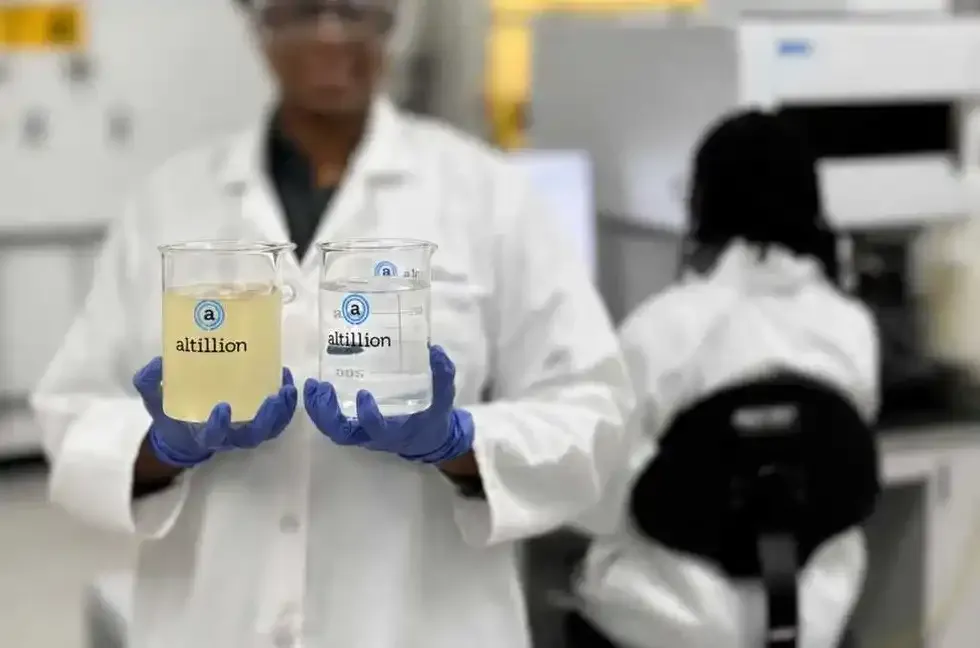
Houston-based startup Altillion has secured $5 million in seed funding to accelerate the commercialization of its proprietary IRIS and ALIX technologies, which convert oilfield-produced water into valuable minerals, the company reported earlier this month.
San Francisco-based EIC Rose Rock and Houston-based Flathead Forge led the round. Altillion says the funding will go toward pilot facilities and commercial deployments as the company looks to scale in the U.S. Continue reading.

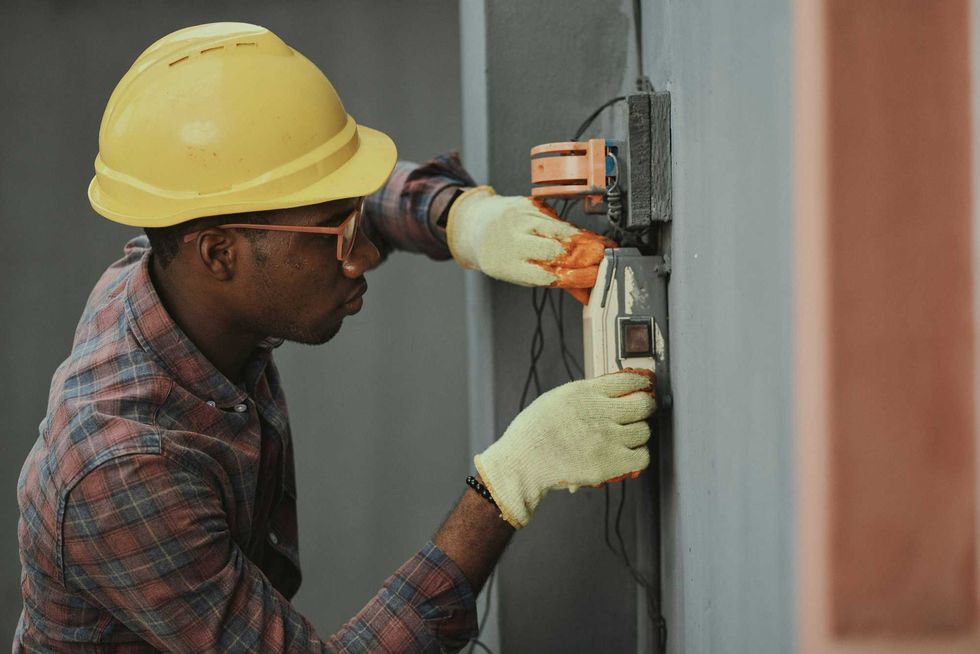
The U.S. is grappling with a current shortage of 50,000 electricians, according to the National Electrical Contractors Association. Photo via Unsplash
Houston-based Buildforce, which provides a tech-enabled staff platform geared toward electricians and electrical contractors, closed a $10 million Series A round led by Houston’s Saepio Capital last month.
Other investors in the round include Blue Heron Capital, Revolution’s Rise of the Rest Seed Fund, S3 Ventures and Chicago Ventures.
Buildforce says the funding will help fuel its national expansion and further development of its technology.
The startup, founded in 2019, connects electricians with electrical contractors for commercial and industrial construction projects. Continue reading.

The company develops ultra-high-temperature tools to withstand the heat of geothermal reservoirs. Photo via hephaeet.com
Houston-area startup Hephae Energy Technology Corp. closed a $17.8 million Series A financing round last month to commercialize its geothermal technology.
The round was co-led by Pennsylvania-based Susquehanna Sustainable Investments, which invests in early-stage climatech companies, and Copenhagen-based Underground Ventures, which focuses on geothermal energy startups. Alfa8, Baruch Future Ventures, Centaurus Capital LP, Elemental Impact, Exa Ventures, Future Ventures, Grantham Foundation for the Protection of the Environment, New System Ventures and True North Institute joined the round, along with existing Houston-based investor Nabors Industries. Hephae reports in a news release that the Series A round brings the company's total capital raised to $24.7 million. Continue reading.

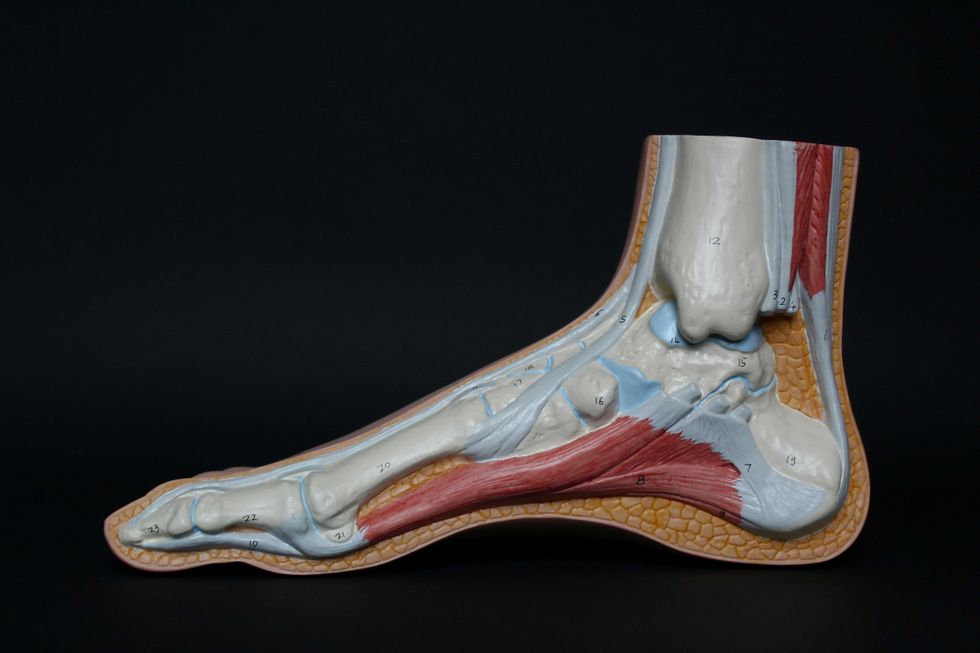
The company's B3 GEL System is designed to protect tendons, ligaments and muscles while they heal from orthopedic surgery. Photo via Unsplash
Houston-based healthtech startup TYBR Health has raised a $30 million Series A round to scale its B3 GEL System, which helps protect tendons from scarring after surgery, the company announced last month.
The round was led by Minneapolis-based Vensana Capital and Cleveland-based Mutual Capital Partners, with participation from Denver-based Neovate Capital Partners and existing investors, according to a news release from the company.
TYBR Health said it plans to use the funding to broaden the B3 GEL System's clinical applications, expand commercialization and conduct studies to evaluate its ability to protect tissue and improve healing outcomes. Continue reading.

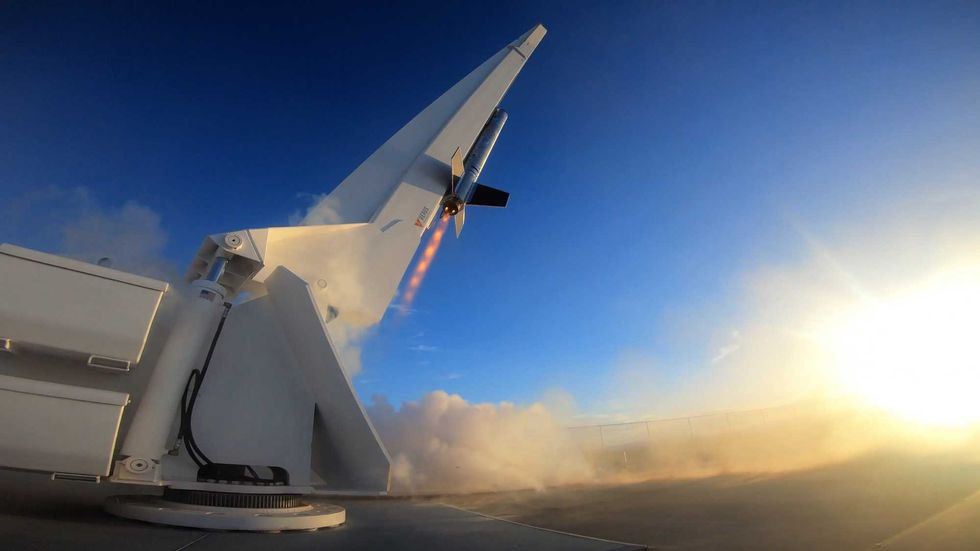
Venus Aerospace has secured funding from Mercury Fund, Lockheed Martin Ventures and others. Photo courtesy Venus Aerospace
Houston-based Venus Aerospace closed a $91 million Series B round last month and plans to scale the production of its hypersonic engine.
The round was led by Houston-based Mercury Fund with participation from Lockheed Martin Ventures, MESH, PEAK6, Draper Associates, Starboard Star Venture Capital, Green Sands Equity and other investors, according to a news release.
The investment comes about a year after Venus completed the first U.S. flight test of its high-thrust rotating detonation rocket engine (RDRE). The engine is expected to enable vehicles to travel four to six times the speed of sound from a conventional runway and is about 15 percent more efficient than traditional alternatives, according to the company. Continue reading.

A rendering of a Quaise Energy geothermal plant. Rendering via quaise.com
Houston-based Quaise Energy, a producer of utility-scale geothermal power, closed $134 million in a Series B round last month to advance its “superhot” geothermal power plant.
Climate-focused San Francisco-based investment firm Prelude Ventures led the round, with participation from JERA Co., Japan’s largest power generation company, and Idemitsu Kosan, one of Japan’s largest energy companies. Nearly all existing investors, including cleantech-focused investment firm Safar Partners, participated in the round.
The startup expects more equity and debt deals to close “imminently.” Quaise has raised $230 million since its founding in 2018. Continue reading.