Editor's note: Houston Energy and Climate Week returns for its third year, Sept. 12–18, with panels, happy hours, pitch days and tours focused on the energy transition.
The Ion District will host many of the week's events. Here are details on some can't-miss, signature events and how to register. Find the full schedule here. Please note: this article may be updated to add more events.
Sept. 13 — The & Awards
Kick off the week by celebrating Houston honorees leading the future of energy at the & Awards. The & Awards will honor Zay Zeidman, chairman of Houston First and managing partner of Altitude Ventures; The University of Houston's Renu Khator and Ramanan Krishnamoorti; Maryanne Maldonado, CEO of the World Affairs Council; and Fervo Energy co-founders Tim Latimer (CEO) and Jack Norbeck (CTO). The inaugural posthumous Lifetime Ambassador Award will honor former Houston Mayor Sylvester Turner, and this year’s Allies in Energy grant recipients will also be recognized. The evening will include a fireside chat, an immersive gallery, live music, passed hors d'oeuvres, Champagne and plenty of networking opportunities.
This event is Sunday, Sept. 13, from 6-9 p.m. at ARTECHOUSE Houston. Register here.
Sept. 14 — Brews on the Bayou
Head to Saint Arnold Brewery for a more laid-back kickoff event. Grab a beer and take in a live conversation with Paul Hobby, managing director of Genesis Park, and Katie Mehnert, CEO of The Bee Suite and co-founder of HECW. Rice University's Aaron Pomerantz will moderate the discussion. Then hear a live performance from AY Young.
This event is Monday, Sept. 14, from 6-9 p.m. at Saint Arnold Brewery. Register here.
Sept. 14–18 — Sip For Sustainability
Enjoy a signature cocktail at five H Town Restaurant Group spots each night of Houston Energy and Climate Week. A portion of every purchase will go toward Allies in Energy, which supports education, collaboration, and community programs that drive a more sustainable future. Participating eateries include Hugo's, Xochi, Uber, Zaranda and Caracol.
These events begin Monday, Sept. 14, from 3-5 p.m. Find more information on each day's happy hour here.
Sept. 15 — HTX Tech Tours
HECW will present two Tech Tours this year, offering attendees a closer look at the region's climatech scene. The Metro Innovation Tour & Market will visit Sugar Land Town Square, Shell Technology Center Houston, SLB West Houston Campus, University of Houston at Sugar Land, Ambrosia Space, NanoTech Materials and Syzygy Plasmonics. The Bay City South Innovation Tour will visit Sugar Land Town Square and Erthos Project Bravo in Matagorda County. Both tours will head to Astros Night at Daikin Park to wrap up the day.
These events are Tuesday, Sept. 15. Find more information here.
Sept. 15 — Meet the Activate Houston Cohort 2026 Fellows
Meet Activate's latest cohort, which was named this summer, and learn more about their hardtech and climate-focused solutions. Also meet founders from the organization’s 2025 cohort during Houston Energy and Climate Startup Week.
This event is Tuesday, Sept. 15, from 5-7 p.m. at the Ion. Register here.
Sept. 15 – Cypher Pilotathon and Startup Showcase
Grab coffee and take in keynotes and panels featuring leaders from Amperon, Aramco Ventures, New Climate Ventures, Syzygy Plasmonics and many others during this signature event, this year under the theme “The NEW Energy Industrial Revolution.” After lunch, hear pitches from 31 ventures during the Pilotathon. This year's event will also feature a startup showcase with interactive booths where attendees can meet founders and see demonstrations, plus an industry hub where corporates and investors can engage with emerging technologies and identify the pilots they want to move forward with.
This event is Tuesday, Sept. 15, from 9 a.m.-5 p.m. at POST Houston. Get tickets here.
Sept. 15 — Houston Astros Energy Night
Catch a game and chat with fellow clean energy enthusiasts during Houston Astros Energy Night. The 'Stros take on the Kansas City Royals. A bonus? Dollar Hot Dog Night at Daikin Park.
This event is Tuesday, Sept. 15, starting at 7:10 p.m. at Daikin Park. Get tickets here.
Sept. 16 — Greentown Labs Climatech Summit
Entrepreneurs, investors, corporate leaders, policymakers and philanthropists will head to Houston this month for the annual Greentown Climatetech Summit. Hear from Greentown CEO Georgina Campbell Flatter and keynote speaker Tim Latimer, CEO and co-founder of Houston geothermal unicorn Fervo Energy, plus numerous other engaging panels at the Ion. Then head to Greentown Labs for an open house and startup showcase, where attendees can meet some of the climatech incubators' members, before taking in the startup pitch competition followed by happy hour over at the Continental Club.
This event is Wednesday, Sept. 16, from 8 a.m.–9 p.m. at multiple locations. Register here.
Sept. 17 — Rice Alliance Energy Tech Venture Forum
Hear from clean energy startups from around the world at the 23rd annual Energy Tech Venture Forum. In addition to the pitches, this event will also host keynotes from Sean Maher, chief economist at Phillips 66, and Ira Ehrenpreis, founder and managing partner of DBL Partner. Panels will focus on technologies, infrastructure and commercialization strategies needed to deploy breakthrough innovations at scale. Following the event, the Rice Alliance will also name its annual “Most Promising” startup.
This event is Thursday, Sept. 17, from 7:30 a.m.-5 p.m. at Rice University’s Jones Graduate School of Business. Register here.
Sept. 18 — Halliburton Labs Finalists Pitch Day
Hear from Halliburton Labs' latest cohort of entrepreneurs. The incubator aims to advance the companies’ commercialization with support from Halliburton's network, facilities and financing opportunities. Its latest cohort includes one company from Texas.
This event is Friday, Sept. 18, from 8 a.m.-noon at The Ion. Register here.
---
This article originally appeared on our sister site, EnergyCapitalHTX.com.



 Madison Long of That's Clutch joins the 448 founders who have been supported by Google's funds. Photo courtesy
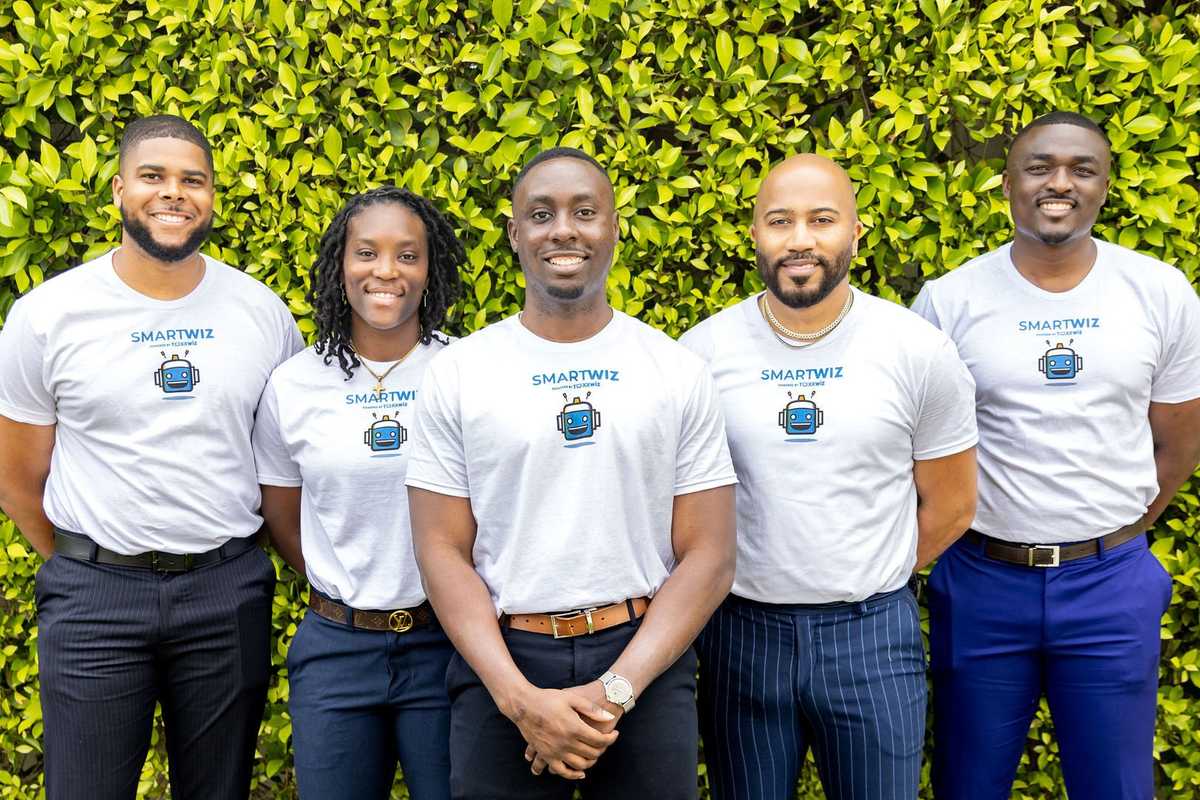 Bre Johnson of SmartWiz also received funding from Google. Photo courtesy