


This week's Houston innovators are bringing new exciting things to town. Courtesy photos

New and exciting things are coming to town — from a data-focused conference two two startup development organizations announcing a Houston presence. Here are three Houston innovators making it happen in town.

James Y. Lancaster, Texas branch manager of VIC Technology Venture Development
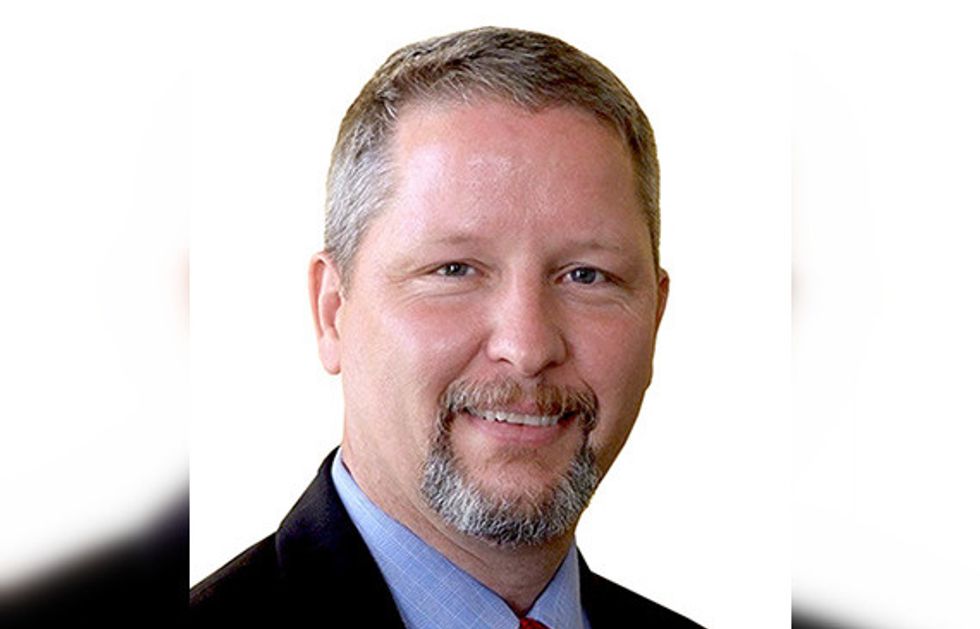
A new venture development company has expanded into Houston with a Texas Medical Center office. Photo courtesy of James Lancaster

An Arkansas-based technology venture development firm had its eyes on Dallas for a Texas expansion, but James Y. Lancaster had a bigger plan. Lancaster, who was named as VIC Technology Venture Development's Texas branch manager, oversees the company's business in Dallas, Houston, and College Station, where he lives. Locally, he will work out of a TMC Innovation Institute office.

"I am excited to be working to TMC member institutions to provide a new avenue for commercializing their technologies, expanding on our fast start in Texas with an exciting opportunity in the Houston innovation ecosystem," Lancaster says in a release.

VIC specializes in taking university-founded research innovations to the marketplace by partnering with technology and business experts at every stage of the process. Read more.

Suzette Cotto, CEO of Innovate Social Media
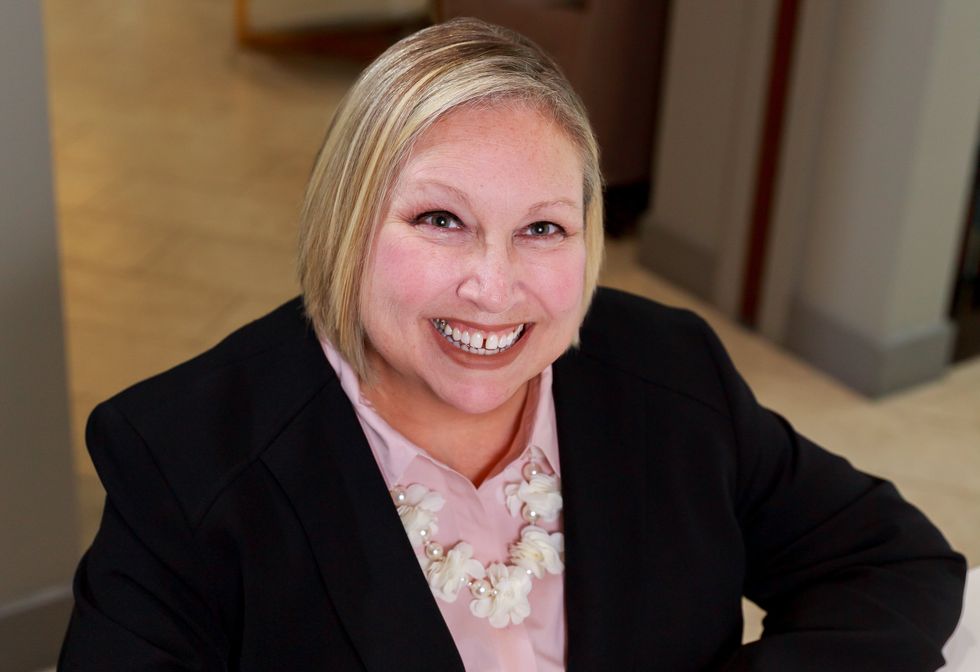
Houston's DataCon can help prepare business leaders for the digital revolution in AI and machine learning. Photo courtesy of Suzette Cotto

Suzette Cotto, in a guest column for InnovationMap, warns of a not-so-distant future where artificial intelligence and machine learning are a daily business requirement. As companies ready themselves for this digital commonplace, its the C-suite that needs to do some homework in preparation.

DataCon Houston, which takes place on October 10, is one way for C-level execs to get some information. The annual conference brings important concepts around AI and Automation to business leaders, according to Cotto.

"The target audience is not IT professionals, although there will be some in attendance; it's meant primarily to help the C-suite and non-technical leaders know where to begin and where to find that new vocabulary and translative resources," Cotto writes. "AI will affect every person in every business, and we must be ready for the cultural shifts that will come with the technological shifts." Read more.

Ed Bosarge, founder and CEO of Houston Healthspan Innovation Group
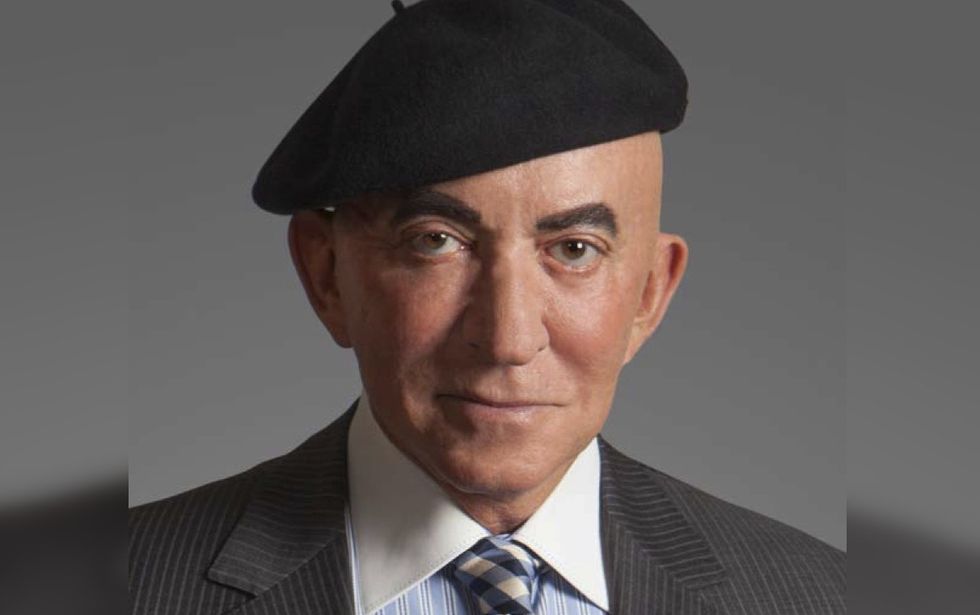
Houston millionaire and serial entrepreneur Ed Bosarge has launched a new biotech accelerator. Courtesy of Houston Healthspan Innovation Group

A serial entrepreneur, Ed Bosarge has launched his latest venture. The Houston Healthspan Innovation Group is a biotech startup accelerator for companies in the regenerative medicine industry.

"From day one, Houston Healthspan will play a significant role in shaping Houston's vibrant life sciences scene with its seasoned leadership and state-of-the-art facilities," Bosarge says in a news release. "Houston Healthspan may be a tipping point for the region's life sciences community."

According to the release, the organization has already worked with two companies that have relocated their office to Houston. Read more.
Ad Placement 300x100
Ad Placement 300x600

CultureMap Emails are Awesome

Houston neighbor named richest small town in Texas for 2025

Ranking It

Affluent Houston neighbor Bellaire is cashing in as the richest small town in Texas for 2025, according to new study from GoBankingRates.

The report, "The Richest Small Town in Every State," used data from the U.S. Census Bureau's American Community Survey to determine the 50 richest small towns in America based on their median household income.

Of course, Houstonians realize that describing Bellaire as a "small town" is a bit of misnomer. Located less than 10 miles from downtown and fully surrounded by the City of Houston, Bellaire is a wealthy enclave that boasts a population of just over 17,000 residents. These affluent citizens earn a median $236,311 in income every year, which GoBankingRates says is the 11th highest household median income out of all 50 cities included in the report.

The average home in this city is worth over $1.12 million, but Bellaire's lavish residential reputation often attracts properties with multimillion-dollar price tags.

Bellaire also earned a shining 81 livability score for its top quality schools, health and safety, commute times, and more. The livability index, provided by Toronto, Canada-based data analytics and real estate platform AreaVibes, said Bellaire has "an abundance of exceptional local amenities."

"Among these are conveniently located grocery stores, charming coffee shops, diverse dining options and plenty of spacious parks," AreaVibes said. "These local amenities contribute significantly to its overall appeal, ensuring that [residents'] daily needs are met and offering ample opportunities for leisure and recreation."

Earlier in 2025, GoBankingRates ranked Bellaire as the No. 23 wealthiest suburb in America, and it's no stranger to being named on similar lists comparing the richest American cities.

---

This article originally appeared on CultureMap.com.

How a Houston startup is taking on corrosion, a costly climate threat

now streaming

Corrosion is not something most people think about, but for Houston's industrial backbone pipelines, refineries, chemical plants, and water infrastructure, it is a silent and costly threat. Replacing damaged steel and overusing chemicals adds hundreds of millions of tons of carbon emissions every year. Despite the scale of the problem, corrosion detection has barely changed in decades.

In a recent episode of the Energy Tech Startups Podcast, Anwar Sadek, founder and CEO of Corrolytics, explained why the traditional approach is not working and how his team is delivering real-time visibility into one of the most overlooked challenges in the energy transition.

From Lab Insight to Industrial Breakthrough

Anwar began as a researcher studying how metals degrade and how microbes accelerate corrosion. He quickly noticed a major gap. Companies could detect the presence of microorganisms, but they could not tell whether those microbes were actually causing corrosion or how quickly the damage was happening. Most tests required shipping samples to a lab and waiting months for results, long after conditions inside the asset had changed.

That gap inspired Corrolytics' breakthrough. The company developed a portable, real-time electrochemical test that measures microbial corrosion activity directly from fluid samples. No invasive probes. No complex lab work. Just the immediate data operators can act on.

“It is like switching from film to digital photography,” Anwar says. “What used to take months now takes a couple of hours.”

Why Corrosion Matters in Houston's Energy Transition

Houston's energy transition is a blend of innovation and practicality. While the world builds new low-carbon systems, the region still depends on existing industrial infrastructure. Keeping those assets safe, efficient, and emission-conscious is essential.

This is where Corrolytics fits in. Every leak prevented, every pipeline protected, and every unnecessary gallon of biocide avoided reduces emissions and improves operational safety. The company is already seeing interest across oil and gas, petrochemicals, water and wastewater treatment, HVAC, industrial cooling, and biofuels. If fluids move through metal, microbial corrosion can occur, and Corrolytics can detect it.

Because microbes evolve quickly, slow testing methods simply cannot keep up. “By the time a company gets lab results, the environment has changed completely,” Anwar explains. “You cannot manage what you cannot measure.”

A Scientist Steps Into the CEO Role

Anwar did not plan to become a CEO. But through the National Science Foundation's ICorps program, he interviewed more than 300 industry stakeholders. Over 95 percent cited microbial corrosion as a major issue with no effective tool to address it. That validation pushed him to transform his research into a product.

Since then, Corrolytics has moved from prototype to real-world pilots in Brazil and Houston, with early partners already using the technology and some preparing to invest. Along the way, Anwar learned to lead teams, speak the language of industry, and guide the company through challenges. “When things go wrong, and they do, it is the CEO's job to steady the team,” he says.

Why Houston

Relocating to Houston accelerated everything. Customers, partners, advisors, and manufacturing talent are all here. For industrial and energy tech startups, Houston offers an ecosystem built for scale.

What's Next

Corrolytics is preparing for broader pilots, commercial partnerships, and team growth as it continues its fundraising efforts. For anyone focused on asset integrity, emissions reduction, or industrial innovation, this is a company to watch.

Listen to the full conversation with Anwar Sadek on the Energy Tech Startups Podcast to learn more:

---

Energy Tech Startups Podcast is hosted by Jason Ethier and Nada Ahmed. It delves into Houston's pivotal role in the energy transition, spotlighting entrepreneurs and industry leaders shaping a low-carbon future.

This article originally appeared on our sister site, EnergyCapitalHTX.com.

These 50+ Houston scientists rank among world’s most cited

science stars

Fifty-one scientists and professors from Houston-area universities and institutions were named among the most cited in the world for their research in medicine, materials sciences and an array of other fields.

The Clarivate Highly Cited Researchers considers researchers who have authored multiple "Highly Cited Papers" that rank in the top 1percent by citations for their fields in the Web of Science Core Collection. The final list is then determined by other quantitative and qualitative measures by Clarivate's judges to recognize "researchers whose exceptional and community-wide contributions shape the future of science, technology and academia globally."

This year, 6,868 individual researchers from 60 different countries were named to the list. About 38 percent of the researchers are based in the U.S., with China following in second place at about 20 percent.

However, the Chinese Academy of Sciences brought in the most entries, with 258 researchers recognized. Harvard University with 170 researchers and Stanford University with 141 rounded out the top 3.

Looking more locally, the University of Texas at Austin landed among the top 50 institutions for the first time this year, tying for 46th place with the Mayo Clinic and University of Minnesota Twin Cities, each with 27 researchers recognized.

Houston once again had a strong showing on the list, with MD Anderson leading the pack. Below is a list of the Houston-area highly cited researchers and their fields.

UT MD Anderson Cancer Center

  • Ajani Jaffer (Cross-Field)
  • James P. Allison (Cross-Field)
  • Maria E. Cabanillas (Cross-Field)
  • Boyi Gan (Molecular Biology and Genetics)
  • Maura L. Gillison (Cross-Field)
  • David Hong (Cross-Field)
  • Scott E. Kopetz (Clinical Medicine)
  • Pranavi Koppula (Cross-Field)
  • Guang Lei (Cross-Field)
  • Sattva S. Neelapu (Cross-Field)
  • Padmanee Sharma (Molecular Biology and Genetics)
  • Vivek Subbiah (Clinical Medicine)
  • Jennifer A. Wargo (Molecular Biology and Genetics)
  • William G. Wierda (Clinical Medicine)
  • Ignacio I. Wistuba (Clinical Medicine)
  • Yilei Zhang (Cross-Field)
  • Li Zhuang (Cross-Field)

Rice University

  • Pulickel M. Ajayan (Materials Science)
  • Pedro J. J. Alvarez (Environment and Ecology)
  • Neva C. Durand (Cross-Field)
  • Menachem Elimelech (Chemistry and Environment and Ecology)
  • Zhiwei Fang (Cross-Field)
  • Naomi J. Halas (Cross-Field)
  • Jun Lou (Materials Science)
  • Aditya D. Mohite (Cross-Field)
  • Peter Nordlander (Cross-Field)
  • Andreas S. Tolias (Cross-Field)
  • James M. Tour (Cross-Field)
  • Robert Vajtai (Cross-Field)
  • Haotian Wang (Chemistry and Materials Science)
  • Zhen-Yu Wu (Cross-Field)

Baylor College of Medicine

  • Nadim J. Ajami (Cross-Field)
  • Biykem Bozkurt (Clinical Medicine)
  • Hashem B. El-Serag (Clinical Medicine)
  • Matthew J. Ellis (Cross-Field)
  • Richard A. Gibbs (Cross-Field)
  • Peter H. Jones (Pharmacology and Toxicology)
  • Sanjay J. Mathew (Cross-Field)
  • Joseph F. Petrosino (Cross-Field)
  • Fritz J. Sedlazeck (Biology and Biochemistry)
  • James Versalovic (Cross-Field)

University of Houston

  • Zhifeng Ren (Cross-Field)
  • Yan Yao (Cross-Field)
  • Yufeng Zhao (Cross-Field)
  • UT Health Science Center Houston
  • Hongfang Liu (Cross-Field)
  • Louise D. McCullough (Cross-Field)
  • Claudio Soto (Cross-Field)

UTMB Galveston

  • Erez Lieberman Aiden (Cross-Field)
  • Pei-Yong Shi (Cross-Field)

Houston Methodist

  • Eamonn M. M. Quigley (Cross-Field)