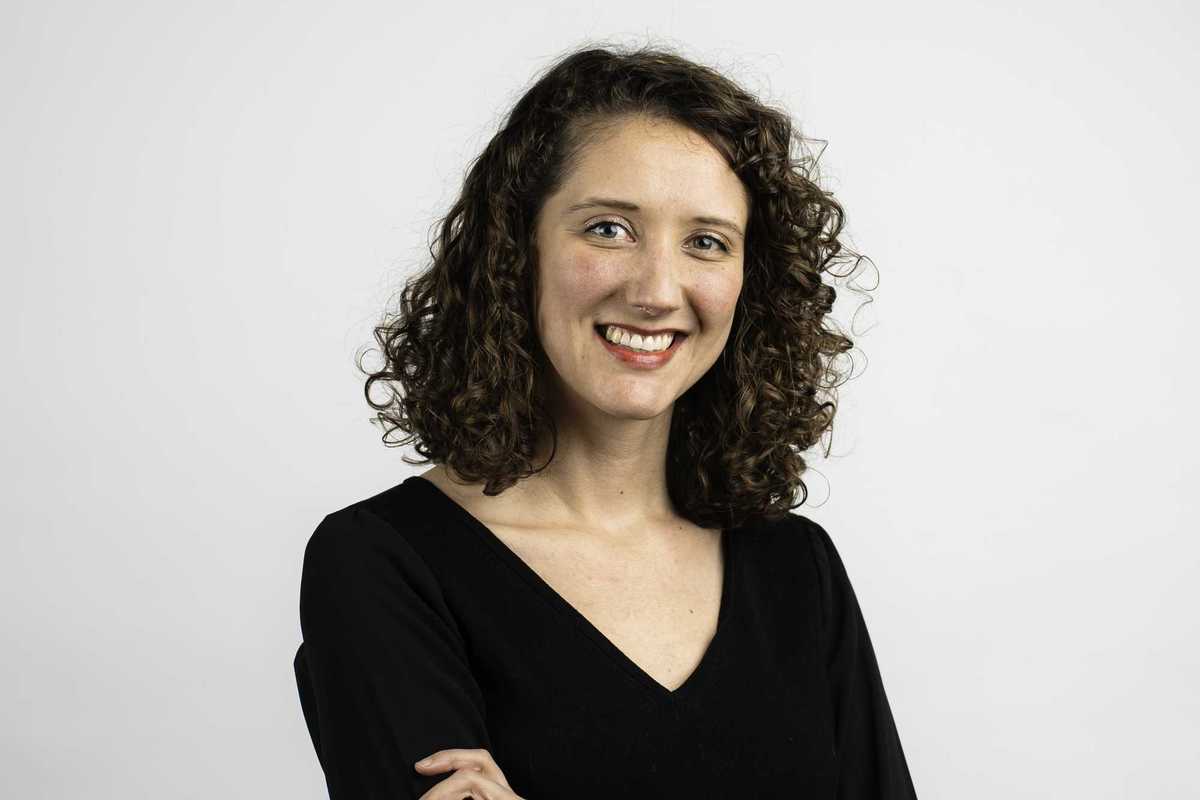
Dr. Kenneth Liao and a team at Baylor St. Luke’s Medical Center used a surgical robot to implant a new heart in a 45-year-old male patient. Photo courtesy Baylor College of Medicine.

A team at Baylor St. Luke’s Medical Center, led by Dr. Kenneth Liao, successfully performed the first fully robotic heart transplant in the United States earlier this year, the Houston hospital recently shared.

Liao, a professor and chief of cardiothoracic transplantation and circulatory support at Baylor College of Medicine and chief of cardiothoracic transplantation and mechanical circulatory support at Baylor St. Luke’s Medical Center, used a surgical robot to implant a new heart in a 45-year-old male patient through preperitoneal space in the abdomen by making small incisions.

The robotic technology allowed the medical team to avoid opening the chest and breaking the breast bone, which reduces the risk of infection, blood transfusions and excessive bleeding. It also leads to an easier recovery, according to Liao.

"Opening the chest and spreading the breastbone can affect wound healing and delay rehabilitation and prolong the patient's recovery, especially in heart transplant patients who take immunosuppressants," Liao said in a news release. "With the robotic approach, we preserve the integrity of the chest wall, which reduces the risk of infection and helps with early mobility, respiratory function and overall recovery."

The patient received the heart transplant in March, after spending about four months in the hospital due to advanced heart failure. According to Baylor, he was discharged home after recovering from the surgery in the hospital for a month without complications.

"This transplant shows what is possible when innovation and surgical experience come together to improve patient care," Liao added in the release. "Our goal is to offer patients the safest, most effective and least invasive procedures, and robotic technology allows us to do that in extraordinary ways."
Ad Placement 300x100
Ad Placement 300x600

CultureMap Emails are Awesome

TMC launches new biotech partnership with Republic of Korea

international collaboration

Houston's Texas Medical Center has launched its new TMC Republic of Korea BioBridge.

The new partnership brings together the TMC with the Osong Medical Innovation Foundation, or KBIOHealth. The Biobridge aims to support the commercialization of Korean biotech and life science startups in the U.S., foster clinical research, and boost collaboration in the public, private and academic sectors.

Through the partnership, TMC will also develop a Global Innovators Launch Pad to foster U.S. market entry for international health care companies. Founders will be selected to participate in the 10-week program at the TMC Innovation Factory in Houston.

“Gene and cell therapies are driving biotech innovation, opening possibilities for treating diseases once thought untreatable," William McKeon, president and CEO of the Texas Medical Center, said in a news release. "Expanding biomanufacturing capacity is essential to delivering the next wave of these therapies, and partnerships with leading innovators will strengthen our efforts in Houston and internationally.”

McKeon officially signed the TMC Korea BioBridge Memorandum of Understanding with Myoung Su Lee, chairman of KBIOHealth, in South Korea in October.

"This collaboration marks a significant milestone for Korea’s biohealth ecosystem, creating a powerful bridge between Osong and Houston," Lee added in the release. "By combining KBIOHealth’s strength in research infrastructure and Korea’s biotech talent with TMC’s global network and accelerator platform, we aim to accelerate innovation and bring transformative solutions to patients worldwide.”

This is the seventh international strategic partnership for the TMC. It launched its first BioBridge with the Health Informatics Society of Australia in 2016. It launched its TMC Japan BioBridge, focused on advancing cancer treatments, last year. It also has BioBridge partnerships with the Netherlands, Ireland, Denmark and the United Kingdom.