


Editor's note: As we look back at the top Houston innovation news for the first half of September, reports show that Texas is one of the hardest working states, while local startup activity has slowed down. Plus, exciting medical innovation advancements. Here are the most-read InnovationMap stories from September 1-14.
1. Texas is the 4th hardest working state in America, report finds
Texas is home to some of the hardest workers. Photo via Getty Images
It's no secret that Texans are hardworking people. To align with the recent Labor Day holiday, a new WalletHub study asserts that the Lone Star State is one of the five most hardworking states in America for 2025. The report ranked Texas the fourth most hardworking state this year, indicating that its residents are working harder than ever after the state fell into seventh place in 2024. Continue reading.
2. UH receives $1M grant to advance research on rare pediatric disorder
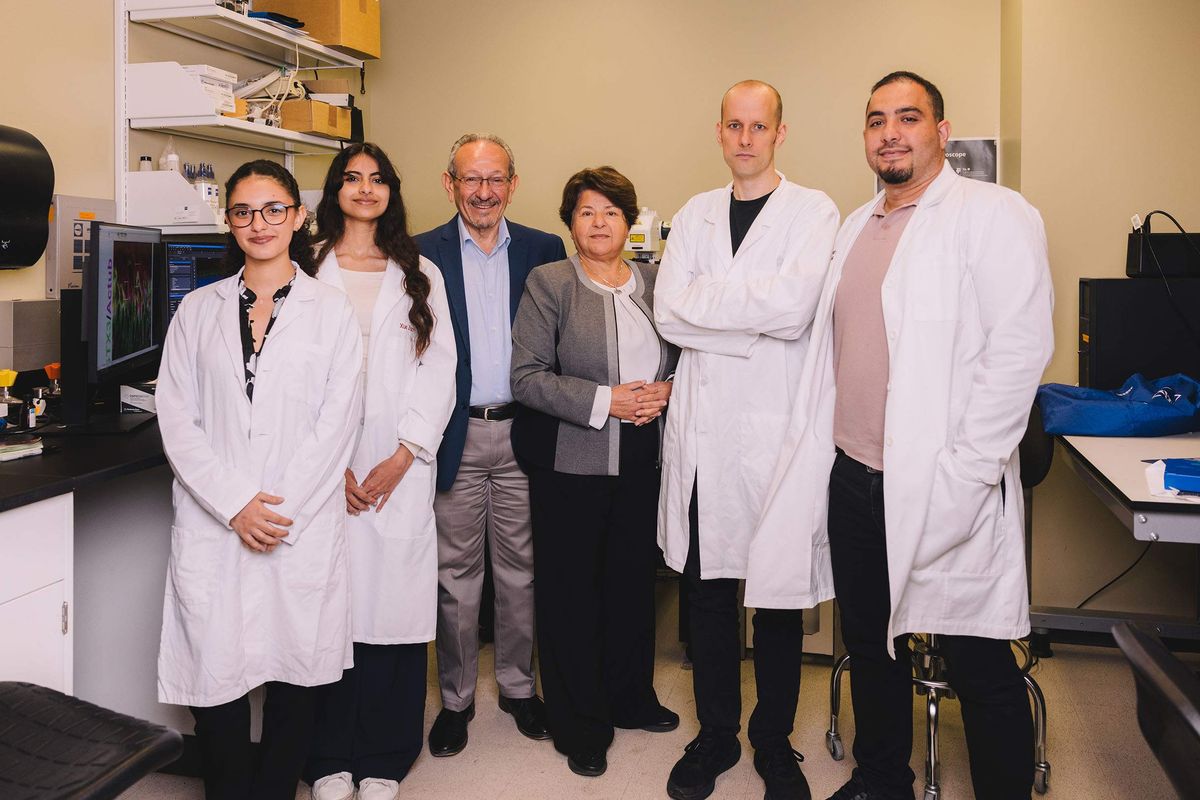
The Cynthia and George Mitchell Foundation has granted $1.1M to the University of Houston to support research on Usher Syndrome. Photo courtesy University of Houston.
The University of Houston has received a two-year, $1.1 million gift from the Cynthia and George Mitchell Foundation to advance research on a rare genetic disorder that can lead to both deafness and blindness in children, known as Usher Syndrome. The current grant will support the research of UH biomedical engineering professors Muna Naash and Muayyad Al-Ubaidi, who work in the Laboratory for Retinal Molecular and Cellular Biology and Gene Therapy in the Cullen College of Engineering. Continue reading.
3. Houston's surge in new startups cools since pandemic peak, study shows
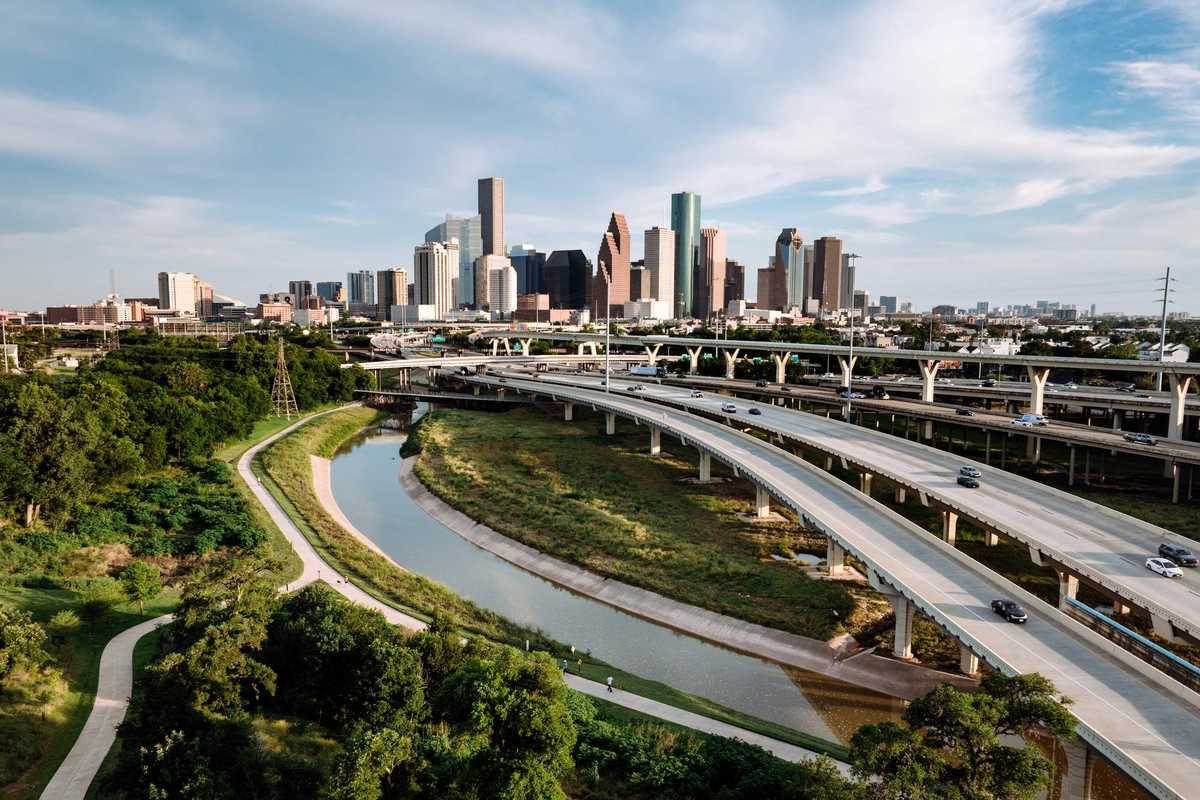
Startup applications in Houston have dipped since their 2021 peak, even as national entrepreneurship hits record highs, according to a new report from The Kaplan Group. Photo via Getty Images.
Startup activity in the Houston metro area has dipped since its pandemic peak, according to a new study. Dating back to 2005, the volume of applications to form new businesses in the Houston area hit its highest level in 2021 (151,804). Since then, though, the application volume has fallen, according to the study, conducted by business debt collection agency The Kaplan Group. Continue reading.
4. TMC lands $3M grant to launch cancer device accelerator
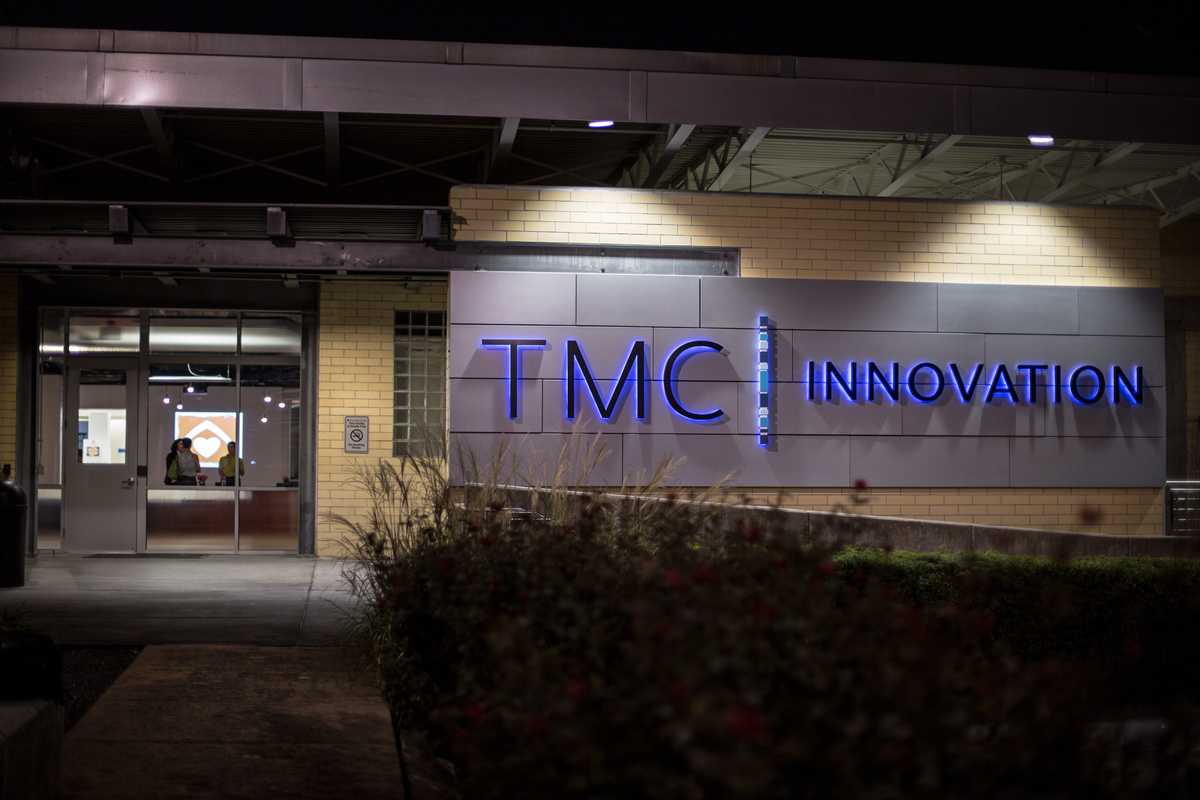
Recent funding from CPRIT will help launch the new Accelerator for Cancer Medical Devices. Photo via TMC
A new business accelerator at Houston’s Texas Medical Center has received a nearly $3 million grant from the Cancer Prevention and Research Institute of Texas. The CPRIT grant, awarded to the Texas Medical Center Foundation, will help launch the Accelerator for Cancer Medical Devices. The accelerator will support emerging innovators in developing prototypes for cancer-related medical devices and advancing them from prototype to clinical trials. Continue reading.
5. 10 Houston billionaires make Forbes' list of richest Americans in 2025
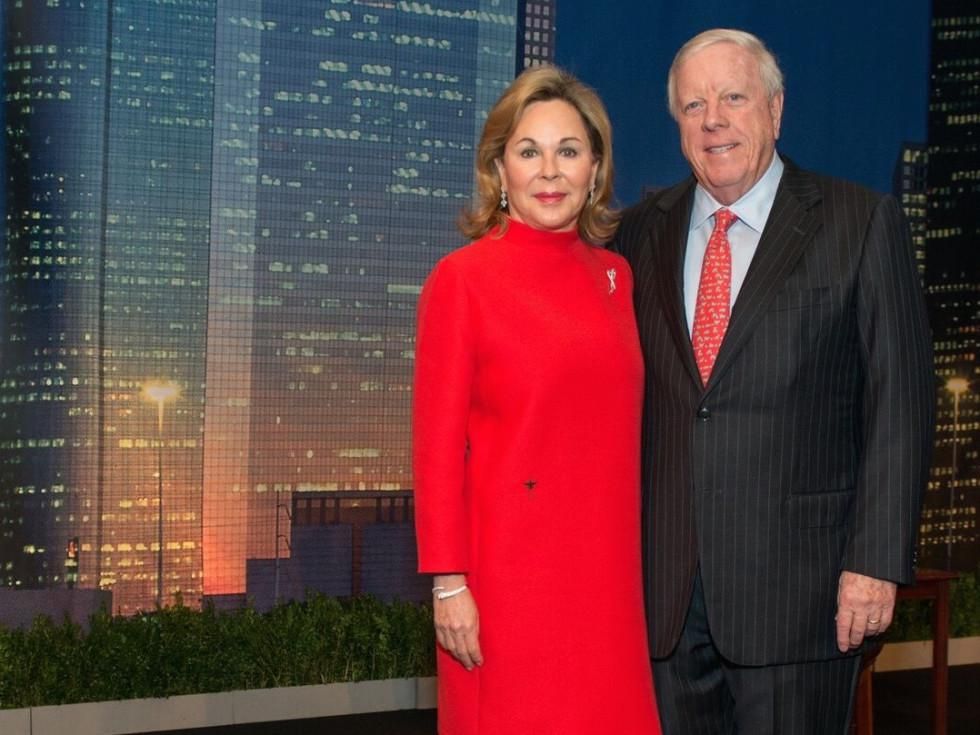
Pictured: Nancy and Richard Kinder, the richest Houstonian, according to the Forbes 400. Photo by Michelle Watson/Catchlight Group
America's wealthiest billionaires are $1.2 trillion richer in 2025, bringing their collective worth to a staggering $6.6 trillion. And Houston's own Richard Kinder has become the richest billionaire in the city, according to the new Forbes 400. The Kinder Morgan chairman is the 11th richest Texas resident and ranks as the 108th richest American. Kinder also dethroned Tilman Fertitta to claim the title as the wealthiest Houstonian. The annual Forbes 400 list is a definitive ranking of the wealthiest Americans, using interviews, financial data, and documentation provided by billionaires and their companies. Continue reading.