


Project Metis puts Greater Houston at the forefront of brain health. Photo via Getty Images

Editor's note: The most-read Houston innovation news this month is centered around brain health, from the launch of Project Metis to Rice''s new Amyloid Mechanism and Disease Center. Here are the five most popular InnovationMap stories from December 1-15, 2025:

1. Houston institutions launch Project Metis to position region as global leader in brain health
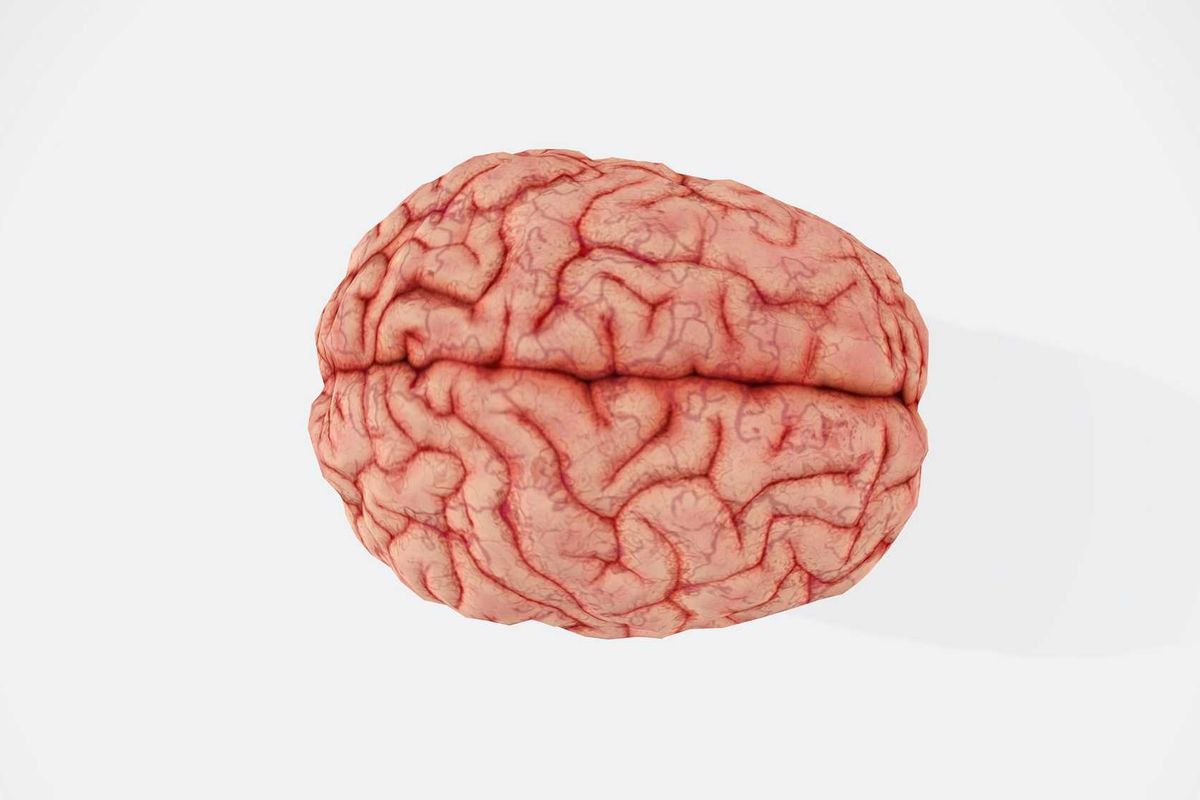
The Rice Brain Institute, UTMB's Moody Brain Health Institute and Memorial Hermann’s comprehensive neurology care department will lead Project Metis. Photo via Unsplash.

Leaders in Houston's health care and innovation sectors have joined the Center for Houston’s Future to launch an initiative that aims to make the Greater Houston Area "the global leader of brain health." The multi-year Project Metis, named after the Greek goddess of wisdom and deep thought, will be led by the newly formed Rice Brain Institute, The University of Texas Medical Branch's Moody Brain Health Institute and Memorial Hermann’s comprehensive neurology care department. The initiative comes on the heels of Texas voters overwhelmingly approving a ballot measure to launch the $3 billion, state-funded Dementia Prevention and Research Institute of Texas (DPRIT). Continue reading.

2.Rice University researchers unveil new model that could sharpen MRI scans
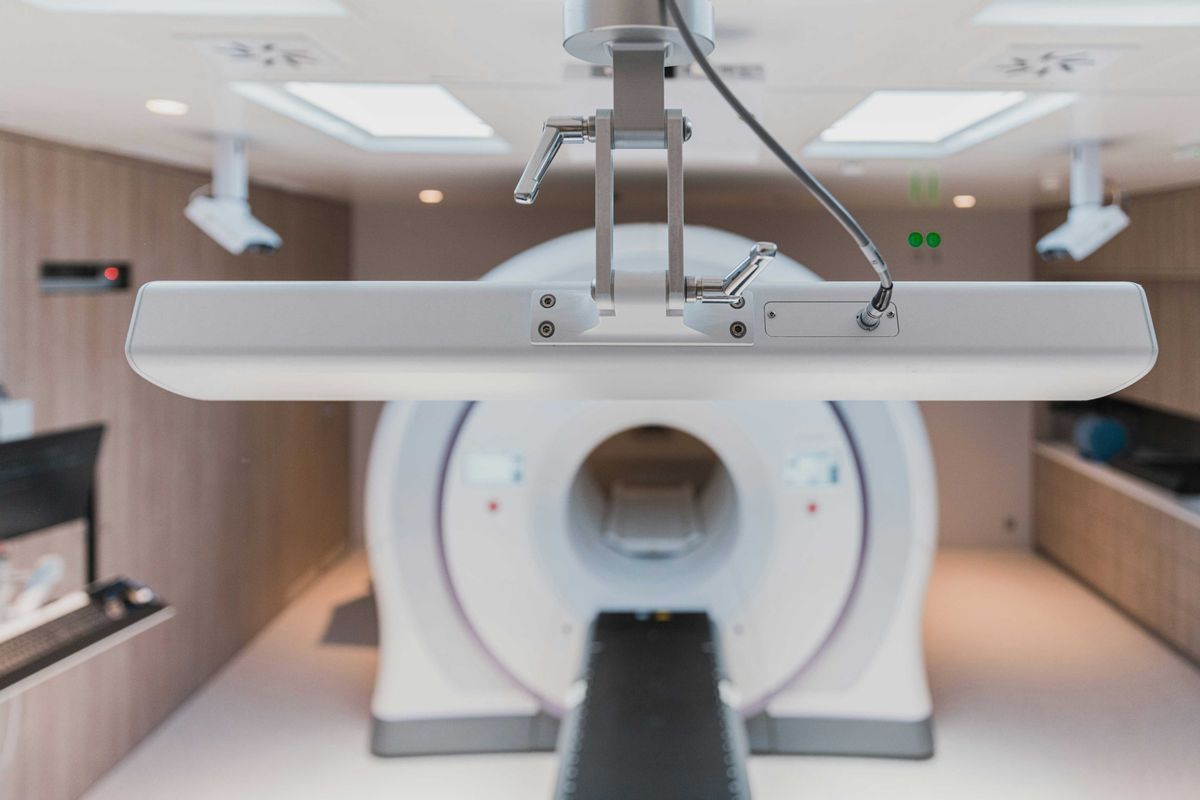
New findings from a team of Rice University researchers could enhance MRI clarity. Photo via Unsplash.

Researchers at Rice University, in collaboration with Oak Ridge National Laboratory, have developed a new model that could lead to sharper imaging and safer diagnostics using magnetic resonance imaging, or MRI. In a study published in The Journal of Chemical Physics, the team of researchers showed how they used the Fokker-Planck equation to better understand how water molecules respond to contrast agents in a process known as “relaxation.” Continue reading.

3. Rice University launches new center to study roots of Alzheimer’s and Parkinson’s
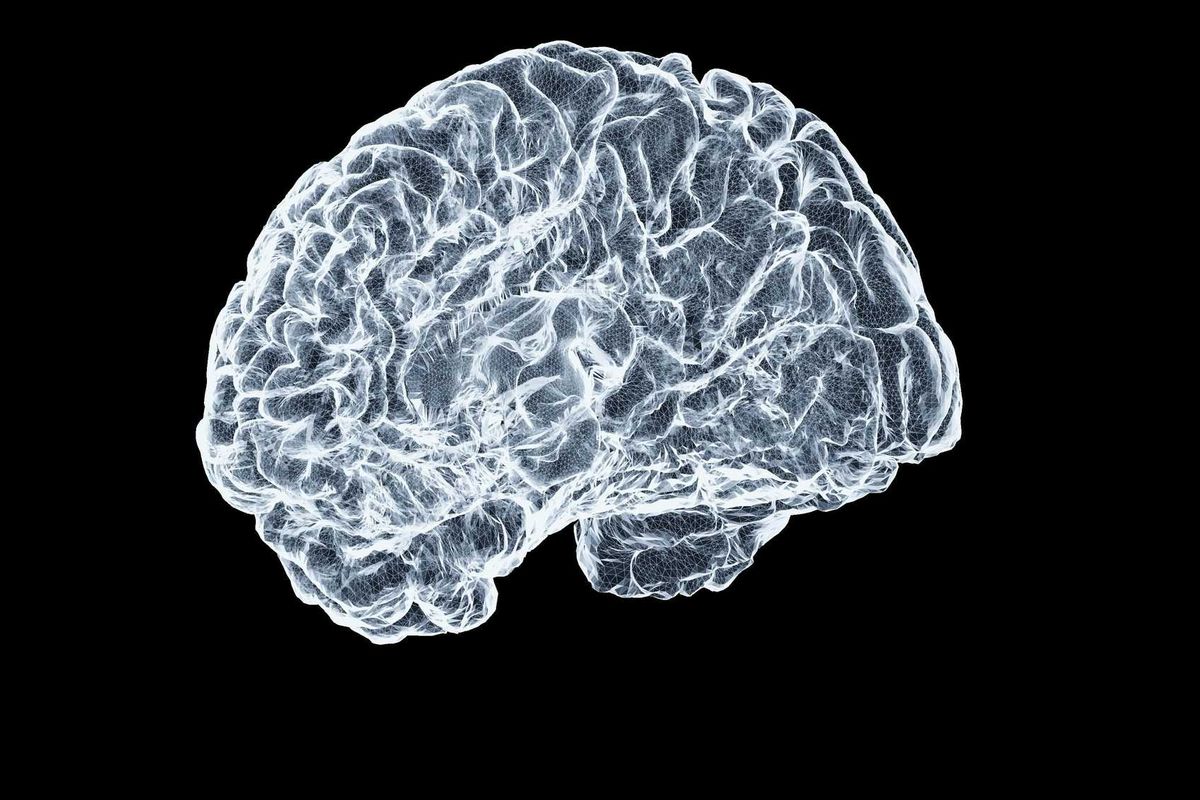
The new Amyloid Mechanism and Disease Center will serve as the neuroscience branch of Rice’s Brain Institute. Photo via Unsplash.

Rice University has launched its new Amyloid Mechanism and Disease Center, which aims to uncover the molecular origins of Alzheimer’s, Parkinson’s and other amyloid-related diseases. The center will bring together Rice faculty in chemistry, biophysics, cell biology and biochemistry to study how protein aggregates called amyloids form, spread and harm brain cells. It will serve as the neuroscience branch of the Rice Brain Institute, which was also recently established. Continue reading.

4. Baylor center receives $10M NIH grant to continue rare disease research
BCM's Center for Precision Medicine Models has received funding that will allow it to study more complex diseases. Photo via Getty Images

Baylor College of Medicine’s Center for Precision Medicine Models has received a $10 million, five-year grant from the National Institutes of Health that will allow it to continue its work studying rare genetic diseases. The Center for Precision Medicine Models creates customized cell, fly and mouse models that mimic specific genetic variations found in patients, helping scientists to better understand how genetic changes cause disease and explore potential treatments. Continue reading.

5. Luxury transportation startup connects Houston with Austin and San Antonio

Shutto is a new option for Houston commuters. Photo courtesy of Shutto

Houston business and leisure travelers have a luxe new way to hop between Texas cities. Transportation startup Shutto has launched luxury van service connecting San Antonio, Austin, and Houston, offering travelers a comfortable alternative to flying or long-haul rideshare. Continue reading.

Thanks to the passage of Proposition 14, Texas now boasts the country’s largest state-funded initiative dedicated to dementia research and prevention. Photo via Unsplash.

Texas voters OK $3 billion for new dementia research institute

state funding

Texas voters on Nov. 4 overwhelmingly approved a ballot measure that provides $3 billion in state funding over a 10-year span for the newly established Dementia Prevention and Research Institute of Texas (DPRIT).

Thanks to the passage of Proposition 14, Texas now boasts the country’s largest state-funded initiative dedicated to dementia research and prevention, according to the Alzheimer’s Association. Up to $300 million in grants will be awarded during the 10-year funding period.

“This is a transformative moment for Texas and for the fight against Alzheimer’s and all other dementia,” said Joanne Pike, president and CEO of the Alzheimer’s Association. “Texans have chosen to invest in hope, innovation, and solutions for the millions of families affected by these devastating diseases. With the passage of Proposition 14, Texas is now poised to lead the nation in dementia research and prevention.”

The association says DPRIT will drive scientific breakthroughs, attract top-notch dementia researchers to Texas, and generate thousands of jobs statewide.

An estimated 460,000 Texans are living with dementia, the association says, and more than one million caregivers support them.

DPRIT is modeled after the Cancer Prevention and Research Institute of Texas (CPRIT). Since 2008, the state agency has awarded nearly $4 billion in grants to research organizations for cancer-related academic research, prevention programs, and product development.

An analysis by the McKinsey Health Institute found that investing in brain health initiatives like DPRIT could boost Texas’ GDP by $260 billion. Much of that GDP bump could benefit the Houston area, which is home to dementia-focused organizations such as UTHealth Houston Neurosciences, Baylor College of Medicine’s Center for Alzheimer’s and Neurodegenerative Diseases, the University of Texas Medical Branch at Galveston’s Collaborative Alzheimer’s Disease and Memory Disorders Program, and the Houston Methodist Research Institute’s John M. O’Quinn Foundation Neurodegenerative Disorders Laboratory.

The Greater Houston Partnership says DPRIT holds the potential “to elevate Texas — particularly Houston — as a hub for brain health research.”

State Sen. Joan Huffman, a Houston Republican, is one of DPRIT’s champions. She sponsored legislation this year to create the institute and ask Texas voters to approve the $3 billion in funding.

“By establishing the Dementia Prevention and Research Institute of Texas, we are positioning our state to lead the charge against one of the most devastating health challenges of our time,” Huffman said in May. “With $3 billion in funding over the next decade, we will drive critical research, develop new strategies for prevention and treatment, and support our health care community.”

This month's Brain Capital event aimed to position Houston and Texas as global leaders in the brain economy space. Photo via Getty Images

Texas leaders position state to become next global hub for brain health

event recap

Brain Capital: The New Competitive Edge in a Shifting Economy, a two-day meeting held at the TMC3 Collaborative Building on May 21-22, brought together global business and policy leaders to advance brain health initiatives. The event concluded with the announcement of Texas-focused strategies that will be presented at the G7 Summit in Calgary this June, aiming to position the state as a leading hub for brain health research.

According to an analysis by the McKinsey Health Institute, investing in brain health interventions has the potential to generate a $260 billion boost to Texas’ GDP. Brain health conditions are responsible for more than $1 trillion in lost productivity globally, and the costs are expected to increase to nearly $16 trillion by 2030, according to organizers of the event.

The Texas Legislature recently passed legislation to establish the Dementia Prevention Research Institute of Texas (DPRIT), which includes a $3 billion investment over 10 years. Leaders at the Brain Capital event announced the launch of an advocacy campaign to foster support for DPRIT, which will appear as a November 2025 ballot measure.

“Our work to deliver better brain health to Texas and the world is only just beginning,” Dr. Jochen Reiser, president of The University of Texas Medical Branch (UTMB) and CEO of the UTMB Health System, said in a news release. “Investing in brain capital means protecting our cognitive health, boosting economic growth and securing a future-ready workforce – goals that we believe Texans will rally behind.”

Additionally, the Center for Houston’s Future also announced its goal to make the brain economy a key part of its new plan for the Houston region, called Vision 2050. The Center for Houston’s Future’s goal is to position Houston to become the global leader in the brain economy space, which will serve as a blueprint for other cities

“Houston has a clear track record leading the transition of industry sectors,” David Gow, CEO of the Center for Houston’s Future, said in a news release. “By launching a focused Brain Economy transition plan, Houston can integrate neuroscience, prevention, workforce resilience and cognitive innovation across sectors – preparing businesses and communities for an AI-driven future. Houston has the talent, infrastructure and vision to lead the nation in the next great economic transformation.”

Gow is the founder and chairman of Gow Media, InnovationMap's parent company.

Speakers at the event included executives from Shell Oil Co., scientists from Johns Hopkins Bloomberg School of Public Health, professors from Rice University, representatives from D.C.-based UsAgainstAlzheimer’s, and others. Learn more here.

Ad Placement 300x100
Ad Placement 300x600

CultureMap Emails are Awesome

5 Houston scientists named winners of prestigious Hill Prizes 2026

prized research

Five Houston scientists were recognized for their "high-risk, high-reward ideas and innovations" by Lyda Hill Philanthropies and the Texas Academy of Medicine, Engineering, Science and Technology (TAMEST).

The 2026 Hill Prizes provide seed funding to top Texas researchers. This year's prizes were given out in seven categories, including biological sciences, engineering, medicine, physical sciences, public health and technology, and the new artificial intelligence award.

Each recipient’s institution or organization will receive $500,000 in direct funding from Dallas-based Lyda Hill Philanthropies. The organization has also committed to giving at least $1 million in discretionary research funding on an ad hoc basis for highly-ranked applicants who were not selected as recipients.

“It is with great pride that I congratulate this year’s Hill Prizes recipients. Their pioneering spirit and unwavering dedication to innovation are addressing some of the most pressing challenges of our time – from climate resilience and energy sustainability to medical breakthroughs and the future of artificial intelligence,” Lyda Hill, founder of Lyda Hill Philanthropies, said in a news release.

The 2026 Houston-area recipients include:

Biological Sciences: Susan M. Rosenberg, Baylor College of Medicine

Rosenberg and her team are developing ways to fight antibiotic resistance. The team will use the funding to screen a 14,000-compound drug library to identify additional candidates, study their mechanisms and test their ability to boost antibiotic effectiveness in animal models. The goal is to move toward clinical trials, beginning with veterans suffering from recurrent infections.

Medicine: Dr. Raghu Kalluri, The University of Texas MD Anderson Cancer Center

Kalluri is developing eye drops to treat age-related macular degeneration (AMD), the leading cause of vision loss globally. Kalluri will use the funding to accelerate studies and support testing for additional ocular conditions. He was also named to the National Academy of Inventors’ newest class of fellows last month.

Engineering: Naomi J. Halas, Rice University

Co-recipeints: Peter J. A. Nordlander and Hossein Robatjazi, Rice University

Halas and her team are working to advance light-driven technologies for sustainable ammonia synthesis. The team says it will use the funding to improve light-driven catalysts for converting nitrogen into ammonia, refine prototype reactors for practical deployment and partner with industry collaborators to advance larger-scale applications. Halas and Nordlander are co-founders of Syzygy Plasmonics, and Robatjazi serves as vice president of research for the company.

The other Texas-based recipients include:

  • Artificial Intelligence: Kristen Grauman, The University of Texas at Austin
  • Physical Sciences: Karen L. Wooley, Texas A&M University; Co-Recipient: Matthew Stone, Teysha Technologies
  • Public Health: Dr. Elizabeth C. Matsui, The University of Texas at Austin and Baylor College of Medicine
  • Technology: Kurt W. Swogger, Molecular Rebar Design LLC; Co-recipients: Clive Bosnyak, Molecular Rebar Design, and August Krupp, MR Rubber Business and Molecular Rebar Design LLC

Recipients will be recognized Feb. 2 during the TAMEST 2026 Annual Conference in San Antonio. They were determined by a committee of TAMEST members and endorsed by a committee of Texas Nobel and Breakthrough Prize Laureates and approved by the TAMEST Board of Directors.

“On behalf of TAMEST, we are honored to celebrate the 2026 Hill Prizes recipients. These outstanding innovators exemplify the excellence and ambition of Texas science and research,” Ganesh Thakur, TAMEST president and a distinguished professor at the University of Houston, added in the release. “Thanks to the visionary support of Lyda Hill Philanthropies, the Hill Prizes not only recognize transformative work but provide the resources to move bold ideas from the lab to life-changing solutions. We are proud to support their journeys and spotlight Texas as a global hub for scientific leadership.”

Investment bank opens new Houston office focused on energy sector

Investment bank Cohen & Co. Capital Markets has opened a Houston office to serve as the hub of its energy advisory business and has tapped investment banking veteran Rahul Jasuja as the office’s leader.

Jasuja joined Cohen & Co. Capital Markets, a subsidiary of financial services company Cohen & Co., as managing director, and head of energy and energy transition investment banking. Cohen’s capital markets arm closed $44 billion worth of deals last year.

Jasuja previously worked at energy-focused Houston investment bank Mast Capital Advisors, where he was managing director of investment banking. Before Mast Capital, Jasuja was director of energy investment banking in the Houston office of Wells Fargo Securities.

“Meeting rising [energy] demand will require disciplined capital allocation across traditional energy, sustainable fuels, and firm, dispatchable solutions such as nuclear and geothermal,” Jasuja said in a news release. “Houston remains the center of gravity where capital, operating expertise, and execution come together to make that transition investable.”

The Houston office will focus on four energy verticals:

  • Energy systems such as nuclear and geothermal
  • Energy supply chains
  • Energy-transition fuel and technology
  • Traditional energy
“We are making a committed investment in Houston because we believe the infrastructure powering AI, defense, and energy transition — from nuclear to rare-earth technology — represents the next secular cycle of value creation,” Jerry Serowik, head of Cohen & Co. Capital Markets, added in the release.

---

This article originally appeared on EnergyCaptialHTX.com.

MD Anderson makes AI partnership to advance precision oncology

AI Oncology

Few experts will disagree that data-driven medicine is one of the most certain ways forward for our health. However, actually adopting it comes at a steep curve. But what if using the technology were democratized?

This is the question that SOPHiA GENETICS has been seeking to answer since 2011 with its universal AI platform, SOPHiA DDM. The cloud-native system analyzes and interprets complex health care data across technologies and institutions, allowing hospitals and clinicians to gain clinically actionable insights faster and at scale.

The University of Texas MD Anderson Cancer Center has just announced its official collaboration with SOPHiA GENETICS to accelerate breakthroughs in precision oncology. Together, they are developing a novel sequencing oncology test, as well as creating several programs targeted at the research and development of additional technology.

That technology will allow the hospital to develop new ways to chart the growth and changes of tumors in real time, pick the best clinical trials and medications for patients and make genomic testing more reliable. Shashikant Kulkarni, deputy division head for Molecular Pathology, and Dr. J. Bryan, assistant professor, will lead the collaboration on MD Anderson’s end.

“Cancer research has evolved rapidly, and we have more health data available than ever before. Our collaboration with SOPHiA GENETICS reflects how our lab is evolving and integrating advanced analytics and AI to better interpret complex molecular information,” Dr. Donna Hansel, division head of Pathology and Laboratory Medicine at MD Anderson, said in a press release. “This collaboration will expand our ability to translate high-dimensional data into insights that can meaningfully advance research and precision oncology.”

SOPHiA GENETICS is based in Switzerland and France, and has its U.S. offices in Boston.

“This collaboration with MD Anderson amplifies our shared ambition to push the boundaries of what is possible in cancer research,” Dr. Philippe Menu, chief product officer and chief medical officer at SOPHiA GENETICS, added in the release. “With SOPHiA DDM as a unifying analytical layer, we are enabling new discoveries, accelerating breakthroughs in precision oncology and, most importantly, enabling patients around the globe to benefit from these innovations by bringing leading technologies to all geographies quickly and at scale.”