


This week's roundup of Houston innovators includes Ana Amicarella of EthosEnergy, John Arnold of Centaurus Capital, Chris George of Octopus Electric Vehicles, and the 2024 Houston Innovation Awards judges. Photos courtesy

Editor's note: Every week, I introduce you to a handful of Houston innovators to know recently making headlines with news of innovative technology, investment activity, and more. This week's batch includes an energy leader, an electric vehicle expert, and more.

Ana Amicarella, CEO of EthosEnergy
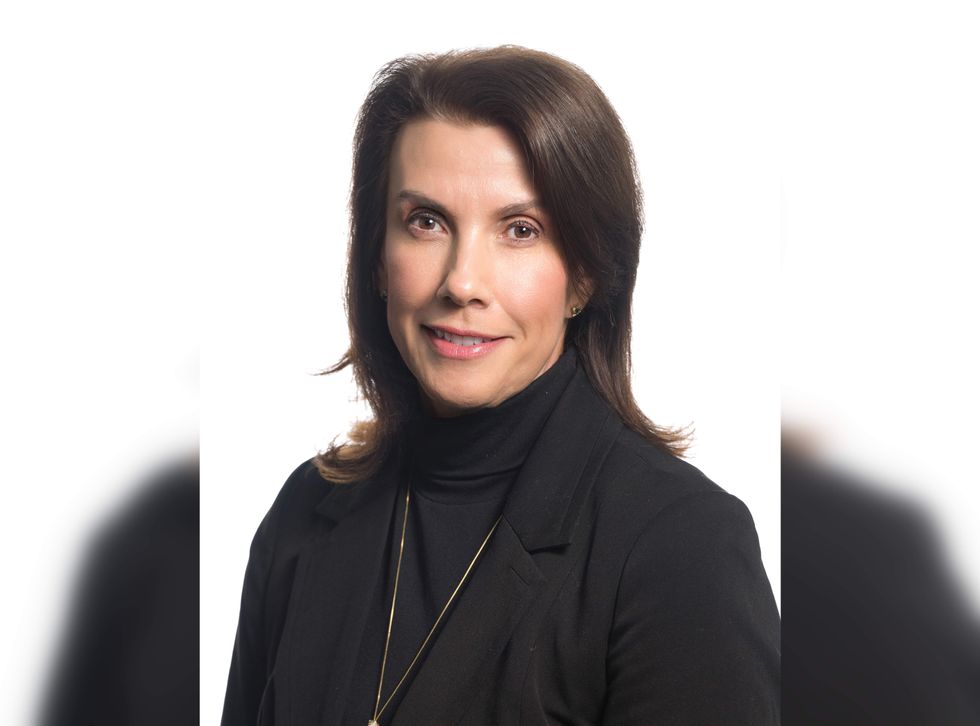
Ana Amicarella, CEO of EthosEnergy, joins the Houston Innovators Podcast to discuss the company's growth amid the energy transition. Photo courtesy of EthosEnergy

For most of her career, Ana Amicarella has been the only person in the room who looks like her. But as CEO of Houston-based EthosEnergy, she's changing that.

"The energy sector for sure is highly dominated by men, but I think it's such an exciting environment," Amicarella says on the Houston Innovators Podcast. "What I try to do at every job that I go to is I try to increase representation — diverse representation and females in the company. And I measure that when I started and when I end. I want to be able to make a difference."

Amicarella joined EthosEnergy — which provides rotating equipment services and solutions to the power, oil and gas, and industrial markets — as CEO in 2019 a few years after it was in 2014 as a joint venture between John Wood Group PLC and Siemens Energy AG. Prior to her current role, she served in leadership roles at Aggreko an GE Oil and Gas. Read more.

John Arnold, founder of Centaurus Capital
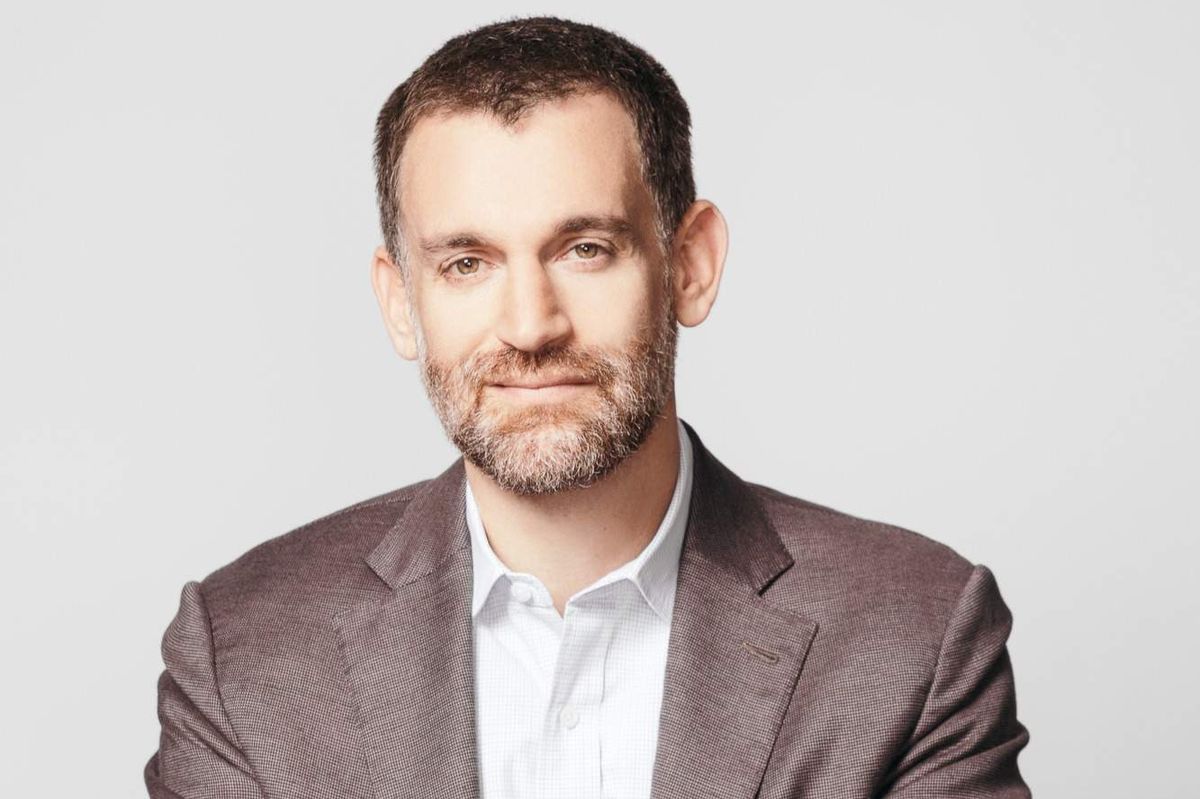
A Houston company has raised funding from a local investor. Photo via Centaurus Capital

A Houston company has closed its series B extension at $25 million.

MetOx International, which develops and manufactures high-temperature superconducting (HTS) wire, announced it closed a $25 million series B extension. Houston-based Centaurus Capital, an energy-focused family office, and New System Ventures, a climate and energy transition-focused venture firm, led the round with participation from other investors.

"MetOx has developed a robust and highly scalable operation, and we are thrilled to partner with the Company as it enters this pivotal growth stage," says John Arnold, founder of Centaurus, in a news release. "The market for HTS is expanding at an unprecedented pace, with demand for HTS far outweighing supply. MetOx is poised to be the leading U.S. HTS producer, closing the supply gap and bringing dramatic capacity to high power innovations and applications. Their progress and potential are unmatched in the field, and we are proud to support their growth." Read more.

Chris George, United States co-lead at Octopus Electric Vehicles
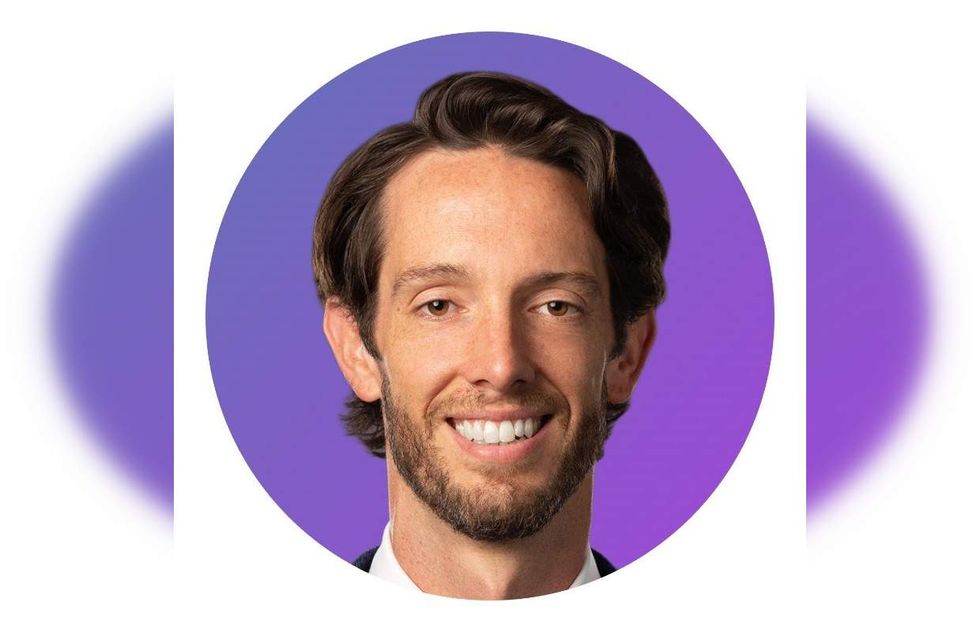
Texas is positioned to be a great state for the EV industry, writes this expert. Photo via LinkedIn

As Texans continue to invest in electric vehicles, public charging needs to be able to meet an increased demand, according to Chris George, the United States co-lead at Octopus Electric Vehicles, who wrote a guest column for InnovationMap about the state's potential when it comes to EVs.

"As we look to the future of transport and energy, the synergy between NEVI and Tesla’s network should create a compelling narrative for those thinking about leasing an EV," he writes. "Combine that with exciting new battery tech and potential range improvements, fueled by West Texas wind and solar, Texas is positioned to be a great state for the EV industry." Read more.

2024 Houston Innovation Awards judges
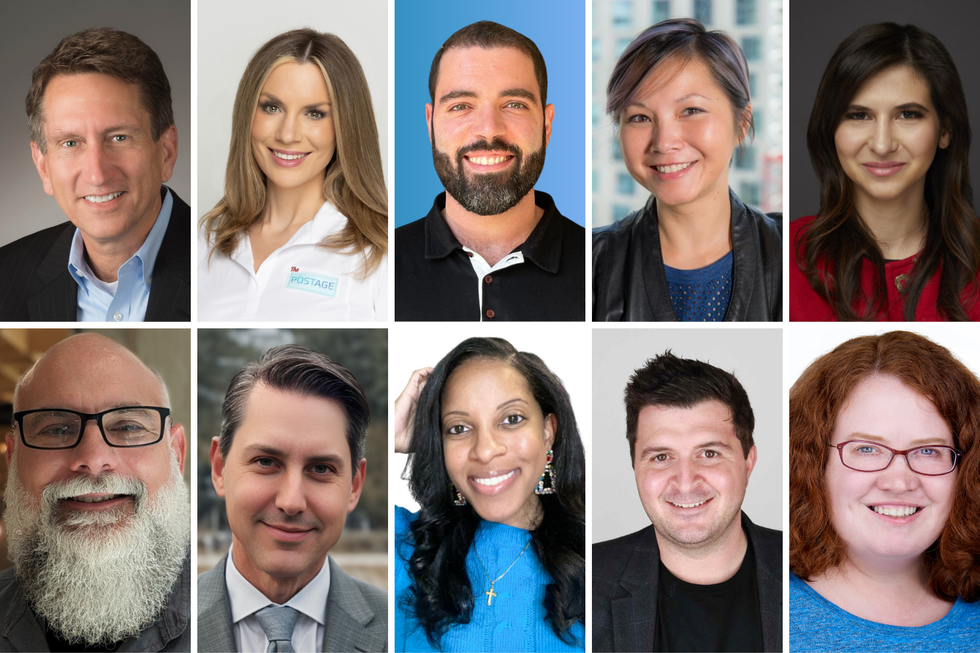
Here's who's calling the shots for the 2024 Houston Innovation Awards. Photos courtesy

Ten Houstonians are in the hot seat for deciding the best companies and individuals in Houston's innovation ecosystem.

InnovationMap has announced its 2024 Houston Innovation Awards judging panel, which includes startup founders, nonprofit leaders, investors, corporate innovators, and more. In addition to the 10 judges, InnovationMap Editor Natalie Harms will serve as the editorial representative on the judging panel.

The selected judges will evaluate applications from the nearly 300 nominations that were submitted this year. The judges will be using their expertise to evaluate the nominees' applications, which are due to InnovationMap this week. Read more.

Ana Amicarella, CEO of EthosEnergy, joins the Houston Innovators Podcast to discuss the company's growth amid the energy transition. Photo courtesy of EthosEnergy

How this Houston business leader is promoting diversity, nimbleness amid energy transition

Houston innovators podcast episode 254

For most of her career, Ana Amicarella has been the only person in the room who looks like her. But as CEO of Houston-based EthosEnergy, she's changing that.

"The energy sector for sure is highly dominated by men, but I think it's such an exciting environment," Amicarella says on the Houston Innovators Podcast. "What I try to do at every job that I go to is I try to increase representation — diverse representation and females in the company. And I measure that when I started and when I end. I want to be able to make a difference."

Amicarella joined EthosEnergy — which provides rotating equipment services and solutions to the power, oil and gas, and industrial markets — as CEO in 2019 a few years after it was in 2014 as a joint venture between John Wood Group PLC and Siemens Energy AG. Prior to her current role, she served in leadership roles at Aggreko an GE Oil and Gas.

Recently, EthosEnergy announced it's being acquired by New York private equity firm, One Equity Partners, which Amicarella says is very interested in investing into EthosEnergy and its ability to contribute to the energy transition.

"What One Equity Partners will bring is tremendous decisiveness. They won't delay in deciding what is good for the company — I've already seen examples," Amicarella says, adding that the deal hasn't get been finalized. "They are going to make decisions and trust the management team, I think our pace of change will be enormous compared to what it used to be."

While EthosEnergy has customers from traditional oil and gas, she says she leads the company with the energy transition at the top of her mind, and that means being able to grow and evolve.

"One of the behaviors we look to have at EthosEnergy is an ability to be nimble," Amicarella says, "because we know market conditions change. Think of all the things we've had to go through in the last five years."

Ad Placement 300x100
Ad Placement 300x600

CultureMap Emails are Awesome

Baylor College of Medicine names Minnesota med school dean as new president, CEO ​

new leader

Dr. Jakub Tolar, dean of the University of Minnesota Medical School, is taking over as president, CEO and executive dean of Houston’s Baylor College of Medicine on July 1.

Tolar—who’s also vice president for clinical affairs at the University of Minnesota and a university professor—will succeed Dr. Paul Klotman as head of BCM. Klotman is retiring June 30 after leading Texas’ top-ranked medical school since 2010.

In tandem with medical facilities such as Baylor St. Luke’s Medical Center and Texas Children’s Hospital, Baylor trains nearly half of the doctors who work at Texas Medical Center. In addition, Baylor is home to the Dan L Duncan Comprehensive Cancer Center and the Texas Heart Institute.

The hunt for a new leader at Baylor yielded 179 candidates. The medical school’s search firm interviewed 44 candidates, and the pool was narrowed to 10 contenders who were interviewed by the Board of Trustees’ search committee. The full board then interviewed the four finalists, including Tolar.

Greg Brenneman, chair of Baylor’s board and the search committee, says Tolar is “highly accomplished” in the core elements of the medical school’s mission: research, patient care, education and community service.

“Baylor is phenomenal. Baylor is a superpower in academic medicine,” Tolar, a native of the Czech Republic, says in a YouTube video filmed at the medical school. “And everything comes together here because science saves lives. That is the superpower.”

Tolar’s medical specialties include pediatric blood and bone marrow transplants. His research, which he’ll continue at Baylor, focuses on developing cellular therapies for rare genetic disorders. In the research arena, he’s known for his care of patients with recessive dystrophic epidermolysis bullosa, a severe genetic skin disorder.

In a news release, Tolar praises Baylor’s “achievements and foundation,” as well as the school’s potential to advance medicine and health care in “new and impactful ways.”

The Baylor College of Medicine employs more than 9,300 full-time faculty and staff. For the 2025-26 academic year, nearly 1,800 students are enrolled in the School of Medicine, Graduate School of Biomedical Sciences and School of Health Professions. Its M.D. program operates campuses in Houston and Temple.

In the fiscal year that ended June 30, 2024, Baylor recorded $2.72 billion in operating revenue and $2.76 billion in operating expenses.

The college was founded in 1900 in Dallas and relocated to Houston in 1943. It was affiliated with Baylor University in Waco from 1903 to 1969.

​Planned UT Austin med center, anchored by MD Anderson, gets $100M gift​

med funding

The University of Texas at Austin’s planned multibillion-dollar medical center, which will include a hospital run by Houston’s University of Texas MD Anderson Cancer Center, just received a $100 million boost from a billionaire husband-and-wife duo.

Tench Coxe, a former venture capitalist who’s a major shareholder in chipmaking giant Nvidia, and Simone Coxe, co-founder and former CEO of the Blanc & Otus PR firm, contributed the $100 million—one of the largest gifts in UT history. The Coxes live in Austin.

“Great medical care changes lives,” says Simone Coxe, “and we want more people to have access to it.”

The University of Texas System announced the medical center project in 2023 and cited an estimated price tag of $2.5 billion. UT initially said the medical center would be built on the site of the Frank Erwin Center, a sports and entertainment venue on the UT Austin campus that was demolished in 2024. The 20-acre site, north of downtown and the state Capitol, is near Dell Seton Medical Center, UT Dell Medical School and UT Health Austin.

Now, UT officials are considering a bigger, still-unidentified site near the Domain mixed-use district in North Austin, although they haven’t ruled out the Erwin Center site. The Domain development is near St. David’s North Medical Center.

As originally planned, the medical center would house a cancer center built and operated by MD Anderson and a specialty hospital built and operated by UT Austin. Construction on the two hospitals is scheduled to start this year and be completed in 2030. According to a 2025 bid notice for contractors, each hospital is expected to encompass about 1.5 million square feet, meaning the medical center would span about 3 million square feet.

Features of the MD Anderson hospital will include:

  • Inpatient care
  • Outpatient clinics
  • Surgery suites
  • Radiation, chemotherapy, cell, and proton treatments
  • Diagnostic imaging
  • Clinical drug trials

UT says the new medical center will fuse the university’s academic and research capabilities with the medical and research capabilities of MD Anderson and Dell Medical School.

UT officials say priorities for spending the Coxes’ gift include:

  • Recruiting world-class medical professionals and scientists
  • Supporting construction
  • Investing in technology
  • Expanding community programs that promote healthy living and access to care

Tench says the opportunity to contribute to building an institution from the ground up helped prompt the donation. He and others say that thanks to MD Anderson’s participation, the medical center will bring world-renowned cancer care to the Austin area.

“We have a close friend who had to travel to Houston for care she should have been able to get here at home. … Supporting the vision for the UT medical center is exactly the opportunity Austin needed,” he says.

The rate of patients who leave the Austin area to seek care for serious medical issues runs as high as 25 percent, according to UT.