


From groundbreaking energy leaders to growing space startups, here's who secured funding in the last six months of 2025. Photo via Getty Images

Houston startups closed out the last half of 2025 with major funding news.

Here are 14 Houston companies—from groundbreaking energy leaders to growing space startups—that secured funding in the last six months of the year, according to reporting by InnovationMap and our sister site, EnergyCapitalHTX.com.

Did we miss a funding round? Let us know by emailing innoeditor@innovationmap.com.

Fervo Energy
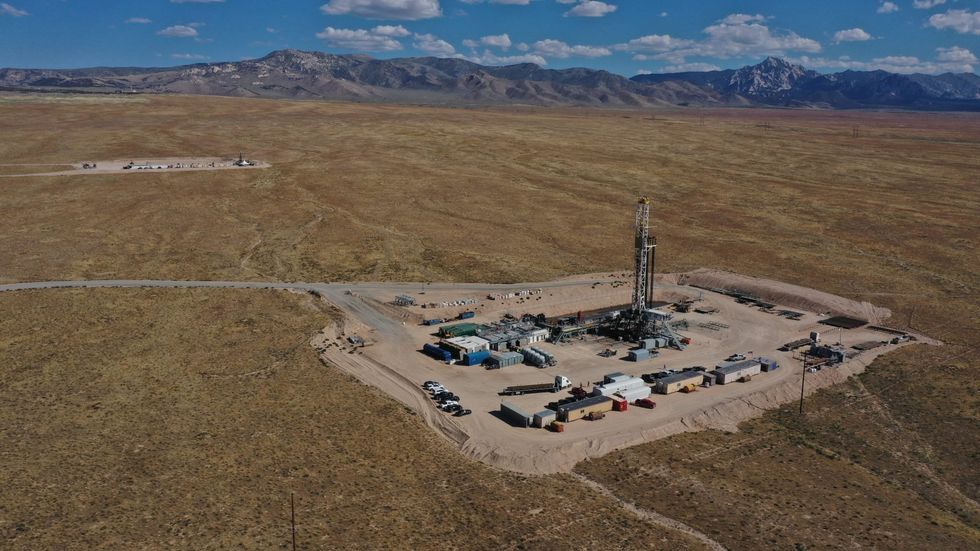
Fervo Energy has closed an oversubscribed Series E. Photo via Fervo Energy

Houston-based geothermal energy company Fervo Energy closed an oversubscribed $462 million series E funding round, led by new investor B Capital, in December.

The company also secured $205.6 million from three sources in June.

“Fervo is setting the pace for the next era of clean, affordable, and reliable power in the U.S.,” Jeff Johnson, general partner at B Capital, said in a news release.

The funding will support the continued buildout of Fervo’s Utah-based Cape Station development, which is slated to start delivering 100 MW of clean power to the grid beginning in 2026. Cape Station is expected to be the world's largest next-generation geothermal development, according to Fervo. The development of several other projects will also be included in the new round of funding. Continue reading.

Square Robot
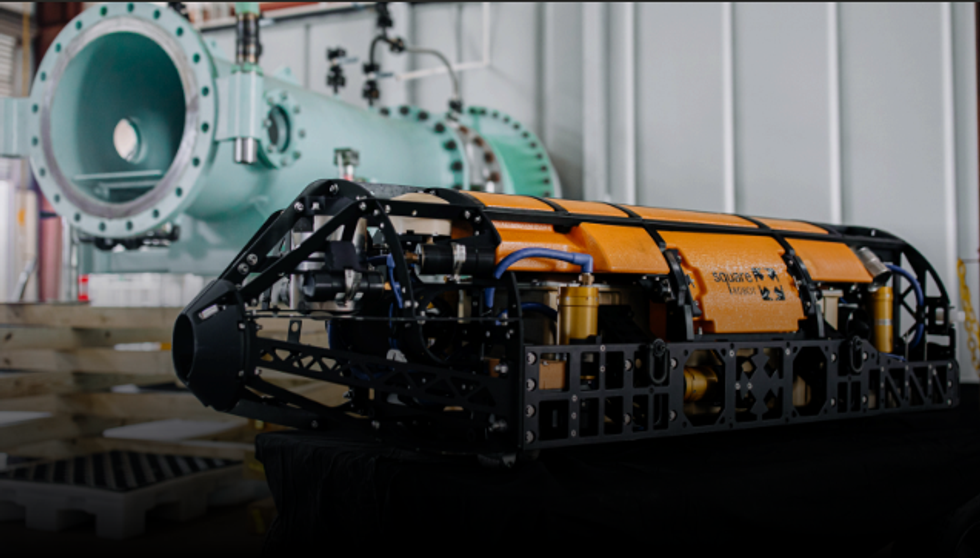
Houston robotics co. unveils new robot that can handle extreme temperatures

Square Robot's technology eliminates the need for humans to enter dangerous and toxic environments. Photo courtesy of Square Robot

Houston- and Boston-based Square Robot Inc. announced a partnership with downstream and midstream energy giant Marathon Petroleum Corp. (NYSE: MPC) last month.

The partnership came with an undisclosed amount of funding from Marathon, which Square Robot says will help "shape the design and development" of its submersible robotics platform and scale its fleet for nationwide tank inspections. Continue reading.

Eclipse Energy
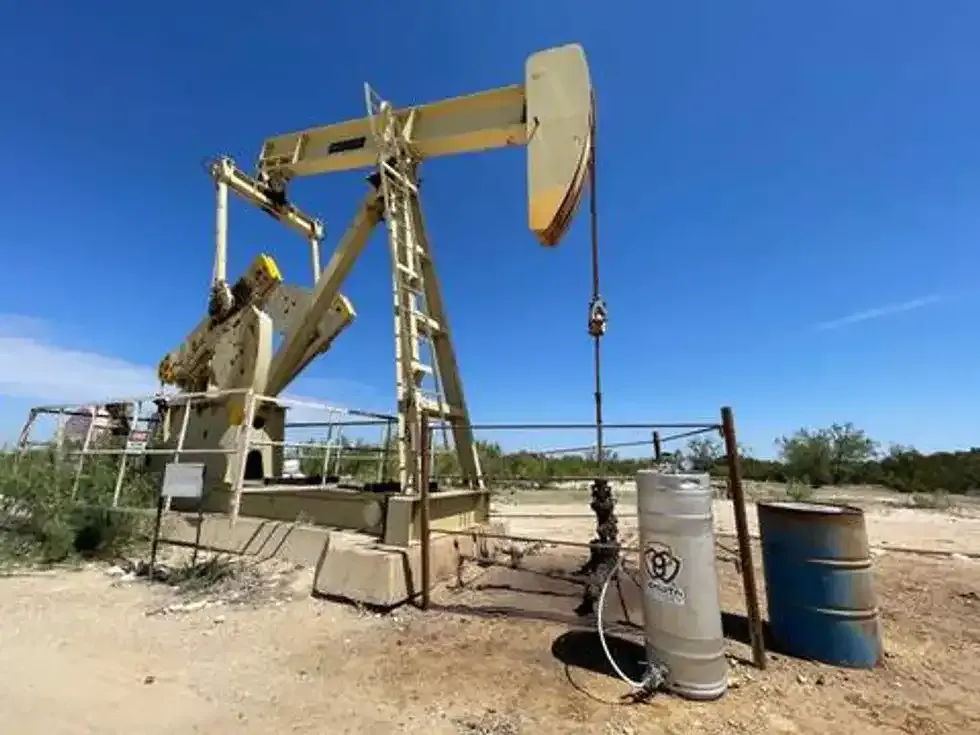
Eclipse Energy and Weatherford International are expected to launch joint projects early this year. Photo courtesy of Eclipse Energy.

Oil and gas giant Weatherford International (NASDAQ: WFRD) made a capital investment for an undisclosed amount in Eclipse Energy in December as part of a collaborative partnership aimed at scaling and commercializing Eclipse's clean fuel technology.

According to a release, joint projects from the two Houston-based companies are expected to launch as soon as this month. The partnership aims to leverage Weatherford's global operations with Eclipse Energy's pioneering subsurface biotechnology that converts end-of-life oil fields into low-cost, sustainable hydrogen sources. Continue reading.

Venus Aerospace 
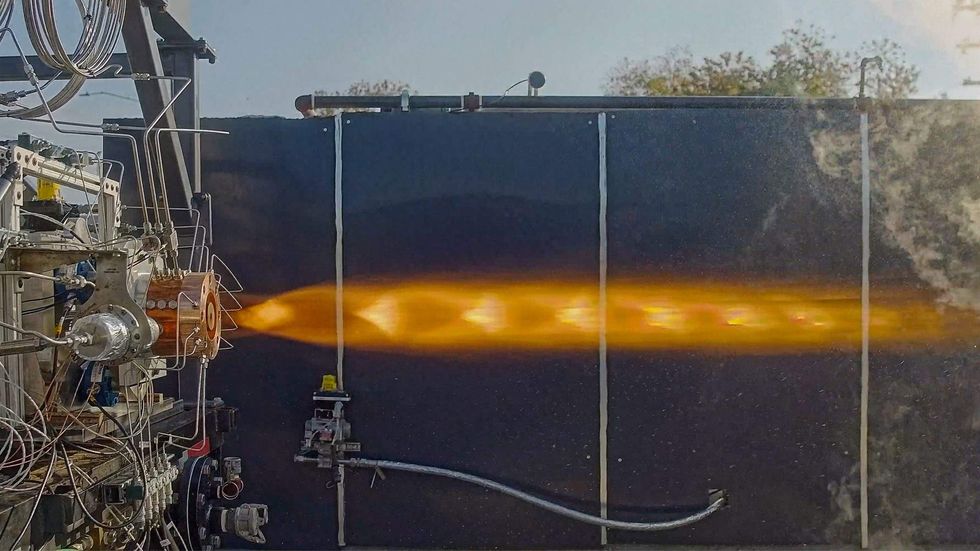
Lockheed Martin Ventures says it's committed to helping Houston-based Venus Aerospace scale its technology. Photo courtesy Venus Aerospace

Venus Aerospace, a Houston-based startup specializing in next-generation rocket engine propulsion, has received funding from Lockheed Martin Ventures, the investment arm of aerospace and defense contractor Lockheed Martin, for an undisclosed amount, the company announced in November. The product lineup at Lockheed Martin includes rockets.

The investment follows Venus’ successful high-thrust test flight of its rotating detonation rocket engine (RDRE) in May. Venus says it’s the only company in the world that makes a flight-proven, high-thrust RDRE with a “clear path to scaled production.”

Venus says the Lockheed Martin Ventures investment reflects the potential of Venus’ dual-use technology for defense and commercial uses. Continue reading.

Koda Health

Tatiana Fofanova and Dr. Desh Mohan, founders of Koda Health, which recently closed a $7 million series A. Photo courtesy Koda Health.

Houston-based digital advance care planning company Koda Health closed an oversubscribed $7 million series A funding round in October.

The round, led by Evidenced, with participation from Mudita Venture Partners, Techstars and Texas Medical Center, will allow the company to scale operations and expand engineering, clinical strategy and customer success, according to a news release.

The company shared that the series A "marks a pivotal moment," as it has secured investments from influential leaders in the healthcare and venture capital space. Continue reading.

Hertha Metals
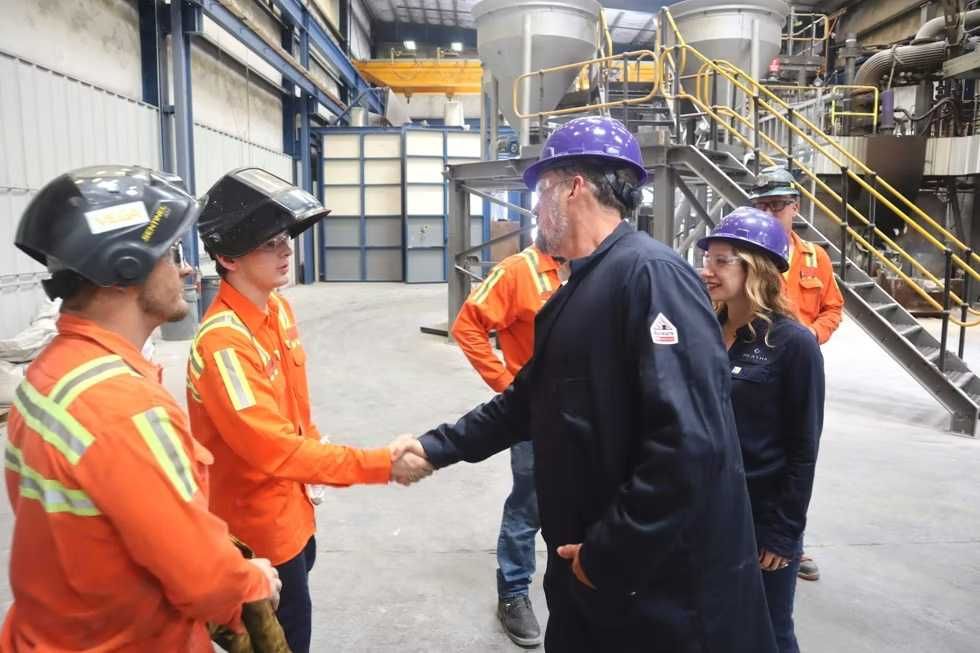
U.S. Rep. Morgan Luttrell, a Magnolia Republican, and Hertha Metals founder and CEO Laureen Meroueh toured Hertha’s Conroe plant in August. Photo courtesy Hertha Metals/Business Wire.

Conroe-based Hertha Metals, a producer of substantial steel, hauled in more than $17 million in venture capital from Khosla Ventures, Breakthrough Energy Fellows, Pear VC, Clean Energy Ventures and other investors.

The money was put toward the construction and the launch of its 1-metric-ton-per-day pilot plant in Conroe, where its breakthrough in steelmaking has been undergoing tests. The company uses a single-step process that it claims is cheaper, more energy-efficient and equally as scalable as conventional steelmaking methods. The plant is fueled by natural gas or hydrogen.

The company, founded in 2022, plans to break ground early this year on a new plant. The facility will be able to produce more than 9,000 metric tons of steel per year. Continue reading.

Helix Earth Technologies, Resilitix Intelligence and Fluxworks Inc.
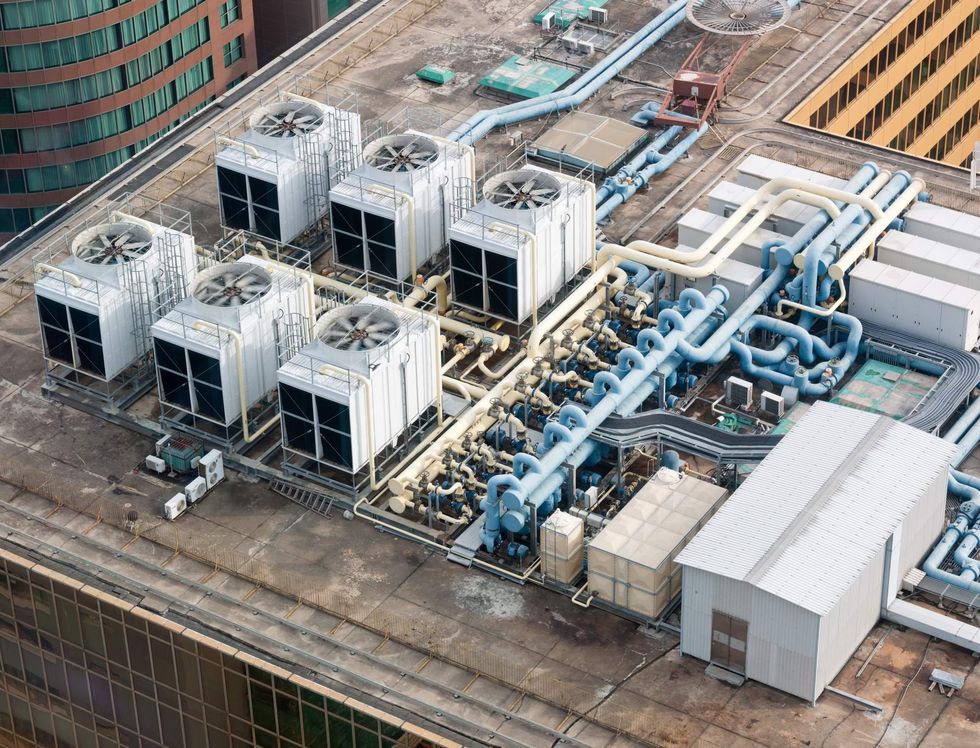
Helix Earth's technology is estimated to save up to half of the net energy used in commercial air conditioning, reducing both emissions and costs for operators. Photo via Getty Images

Houston-based Helix Earth Technologies, Resilitix Intelligence and Fluxworks Inc. each secured $1.2 million in federal funding through the Small Business Innovation Research (SBIR) Phase II grant program this fall.

The three grants from the National Scienve foundation officially rolled out in early September 2025 and are expected to run through August 2027, according to the NSF. The SBIR Phase II grants support in-depth research and development of ideas that showed potential for commercialization after receiving Phase I grants from government agencies.

However, congressional authority for the program, often called "America's seed fund," expired on Sept. 30, 2025, and has stalled since the recent government shutdown. Continue reading.

Solidec Inc. (pre-seed)
7 innovative startups that are leading the energy transition in Houston

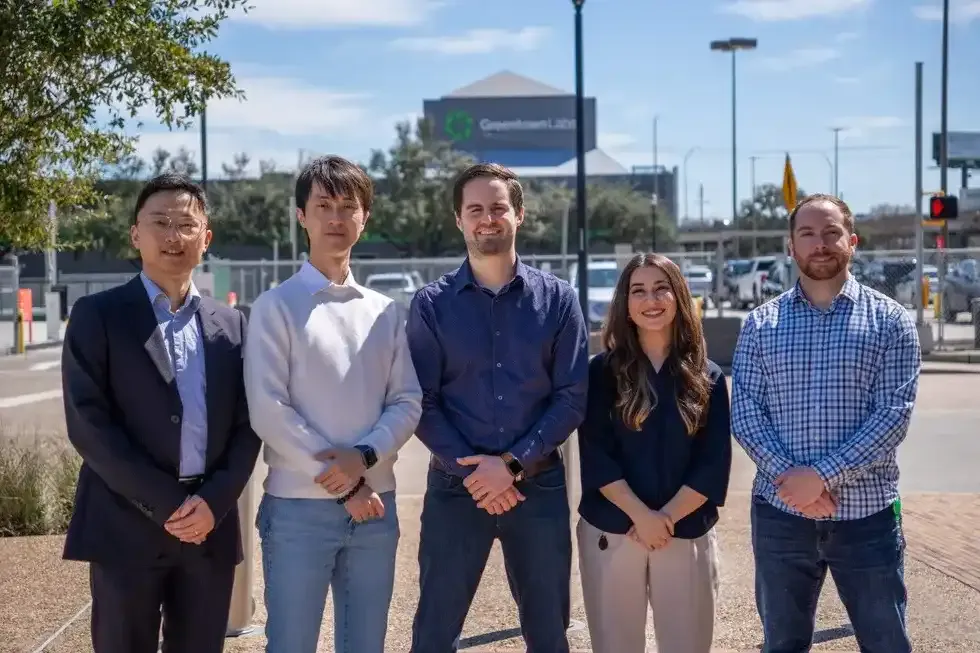
Houston-based Solidec was founded around innovations developed by Rice University associate professor Haotian Wang (far left). Photo courtesy Greentown Labs.

Solidec, a Houston startup that specializes in manufacturing “clean” chemicals, raised more than $2 million in pre-seed funding in August.

Houston-based New Climate Ventures led the oversubscribed pre-seed round, with participation from Plug and Play Ventures, Ecosphere Ventures, the Collaborative Fund, Safar Partners, Echo River Capital and Semilla Climate Capital, among other investors. Continue reading.

Molecule
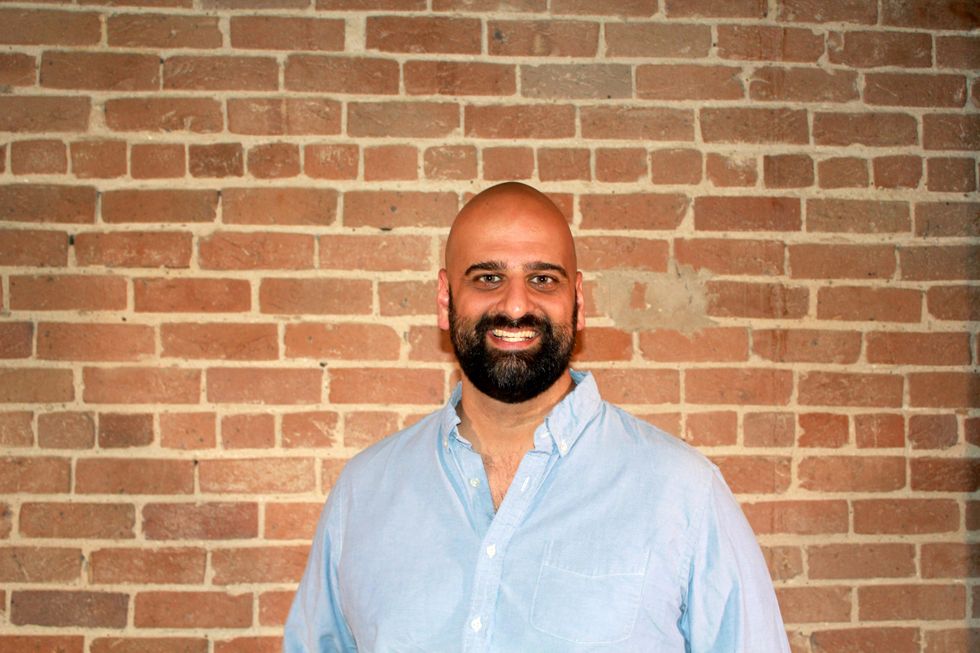
Sameer Soleja is the founder and CEO of Molecule, which just closed its series B round. Photo courtesy of Molecule Software.

Houston-based energy trading risk management (ETRM) software company Molecule completed a successful series B round for an undisclosed amount, according to a July 16 release from the company.

The raise was led by Sundance Growth, a California-based software growth equity firm. Sameer Soleja, founder and CEO of Molecule, said in the release that the funding will allow the company to "double down on product innovation, grow our team, and reach even more markets." Continue reading.

Rarefied Studios, Solidec Inc. and Affekta
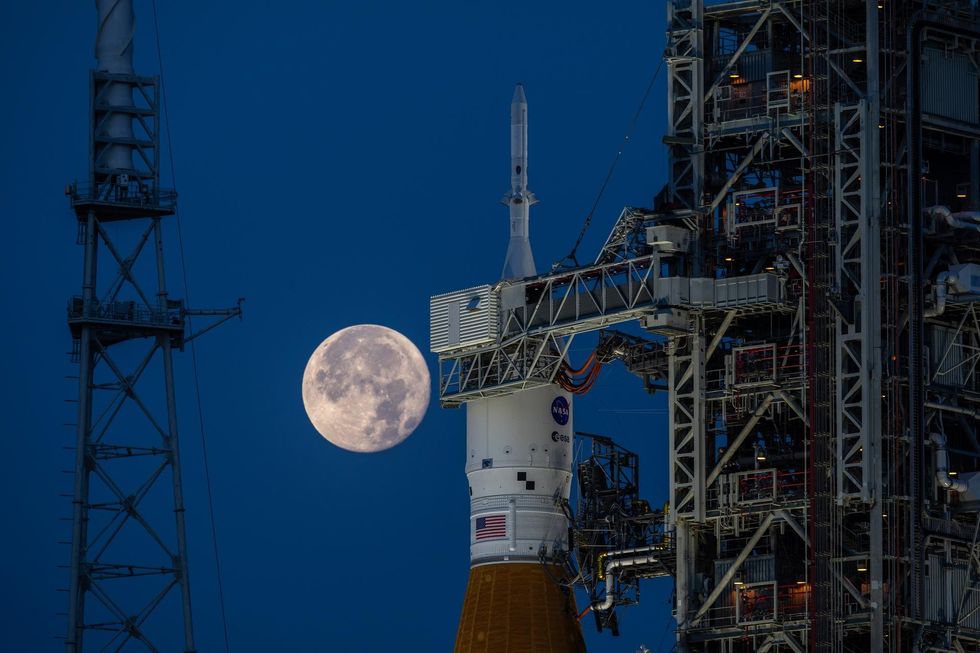
Houston startups were named among the nearly 300 recipients that received a portion of $44.85 million from NASA to develop space technology this fall. Photo via NASA/Ben Smegelsky

Houston-based Rarefied Studios, Solidec Inc. and Affekta were granted awards from NASA this summer to develop new technologies for the space agency.

The companies are among nearly 300 recipients that received a total agency investment of $44.85 million through the Small Business Innovation Research (SBIR) and Small Business Technology Transfer (STTR) Phase I grant programs, according to NASA.

Each selected company received $150,000 and, based on their progress, will be eligible to submit proposals for up to $850,000 in Phase II funding to develop prototypes. The SBIR program lasts for six months and contracts small businesses. Continue reading.

Intuitive Machines 

Intuitive Machines expects to begin manufacturing and flight integration on its orbital transfer vehicle as soon as 2026. Photo courtesy Intuitive Machines.

Houston-based Intuitive Machines secured a $9.8 million Phase II government contract for its orbital transfer vehicle in July.

The contract was expected to push the project through its Critical Design Review phase, which is the final engineering milestone before manufacturing can begin, according to a news release from the company. Intuitive Machines reported that it expected to begin manufacturing and flight integration for its orbital transfer vehicle as soon as this year, once the design review is completed.

The non-NASA contract is for an undisclosed government customer, which Intuitive Machines says reinforces its "strategic move to diversify its customer base and deliver orbital capabilities that span commercial, civil, and national security space operations." Continue reading.

Ad Placement 300x100
Ad Placement 300x600

CultureMap Emails are Awesome

Houston startup is off to the races with its innovative running shoes

running start

Despite Houston’s reputation as a sneaker town, there are few actual shoe companies headquartered in the Bayou City. One that is up and running is Veloci Running, an innovative enterprise that combines the founder’s history as a track runner for Rice University with the realities of running in a changing world.

Tyler Strothman started running cross country growing up in Wisconsin and Indiana before moving to Texas to attend Rice in 2020. Naturally, his college life was altered significantly by the COVID-19 pandemic. Unfortunately, Strothman contracted the virus, leading to pneumonia and causing him to consider other plans for his future.

One thing that stood out from Strothman’s running career was how bad his shoes fit.

“Traditional shoes narrowed in, cramped the front of my feet, and it was causing foot pain,” he said in a video interview. “But any other shoes that were shaped to better fit the natural foot shape were more barefoot (style)—they were more minimalist overall. And that was hurting my calf and Achilles. It was pulling on it, kind of like a rubber band.”

Strothman decided to start Veloci and went on to win the annual Liu Idea Lab for Innovation and Entrepreneurship's H. Albert Napier Rice Launch Challenge in 2025. The win secured $50,000 in startup money, which Strothman used to immediately launch his new runner-centered shoe design with himself as the CEO at the age of 24.

Along for the jog was Strothman’s college friend, Austin Escamilla, who serves as chief operating officer. Escamilla believed in Strothman’s vision, but the project immediately ran into snags beyond Veloci’s control, particularly with manufacturing in Asia.

“It was quite a year to start a shoe business, especially dealing with tariffs and global economic trade tensions,” he said in the same video interview. “We've luckily had some really good partners and really solid advisors throughout the journey who've either done it or had some good feedback and advice. It certainly takes a village, but every day is different. So, it's fun to come into work every day and problem solve.”

The flagship Veloci shoe is the Ascent, which comes in both men’s and women’s sizes. It combines the wide toe cage that Strothman wanted with extra support cushion for a softer, easier run. They retail at $180. Strothman has personally been testing them for a year, noticing reduced lower leg pain when he runs.

At the same time, Veloci has attended to some of the more unique running problems in Houston and other hot, Southern states. A combination of heat and humidity makes for a very soggy shoe if not designed with such environments in mind. The Ascent is built to be very open and breathable, allowing hot air to flow and keeping sweat from building up. These various comfort improvements have made the Ascent Strothman’s favorite running shoe.

“I put on more pairs of this Veloci shoe than I have in my other running shoes in the last seven years,” he said

Currently, Veloci is still a very niche brand. Since the company launched last year, they’ve sold roughly 10,000 pairs. Those sales come either directly through their website or from specialty running stores, most of which are located around the Houston area, like Clear Creek Running Company in League City.

Building community around the shoe through these specialty retailers has been a prime marketing strategy. Part of the $50,000 grant went to a custom van that Veloci can take to various 5Ks, runs and events to get people interested in the brand. The personal touch has helped news of Veloci spread through the running world.

“We went to many run clubs throughout the last year,” said Escamillia. “We've been to pretty much every one of the major run clubs at least once or twice. Folks who try on the shoes, love them, become fans and post and repost…. The marketing side's been a lot of fun.”

Intuitive Machines lands $180M NASA contract for lunar delivery mission

to the moon

NASA has awarded Intuitive Machines a $180.4 million Commercial Lunar Payload Services (CLPS) award to deliver science and technology to the moon.

This is the fifth CLPS award the Houston spacetech company has received from NASA, according to a release. It will be the first mission to utilize Intuitive Machines' larger cargo lunar lander, Nova-D.

Known as IM-5, the mission is expected to deliver seven payloads to Mons Malapert, a ridge near the Lunar South Pole, which is a "compelling location for future communications, navigation, and surface infrastructure," according to the release.

“We believe our space infrastructure provides the scalability and flexibility needed to support an increased cadence of new Artemis missions and advance national objectives. This CLPS award accelerates our expansion efforts as we build, connect, and operate the systems powering that infrastructure,” Steve Altemus, CEO of Intuitive Machines, said in the release. “We look forward to working closely with NASA to deliver mission success on IM-5 and to provide sustained operations and persistent connectivity in the cislunar environment and across the solar system.”

The delivery will include the Australian Space Agency’s lunar rover, known as Roo-ver, and another lunar rover from Honeybee Robotics, a part of Jeff Bezos' Blue Origin. Intuitive Machines will also deliver chemical analysis instruments, radiation detectors and other technologies, as well as a capsule named Sanctuary that shows examples of human achievements.

Intuitive Machines previously completed its IM-1 and IM-2 missions, which put the first commercial lunar lander on the moon and achieved the southernmost lunar landing, respectively.

Its IM-3 mission is expected to deliver international payloads to the moon's Reiner Gamma this year. It’s IM-4 mission, funded by a $116.9 million CLPS award, is expected to deliver six science and technology payloads to the Moon’s South Pole in 2027.

The company also announced a $175 million equity investment to fuel growth earlier this month.

TotalEnergies exits U.S. offshore wind sector in $1B federal deal

Energy News

TotalEnergies, a French company whose U.S. headquarters is in Houston, has agreed to redirect nearly $930 million in capital from two offshore wind leases on the East Coast to oil, natural gas and liquefied natural gas (LNG) production.

In its agreement with the U.S. Department of the Interior, TotalEnergies has also promised not to develop new offshore wind projects in the U.S. “in light of national security concerns,” according to a department press release.

Federal agency hails ‘landmark agreement’

The Department of the Interior called the deal a “landmark agreement” that will steer capital “from expensive, unreliable offshore wind leases toward affordable, reliable natural gas projects that will provide secure energy for hardworking Americans.”

Renewable energy advocates object to what they believe is the Trump administration’s mischaracterization of offshore wind projects.

Under the Department of the Interior agreement, the federal government will reimburse TotalEnergies on a dollar-for-dollar basis for the leases, up to the amount that the energy company paid.

“Offshore wind is one of the most expensive, unreliable, environmentally disruptive, and subsidy-dependent schemes ever forced on American ratepayers and taxpayers,” Interior Secretary Doug Burgum said in the announcement. “We welcome TotalEnergies’ commitment to developing projects that produce dependable, affordable power to lower Americans' monthly bills while providing secure U.S. baseload power today — and in the future.”

TotalEnergies cites U.S. policy in move away from U.S. wind power

In the news release, Patrick Pouyanné, chairman and CEO of TotalEnergies, says the company was “pleased” to sign the agreement to support the Trump administration’s energy policy.

“Considering that the development of offshore wind projects is not in the country’s interest, we have decided to renounce offshore wind development in the United States, in exchange for the reimbursement of the lease fees,” Pouyanné says.

TotalEnergies redirects capital to LNG, oil, and natural gas

TotalEnergies will use the $928 million it spent on the offshore wind leases for development of a joint venture LNG plant in the Rio Grande Valley, as well as for production of upstream oil in the Gulf of Mexico and for production of shale gas.

“These investments will contribute to supplying Europe with much-needed LNG from the U.S. and provide gas for U.S. data center development. We believe this is a more efficient use of capital in the United States,” Pouyanné says.

TotalEnergies paid $133.3 million for an offshore wind lease at the Carolina Long Bay project off the coast of North Carolina and $795 million in 2022 for a lease covering a 1,545-megawatt commercial offshore wind facility off the coast of New Jersey.

“TotalEnergies’ studies on these leases have shown that offshore wind developments in the United States, unlike those in Europe, are costly and might have a negative impact on power affordability for U.S. consumers,” TotalEnergies said in a company-issued press release. “Since other technologies are available to meet the growing demand for electricity in the United States in a more affordable way, TotalEnergies considers there is no need to allocate capital to this technology in the U.S.”

Since 2022, TotalEnergies has invested nearly $12 billion to promote the development of oil, LNG, and electricity in the U.S. In 2025, TotalEnergies was the No. 1 exporter of LNG from the U.S.

Industry groups push back on offshore wind pullback

The American Clean Energy Association has pushed back on the Trump administration’s characterization of offshore wind projects.

“The offshore wind industry creates thousands of high-quality, good-paying jobs, and is revitalizing American manufacturing supply chains and U.S. shipyards,” Jason Grumet, the association’s CEO, said in December after the Trump administration paused all leases for large-scale offshore wind projects under construction in the U.S. “It is a critical component of our energy security and provides stable, domestic power that helps meet demand and keep costs low.”

Grumet added that President Trump’s “relentless attacks on offshore wind undermine his own economic agenda and needlessly harm American workers and consumers.” He called for passage of federal legislation that would prevent the White House “from picking winners and losers” in the energy sector and “placing political ideology” above Americans’ best interests.

The National Resources Defense Council offered a similar response to the offshore wind leases being paused.

“In its ongoing effort to prop up waning fossil fuels interests, the administration is taking wilder and wilder swings at the clean energy projects this economy needs,” said Pasha Feinberg, the council’s offshore wind strategist. “Investments in energy infrastructure require business certainty. This is the opposite. If the administration thinks the chilling impacts of this action are limited to the clean energy sector, it is sorely mistaken.”

---

This article originally appeared on EnergyCapitalHTX.com.