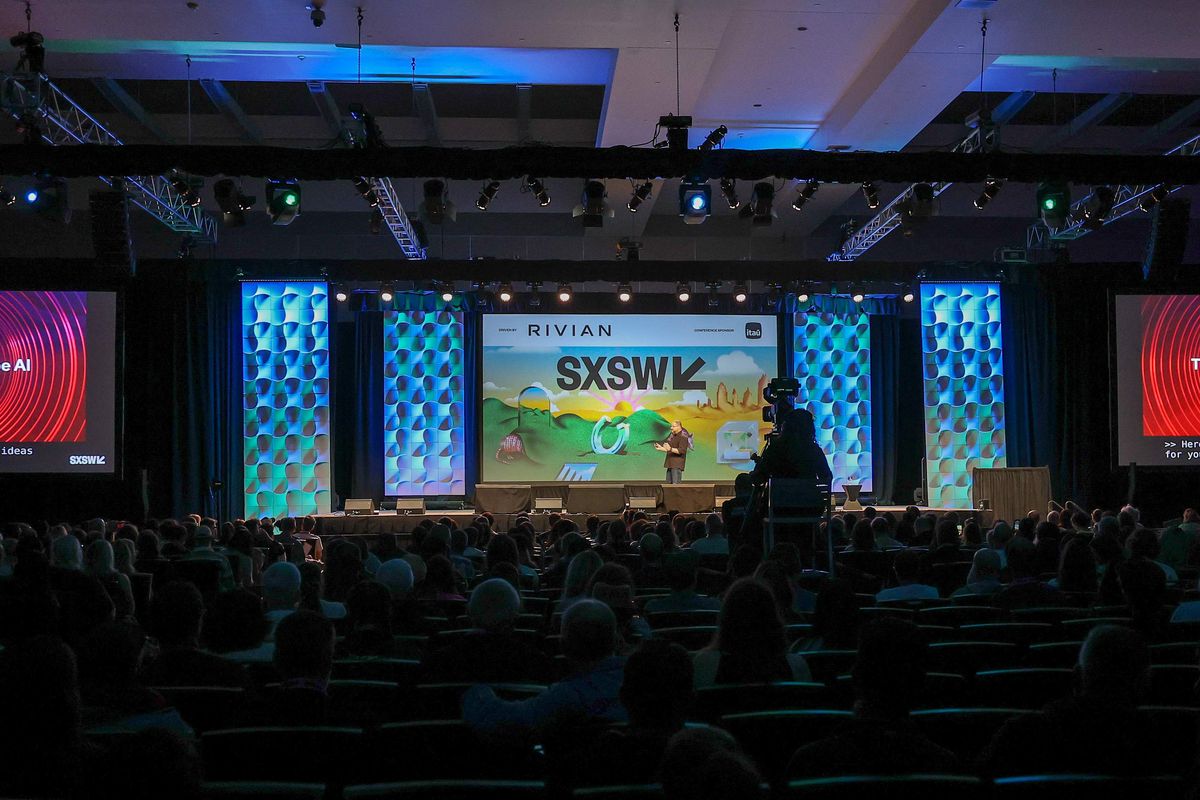
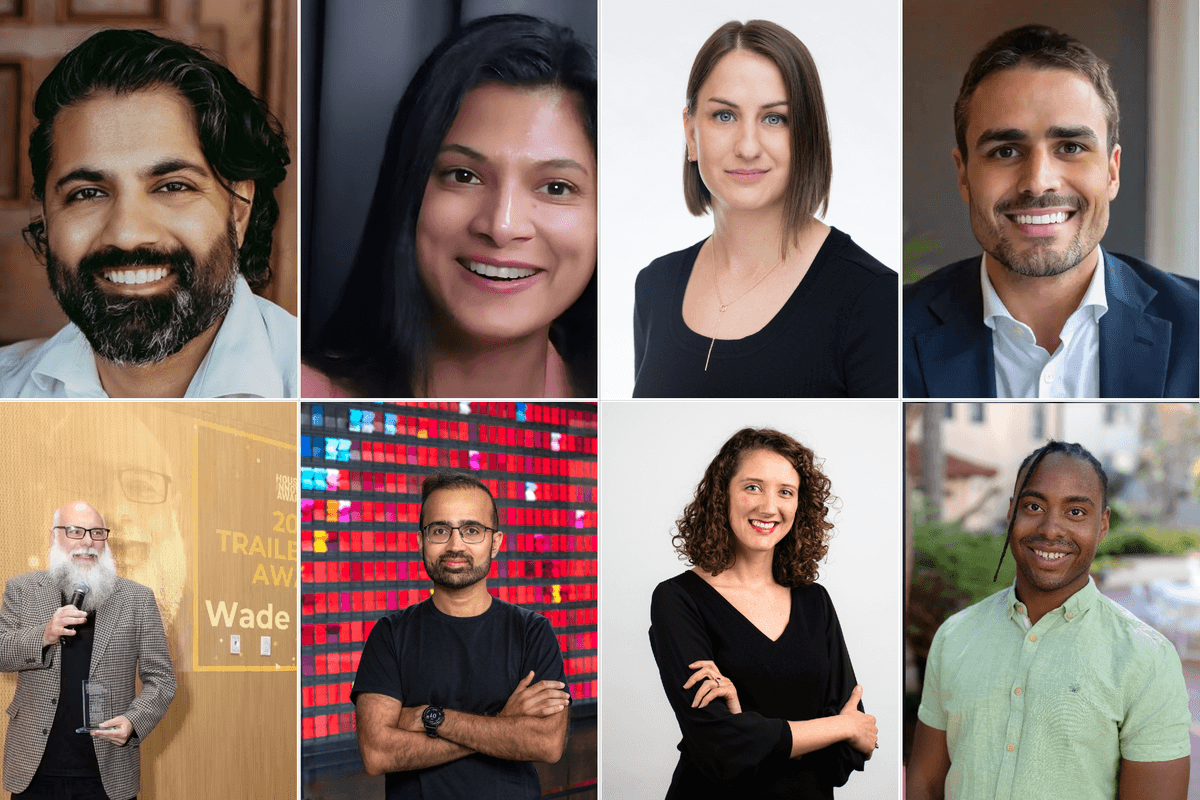
Tempest Droneworx won the Best Speed Pitch award at SXSW Pitch earlier this year. Photo via LinkedIn.

Editor's note: As we reflect on 2025, we're looking back at the stories and startups that made waves in Houston's innovation scene. These 10 startups reached memorable milestones, won prestigious awards, found creative solutions, and disrupted their industries.

Persona AI: Houston humanoid robotics startup inks new deal to deploy its rugged robots

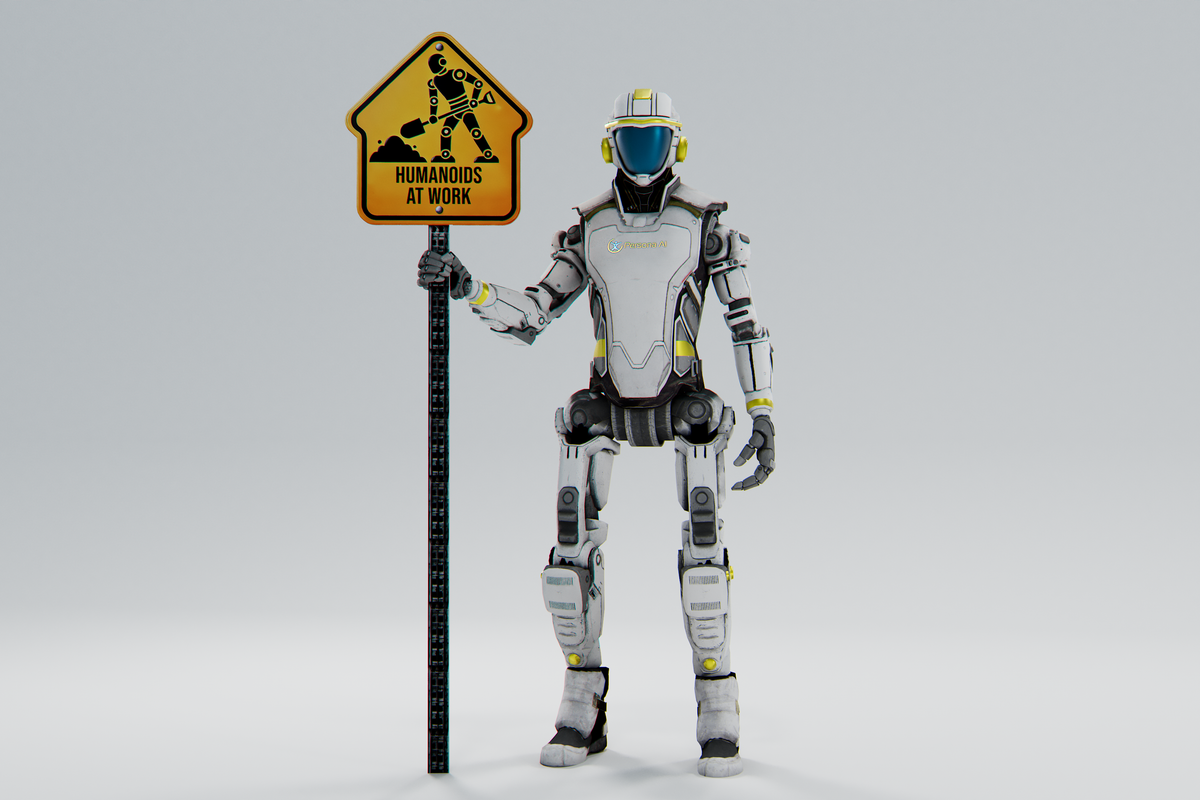
A concept design rendering of Persona AI's humanoid robot. The company is expanding at the Ion and plans to deliver prototype humanoids by the end of 2026 for complex shipyard welding tasks. Rendering courtesy Persona AI.

Persona AI is building modularized humanoid robots that aim to deliver continuous, round-the-clock productivity and skilled labor for "dull, dirty, dangerous, and declining" jobs. The company was founded by Houston entrepreneur Nicolaus Radford, who serves as CEO, along with CTO Jerry Pratt and COO Jide Akinyode. It raised $42 million in pre-seed funding this year and is developing its prototype of a robot-welder for Hyundai's shipbuilding division, which it plans to unveil in 2026. The company won in the Deep Tech Business category at this year's Houston Innovation Awards. Continue reading.

Rheom Materials: Houston startup unveils its innovative leather alternative at the rodeo

Rheom Materials presented its bio-based alternative, Shorai, a 93 percent bio-based leather, at the rodeo and plans to scale it up this year. Photos courtesy Rheom Materials

Rheom Materials presented its scalable, bio-based alternative known as Shorai, a 93 percent bio-based leather, through two custom, western-inspired outfits that showed off cowboy flair through a sustainable lens at the Houston Livestock Show and Rodeo earlier this year.

Next up, the company said it aimed to scale production of Shorai, the Japanese word for “future,” at a competitive price point, while also reducing its carbon footprint by 80 percent when compared to synthetic leather. The company also made a large-scale production partnership with a thermoplastic extrusion and lamination company, Bixby International, this year. Continue reading.

Koda Health: Houston digital health platform Koda closes $7 million funding round

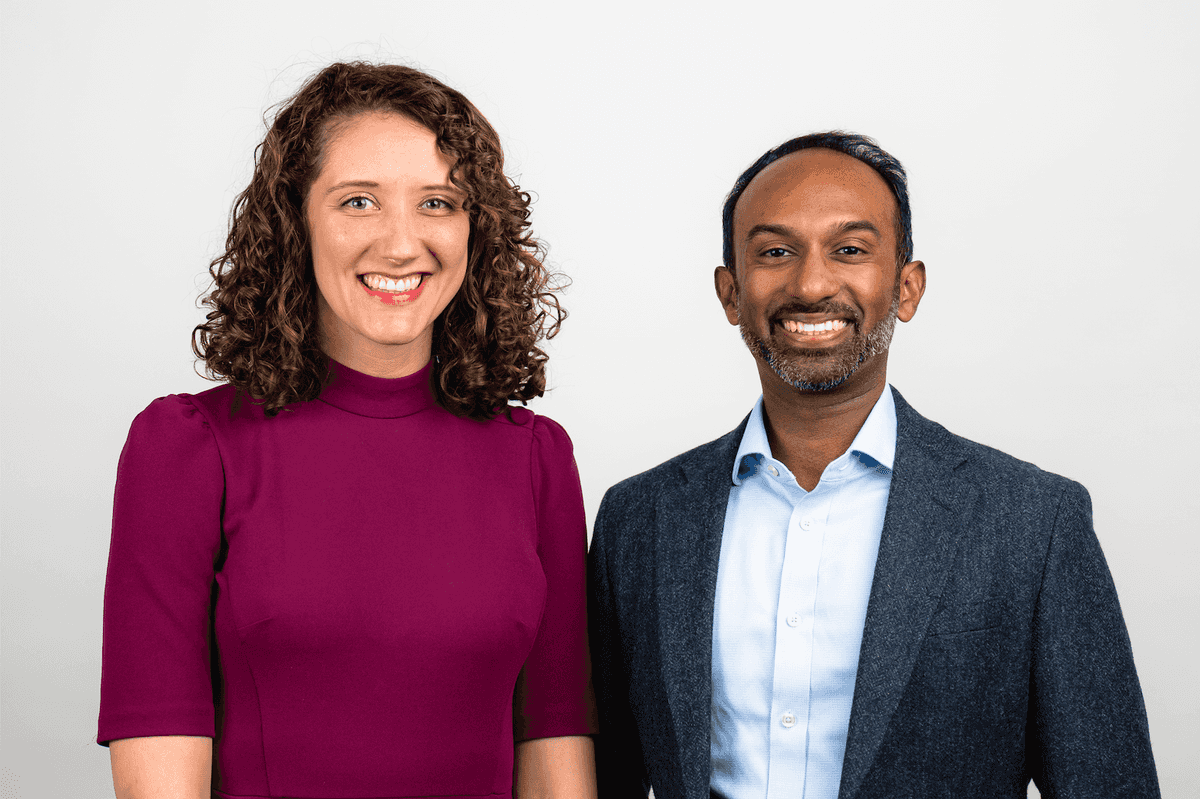
Tatiana Fofanova and Dr. Desh Mohan, founders of Koda Health, which recently closed a $7 million series A. Photo courtesy Koda Health.

Houston-based digital advance care planning company Koda Health closed an oversubscribed $7 million series A funding round this year. The round, led by Evidenced, with participation from Mudita Venture Partners, Techstars and Texas Medical Center, will allow the company to scale operations and expand engineering, clinical strategy and customer success. Koda Health, saw major growth this year by integrating its end-of-life care planning platform with Dallas-based Guidehealth in April and with Epic Systems in July. The company won the Health Tech Business category at the 2025 Houston Innovation Awards. Continue reading.

Veloci Running: Student-led startup runs away with prestigious prize at Rice competition

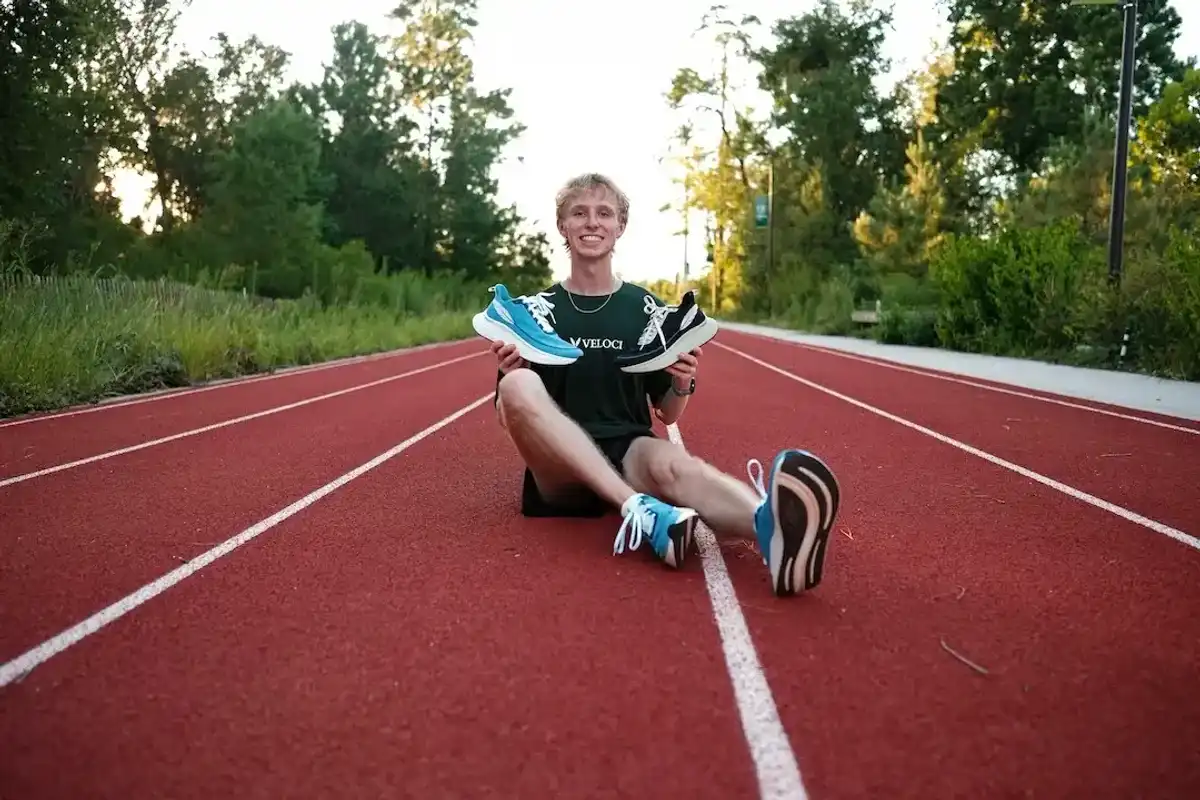
The H. Albert Napier Rice Launch Challenge awarded $100,000 in equity-free funding to student-led startups, including first-place finisher Veloci Running. Photo courtesy of Rice University.

Veloci Running took home the first-place prize and $50,000 at the annual Liu Idea Lab for Innovation and Entrepreneurship's H. Albert Napier Rice Launch Challenge. The company was founded by Tyler Strothman, a former track and field athlete and senior at Rice, majoring in sport management. Inspired by the foot pain he suffered due to the narrow toe boxes in his running shoes, Strothman decided to create a naturally shaped shoe designed to relieve lower leg tightness and absorb impact. Additional prize winners included SteerBio, Kinnections, Labshare and several others. Continue reading.

Square Robot Inc.: Houston robotics co. unveils new robot that can handle extreme temperatures

The new robot eliminates the need for humans to enter dangerous and toxic environments. Photo courtesy of Square Robot

Houston- and Boston-based Square Robot Inc.'s newest tank inspection robot became commercially available and certified to operate at extreme temperatures this fall. The new robot, known as the SR-3HT, can operate from 14°F to 131°F, representing a broader temperature range than previous models in the company's portfolio. According to the company, its previous temperature range reached 32°F to 104°F. The company also announced a partnership with downstream and midstream energy giant Marathon Petroleum Corp. (NYSE: MPC) last month. Continue reading.

Bot Auto: Houston autonomous trucking co. completes first test run without human intervention

Bot Auto completed its first test run without human assistance in Houston. Photo courtesy Bot Auto.

Houston-based Bot Auto, an autonomous trucking company, completed its first test run without human assistance earlier this year. Bot Auto conducted the test in Houston. The transportation-as-a-service startup added that this milestone “serves as a validation benchmark, demonstrating the maturity and safety of Bot Auto’s autonomy stack and test protocols.” This summer, founder Xiaodi Hou told the Front Lines podcast that Bot Auto had raised more than $45 million. Continue reading.

Nomad: Screen-free hiking app developed in Houston earns 'Best of the Best' award

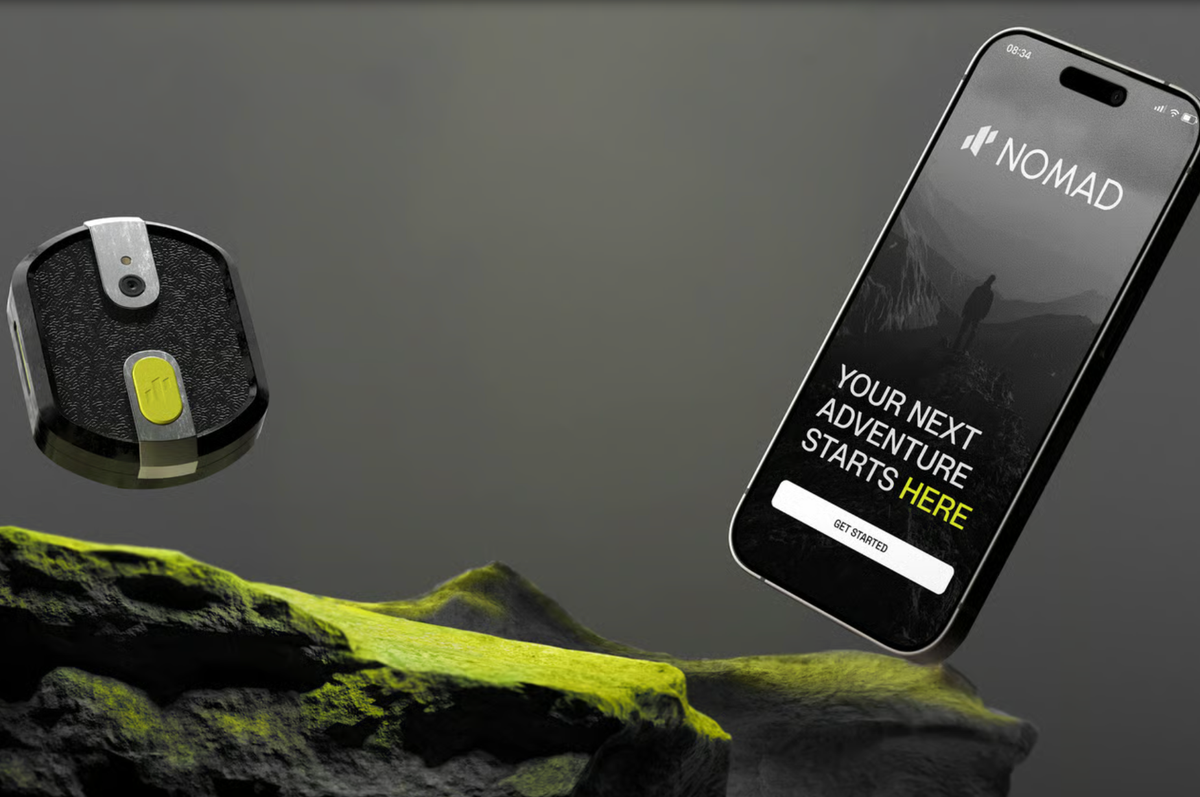
NOMAD aims to help hikers stay in the moment while still utilizing technology. Photo courtesy UH.

An AI-powered, screen-free hiking system developed by Varshini Chouthri, a recent industrial design graduate from the University of Houston, received this year's Red Dot’s “Best of the Best” award, which recognizes the top innovative designs around the world. Known as NOMAD, the system aims to help users stay in the moment while still utilizing technology. Continue reading.

Little Place Labs, Helix Earth, Tempest Droneworx: Houston startups win big at SXSW 2025 pitch competition

Two Houston startups won the SXSW Pitch showcase in their respective categories. Photo via Getty Images

Houston had a strong showing at the SXSW Pitch showcase in Austin this year, with several local startups claiming top prizes in their respective categories.

Little Place Labs, a Houston space data startup, won the Security, GovTech & Space competition. Clean-tech company Helix Earth, which spun out of Rice University and was incubated at Greentown Labs, won in the Smart Cities, Transportation & Sustainability contest. Tempest Droneworx, a Houston-based company that provides real-time intelligence collected through drones, robots and sensors, won the Best Speed Pitch award. Continue reading.

The H. Albert Napier Rice Launch Challenge awarded $100,000 in equity-free funding to student-led startups, including first-place finisher Veloci Running. Photo courtesy of Rice University.

Student-led startup runs away with prestigious prize at Rice competition

winner, winner

Rice University student-founded companies took home a total of $100,000 in equity-free funding at the annual Liu Idea Lab for Innovation and Entrepreneurship's H. Albert Napier Rice Launch Challenge.

Known as the NRLC, the venture competition features Rice University's top student-founded startups. The competition is open to undergraduate, graduate, and MBA students at Rice.

Five finalists were named earlier this year to pitch their five-minute pitch before the Rice entrepreneurship community on April 22. Each startup walked away with equity-free investment.

Veloci Running took home the first-place prize and $50,000. The company was founded by Tyler Strothman, a former track and field athlete and senior at Rice majoring in sport management.

Inspired by the foot pain he suffered due to the narrow toe boxes in his running shoes, Strothman decided to create a naturally shaped shoe designed to relieve lower leg tightness and absorb impact.

SteerBio took home second place and $25,000. The startup has a patented single-surgery hydrogel solution for lymphedema. It was founded by Mor Sela Golan, Martha Fowler and Alvaro Moreno Lozano. Lozano was recently named to the 2025 Rice Innovation Fellows cohort and Golan was named a Commercialization Fellow.

Third place, and $15,000, went to Labshare, which is an AI-powered web app that streamlines lab inventory and resource sharing. It was founded by Julian Figueroa Jr, John Tian, Mingyo Kang, Arnan Bawa and Daniel Kuo.

Other winners included:

  • Outstanding Undergraduate Award and $2,500: Kinnections
  • Audience Choice Award and $2,000: Labshare
  • Interdisciplinary Innovation Prize sponsored by OURI and $1,000: Haast Autonomous
  • Frank Liu Jr. Prize for Creative Innovation in Music, Fashion, & the Arts and $1,500: Craftroom
  • Outstanding Achievement in Artificial Intelligence Prize and $1,000: Kaducia
  • Outstanding Achievement in Social Impact Prize and $1,000: Kinnections
  • Outstanding Achievement in Consumer Goods Prize and $1,000 : Actile Technologies
  • Outstanding Achievement in Healthcare Innovations Prize and $1,000: Haast Autonomous

The NRLC, open to Rice students, is Lilie's hallmark event. HEXASpec, which develops inorganic fillers that improve heat management for the semiconductor industry, won the event last year. The team also won this year's Energy Venture Day and Pitch Competition during CERAWeek in the TEX-E student track.

Lilie also announced its 2025 Rice Innovation Fellows cohort and its first-ever Commercialization Fellows cohort this month. Read more here.

Ad Placement 300x100
Ad Placement 300x600

CultureMap Emails are Awesome

Texas booms as No. 3 best state to start a business right now

Innovation Starts Here

High employment growth and advantageous entrepreneurship rates have led Texas into a triumphant No. 3 spot in WalletHub's ranking of "Best and Worst States to Start a Business" for 2026.

Texas bounced back into the No. 3 spot nationally for the first time since 2023. After dropping into 8th place in 2024, the state hustled into No. 4 last year.

Ever year, WalletHub compares all 50 states based on their business environment, costs, and access to financial resources to determine the best places for starting a business. The study analyzes 25 relevant metrics to determine the rankings, such as labor costs, office space affordability, financial accessibility, the number of startups per capita, and more.

When about half of all new businesses don't last more than five years, finding the right environment for a startup is vital for long-term success, the report says.

Here's how Texas ranked across the three main categories in the study:

  • No. 1 – Business environment
  • No. 11 – Access to resources
  • No. 34 – Business costs

The state boasts the 10th highest entrepreneurship rates nationwide, and it has the 11th-highest share of fast-growing firms. WalletHub also noted that more than half (53 percent) of all Texas businesses are located in "strong clusters," which suggests they are more likely to be successful long-term.

"Clusters are interconnected businesses that specialize in the same field, and 'strong clusters' are ones that are in the top 25 percent of all regions for their particular specialization," the report said. "If businesses fit into one of these clusters, they will have an easier time getting the materials they need, and can tap into an existing customer base. To some degree, it might mean more competition, though."

Texas business owners should also keep their eye on Houston, which was recently ranked the 7th best U.S. city for starting a new business, and it was dubbed one of the top-10 tech hubs in North America. Workers in Texas are the "third-most engaged" in the country, the study added, a promising attribute for employers searching for the right place to begin their next business venture.

"Business owners in Texas benefit from favorable conditions, as the state has the third-highest growth in working-age population and the third-highest employment growth in the country, too," the report said.

The top 10 best states for starting a business in 2026 are:

  • No. 1 – Florida
  • No. 2 – Utah
  • No. 3 – Texas
  • No. 4 – Oklahoma
  • No. 5 – Idaho
  • No. 6 – Mississippi
  • No. 7 – Georgia
  • No. 8 – Indiana
  • No. 9 – Nevada
  • No. 10 – California
---

This article originally appeared on CultureMap.com.

Houston lab-test startup seeks $1M for nationwide expansion

Testing Access

Health care industry veteran Jim Gebhart knew there had to be a better way for patients to access lab services, especially those with high health insurance deductibles or no insurance at all.

“This challenge became deeply personal when a close family member developed a serious illness, and we struggled to secure prompt appointments,” Gebhart tells InnovationMap. “It’s incredibly frustrating when a loved one cannot receive timely care simply because of provider shortages or the limited capacity of traditional clinics.”

Driven by the desire to knock down lab-test barriers, Gebhart founded Houston-based TheLabCafe.com in 2024. The platform provides access to low-cost medical tests without requiring patients to carry health insurance. TheLabCafe serves patients in six states: Texas, Georgia, Louisiana, Nevada, New Mexico and Oklahoma. Gebhart, the startup’s CEO, says that by the end of March, LabCafe will be offering services in 20 more states and the District of Columbia.

Gebhart has spent more than 30 years in the lab industry. His career includes stints at Austin-based Clinical Pathology Laboratories, Ohio’s Cleveland Clinic Laboratories and Secaucus, New Jersey-based Quest Diagnostics.

“Since nearly 80 percent of disease diagnoses rely on laboratory testing, I decided to leverage my background to create a more accessible, self-directed process for individuals to order blood and urine tests on their own terms — when and where they need them,” says Gebhart.

So far, Gebhart is self-funding the startup. But he plans to seek $700,000 to $1 million in outside investments in late 2026 to support the nationwide expansion and the introduction of more services.

TheLabCafe contracts with labs for an array of tests, such as cholesterol, hepatitis, metabolic, testosterone, thyroid and sexually transmitted infection (STI) tests. A cholesterol test obtained through TheLabCafe might cost $29, compared with a typical cost of perhaps $39 to $59 without insurance.

A health care professional reviews every test, both when the test is ordered and when the results are delivered, often within 24 hours. After receiving test results, a patient can schedule a virtual visit with a health care professional to go over the findings and learn potential treatment options.

Gebhart says TheLabCafe particularly benefits uninsured patients, including those in Texas. Among the states, Texas has the highest rate of uninsured residents. U.S. Census Bureau data shows 21.6 percent of adults and 13.6 percent of children in Texas lacked health insurance in 2024.

“Uninsured patients often pay the highest prices in the health care system,” Gebhart explains. “We address this by offering straightforward pricing and convenient access to testing without requiring insurance.”

“Our rates are intentionally set to remain affordable, helping individuals take a proactive approach to their health,” he adds. “Regular testing enables people to identify potential health issues early and track their progress as they make lifestyle changes. Ultimately, you can’t measure improvement without data — and laboratory results provide that data.”

Houston geothermal startup secures $97M Series B for next-gen power

fresh funding

Houston-based geothermal energy startup Sage Geosystems has closed its Series B fundraising round and plans to use the money to launch its first commercial next-generation geothermal power generation facility.

Ormat Technologies and Carbon Direct Capital co-led the $97 million round, according to a press release from Sage. Existing investors Exa, Nabors, alfa8, Arch Meredith, Abilene Partners, Cubit Capital and Ignis H2 Energy also participated, as well as new investors SiteGround Capital and The UC Berkeley Foundation’s Climate Solutions Fund.

The new geothermal power generation facility will be located at one of Ormat Technologies' existing power plants. The Nevada-based company has geothermal power projects in the U.S. and numerous other countries around the world. The facility will use Sage’s proprietary pressure geothermal technology, which extracts geothermal heat energy from hot dry rock, an abundant geothermal resource.

“Pressure geothermal is designed to be commercial, scalable and deployable almost anywhere,” Cindy Taff, CEO of Sage Geosystems, said in the news release. “This Series B allows us to prove that at commercial scale, reflecting strong conviction from partners who understand both the urgency of energy demand and the criticality of firm power.”

Sage reports that partnering with the Ormat facility will allow it to market and scale up its pressure geothermal technology at a faster rate.

“This investment builds on the strong foundation we’ve established through our commercial agreement and reinforces Ormat’s commitment to accelerating geothermal development,” Doron Blachar, CEO of Ormat Technologies, added in the release. “Sage’s technical expertise and innovative approach are well aligned with Ormat’s strategy to move faster from concept to commercialization. We’re pleased to take this natural next step in a partnership we believe strongly in.”

In 2024, Sage agreed to deliver up to 150 megawatts of new geothermal baseload power to Meta, the parent company of Facebook. At the time, the companies reported that the project's first phase would aim to be operating in 2027.

The company also raised a $17 million Series A, led by Chesapeake Energy Corp., in 2024.

---

This article originally appeared on our sister site, EnergyCapitalHTX.com.