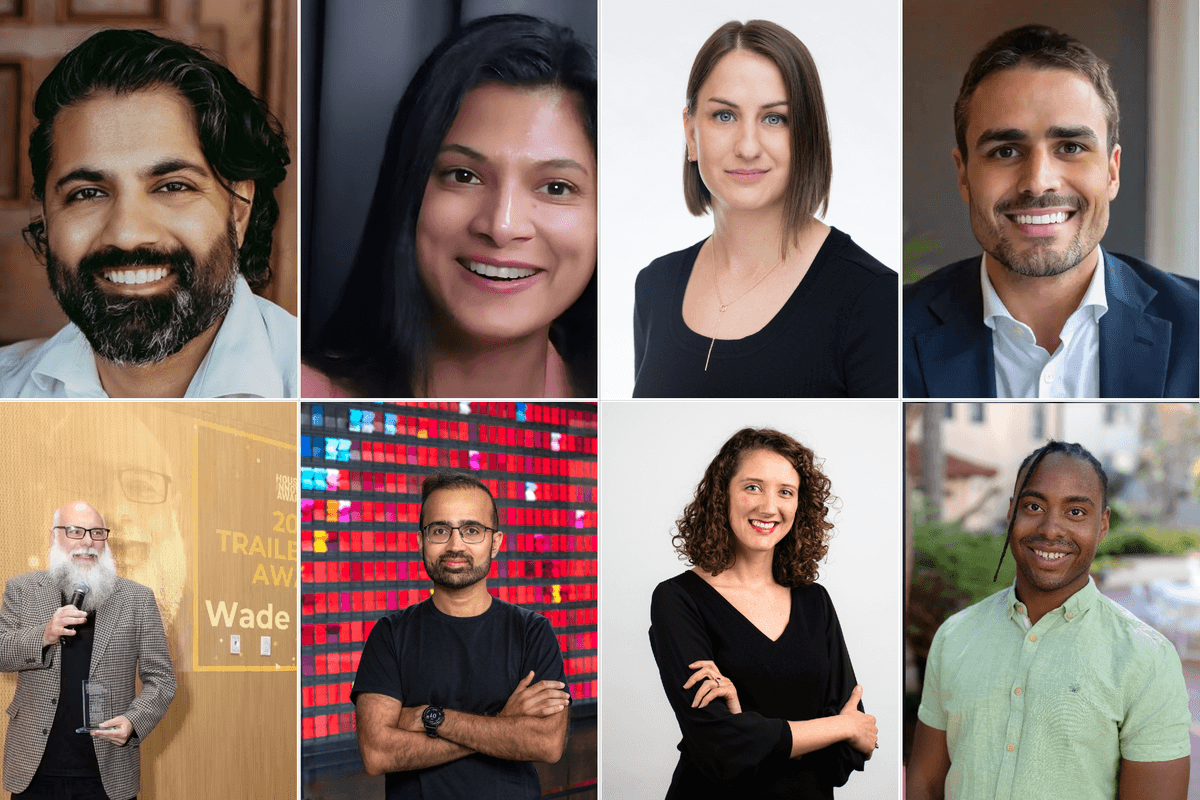
Austin billionaires Tench and Simone Coxe have gifted $100 million toward the planned UT medical center. Courtesy photo.

The University of Texas at Austin’s planned multibillion-dollar medical center, which will include a hospital run by Houston’s University of Texas MD Anderson Cancer Center, just received a $100 million boost from a billionaire husband-and-wife duo.

Tench Coxe, a former venture capitalist who’s a major shareholder in chipmaking giant Nvidia, and Simone Coxe, co-founder and former CEO of the Blanc & Otus PR firm, contributed the $100 million—one of the largest gifts in UT history. The Coxes live in Austin.

“Great medical care changes lives,” says Simone Coxe, “and we want more people to have access to it.”

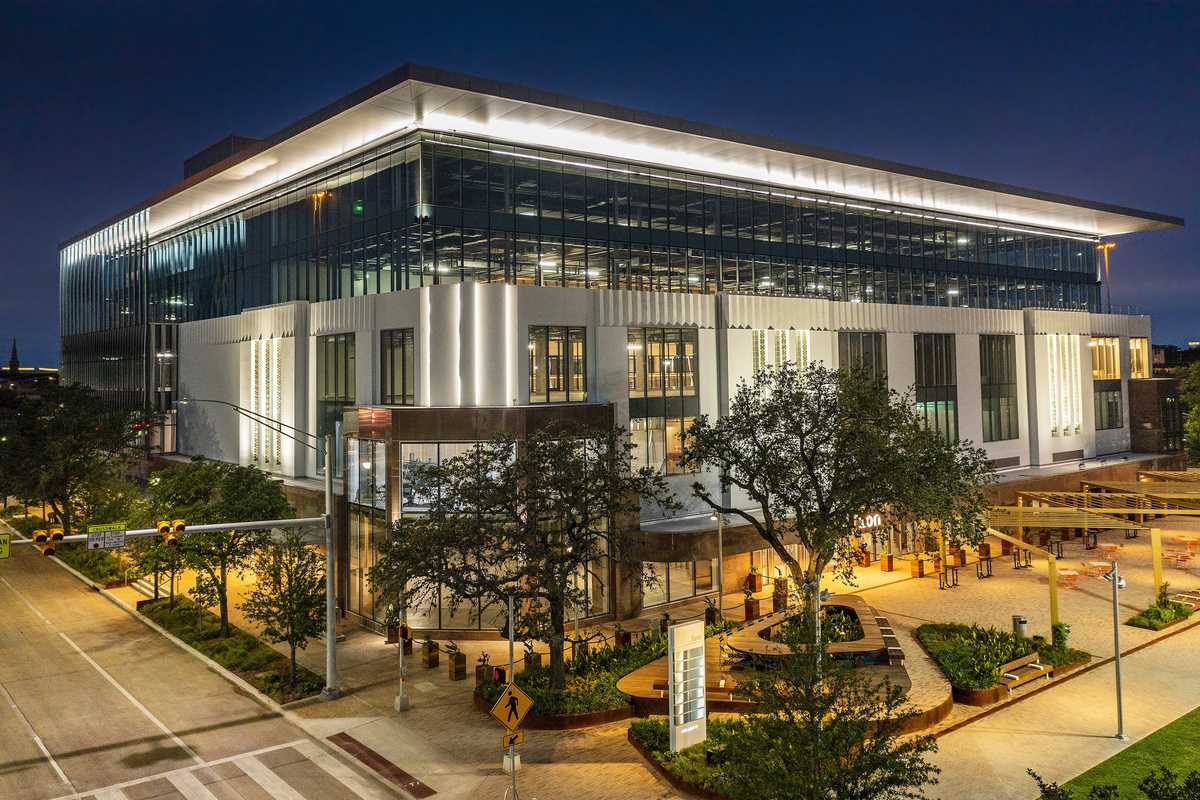
The University of Texas System announced the medical center project in 2023 and cited an estimated price tag of $2.5 billion. UT initially said the medical center would be built on the site of the Frank Erwin Center, a sports and entertainment venue on the UT Austin campus that was demolished in 2024. The 20-acre site, north of downtown and the state Capitol, is near Dell Seton Medical Center, UT Dell Medical School and UT Health Austin.

Now, UT officials are considering a bigger, still-unidentified site near the Domain mixed-use district in North Austin, although they haven’t ruled out the Erwin Center site. The Domain development is near St. David’s North Medical Center.

As originally planned, the medical center would house a cancer center built and operated by MD Anderson and a specialty hospital built and operated by UT Austin. Construction on the two hospitals is scheduled to start this year and be completed in 2030. According to a 2025 bid notice for contractors, each hospital is expected to encompass about 1.5 million square feet, meaning the medical center would span about 3 million square feet.

Features of the MD Anderson hospital will include:

  • Inpatient care
  • Outpatient clinics
  • Surgery suites
  • Radiation, chemotherapy, cell, and proton treatments
  • Diagnostic imaging
  • Clinical drug trials

UT says the new medical center will fuse the university’s academic and research capabilities with the medical and research capabilities of MD Anderson and Dell Medical School.

UT officials say priorities for spending the Coxes’ gift include:

  • Recruiting world-class medical professionals and scientists
  • Supporting construction
  • Investing in technology
  • Expanding community programs that promote healthy living and access to care

Tench says the opportunity to contribute to building an institution from the ground up helped prompt the donation. He and others say that thanks to MD Anderson’s participation, the medical center will bring world-renowned cancer care to the Austin area.

“We have a close friend who had to travel to Houston for care she should have been able to get here at home. … Supporting the vision for the UT medical center is exactly the opportunity Austin needed,” he says.

The rate of patients who leave the Austin area to seek care for serious medical issues runs as high as 25 percent, according to UT.

Ad Placement 300x100
Ad Placement 300x600

CultureMap Emails are Awesome

Rice University lands $14M state grant to open Center for Space Technologies

on a mission

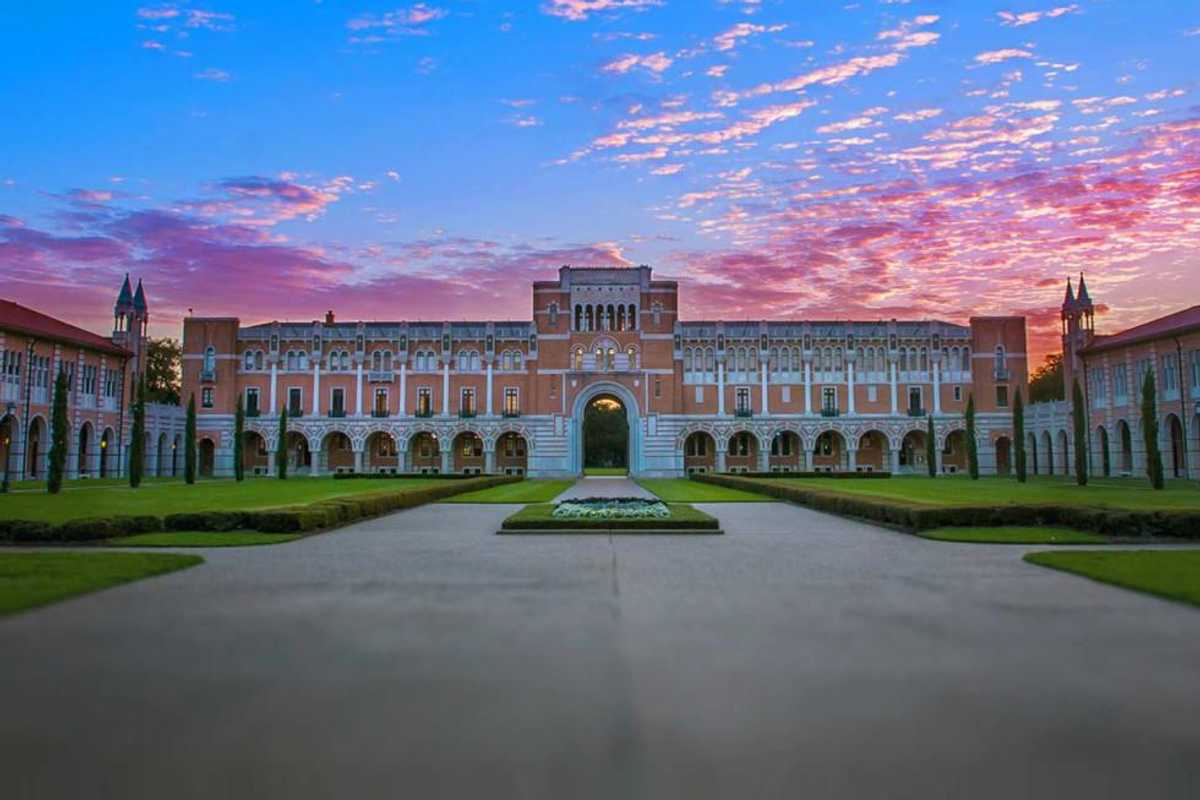
Rice University’s Space Institute soon will be home to the newly created Center for Space Technologies.

On Feb. 17, the Texas Space Commission approved a nearly $14.2 million grant for the Rice project. The Center for Space Technologies will target:

  • Research and development
  • Technology transfer and innovation
  • Statewide partnerships
  • Workforce development training
  • Space-focused education programs

The goal of the new center “is to fulfill an articulated need for research, workforce development, and industry collaboration,” said Kemah communications and marketing executive Gwen Griffin, chair of the commission.

State Rep. Greg Bonnen, a Friendswood Republican, authored the bill that set up the Texas Space Commission.

Since being authorized in 2023, the commission has funded 24 projects, with Rice and Houston-area companies accounting for nearly $75 million in grants to back space-related initiatives.

The grant to Rice brings the TSC's total investment to $150 million, fully committing the entire state appropriation from the Texas Legislature in 2023.

Other local companies that have received grants over the years include Aegis Aerospace, Axiom Space, Intuitive Machines, Starlab Space and Venus Aerospace.

The commission also awarded $7 million to Blue Origin earlier this month. See a list of the 24 awards here.

Waymo self-driving robotaxis have officially launched in Houston

Waymo has arrived

Waymo will begin dispatching its robotaxis in four more cities in Texas and Florida, expanding the territory covered by its fleet of self-driving cars to 10 major U.S. metropolitan markets.

The move into Dallas, Houston, San Antonio and Orlando, Florida, announced Tuesday, February 24, widens Waymo's early lead in autonomous driving while rival services from Tesla and the Amazon-owned Zoox are still testing their vehicles in only a few U.S. cities.

In contrast, Waymo's robotaxis already provide more than 400,000 weekly trips in the six metropolitan areas where they have been transporting passengers: Phoenix, the San Francisco Bay Area, Los Angeles, Miami, Atlanta, and Austin, Texas.

Waymo operates its ride-hailing service through its own app in all the U.S. cities except Atlanta and Austin, where its robotaxis can only be summoned through Uber's ride-hailing service.

The expansion into four more markets marks a significant step toward Waymo's goal to surpass 1 million weekly paid trips by the end of 2026. Without identifying where its robotaxis will be available next, Waymo is targeting a list of eight other cities that include Las Vegas, Washington, Detroit and Boston while signaling its first overseas availability is likely to be London.

To help pay for more robotaxis, Waymo recently raised $16 billion as part of the financial infusion that puts the value of the company at $126 billion. The valuation fueled speculation that Waymo may eventually be spun off from its corporate parent Alphabet, where it began as a secret project within Google in 2009.

Although Waymo is opening up in four more cities, its robotaxis initially will only be made available to a limited number of people with its ride-hailing app in Dallas, Houston, San Antonio and Orlando before the service will be available to all comers in those markets.

Tech giant Apple doubles down on Houston with new production facility

coming soon

Tech giant Apple announced that it will double the size of its Houston manufacturing footprint as it brings production of its Mac mini to the U.S. for the first time.

The company plans to begin production of its compact desktop computer at a new factory at Apple’s Houston manufacturing site later this year. The move is expected to create thousands of jobs in the Houston area, according to Apple.

Last year, the Cupertino, California-based company announced it would open a 250,000-square-foot factory to produce servers for its data centers in the Houston area. The facility was originally slated to open in 2026, but Apple reports it began production ahead of schedule in 2025.

The addition of the Mac mini operations at the site will bring the footprint to about 500,000 square feet, the Houston Chronicle reports. The New York Times previously reported that Taiwanese electronics manufacturer Foxconn would be involved in the Houston factory.

Apple also announced plans to open a 20,000-square-foot Advanced Manufacturing Center in Houston later this year. The project is currently under construction and will "provide hands-on training in advanced manufacturing techniques to students, supplier employees, and American businesses of all sizes," according to the announcement. Apple opened a similar Apple Manufacturing Academy in Detroit last year.

Apple doubles down on Houston with new production facility, training center Photo courtesy Apple.

“Apple is deeply committed to the future of American manufacturing, and we’re proud to significantly expand our footprint in Houston with the production of Mac mini starting later this year,” Tim Cook, Apple’s CEO, said in the news release. “We began shipping advanced AI servers from Houston ahead of schedule, and we’re excited to accelerate that work even further.”

Apple's Houston expansion is part of a $600 billion commitment the company made to the U.S. in 2025.