10+ can't-miss Houston business and innovation events for August
WHERE TO BE
From networking meet-ups to expert startup showcases, August is filled with opportunities for Houston innovators.
Here's a roundup of events you won't want to miss out on so mark your calendars and register accordingly.
Note: This post may be updated to add more events.
August 1 — 7th Annual Summer Science Symposium
The 7th Annual MAPTA Summer Science Symposium will showcase work from research trainees, postdoctoral fellows, and medical residents. The symposium will feature all fields of translational, basic science and clinical research. This two-day in-person event will include both poster and oral presentations.
Keynote Speakers:
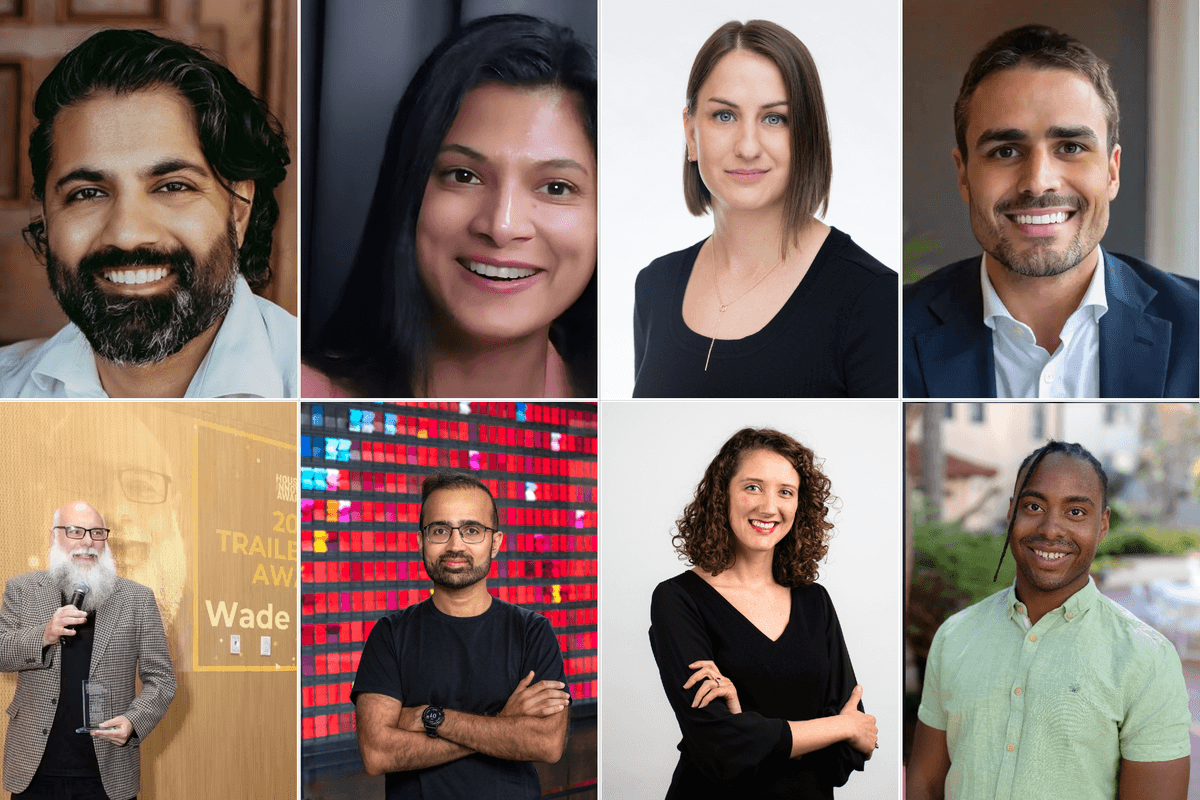
Brijesh S. “Billy” Gill, MD, FACS
Corina Rosales, PhD
This event is Thursday, August 1, from 9 am to 4 pm at Houston Methodist Research Institute. Click here to register.
August 1 — Bayou Startup Showcase
The Bayou Startup Showcase is a dynamic celebration of entrepreneurship, spotlighting the newest startups and small businesses from Rice University’s OwlSpark and the University of Houston’s RED Labs accelerators. Attendees can listen to pitches, discover ways to support and grow these businesses, and engage with founders during the showcase.
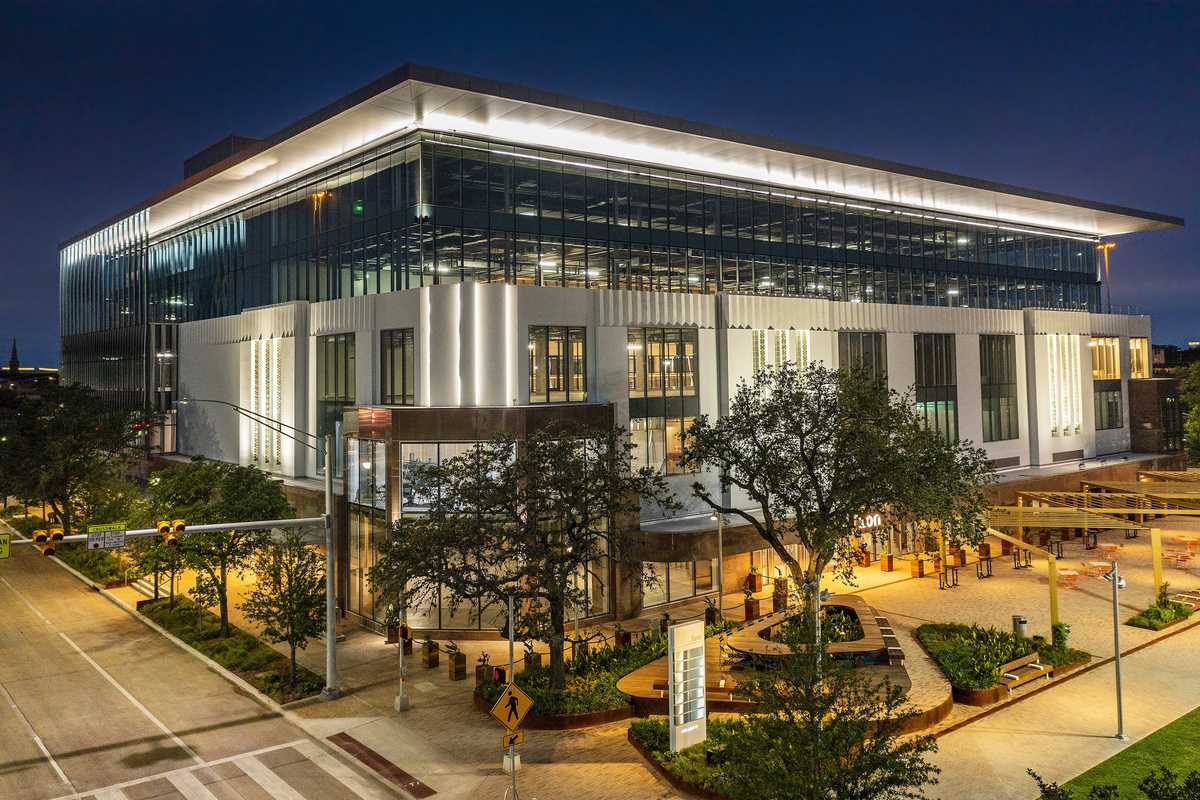
This event is Thursday, August 1, from 4 to 8 pm at The Ion. Click here to register.
August 8 — Out In Tech Mixer
Out in Tech Houston provides an inclusive networking space for LGBTQ+ people and allies working in tech. Check out this relaxed, social-mixer event, hosted on the second Thursday of every month.
This event is Thursday, August 8, from 7 to 8:30 pm at Second Draught. Click here to register.
August 13 — Software Day at The Ion: An Intro to Central Texas Seed Stage VCs
Software Day is a monthly series driving the support, inspiration, and connections needed to help startups on their path to rapid, sustainable growth. Each month, Software Day will include office hours (by application), a keynote session, and networking.
Speakers include:
- Eric Engineer, S3 Ventures
- Rajiv Bala, Clutch Ventures
- Cat Dizon, Active Capital
- Mike Marcantonio, LiveOak
- Moderator: Aziz Gilani, Mercury
August 15 — TMC Lunch ‘n’ Launch: Phiogen
This monthly event series hosted by TMC Innovation highlights TMC community companies and provides them with a platform to share their journey, current progress, and future goals. This month the lunch features Phiogen, a specialized phage therapy corporation founded by by Baylor College of Medicine.
This event is Thursday, August 15, from 12 to 1 pm at at TMC Innovation Factory. Click here to register.
August 15 — SPRINT Workforce Forum
This two-day event brings together industry, universities, and government entities to discuss the workforce challenges that arise from the rapidly advancing AI and robotics technologies in the energy sector. It has a special emphasis on inspiring students to become advocates of AI and robotics, enabling them to help the energy industry’s digital transformation.
This event is Thursday, August 15, starting at 12 am at Student Center South and UH Hilton. Click here to register.
August 22 — Transition On Tap
Transition On Tap is Greentown Labs’ monthly networking event devoted to fostering conversations and connections among the climate and energy transition ecosystem in Houston and beyond. Entrepreneurs, investors, students, and friends of climatetech are invited to attend, meet colleagues, and discuss solutions.
This event is Thursday, August 22 from 5:30 to 7:30 pm at Greentown Houston. Click here to register.
August 23 — 2024 Cardiometabolic Syndrome Conference: A Population Health Crisis
The Cardiometabolic Syndrome Conference is designed to provide attendees with the most contemporary knowledge about the syndrome, including the epidemiology, treatment strategies, and knowledge gaps. There will be a specific focus on high-level discussions that dissect the current shortcomings in the overall management of CMS at the individual and community level and begin to consider new and innovative treatment strategies.
This event is Friday, August 23 from 7 am to 5 pm at The Texas Heart Institute. Click here to register.
August 28 — TMCi Cappuccino Connections
Network with the diverse TMC Innovation Community while enjoying a cup of joe.
This event is Wednesday, August 28, from 8:30 am to 10:30 am at TMC Innovation Factory Lobby. Click here to register.
August 28 — Bayou City Bio Pulse: Pearland
Hear from some of the region’s largest commercial life science manufacturers. This panel discussion will examine the obstacles and potential avenues for the growth of commercial life science firms. Tours of Lonza’s and Millar’s manufacturing facilities will follow the program.
This event is Wednesday, August 28, from 11 am to 2 pm at West Pearland Library. Click here to register.
August 29 — SaaStock Local: Scalability in the Age of AI, Building for Growth in SaaS
Attendees will explore innovative strategies and cutting-edge technologies designed to enhance scalability, ensuring that cloud computing environments remain robust, flexible, and capable of supporting dynamic and complex AI workloads. The session will cover best practices for optimizing resource allocation, managing data efficiently, and maintaining high performance as demand increases.
This event is Thursday, August 29, from 5:30 to 8 pm at The Ion. Click here to register.