Editor's note: As we reflect on 2025, we're looking back at the stories and startups that made waves in Houston's innovation scene. These 10 startups reached memorable milestones, won prestigious awards, found creative solutions, and disrupted their industries.
Persona AI: Houston humanoid robotics startup inks new deal to deploy its rugged robots
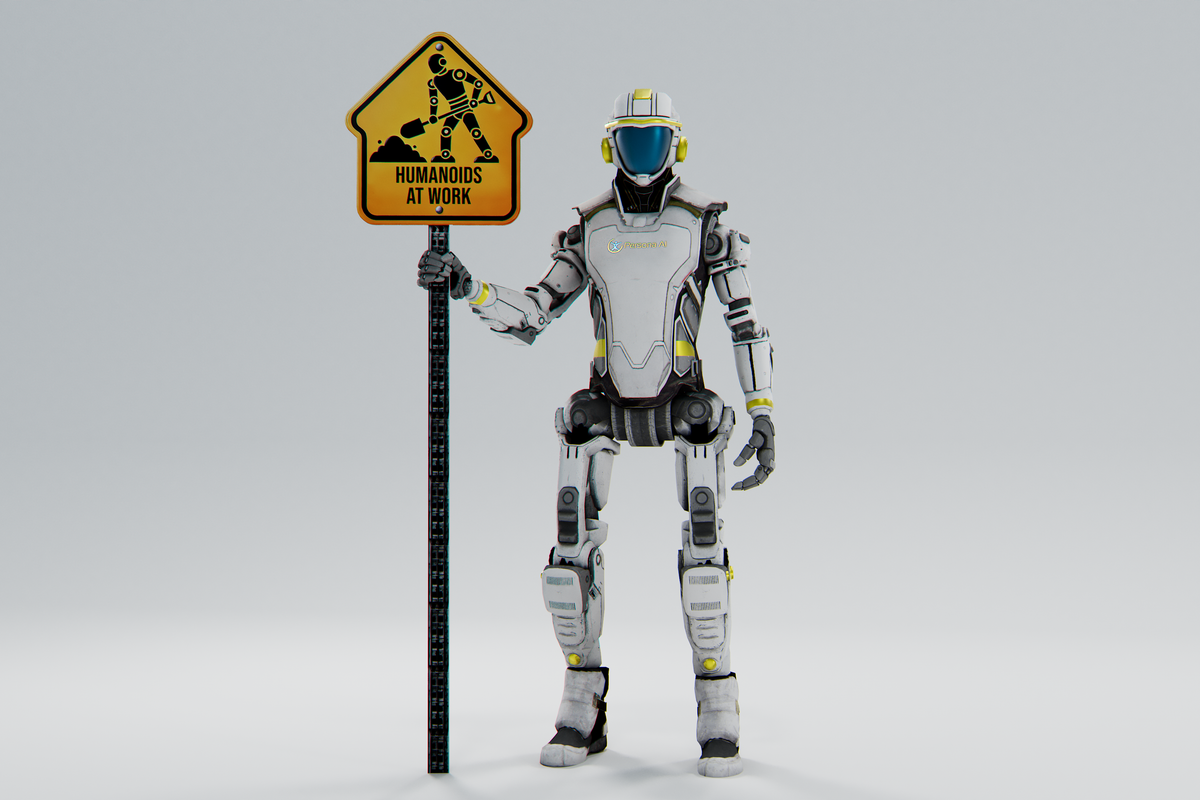
A concept design rendering of Persona AI's humanoid robot. The company is expanding at the Ion and plans to deliver prototype humanoids by the end of 2026 for complex shipyard welding tasks. Rendering courtesy Persona AI.
Persona AI is building modularized humanoid robots that aim to deliver continuous, round-the-clock productivity and skilled labor for "dull, dirty, dangerous, and declining" jobs. The company was founded by Houston entrepreneur Nicolaus Radford, who serves as CEO, along with CTO Jerry Pratt and COO Jide Akinyode. It raised $42 million in pre-seed funding this year and is developing its prototype of a robot-welder for Hyundai's shipbuilding division, which it plans to unveil in 2026. The company won in the Deep Tech Business category at this year's Houston Innovation Awards. Continue reading.
Rheom Materials: Houston startup unveils its innovative leather alternative at the rodeo

Rheom Materials presented its bio-based alternative, Shorai, a 93 percent bio-based leather, at the rodeo and plans to scale it up this year. Photos courtesy Rheom Materials
Rheom Materials presented its scalable, bio-based alternative known as Shorai, a 93 percent bio-based leather, through two custom, western-inspired outfits that showed off cowboy flair through a sustainable lens at the Houston Livestock Show and Rodeo earlier this year.
Next up, the company said it aimed to scale production of Shorai, the Japanese word for “future,” at a competitive price point, while also reducing its carbon footprint by 80 percent when compared to synthetic leather. The company also made a large-scale production partnership with a thermoplastic extrusion and lamination company, Bixby International, this year. Continue reading.
Koda Health: Houston digital health platform Koda closes $7 million funding round

Tatiana Fofanova and Dr. Desh Mohan, founders of Koda Health, which recently closed a $7 million series A. Photo courtesy Koda Health.
Houston-based digital advance care planning company Koda Health closed an oversubscribed $7 million series A funding round this year. The round, led by Evidenced, with participation from Mudita Venture Partners, Techstars and Texas Medical Center, will allow the company to scale operations and expand engineering, clinical strategy and customer success. Koda Health, saw major growth this year by integrating its end-of-life care planning platform with Dallas-based Guidehealth in April and with Epic Systems in July. The company won the Health Tech Business category at the 2025 Houston Innovation Awards. Continue reading.
Veloci Running: Student-led startup runs away with prestigious prize at Rice competition
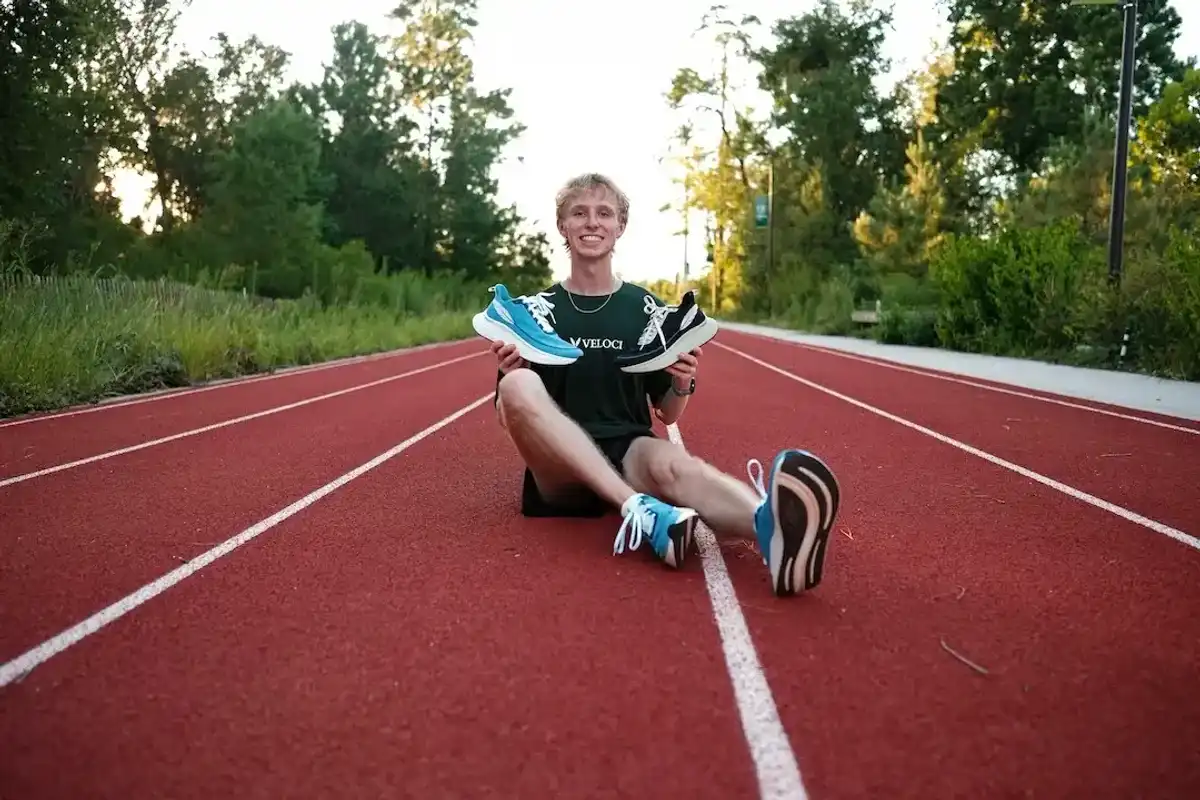
The H. Albert Napier Rice Launch Challenge awarded $100,000 in equity-free funding to student-led startups, including first-place finisher Veloci Running. Photo courtesy of Rice University.
Veloci Running took home the first-place prize and $50,000 at the annual Liu Idea Lab for Innovation and Entrepreneurship's H. Albert Napier Rice Launch Challenge. The company was founded by Tyler Strothman, a former track and field athlete and senior at Rice, majoring in sport management. Inspired by the foot pain he suffered due to the narrow toe boxes in his running shoes, Strothman decided to create a naturally shaped shoe designed to relieve lower leg tightness and absorb impact. Additional prize winners included SteerBio, Kinnections, Labshare and several others. Continue reading.
Square Robot Inc.: Houston robotics co. unveils new robot that can handle extreme temperatures

The new robot eliminates the need for humans to enter dangerous and toxic environments. Photo courtesy of Square Robot
Houston- and Boston-based Square Robot Inc.'s newest tank inspection robot became commercially available and certified to operate at extreme temperatures this fall. The new robot, known as the SR-3HT, can operate from 14°F to 131°F, representing a broader temperature range than previous models in the company's portfolio. According to the company, its previous temperature range reached 32°F to 104°F. The company also announced a partnership with downstream and midstream energy giant Marathon Petroleum Corp. (NYSE: MPC) last month. Continue reading.
Bot Auto: Houston autonomous trucking co. completes first test run without human intervention
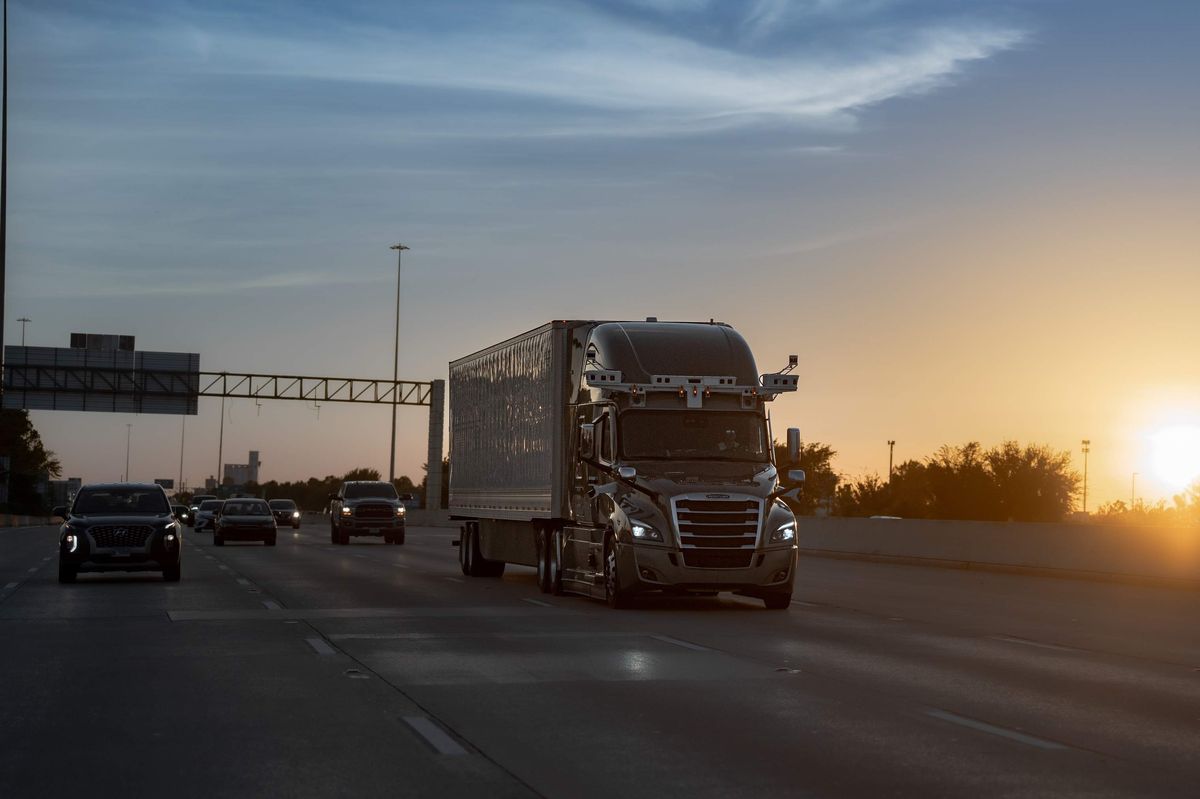
Bot Auto completed its first test run without human assistance in Houston. Photo courtesy Bot Auto.
Houston-based Bot Auto, an autonomous trucking company, completed its first test run without human assistance earlier this year. Bot Auto conducted the test in Houston. The transportation-as-a-service startup added that this milestone “serves as a validation benchmark, demonstrating the maturity and safety of Bot Auto’s autonomy stack and test protocols.” This summer, founder Xiaodi Hou told the Front Lines podcast that Bot Auto had raised more than $45 million. Continue reading.
Nomad: Screen-free hiking app developed in Houston earns 'Best of the Best' award
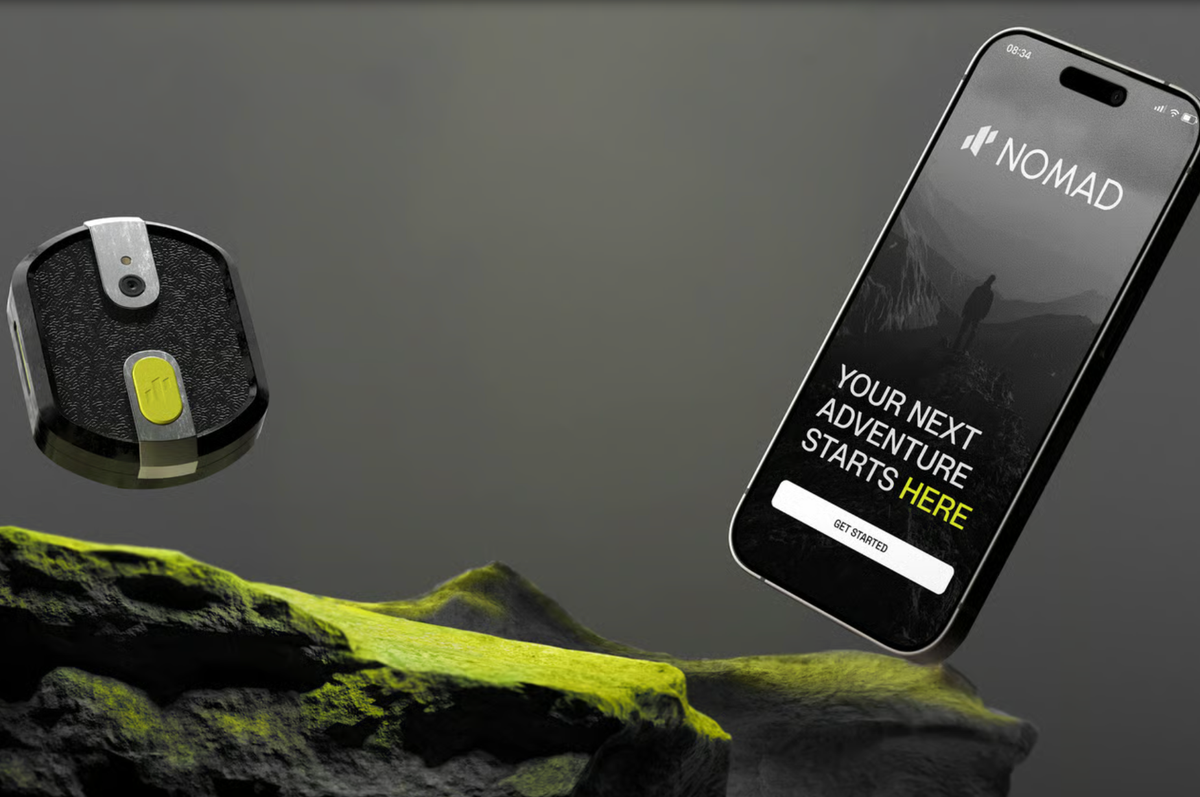
NOMAD aims to help hikers stay in the moment while still utilizing technology. Photo courtesy UH.
An AI-powered, screen-free hiking system developed by Varshini Chouthri, a recent industrial design graduate from the University of Houston, received this year's Red Dot’s “Best of the Best” award, which recognizes the top innovative designs around the world. Known as NOMAD, the system aims to help users stay in the moment while still utilizing technology. Continue reading.
Little Place Labs, Helix Earth, Tempest Droneworx: Houston startups win big at SXSW 2025 pitch competition
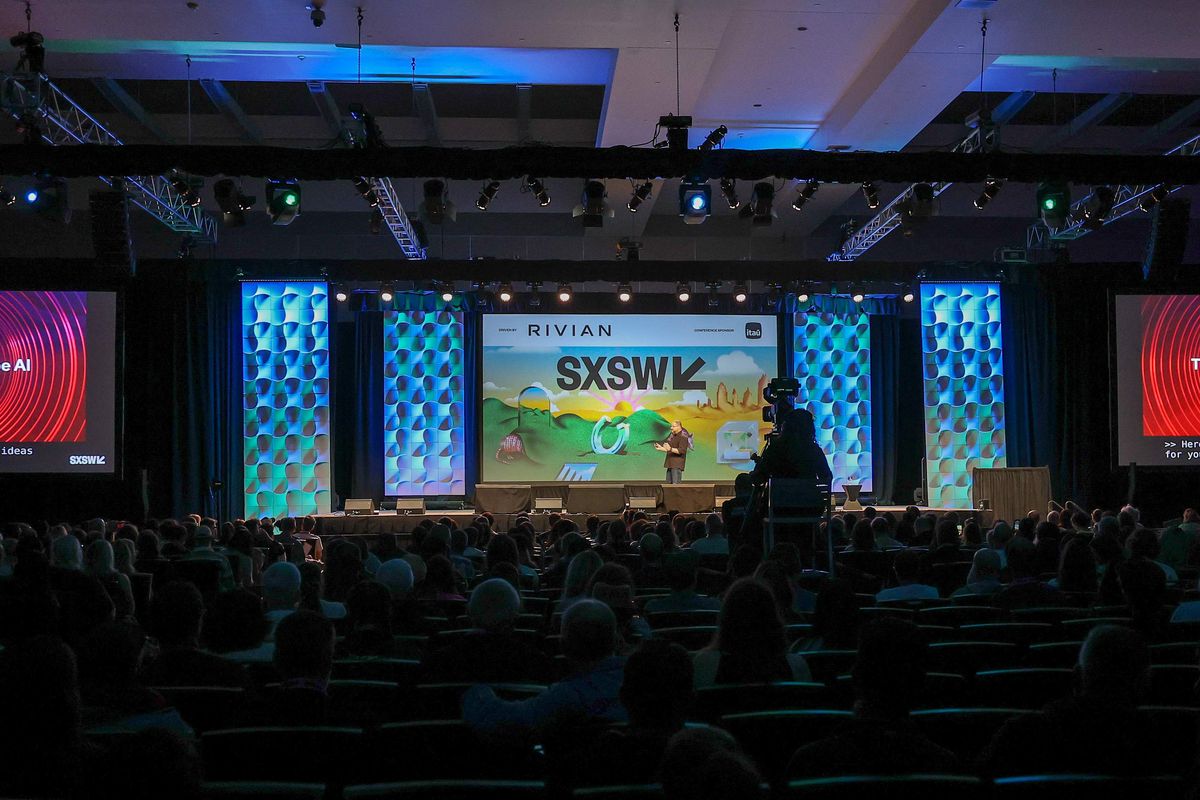
Two Houston startups won the SXSW Pitch showcase in their respective categories. Photo via Getty Images
Houston had a strong showing at the SXSW Pitch showcase in Austin this year, with several local startups claiming top prizes in their respective categories.
Little Place Labs, a Houston space data startup, won the Security, GovTech & Space competition. Clean-tech company Helix Earth, which spun out of Rice University and was incubated at Greentown Labs, won in the Smart Cities, Transportation & Sustainability contest. Tempest Droneworx, a Houston-based company that provides real-time intelligence collected through drones, robots and sensors, won the Best Speed Pitch award. Continue reading.