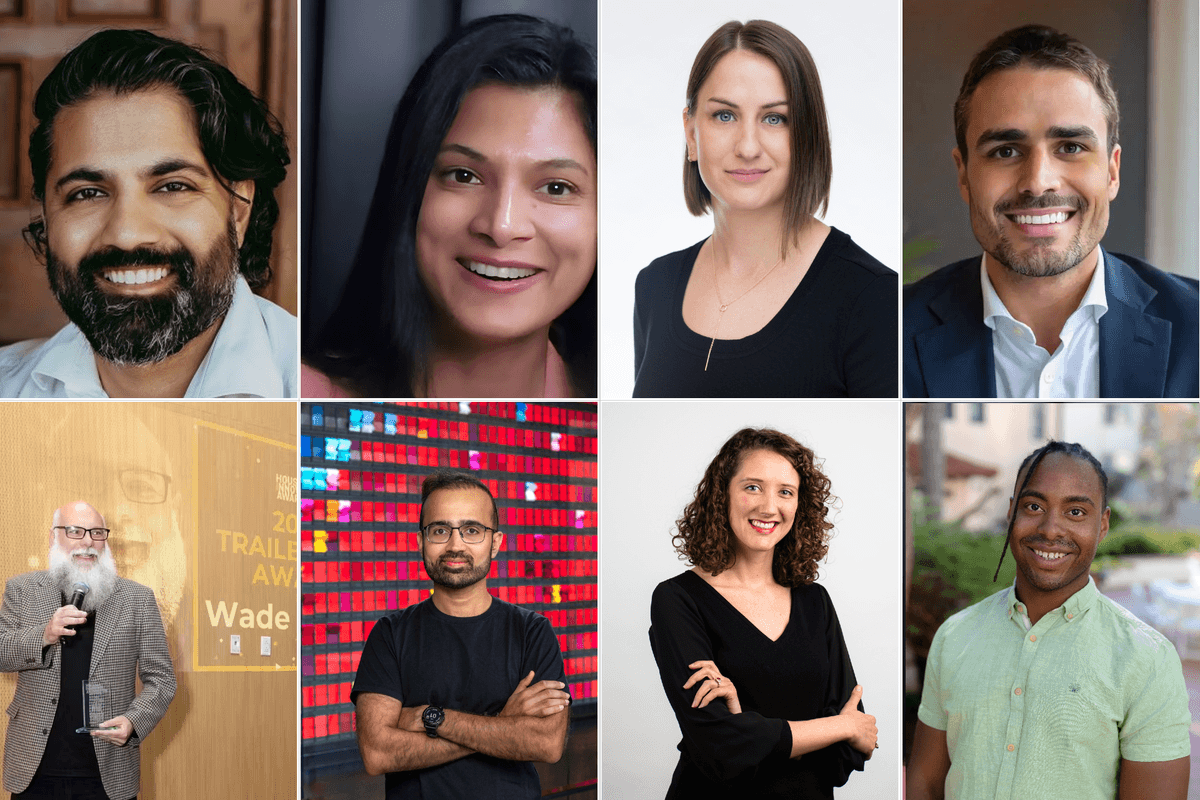

Here's who won at two of the Houston Energy and Climate Week's signature pitch competitions. Photo via greentown.org

Approximately 100 startups from around the world pitched their breakthrough technologies and businesses during Houston Energy and Climate Week, with a select few taking home top prizes and bragging rights.

Each year, investors at the Rice Alliance Energy Technology Venture Forum name the 10 most-promising startups. Greentown's Climatetech Summit also culminates in a pitch event, where member companies can earn cash prizes.

Here's who won at two of the week's anchor events and competitions.

Rice Alliance Energy Tech Venture Forum

The 23nd annual event was held Thursday, Sept. 17, at Rice University’s Jones Graduate School of Business. The most-promising companies were selected by industry experts and participating investors attending the event.

The 10 most-promising companies included:

  • Australia-based Aquafortus, which has developed a non-thermal liquid to liquid desalination technology for resource recovery from wastewater brine
  • Houston-based Focis AI, which converts industrial laser scans into a queryable digital twin of refineries and plants
  • Houston-based ironlattice, a semiconductor manufacturing company
  • Houston-based Licube, which has developed technology to produce ultra-high-purity lithium compounds for the fusion energy, pharmaceuticals, semiconductors and high-performance solid-state battery sectors
  • Houston-based Mars Materials, a clean chemical manufacturing business that is working to convert captured carbon into resources, such as carbon fiber and wastewater treatment chemicals
  • Dallas-based MCatalysis, which has developed a suite of proprietary microwave-driven catalysts to produce high-quality, ready-to-use fuels compatible with existing infrastructure
  • Oslo, Norway-based OTee, an automation machinery manufacturer
  • Houston-based Pike Robotics, which deploys its Wall-Eye robot to inspect hazardous tanks without taking assets offline
  • New Mexico-based Spiritus, a direct-air-capture (DAC) technology company
  • San Francisco-based UptimeAI Inc., which develops AI reasoning agents for industrial operations teams

Stellai won the People's Choice Award. The Norwegian company develops AI products for the waste management industry.

The energy technology ventures selected to participate in the forum were named earlier this year. See the full list here, and read about last year's winners here.

Greentown Lab's Climatetech Summit

The annual summit was held Wednesday, Sept. 16, featured a number of Houston startups in its pitch competition and lighting pitch round. Judges included Dave Dreessen,, Jon Greene, Naval Preet Singh, Philip Llewellyn, Erin Madro, Justin Yeung, Jay Kim, Rawand Rasheed and Moji Karimi.

Pitch winners included:

  • First place: Elementium Materials' CEO Matthew Dawson, winning a $10,000 cash prize sponsored by TotalEnergies plus another $10,000 in legal services sponsored by Foley Hoag. The company develops advanced battery electrolytes. It is a Greentown Boston member; though Dawson is based in Houston.
  • Second place: Houston-based Solidec CEO and co-founder Ryan DuChanois, winning $5,000 in legal services sponsored by Foley Hoag. The company electrolyzes air, water and electricity into onsite hydrogen peroxide.

Lightening pitch winners included:

  • First place: Montana-based MagDrive Technologies, winning a $1,000 cash prize sponsored by Energy Transition Ventures. The company develops magnetically actuated, zero-emission valve systems that eliminate fugitive emissions and improve reliability.
  • Second place: Houston-based HEXASpec, winning a $500 cash prize sponsored by Foley Hoag. The company has created a new material to improve heat management for the semiconductor industry.

Read Greentown's recap of the summit here.

Houston Energy and Climate Week announced that the 2027 event will move to the spring, held April 4-10.

---

This article originally appeared on our sister site, EnergyCapitalHTX.com.

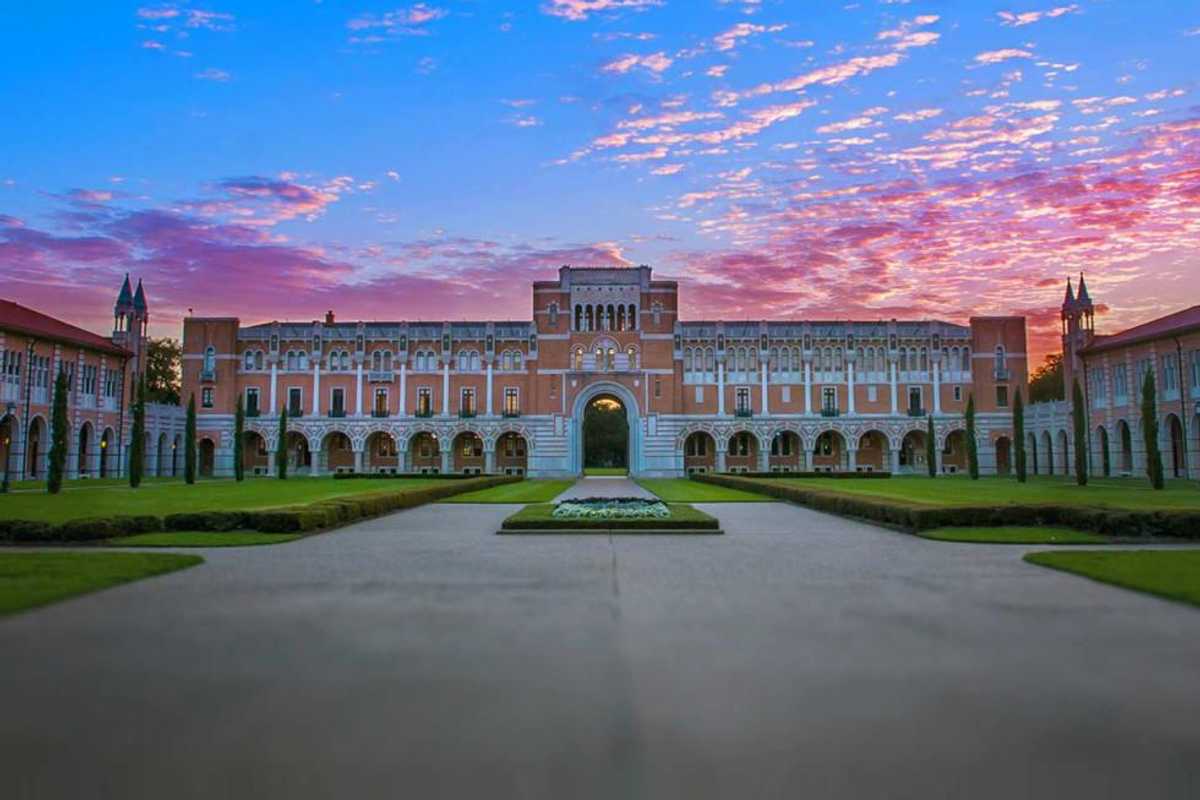
Here's what student teams from around the world were invited to compete in the Rice Business Plan Competition. Photo via rice.edu

Annual student startup competition in Houston names teams for 2023

getting pitch perfect

Rice Alliance for Technology and Entrepreneurship has named the 42 student startup teams that were extended invitations to compete in the 23rd annual Rice Business Plan Competition

The 2023 startup competition will take place on Rice University campus May 11 to 13, and the teams representing 37 universities from six countries will pitch to investors, mentors, and other industry leaders for the chance to win funding and prizes. Last year's RBPC doled out nearly $2 million in investment prizes.

This year, Rice saw its largest number of student startups applying for the RBPC internal qualifier from within campus. The university selected three to move on to compete at RBPC in May — Sygne Solutions, Neurnano Therapeutics, and Tierra Climate, which also received a total of $5,000 in cash prizes to these top three teams.

The 2023 RBPC will focus on five categories: energy, cleantech and sustainability; life science and health care solutions; consumer products and services; hard tech; and digital enterprise.

This invited companies, if they attend, will join the ranks of the 784 teams that previously competed in RBPC and have raised more than $4.6 billion in capital, as well as seen more than 50 successful exits including five IPOs.

The 2023 Rice Business Plan Competition invitees, according to Rice University's news release:

  • Active Surfaces, Massachusetts Institute of Technology
  • Adrigo Insights, Saint Mary’s University (Canada)
  • AirSeal, Washington University in St. Louis
  • Algbio, Yeditepe University (Turkey)
  • Arch Pet Food, University of Chicago
  • Astria Biosciences, University of Pittsburgh
  • Atma Leather, Yale University
  • Atop, UCLA
  • Biome Future, University of Florida
  • BioSens8, Boston University
  • BlueVerse, Texas Tech University
  • Boardible, Northwestern University
  • Boston Quantum, Massachusetts Institute of Technology
  • ceres plant protein cereal, Tulane University
  • Citrimer, University of Michigan
  • Dart Bioscience, University of Oxford (United Kingdom)
  • DetoXyFi, Harvard University
  • E-Sentience, Duke University
  • Edulis Therapeutics, Carnegie Mellon University
  • FluxWorks, Texas A&M University
  • Integrated Molecular Innovations, Michigan Technological University
  • Inzipio, RWTH Aachen University (Germany)
  • LoopX AI, University of Waterloo (Canada)
  • Magnify Biosciences, Carnegie Mellon University
  • MiraHeart, Johns Hopkins University
  • MyLÚA, Cornell University
  • Outmore Living, University of Texas
  • Pathways, Harvard University
  • Pediatrica Therapeutics, University of Arkansas
  • Perseus Materials, Stanford University
  • Pike Robotics, University of Texas
  • Quantanx, Arizona State University
  • Sheza, San Diego State University
  • Skali, Northwestern University
  • Sundial Solar Components, University of Utah
  • Thryft Ship, University of Georgia
  • Tierra Climate, Rice University
  • TrashTrap Sustainability Solutions, Visvesvaraya Technological University (India)
  • Unchained, North Carolina A&T State University
  • Unsmudgeable, Babson College
  • Vivicaly, University of Pennsylvania
  • Zaymo, Brigham Young University
Ad Placement 300x100
Ad Placement 300x600

CultureMap Emails are Awesome

UH expands Medical Center footprint with $77M research facility

breaking ground

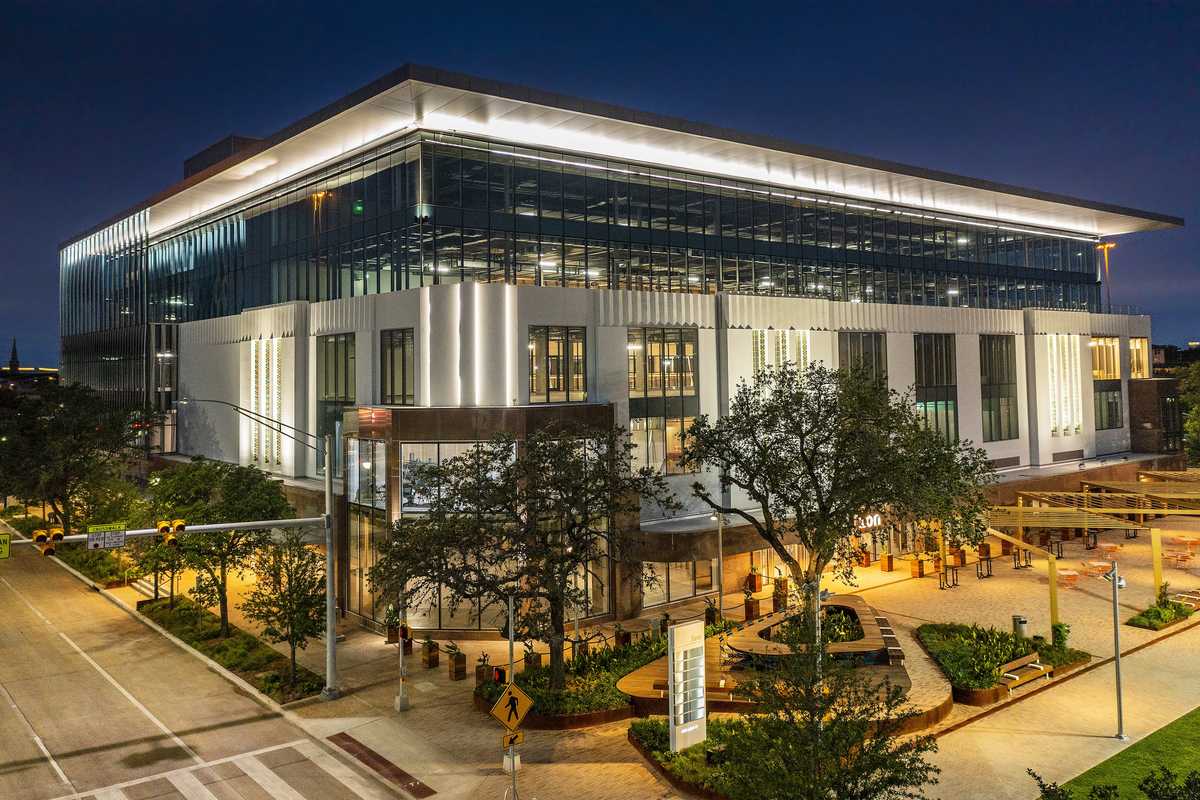
The University of Houston broke ground on a brand new $77.5 million Medical Research Building last week that will host clinical trials and a virtual reality behavioral health suite, among other laboratories. Designed by SmithGroup, it will be the second building on the UH Medical Center campus after the Fertitta College of Medicine opened in 2022.

“The Medical Research Building was designed to foster collaboration and discovery while creating a welcoming environment for students, researchers and the community,” Kalman Nagy, higher education studio design leader for SmithGroup, said in a news release. “As the second building on the University of Houston’s medical campus, we wanted to create a strong connection to the College of Medicine and the surrounding woodlands, with outdoor terraces, shared learning spaces and natural views that inspire interaction and innovation.”

Located just behind the Fertitta building at 5150 Medical Service Drive, the 57,000-square-foot building will house wet laboratories, computational research spaces and specialized facilities for clinical research. The virtual reality behavioral health suite will use immersive technology to deliver care through manufactured audio and visual environments. It’s part of the college’s vision for developing new medical advancements in the heart of Houston’s medical community. The groundbreaking comes on the heels of the launch of the university's cross-disciplinary academic venture, UH Health, this summer.

“This groundbreaking marks an important next step in the growth of the Fertitta College of Medicine and UH Health,” Dr. Jonathan McCullers, vice president for health affairs at UH, added in the release. “We are building the research capacity to match our ambitions—bringing together scientists, physicians and experts from across the University to accelerate discovery and turn promising ideas into solutions that improve people’s lives.”

UH’s journey to establish a significant presence alongside the University of Texas and Baylor in the Medical Center started in 2009 when it became an official full institutional member. The university launched its plans for the Fertitta building in 2013, and is pursuing Health Science Center designation from the Texas Legislature in the next year’s session.

“The research that will take place here will directly benefit our community,” UH President Renu Khator added. “Diseases do not recognize disciplinary silos, and neither should our research. This building will bring together experts from across UH to break down those barriers, work across disciplines and tackle some of our most complex health challenges.”

The building is slated to open in 2028.

Houston ranks among 15 U.S. hot spots for women in tech

Ranking It

Houston is soaring among the best places in the U.S. for women in tech, a new report says. Houston ranked No. 15 nationwide in SmartAsset's new report, "Best and Worst Cities for Women in Tech — 2026 Study," which compared the 50 biggest U.S. cities across four metrics:

  • Gender pay gap — women's median earnings as a percentage of men’s median earnings in tech
  • The share of all tech workers that are women
  • The overall concentration of employment for tech workers, defined as "tech workers as a share of the local workforce"
  • Women tech workers’ median earnings, adjusted for regional price parity
For the purpose of the study, tech workers are defined as "city residents employed in computer and mathematical occupations." The study's findings show that fewer than 9,500 tech workers in Houston are women, or 25.6 percent of the total tech workforce in the city. In total, tech workers in general make up less than 3 percent of the Houston workforce.Despite the high ranking, women tech workers in Houston have a sizeable gap to cross to receive equal pay compared to their male counterparts in the same industry. Women tech workers make just over $97,000 in median earnings after adjusting for regional price parity, which is only 93 percent of what male tech workers make, SmartAsset found.

There are only two U.S. cities where women in tech earn more than what their male counterparts: Miami and Memphis, Tennessee. Women tech workers in Miami make an adjusted $88,650 in median earnings, or 101.7 percent of what men in tech make. In Memphis, women make $84,718 in adjusted earnings, or 101.5 percent of what men in tech earn.

The findings also assert that women remain underrepresented in the nation's overall tech sector, despite making up nearly half of the total workforce. Only 22.6 percent of the country's tech labor force is made up of women, according to the Equal Employment Opportunity Commission."Opportunities for women in tech can vary considerably by location, and these differences shape access to jobs, career advancement and earning potential," the report's author wrote. "In some places, women account for a larger share of tech workers, face narrower pay gaps and enjoy a stronger local labor market. In others, they may encounter a more challenging career environmentThe six other Texas cities that earned spots in the report are Austin (No. 6), Fort Worth (No. 26), Dallas (No. 32), Arlington (No. 38), San Antonio (No. 42), and El Paso (No. 49).

The top 10 best U.S. cities for women in tech are:

  • No. 1 – San Jose, California
  • No. 2 – Seattle, Washington
  • No. 3 – San Francisco, California
  • No. 4 – Atlanta, Georgia
  • No. 5 – Baltimore, Maryland
  • No. 6 – Austin, Texas
  • No. 7 – Oakland, California
  • No. 8 – Portland, Oregon
  • No. 9 – Boston, Massachusetts
  • No. 10 – Minneapolis, Minnesota
---

This article first appeared on CultureMap.com.