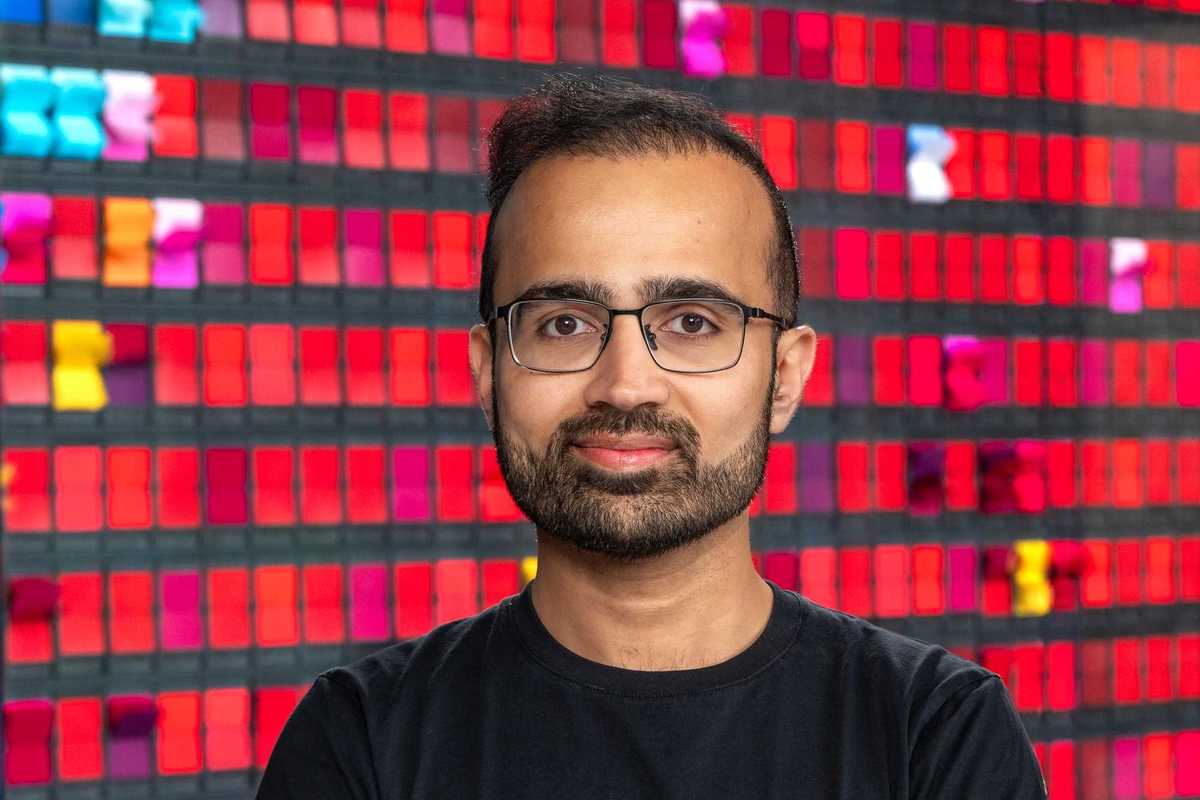
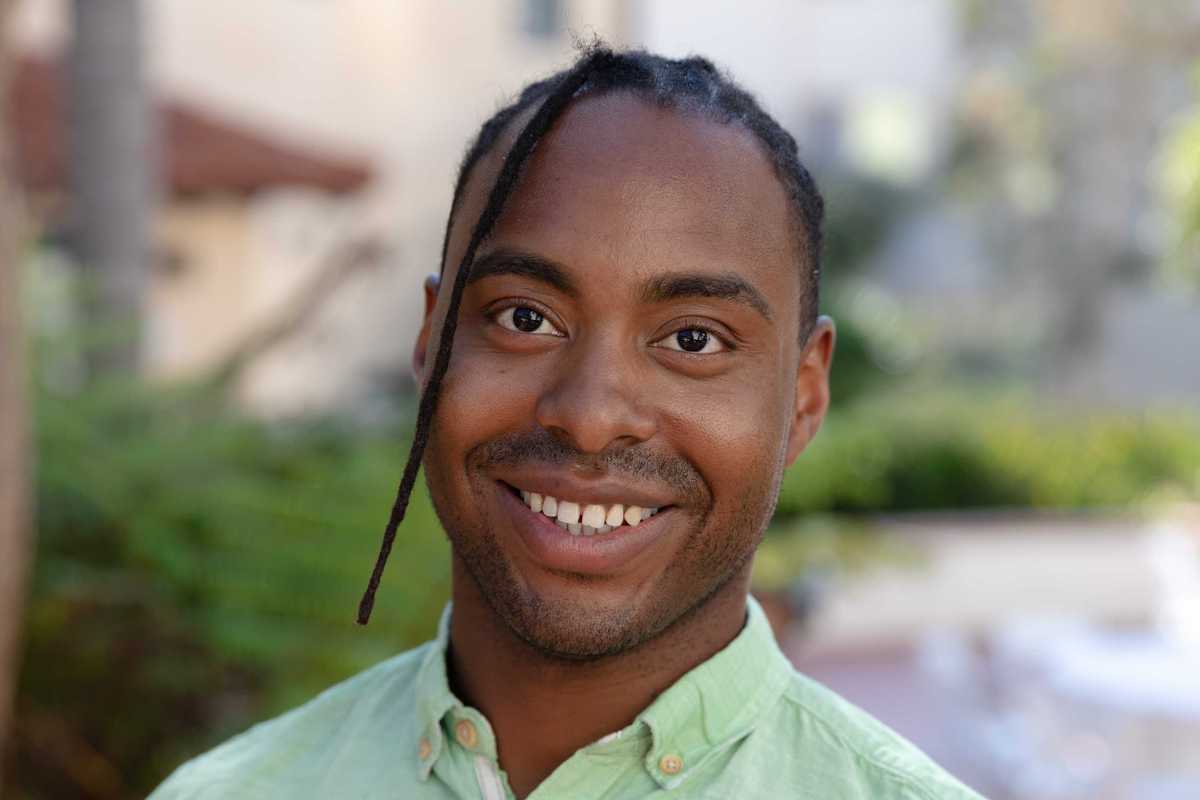
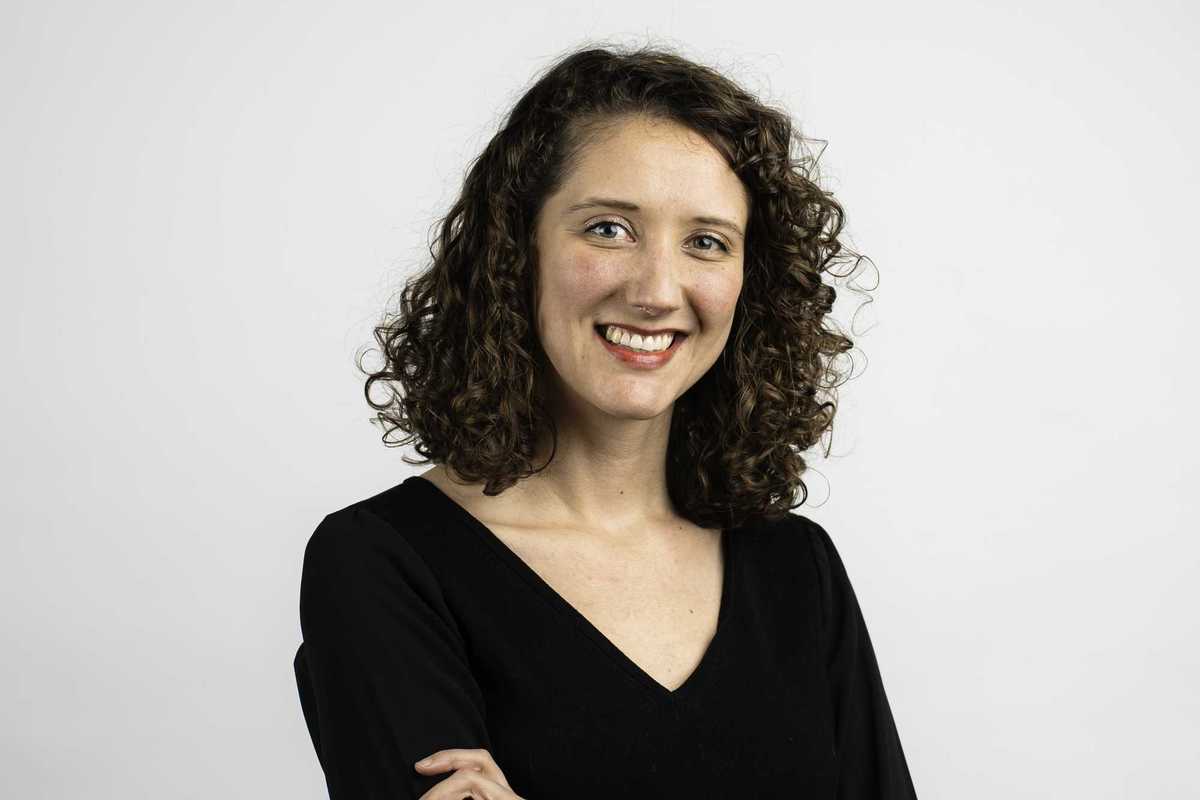
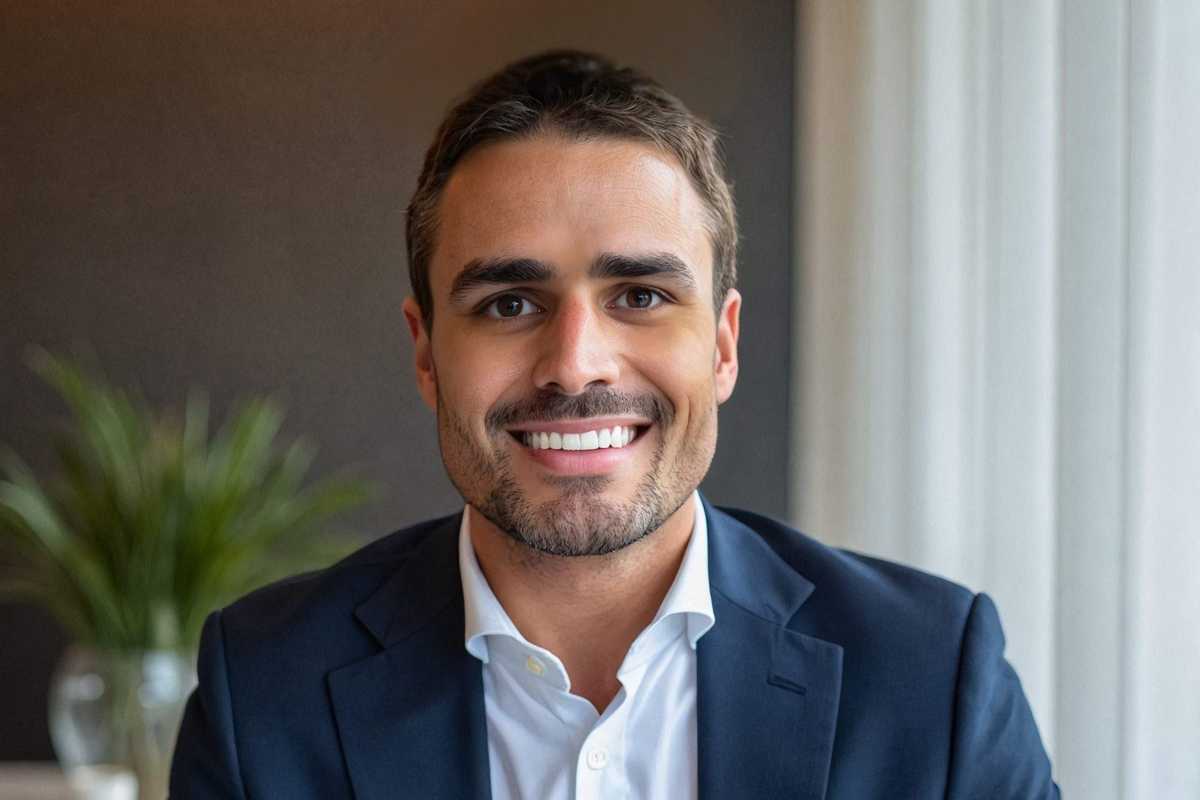
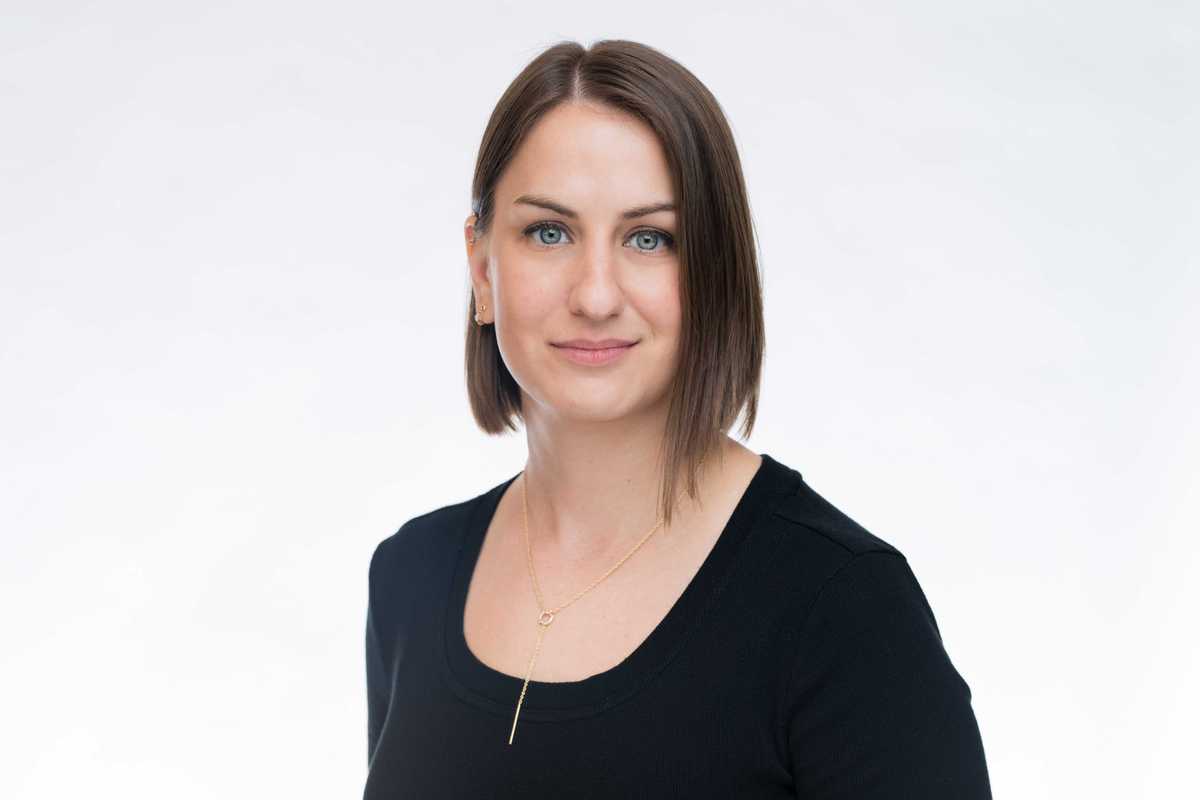
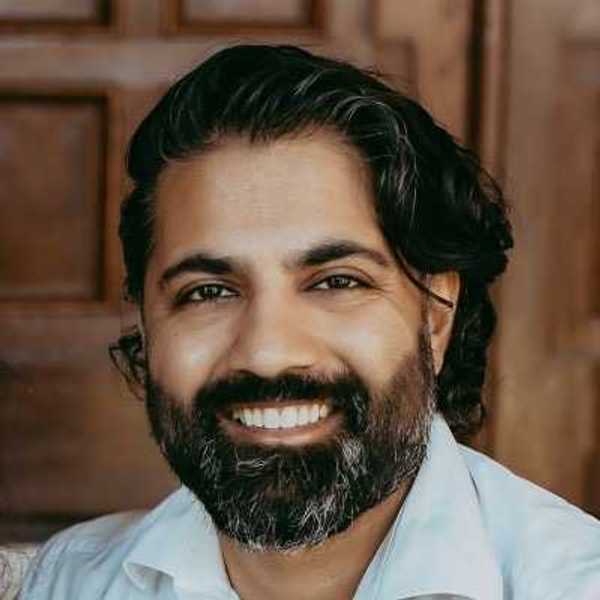
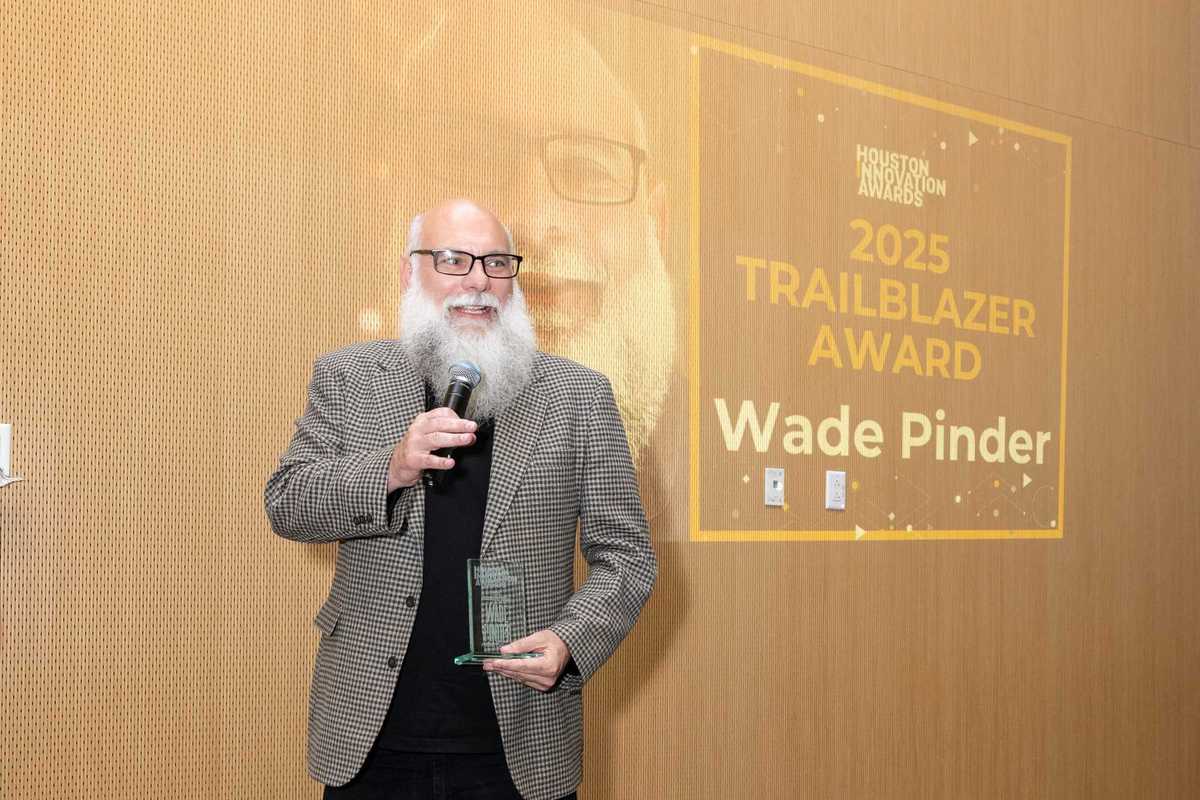
Scientists from Rice University and Intuitive Machines helped shape plans for the Orion capsule's descent into the Pacific Ocean. Photo courtesy NASA/Bill Ingalls

Research from Rice University played a critical role in the safe return of U.S. astronauts aboard NASA’s Artemis II mission this month.

Rice mechanical engineer Tayfun E. Tezduyar and longtime collaborator Kenji Takizawa developed a key computational parachute fluid-structure interaction (FSI) analysis system that proved vital in NASA’s Orion capsule’s descent into the Pacific Ocean. The FSI system, originally developed in 2013 alongside NASA Johnson Space Center, was critical in Orion’s three-parachute design, which slowed the capsule as it returned to Earth, according to Rice.

The model helped ensure that the parachute design was large enough to slow the capsule for a safe landing while also being stable enough to prevent the capsule from oscillating as it descended.

“You cannot separate the aerodynamics from the structural dynamics,” Tezduyar said in a news release. “They influence each other continuously and even more so for large spacecraft parachutes, so the analysis must capture that interaction in a robustly coupled way.”

The end result was a final parachute system, refined through NASA drop tests and Rice’s computational FSI analysis, that eliminated fluctuations and produced a stable descent profile.

Apart from the dynamic challenges in design, modeling Orion’s parachutes also required solving complex equations that considered airflow and fabric deformation and accounted for features like ringsail canopy construction and aerodynamic interactions among multiple parachutes in a cluster.

“Essentially, my entire group was dedicated to that work, because I considered it a national priority,” Tezduyar added in the release. “Kenji and I were personally involved in every computer simulation. Some of the best graduate students and research associates I met in my career worked on the project, creating unique, first-of-its-kind parachute computer simulations, one after the other.”

Current Intuitive Machines engineer Mario Romero also worked on Orion during his time at NASA. From 2018 to 2021, Romero was a member of the Orion Crew Capsule Recovery Team, which focused on creating likely scenarios that crewmembers could encounter in Orion.

The team trained in NASA’s 6.2-million-gallon pool, using wave machines to replicate a range of sea conditions. They also simulated worst-case scenarios by cutting the lights, blasting high-powered fans and tipping a mock capsule to mimic distress situations. In some drills, mock crew members were treated as “injured,” requiring the team to practice safe, controlled egress procedures.

“It’s hard to find the appropriate descriptors that can fully encapsulate the feeling of getting to witness all the work we, and everyone else, did being put into action,” Romero tells InnovationMap. “I loved seeing the reactions of everyone, but especially of the Houston communities—that brought me a real sense of gratitude and joy.”

Intuitive Machines was also selected to support the Artemis II mission using its Space Data Network and ground station infrastructure. The company monitored radio signals sent from the Orion spacecraft and used Doppler measurements to help determine the spacecraft's precise position and speed.

Tim Crain, Chief Technology Officer at Intuitive Machines, wrote about the experience last week.

"I specialized in orbital mechanics and deep space navigation in graduate school,” Crain shared. “But seeing the theory behind tracking spacecraft come to life as they thread through planetary gravity fields on ultra-precise trajectories still seems like magic."

Ad Placement 300x100
Ad Placement 300x600

CultureMap Emails are Awesome

Persona AI teams with Under Armour to protect next-gen robots

Future Fabrics

Houston-based Persona AI has cemented a partnership with sportswear manufacturer Under Armour to provide materials to protect future robots operating in dangerous conditions.

Through the partnership, Persona AI and Under Armour will launch a research initiative to explore whether advanced performance textiles can improve the durability and resilience of humanoid robots operating in harsh industrial environments.

“This is an opportunity to apply our innovation expertise in a new context,” Kyle Blakely, senior vice president of innovation, design studio, development, and testing at Under Armour, said in a news release. “Robotics presents a fascinating new design challenge, and we aim to play a leading role in shaping performance solutions for these environments. As humanoid systems take on more physically demanding roles, we see real potential to create new market opportunities, and we’re exploring how concepts like thermal management, abrasion resistance, and flexibility translate beyond sport."

Founded in June 2024 by former NASA engineer Nicolaus Radford and former Figure AI CTO Jerry Pratt, Persona AI has quickly risen to be a top name in the development of humanoid robotic systems. Radford previously was the principal investigator at NASA’s Dexterous Robotics Lab before becoming CEO of Nauticus Robotics. While at NASA, he was the chief engineer behind Robotnaut 2, the first humanoid robot on the International Space Station.

Persona AI raised $25 million in preseed funding to develop humanoid robots designed to operate in shipyards and other industrial sites. The company has inked partnerships with HD Korea Shipbuilding & Offshore Engineering, HD Hyundai Robotic, and Korean manufacturing firm Vazil Company to create and deploy humanoid robots for complex welding tasks in shipyards.

These environments often involve exposure to dangerous chemicals, harsh weather and other potential hazards. The partnership between Persona AI and Under Armour will combine the clothing manufacturer’s development of resilient but flexible materials with the humanoid design of Persona AI.

Though best known for its sportswear, Under Armour produces a wide range of specialist fabrics and clothing, including an entire line used by the U.S. military. The company’s track record of developing high-performance fabrics built to withstand war zones and desert conditions makes it a strong partner in Persona AI’s latest endeavor.

“We chose to work with Under Armour because of their track record of innovation with these types of performance materials,” Radford said. “As we develop humanoids for intense and potentially hazardous environments, this collaboration helps us understand how advanced materials can enhance long-term reliability, thereby informing solutions to better protect workers in the field.”

Waymo suspends robotaxi service in Houston due to weather concerns

Transportation news

Waymo has suspended driverless car services in Houston and other major Texas cities, and in Atlanta, after one of its vehicles was stranded by flooding during heavy rains that will likely also hinder travel in a large swath of the U.S over the holiday weekend.

Severe thunderstorms with large hail and gusty winds were possible Friday, May 22 in Texas and other parts of the Southern and Central Plains, the National Weather Service said.

Forecasters warned of possible flash flooding along the Gulf Coast of Texas and Louisiana on Saturday, when rain and thunderstorms were expected across much of the central and eastern U.S.

The Waymo vehicle got stuck during a downpour in Atlanta on Wednesday that flooded streets and even part of a downtown highway. The vehicle was not occupied and was later recovered, the company said in a statement. At least one other Waymo vehicle was waylaid during the storm.

Waymo serves only the city of Atlanta in Georgia, and services Dallas, Houston, Austin, and San Antonio in Texas.

The company paused service in Texas “out of an abundance of caution for the forecasted severe weather,” the statement said.

Global summit spotlights Houston's growing role in brain health, innovation

where to be

The Center for Houston’s Future and UTMB are bringing the Texas Brain Economy Summit back to Houston this summer to continue to position the region as a global leader in brain health.

The summit, held June 9-10 at the Texas Medical Center's Helix Park, will bring together more than 500 executives, researchers, policymakers and innovators from around the world to discuss the global brain economy.

Attendees can expect to hear from leaders of global institutions, including the World Economic Forum, U.S. Chamber of Commerce, McKinsey Health Institute, Global Brain Economy Initiative, Davos Alzheimer’s Collaborative, Business Collaborative for Brain Health (UsAgainstAlzheimer’s), Rice University, Memorial Hermann, MD Anderson and many others.

Day 1 of the conference will focus on "Enabling Human Flourishing & Economic Growth." Day 2 will focus on "Scaling Innovation & AI Solutions in the Brain Economy."

Keynotes will be delivered by:

  • Lexi Branson, vice president of health policy at the U.S. Chamber of Commerce
  • Kana Enomoto, director of the McKinsey Health Institute
  • Megan Henshall, founder of Google Experience Institute (Xi)
  • Ryan Howard, co-lead of Google Experience Institute (Xi)
  • Dr. Hani Jneid, John Sealy Distinguished Centennial Chair in Cardiology and vice president of cardiovascular operations at UTMB
  • Steve Kean, president and CEO of the Greater Houston Partnership
  • Dan Patrick, Lieutenant Governor of Texas
  • Jochen Reiser, president of UTMB
  • Thomas Seitz, senior partner of the McKinsey Health Institute

Other significant speakers include:

  • Rym Ayadi, founder and president of the Euro-Mediterranean Economists Association (EMEA) and co-founder of the Brain Capital Alliance
  • Arthur Evans, CEO and executive vice president of the American Psychological Association
  • David Gow, president and CEO of the Center for Houston’s Future (Gow is the founder and chairman of Gow Media, InnovationMap's parent company)
  • Bill McKeon, president and CEO of the Texas Medical Center
  • Jeff Merritt, head of urban transformation at the World Economic Forum
  • Joanne Pike, president and CEO of the Alzheimer’s Association
  • George Vradenburg, founding chairman of Davos Alzheimer’s Collaborative and co-founder, chairman and CEO of Us Against Alzheimer’s

The event is supported through Project Metis, which was launched by the Center for Houston’s Future last year. Led by Rice Brain Institute, The University of Texas Medical Branch's Moody Brain Health Institute and Memorial Hermann’s comprehensive neurology care department, the initiative aims to advance the understanding, prevention and treatment of the brain. It was developed on the heels of Texas voters overwhelmingly approving a ballot measure to launch the $3 billion, state-funded Dementia Prevention and Research Institute of Texas (DPRIT).

“Texas voters, by approving the state-funded Dementia Prevention Institute, have shown a strong commitment to brain health, as scientific advances continue daily. [Project Metis] aims to harness the Houston region’s unique strengths: its concentration of leading medical and academic institutions, a vibrant innovation ecosystem, and a history of entrepreneurial leadership in health and life sciences,” Gow said at the time.

Learn more about The Texas Brain Economy Summit and purchase tickets here.