Editor's note: Healthcare and energy conferences headline this month's slate of innovation events in Houston. But there's also time for family-friendly gatherings and pickleball socials. Here’s what not to miss in October and how to register. Please note: this article may be updated to add more events.
Oct. 2 — Joy in Medicine Initiative Symposium
The Houston Methodist Joy in Medicine Initiative Symposium will explore the power of connection in enhancing professional fulfillment for clinicians and healthcare teams, this year with the theme of "Forging New Paths: Leadership, Connection & Innovation to Sustain Joy in Medicine." Hear from Dr. Shlomit Schall, Houston Methodist Physician Organization president and CEO and chief physician executive; Houston Methodist CEO Marc Boom; and Dr. Albert Wu, from Johns Hopkins, author of Therefore, Let us Rejoice: Sustaining Joy in Medicine. Stick around for a networking happy hour.
This event is Friday, Oct. 2, from 8:30 a.m.-4:30 p.m. at Thompson Houston on Allen Parkway. Find more information here.
Oct. 6-7 — Hydrogen Americas Summit and Exhibition
Hydrogen Americas delivers an unparalleled opportunity to explore how hydrogen integrates with CCUS and other energy solutions under the new U.S. and Americas energy paradigm. This event moves to Houston in 2026, providing unmatched access to industry leaders and opportunities. The summit will include CCUS-dedicated sessions integrated directly into the conference programming, providing deeper insights into carbon capture, utilization and storage. Look forward to networking opportunities to connect with global suppliers, regional developers and key policymakers.
This event begins Oct. 6 at George R. Brown Convention Center. Register here.
Oct. 6-7 — Annual Energy Summit — Energy, Risk, and Geopolitics
The 10th annual energy summit is co-hosted by Baker Botts and the Center for Energy Studies at Rice University's Baker Institute. This year's summit, “Energy, Risk, and Geopolitics,” will explore how a changing geopolitical landscape and shifts in supply chain risks are impacting investment, innovation and market dynamics. The two-day program will include discussions spanning petroleum and LNG markets, critical minerals, electricity reliability, AI and power demand.
This event begins Oct. 6 at 7:30 am at James A Baker III Hall. The event will also be livestreamed. Register here.
Oct. 7 – Rockets Get You to Orbit. Culture Gets You to Stay
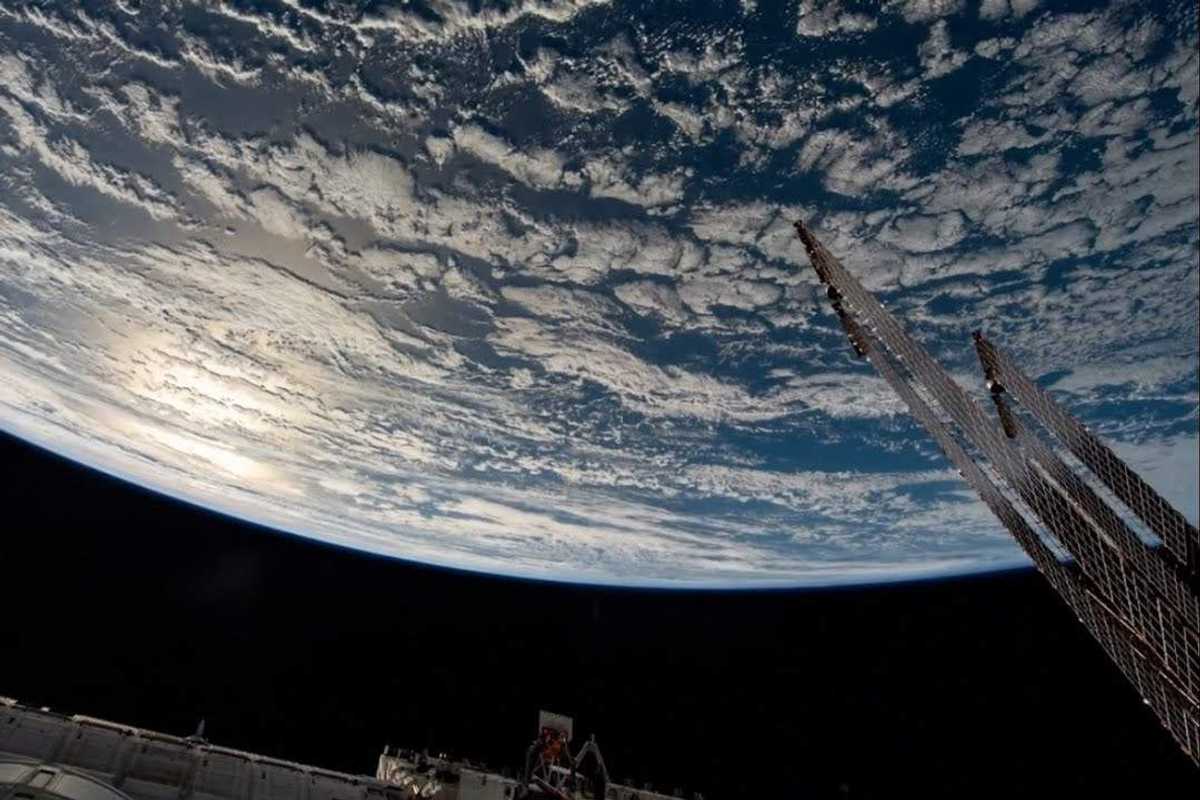
The Ion will host a morning discussion exploring humanity’s future in space. The event will feature Rick Tumlinson, author of Why Space? The Purpose of People; Scott Solomon, author of Becoming Martian; and David Alexander and Alexander Regier of Rice University’s new Space Humanities Initiative. The conversations will be moderated by EarthLight Foundation Director Junaid Mian.
This event is Wednesday, Oct. 7, from 8:30-11 a.m. at the Ion. Register here.
Oct. 8 — Greentown Labs’ Fall Pickleball Social
Greentown Labs hosts its fall social at Pickle Lab HTX this month. Enjoy friendly matches, networking and light bites. All skill sets are welcome.
This event is Thursday, Oct. 8, from 5:30-7:30 p.m. at Pickle Lab HTX. Register here.
Oct. 10 – Ion Family Tech Festival
Bring the whole family out to the second Ion Family Tech Festival. Kids will get to participate in hands-on STEAM workshops and learn more about STEAM-related careers.
This event is Saturday, Oct. 10, from 9 a.m.-12 p.m. at the Ion. Register here.
Oct. 13 – Mercury Fund Day at the Ion
Don’t miss the latest installment of Mercury Fund Day at the Ion, previously known as Software Day. The recurring monthly event features office hours (by application), a keynote and networking opportunities.
This event is Tuesday, Oct. 13, from 3:30-7 p.m. at the Ion. Register here.
Oct. 14 — Future of Global Energy Conference
This October, the sixth annual Future of Global Energy Conference kicks off, convening influential leaders from across energy, technology, finance and public policy who will come together to explore the forces defining the next era of global energy and Houston’s role in shaping it. Ryan Lance, Executive Chairman of ConocoPhillips and 2027 Chair of the Greater Houston Partnership’s Board of Directors, is the keynote speaker for this year’s conference, bringing a global perspective on rising demand, market volatility and Houston’s role in the next era of energy growth.
This event takes place Oct. 14 at the Marriott Marquis. Register here.
Oct. 17 — Energy Day 2026
Energy Day Houston is the nation’s largest free, family-friendly STEM festival. It features over 50 interactive exhibits and live demonstrations focused on traditional and emerging energy career paths to power up your curiosity.
This event begins at 11 a.m. on Oct. 17 at Sam Houston Park. Get details here.
Oct. 22 — Rice360 Innovation for Healthcare Access Conference
Researchers and innovators from Rice University, the Texas Medical Center, non-profit organizations, healthcare providers and others will come together to explore gaps in healthcare at the Innovation for Healthcare Access Conference. The event will feature speakers, workshops and case study presentations and will focus on innovations for the health of women and children in underserved rural and urban communities across Texas.
This event is Thursday, Oct. 22, from 8 a.m.-5 p.m. at the Rice University BioScience Research Collaborative (BRC). Register here.
Oct. 28-29 – TiECon 2026
TiE Houston, TiE Dallas and TiE Austin are joining forces to host TiEcon Texas 2026 at the Ion this month. The event will focus on how automation, artificial intelligence and emerging technologies are reshaping Texas industries, the economy and daily life. The conference will feature keynotes, panels, fireside chats and the TiE Hatch Pitch Competition.
This event starts Thursday, Oct. 29, at the Ion. Register here.