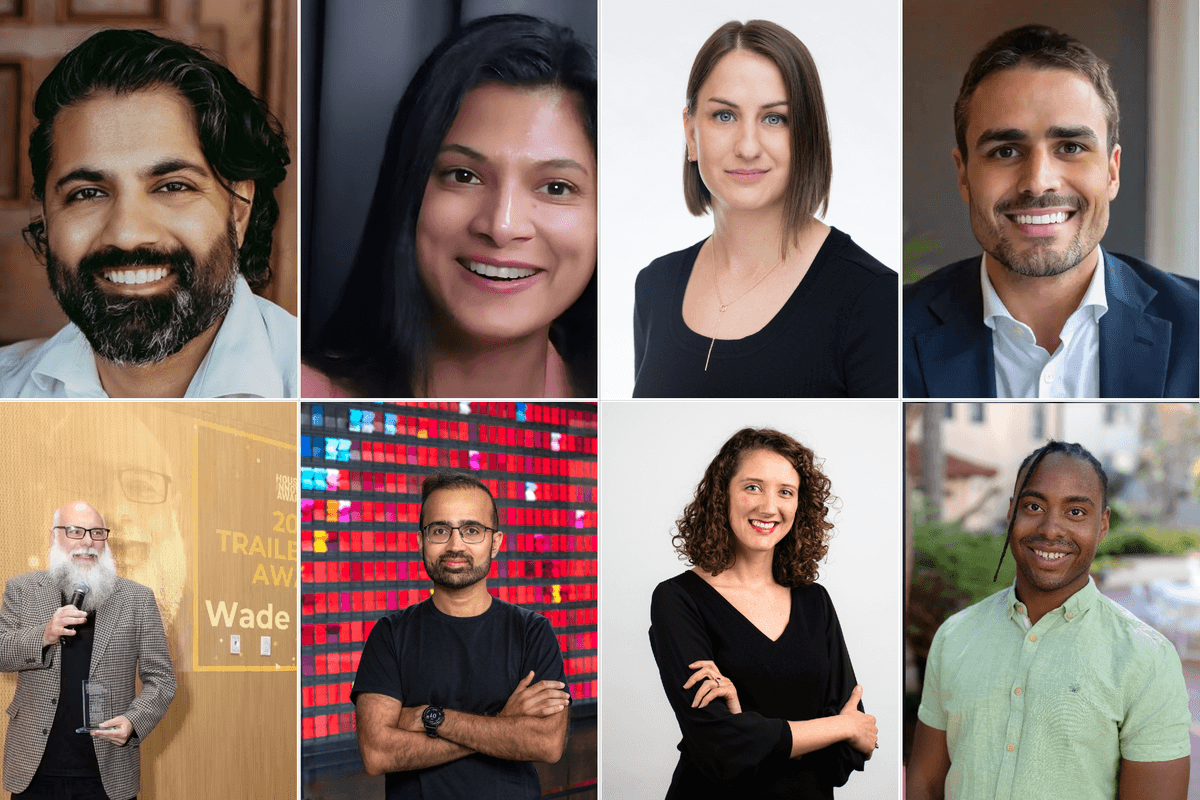
March Biosciences is testing its MB-105 cell therapy in a Phase 2 clinical trial for people with difficult-to-treat cancer. Photo via march.bio

A Houston cell therapy company has dosed its first patient in a Phase 2 clinical trial. March Biosciences is testing the efficacy of MB-105, a CD5-targeted CAR-T cell therapy for patients with relapsed or refractory CD5-positive T-cell lymphoma.

Last year, InnovationMap reported that March Biosciences had closed its series A with a $28.4 million raise. Now, the company, co-founded by Sarah Hein, Max Mamonkin and Malcolm Brenner, is ready to enroll a total of 46 patients in its study of people with difficult-to-treat cancer.

The trial will be conducted at cancer centers around the United States, but the first dose took place locally, at The University of Texas MD Anderson Cancer Center. Dr. Swaminathan P. Iyer, a professor in the department of lymphoma/myeloma at MD Anderson, is leading the trial.

“This represents a significant milestone in advancing MB-105 as a potential treatment option for patients with T-cell lymphoma who currently face extremely limited therapeutic choices,” Hein, who serves as CEO, says. “CAR-T therapies have revolutionized the treatment of B-cell lymphomas and leukemias but have not successfully addressed the rarer T-cell lymphomas and leukemias. We are optimistic that this larger trial will further validate MB-105's potential to address the critical unmet needs of these patients and look forward to reporting our first clinical readouts.”

The Phase 1 trial showed promise for MB-105 in terms of both safety and efficacy. That means that potentially concerning side effects, including neurological events and cytokine release above grade 3, were not observed. Those results were published last year, noting lasting remissions.

In January 2025, MB-105 won an orphan drug designation from the FDA. That results in seven years of market exclusivity if the drug is approved, as well as development incentives along the way.

The trial is enrolling its single-arm, two-stage study on ClinicalTrials.gov. For patients with stubborn blood cancers, the drug is providing new hope.

Ad Placement 300x100
Ad Placement 300x600

CultureMap Emails are Awesome

Rice University lands $14M state grant to open Center for Space Technologies

on a mission

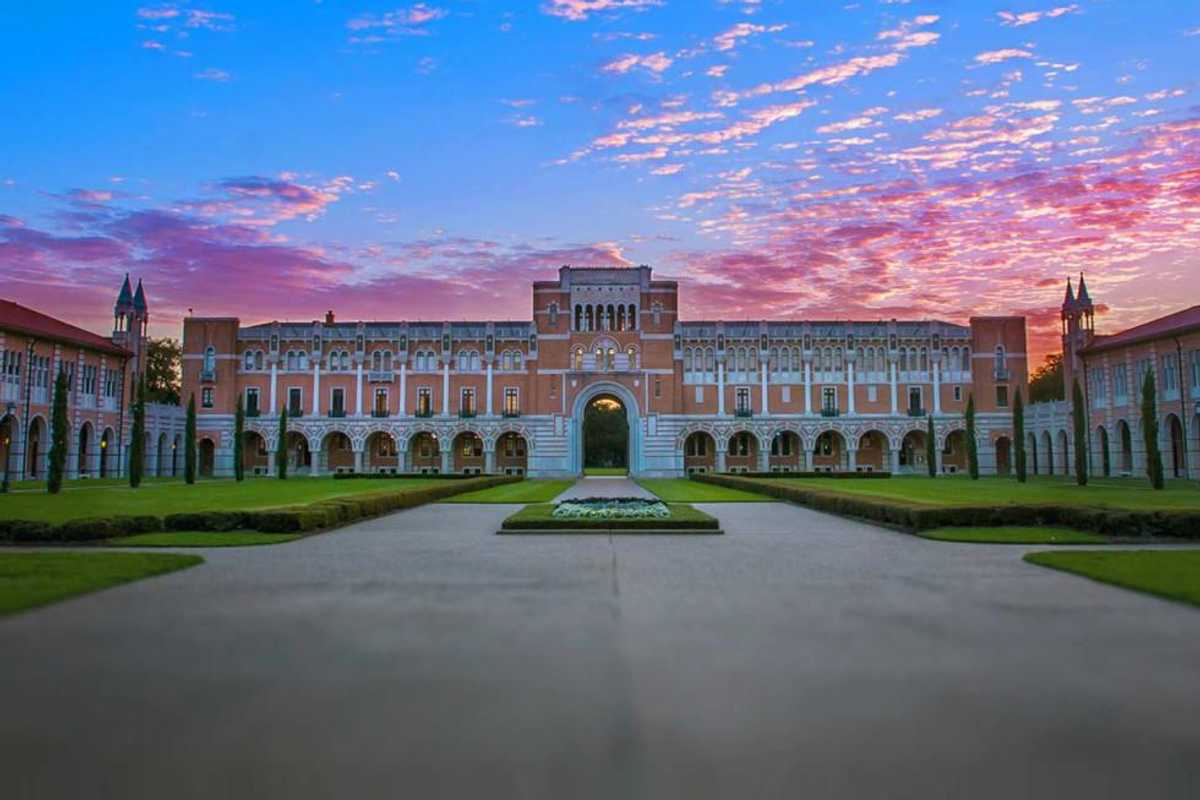
Rice University’s Space Institute soon will be home to the newly created Center for Space Technologies.

On Feb. 17, the Texas Space Commission approved a nearly $14.2 million grant for the Rice project. The Center for Space Technologies will target:

  • Research and development
  • Technology transfer and innovation
  • Statewide partnerships
  • Workforce development training
  • Space-focused education programs

The goal of the new center “is to fulfill an articulated need for research, workforce development, and industry collaboration,” said Kemah communications and marketing executive Gwen Griffin, chair of the commission.

State Rep. Greg Bonnen, a Friendswood Republican, authored the bill that set up the Texas Space Commission.

Since being authorized in 2023, the commission has funded 24 projects, with Rice and Houston-area companies accounting for nearly $75 million in grants to back space-related initiatives.

The grant to Rice brings the TSC's total investment to $150 million, fully committing the entire state appropriation from the Texas Legislature in 2023.

Other local companies that have received grants over the years include Aegis Aerospace, Axiom Space, Intuitive Machines, Starlab Space and Venus Aerospace.

The commission also awarded $7 million to Blue Origin earlier this month. See a list of the 24 awards here.

Waymo self-driving robotaxis have officially launched in Houston

Waymo has arrived

Waymo will begin dispatching its robotaxis in four more cities in Texas and Florida, expanding the territory covered by its fleet of self-driving cars to 10 major U.S. metropolitan markets.

The move into Dallas, Houston, San Antonio and Orlando, Florida, announced Tuesday, February 24, widens Waymo's early lead in autonomous driving while rival services from Tesla and the Amazon-owned Zoox are still testing their vehicles in only a few U.S. cities.

In contrast, Waymo's robotaxis already provide more than 400,000 weekly trips in the six metropolitan areas where they have been transporting passengers: Phoenix, the San Francisco Bay Area, Los Angeles, Miami, Atlanta, and Austin, Texas.

Waymo operates its ride-hailing service through its own app in all the U.S. cities except Atlanta and Austin, where its robotaxis can only be summoned through Uber's ride-hailing service.

The expansion into four more markets marks a significant step toward Waymo's goal to surpass 1 million weekly paid trips by the end of 2026. Without identifying where its robotaxis will be available next, Waymo is targeting a list of eight other cities that include Las Vegas, Washington, Detroit and Boston while signaling its first overseas availability is likely to be London.

To help pay for more robotaxis, Waymo recently raised $16 billion as part of the financial infusion that puts the value of the company at $126 billion. The valuation fueled speculation that Waymo may eventually be spun off from its corporate parent Alphabet, where it began as a secret project within Google in 2009.

Although Waymo is opening up in four more cities, its robotaxis initially will only be made available to a limited number of people with its ride-hailing app in Dallas, Houston, San Antonio and Orlando before the service will be available to all comers in those markets.

Tech giant Apple doubles down on Houston with new production facility

coming soon

Tech giant Apple announced that it will double the size of its Houston manufacturing footprint as it brings production of its Mac mini to the U.S. for the first time.

The company plans to begin production of its compact desktop computer at a new factory at Apple’s Houston manufacturing site later this year. The move is expected to create thousands of jobs in the Houston area, according to Apple.

Last year, the Cupertino, California-based company announced it would open a 250,000-square-foot factory to produce servers for its data centers in the Houston area. The facility was originally slated to open in 2026, but Apple reports it began production ahead of schedule in 2025.

The addition of the Mac mini operations at the site will bring the footprint to about 500,000 square feet, the Houston Chronicle reports. The New York Times previously reported that Taiwanese electronics manufacturer Foxconn would be involved in the Houston factory.

Apple also announced plans to open a 20,000-square-foot Advanced Manufacturing Center in Houston later this year. The project is currently under construction and will "provide hands-on training in advanced manufacturing techniques to students, supplier employees, and American businesses of all sizes," according to the announcement. Apple opened a similar Apple Manufacturing Academy in Detroit last year.

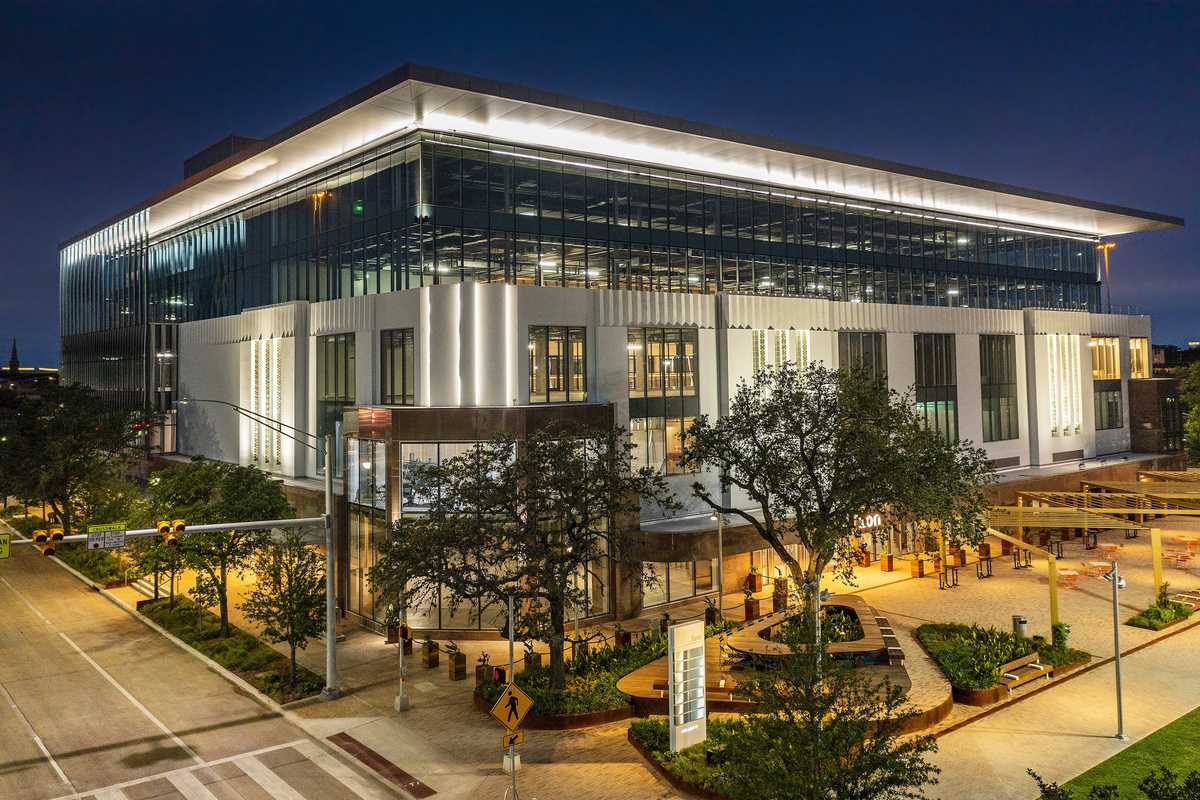
Apple doubles down on Houston with new production facility, training center Photo courtesy Apple.

“Apple is deeply committed to the future of American manufacturing, and we’re proud to significantly expand our footprint in Houston with the production of Mac mini starting later this year,” Tim Cook, Apple’s CEO, said in the news release. “We began shipping advanced AI servers from Houston ahead of schedule, and we’re excited to accelerate that work even further.”

Apple's Houston expansion is part of a $600 billion commitment the company made to the U.S. in 2025.