Editor's note: It's time to recap the top trending innovation news from the second half of April 2025. The most-read recent stories on InnovationMap include a revolutionary hearing aid device, space tech updates, a femtech company's rebrand and more. Get the details below.
1. Houston doctor aims to revolutionize hearing aid industry with tiny implant

Houston Methodist's Dr. Ron Moses has created NanoEar, which he calls “the world’s smallest hearing aid.” Photo via Getty Images.
“What is the future of hearing aids?” That’s the question that led to a potential revolution.
“The current hearing aid market and technology is old, and there are little incremental improvements, but really no significant, radical new ideas, and I like to challenge the status quo,” says Dr. Ron Moses, an ENT specialist and surgeon at Houston Methodist.
Moses is the creator of NanoEar, which he calls “the world’s smallest hearing aid.” NanoEar is an implantable device that combines the invisibility of a micro-sized tympanostomy tube with more power—and a superior hearing experience—than the best behind-the-ear hearing aid.
“You put the NanoEar inside of the eardrum in an in-office procedure that takes literally five minutes,” Moses says. Continue reading.
2. Houston space tech startups share latest updates on lunar missions and more

Axiom Space and Intuitive Machines have shared updates on some of their latest projects. Photo courtesy of NASA
Houston-based space tech companies Axiom Space and Intuitive Machines recently shared updates on innovative projects and missions, each set to launch by 2027.
Axiom Space, developer of the world’s first commercial space station and other space infrastructure, is gearing up to launch two orbital data center nodes to low-earth orbit by the end of 2025.
Meanwhile, Intuitive Machines, a space exploration, infrastructure and services company, has picked SpaceX’s Falcon 9 rocket to launch its fourth delivery mission to the moon. The launch will include two lunar data relay satellites for NASA. Continue reading.
3. Trailblazing Houston entrepreneur brings big ideas to new Yahoo Finance show

Hello Alice co-founder Elizabeth Gore launched "The Big Idea with Elizabeth Gore" with Yahoo Finance this week. Photo courtesy Hello Alice.
Elizabeth Gore, co-founder and president of Houston's Hello Alice, debuted the first episode of her new video podcast series with Yahoo Finance on April 24.
The weekly series, known as "The Big Idea with Elizabeth Gore," will focus on providing information and resources to small business owners and sharing stories of entrepreneurship.
“Entrepreneurs and small business owners drive our country’s economy forward. With a record number of small businesses launching in our communities, my goal is to help every citizen live the American Dream. On the Big Idea, we will break down barriers for entrepreneurs and lift up opportunities for every person wanting to be their own boss,” Gore said. Continue reading.
4. 7 top Houston researchers join Rice innovation cohort for 2025

The Liu Idea Lab for Innovation and Entrepreneurship at Rice University has named its 2025 Rice Innovation Fellows cohort. Photo via Rice University
The Liu Idea Lab for Innovation and Entrepreneurship (Lilie) has announced its 2025 Rice Innovation Fellows cohort, which includes students developing cutting-edge thermal management solutions for artificial intelligence, biomaterial cell therapy for treating lymphedema, and other innovative projects.
The program aims to support Rice Ph.D. students and postdocs in turning their research into real-world solutions and startups.
“Our fourth cohort of fellows spans multiple industries addressing the most pressing challenges of humanity,” Kyle Judah, Lilie’s executive director, said. “We see seven Innovation Fellows and their professors with the passion and a path to change the world.” Continue reading.
5. Houston femtech co. debuts first holistic wellness suite following rebrand

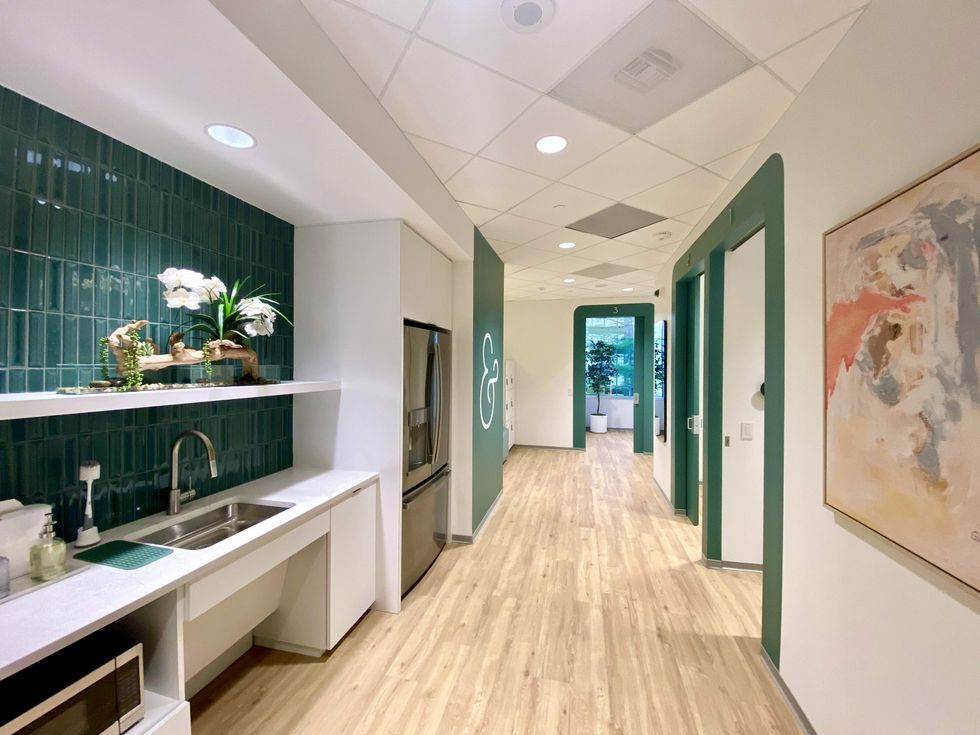
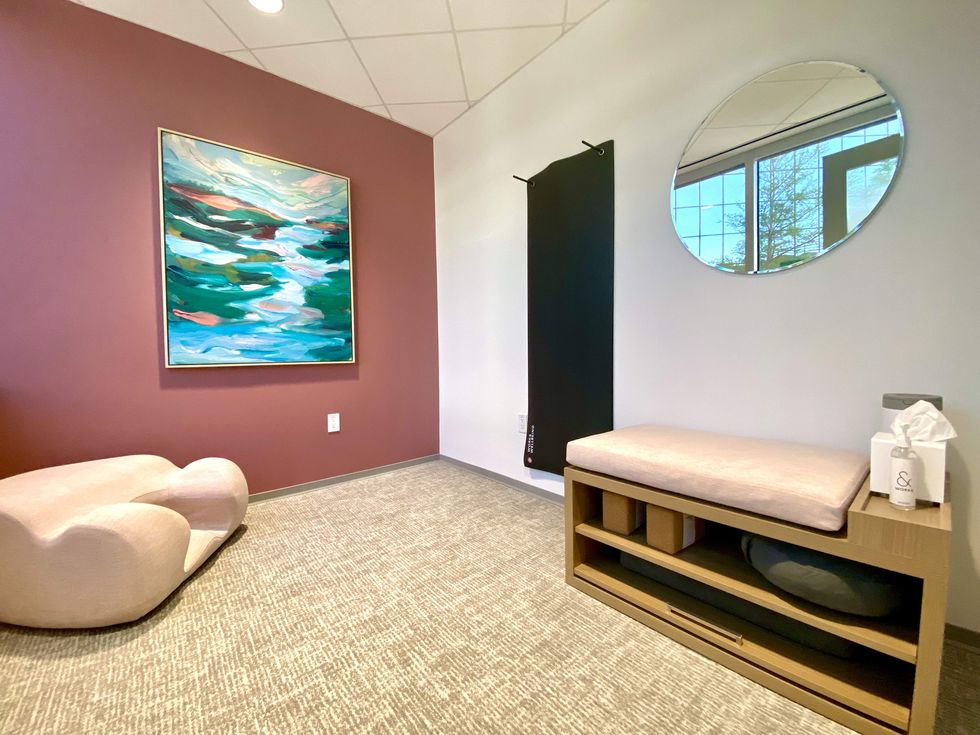
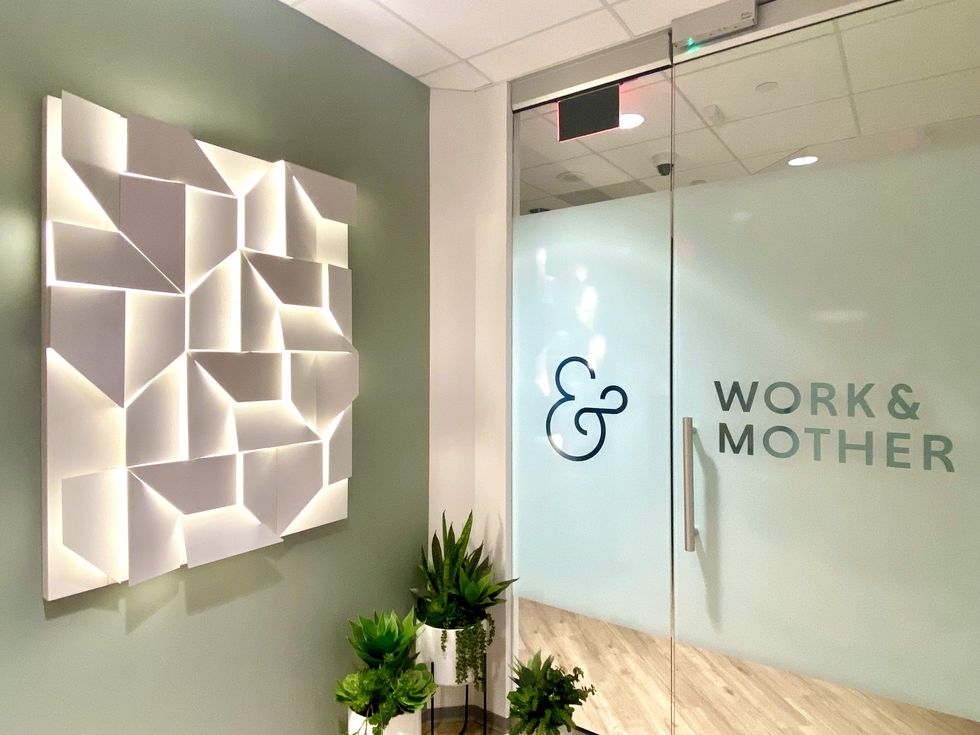
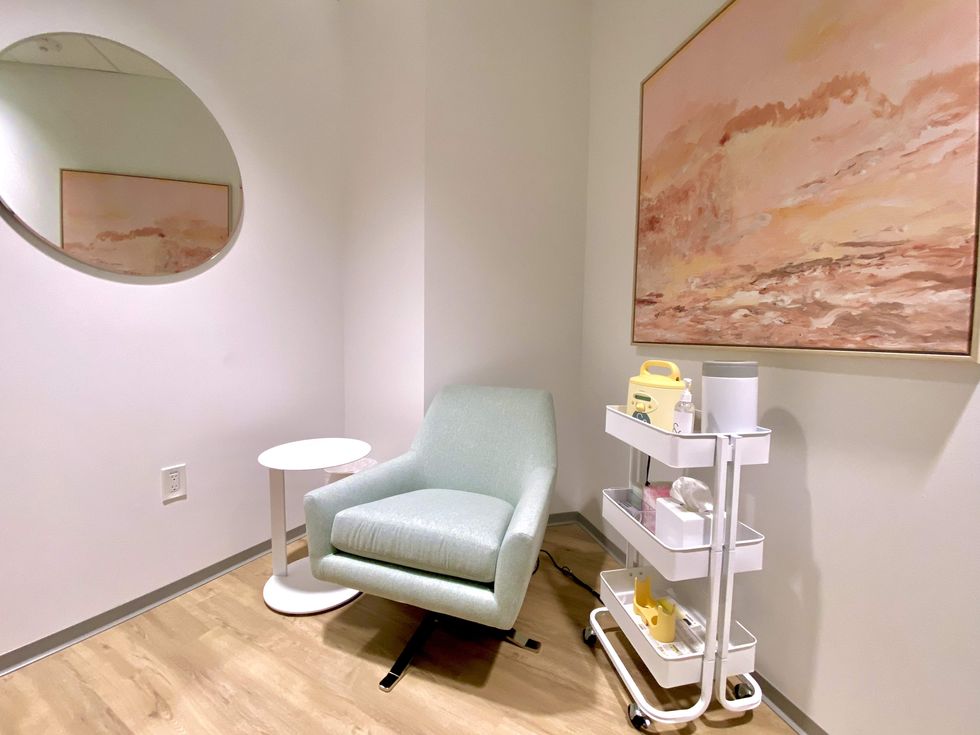
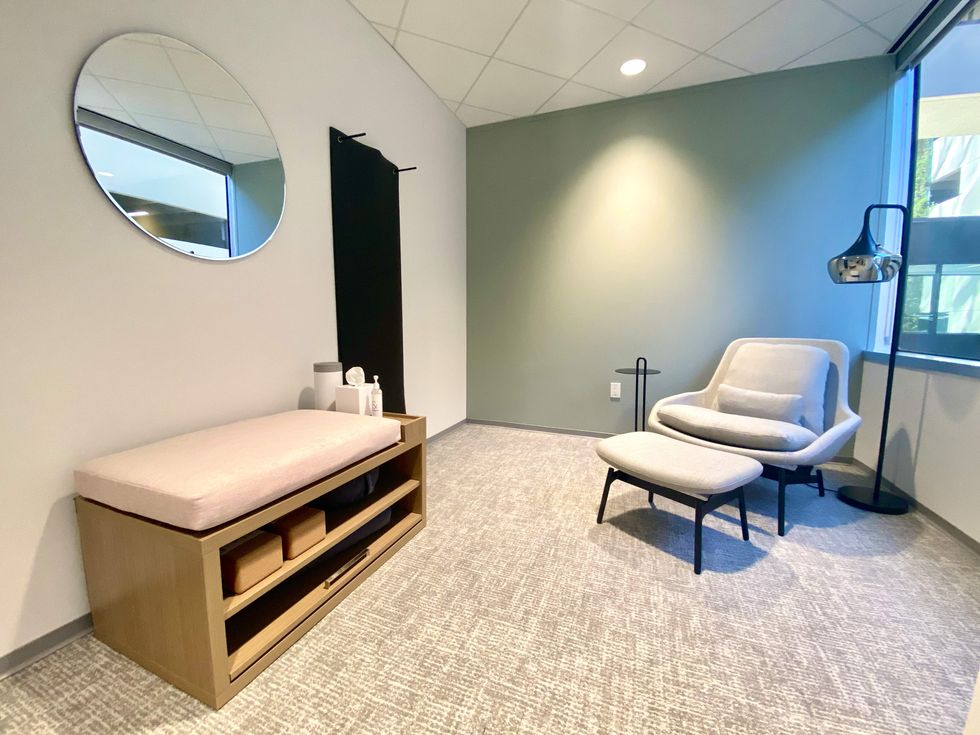
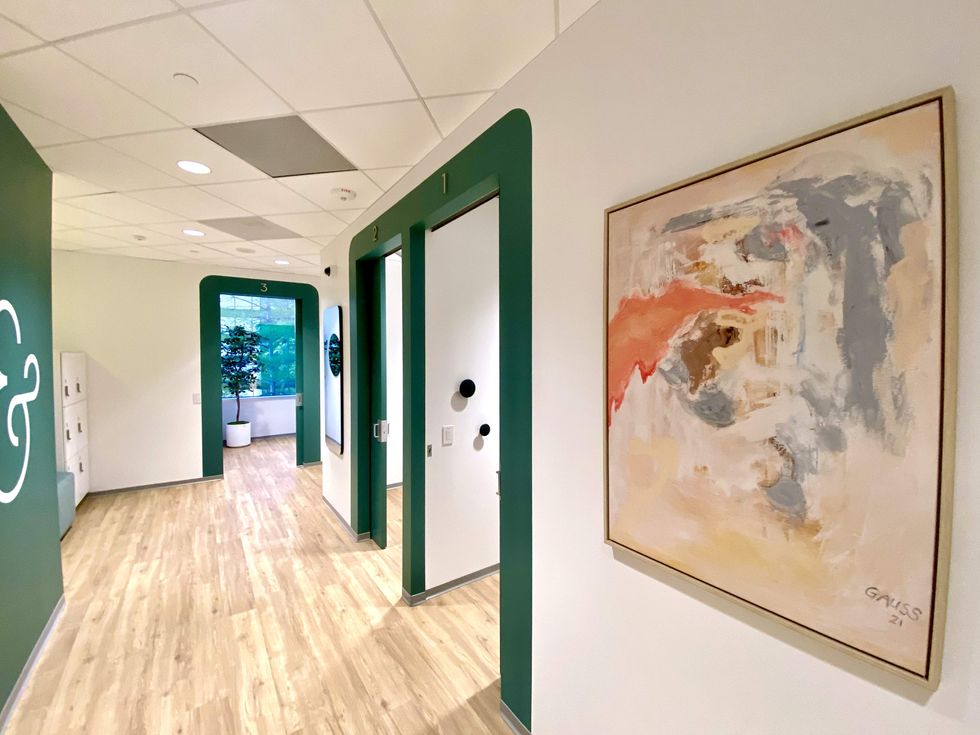
After a recent rebrand, Work& (previously Work&Mother) has introduced its first employee wellness space at a major Houston office plaza. Photos courtesy MetroNational
Houston-based femtech company Work&, previously Work&Mother, debuted new lactation suites and its first employee wellness space at MetroNational’s Memorial City Plazas this month.
The 1,457-square-foot Work& space features three lactation rooms and five wellness suites, the latter of which are intended to offer employees a private space and time for telehealth appointments, meditation, prayer, and other needs. The hybrid space, designed by Houston-based Inventure, represents Work&'s shift to offer an array of holistic health and wellness solutions to landlords for tenants.
Work& rebranded from Work&Mother earlier this year. The company was previously focused on outfitting commercial buildings with lactation accommodations for working parents, equipped with a hospital-grade pump, milk storage bags, sanitizing wipes, and other supplies. While Work& will still offer these services through its Work&Mother branch, the addition of its Work&Wellbeing arm allows the company to also "address the broader wellness needs of all employees." Continue reading.