


These Houston startups raised more than a quarter billion dollars last month alone. Photo courtesy Venus Aerospace

Houston startups carried the fundraising momentum of Q1 and Q2 into July with several significant seed funding, Series A and Series B rounds.

From geothermal leaders to medtech innovators, these six Houston companies raised more than a quarter billion dollars last month alone, according to reporting by InnovationMap and our sister site, EnergyCapitalHTX.com.

Did we miss a funding round? Let us know by emailing innoeditor@innovationmap.com.

Altillion
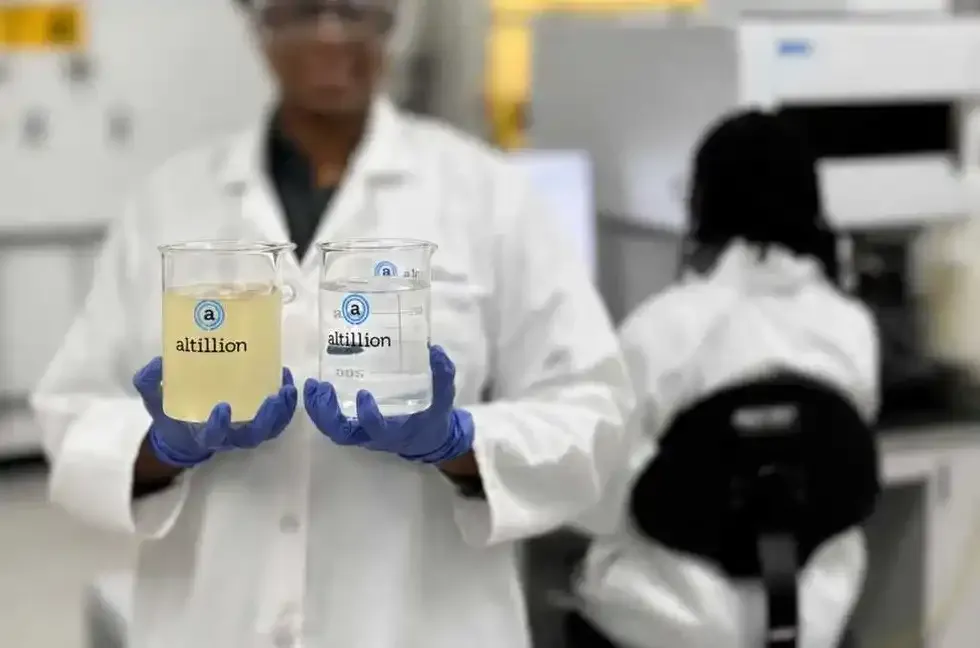
Houston-based startup Altillion has secured $5 million in seed funding to accelerate the commercialization of its proprietary IRIS and ALIX technologies, which convert oilfield-produced water into valuable minerals, the company reported earlier this month.

San Francisco-based EIC Rose Rock and Houston-based Flathead Forge led the round. Altillion says the funding will go toward pilot facilities and commercial deployments as the company looks to scale in the U.S. Continue reading.

Buildforce
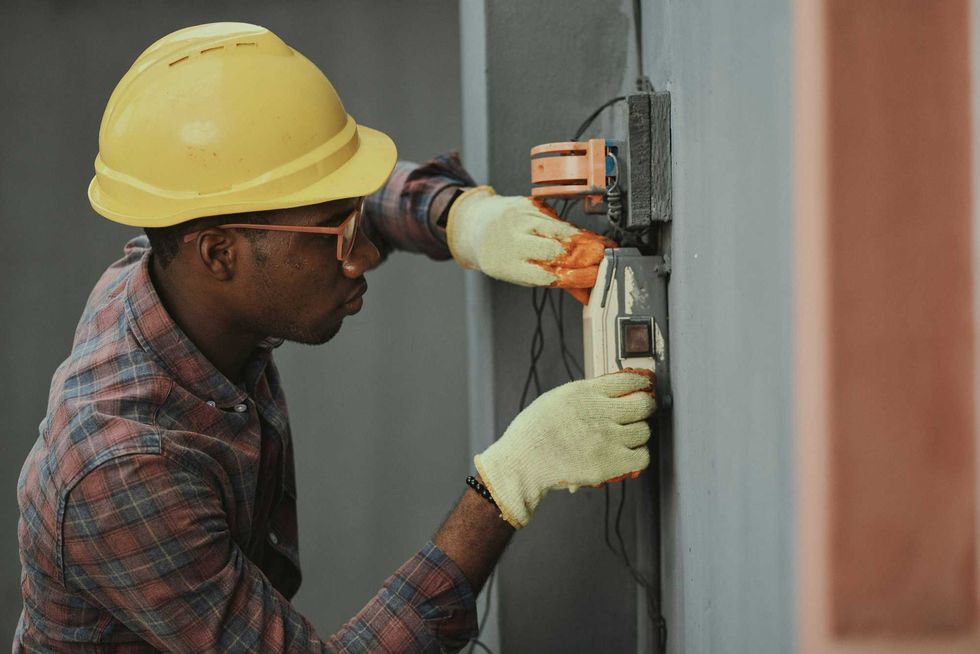
The U.S. is grappling with a current shortage of 50,000 electricians, according to the National Electrical Contractors Association. Photo via Unsplash

Houston-based Buildforce, which provides a tech-enabled staff platform geared toward electricians and electrical contractors, closed a $10 million Series A round led by Houston’s Saepio Capital last month.

Other investors in the round include Blue Heron Capital, Revolution’s Rise of the Rest Seed Fund, S3 Ventures and Chicago Ventures.

Buildforce says the funding will help fuel its national expansion and further development of its technology.

The startup, founded in 2019, connects electricians with electrical contractors for commercial and industrial construction projects. Continue reading.

Hephae Energy Technology Corp.
The company develops ultra-high-temperature tools to withstand the heat of geothermal reservoirs. Photo via hephaeet.com

Houston-area startup Hephae Energy Technology Corp. closed a $17.8 million Series A financing round last month to commercialize its geothermal technology.

The round was co-led by Pennsylvania-based Susquehanna Sustainable Investments, which invests in early-stage climatech companies, and Copenhagen-based Underground Ventures, which focuses on geothermal energy startups. Alfa8, Baruch Future Ventures, Centaurus Capital LP, Elemental Impact, Exa Ventures, Future Ventures, Grantham Foundation for the Protection of the Environment, New System Ventures and True North Institute joined the round, along with existing Houston-based investor Nabors Industries. Hephae reports in a news release that the Series A round brings the company's total capital raised to $24.7 million. Continue reading.

TYBR Health
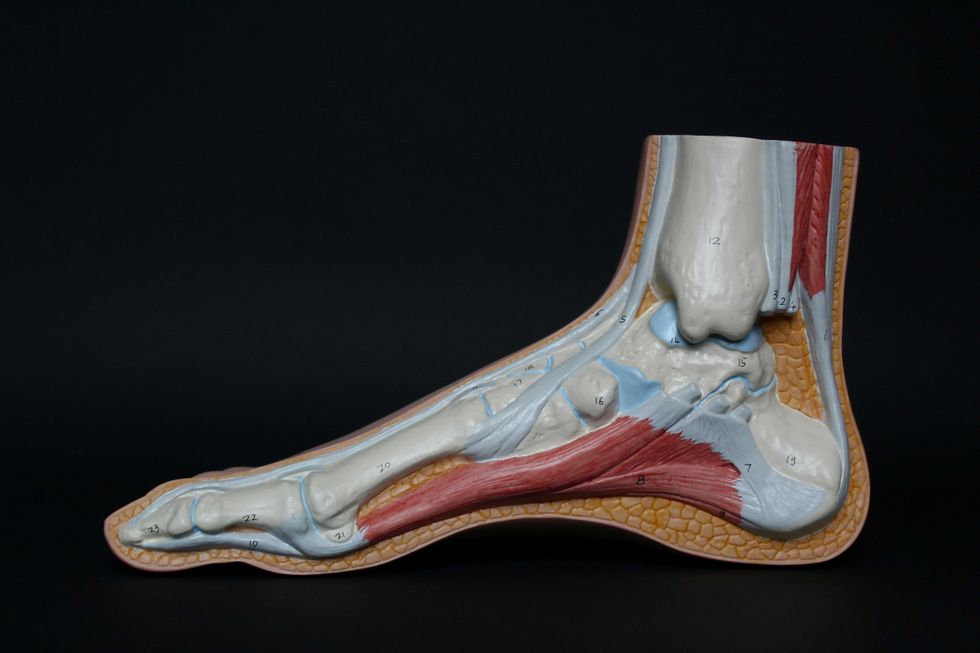
The company's B3 GEL System is designed to protect tendons, ligaments and muscles while they heal from orthopedic surgery. Photo via Unsplash

Houston-based healthtech startup TYBR Health has raised a $30 million Series A round to scale its B3 GEL System, which helps protect tendons from scarring after surgery, the company announced last month.

The round was led by Minneapolis-based Vensana Capital and Cleveland-based Mutual Capital Partners, with participation from Denver-based Neovate Capital Partners and existing investors, according to a news release from the company.

TYBR Health said it plans to use the funding to broaden the B3 GEL System's clinical applications, expand commercialization and conduct studies to evaluate its ability to protect tissue and improve healing outcomes. Continue reading.

Venus Aerospace 
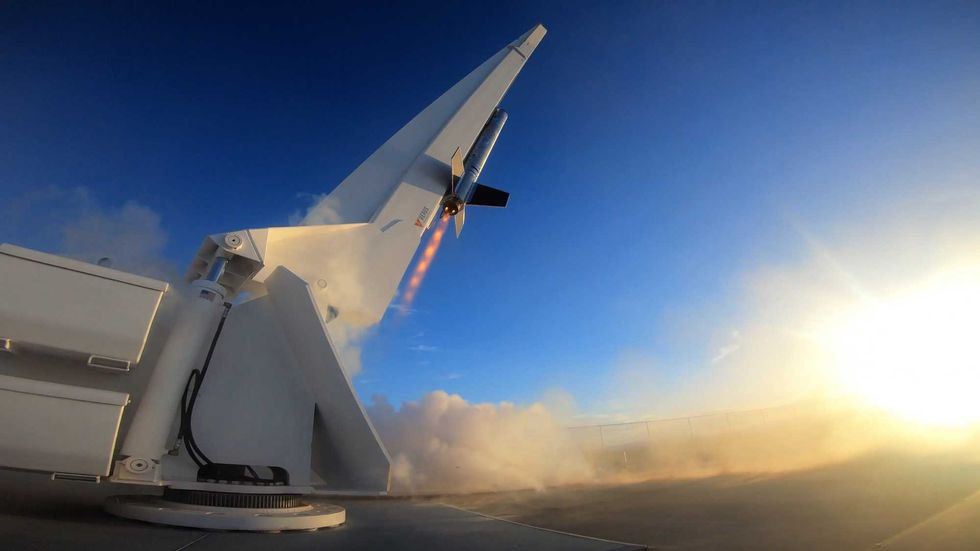
Venus Aerospace has secured funding from Mercury Fund, Lockheed Martin Ventures and others. Photo courtesy Venus Aerospace

Houston-based Venus Aerospace closed a $91 million Series B round last month and plans to scale the production of its hypersonic engine.

The round was led by Houston-based Mercury Fund with participation from Lockheed Martin Ventures, MESH, PEAK6, Draper Associates, Starboard Star Venture Capital, Green Sands Equity and other investors, according to a news release.

The investment comes about a year after Venus completed the first U.S. flight test of its high-thrust rotating detonation rocket engine (RDRE). The engine is expected to enable vehicles to travel four to six times the speed of sound from a conventional runway and is about 15 percent more efficient than traditional alternatives, according to the company. Continue reading.

Quaise Energy
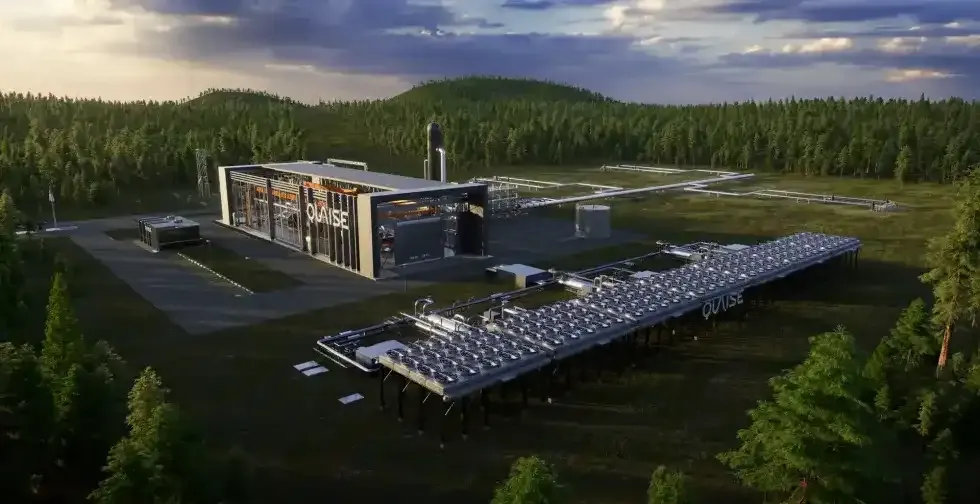
A rendering of a Quaise Energy geothermal plant. Rendering via quaise.com

Houston-based Quaise Energy, a producer of utility-scale geothermal power, closed $134 million in a Series B round last month to advance its “superhot” geothermal power plant.

Climate-focused San Francisco-based investment firm Prelude Ventures led the round, with participation from JERA Co., Japan’s largest power generation company, and Idemitsu Kosan, one of Japan’s largest energy companies. Nearly all existing investors, including cleantech-focused investment firm Safar Partners, participated in the round.

The startup expects more equity and debt deals to close “imminently.” Quaise has raised $230 million since its founding in 2018. Continue reading.

Ad Placement 300x100
Ad Placement 300x600

CultureMap Emails are Awesome

Houston researchers develop dissolvable implant for targeted cancer drug delivery

cancer research

Researchers at Houston Methodist have developed a biodegradable implant that can be used to safely and consistently deliver drug treatments to tumors and then dissolve without the need for further surgery.

The implant is only the size of a grain of rice, but its potential is staggering. The biodegradable nanofibrous drug-eluting seed (b-NDES) works as a reservoir parked inside a soft tumor, where it can slowly release immune-stimulating drugs over time. This overcomes a consistent problem with drugs such as immune checkpoint inhibitors. Normal systemic administration sees comparatively little of the drug making its way to the tumor, with most of it circulating throughout the body. The b-NDES is like deploying a small guerrilla fighting force embedded in enemy territory, doing maximum damage to the entrenched tumor.

"To improve cancer treatment, we're trying to start a fire inside the tumor itself," Corrine Chua, associate professor in the Center for BioNanoengineering at Houston Methodist Research Institute, said in a news release. "By activating immune cells directly within the tumor microenvironment, those cells can then travel throughout the body and seek out cancer wherever it exists. The b-NDES platform was developed to help keep therapeutic drugs concentrated inside tumors while minimizing exposure to healthy tissues.”

Chua co-led the study with Alessandro Grattoni, chair and director of the Center for BioNanoengineering at Houston Methodist Research Institute.

The study included support from the Nancy Owens Breast Cancer Foundation and the National Institutes of Health/National Cancer Institute.

Chau and Grattoni used preclinical models of triple-negative breast cancer, an aggressive form of cancer that is estrogen receptor-negative, progesterone receptor-negative and HER2-negative. Because of the receptor negativity, some popular treatments like tamoxifen and trastuzumab are ineffective. Chemotherapy has been shown to be the best course of action.

The b-NDES implant is deployed alongside radiation drugs. It keeps the drugs focused on the tumor, reducing the amount of harmful side effects typically seen when drugs are circulated more widely in the body. In 60 percent of the models, tumors were eliminated and did not cause side effects beyond the tumor site. Once the drugs have been deployed, the implant breaks down naturally.

While promising, more research will have to be done to expand use to other tumor types.

"Although the study focused on triple-negative breast cancer models, the approach could have broader applications for solid tumors," Grattoni added in the release. "It could potentially be used in cancers where there is a tumor lesion accessible for placement, including pancreatic or lung cancers."

New Houston platform Same Day Reels launches for on-demand content creation

In The Moment

If an event doesn't happen on Instagram, did it even really happen? In today's social media-driven age of branding and audience engagement, the answer increasingly is no.

Houston entrepreneur Karen De Amat is looking to fill the online content creation needs of companies with her new venture, Same Day Reels, which launched in early August. It will serve as a platform to connect companies and brands with talent that can help turn an event into a viral moment as it is happening.

"Events move quickly, and social media moves even faster,” said De Amat. “Same Day Reels was built to help brands capture the moment while it still matters. We are creating a more efficient way for businesses and creators to work together. Brands need content faster, and creators need more opportunities to turn their talent into real work. Same Day Reels brings those needs together.”

The company is focused on adding livestreams and concurrent short video content to "activations, launches, fundraisers, grand openings, conferences, hospitality experiences, and private celebrations." Such content can significantly increase the visibility of a product or brand according to digital marketing brands like Wyzowl, whose data found 63 percent of people in 2026 prefer to learn about new products via short video.

Packages offered by Same Day Reels will include filming, editing, and publishing content within hours of the targeted event.

De Amat says that her content creation platform will be a way to preserve the excitement of events and launches by enshrining them with immediate social media-driven memories.

“Event content is no longer just something you post after the fact,” De Amat said. “It is part of how people experience, remember and share the moment.”

Previously, De Amat is also the founder and CEO of Social Behavior, an influencer marketing company she launched from her home in 2014. It quickly garnered an array of clients and thrust De Amat into the spotlight, including numerous appearances on Fox 26's The Isiah Factor. Influencer Marketing Hub named her one of the top CEOs of influencer marketing companies in Houston in 2025.

---

This article originally appeared on CultureMap.com.

Bristol Myers Squibb to build $2.3B Houston pharma manufacturing campus

coming soon

New Jersey-based pharmaceutical giant Bristol Myers Squibb Co. has officially named Houston as the home of its new state-of-the-art manufacturing site.

The 60,000-square-foot facility represents a $2.3 billion investment, according to a news release. It is expected to create 500 skilled jobs and will be located in Houston's Generation Park.

BMS first announced that it was considering Houston among 16 other cities for the facility in May. The new hub will manufacture small molecule, biologic and antibody-drug conjugates and is part of a $40 billion commitment to invest in the United States over five years. Construction is slated to begin next year, with the facility coming online in 2030.

"We're building the domestic manufacturing capabilities needed to deliver the next generation of medicines and support future scientific breakthroughs. Houston and the state of Texas offer the talent, infrastructure, and partnership needed to help bring that vision to life," Christopher Boerner, CEO and board chair of BMS, said in the release.

The new facility will feature a modular, multi-modal design, which will allow the company to reconfigure and add to its manufacturing capabilities over time. BMS says it expects the facility to "(grow) in scale and capability well beyond its opening configuration."

"Our decision to build this state-of-the-art manufacturing campus in Houston, Texas, reflects our confidence in the region’s ability to support a world-class, digitally advanced supply operation,” Karin Shanahan, EVP and chief supply chain and operations officer of BMS, added in the release. “This facility is designed to deliver the speed, quality, and reliability that patients depend on, combining flexible, modular manufacturing with advanced digital capabilities to ensure consistent supply across multiple modalities. It strengthens our ability to operate with resilience and positions us to reliably deliver medicines to patients today while adapting future demands.”

Texas Gov. Greg Abbott shared that the state has granted BMS a $4.89 million Texas Enterprise Fund (TEF) grant for the project. TEF grants, administered by the Texas Economic Development & Tourism Office, support business relocation or expansion projects that create "new, good-paying jobs in the community and attract significant new capital investment to the state." The development is also a qualified project under the Texas Jobs, Energy, Technology, and Innovation (JETI) program.

“Texas is a global hub for life sciences, where today’s innovations shape the future of healthcare,” Abbott said in a news release. “This $2.3 billion investment by Bristol Myers Squibb in the dynamic biotech ecosystem in Houston is a testament to the depth of our skilled workforce and the pipeline of talent coming through our nation-leading technical colleges and research universities. With lower operating costs and easy access to markets across the U.S. and the world, Texas drives affordability for consumers.”

"Bristol Myers Squibb’s announcement is a tremendous win for Texas and the Houston region, further reinforcing our position as a premier destination for life sciences and advanced manufacturing,” added Greater Houston Partnership President and CEO Steve Kean.

Last fall, Eli Lilly and Co. selected Generation Park, a 4,300-acre, master-planned commercial district near Lake Houston, for its $6.5 billion manufacturing plant. More than 300 locations in the U.S. competed for the factory. Read more here.