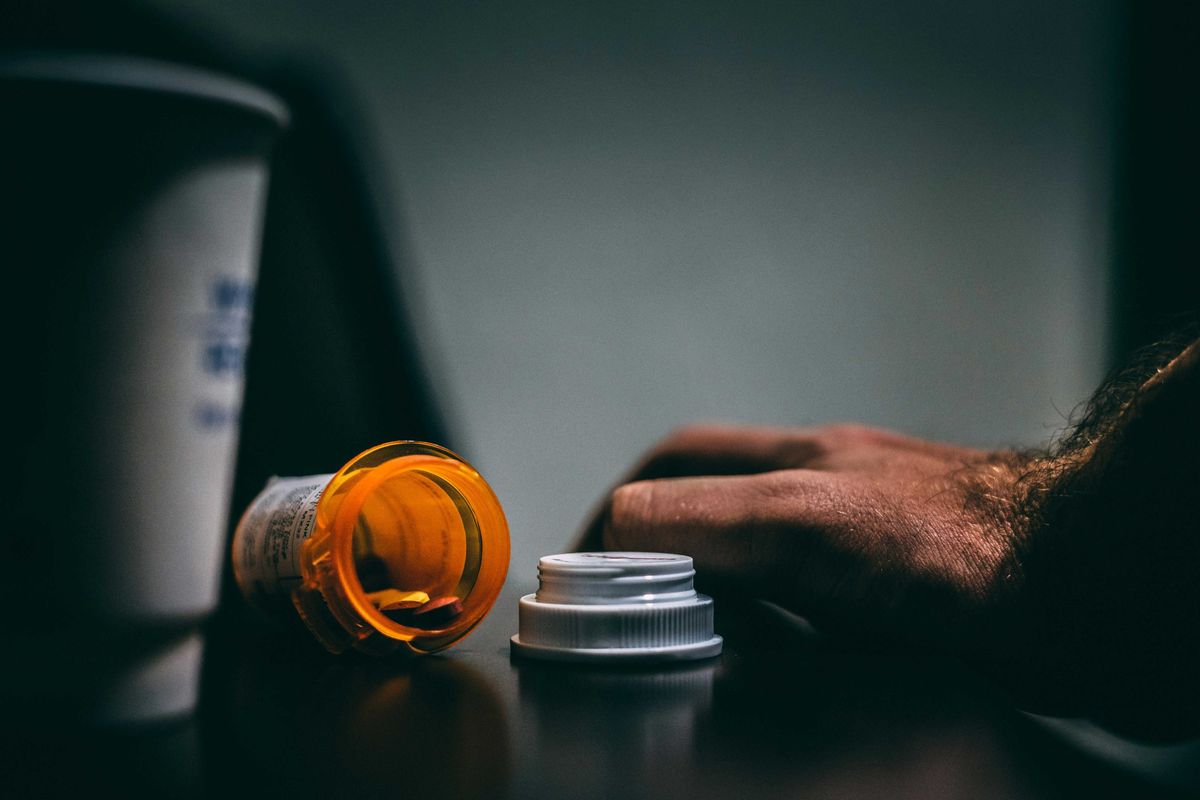
UTHealth Houston and UTMB will lead IMPACT, an initiative working toward ibogaine-based treatments for addiction and neurological issues. Photo via Pexels.

Houston hospitals win $50M grant for ibogaine addiction treatment research
ibogaine funding

The Texas Health and Human Services Commission has awarded $50 million to UTHealth Houston in collaboration with The University of Texas Medical Branch at Galveston (UTMB Health) to co-lead a multicenter research trial to evaluate the effect of ibogaine, a powerful psychoactive compound, on patients suffering from addiction, traumatic brain injury and other behavioral health conditions.

The funding will establish a two-year initiative—known as Ibogaine Medicine for PTSD, Addiction, and Cognitive Trauma (IMPACT)—and a consortium of Texas health institutions focused on clinical trials and working toward potential FDA-approved treatments.

The consoritum will also include Texas Tech University, Texas Tech University Health Sciences Center El Paso, The University of Texas at Austin, The University of Texas Health Science Center at San Antonio, The University of Texas at Tyler, The University of Texas Rio Grande Valley, Texas A&M University, The University of North Texas Health Science Center, Baylor College of Medicine and JPS Health Network in Dallas.

Ibogaine is a plant-based, psychoactive substance derived from the iboga shrub. Research suggests that the substance could be used for potential treatment for patients with traumatic brain injuries, which is a leading cause of post-traumatic stress disorders. Ibogaine has also shown potential as a treatment for addiction and other neurological conditions.

UTHealth and partners will focus on ways that ibogaine can treat addiction and associated conditions. Meanwhile, UT Austin and Baylor College of Medicine will concentrate on using it to treat traumatic brain injury, especially in veterans, according to a news release from the institutions.

The consortium will also support drug developers and teaching hospitals to conduct FDA-approved clinical trials. The Texas Health and Human Services Commission will oversee the grant program.

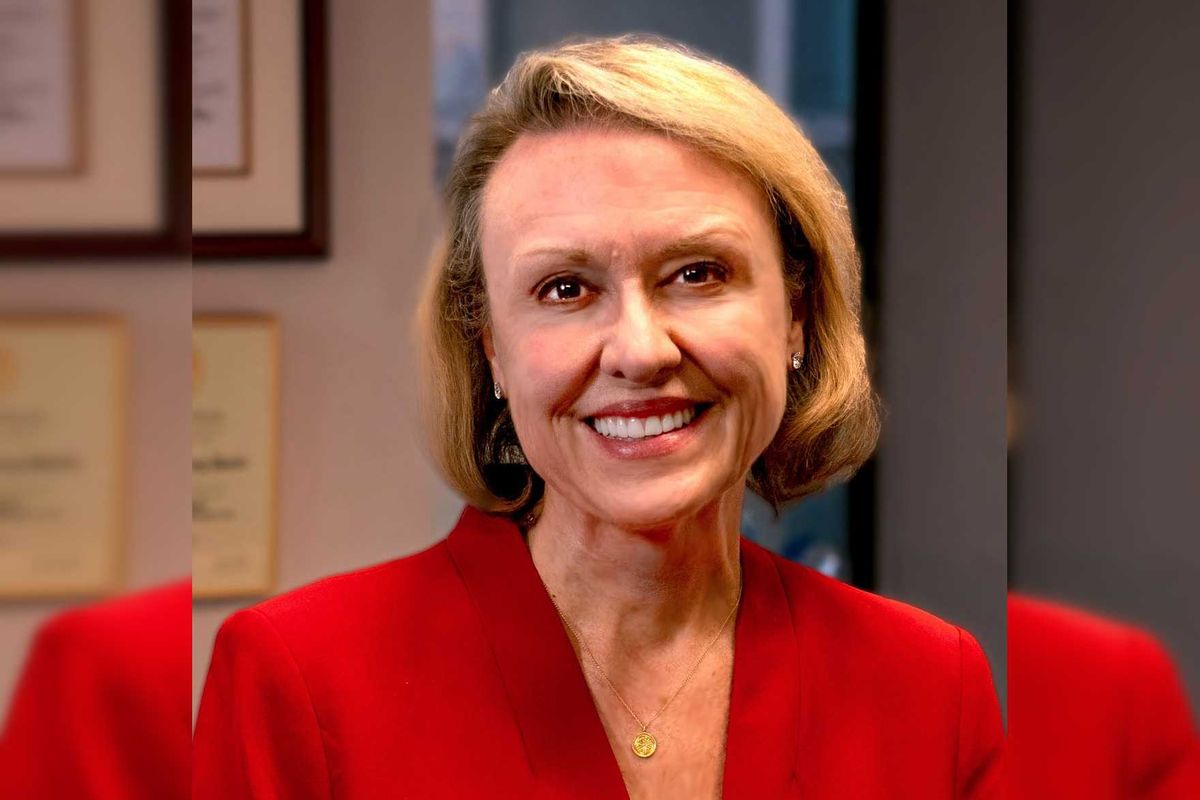
“This landmark clinical trial reflects our unwavering commitment to advancing research that improves lives and delivers the highest standards of care,” Dr. Melina Kibbe, UTHealth Houston president and the Alkek-Williams Distinguished Chair, said in the news release. “By joining forces with outstanding partners across our state, we are building on Texas’ tradition of innovation to ensure patients struggling with addiction and behavioral health conditions have access to the best possible outcomes. Together, we are shaping discoveries that will serve Texans and set a model for the nation.”

The consortium was authorized by the passage of Senate Bill 2308. The bill provides $50 million in state-matching funds for an ibogaine clinical trial managed by a public university in partnership with a drug company and a hospital.

“This is the first major step towards the legislature’s goal of obtaining FDA approval through clinical trials of ibogaine — a potential breakthrough medication that has brought thousands of America’s war-fighters back from the darkest parts of depression, anxiety, PTSD, and chronic addiction,” Texas Rep. Cody Harris added in the release. “I am excited to walk alongside UTHealth Houston and UTMB as these stellar institutions lead the nation in a first-of-its-kind clinical trial in the U.S.”

Recently, the University of Houston also received a $2.6 million gift from the estate of Dr. William A. Gibson to support and expand its opioid addiction research, which includes the development of a fentanyl vaccine that could block the drug's ability to enter the brain. Read more here.

Ad Placement 300x100
Ad Placement 300x600

CultureMap Emails are Awesome

Houston museum showcases America's founding documents in rare exhibit

Experience History

As the United States prepares to celebrate its 250th birthday, Houstonians have a chance to see rare documents from the founding of the nation. Freedom Plane National Tour: Documents That Forged a Nation, presented by the National Archives Foundation, will be on display at the Houston Museum of Natural Science through Monday, May 25.

The collection includes a rare engraving of the original Declaration of Independence; official Oaths of Allegiance signed by George Washington, Aaron Burr, and Alexander Hamilton; a draft of the Bill of Rights; the Treaty of Paris, the documented that recognized America's independence from Great Britain; and the tally of votes approving the Constitution.

The National Archives specifically chose Houston as one of only eight cities in the country to host the exhibit as a means to help the documents reach a wider audience outside of the main hub of semiquincentennial events in New England and the Washington, D.C. area.

"One of the things we decided when we put the tour together because we wanted to be off the East Coast," said Patrick Madden, CEO of the National Archives Foundation, who was onsite for the exhibit's opening in Houston. "There's a lot of 250th celebration stuff happening in the original 13 colonies. How do we get it to major markets where larger numbers of people can see it? So in the case of Houston, obviously, [is a] major market in this part of the country, but also we've partnered with the museum twice before with National Archives exhibits, so we knew that they would be up to the task of handling the exhibit and the crowds."

The star of the collection is a rare engraving of the original Declaration of Independence. Secretary of State and future president John Quincy Adams commissioned 200 exact replicas of the document from engraver William J. Stone in 1823. Less than 50 now remain. Madden joyfully pointed out that there are errors in this document, a potent reminder that the men who forged a nation made mistakes.

"There's a couple of typos in it where they had to make corrections," said Madden. "So even the founders, you know, they're all human. That resonates because here these people are making this move against the most powerful nation in the world and putting their lives on the line for a country based on ideas."

Other impressive parts of the collection include official Oaths of Allegiance signed by George Washington, Aaron Burr, and Alexander Hamilton, as well as one of the drafts of the Bill of Rights. Many states would not ratify the Constitution until certain rights were included in the document, leading to Washington going on a national tour assuring state leaders enshrining protections was first on the list. The draft copy on display specifically shows the First Amendment in progress.

Houston is the fourth stop on the exhibition's tour, which will take the documents to Denver, Miami, Dearborn, and Seattle through the summer. Freedom Plane is just one part of a larger patriotic celebration at the HMNS, which includes a film series celebrating American science and culture and general Americana decoration throughout the main hall.

Admission to Freedom Plane is free to the public, but separate from general admission to the museum. Space is limited, and passes are available on a first-come, first-serve basis. Non-members should expect long waits or the possibility that the day's passes are sold out. Only museum members can reserve passes for specific times. Flash photography is prohibited due to the fragile nature of the documents.

---

This article originally appeared on CultureMap.com.

Houston quantum energy chip startup emerges from stealth with $12M round

seed funding

Houston-based Casimir has emerged from stealth with a $12 million seed round to commercialize its quantum energy chip.

The round was led by Austin-based Scout Ventures. Lavrock Ventures, Cottonwood Technology, Capital Factory, American Deep Tech, and Tim Draper of Draper Associates also participated in the round. The oversubscribed round exceeded the company’s original $8 million target, according to a news release.

Casimir’s semiconductor chips can generate power from quantum vacuum fields without the need for batteries or charging. The company plans to commercialize its first-generation MicroSparc chip by 2028.

The MicroSparc chip measures 5 millimeters by 5 millimeters and is designed to produce 1.5 volts at 25 microamps, comparable to a small rechargeable battery, without degradation and no replacement cycle.

“Casimir represents exactly the kind of breakthrough dual-use technology Scout Ventures was built to back,” Brad Harrison, founder and managing partner at Scout Ventures, said in the release. “This is based on 100 years of science and we’re finally approaching a commercial product … We’re proud to lead this round and support Casimir’s journey from applied science to deployed technology.”

Casimir says it aims to scale its technology across the ”full power spectrum,” including large-scale energy systems that can power homes, commercial infrastructures and electric vehicles.

Casimir's scientific work has been supported by DARPA-funded nanofabrication research and its technology was incubated at the Limitless Space Institute (LSI). LSI is a nonprofit that works to innovate interstellar travel and was founded by Kam Ghaffarian. Technology investor and serial entrepreneur Ghaffarian has been behind companies like X-energy, Intuitive Machines, Axiom Space and Quantum Space.

Harold “Sonny” White, founder and CEO of Casimir, believes the technology can power devices for years without replacements.

“Millions of devices will operate for years without a battery ever needing to be replaced or recharged because we have engineered a customized Casimir cavity into hardware capable of producing persistent electrical power,” White added in the release. “I spent nearly two decades at NASA studying how we power humanity’s future. That work led me to the Casimir effect and the quantum vacuum, where new tools have allowed us to build on a century of scientific knowledge and bring abundant power to the world.”