Here are the 10 biggest Houston health tech stories of the year. Photo courtesy JLABS.

Editor's note: As 2025 comes to a close, we're looking back at the stories that defined Houston innovation this year. The Bayou City continued to grow as a health tech hub, bringing in a multibillion-dollar pharmaceutical development, playing home based to startups developing innovative treatment options and attracting leading researchers and professionals to the city. Here are the 10 most-read Houston health tech stories of the year:

Houston Nobel Prize nominee earns latest award for public health research
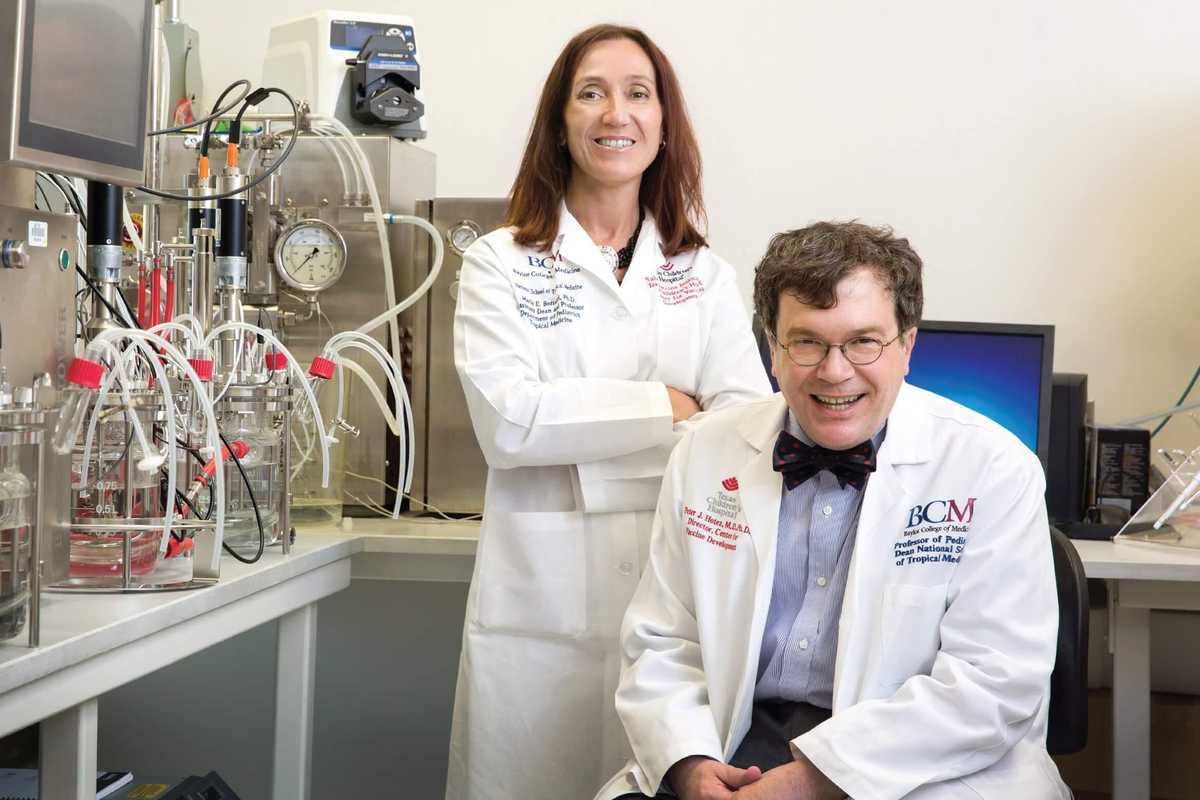
Dr. Peter Hotez with Dr. Maria Elena Bottazzi. Photo courtesy of TMC

Houston vaccine scientist Dr. Peter Hotez is no stranger to impressive laurels. In 2022, he was nominated for a Nobel Peace Prize for his low-cost COVID vaccine.

His first big win of 2025 was this year’s Hill Prize, awarded by the Texas Academy of Medicine, Engineering, Science and Technology (TAMEST). Hotez and his team were selected to receive $500,000 from Lyda Hill Philanthropies to help fund The Texas Virosphere Project, which aims to create a predictive disease atlas relating to climate disasters. Rice University researchers are collaborating with Hotez and his team on a project that combines climate science and metagenomics to access 3,000 insect genomes. The goal is to aid health departments in controlling disease and informing policy. Continue reading.

U.S. News ranks Houston hospital No. 1 in Texas for 14th year in a row
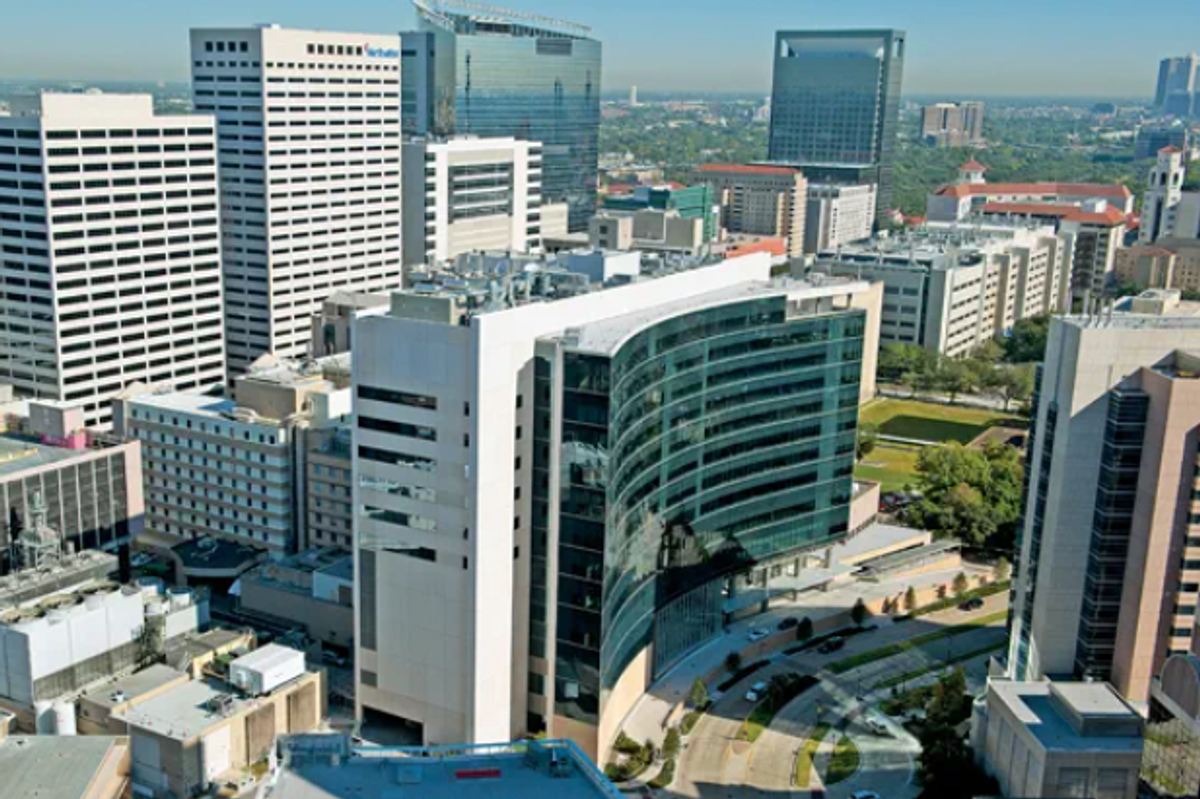
Houston Methodist is once again the top hospital in Texas. Photo via Houston Methodist

U.S. News & World Report's 2025 rankings of the best hospitals in Texas prove that Houston is in good hands.

The esteemed Houston Methodist Hospital was rated the No. 1 best hospital in Texas for the 14th consecutive year, and the No. 1 hospital in the metro area. Eleven more Houston-area hospitals earned spots among the statewide top 35. Continue reading.

Eli Lilly to build $6.5B pharmaceutical factory at Generation Park
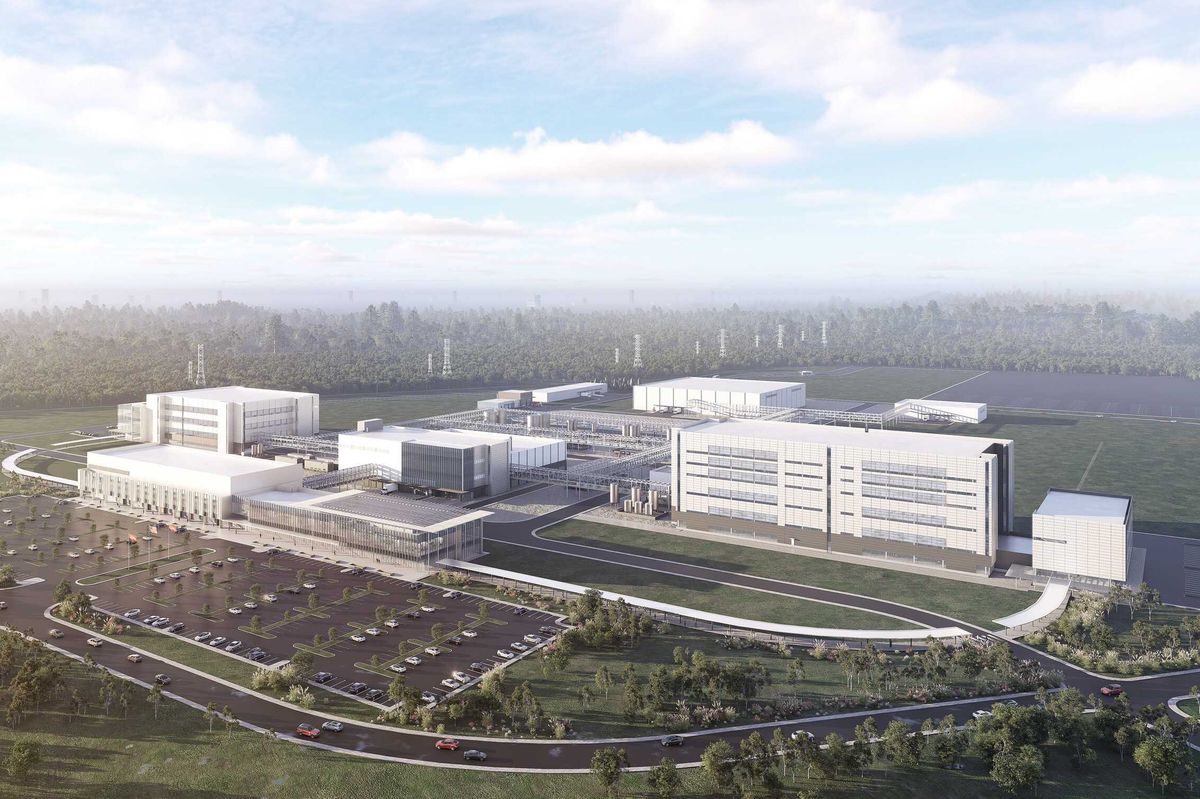
Eli Lilly is expected to bring a $6.5 billion manufacturing facility to Houston by 2030. Rendering courtesy Greater Houston Partnership.

Pharmaceutical giant Eli Lilly and Co. plans to build a $6.5 billion manufacturing plant at Houston’s Generation Park. More than 300 locations in the U.S. competed for the factory.

The Houston site will be the first major pharmaceutical manufacturing plant in Texas, according to the Greater Houston Partnership. Lilly said it plans to hire 615 full-time workers for the 236-acre plant, including engineers, scientists and lab technicians. The company will collaborate with local colleges and universities to help build its talent pipeline. Continue reading.

How a Houston company is fighting anxiety, insomnia & Alzheimer’s through waveforms

Nexalin develops non-invasive devices that help reset networks in the brain associated with symptoms of anxiety and insomnia. Photo via Getty Images.

Houston-based Nexalin Technology is taking a medicine-free approach to target brain neurologically associated with mental illness. The company's patented, FDA-cleared frequency-based waveform targets key centers of the midbrain. Delivered via a non-invasive device, the treatment gently stimulates the hypothalamus and midbrain, helping to “reset networks associated with symptoms” of anxiety and insomnia.

Nexalin’s proprietary neurostimulation device moved forward with a clinical trial that evaluated its treatment of anxiety disorders and chronic insomnia in Brazil this year and enrolled the first patients in its clinical trial at the University of California, San Diego. Continue reading.

Houston doctor aims to revolutionize hearing aid industry with tiny implant
Houston Methodist's Dr. Ron Moses has created NanoEar, which he calls “the world’s smallest hearing aid.” Photo via Getty Images.

“What is the future of hearing aids?” That’s the question that led to a potential revolution.

Dr. Ron Moses, an ENT specialist and surgeon at Houston Methodist, is the creator of NanoEar, which he calls “the world’s smallest hearing aid.” NanoEar is an implantable device that combines the invisibility of a micro-sized tympanostomy tube with more power—and a superior hearing experience—than the best behind-the-ear hearing aid. Continue reading.

Houston scores $120M in new cancer research and prevention grants
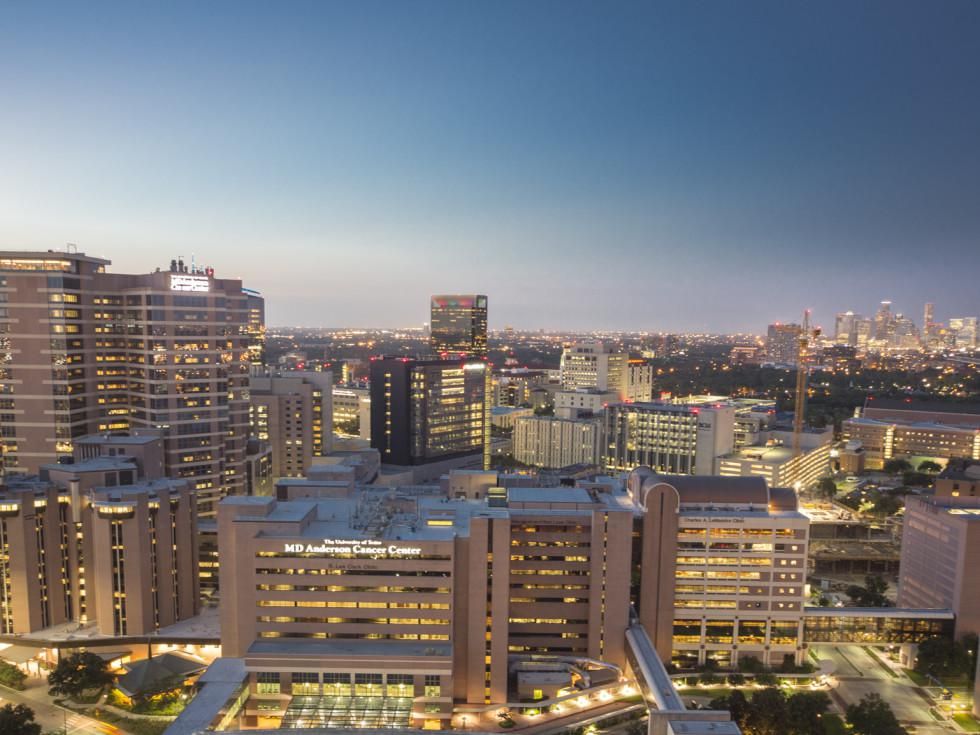
The Cancer Prevention and Research Institute of Texas doled out 73 more grants to health care systems and companies in the state in November. Carter Smith/Courtesy of MD Anderson

The Cancer Prevention and Research Institute of Texas granted more than $120 million to Houston organizations and companies as part of 73 new awards issued statewide this fall. The funds are part of nearly $154 million approved by the CPRIT's governing board, bringing the organization's total investment in cancer prevention and research to more than $4 billion since its inception. A portion of the funding will go toward recruiting leading cancer researchers to Houston. Continue reading.

Digital Health Institute's new exec director aims to lead innovation and commercialization efforts
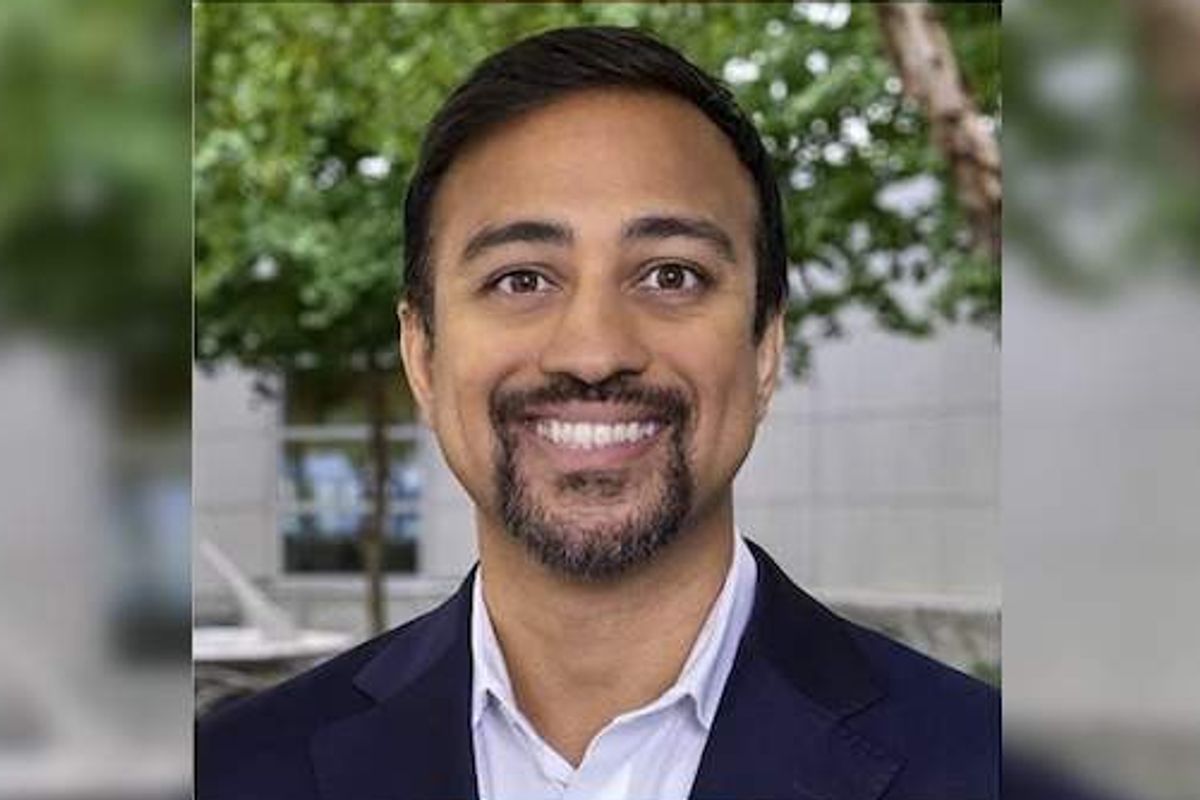
Pothik Chatterjee was named executive director of Rice University's and Houston Methodist's Digital Health Institute, effective May 1. Photo courtesy Rice University.

The Digital Health Institute, a joint venture between Rice University and Houston Methodist, appointed Pothik Chatterjee to the role of executive director this summer. Chatterjee’s role is to help grow the collaboration between the institutions, but the Digital Health Institute already boasts more than 20 active projects, each of which pairs Rice faculty and Houston Methodist clinicians. Once the research is in place, it’s up to Chatterjee to find commercial opportunities within the research portfolio. Those include everything from hospital-grade medical imaging wearables to the creation of digital twins for patients to help better treat them. Continue reading.

Innovation Labs @ TMC set to launch for early-stage life science startups
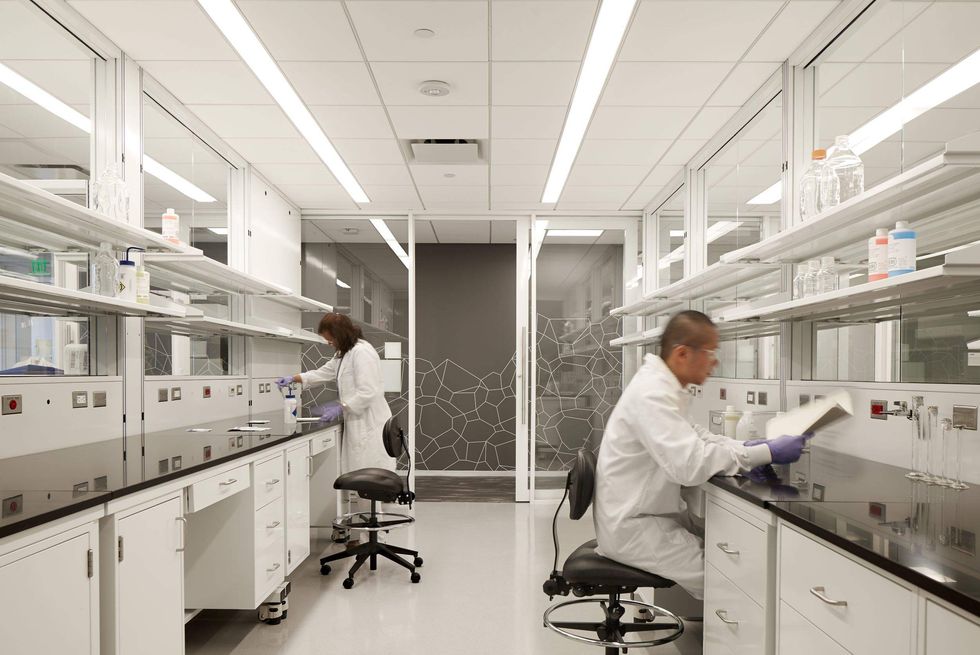
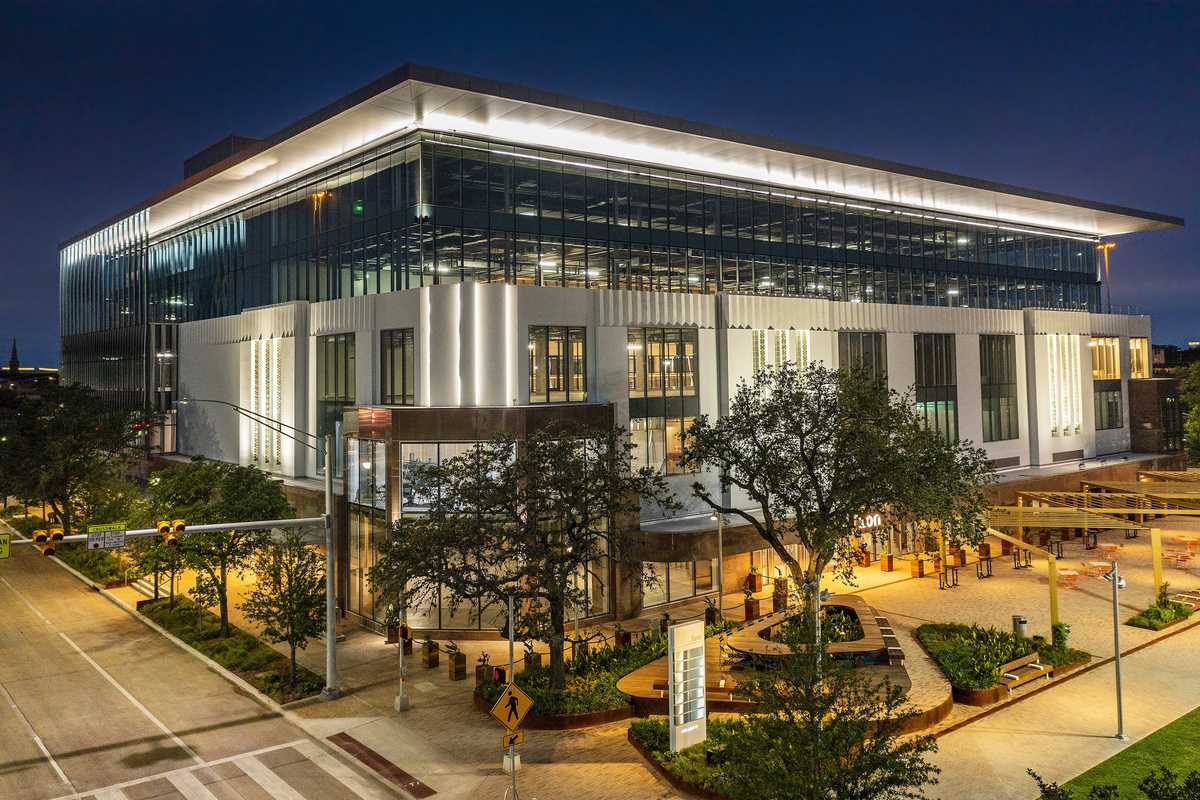
Innovation Labs @ TMC will open next year at the TMC Innovation Factory. Photo courtesy JLABS.

The Texas Medical Center announced its plans to launch its new Innovation Labs @ TMC in January 2026 to better support life science startups working within the innovation hub. The 34,000-square-foot space, located in the TMC Innovation Factory at 2450 Holcombe Blvd., will feature labs and life science offices and will be managed by TMC. The expansion will allow TMC to "open its doors to a wider range of life science visionaries." Continue reading.

6 Houston health tech startups making major advancements right now
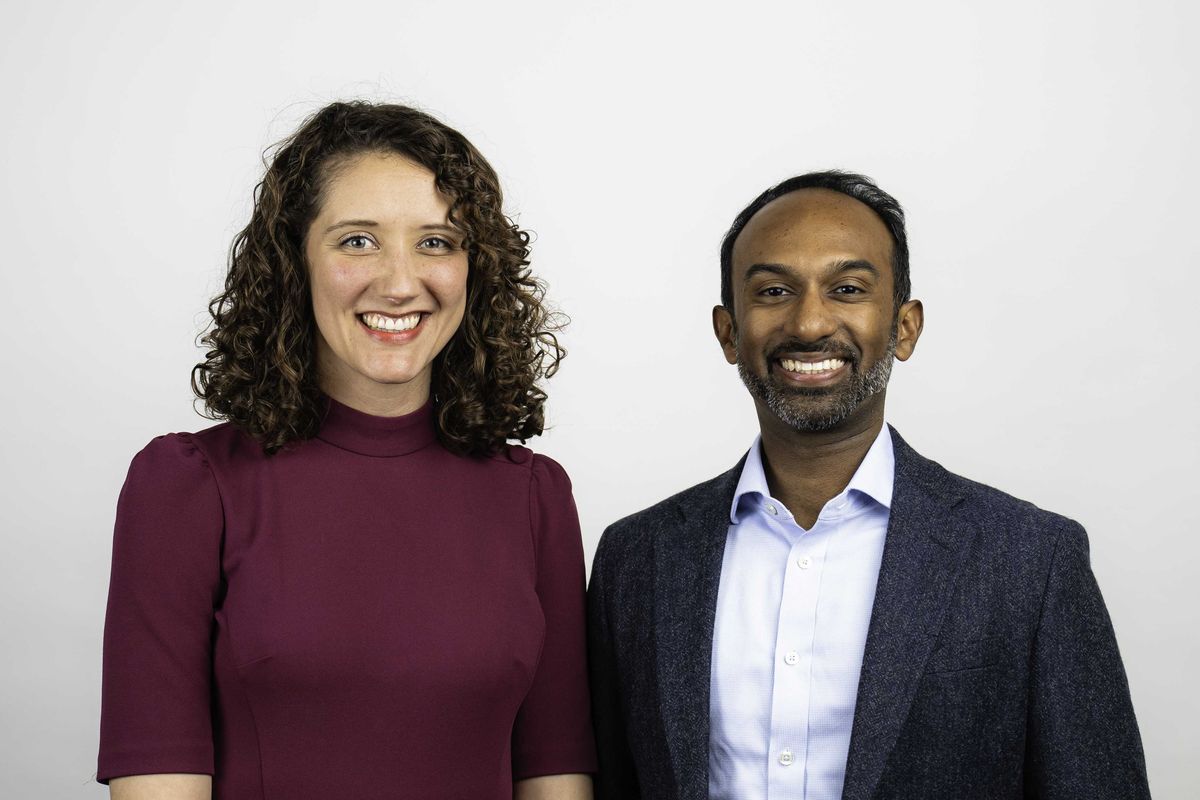
Tatiana Fofanova and Dr. Desh Mohan, founders of Koda Health. Photo courtesy Koda Health.

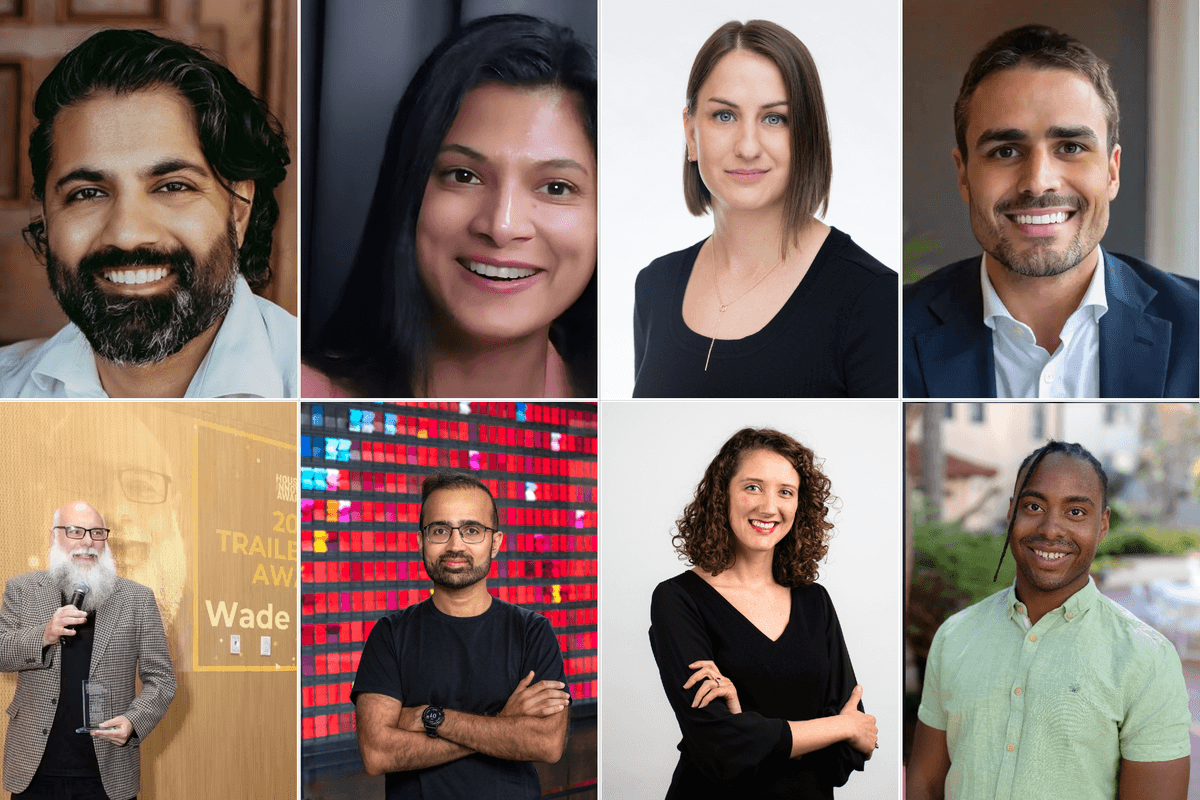
The Health Tech Business category in our 2025 Houston Innovation Awards honored innovative startups within the health and medical technology sectors. Six forward-thinking businesses were named finalists for the 2025 award, ranging from an end-of-life care company to others developing devices and systems for heart monitoring, sleep apnea, hearing loss and more. Continue reading or see who won here.

Houston students develop cost-effective glove to treat Parkinson's symptoms
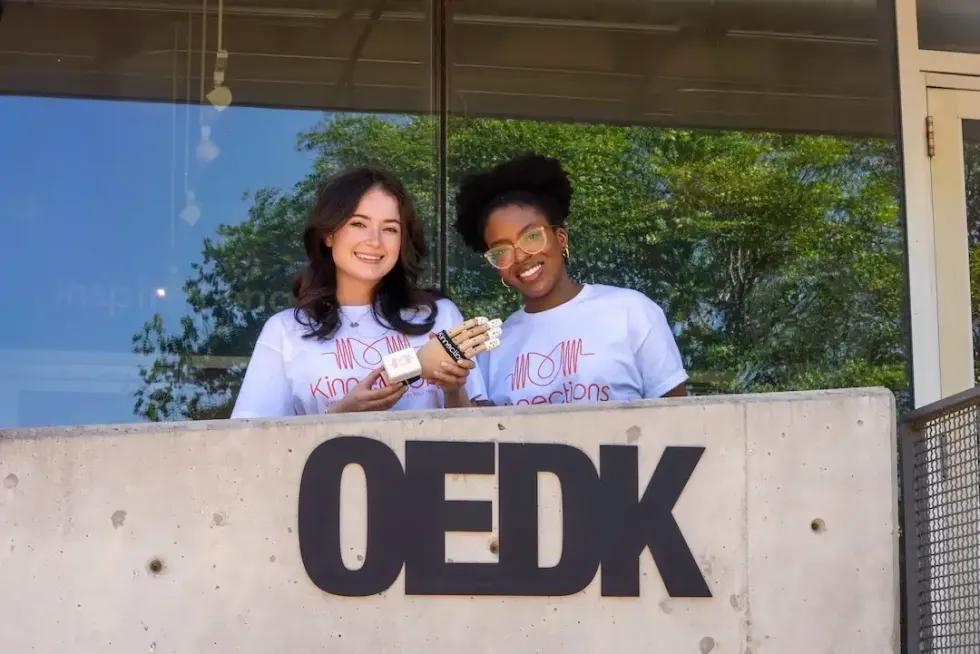
Rice University students Emmie Casey and Tomi Kuye used smartphone motors to develop a vibrotactile glove. Photo by Gustavo Raskosky/ Courtesy Rice University.

Two Rice undergraduate engineering students have developed a non-invasive vibrotactile glove that aims to alleviate the symptoms of Parkinson’s disease through therapeutic vibrations. Emmie Casey and Tomi Kuye developed the project with support from the Oshman Engineering Design Kitchen (OEDK). The team based the design on research from the Peter Tass Lab at Stanford University, which explored how randomized vibratory stimuli delivered to the fingertips could help rewire misfiring neurons in the brain—a key component of Parkinson’s disease. Continue reading.

Ad Placement 300x100
Ad Placement 300x600

CultureMap Emails are Awesome

Houston hailed as one of America's 10 best cities for startups

Startup Report

Houston's favorable economic climate is enticing new opportunities for entrepreneurship and growth, and now the city is being hailed as the 7th-best U.S. city for starting a business.

The recognition comes in CommercialCafe's recent "Best Cities for Startups" report, published December 10. The study analyzed large U.S. cities across two population categories – cities with more than 1 million residents and cities with populations between 500,000 and 1 million residents. The report analyzed relevant metrics such as office or coworking costs, Kickstarter funding success, startup density, and survival rates, among others.

Across the biggest U.S. cities with over a million residents, Phoenix, Arizona landed on top as the No. 1 best place to start a new business.

The report's findings revealed 10.6 percent of all businesses in Houston are startups that have been active for less than a year. These new businesses have a survival rate of 64.5 percent, meaning just under two-thirds of all startups in the city will still be running up to five years after they were first established.

Over the last five years, the number of new businesses established in Houston has grown nearly 15 percent. CommercialCafe said new businesses in cities with high startup growth rates tend to "attract top talent" which can eventually lead to securing "vital funding for expansion."

Independent professionals – also known as freelancers – are another crucial resource for new businesses that may need "specialized services" for a fixed amount of time, the report said. Houston's freelance workforce has grown about 9 percent from 2019-2023, and the analysis found there were 97,295 freelancers working in Houston in 2023, compared to 89,528 in 2019.

"Generally, cities in the South and Southwest have experienced strong growth during the surveyed period, in contrast to California cities like Los Angeles and San Diego, where the share of freelancers and gig workers has either stagnated or slightly declined," the report said.

Houston boasts the second-cheapest office space rent nationally, the report found. The average asking price for a 1,000-square-foot workspace (for five employees) in the city added up to $27,124 annually. For startups that want greater flexibility for their workers, the annual cost for a coworking space for the same number of employees in Houston came out to $13,200, which is the fourth-most affordable rate in the U.S.

Other Texas cities with attractive economic environments for startups

Texas, as a whole, is one of the strongest states for starting a new business. Other than Houston, San Antonio (No. 2), Dallas (No. 3), and Fort Worth (No. 4) were also recognized among the top 10 best places to start a business in the category of U.S. cities with more than a million residents.

Austin topped a separate ranking of best cities to start a business with 500,000 to 1 million residents.

"Specifically, the Texas capital was the frontrunner for indicators that looked at the overall share of startups within the local economy, as well as growth rates in five years (2019 to 2023)," the report said. "On top of that, Austin also topped the rankings for its percentage of college-educated residents and its consulting firms, which provide vital support for burgeoning enterprises."

The top 10 best cities to start a new business are:

  • No. 1 – Phoenix, Arizona
  • No. 2 – San Antonio, Texas
  • No. 3 – Dallas, Texas
  • No. 4 – Fort Worth, Texas
  • No. 5 – Jacksonville, Florida
  • No. 6 – San Diego, California
  • No. 7 – Houston, Texas
  • No. 8 – Philadelphia, Pennsylvania
  • No. 9 – Chicago, Illinois
  • No. 10 – Los Angeles, California
---

This article originally appeared on CultureMap.com.

Top Houston space news of 2025 soars with NASA deals, lunar missions

Year in Review

Editor's note: As 2025 comes to a close, we're looking back at the stories that defined Houston innovation this year. The space tech sector soared with companies landing huge NASA contracts and furthering their lunar missions. Here are the 10 biggest Houston space tech stories of the year:

Houston native picked for 2025 class of NASA astronaut candidates

Houston native Anna Menon, posing below the first A in “NASA,” is one of 10 new NASA astronaut candidates. Photo courtesy NASA.

NASA has selected 10 new astronaut candidates, including one whose hometown is Houston, for its 2025 training class. The candidates will undergo nearly two years of training before they can assume flight assignments.

Intuitive Machines lands $9.8M to complete orbital transfer vehicle

Intuitive Machines expects to begin manufacturing and flight integration on its orbital transfer vehicle as soon as 2026. Photo courtesy Intuitive Machines.

Houston-based Intuitive Machines, which rang the NASDAQ opening bell July 31, secured a $9.8 million Phase Two government contract for its orbital transfer vehicle. The contract will push the project through its Critical Design Review phase, which is the final engineering milestone before manufacturing can begin.

Houston tech company tapped by NASA for near space initiative

Intuitive Machines is among four companies awarded contracts for NASA’s Near Space Network. Photo via intuitivemachines.com

In January, Intuitive Machines nailed down a NASA deal to expand the agency’s communications network for spacecraft. Additionally, NASA completed the first round of “human in the loop” testing for Intuitive Machines’ Moon RACER lunar terrain vehicle at the agency’s Johnson Space Center. RACER (Reusable Autonomous Crewed Exploration Rover) is one of three commercially developed unpressurized lunar terrain vehicles being considered for NASA’s Artemis lunar initiative.

Texas Space Commission doles out $5.8 million to Houston companies

Axiom Space and FluxWorks are the latest Houston-area companies to receive funding from the Texas Space Commission. Photo via Getty Images.

Two Houston-area companies landed more than $5.8 million in funding from the Texas Space Commission. The commission granted up to $5.5 million to Houston-based Axiom Space and up to $347,196 to Conroe-based FluxWorks in June 2025. The two-year-old commission previously awarded $95.3 million to 14 projects. A little over $34 million remains in the commission-managed Space Exploration and Aeronautics Research Fund.

Houston company awarded $2.5B NASA contract to support astronaut health and space missions

NASA has awarded KBR a five-year, $2.5 billion Human Health and Performance Contract. Photo courtesy NASA.

Houston-based technology and energy solution company KBR was awarded a $2.5 billion NASA contract to support astronaut health and reduce risks during spaceflight missions. Under the terms of the Human Health and Performance Contract 2, KBR will provide support services for several programs, including the Human Research Program, International Space Station Program, Commercial Crew Program, Artemis campaign and others. This will include ensuring crew health, safety, and performance; occupational health services and risk mitigation research for future flights.

Houston engineering firm lands $400M NASA contract

Bastion Technologies has been tapped to provide safety and mission services for NASA's Marshall Space Flight Center in Alabama. Photo via nasa.gov.

NASA granted Houston-based Bastion Technologies Inc. the Safety and Mission Assurance II (SMAS II) award with a maximum potential value of $400 million. The award stipulates that the engineering and technical services company provide safety and mission services for the agency’s Marshall Space Flight Center in Huntsville, Alabama.

Houston startups win NASA funding for space tech projects

Houston startups were recently named among the nearly 300 recipients that received a portion of $44.85 million from NASA to develop space technology. Photo via NASA/Ben Smegelsky

Three Houston startups were granted awards from NASA in July 2025 to develop new technologies for the space agency. The companies were among nearly 300 recipients that received a total agency investment of $44.85 million through the Small Business Innovation Research (SBIR) and Small Business Technology Transfer (STTR) Phase I grant programs.

Texas Republicans are pushing to move NASA headquarters to Houston

Here's why Texas Republicans think NASA's headquarters should move to Texas in 2028. File photo.

Two federal lawmakers from Texas spearheaded a campaign to relocate NASA’s headquarters from Washington, D.C., to the Johnson Space Center in Houston’s Clear Lake area. Houston faces competition on this front, though, as lawmakers from two other states are also vying for this NASA prize. With NASA’s headquarters lease in D.C. set to end in 2028, U.S. Sen. Ted Cruz, a Texas Republican, and U.S. Rep. Brian Babin, a Republican whose congressional district includes the Johnson Space Center, wrote a letter to President Trump touting the Houston area as a prime location for NASA’s headquarters.

Intuitive Machines to acquire NASA-certified deep space navigation company

Intuitive Machines will acquire Kinetx, which marks its entry into the precision navigation and flight dynamics segment of deep space operations. Photo via Getty Images.

In August 2025, Intuitive Machines agreed to buy Tempe, Arizona-based aerospace company KinetX for an undisclosed amount. The deal is expected to close by the end of this year. KinetX specializes in deep space navigation, systems engineering, ground software and constellation mission design. It’s the only company certified by NASA for deep space navigation. KinetX’s navigation software has supported both of Intuitive Machines’ lunar missions.

Axiom Space launches semiconductor and astronaut training initiatives

Axiom Space chief astronaut Michael López-Alegría (left) trains with Axiom’s new “Project Astronaut,” Emiliano Ventura. Photo courtesy of Axiom Space.

In fall 2025, Axiom Space, a Houston-based commercial spaceflight and space infrastructure company, launched initiatives in two very different spheres — semiconductors and astronaut training.

Paraplegic engineer becomes first wheelchair user to blast into space

Space News

A paraplegic engineer from Germany blasted off on a dream-come-true rocket ride with five other passengers Saturday, December 20, leaving her wheelchair behind to float in space while beholding Earth from on high.

Severely injured in a mountain bike accident seven years ago, Michaela Benthaus became the first wheelchair user in space, launching from West Texas with Jeff Bezos’ company Blue Origin. She was accompanied by a retired SpaceX executive also born in Germany, Hans Koenigsmann, who helped organize and, along with Blue Origin, sponsored her trip. Their ticket prices were not divulged.

An ecstatic Benthaus said she laughed all the way up — the capsule soared more than 65 miles (105 kilometers) — and tried to turn upside down once in space.

“It was the coolest experience,” she said shortly after landing.

The 10-minute space-skimming flight required only minor adjustments to accommodate Benthaus, according to the company. That’s because the autonomous New Shepard capsule was designed with accessibility in mind, “making it more accessible to a wider range of people than traditional spaceflight,” said Blue Origin’s Jake Mills, an engineer who trained the crew and assisted them on launch day.

Among Blue Origin’s previous space tourists: those with limited mobility and impaired sight or hearing, and a pair of 90-year-olds.

For Benthaus, Blue Origin added a patient transfer board so she could scoot between the capsule’s hatch and her seat. The recovery team also unrolled a carpet on the desert floor following touchdown, providing immediate access to her wheelchair, which she left behind at liftoff. She practiced in advance, with Koenigsmann taking part with the design and testing. An elevator was already in place at the launch pad to ascend the seven stories to the capsule perched atop the rocket.

Benthaus, 33, part of the European Space Agency’s graduate trainee program in the Netherlands, experienced snippets of weightlessness during a parabolic airplane flight out of Houston in 2022. Less than two years later, she took part in a two-week simulated space mission in Poland.

“I never really thought that going on a spaceflight would be a real option for me because even as like a super healthy person, it’s like so competitive, right?” she told The Associated Press ahead of the flight.

Her accident dashed whatever hope she had. “There is like no history of people with disabilities flying to space," she said.

When Koenigsmann approached her last year about the possibility of flying on Blue Origin and experiencing more than three minutes of weightlessness on a space hop, Benthaus thought there might be a misunderstanding. But there wasn't, and she immediately signed on.

It’s a private mission for Benthaus with no involvement by ESA, which this year cleared reserve astronaut John McFall, an amputee, for a future flight to the International Space Station. The former British Paralympian lost his right leg in a motorcycle accident when he was a teenager.

An injured spinal cord means Benthaus can’t walk at all, unlike McFall who uses a prosthetic leg and could evacuate a space capsule in an emergency at touchdown by himself. Koenigsmann was designated before flight as her emergency helper; he and Mills lifted her out of the capsule and down the short flight of steps at flight’s end.

“You should never give up on your dreams, right?” Benthaus urged following touchdown.

Benthaus was adamant about doing as much as she could by herself. Her goal is to make not only space accessible to the disabled, but to improve accessibility on Earth too.

While getting lots of positive feedback within “my space bubble,” she said outsiders aren't always as inclusive.

“I really hope it’s opening up for people like me, like I hope I’m only the start," she said.

Besides Koenigsmann, Benthaus shared the ride with business executives and investors, and a computer scientist. They raised Blue Origin’s list of space travelers to 86.

Bezos, the billionaire founder of Amazon, created Blue Origin in 2000 and launched on its first passenger spaceflight in 2021. The company has since delivered spacecraft to orbit from Cape Canaveral, Florida, using the bigger and more powerful New Glenn rocket, and is working to send landers to the moon.