


Overheard: Houston's energy sector welcomes Greentown Labs

eavesdropping in Houston

Greentown Labs CEO Emily Reichert called on members of Houston's energy community to speak at Greentown Houston's grand opening. Photo by Lee Bond/Greentown Labs

Greentown Houston is officially open for business, and it's safe to say the energy innovation community is excited about it. The 40,000-square-foot space is expecting to move its inaugural 30 companies in throughout the summer.

The grand opening event, which was streamed online with an outdoor invite-only event, took place on Earth Day and featured speakers from across the energy sector. The speakers represented some of the almost 30 corporate partners Greentown Houston has announced.

Click here to read more about the grand opening and take a peek inside the facility.

Missed the discussion or just want a refresher on on the highlights? Here are some significant overheard moments from the Greentown Houston Grand Opening.

"Houston has all the necessary ingredients and it has momentum."
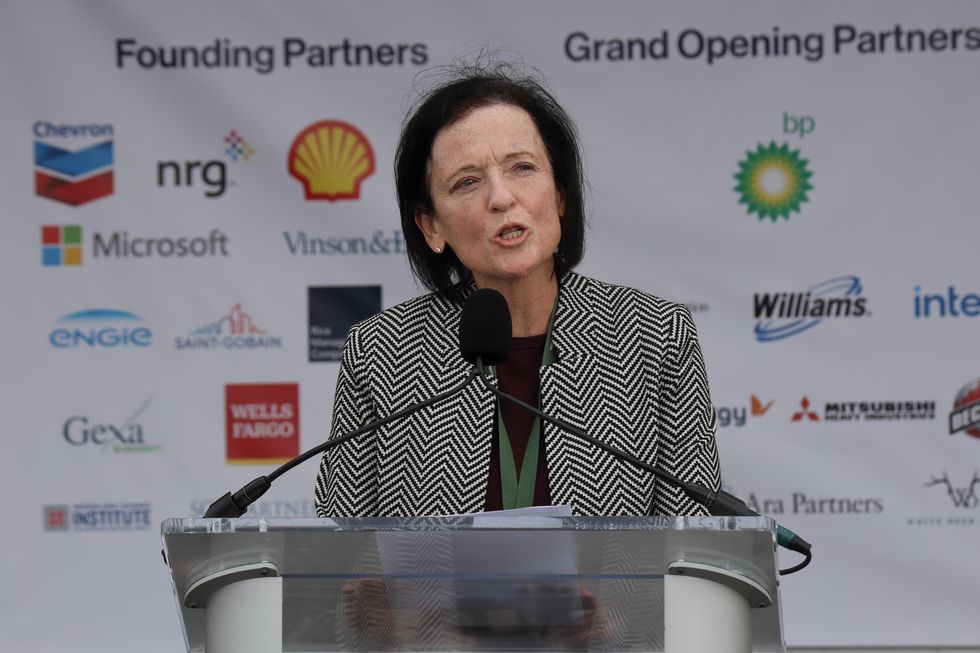
Photo by Lee Bond/Greentown Labs

— Barbara Burger, vice president of innovation at Chevron and president of Chevron Technology Ventures. "Let's celebrate. And then let's get busy."

"Houston, as the energy capital of the world, has a moral obligation to reduce carbon emissions."
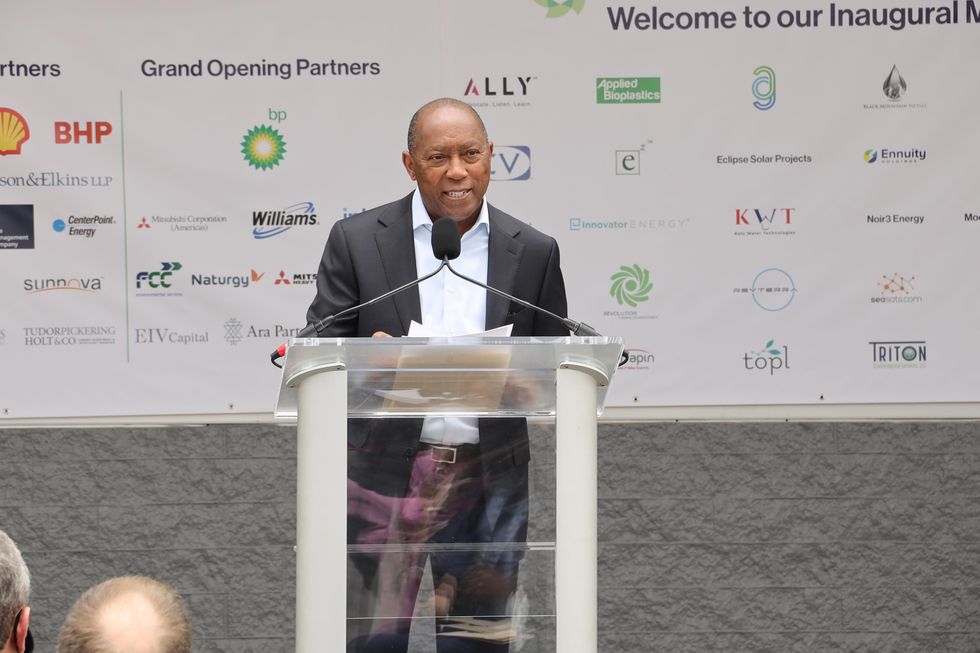
Photo by Lee Bond/Greentown Labs

— Mayor Sylvester Turner. "We need to invest in our innovation ecosystem and support the climatech and clean tech entrepreneurs who will be building Houston's new energy economy and creating the new jobs of tomorrow."

"Houston has the talent, know how, and can-do spirit to tackle the dual challenge of leading dual energy demand while aggressively lowering the carbon footprint."
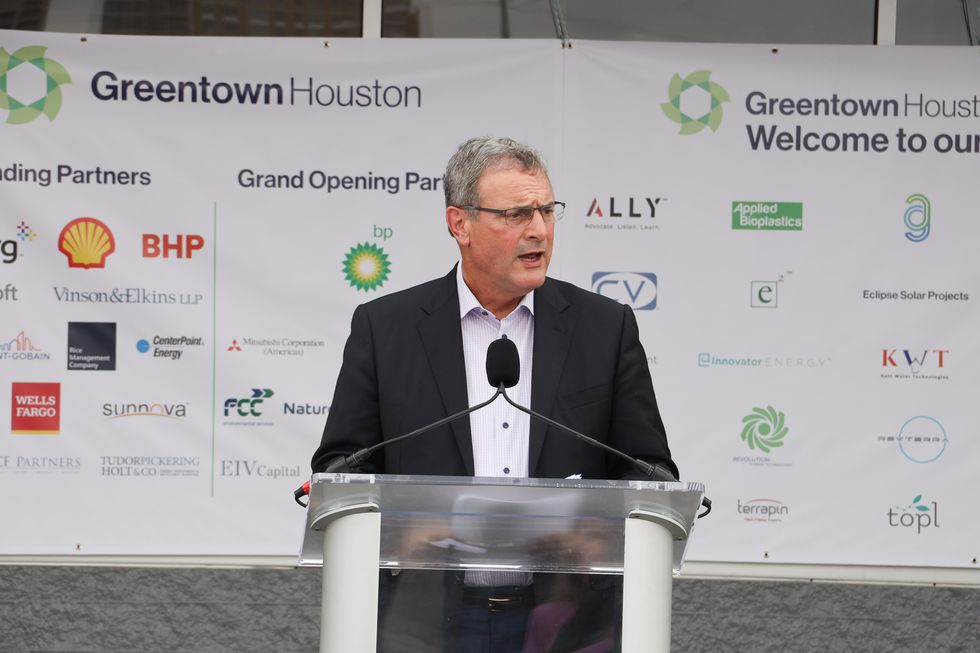
Photo by Lee Bond/Greentown Labs

— Bob Harvey, president and CEO of the Greater Houston Partnership.

"Houston must remain the center of the future energy industry, and today is an important step in restoring that."
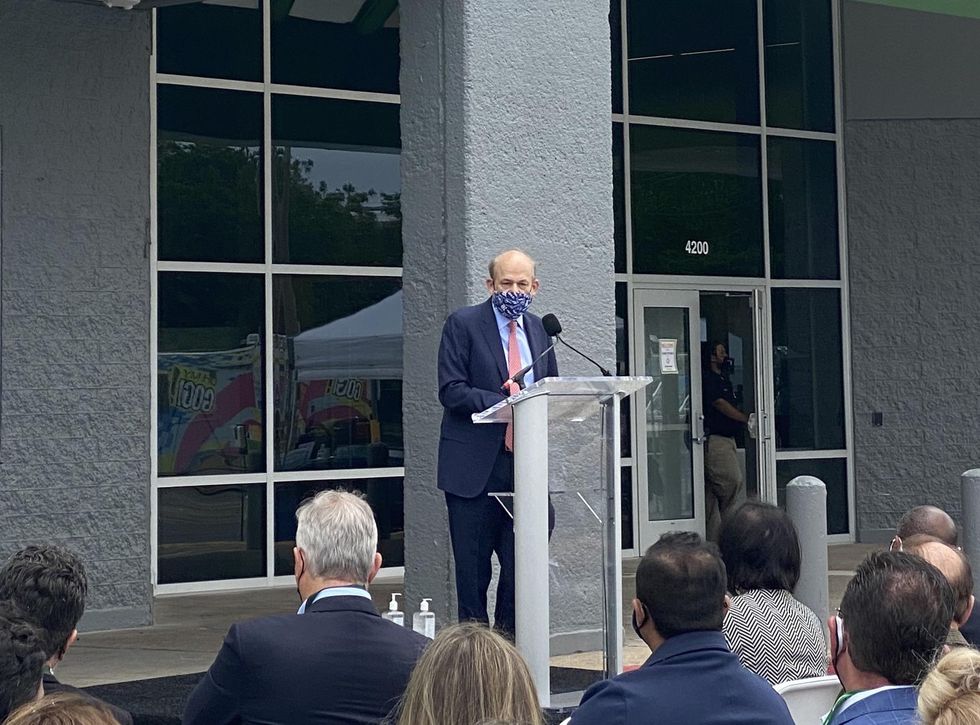
Photo by Natalie Harms/InnovationMap

— David Leebron, president of Rice University. "We look forward to our strong partnership."

"We can't solve climate change from the coasts. We need the whole United States to be engaged, and I'm bullish on Houston leading this transition for many reasons."
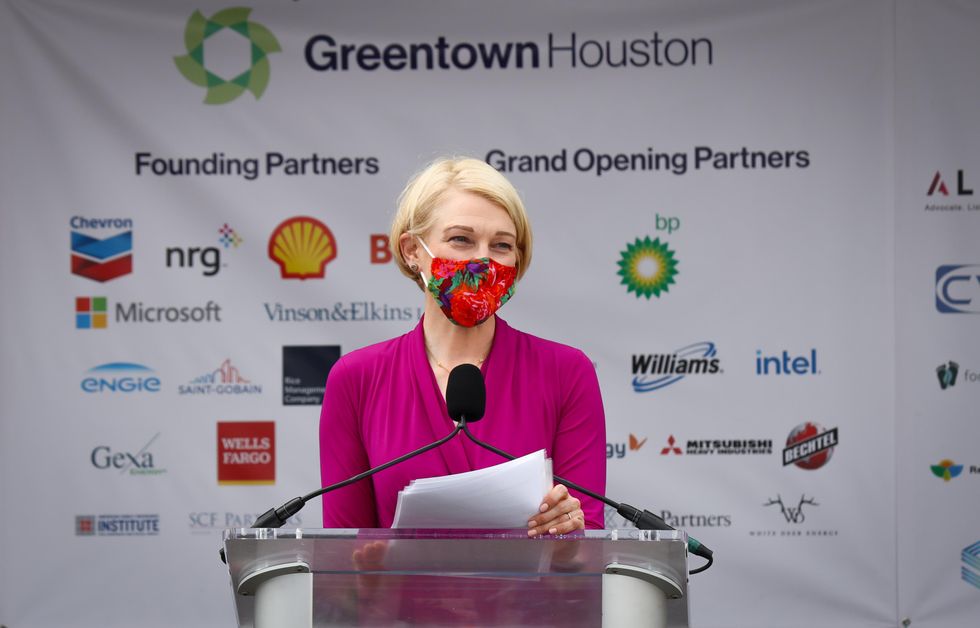
Photo by Lee Bond/Greentown Labs

— Emily Reichert, CEO of Greentown Labs. "Houston is home to world-leading energy organizations, incredible engineering strength, talent, and assets, that can, and frankly must, be redeployed to decarbonize resources."

"This is a city that does not stand still."
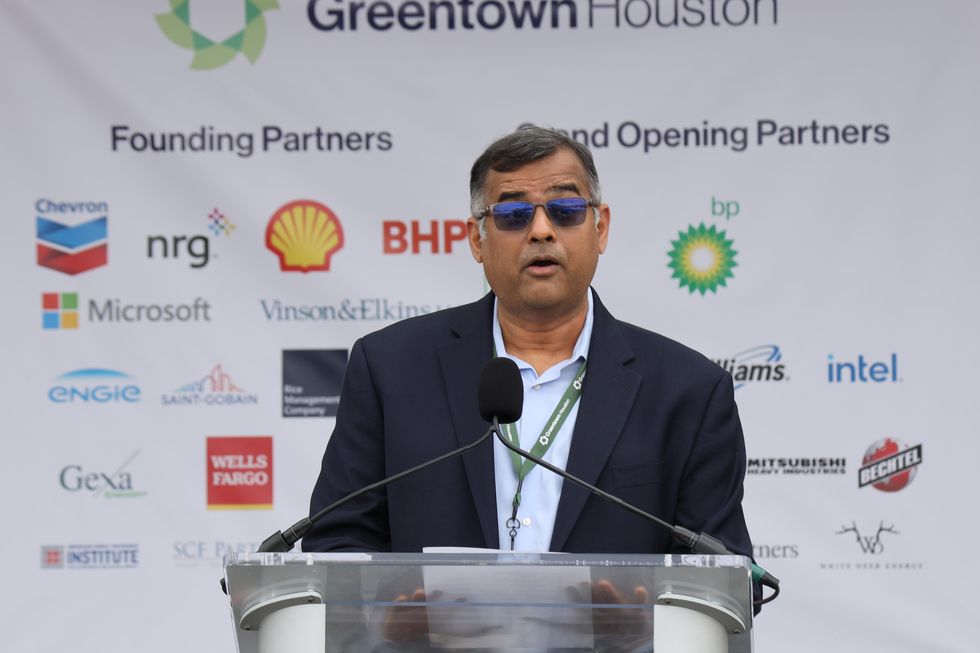
Photo by Lee Bond/Greentown Labs

— Ajay Mehta, General Manager of Shell. "At Shell, we have a mission to reach net zero emissions by 2050."

"For bp, partnering with Greentown Labs represents living our purpose to reimagine energy."
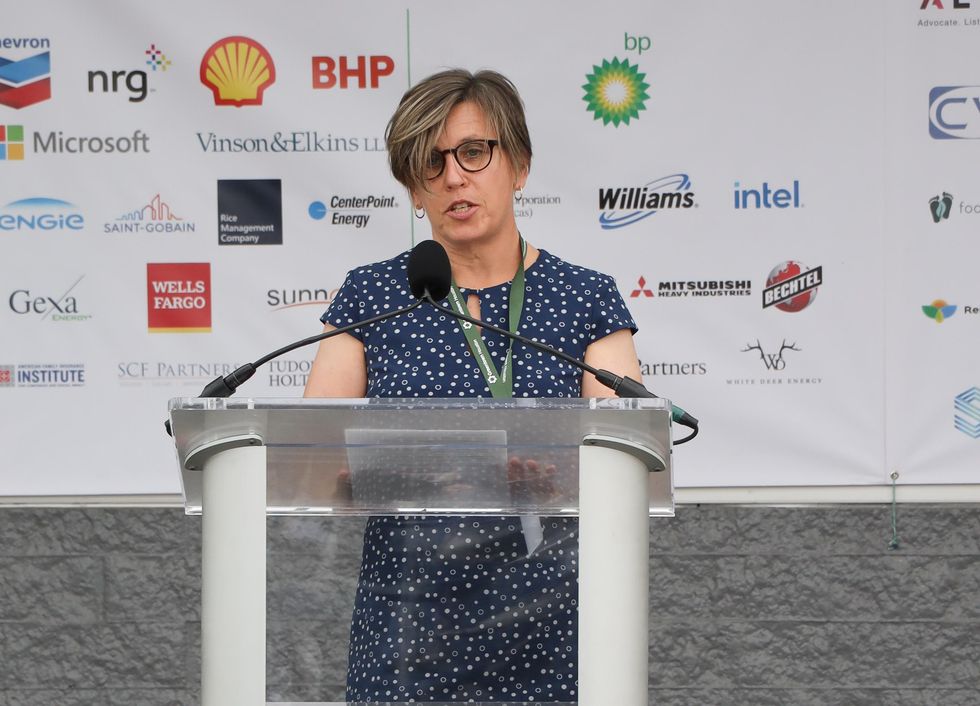
Photo by Lee Bond/Greentown Labs

— Jane Stricker, senior relationship manager, regions, cities and solutions at bp.

"Innovation is like oxygen, and it breathes life into hope and possibility. The work we are doing around the energy transition is hard and challenging, and frankly is going to take all of us."
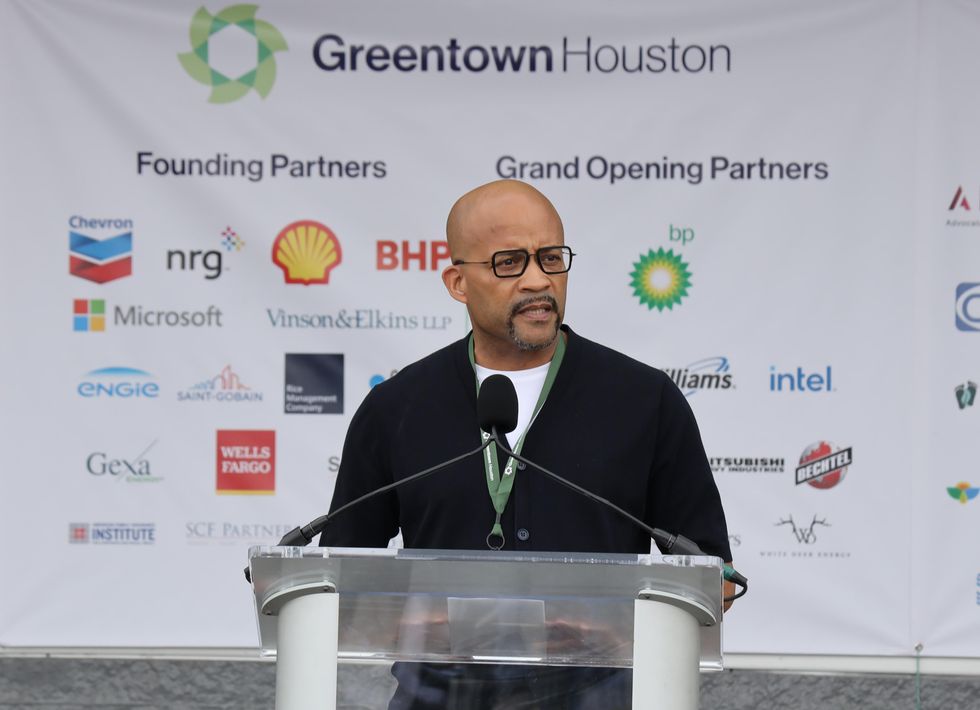
Photo by Lee Bond/Greentown Labs

— Darryl Willis, corporate vice president, energy industry, at Microsoft. "We think that the future is all about partnerships and platforms, and our mission is to help from Microsoft's vantage point to accelerate the energy transition and to help the city of Houston around its aspirations around the energy transition as well."

"We appreciate being part of not only maintaining Houston's position as the energy capital of the world but also establishing it as the energy transition capital of the world."
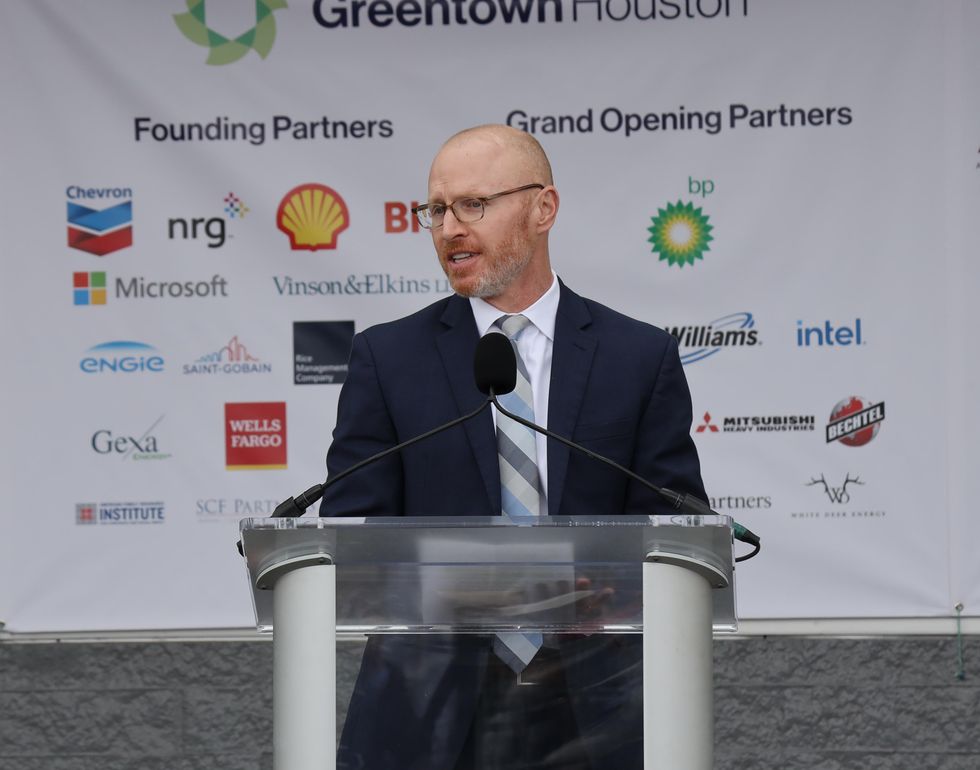
Photo by Lee Bond/Greentown Labs

— Scott Burns, vice president of retail innovation, customer experience, and market intelligence at NRG.

"[Greentown Houston] will provide this center of gravity for the energy community to come together and work toward the transition plan."
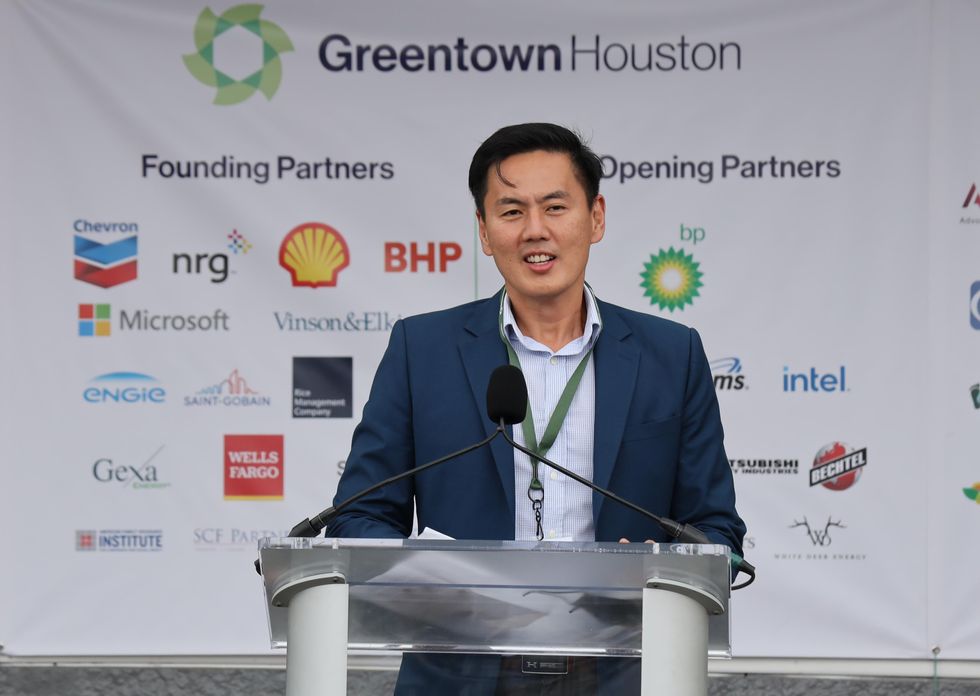
Photo by Lee Bond/Greentown Labs

— Tim Ong, head of innovation at BHP Petroleum. "


Ad Placement 300x100
Ad Placement 300x600

CultureMap Emails are Awesome

Houston food giant Sysco to acquire competitor in $29 billion deal

Mergers & Acquisitions

Sysco, the nation's largest food distributor, will acquire supplier Restaurant Depot in a deal worth more than $29 billion.

The acquisition would create a closer link between Sysco and its customers that right now turn to Restaurant Depot for supplies needed quickly in an industry segment known as “cash-and-carry wholesale.”

Sysco, based in Houston, serves more than 700,000 restaurants, hospitals, schools, and hotels, supplying them with everything from butter and eggs to napkins. Those goods are typically acquired ahead of time based on how much traffic that restaurants typically see.

Restaurant Depot offers memberships to mom-and-pop restaurants and other businesses, giving them access to warehouses stocked with supplies for when they run short of what they've purchased from suppliers like Sysco.

It is a fast growing and high-margin segment that will likely mean thousands of restaurants will rely increasingly on Sysco for day-to-day needs.

Restaurant Depot shareholders will receive $21.6 billion in cash and 91.5 million Sysco shares. Based on Sysco’s closing share price of $81.80 as of March 27, 2026, the deal has an enterprise value of about $29.1 billion.

Restaurant Depot was founded in Brooklyn in 1976. The family-run business then known as Jetro Restaurant Depot, has become the nation's largest cash-and-carry wholesaler.

The boards of both companies have approved the acquisition, but it would still need regulatory approval.

Shares of Sysco Corp. tumbled 13% Monday to $71.26, an initial decline some industry analysts expected given the cost of the deal.

Houston researcher builds radar to make self-driving cars safer

eyes on the road

A Rice University researcher is giving autonomous vehicles an “extra set of eyes.”

Current autonomous vehicles (AVs) can have an incomplete view of their surroundings, and challenges like pedestrian movement, low-light conditions and adverse weather only compound these visibility limitations.

Kun Woo Cho, a postdoctoral researcher in the lab of Rice professor of electrical and computer engineering Ashutosh Sabharwal, has developed EyeDAR to help address such issues and enhance the vehicles’ sensing accuracy. Her research was supported in part by the National Science Foundation.

The EyeDAR is an orange-sized, low-power, millimeter-wave radar that could be placed at streetlights and intersections. Its design was inspired by that of the human eye. Researchers envision that the low-cost sensors could help ensure that AVs always pick up on emergent obstacles, even when the vehicles are not within proper range for their onboard sensors and when visibility is limited.

“Current automotive sensor systems like cameras and lidar struggle with poor visibility such as you would encounter due to rain or fog or in low-lighting conditions,” Cho said in a news release. “Radar, on the other hand, operates reliably in all weather and lighting conditions and can even see through obstacles.”

Signals from a typical radar system scatter when they encounter an obstacle. Some of the signal is reflected back to the source, but most of it is often lost. In the case of AVs, this means that "pedestrians emerging from behind large vehicles, cars creeping forward at intersections or cyclists approaching at odd angles can easily go unnoticed," according to Rice.

EyeDAR, however, works to capture lost radar reflections, determine their direction and report them back to the AV in a sequence of 0s and 1s.

“Like blinking Morse code,” Cho added. “EyeDAR is a talking sensor⎯it is a first instance of integrating radar sensing and communication functionality in a single design.”

After testing, EyeDAR was able to resolve target directions 200 times faster than conventional radar designs.

While EyeDAR currently targets risks associated with AVs, particularly in high-traffic urban areas, researchers also believe the technology behind it could complement artificial intelligence efforts and be integrated into robots, drones and wearable platforms.

“EyeDAR is an example of what I like to call ‘analog computing,’” Cho added in the release. “Over the past two decades, people have been focusing on the digital and software side of computation, and the analog, hardware side has been lagging behind. I want to explore this overlooked analog design space.”