


Cupertino, California-based Apple Inc. unveiled its Advanced Manufacturing Center in the Houston area last week, marking the completion of the second of three facilities the tech giant plans to launch in the city by the end of this year.
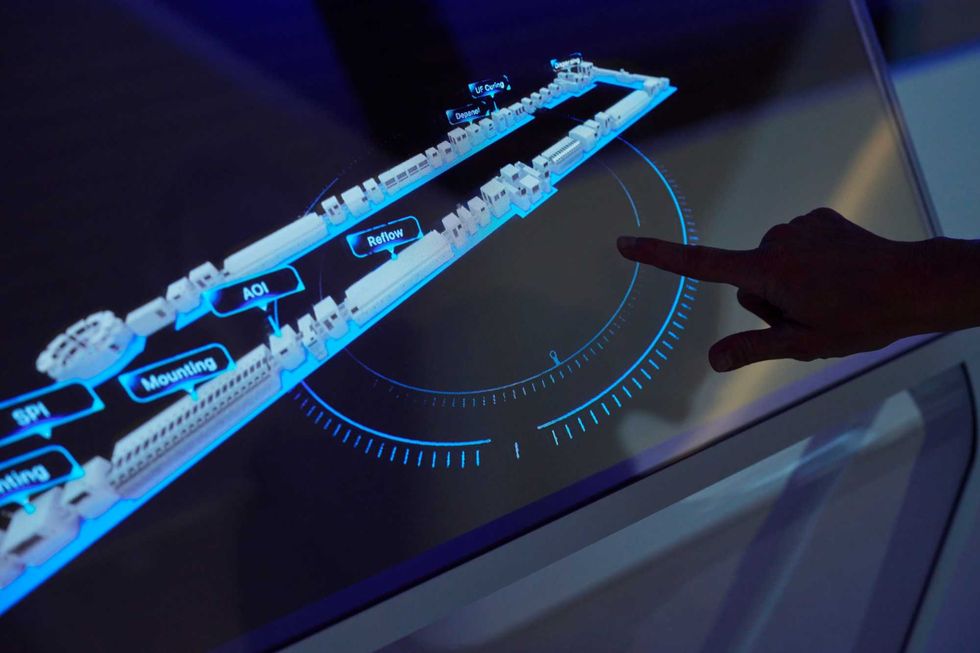
The 20,000-square-foot training center will welcome small- and medium-sized businesses for free training and educational sessions to "help accelerate smart manufacturing across America," according to a release from Apple. Apple opened a similar Apple Manufacturing Academy in Detroit last year.
The AMC is part of Apple's 500,000-square-foot site in northwest Harris County. It also features a massive manufacturing site for Apple’s advanced AI servers and Mac mini. The facility was originally slated to open in 2026, but Apple began producing its advanced AI servers ahead of schedule in 2025.
The company said it plans to begin manufacturing its Mac mini at the site this year. The move will bring production of the compact desktop computer to the U.S. for the first time.
“In less than nine months, we have invested hundreds of millions of dollars into this Houston facility. We stood up a factory, started production, and shipped the first advanced AI servers off the line. Today, we’re thrilled to open our new Advanced Manufacturing Center, a place where businesses, workers, and students can learn the same innovative processes that we use to make Apple’s most groundbreaking products. And we’re pleased to begin Mac mini production later this year,” Tim Cook, Apple’s CEO, said in the news release. “We believe in American workers and American ingenuity, and we are moving at an incredible pace because we want to build more than great products. We want to build the future of American manufacturing.”
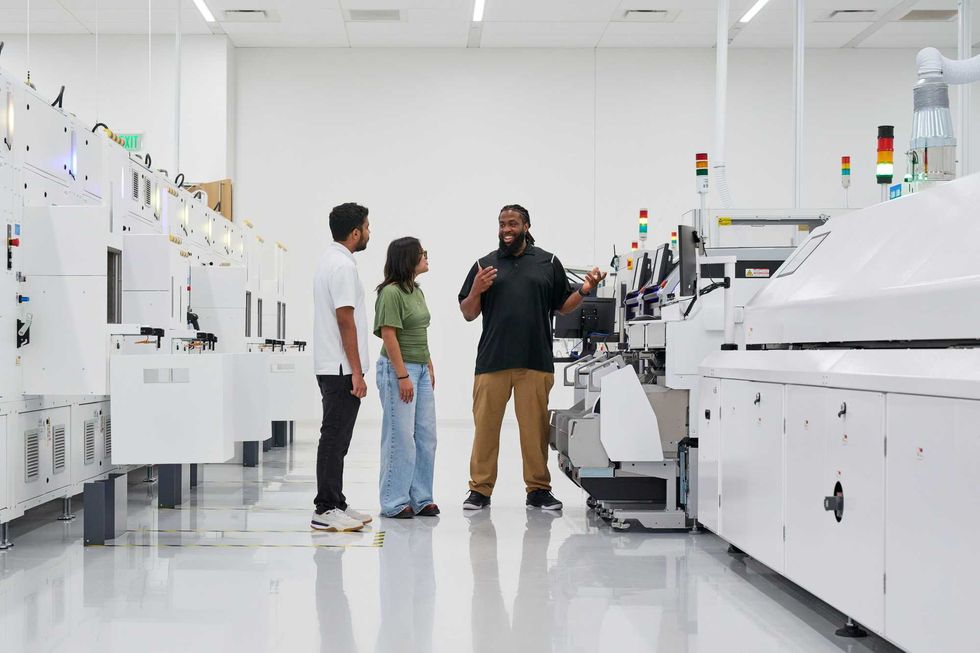
Apple's Advanced Manufacturing Center. Photos courtesy Apple
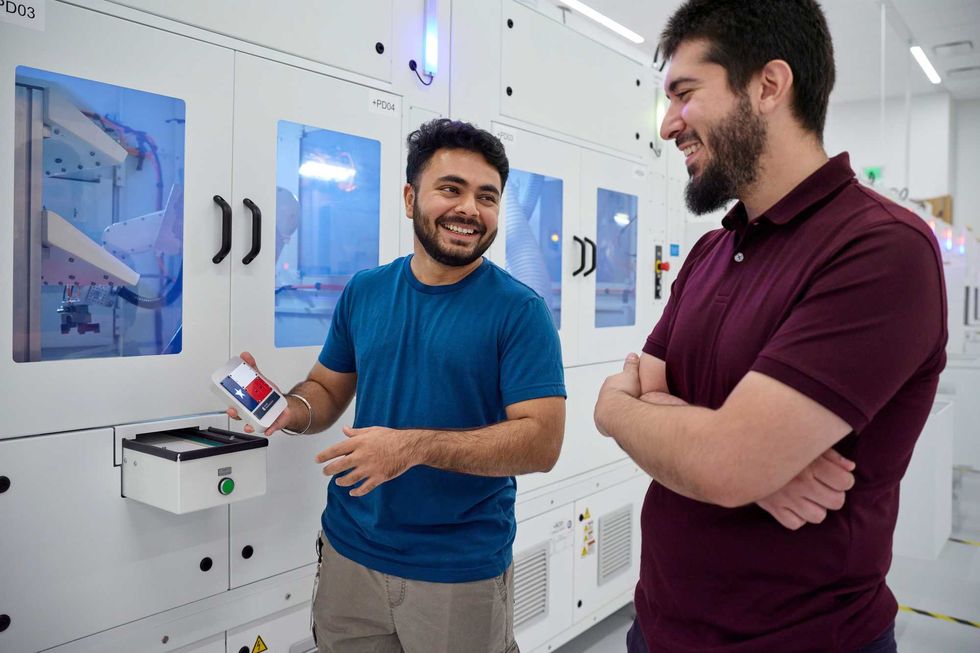
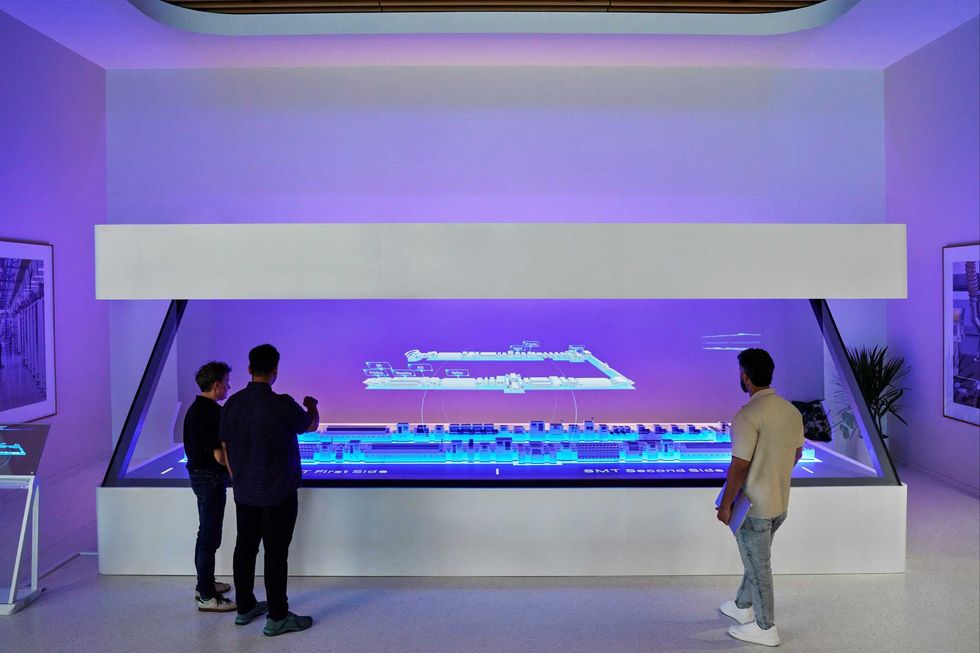
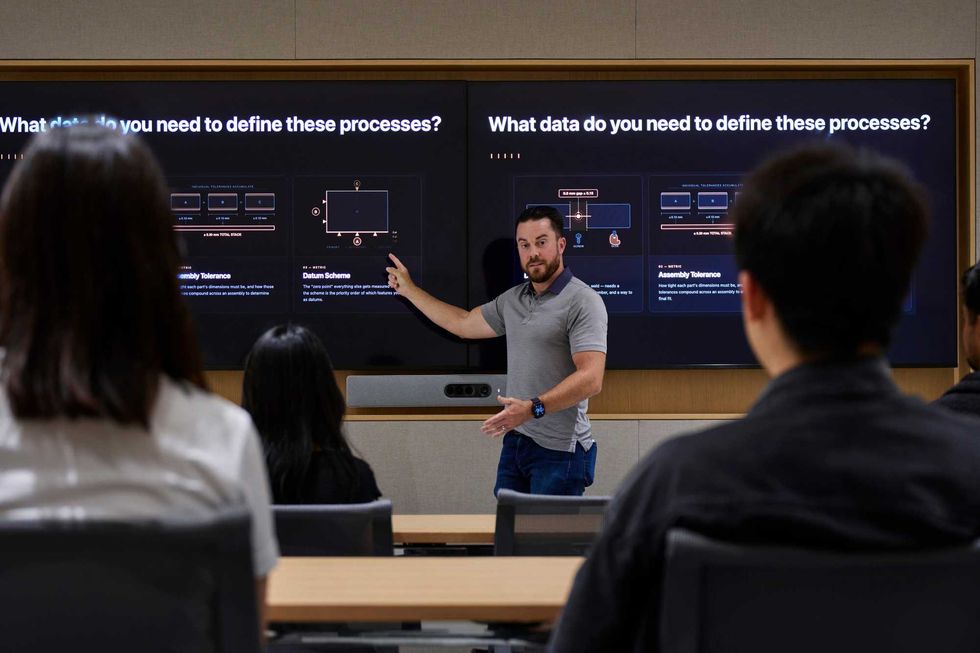
Apple's Houston expansion is part of a $600 billion commitment the company made to the U.S. in 2025.
The company originally announced plans in February 2025 to open a 250,000-square-foot Houston factory, but doubled the facility's planned size about a year later. Apple has reported that the factory will employ thousands of workers.
“Houston is grateful to Apple for this significant investment in our city. The Advanced Manufacturing Center will create local jobs and will continue improving the quality of life of Houston residents," Houston Mayor John Whitmire added in the release. "The AMC also recognizes our city as a growing technology hub and solidifies Houston’s leadership in the manufacturing sector of the United States.”
The opening comes on the heels of New Jersey-based pharmaceutical giant Bristol Myers Squibb Co. officially naming Houston home of its new $2.3 billion, state-of-the-art manufacturing site. Read more here.
- Texas ranks as top U.S. manufacturing hub, behind only one state ›
- Eli Lilly to build $6.5B pharmaceutical factory at Generation Park ›
- Bristol Myers Squibb to build $2.3B Houston pharma manufacturing campus ›
- Tech giant Apple doubles down on Houston with new production facility ›
- Apple announces 250,000-square-foot Houston factory as part of $500B plan ›
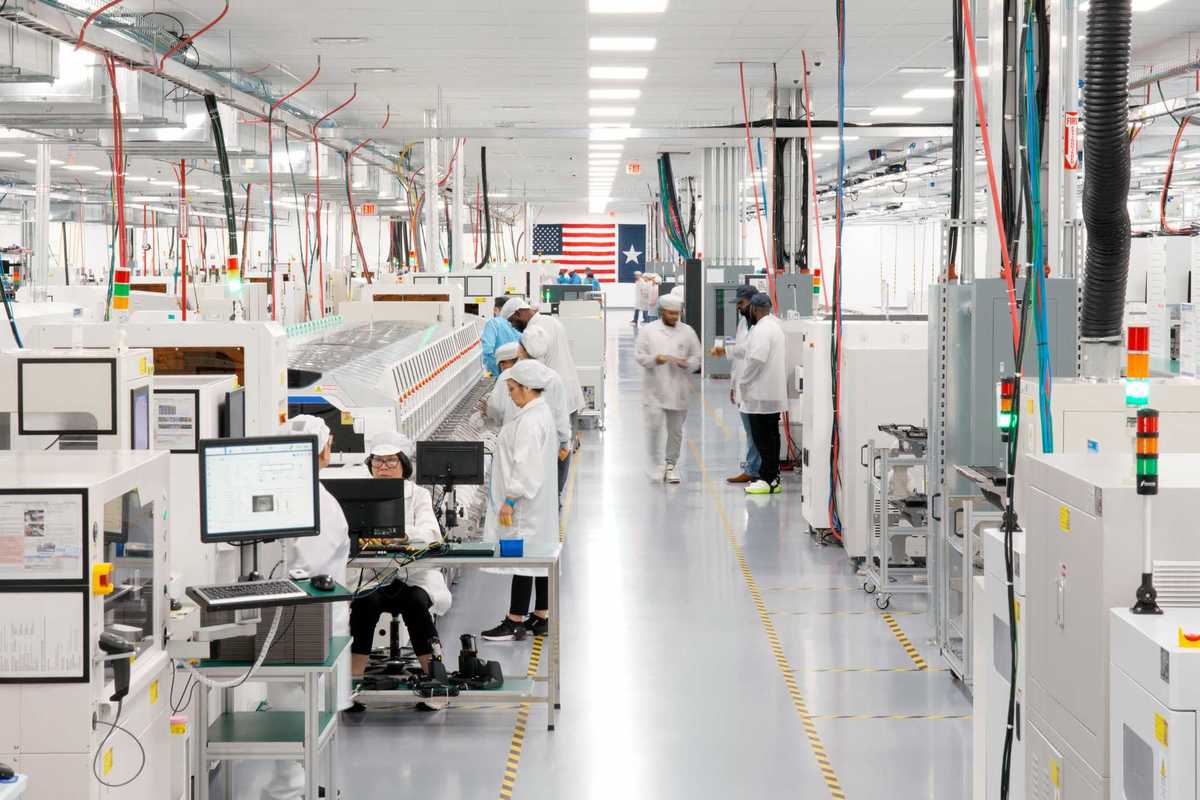 Apple doubles down on Houston with new production facility, training center Photo courtesy Apple.