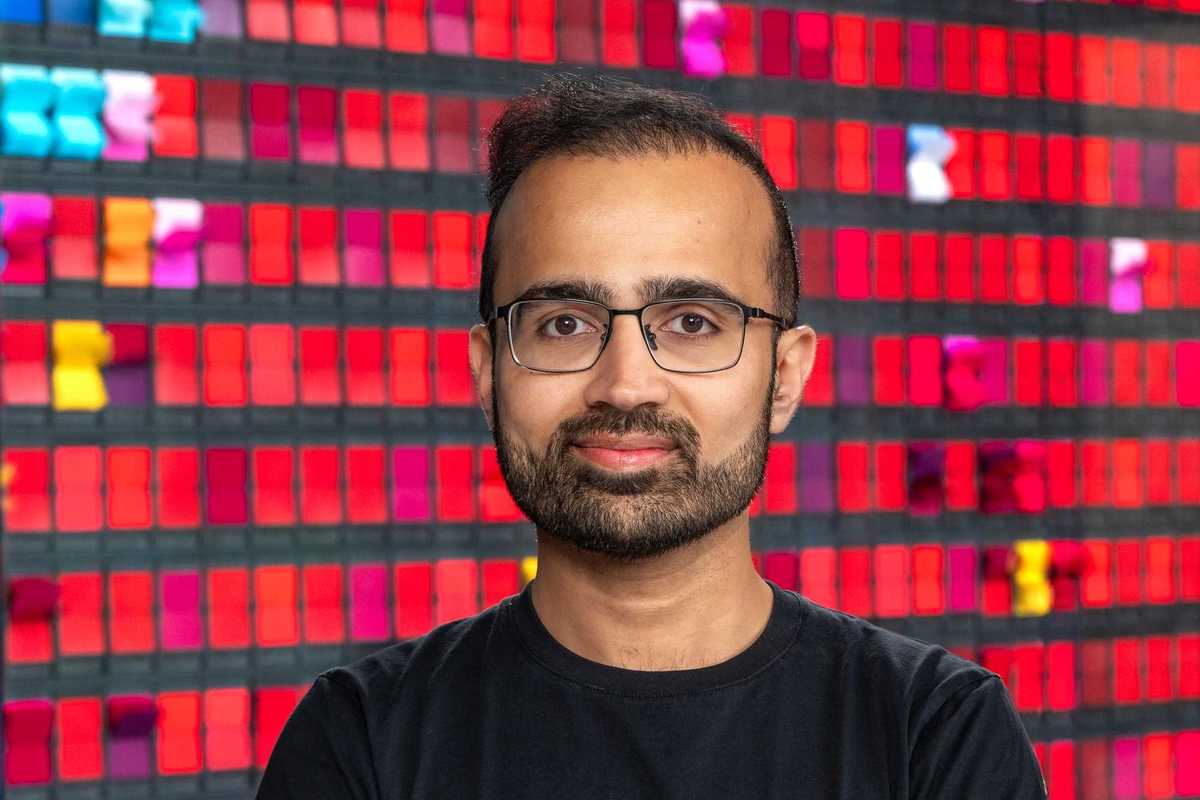
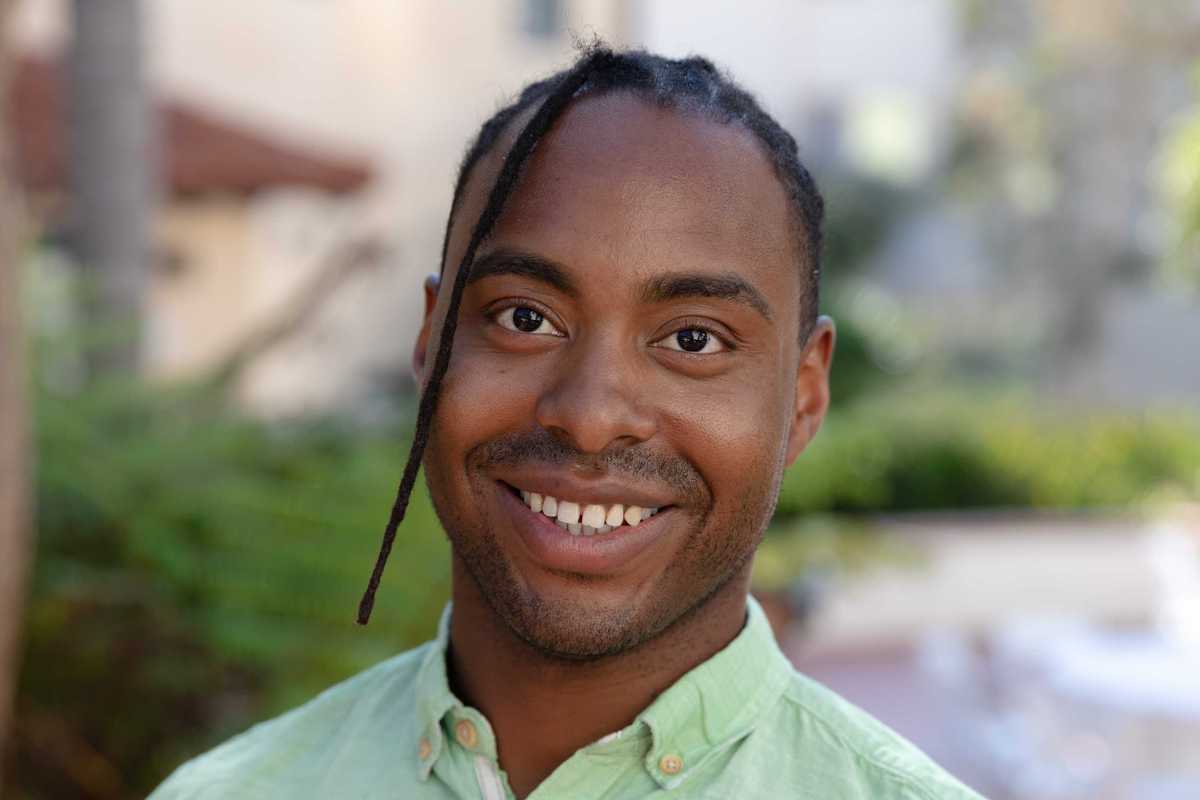
The University of Houston has more faculty named to this year’s senior member class of the National Academy of Inventors than any other Texas institution. Photos courtesy UH.

The University of Houston is now home to seven new senior members of the National Academy of Inventors.

The distinction honors active faculty, scientists and administrators from NAI member institutions that have demonstrated innovation and produced technologies that have “brought, or aspire to bring, real impact on the welfare of society,” according to the NAI. The members have also succeeded in patents, licensing and commercialization, and educating and mentoring.

According to UH, its seven new members represent the largest group from any single Texas institution this year, bringing the university's total senior member count to 46.

UH faculty also represented three of Houston's four new senior members in 2025. Six Houstonians were also named to the NIA's class of fellows late last year.

“This recognition affirms what we see every day at the University of Houston—bold, collaborative innovation focused on improving lives," Ramanan Krishnamoorti, vice president of energy at UH, said in a news release. "Having seven faculty members named Senior Members reflects our momentum and a culture where discovery moves beyond the lab into solutions that strengthen communities and drive economic growth.”

UH’s new senior members include:

  • Haleh Ardebili, endowed professor of mechanical and aerospace engineering and assistant vice president for Entrepreneurship and Startup Ecosystem. Ardebili develops flexible lithium batteries and holds four patents
  • Vemuri Balakotaiah, distinguished university chair and professor of chemical and biomolecular engineering. Balakotaiah holds is patents, with five pending, and develops mathematical models for the clean energy research.
  • Jakoah Brgoch, professor of chemistry. Brgoch develops next-generation inorganic materials and holds four patents.
  • Jose L. Contreras-Vidal, distinguished professor in electrical and computer engineering and director of UH’s NSF neurotechnology research center. Conreras-Vidal develops brain-machine interface technologies. He holds five patents, with two technologies advancing through clinical trials.
  • Preethi Gunaratne, professor in the department of biology and biochemistry and director of the UH Sequencing Core in UH’s College of Natural Sciences and Mathematics. Gunaratne holds five patents in biology and energy technologies and has made significant large-scale genome discoveries.
  • Jae-Hyun Ryou, professor of mechanical and aerospace engineering. Ryou holds 13 patents and has develops innovative semiconductor materials and devices for flexible electronics.
  • Yingcai Zheng, professor in applied geophysics and director of the UH Rock Physics Lab. Zheng's work focuses on energy production, geothermal development and carbon management strategies. He holds two patents.

Other Texas institutions also had strong showings this year. Additional new Texas senior members from NAI institutions include:

Texas A&M University

  • Guillermo Aguilar
  • Stavros Kalafatis
  • Narendra Kumar
  • Heng Pan
  • Xingyong Song
  • Yubin Zhou

Texas State University

  • Bahram Asiabanpour
  • Martin Burtscher
  • Nihal Dharmasiri
  • Alexander Kornienko
  • Ted Lehr
  • Christopher Rhodes

The University of Texas at Arlington

  • Brian H. Dennis
  • Nicholas Gans
  • Frederick M. MacDonnell
  • Charles Philip Shelor
  • Liping Tang

The University of Texas at San Antonio

  • Robert De Lorenzo
  • Marc Feldman
  • Daohong Zhou

The University of Texas at El Paso

  • XiuJun Li
  • Yirong Lin
  • David Roberson

Texas Tech University Health Sciences Center

  • Thomas John Abbruscato
  • Annette Louise Sobel
  • Sanjay K. Srivastava

Texas Tech University

  • Gerardo Games
  • Dy Dinh Le

Baylor University

  • David Jack

The University of Texas Rio Grande Valley

  • Upal Roy

This year's class is the largest since the NAI launched its senior member recognition program in 2018. The new senior members come from 82 NAI institutions ad hoe more than over 2,000 U.S. patents. Accoring to the NAI, it has 945 senior members who hold more than 11,000 U.S. patents today.

“This year’s senior member class is a truly impressive cohort. These innovators come from a variety of fields and disciplines, translating their technologies into tangible impact,” Paul R. Sanberg, president of NAI, added in a news release. “I commend them on their incredible pursuits and I’m honored to welcome them to the Academy.”

The Senior Member Induction Ceremony will honor the 2026 class at NAI’s Annual Conference June 1-4 in Los Angeles.

Ad Placement 300x100
Ad Placement 300x600

CultureMap Emails are Awesome

Houston startup raises $6M to scale home-based healthcare platform

fresh funding

As healthcare systems race to expand care beyond hospitals and into the home, investors are placing bigger bets on the infrastructure needed to make that shift possible.

This month, Rosarium Health announced it has raised $6 million in seed funding led by Kalos Ventures, with participation from ResilienceVC, Rock Health Capital, Symphonic Capital, Black Tech Nations Ventures and others.

The investment will help the Houston-based startup continue to build its platform, which features a national network of 800-plus clinicians and 3,000-plus contractors to coordinate home accessibility upgrades and modifications for seniors and people living with disabilities.

For founder and CEO Cameron Carter, the company’s mission grew out of firsthand caregiving experiences.

“From my own personal caregiving experiences, I realized that the benefits exist on paper, but not in reality,” Carter said in a news release. “Families are being left to figure out the paperwork and installations all on their own, which shouldn’t be how this works.”

While Medicare Advantage and Medicaid plans have expanded coverage for home-based services and accessibility modifications, the logistics behind delivering those services often remain fragmented.

Rosarium’s platform coordinates the entire process, from clinical assessments and referrals to contractor management, documentation, reimbursement and installation.

“A clinician can document that a home isn’t safe and a plan can approve a benefit, but there’s no one that’s responsible for making sure the work actually gets done,” Carter says. “We built the missing piece.”

The company was founded in 2021 as Rose Health and was a 2023 participant in the Texas Medical Center’s Accelerator for HealthTech program. It has scaled quickly, building a network of more than 800 clinicians and 3,000 contractors across 34 states.

Rosarium is currently in-network for 1.2 million Medicare and Medicaid lives, with projected coverage expected to reach nearly 4 million by the end of the year, according to the release.

“We’re excited to back Cameron because he and the team at Rosarium are building the infrastructure healthcare needs right now to make the home a safe and comfortable place of care,” Kate Ballinger, investor at Kalos Ventures, added in the release.

As part of the recent investment, Ballinger will join Rosarium’s board of directors.

With eyes on the future, Rosarium plans to grow its partnerships with Medicaid and Medicare Advantage plans, including CalViva and Community Health Plan of Imperial Valley, strengthening its presence in California while expanding access to underserved communities.

Additionally, Carter predicts that home-based healthcare will be part of a broader transformation happening across the industry.

“There’s a growing recognition that health outcomes are shaped by what happens in the home,” he said in the release. “The future of healthcare isn’t just treating people after something goes wrong. It’s creating environments that help prevent those problems in the first place.”

Houston business mogul Tilman Fertitta acquires Caesars in $17.6B deal

Money Moves

Houston billionaire Tilman Fertitta may currently be serving as America’s ambassador to Italy, but his company is as busy as ever. Fresh off its move to revive the Houston Comets WNBA franchise, his company, Fertitta Entertainment, has announced a $17.6 billion deal to acquire Caesars Entertainment, Inc.

Speculation about the deal has been circulating since at least March, according to various media reports. The deal combines Fertitta’s well-known Golden Nugget casino brand with all of the properties in the Caesars’ portfolio, including Las Vegas hotels Caesars Palace, Harrah's, Paris Las Vegas, Planet Hollywood, Horseshoe, The LINQ Hotel, Flamingo, and The Cromwell.

Overall, the combined company will include 60 domestic casino resorts and gaming facilities; online gaming including sports betting, iCasino, and Caesar’s online poker platform; retail sports betting at over 200 third-party locations through the William Hill brand; and over 550 Fertitta Entertainment outlets, including more than 450 Landry's full-service restaurants across America. The companies will combine their loyalty programs, Caesars Rewards, Golden Nugget's 24 Karat Select Club, and Landry's Select Club.

The terms will see Caesars’ shareholders receive $31 per share. Fertitta Entertainment will also acquire approximately $11.9 billion of Caesars' outstanding debt.

The transaction will be financed through a combination of equity contributed by Fertitta Entertainment, assumed Caesars' debt, and new committed debt financing arranged by a group consisting of 10 banks. It is subject to approval by Caesars’ shareholders and government regulators.

Fertitta Entertainment is the Houston-based company behind a diverse array of hospitality businesses, including The Golden Nugget, The Post Oak Hotel, River Oaks District, the Kemah Boardwalk, and Houston’s Downtown Aquarium.

It also operates a number of prominent restaurant brands, including Mastro's Restaurants, Del Frisco's Double Eagle Steakhouse, Morton's The Steakhouse, The Palm, McCormick & Schmick's, Landry's Seafood House, The Oceanaire Seafood Room, and Saltgrass Steak House.

---

This article first appeared on CultureMap.com.

4 Houston-area institutions get $8M for cancer research facilities

fighting cancer

Cancer research capabilities in the Houston area just got an $8 million boost.

On Wednesday, May 20, the Cancer Prevention and Research Institute of Texas (CPRIT) awarded $8 million in grants to institutions in Houston and Bryan for the creation or expansion of so-called “core” cancer research facilities.

“Core facilities provide shared access to advanced technology, equipment, and scientific expertise that may not be available at every institution,” CPRIT says. “These core facilities are vital to not only cancer research but also to the study of diseases beyond cancer.”

Houston-area recipients of these $2 million grants are:

  • A facility at the University of Texas Health Science Center for preclinical support of cancer researchers in Texas to evaluate new safe, effective drugs and drug combinations.
  • The Accelerator for Cancer Therapeutics, operated by Houston’s Texas Medical Center Foundation. The accelerator helps researchers and startups move innovative cancer treatments from the lab to clinical trials.
  • Rice University’s Genetic Design & Engineering Center in Houston. The center enables researchers to collaborate on studies of custom DNA for cancer treatment.
  • A facility at the Texas A&M University System’s Health Science Center in Bryan that aims to speed up the development of cancer therapies.

In addition to those grants, the University of Texas M.D. Anderson Cancer Center, Methodist Hospital Research Institute, Baylor College of Medicine, and Rice University shared $21 million to recruit cancer researchers from other institutions.

The largest of those grants—totalling $4 million—went to M.D. Anderson for the recruitment of renowned cancer researcher Andre Nussenzweig from the National Institutes of Health. His research focuses on how DNA damage and faulty DNA repairs lead to cancer.

Here are the totals for the other CPRIT grants awarded in the Houston area:

  • $12.8 million to Houston-based Indapta Therapeutics for the development of an off-the-shelf therapy that naturally kills cancer cells, combined with an immunity-targeting agent for a type of leukemia.
  • $11.1 million to MD Anderson, including $5 million for a statewide platform to improve long-term health outcomes in adolescents and young adults who survived cancer.
  • $8.4 million to Baylor College of Medicine, including $4.8 million for two training programs for cancer researchers.
  • $6.25 million to UT Health Houston, including $4 million for a biomedical informatics and genomics training program for cancer researchers.
  • $4.4 million to the Texas A&M Health Science Center’s Houston campus, including $2.4 million for a cancer therapeutics training program.
  • $2.75 million to Rice, including $250,000 for a study of ovarian cancer.
  • $2 million to Houston-based March Biosciences for the development of a targeted therapy for treating T-cell lymphoma.
  • $1.15 million to the University of Houston, including $900,000 for a platform for detection of lung cancer.
  • $900,000 to Texas A&M in Bryan to conduct clinical drug trials in rural and underserved communities around the state.
  • $800,000 to Houston- and Israel-based Xerient Pharma for the development of an oral form of a cell-protecting drug called amifostine to protect the upper GI tract from radiation damage during pancreatic cancer treatment.
  • $659,000 to Missouri City-based OmniNano Pharmaceuticals for the development of a two-drug combination to treat the most common form of pancreatic cancer.
  • $250,000 to the University of Texas Medical Branch at Galveston for a novel therapeutic to prevent colitis-related colorectal cancer.