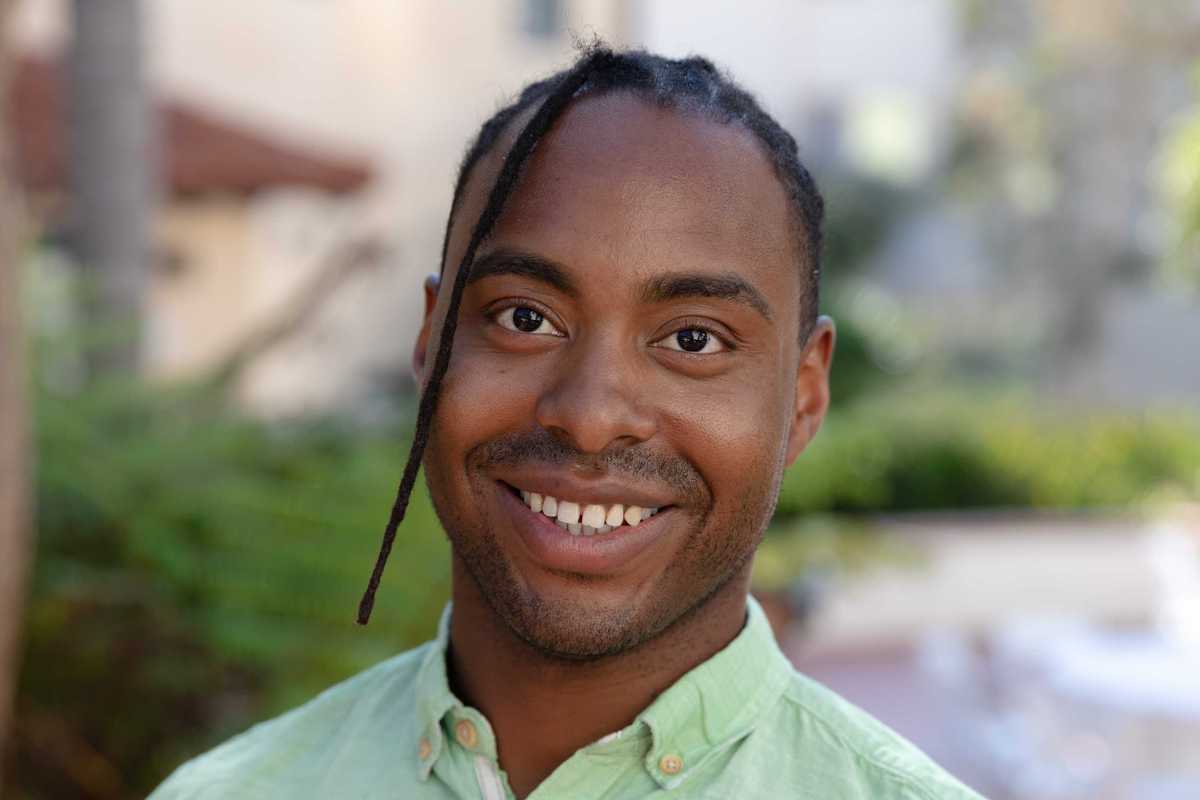
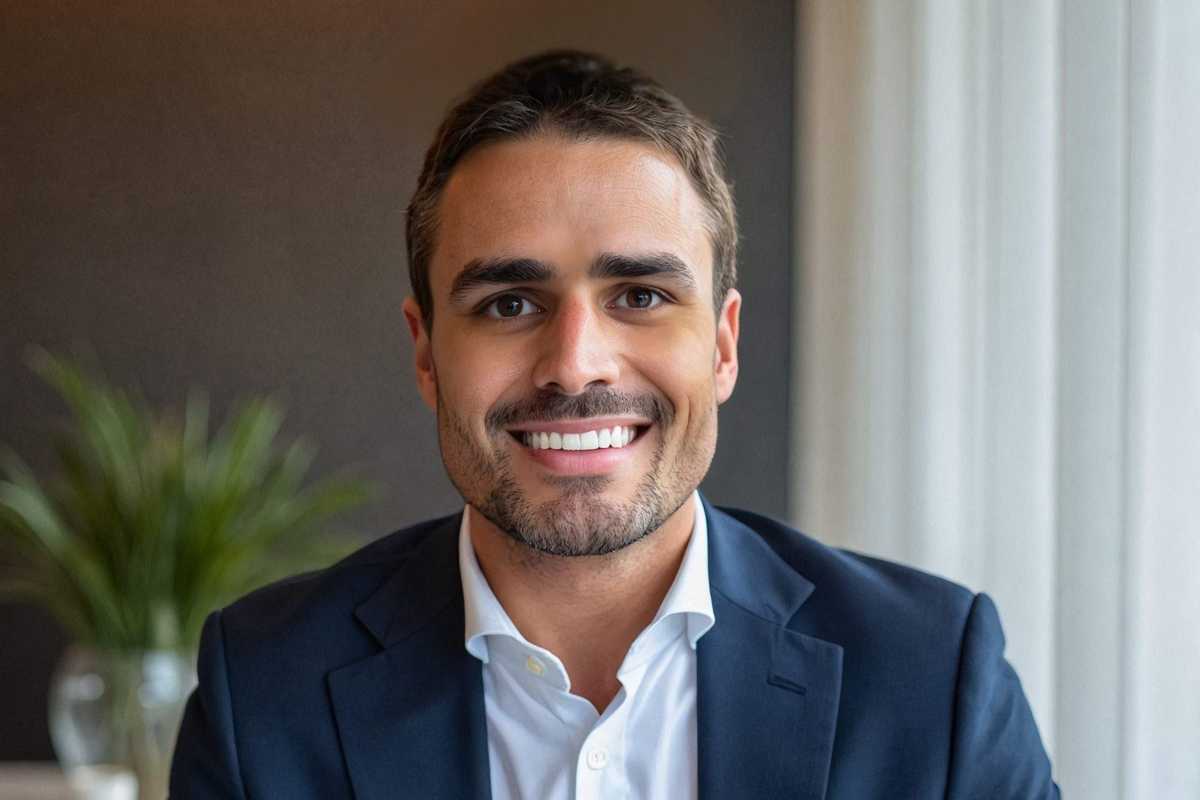
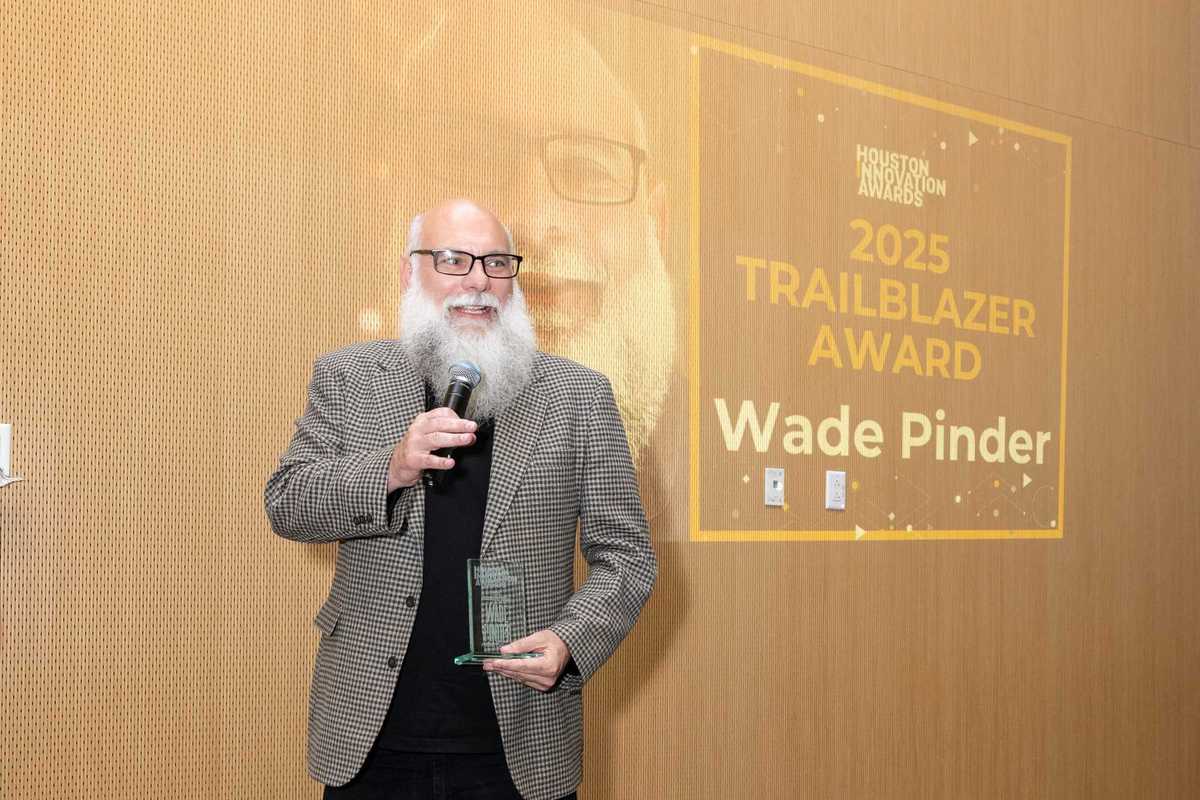
Members of the XCath team celebrating the successful use of its endovascular robotic system, known as Iris, to treat patients with complex brain aneurysms last year. Screenshot via bussinesswire.com

Robotic neurosurgery is an exciting new frontier in medicine, and Houston-based medtech firm XCath is leading the charge with its revolutionary Iris robotic system. The company announced in March that it had secured $30 million in Series C funding to continue developing systems to tackle blood clots in the human brain.

“We are grateful to our investors for their conviction in our shared mission to improve clinical outcomes for patients impacted by endovascular diseases,” Eduardo Fonseca, CEO of XCath, said in a news release. “In 2025, the XCath team advanced the frontiers of endovascular robotics. This funding accelerates our commitment to expanding access to life-saving care so that where a patient lives no longer determines whether they live.”

XCath–which also has campuses in Pangyo, South Korea–has already achieved a number of remarkable firsts in robotic neurosurgery. The Iris is the only endovascular robotic system currently in development to perform intracranial navigation or neurointerventional treatment, and is the only robot in the world to have performed an intracranial neurovascular procedure involving the robotic manipulation of three devices.

These new Series C funds, which bring the company's total investment to $92 million, will go toward developing a clinical telerobot capable of performing a mechanical thrombectomy. This would bring unprecedented accuracy and precision to the surgical removal of brain clots, significantly reducing the risk of neurosurgery.

“Robotic surgery succeeds when innovation is paired with practical execution,” Dr. Fred Moll, chairman of the XCath board of directors, said in the release. “XCath has built a promising technology foundation, and just as importantly, a team that values rigor and appreciates perspective. I’m excited to support them as they take on the mission of globalizing access to gold-standard care for stroke patients.”

In November 2025, the Iris debuted under the control of Dr. Vitor Mendes Pereira at The Panama Clinic in Panama City, alongside local Principal Investigator Dr. Anastasio Ameijeiras Sibauste. It was only the second time in human history that a robot had been used for intracranial neurovascular intervention, and it established Iris as a viable technology in the fight against stroke.

“Treatment of stroke and other neurovascular diseases represents one of the most significant financial opportunities in healthcare, supported by positive reimbursement dynamics and strong demand from health systems,” Nicholas Drysdale, CFO of XCath, added in the release. “With our continued investor support and disciplined capital deployment, XCath is positioned to build a category-leading platform in endovascular robotics”.

Houston scientists are developing a soft sleep cap that tracks and stimulates the brain's "cleaning cycles" linked to Alzheimer’s disease and other dementias. Photo via Getty Images.

Rice, Houston Methodist developing soft 'sleep cap' for brain health research

Researchers and scientists at Rice University and Houston Methodist are developing a “sleep cap” that aims to protect the brain against dementia and other similar diseases by measuring and improving deep sleep.

The project is a collaboration between Rice University engineering professors Daniel Preston, Vanessa Sanchez and Behnaam Aazhang; and Houston Methodist neurologist Dr. Timea Hodics and Dr. Gavin Britz, director of the Houston Methodist Neurological Institute and chairman of the Department of Neurosurgery.

According to Rice, deep sleep is essential for clearing waste products from the brain and nightly “cleaning cycles” help remove toxic proteins. These toxic proteins, like amyloids, can accumulate during the day and are linked to Alzheimer’s disease and other neurological issues.

Aazhang, director of the Rice Neuroengineering Initiative, and his team are building a system that not only tracks the brain’s clearing process but can also stimulate it, improving natural mechanisms that protect against neurodegeneration.

Earlier proof-of-concept versions of the caps successfully demonstrated the promise of this approach; however, they were rigid and uncomfortable for sleep.

Preston and Sanchez will work to transform the design of the cap into a soft, lightweight, textile-based version to make sleep easier, while also allowing the caps to be customizable and tailored for each patient.

“One of the areas of expertise we have here at Rice is designing wearable devices from soft and flexible materials,” Preston, an assistant professor of mechanical engineering, said in a news release. “We’ve already shown this concept works in rigid device prototypes. Now we’re building a soft, breathable cap that people can comfortably wear while they sleep.”

Additionally, the research team is pursuing ways to adapt their technology to measure neuroinflammation and stimulate the brain’s natural plasticity. Neuroinflammation, or swelling in the brain, can be caused by injury, stroke, disease or lifestyle factors and is increasingly recognized as a driver of neurodegeneration, according to Rice.

“Our brain has an incredible ability to rewire itself,” Aazhang added in the release. “If we can harness that through technology, we can open new doors for treating not just dementia but also traumatic brain injury, stroke, Parkinson’s disease and more.”

The project represents Rice’s broader commitment to brain health research and its support for the Dementia Prevention Research Institute of Texas (DPRIT), which passed voter approval last week. The university also recently launched its Rice Brain Institute.

As part of the project, Houston Methodist will provide access to clinicians and patients for early trials, which include studies on patients who have suffered traumatic brain injury and stroke.

“We have entered an era in neuroscience that will result in transformational cures in diseases of the brain and spinal cord,” Britz said in the release. “DPRIT could make Texas the hub of these discoveries.”
Ad Placement 300x100
Ad Placement 300x600

CultureMap Emails are Awesome

Texas university's new flight academy opens at Houston Spaceport

cleared for takeoff

The vehicles may not have “student driver” stickers on them, but Texas Southern University has moved a dozen planes into its new training facility at the Houston Spaceport, opening the way for student flyers to use the facility.

TSU previously reached a deal with Houston Airports and the City of Houston in 2023 to house its prospective Flight Academy at Ellington Field. At the time, TSU had a small fleet of nine planes for student use, but a $5.5 million investment from the city greatly expanded the space available.

The Flight Academy includes a 20,000-square-foot hangar that serves as a TSU satellite campus. The school now has a fleet of 12 Cirrus SR20 aircraft that were acquired last year through state and alumni funding. An additional 4,500 square feet is used as classroom and office space. An 8,000-gallon fuel tank will support flight training operations.

TSU first launched its Aviation Science Management program in 1986 and added a professional pilot program in 2016. The school is now part of the United Airlines pipeline program and has also forged relationships with Delta and Southwest.

“I want to commend Texas Southern University and Houston Airports for their leadership and partnership in advancing aviation education right here in our city,” Houston City Councilwoman Dr. Carolyn Evans-Shabazz in a press release.

“It connects our students to high-paying, high-demand careers in aviation and aerospace. This is how we grow a city in the right way—by investing in workforce development, aligning education with industry and making sure our residents are prepared to lead in the industries of tomorrow. Houston is already a global leader in aerospace and projects like this strengthen that position even further, especially here at Ellington, where innovation and opportunity continue to take flight.”

The City of Houston signed an agreement to continue funding the academy for five years.

Amazon launches ultrafast, 30-minute delivery service across Houston

Amazon Now

More than 20 years after it redefined fast shipping, Amazon is preparing to raise the bar on consumer expectations again by offering to fulfill customers' most urgent product needs in Houston and other parts of the world in a half-hour or less for an extra fee.

The company, which revolutionized online shopping in 2005 with two-day deliveries for Prime members, is rapidly opening small order-processing hubs in dozens of U.S. and foreign cities to cater to shoppers who can't or don't want to wait for cough medicine to relieve flu symptoms or tomatoes for tonight's dinner salad.

The ultrafast service, called Amazon Now, first launched in India last June. Amazon says 30-minute deliveries now are also available in urban areas of the United States, Brazil, Mexico, Japan, the United Arab Emirates, the United Kingdom.

The mini-warehouses devoted to Amazon Now are about the size of a CVS drugstore. They stock about 3,500 products for expedited delivery, including beer, diapers, pet food, meat, nonprescription medications, playing cards and cellphone charging cables.

“We know that customers love speed and always have,” Beryl Tomay, Amazon’s head of transportation, told The Associated Press on Monday. “What we see customers doing, when we offer faster speeds, are they purchase more from Amazon. And Amazon becomes more top of mind for that or other types of items as well.”

In the U.S., the company first tested Amazon Now in Seattle, the home of its headquarters, and in Philadelphia. Most residents of the Dallas-Fort Worth area and Atlanta now have access as well. The service is also live in Dallas-Fort Worth, Denver, Minneapolis, Phoenix, Oklahoma City, Orlando, and dozens of other cities, Amazon said, with New York City and others expected by year-end.

The service charges for Amazon Now start at $3.99 for Prime members, who pay an annual fee of $139, and $13.99 for non-members. A $1.99 small basket fee applies to orders under $15, Amazon said.

The company's bet on a need for speed also comes as some consumers are rebelling against rushed deliveries as they weigh the potential impact on the environment and the workers tasked with preparing orders at a rapid rate.

Amazon’s approach
A relentless focus on speed helped Amazon build a logistics and e-commerce empire. After it made two days the new delivery time normal, Amazon moved into one-day and same-day deliveries for its Prime members. This spring, the company began making 90,000 products available in one hour or three hours at an extra cost.

The scaled down and sped up microhubs that are designed to handle 30-minute orders represent another step in Amazon's pursuit.

Only a handful of people prepare orders from aisles of shelves in the 5,000- to 10,000-square-foot facilities, unlike the sprawling fulfillment centers storing millions of items where Amazon employs a mix of human workers and robotics to pick and pack orders.

Amazon tailors the product inventory to each location and uses artificial intelligence and other technology to analyze what customers buy, as well as when and how often. The most popular U.S. purchases so far include soap, toothpaste, mouthwash, toilet plungers, bananas, limes and wireless earbuds, Amazon said.

The competition
Amazon’s attempt to up the instant gratification ante provides direct competition to on-demand food delivery platforms like Instacart, Uber Eats, DoorDash and Grubhub, which don't have the scale of the e-commerce titan, according to independent retail analyst Bruce Winder.

“What Amazon brings is their prowess in supply chain,” Winder said.

These smaller companies said they don't see Amazon as a threat, though, citing the hundreds of thousands of items they are able to deliver to users' doorsteps by partnering with various merchants and restaurants.

“DoorDash has a mission to empower grocers and retailers and augment their existing footprint, not to replace them,” DoorDash spokesperson Ali Musa said in an emailed statement. “We win only when they win, which is how we can offer over half a million grocery and retail items in under an hour across the country.”

Amazon also is in a race with Walmart to become the retailer that reliably gets orders to online shoppers in under an hour.

For an additional $10 on top of standard delivery charges, shoppers can place Walmart Express Delivery orders from among more than 100,000 products that are guaranteed to arrive in an hour. Many customers, however, are receiving the items under 30 minutes, Walmart CEO John Furner told analysts in February.

Domino's cautionary tale
Companies have promised deliveries in 30 minutes or less before, but the landscape also is littered with failed attempts to break the speed barrier.

The COVID-19 pandemic produced a flurry of companies that promised 10- to 15-minute grocery deliveries from microwarehouses in dense neighborhoods, according to Sucharita Kodali, an analyst at market research firm Forrester Research.

But soaring operating costs, low customer loyalty and the drying up of investor money ultimately caused most to fail before the pandemic was over, analysts said.

Domino’s in 1984 pushed a guarantee that customers would receive their pizzas for free if they weren't delivered in under a half-hour. The company amended the “30 minutes or it’s free” policy after two years, providing only a $3 discount for late deliveries.

The promotion helped Domino’s win market share, but it ended up tarnishing the company's reputation. It dropped the guarantee in December 1993 after a string of crashes and lawsuits involving drivers racing to meet the deadline.

Brad Jashinsky, a retail analyst at information technology research and consulting firm Gartner, said he thinks Amazon should take the pizza chain's experience as a cautionary tale.

“You get in trouble when you start overpromising something like that,” he said.

Amazon won't be making any time guarantees and instead plans to keep customers who chose the 30-minute delivery option updated on the progress of their orders, Tomay said.

“There's no rushing either in our building workers or the gig workers,” she said.

Taking it slow
Kodali thinks Amazon will need a lot of people placing orders around the same time from the same or adjacent apartment buildings for the 30-minute service to be cost-effective.

Consumers may appreciate rapid receipt of products like toilet paper and batteries, but retailers and logistics experts said they also see some online shoppers, especially members of Generation Z, choosing no-rush shipping for products they don't need in a hurry.

Amazon for several years has invited customers to skip one- or two-day delivery and to receive their orders on the same day in as few parcels as possible. Consolidating orders into fewer packages by electing to have them delivered at the same time cuts down on boxes, shipping envelopes and fuel use, analysts said.

“The millennials who came to age in an era that was on fast delivery came to expect it de facto, whereas ... Gen Z is more accepting of a slower speed than previous generations before them,” said Darby Meegan, a general manager at Flexport, a supply chain and logistics company that fulfills orders for thousands of online merchants.

Still, Amazon executives have cited positive early results for Amazon Now in India, where they said Prime members tripled their requests for 30-minute deliveries once they started using the service.

Amazon Now also is attracting more repeat American customers, Tomay said.

“It’s in early days and time will tell,” she said. “I think that it will be interesting to see how it evolves.”

Houston company partners on AI-powered medical support for space missions

AI in space

Houston-based Aexa Aerospace has partnered with SpacePort Australia (SPA) to build medical AI solutions for space crews.

Known as The Hamilton Project, the collaboration aims to complete the training and refinement of a “deductive medical AI model” designed to aid and treat astronauts and space travellers. With limited to no real-time access to doctors on Earth during space missions, the project's goal is to create an AI model that would serve as a medical resource.

“‘The Hamilton Project’ is a sophisticated AI model, integrating academic and clinical knowledge in a unique way,” Aexa founder and CEO Feranando De La Peña Llaca said in a news release. “It is paving the way for future autonomous attending.”

The project is named after NASA flight surgeon Dr. Douglas Hamilton, who participated in 50 missions.

SPA, an independent research organization, will bring its practical medical knowledge and clinical experience to The Hamilton Project, which builds on Australia’s rural and remote medical training programs. SPA founder Dr. Gabrielle Caswell brings 20 years of remote medicine experience that SPA believes will help address the issues that could be encountered in space.

“Rural general practitioners in Australia practice ‘pre-cradle to grave’ medicine, including areas considered sub-specialities in most western countries: OBYN, paediatrics, trauma management, anaesthetics, general surgery, mental health and geriatrics,” Caswell added in the release. “This broad clinical skill set encompasses all stages and phases of human life. And importantly practitioners are also trained in the management of severe trauma. "It is anticipated that doctors and medical staff will become embedded into missions, and all these skills will be required over time, to create successful space economic zones.”

Aexa Aerospace’s previous work includes developing holographic medical devices that have been trialled on the International Space Station. Read more here.