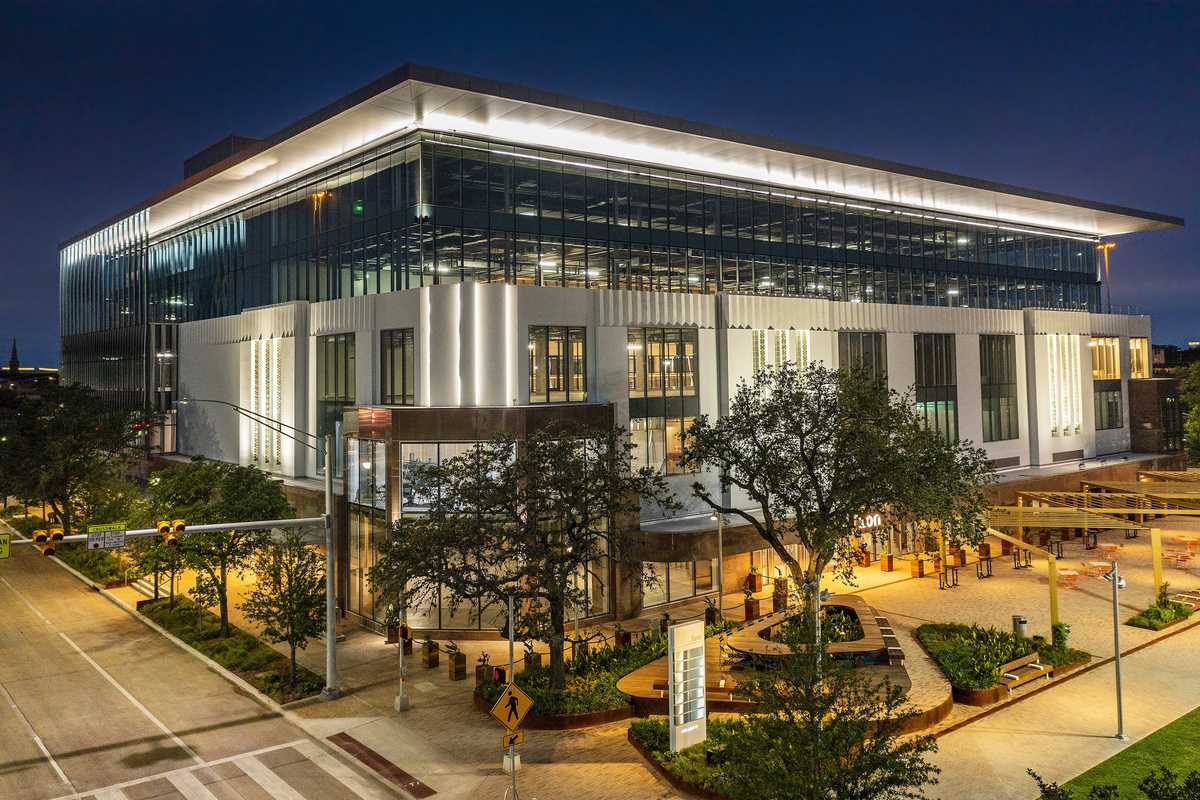
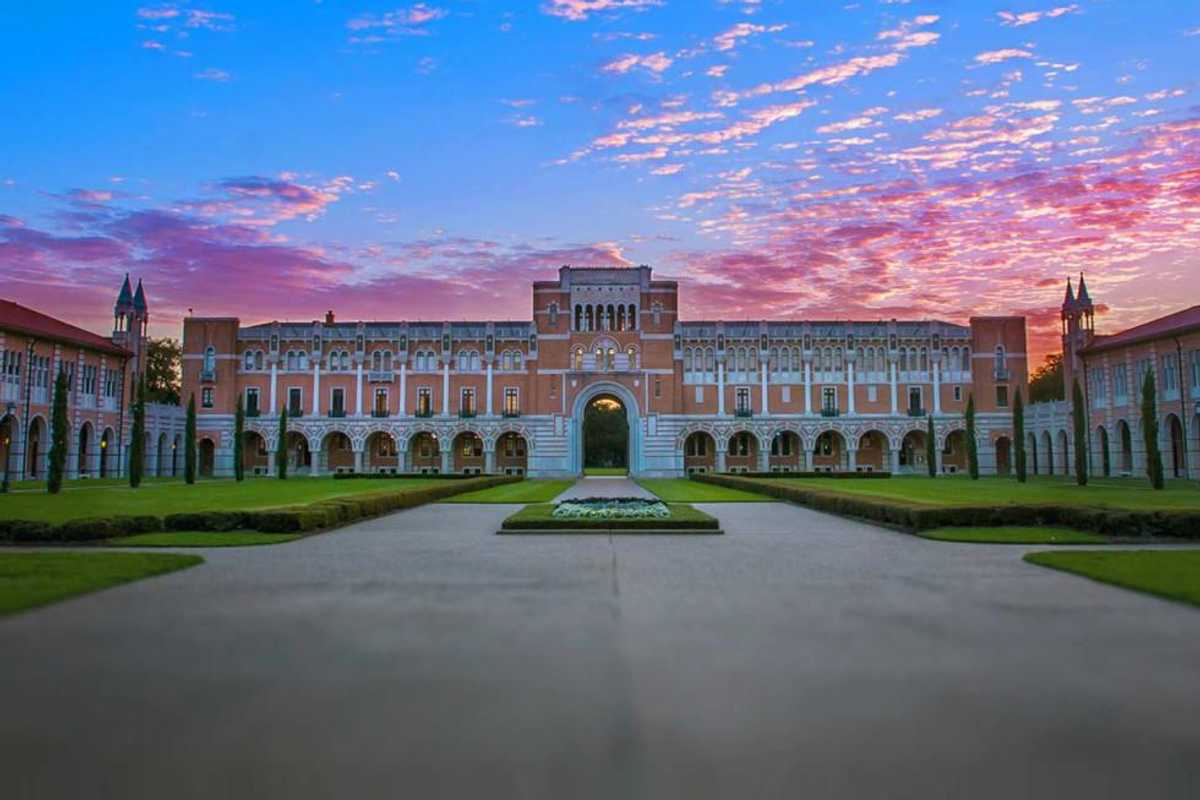
Houston's top startups by valuation range from e-commerce startups to a geothermal pioneer. Photo via Getty Images

The Greater Houston Partnership has released its list of the 10 most valuable startups that are fueling the city’s growth and entrepreneurial energy, including industry giants like Axiom Space and Fervo Energy.

Currently, Houston hosts more than 1,300 startups in industries such as energy, life sciences, manufacturing and aerospace, according to the GHP. The list ranks its top 10 startups by valuation based on the company’s last private funding round, reflected in Pitchbook data, as of Oct. 20 of this year.

The top 10 list includes:

10. NXTClean Fuels

Valuation: $530 million

NXTClean Fuels builds biofuel refineries that produce renewable fuel by using feedstocks like cooking oil and recycled organic materials.

9. Homebase

Valuation: $660 million

HR tech company Homebase provides employee management software that helps manage and optimize timesheets, payroll and more, with over over 100,000 small businesses and 2 million hourly workers using its product.

8. Zolve

Valuation: $800 million

Zolve is a banking platform that provides customers with access to financial products that aim to be accessible, flexible, and affordable than other financial platforms.

7. Stramsen Biotech

Valuation: $807 million

Stramsen Biotech develops plant-based drug therapies that target both infectious and noninfectious diseases, which include cancer, diabetes, HIV, kidney disease and neurological issues.

6. Octagos

Valuation: $843 million

Healthtech company Octagos has developed a remote cardiac monitoring software driven by AI that helps consolidate patient data in real-time, assisting healthcare professionals in providing quicker, easier and more accurate care.

5. Fervo Energy

Valuation: $1.4 billion

Pioneering geothermal company Fervo Energy combines horizontal drilling and fiber-optic sensing to produce electricity. The company is developing its flagship Cape Station geothermal power project in Utah. The first phase of the project will supply 100 megawatts of power beginning in 2026

4.Cart.com

Valuation: $1.7 billion

Cart.com is an e-commerce giant and logistics solutions provider that was founded in 2020 and obtained unicorn status within just three years.

3. Axiom Space

Valuation: $2.1 billion

Axiom Space is one of the anchor tenants at the Houston Spaceport, and has completed four missions of sending commercial astronauts to the ISS since 2022. In 2027, the company expects to see the first section of its private space station, Axiom Station, launched into low-earth orbit.

2. Solugen

Valuation: $2.175 billion

Solugen replaces petroleum-based products with plant-derived substitutes through its Bioforge manufacturing platform.

1. HighRadius

Valuation: $3.2 billion

HighRadius uses advanced technology to automate and manage accounts receivable processes for businesses worldwide.

The GHP also released its State of Houston’s Tech and Innovation Landscape, which mapped Houston’s digital and innovation sectors. Read the full report here.

Ad Placement 300x100
Ad Placement 300x600

CultureMap Emails are Awesome

Baylor College of Medicine names Minnesota med school dean as new president, CEO ​

new leader

Dr. Jakub Tolar, dean of the University of Minnesota Medical School, is taking over as president, CEO and executive dean of Houston’s Baylor College of Medicine on July 1.

Tolar—who’s also vice president for clinical affairs at the University of Minnesota and a university professor—will succeed Dr. Paul Klotman as head of BCM. Klotman is retiring June 30 after leading Texas’ top-ranked medical school since 2010.

In tandem with medical facilities such as Baylor St. Luke’s Medical Center and Texas Children’s Hospital, Baylor trains nearly half of the doctors who work at Texas Medical Center. In addition, Baylor is home to the Dan L Duncan Comprehensive Cancer Center and the Texas Heart Institute.

The hunt for a new leader at Baylor yielded 179 candidates. The medical school’s search firm interviewed 44 candidates, and the pool was narrowed to 10 contenders who were interviewed by the Board of Trustees’ search committee. The full board then interviewed the four finalists, including Tolar.

Greg Brenneman, chair of Baylor’s board and the search committee, says Tolar is “highly accomplished” in the core elements of the medical school’s mission: research, patient care, education and community service.

“Baylor is phenomenal. Baylor is a superpower in academic medicine,” Tolar, a native of the Czech Republic, says in a YouTube video filmed at the medical school. “And everything comes together here because science saves lives. That is the superpower.”

Tolar’s medical specialties include pediatric blood and bone marrow transplants. His research, which he’ll continue at Baylor, focuses on developing cellular therapies for rare genetic disorders. In the research arena, he’s known for his care of patients with recessive dystrophic epidermolysis bullosa, a severe genetic skin disorder.

In a news release, Tolar praises Baylor’s “achievements and foundation,” as well as the school’s potential to advance medicine and health care in “new and impactful ways.”

The Baylor College of Medicine employs more than 9,300 full-time faculty and staff. For the 2025-26 academic year, nearly 1,800 students are enrolled in the School of Medicine, Graduate School of Biomedical Sciences and School of Health Professions. Its M.D. program operates campuses in Houston and Temple.

In the fiscal year that ended June 30, 2024, Baylor recorded $2.72 billion in operating revenue and $2.76 billion in operating expenses.

The college was founded in 1900 in Dallas and relocated to Houston in 1943. It was affiliated with Baylor University in Waco from 1903 to 1969.

​Planned UT Austin med center, anchored by MD Anderson, gets $100M gift​

med funding

The University of Texas at Austin’s planned multibillion-dollar medical center, which will include a hospital run by Houston’s University of Texas MD Anderson Cancer Center, just received a $100 million boost from a billionaire husband-and-wife duo.

Tench Coxe, a former venture capitalist who’s a major shareholder in chipmaking giant Nvidia, and Simone Coxe, co-founder and former CEO of the Blanc & Otus PR firm, contributed the $100 million—one of the largest gifts in UT history. The Coxes live in Austin.

“Great medical care changes lives,” says Simone Coxe, “and we want more people to have access to it.”

The University of Texas System announced the medical center project in 2023 and cited an estimated price tag of $2.5 billion. UT initially said the medical center would be built on the site of the Frank Erwin Center, a sports and entertainment venue on the UT Austin campus that was demolished in 2024. The 20-acre site, north of downtown and the state Capitol, is near Dell Seton Medical Center, UT Dell Medical School and UT Health Austin.

Now, UT officials are considering a bigger, still-unidentified site near the Domain mixed-use district in North Austin, although they haven’t ruled out the Erwin Center site. The Domain development is near St. David’s North Medical Center.

As originally planned, the medical center would house a cancer center built and operated by MD Anderson and a specialty hospital built and operated by UT Austin. Construction on the two hospitals is scheduled to start this year and be completed in 2030. According to a 2025 bid notice for contractors, each hospital is expected to encompass about 1.5 million square feet, meaning the medical center would span about 3 million square feet.

Features of the MD Anderson hospital will include:

  • Inpatient care
  • Outpatient clinics
  • Surgery suites
  • Radiation, chemotherapy, cell, and proton treatments
  • Diagnostic imaging
  • Clinical drug trials

UT says the new medical center will fuse the university’s academic and research capabilities with the medical and research capabilities of MD Anderson and Dell Medical School.

UT officials say priorities for spending the Coxes’ gift include:

  • Recruiting world-class medical professionals and scientists
  • Supporting construction
  • Investing in technology
  • Expanding community programs that promote healthy living and access to care

Tench says the opportunity to contribute to building an institution from the ground up helped prompt the donation. He and others say that thanks to MD Anderson’s participation, the medical center will bring world-renowned cancer care to the Austin area.

“We have a close friend who had to travel to Houston for care she should have been able to get here at home. … Supporting the vision for the UT medical center is exactly the opportunity Austin needed,” he says.

The rate of patients who leave the Austin area to seek care for serious medical issues runs as high as 25 percent, according to UT.