Editor's note: Judging is now underway for the 2026 Houston Innovation Awards, and it's time to meet the decision makers.
Our 2026 judging panel comprises past award winners who represent a variety of industries and areas of expertise. They are joined by InnovationMap's interim editor. All are deeply engaged in the Houston innovation ecosystem.
Our judging panel will review all nominee applications submitted across 10 prestigious categories. They will determine the 2026 finalists in all categories, and they will select the winners in all but one category — our people's choice award for Startup of the Year.
The sixth annual Houston Innovation Awards program will be presented in an all-digital format in 2026. We will announce this year's finalists and feature their stories throughout our special editorial series this fall. Then, stay tuned as we reveal the 2026 Houston Innovation Awards winners on InnovationMap.com in mid-November.
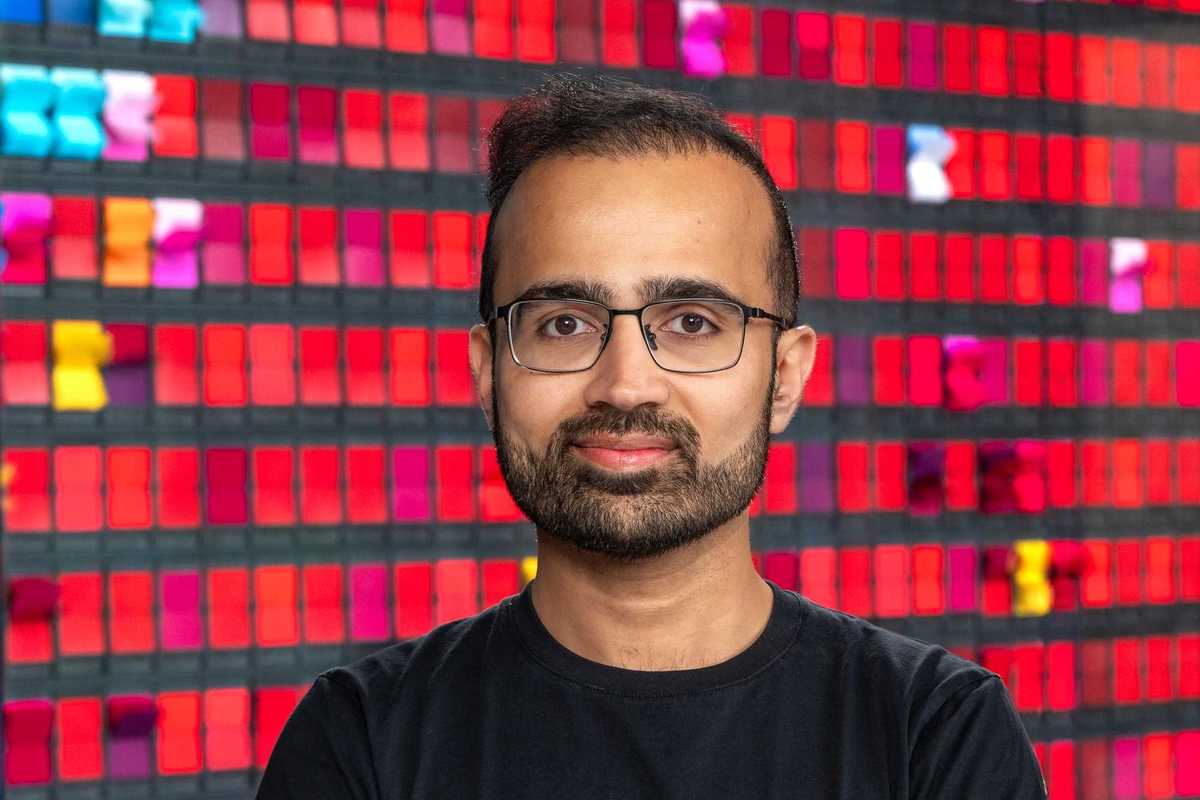
Sagar Dalal, Fervo Energy, 2025 Scaleup of the Year

Sagar Dalal serves as chief of staff at Fervo Energy, a company pioneering the commercialization of next-generation geothermal power. In this role, he helps translate the CEO’s vision and priorities into execution, leading cross-functional strategic initiatives that support the company’s growth and operations.
Dalal brings nearly eight years of experience in structural engineering and project management from his time at Thornton Tomasetti and Tesla, where he engineered and built a wide range of infrastructure projects ranging from stadiums to manufacturing facilities. He holds an MBA from Stanford University and an MS in Civil Engineering from Texas A&M University. He is also a licensed professional engineer.
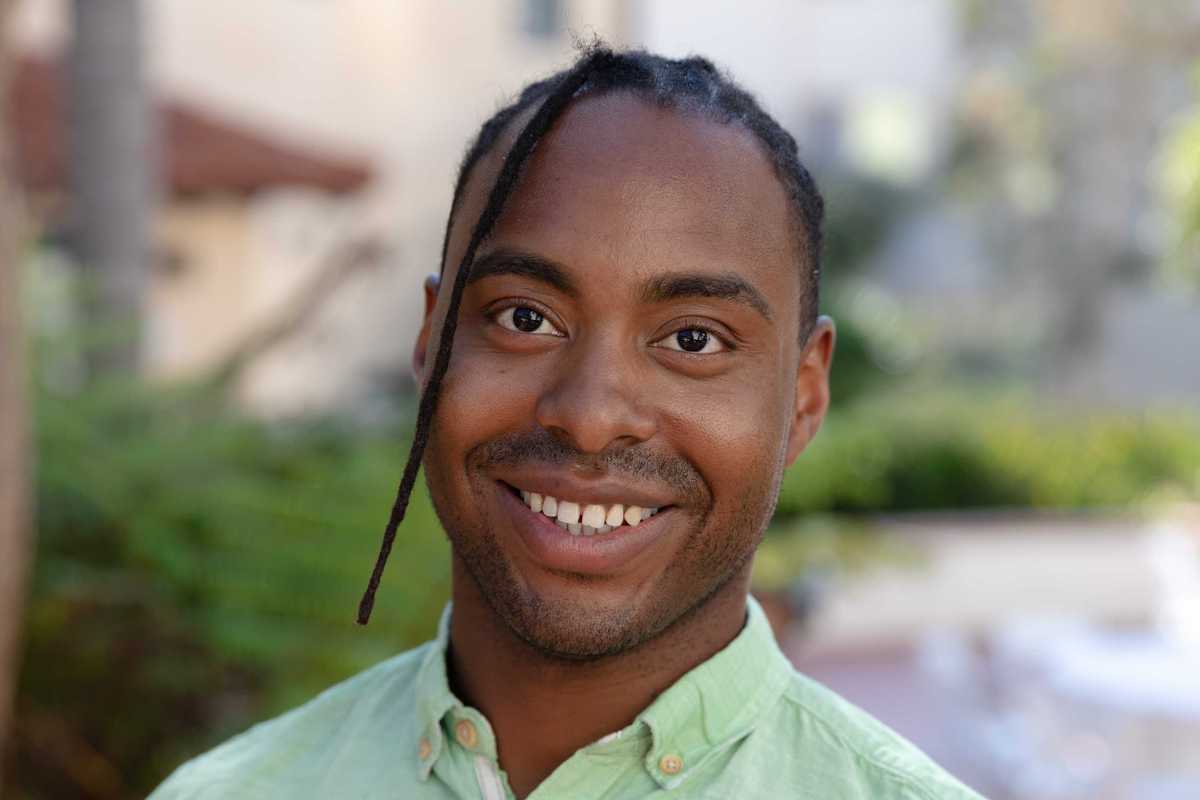
Aaron Fitzgerald, Mars Materials, 2025 Minority-founded Business of the Year
Aaron Fitzgerald is a three-time founder and carbon removal entrepreneur focused on reimagining how we make things. As the CEO of Mars Materials, he leads a team working to commercialize technologies that sequester captured carbon into industrial supply chains.
His vision for a defossilized future is shaped by a unique path through both policy, including a tenure in the United States Senate, and deep carbontech, with fellowships at The Lewis Latimer program, Breakthrough Energy, Prime Coalition, and Carbon 180.
Tatiana Fofanova, Koda Health, 2025 Health Tech Business of the Year
Tatiana Fofanova, PhD, is the co-founder and CEO of Koda Health, an AI-enhanced patient decision support platform designed to make advance care planning (ACP) scalable, accessible, and patient-centered for patients with serious illness.
After earning her PhD in Translational Medicine at Baylor College of Medicine, she joined Texas Medical Center (TMC) as a Founder-in-Residence. It was there that she and her co-founders identified one of the most overlooked yet critical gaps in healthcare: the lack of meaningful, accessible advance care planning. Under her leadership, Koda Health now supports over 1 million patients through partnerships with organizations like Cigna, Privia, and Houston Methodist.
Lawson Gow, Greentown Labs, 2025 Incubator/Accelerator of the Year
Lawson Gow currently serves as chief strategy officer for Greentown Labs, which was named Incubator/Accelerator of the Year in the 2025 Houston Innovation Awards. Prior to joining Greentown Labs as Head of Houston in 2025, Gow was as a managing partner at Helium Capital, an investment and advisory firm that aims to support founders across the entire lifecycle of entrepreneurship.
He is also the founder of The Cannon, an innovation-infrastructure provider that operates a growing network of innovation hubs for its community of startups, entrepreneurs, investors, and corporate innovators.
Sarah Hein, March Biosciences, 2025 Female-founded Business of the Year
Sarah Hein is the founding CEO of March Biosciences, a clinical-stage cell-therapy company targeting challenging malignancies. Prior to cofounding March Biosciences, she was the founding Entrepreneur in Residence for the Texas Medical Center Innovation Accelerator for Cancer Therapeutics (TMCi ACT).
Formerly, she was a cofounder and the vice president of operations at Courier Therapeutics, a cancer immunotherapy startup acquired by Valo Health. She was also director of research at Resonant Therapeutics, an antibody therapeutics platform technology company. She began at Mercury Fund as a Venture Fellow directly after graduating with her PhD in Molecular Biology from Baylor College of Medicine.
Tanu Jain, FlowCare, 2025 Startup of the Year

Tanu Jain is a product executive, entrepreneur, founder and CEO of FlowCare, and registered nurse with a track record of building products from zero to global scale. She previously led product at BioIQ before founding FlowCare, a Houston-based period care infrastructure platform making period care a standard in every restroom. In under 16 months, FlowCare has signed deployed across four enterprise customers and impacted more than 1.5 million women.
FlowCare was named Startup of the Year at the 2025 Houston Innovation Awards, and Jain has been recognized with additional honors including the SDG Super Changemaker – Pewter — at the Global Sustainability Awards 2026.
Prabhdeep "Prab" Sekhon, Eclipse Energy, 2025 Energy Transition Business of the Year

Prabhdeep Singh Sekhon is CEO of Eclipse Energy, an energy technology company transforming depleted oil fields into low-cost, sustainable hydrogen resources through subsurface biotechnology. He brings nearly two decades of global energy experience spanning climate technology, venture capital, private equity, and multi-billion-dollar energy projects across five continents.
Previously, he held leadership roles at NextEra Energy Resources and Hess Corporation. He is also a founder and managing director of GreenLite Resources and a founding member of Cotogna Sports Group. He holds an MBA from Wharton, a Masters in Engineering from Texas A&M, and a BS from the University of Calgary.
Wade Pinder, Product Houston, 2025 Trailblazer Award Winner
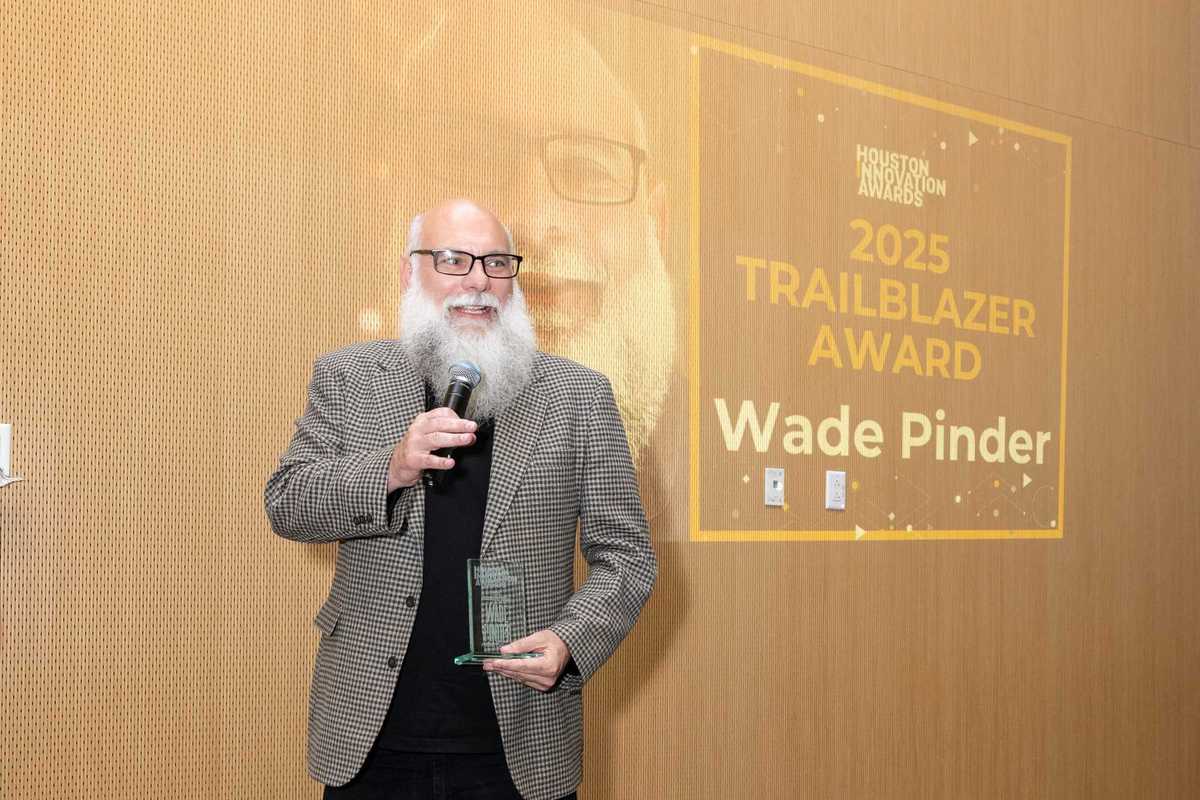
Wade Pinder thinks of himself as an "ecosystem wayseeker," helping founders and builders in and around Houston find their footing, understand the landscape, and move through uncertainty with more clarity. Through Product Houston, he works at the intersection of product strategy, founder support, ecosystem mapping, and community-building, with a particular focus on helping people show up in the right rooms before they feel fully ready.
His background includes years in product management at Blinds.com and Home Depot, along with founding and leading the Houston Product Community for six years. He was recognized by as Mentor of the Year in the 2023 Houston Innovation Awards and received the Trailblazer Award in 2025.
Laura Furr Mericas, Interim Editor, InnovationMap
Laura Furr Mericas is interim editor for InnovatonMap.com and EnergyCapitalHTX.com. She is a longtime contributor to both sites and has reported on Houston's innovation ecosystem for InnovationMap since 2020. Previously, she served as web editor and data reporter for Houston Business Journal.