The Rice DPRIT Seed Grant Program has awarded funding to 12 promising Houston research teams. Photo via Unsplash

The recently established Rice Brain Institute awarded 12 seed grants last month to support research on dementia, Alzheimer’s disease, Parkinson’s disease and other neurological disorders.

The grants are part of the Rice DPRIT Seed Grant Program, which aims to help faculty members generate preliminary data, test and teams that would be supported under the Dementia Prevention and Research Institute of Texas.

The DPRIT was approved last year to provide $3 billion in state funding over a 10-year span for research on dementia prevention and other neurological conditions. It will be modeled after the Cancer Prevention and Research Institute of Texas (CPRIT), which has awarded nearly $4 billion in grants since 2008.

“DPRIT is a historic initiative with transformative impact potential and at Rice we are very well equipped to contribute to its mission and help make Texas a leader in brain health and innovation,” Behnaam Aazhang, a Rice professor of electrical and computer engineering and director of the Neuroengineering Initiative and the RBI, said in a news release.

The Rice DPRIT Seed Grant Program is supported by the RBI and the Educational and Research Initiative for Collaborative Health (ENRICH) office at Rice. Most of the funding came from Rice's Office of Research, with a contribution from Rice's Amyloid Mechanism and Disease Center, which also launched last year.

A number of the teams include collaborators from Houston's Texas Medical Center, including Baylor College of Medicine, University of Texas Medical Branch and the McGovern Medical School at UTHealth Houston.

The 12 teams are:

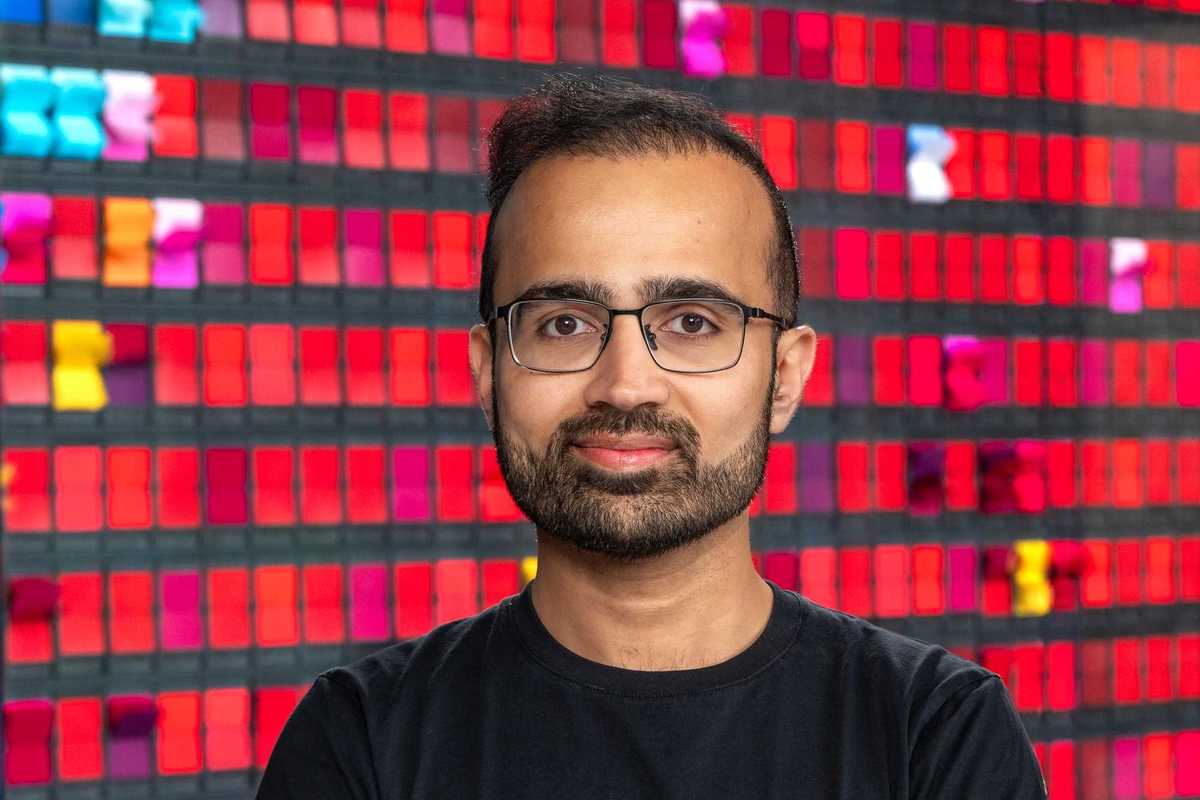
  • Keya Ghonasgi, assistant professor of mechanical engineering at Rice. Ghonasgi's research addresses the high risk of falls among people with different types of dementia and aims to develop a personalized, home-based fall-prevention approach using textile-integrated wearable sensors.
  • Luz Garcini, associate professor of psychological sciences at Rice, and Hannah Ballard, associate director of community and public health at the Kinder Institute for Urban Research at Rice. Garcini and Ballard's research looks at barriers and facilitators to early detection of Alzheimer’s disease in diverse, medically underserved urban communities and focuses on populations that experience late diagnosis, including Hispanic/Latino groups.
  • Lei Li, assistant professor of electrical and computer engineering at Rice, and Pablo Valdes, assistant professor of neurosurgery at UTMB. Li and Valdes' project develops a noninvasive, bedside imaging approach to monitor brain blood flow and oxygenation in patients recovering from stroke or brain surgery using photoacoustic imaging through a specialized transparent skull implant.
  • Cameron Glasscock, assistant professor of biosciences at Rice. Glasscock's project addresses repeat expansion disorders, such as Huntington’s disease and myotonic dystrophy, and focuses on stopping DNA instability before repeats reach a disease-causing threshold.
  • Raudel Avila, assistant professor of mechanical engineering at Rice. Avila's project focuses on everyday health factors such as nutrition, hydration and brain blood flow and how they influence brain aging long before symptoms of dementia appear.
  • Isaac Hilton, associate professor of bioengineering at Rice, and Laura Lavery, assistant professor of biosciences at Rice. Hilton and Lavery's project uses precise CRISPR-based gene regulation to target multiple genetic drivers of neuronal damage in Alzheimer’s.
  • Quanbing Mou, assistant professor of chemistry at Rice, and Qing-Long Miao, assistant professor of neurology at Baylor College of Medicine. Mou and Miao's project aims to develop a gene-regulation therapy for childhood absence epilepsy by restoring activity of the CACNA1A gene.
  • Momona Yamagami, assistant professor of electrical and computer engineering at Rice, and Christopher Fagundes, professor of psychological sciences at Rice. Yamagami and Fagundes' project addresses the physical and mental health challenges faced by spouses caring for partners with Alzheimer’s disease and related dementias and aims to develop algorithms to determine the optimal timing and frequency of supportive text messages.
  • Han Xiao, professor of chemistry at Rice. Xiao's project aims to improve the delivery of antibody therapies to the brain using a noninvasive, light-based approach that temporarily opens the blood–brain barrier.
  • Lan Luan, associate professor of electrical and computer engineering at Rice. Luan's project investigates how tiny blood-vessel injuries in the brain, known as microinfarcts, contribute to dementia.
  • Natasha Kirienko, associate professor of biosciences at Rice. Kirienko's project targets a shared cause of neurodegeneration, impaired mitochondrial cleanup, and aims to identify an existing antidepressant that could be repurposed to protect neurons in diseases like Alzheimer’s and Parkinson’s.
  • Harini Iyer, assistant professor of biosciences at Rice. Iyer's project will observe zebrafish to investigate how the brain’s primary immune cells become improperly activated in neurological disorders, leading to the loss of healthy neurons and cognitive impairment.

The RBI also named the first four projects to receive research awards through the Rice and TMC Neuro Collaboration Seed Grant Program in January. Read more about those projects here.

Ad Placement 300x100
Ad Placement 300x600

CultureMap Emails are Awesome

TMC expands Korea BioBridge, welcomes 12 biotech companies to Houston

welcome to hou

The powerful partnership between Texas Medical Center (TMC) innovation and the world of Korean biotech advancement is already growing in scope. Just six months after the new TMC Republic of Korea BioBridge was first announced, 12 new companies from the Republic of Korea will establish on-site presences in Houston to further collaboration between the two nations and medical industries.

The expansion comes from a new agreement between TMC and the Korea Health Industry Development Institute (KHIDI). William McKeon, president and CEO of Texas Medical Center, applauded the move and predicted it would benefit both Houston and Korea immensely.

“Korea has established itself as a global leader in biohealth innovation, with a growing pipeline of breakthrough technologies across digital health, biotechnology, and medical devices,” McKeon said in the news release. “Through the TMC Korea BioBridge, we are creating a direct connection between Korea’s innovators and the world’s largest medical city. This collaboration between TMC and KHIDI provides companies with a place to establish a presence, build strategic relationships, engage with leading clinicians and researchers, and accelerate the path toward commercialization and patient impact in the United States.”

The companies that will be in residence at the TMC Innovation Factory include Ardens Lifescience, whose new CAROL device is currently in human trials tackling lung cancer by using the airway network as electrodes to perform bronchoscopic ablation; stem cell-based gene therapy firm CELLeBRAIN, currently working on neurological disorders and solid cancers; and Wellysis, the developer of the S-Patch wearable cardiac monitoring device.

Additional companies include:

  • Antigravity
  • ARPI
  • CTCELLS
  • elecell
  • HUVER Inc.
  • Hutom
  • ORGANOIDSCIENCES
  • YOUTH BIO GLOBAL
  • Seoul Medical Informatics Intelligence Lab Inc.

“This collaboration establishes a strong foundation for connecting Korea’s biohealth innovation ecosystem with world-class clinical and innovation resources in the United States,” Younghun Jeong, executive director of the KHIDI, added in the news release. “Through partnerships with Texas Medical Center and the Korean-American Medical Association Texas, we look forward to fostering meaningful collaboration among innovators, clinicians, and industry leaders while creating new opportunities for clinical validation, commercialization, and global growth. KHIDI remains committed to expanding global partnerships that support biohealth innovation, clinical collaboration, commercialization, and international growth.”

This is the seventh international strategic partnership for the TMC. It launched its first BioBridge with the Health Informatics Society of Australia in 2016. It launched its TMC Japan BioBridge, focused on advancing cancer treatments, last year. It also has BioBridge partnerships with the Netherlands, Ireland, Denmark and the United Kingdom.

24 Houston-based companies named best places to work by U.S. News

Best Places to Work

A new U.S. News & World Report ranking of the best employers has named 95 Texas companies among the best companies to work in the South, and two dozen of them are based right here in the Houston metro.

U.S. News' prestigious "2026-2027 Best Companies to Work For" ratings examine 3,900 public and privately owned companies across 14 industries to help employees and job seekers make decisions about workplaces that may be a good fit.

Each company is rated on a scale of 1-5 across six metrics: quality of pay and benefits; work-life balance and flexibility; job and company stability; physical and psychological comfort; belongingness and esteem; and career opportunities and professional development.

"Job seekers' definitions of 'best' evolve with their needs," said Carly Chase, vice president of Careers at U.S. News. "From new grads in the AI era and seasoned pros seeking a career change, to HR leaders researching organizational trends, the ratings are a central hub that highlights businesses that U.S. News found effectively support their staff."

The number of employers headquartered in the Houston area that made the cut for 2026-2027 has skyrocketed over previous years. A total of 24 local public and private companies made the list this year, up from 16 companies in 2024 and 11 in 2025.

The highest concentration of top employers is located in Houston proper (20), followed by two companies in The Woodlands and one each in Kingwood and Spring.

A few familiar names Houstonians will recognize include petroleum corporation Occidental (Oxy), oil and gas giant Chevron, electrical engineering and manufacturing company Powell Industries, and home builder David Weekley Homes.

Here are the remaining best Houston-based companies to work for:

  • PROS, Houston
  • EOG Resources, Houston
  • Targa Resources, Houston
  • TechnipFMC, Houston
  • Cheniere, Houston
  • DXP, Houston
  • Comfort Systems USA, Houston
  • Corebridge, Houston
  • Baker Hughes, Houston
  • KBR, Houston
  • CenterPoint Energy, Houston
  • Phillips 66, Houston
  • S&B, Houston
  • Cornerstone Home Lending, Houston
  • Farouk, Houston
  • Hines, Houston
  • Insperity, Kingwood
  • HPE, Spring
  • Sterling Infrastructure, The Woodlands
  • LGI Homes, The Woodlands
---

This article originally appeared on CultureMap.com.

Venus Aerospace closes $91 million Series B to scale hypersonic engine

flight funding

Houston-based Venus Aerospace has closed a $91 million Series B round and plans to scale the production of its hypersonic engine.

The round was led by Houston-based Mercury Fund with participation from Lockheed Martin Ventures, MESH, PEAK6, Draper Associates, Starboard Star Venture Capital, Green Sands Equity and other investors, according to a news release.

The investment comes about a year after Venus completed the first U.S. flight test of its high-thrust rotating detonation rocket engine (RDRE). The engine is expected to enable vehicles to travel four to six times the speed of sound from a conventional runway and is about 15 percent more efficient than traditional alternatives, according to the company.

Venus Aerospace says the latest round of funding will allow it to move the RDRE from demonstration to deployment and meet customer requirements for the near-term defense and space industries. The company says that the reusable RDRE is designed with a "common propulsion architecture" that can work for multiple industries and mission types.

“This financing marks an important step in moving Venus from breakthrough demonstration to scaled capability,” Sassie Duggleby, co-founder and CEO, said in the news release. “Our customers need propulsion systems that go farther, can be produced reliably and are built on supply chains they can trust. We are advancing that capability with American engineering and manufacturing talent to strengthen U.S. defense, expand space access and support the future of high-speed flight.”

Venus Aerospace raised a $20 million Series A in 2022, led by Wyoming-based Prime Movers Lab. At the time, the company said it would put the funding toward three main technologies: a next-generation rocket engine, aircraft shape and leading-edge cooling system.

The company also picked up an investment from Lockheed Martin Ventures, the investment arm of aerospace and defense contractor Lockheed Martin, in November 2025—in addition to funding from other investors over the years.

“Since our initial investment, Venus has progressed very quickly in its technology development," Chris Moran, vice president and general manager of Lockheed Martin Ventures, added in the release. "Our reinvestment in Venus recognizes Venus’ accomplishments to date and focus on speed to manufacture, cost management and reduction of supply chain constraints. Venus is working effectively to position its propulsion system for the production scale required by defense programs.”

"Venus is exactly the kind of company Houston capital should be backing," Blair Garrou, co-founder and managing partner at Mercury Fund, added in the release. "It combines multiple frontier technologies, domestic manufacturing and clear commercial and national security relevance. We believe this team is positioned to lead an important new chapter in defense and space, and we are proud to support a company building breakthrough technology here in Texas."

Venus Aerospace and Houston clean tech startup Vaulted Deep were named to the World Economic Forum's Technology Pioneers community earlier this summer. Read more here.