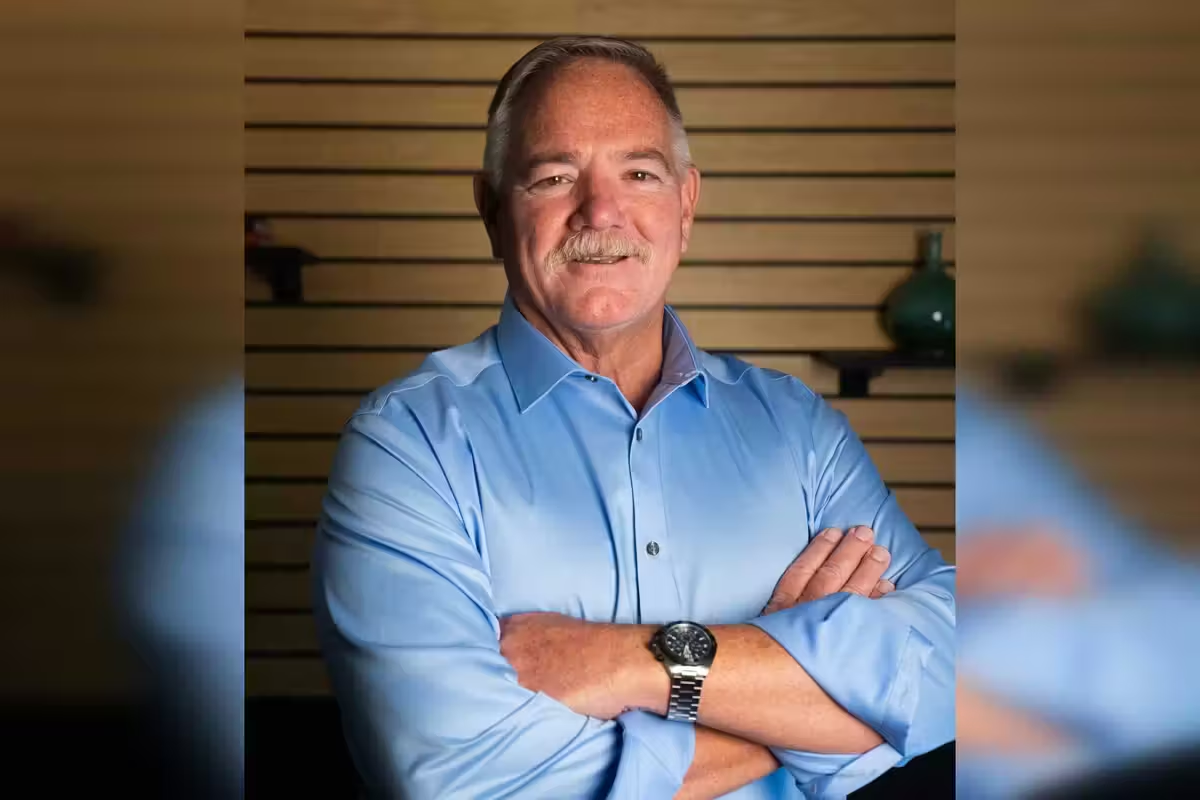
Jim Gebhart, founder and CEO of TheLabCafe.com. Courtesy photo.

Houston lab-test startup seeks $1M for nationwide expansion
Testing Access

Health care industry veteran Jim Gebhart knew there had to be a better way for patients to access lab services, especially those with high health insurance deductibles or no insurance at all.

“This challenge became deeply personal when a close family member developed a serious illness, and we struggled to secure prompt appointments,” Gebhart tells InnovationMap. “It’s incredibly frustrating when a loved one cannot receive timely care simply because of provider shortages or the limited capacity of traditional clinics.”

Driven by the desire to knock down lab-test barriers, Gebhart founded Houston-based TheLabCafe.com in 2024. The platform provides access to low-cost medical tests without requiring patients to carry health insurance. TheLabCafe serves patients in six states: Texas, Georgia, Louisiana, Nevada, New Mexico and Oklahoma. Gebhart, the startup’s CEO, says that by the end of March, LabCafe will be offering services in 20 more states and the District of Columbia.

Gebhart has spent more than 30 years in the lab industry. His career includes stints at Austin-based Clinical Pathology Laboratories, Ohio’s Cleveland Clinic Laboratories and Secaucus, New Jersey-based Quest Diagnostics.

“Since nearly 80 percent of disease diagnoses rely on laboratory testing, I decided to leverage my background to create a more accessible, self-directed process for individuals to order blood and urine tests on their own terms — when and where they need them,” says Gebhart.

So far, Gebhart is self-funding the startup. But he plans to seek $700,000 to $1 million in outside investments in late 2026 to support the nationwide expansion and the introduction of more services.

TheLabCafe contracts with labs for an array of tests, such as cholesterol, hepatitis, metabolic, testosterone, thyroid and sexually transmitted infection (STI) tests. A cholesterol test obtained through TheLabCafe might cost $29, compared with a typical cost of perhaps $39 to $59 without insurance.

A health care professional reviews every test, both when the test is ordered and when the results are delivered, often within 24 hours. After receiving test results, a patient can schedule a virtual visit with a health care professional to go over the findings and learn potential treatment options.

Gebhart says TheLabCafe particularly benefits uninsured patients, including those in Texas. Among the states, Texas has the highest rate of uninsured residents. U.S. Census Bureau data shows 21.6 percent of adults and 13.6 percent of children in Texas lacked health insurance in 2024.

“Uninsured patients often pay the highest prices in the health care system,” Gebhart explains. “We address this by offering straightforward pricing and convenient access to testing without requiring insurance.”

“Our rates are intentionally set to remain affordable, helping individuals take a proactive approach to their health,” he adds. “Regular testing enables people to identify potential health issues early and track their progress as they make lifestyle changes. Ultimately, you can’t measure improvement without data — and laboratory results provide that data.”

Ad Placement 300x100
Ad Placement 300x600

CultureMap Emails are Awesome

Austin company to bring AI-powered school to The Woodlands

AI education

Austin-based Alpha School, which operates AI-powered private schools, is opening its first Houston-area location in The Woodlands.

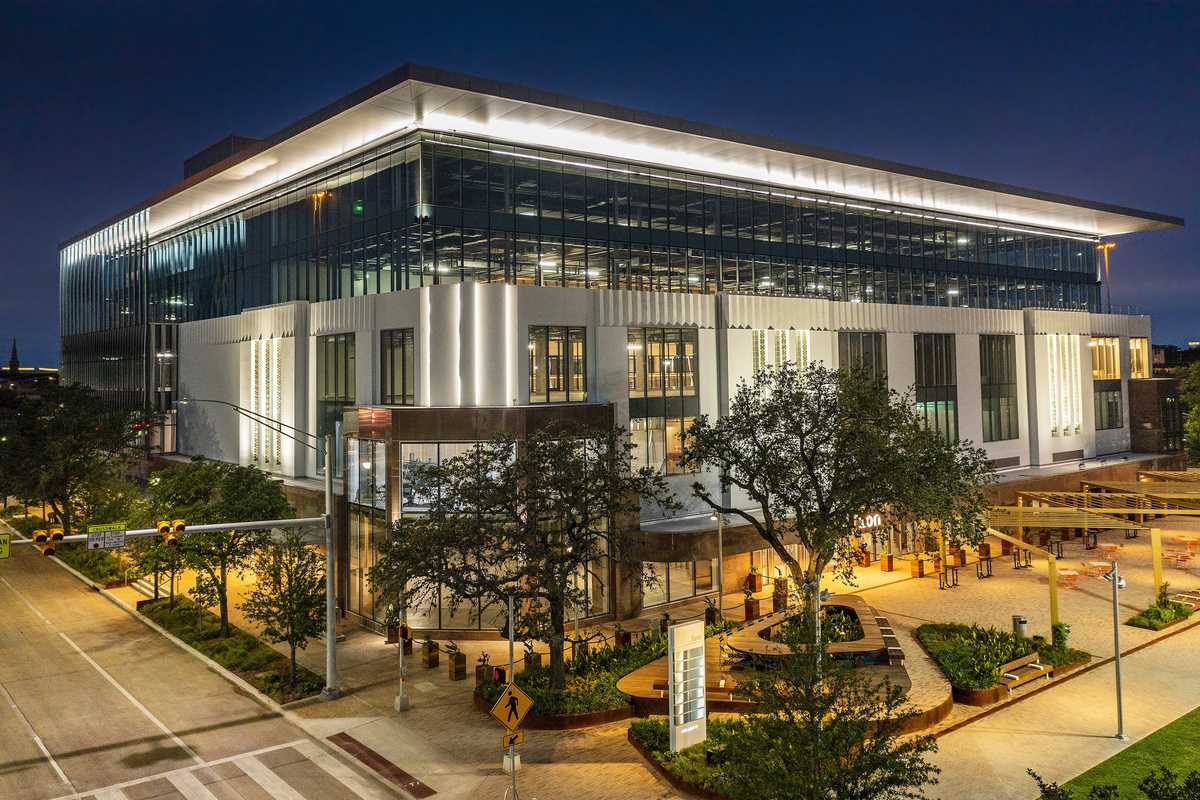
The 8,000-square-foot school, scheduled to be ready for the 2026-27 academic year, initially will serve students in kindergarten through eighth grade. Alpha says the school will offer “open workshop spaces and innovative classrooms that support personalized instruction, core academics, leadership development, and real-world life skills.”

Alpha sets aside two hours each school day for the AI-driven, self-paced study of core subjects like math, reading and science. The rest of each school day consists of life-skills workshops focusing on topics such as leadership and financial literacy.

Alpha’s school in The Woodlands has begun accepting applications for the 2026-27 school year. Annual tuition costs $40,000.

“The Woodlands is one of the most dynamic, forward-thinking communities in Texas, and Alpha is proud to bring

an innovative educational model that complements its strong academic foundation,” says Rachel Goodlad, head

of expansion for Alpha.

Founded in 2014, Alpha School combines adaptive technology-driven instruction with immersive life-skills workshops. Its model emphasizes mastery-based learning in core subjects alongside development of communication, critical thinking, financial literacy and leadership skills. It operates more than 15 schools across the country.

Elsewhere in Texas, Alpha operates schools in Austin, Brownsville, Fort Worth and Plano. Alpha also operates 12 Texas Sports Academy campuses in Texas, including locations in Houston, Pearland and Richmond, along with a NextGen Academy esports school in Austin, a school for gifted students in Georgetown, and lower-cost Nova Academy campuses in Austin and Bastrop.

Alpha has fans and critics. While supporters tout students’ high achievement rates, detractors complain about the high tuition and the AI-influenced depersonalization of education.

“Students and our country need to be in relationship with other human beings,” Randi Weingarten, president of the American Federation of Teachers, a teachers union, tells The New York Times. “When you have a school that is strictly AI, it is violating that core precept of the human endeavor and of education.”

Alpha co-founder MacKenzie Price, a podcaster and social media influencer, doesn’t share Weingarten’s views.

“Parents and teachers: We need to embrace this change,” Price wrote after President Trump signed an executive order promoting AI in schools.

The Times notes that Alpha doesn’t employ AI as a tutor or a supplement. Rather, the newspaper says, AI is “the school’s primary educational driver to move students through academic content.”

Houston researcher secures $1.7M to develop drug for aggressive form of breast cancer

cancer research

A University of Houston researcher has joined a $3.2 million effort to develop a new drug designed to attack a cancer-driving protein commonly found in triple-negative breast cancer.

Triple-negative breast cancer (TNBC) is one of the most difficult-to-treat forms of cancer and accounts for 10 percent to 15 percent of all breast cancer cases. The disease gets its name because tumors associated with it test negative for estrogen receptors, progesterone receptors and excess HER2 protein, making it difficult to target. Due to this, TNBC is often treated with general chemotherapy, which can come with negative side effects and drug resistance, according to UH.

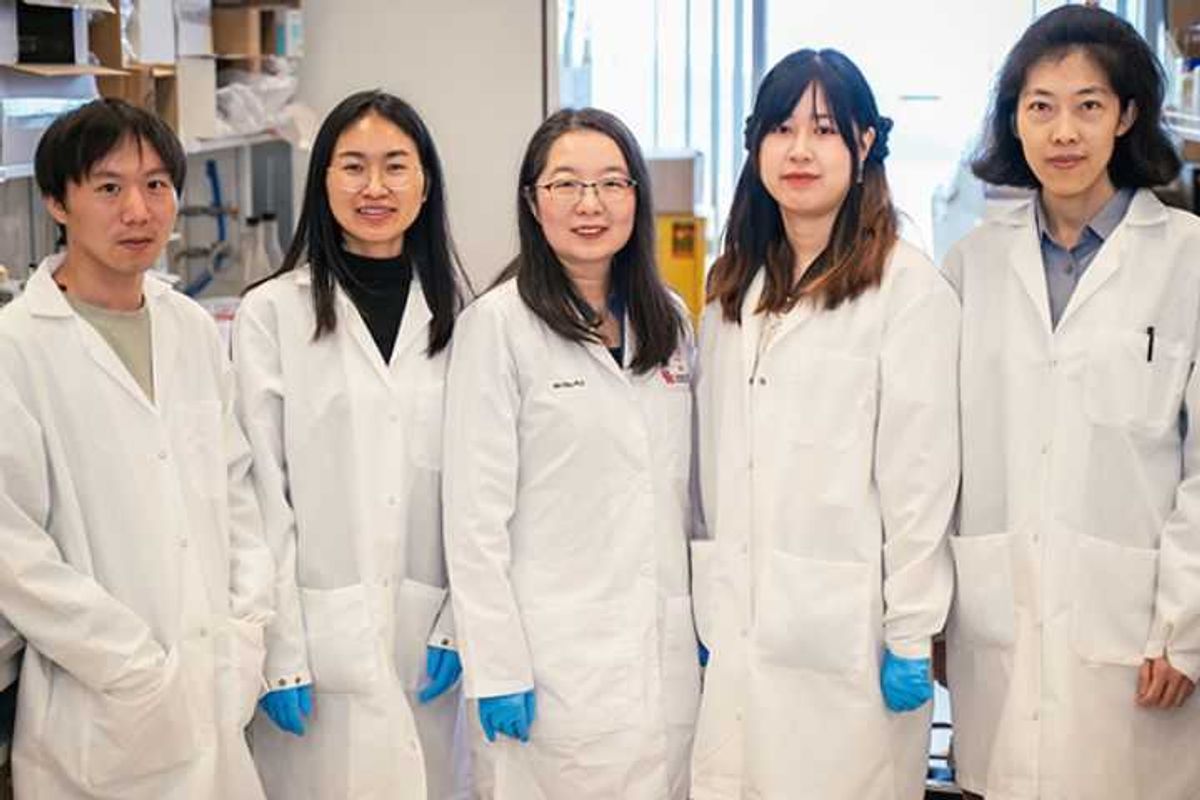
UH College of Pharmacy research associate professor Wei Wang is developing a drug that can target the disease more specifically. The drug will target MDM2, a protein often overproduced in TNBC that also contributes to faster tumor growth.

Wang is working on a team led by Wei Li, director of the University of Tennessee Health Science Center College of Pharmacy’s Drug Discovery Center. She has received $1.7 million to support the research.

Wang and UH professor of pharmacology and toxicology Ruiwen Zhang have discovered a compound that can break down MDM2. In early laboratory models, the compound has shown the ability to shrink tumors.

Wang and Zhang will focus on understanding how the treatment works and monitoring its effectiveness in models that closely mirror human disease.

“We will study how the drug targets MDM2 and evaluate the most promising drug candidates to determine effective dosing, understand how the drug behaves in the body, compare it with existing treatments and assess early safety,” Wang said in a news release.

Li’s team at the University of Tennessee will be working on the chemistry and drug design end of the project.

“This work could lead to an entirely new class of therapies for triple-negative breast cancer,” Li added in the release. “We’re hopeful that by directly removing the MDM2 protein from cancer cells, we can help more patients respond to treatment regardless of their tumor type.”