


Judging is underway for the 2025 Houston Innovation Awards.

Editor's note: Judging is now underway for the 2025 Houston Innovation Awards, and before we reveal this year's finalists, it's time to meet the decision makers.

Our 2025 judging panel comprises past award winners who represent a variety of industries and areas of expertise. They are joined by InnovationMap's editorial leaders, past and present. All are deeply engaged in the Houston innovation ecosystem.

Our judging panel will review all nominee applications submitted across 10 prestigious categories. They will determine the 2025 finalists in all categories, and they will select the winners in all but one category — our people's choice award, Startup of the Year.

Learn more about our esteemed judges below, and stay tuned for the 2025 Houston Innovation Awards finalists announcement, coming in early October!

Winners will be announced live at our awards ceremony on November 13 at Greentown Labs.

Phillip Yates, 2024 Ecosystem Builder of the Year
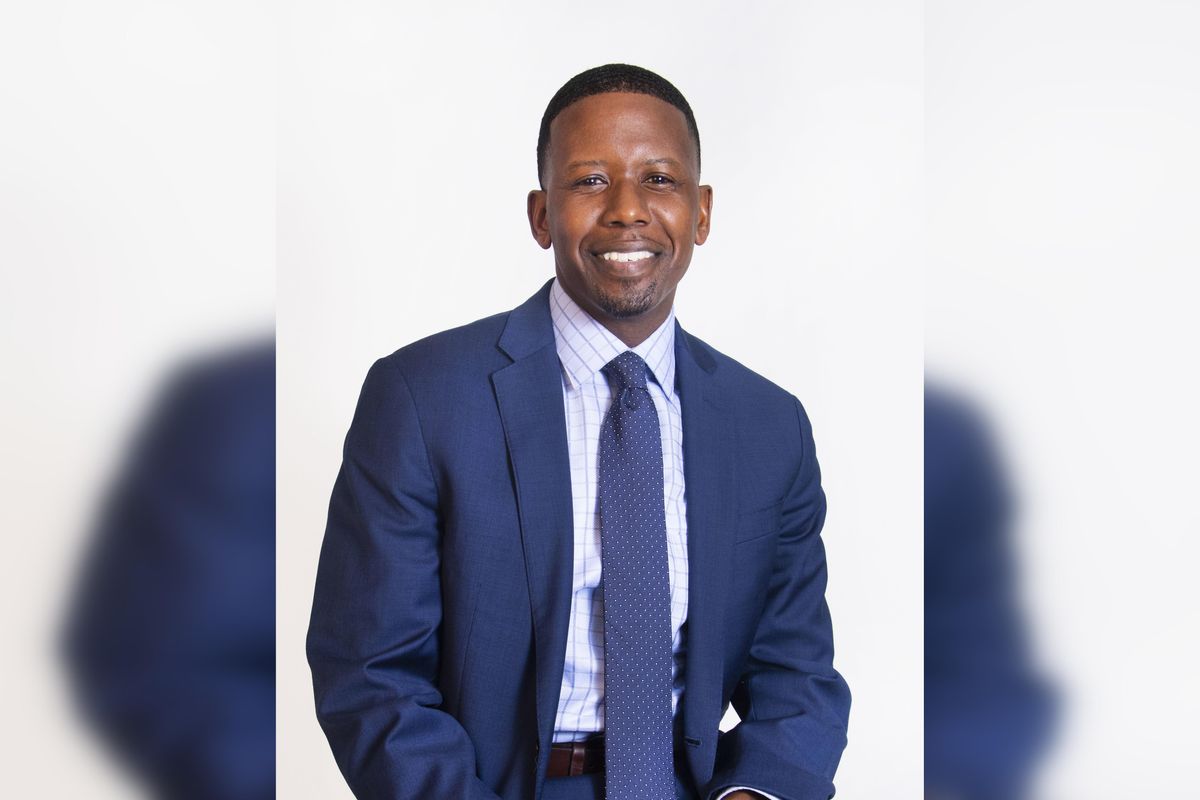
Phillip Yates. Photo courtesy of Equiliberty

Attorney-turned-entrepreneur Phillip Yates is the founder and CEO of Equiliberty Inc., a Houston-based fintech platform that connects users with resources to build wealth. Deeply involved in the Houston innovation sector, he helped establish a pre-venture business incubator at the Houston Area Urban League Entrepreneurship Center in 2011. He has served as general counsel for the Business Angel Minority Association and Direct Digital Holdings Inc., and currently serves as chairman of Impact Hub Houston.

"My favorite part of Houston's innovative ecosystem is the growing network of resources for founders," he said. "Given our racial, ethnic, and culturally diverse population, we have a wider range of experiences and perspectives — and ideas that lead to better problem solving, creative solutions, and understanding of the needs our community."

Mitra Miller, 2024 Mentor of the Year
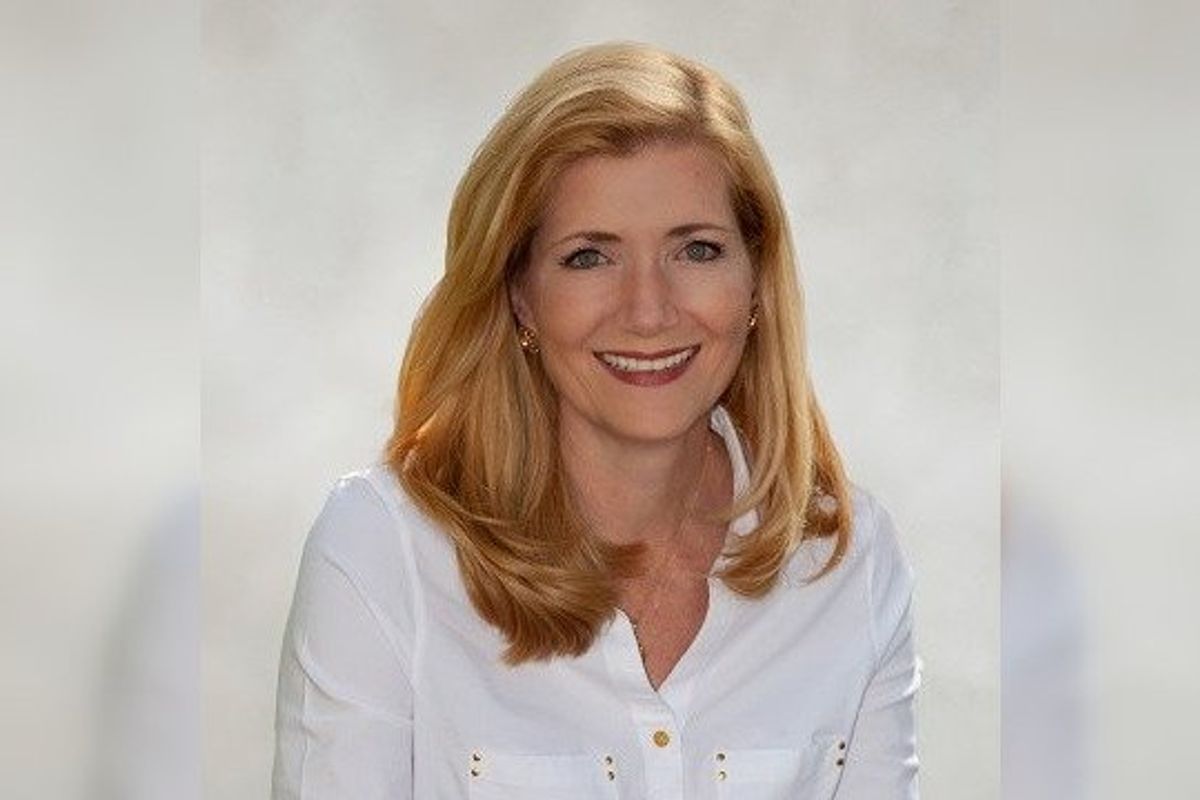
Mitra Miller. Photo via LinkedIn

Mitra Miller is vice president of Houston Angel Network, a nonprofit organization dedicated to developing the innovation ecosystem by supporting founders and startups with financial resources and mentorship. She is also founder and chair of Eagle Investors, a nonprofit that teaches students about the investment and innovation community, and she serves as an active mentor for numerous Houston organizations.

"Houston has the most friendly, open, collaborative, and inclusive innovation environment anywhere," Miller said. "When I ask individuals and organizations to partner on events and initiatives, they readily agree and give freely of their time and resources. There is a generosity of spirit that is very special to Houston."

Juliana Garaizar, 2024 Investor of the Year
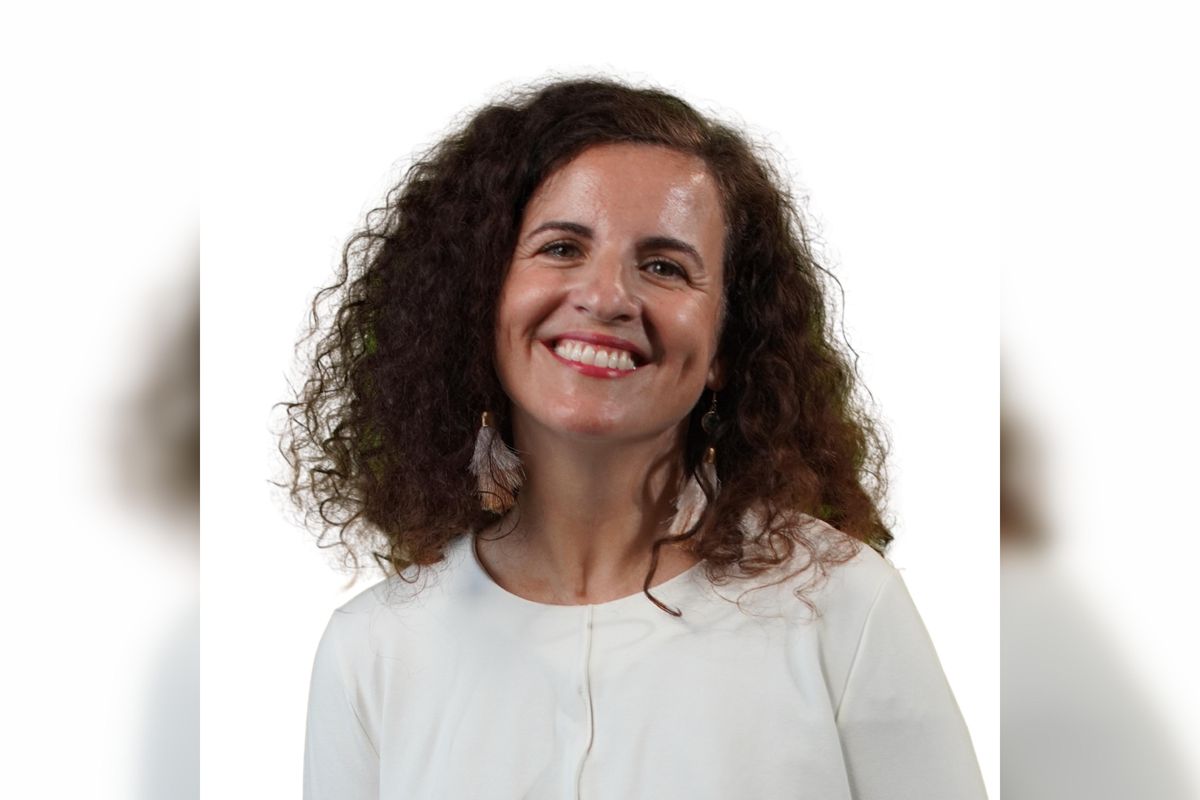
Juliana Garaizar. Photo courtesy of Juliana Garaizar

Juliana Garaizar is founding partner of Houston energy and carbontech ecosystem builder Energy Tech Nexus. "A hands-on investor," Garaizar invests in Houston and beyond with groups such as Portfolia, Houston Angel Network, Business Angel Minority Association, and more.

"Houston has the talent, the corporations, and the great intersection of industries where innovations happen: energy, medical, and space," she said. "Houston knows how to do hard things. We are doers, and we know how to build on our key strengths and are resilient when things don't go according to plan."

Anwar Sadek, Corrolytics, 2024 Minority-founded Business of the Year and Startup of the Year
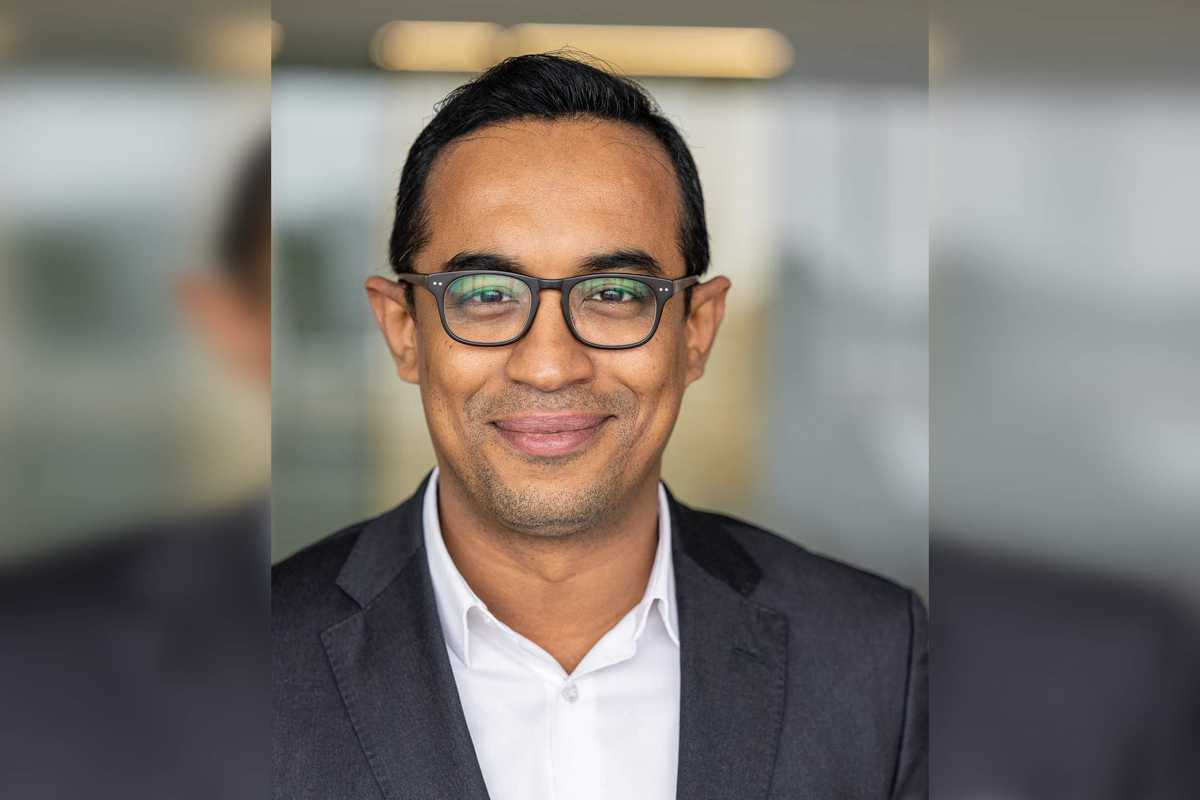
Anwar Sadek. Courtesy photo

Anwar Sadek is CEO and co-founder of Corrolytics, a technology startup that aims to solve microbiologically influenced corrosion problems for industrial assets. In 2023, Sadek made the bold decision to relocate his startup, which was founded in Ohio, to Houston. It was the winner of two Houston Innovation Awards last year.

"Houston is the energy capital of the world. For the technology we are developing, it is the most strategic move for us to be in this ecosystem and in this city," Sadek said.

Remington Tonar, Cart.com, 2024 Scaleup of the Year
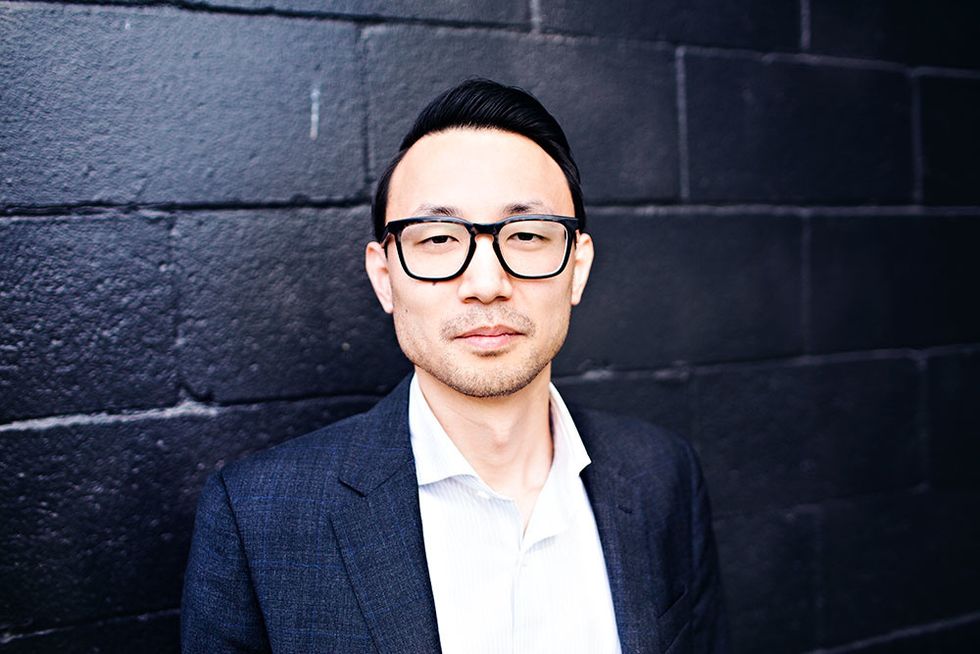
Remington Tonar. Courtesy photo

Remington Tonar is co-founder of Cart.com, a unified commerce and logistics solutions provider for B2C and B2B companies. Founded in Houston in 2020 by CEO/co-founder Omair Tariq and Tonar, Cart.com relocated to Austin in 2021, before returning to its roots and reestablishing its Houston headquarters in late 2023. The fast-growing e-commerce platform was then named Scaleup of the Year in the 2024 Houston Innovation Awards.

"When we think about Houston, we think about access to at-scale infrastructure, amenities, and workforce and talent pools," Tonar said, in regards to the relocation.

Laura Furr Mericas, Interim Editor, InnovationMap

Laura Furr Mericas is interim editor for InnovatonMap.com and EnergyCapitalHTX.com. She is a longtime contributor to both sites and has reported on Houston's innovation ecosystem for InnovationMap since 2020. Previously, she served as web editor and data reporter for Houston Business Journal.

Natalie Harms, Inaugural Editor, InnovationMap

Natalie Harms is the inaugural editor of InnovationMap.com, spearheading its launch in 2018 and shepherding its growth through 2024, as well as overseeing sister site, EnergyCapitalHTX.com. Prior to InnovationMap, Harms was associate editor for Houston Business Journal. She now covers the hotel and tourism industry as a reporter for Hotel News Now.

Ad Placement 300x100
Ad Placement 300x600

CultureMap Emails are Awesome

Houston startup takes on corrosion, a costly and overlooked climate threat

now streaming

Corrosion is not something most people think about, but for Houston's industrial backbone pipelines, refineries, chemical plants, and water infrastructure, it is a silent and costly threat. Replacing damaged steel and overusing chemicals adds hundreds of millions of tons of carbon emissions every year. Despite the scale of the problem, corrosion detection has barely changed in decades.

In a recent episode of the Energy Tech Startups Podcast, Anwar Sadek, founder and CEO of Corrolytics, explained why the traditional approach is not working and how his team is delivering real-time visibility into one of the most overlooked challenges in the energy transition.

From Lab Insight to Industrial Breakthrough

Anwar began as a researcher studying how metals degrade and how microbes accelerate corrosion. He quickly noticed a major gap. Companies could detect the presence of microorganisms, but they could not tell whether those microbes were actually causing corrosion or how quickly the damage was happening. Most tests required shipping samples to a lab and waiting months for results, long after conditions inside the asset had changed.

That gap inspired Corrolytics' breakthrough. The company developed a portable, real-time electrochemical test that measures microbial corrosion activity directly from fluid samples. No invasive probes. No complex lab work. Just the immediate data operators can act on.

“It is like switching from film to digital photography,” Anwar says. “What used to take months now takes a couple of hours.”

Why Corrosion Matters in Houston's Energy Transition

Houston's energy transition is a blend of innovation and practicality. While the world builds new low-carbon systems, the region still depends on existing industrial infrastructure. Keeping those assets safe, efficient, and emission-conscious is essential.

This is where Corrolytics fits in. Every leak prevented, every pipeline protected, and every unnecessary gallon of biocide avoided reduces emissions and improves operational safety. The company is already seeing interest across oil and gas, petrochemicals, water and wastewater treatment, HVAC, industrial cooling, and biofuels. If fluids move through metal, microbial corrosion can occur, and Corrolytics can detect it.

Because microbes evolve quickly, slow testing methods simply cannot keep up. “By the time a company gets lab results, the environment has changed completely,” Anwar explains. “You cannot manage what you cannot measure.”

A Scientist Steps Into the CEO Role

Anwar did not plan to become a CEO. But through the National Science Foundation's ICorps program, he interviewed more than 300 industry stakeholders. Over 95 percent cited microbial corrosion as a major issue with no effective tool to address it. That validation pushed him to transform his research into a product.

Since then, Corrolytics has moved from prototype to real-world pilots in Brazil and Houston, with early partners already using the technology and some preparing to invest. Along the way, Anwar learned to lead teams, speak the language of industry, and guide the company through challenges. “When things go wrong, and they do, it is the CEO's job to steady the team,” he says.

Why Houston

Relocating to Houston accelerated everything. Customers, partners, advisors, and manufacturing talent are all here. For industrial and energy tech startups, Houston offers an ecosystem built for scale.

What's Next

Corrolytics is preparing for broader pilots, commercial partnerships, and team growth as it continues its fundraising efforts. For anyone focused on asset integrity, emissions reduction, or industrial innovation, this is a company to watch.

Listen to the full conversation with Anwar Sadek on the Energy Tech Startups Podcast to learn more:

---

Energy Tech Startups Podcast is hosted by Jason Ethier and Nada Ahmed. It delves into Houston's pivotal role in the energy transition, spotlighting entrepreneurs and industry leaders shaping a low-carbon future.

This article originally appeared on our sister site, EnergyCapitalHTX.com.

These 50+ Houston scientists rank among world’s most cited

science stars

Fifty-one scientists and professors from Houston-area universities and institutions were named among the most cited in the world for their research in medicine, materials sciences and an array of other fields.

The Clarivate Highly Cited Researchers considers researchers who have authored multiple "Highly Cited Papers" that rank in the top 1percent by citations for their fields in the Web of Science Core Collection. The final list is then determined by other quantitative and qualitative measures by Clarivate's judges to recognize "researchers whose exceptional and community-wide contributions shape the future of science, technology and academia globally."

This year, 6,868 individual researchers from 60 different countries were named to the list. About 38 percent of the researchers are based in the U.S., with China following in second place at about 20 percent.

However, the Chinese Academy of Sciences brought in the most entries, with 258 researchers recognized. Harvard University with 170 researchers and Stanford University with 141 rounded out the top 3.

Looking more locally, the University of Texas at Austin landed among the top 50 institutions for the first time this year, tying for 46th place with the Mayo Clinic and University of Minnesota Twin Cities, each with 27 researchers recognized.

Houston once again had a strong showing on the list, with MD Anderson leading the pack. Below is a list of the Houston-area highly cited researchers and their fields.

UT MD Anderson Cancer Center

  • Ajani Jaffer (Cross-Field)
  • James P. Allison (Cross-Field)
  • Maria E. Cabanillas (Cross-Field)
  • Boyi Gan (Molecular Biology and Genetics)
  • Maura L. Gillison (Cross-Field)
  • David Hong (Cross-Field)
  • Scott E. Kopetz (Clinical Medicine)
  • Pranavi Koppula (Cross-Field)
  • Guang Lei (Cross-Field)
  • Sattva S. Neelapu (Cross-Field)
  • Padmanee Sharma (Molecular Biology and Genetics)
  • Vivek Subbiah (Clinical Medicine)
  • Jennifer A. Wargo (Molecular Biology and Genetics)
  • William G. Wierda (Clinical Medicine)
  • Ignacio I. Wistuba (Clinical Medicine)
  • Yilei Zhang (Cross-Field)
  • Li Zhuang (Cross-Field)

Rice University

  • Pulickel M. Ajayan (Materials Science)
  • Pedro J. J. Alvarez (Environment and Ecology)
  • Neva C. Durand (Cross-Field)
  • Menachem Elimelech (Chemistry and Environment and Ecology)
  • Zhiwei Fang (Cross-Field)
  • Naomi J. Halas (Cross-Field)
  • Jun Lou (Materials Science)
  • Aditya D. Mohite (Cross-Field)
  • Peter Nordlander (Cross-Field)
  • Andreas S. Tolias (Cross-Field)
  • James M. Tour (Cross-Field)
  • Robert Vajtai (Cross-Field)
  • Haotian Wang (Chemistry and Materials Science)
  • Zhen-Yu Wu (Cross-Field)

Baylor College of Medicine

  • Nadim J. Ajami (Cross-Field)
  • Biykem Bozkurt (Clinical Medicine)
  • Hashem B. El-Serag (Clinical Medicine)
  • Matthew J. Ellis (Cross-Field)
  • Richard A. Gibbs (Cross-Field)
  • Peter H. Jones (Pharmacology and Toxicology)
  • Sanjay J. Mathew (Cross-Field)
  • Joseph F. Petrosino (Cross-Field)
  • Fritz J. Sedlazeck (Biology and Biochemistry)
  • James Versalovic (Cross-Field)

University of Houston

  • Zhifeng Ren (Cross-Field)
  • Yan Yao (Cross-Field)
  • Yufeng Zhao (Cross-Field)
  • UT Health Science Center Houston
  • Hongfang Liu (Cross-Field)
  • Louise D. McCullough (Cross-Field)
  • Claudio Soto (Cross-Field)

UTMB Galveston

  • Erez Lieberman Aiden (Cross-Field)
  • Pei-Yong Shi (Cross-Field)

Houston Methodist

  • Eamonn M. M. Quigley (Cross-Field)

New report shows surge in startup activity in Houston and across Texas

by the numbers

Houston and the rest of Texas are experiencing a boom in the creation of startups.

One barometer of growth in startup activity: The Houston metro area saw a 92 percent rise from 2024 to 2025 in the number of account applications submitted to Bluevine, a banking platform for small businesses.

New data from Bluevine also shows healthy year-over-year growth in account applications submitted by entrepreneurs in Texas’ three other major metros:

  • 242 percent growth in the San Antonio area
  • 153 percent growth in the Austin area
  • 28 percent growth in Dallas-Fort Worth

Further evidence of Texas’ uptick in business creation comes from a new state-by-state analysis of U.S. Census Bureau data by digital mailbox provider iPostal1.

From 2019 to 2024, the number of new business applications jumped 60 percent in Texas, according to the iPostal1 analysis. Wyoming tops the list, with a five-year growth rate of 216 percent.

“The U.S. has no shortage of ambition, but opportunity isn’t spread evenly,” says Jeff Milgram, founder and CEO of iPostal1. “In states like New York, Florida, and Texas, entrepreneurship is booming — people are starting businesses, taking risks, and finding opportunity.”

“Other states are still catching up,” Milgram adds. “Sometimes it’s access to funding, sometimes local policy, or just the confidence that new ventures will be supported.”

Women own many of the new businesses sprouting in Texas, according to a new analysis of 2024-25 data from the U.S. Small Business Administration. The analysis, done by SimpleTiger, a marketing agency for software-as-a-service (SaaS), shows Texas ranks eighth for the highest concentration of women entrepreneurs (109 per 1,000 female residents) among all states. That rate is three percent higher than the national average.

“Women entrepreneurs are no longer a side story in small business growth; they’re a leading indicator of where local economies are expanding next,” SimplyTiger says. “When women-owned business density is high, it usually signals stronger access to customers, networks, and startup pathways that make it easier to launch and keep going.”

In a December news release, Gov. Greg Abbott highlights Texas’ nation-leading job gains over the past 12 months, driven by employers small and large.

“From innovative startups to Fortune 500 corporations, job-creating businesses invest with confidence in Texas,” Abbott says. “With our strong and growing workforce, we will continue to expand career and technical training programs for better jobs and bigger paycheck opportunities for more Texans.”