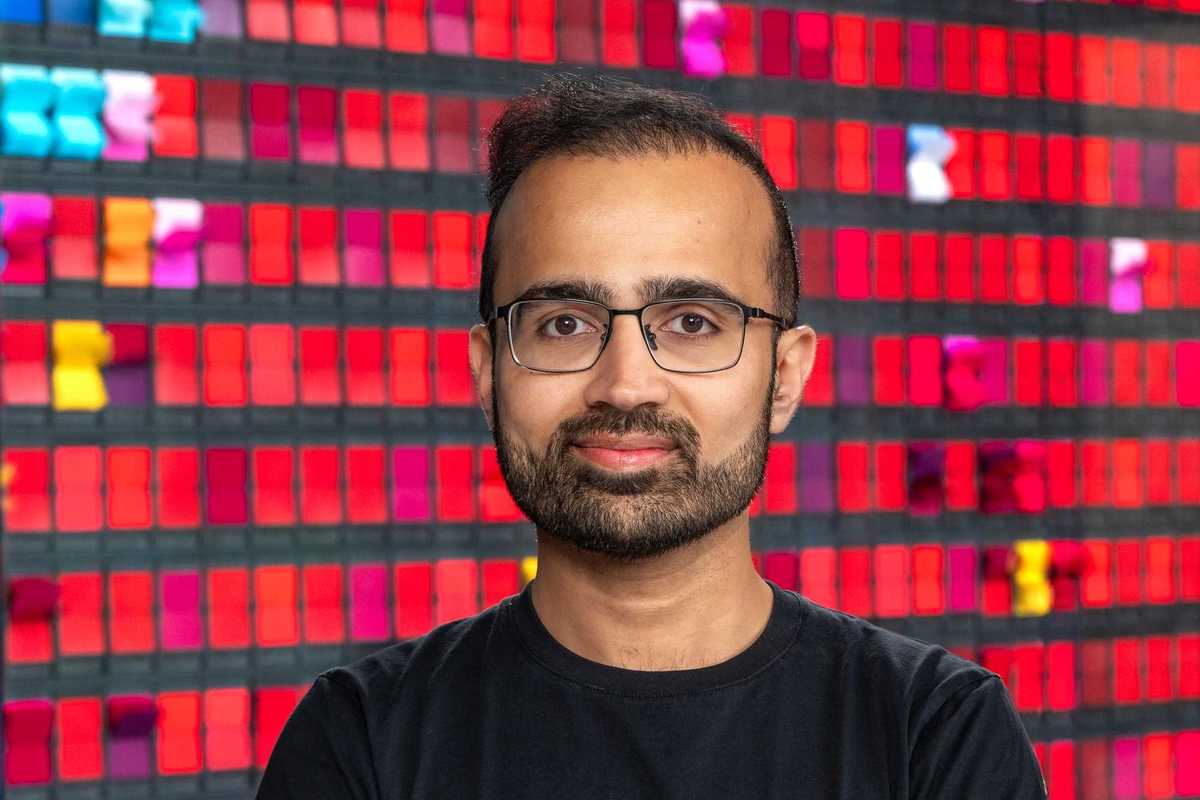
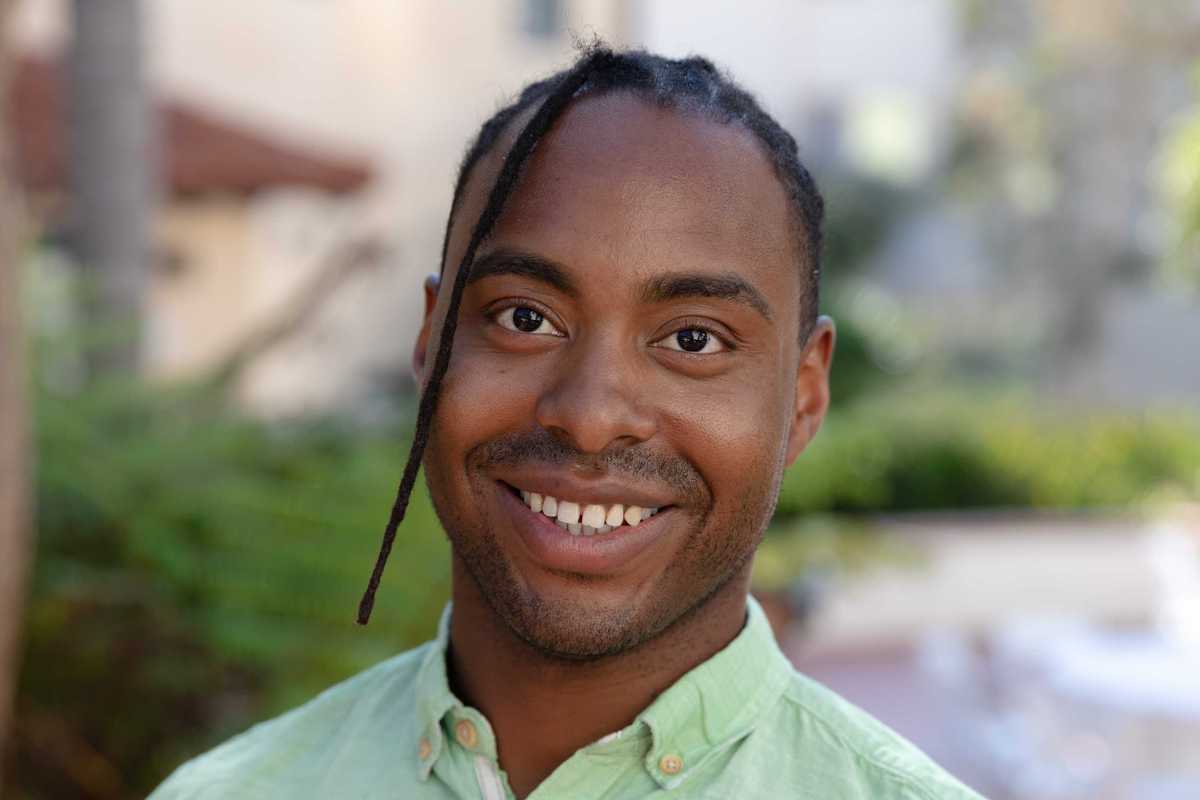
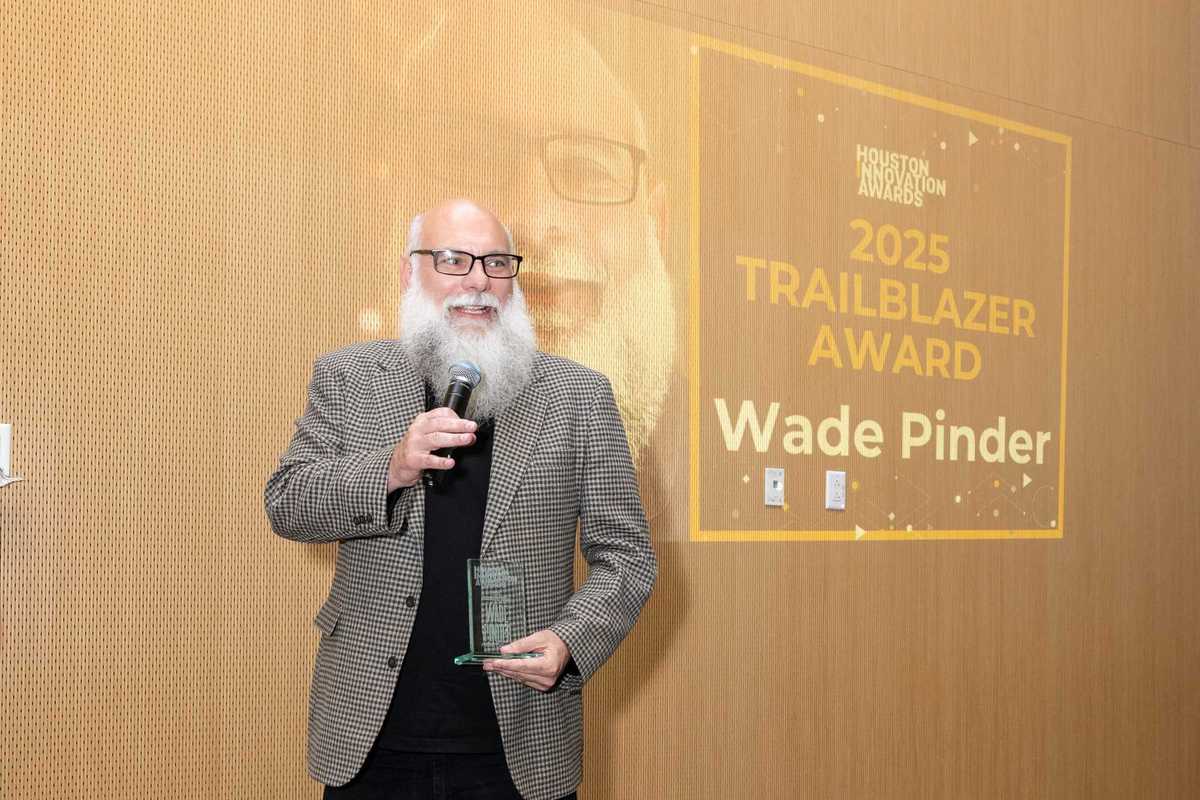
HF Capital, the Knoxville, Tennessee-based investment arm of the Haslam family, made the multimillion-dollar commitment to set up Ara Energy Decarbonization. Photo via Getty Images

Houston-based Ara Partners, a private equity firm that focuses on industrial decarbonization investments, is receiving up to $725 million from a Tennessee-based family office to launch an energy decarbonization unit.

HF Capital, the Knoxville, Tennessee-based investment arm of the Haslam family, made the multimillion-dollar commitment to set up Ara Energy Decarbonization. The new business will work toward reducing carbon emissions at ethanol plants, natural gas power plants, and other traditional energy assets.

The Haslam family founded Pilot Co., North America’s largest transportation fuel business and chain of travel centers. Shameek Konar, former CEO of Pilot, has been tapped to lead Ara Energy Decarbonization.

“It is an uncomfortable truth that highly pollutive energy sources are going to play an essential role in delivering an energy transition over the next several decades,” Charles Cherington, co-founder and managing partner of Ara, says in a news release. “We can ignore these staggering carbon emissions, or we can apply our proven methods and financing expertise to decarbonize the conventional energy value chain.”

The energy sector accounts for more than 75 percent of global greenhouse gas emissions.

“The world’s energy demands are increasing and complex, and renewable power needs time and support for it to fulfill rising global energy demand. Ara’s … skillset, portfolio network, and decarbonization management knowledge [are] perfectly positioned to attack the carbon-intensive energy sector,” Konar says.

Ara Partners closed its third private equity fund in December 2023 with over $2.8 billion in new commitments. As of June 30, 2024, Ara Partners had about $6.3 billion of assets under management.

------

This article originally ran on EnergyCapital.

Ad Placement 300x100
Ad Placement 300x600

CultureMap Emails are Awesome

Tech giant Apple doubles down on Houston with new production facility

coming soon

Tech giant Apple announced that it will double the size of its Houston manufacturing footprint as it brings production of its Mac mini to the U.S. for the first time.

The company plans to begin production of its compact desktop computer at a new factory at Apple’s Houston manufacturing site later this year. The move is expected to create thousands of jobs in the Houston area, according to Apple.

Last year, the Cupertino, California-based company announced it would open a 250,000-square-foot factory to produce servers for its data centers in the Houston area. The facility was originally slated to open in 2026, but Apple reports it began production ahead of schedule in 2025.

The addition of the Mac mini operations at the site will bring the footprint to about 500,000 square feet, the Houston Chronicle reports. The New York Times previously reported that Taiwanese electronics manufacturer Foxconn would be involved in the Houston factory.

Apple also announced plans to open a 20,000-square-foot Advanced Manufacturing Center in Houston later this year. The project is currently under construction and will "provide hands-on training in advanced manufacturing techniques to students, supplier employees, and American businesses of all sizes," according to the announcement. Apple opened a similar Apple Manufacturing Academy in Detroit last year.

Apple doubles down on Houston with new production facility, training center Photo courtesy Apple.

“Apple is deeply committed to the future of American manufacturing, and we’re proud to significantly expand our footprint in Houston with the production of Mac mini starting later this year,” Tim Cook, Apple’s CEO, said in the news release. “We began shipping advanced AI servers from Houston ahead of schedule, and we’re excited to accelerate that work even further.”

Apple's Houston expansion is part of a $600 billion commitment the company made to the U.S. in 2025.

Houston energy trailblazer Fervo taps into hottest reservoir to date

Heating Up

Things are heating up at Houston-based geothermal power company Fervo Energy.

Fervo recently drilled its hottest well so far at a new geothermal site in western Utah. Fewer than 11 days of drilling more than 11,000 feet deep at Project Blanford showed temperatures above 555 degrees Fahrenheit, which exceeds requirements for commercial viability. Fervo used proprietary AI-driven analytics for the test.

Hotter geothermal reservoirs produce more energy and improve what’s known as energy conversion efficiency, which is the ratio of useful energy output to total energy input.

“Fervo’s exploration strategy has always been underpinned by the seamless integration of cutting-edge data acquisition and advanced analytics,” Jack Norbeck, Fervo’s co-founder and chief technology officer, said in a news release. “This latest ultra-high temperature discovery highlights our team’s ability to detect and develop EGS sweet spots using AI-enhanced geophysical techniques.”

Fervo says an independent review confirms the site’s multigigawatt potential.

The company has increasingly tapped into hotter and hotter geothermal reservoirs, going from 365 degrees at Project Red to 400 degrees at Cape Station and now more than 555 degrees at Blanford.

The new site expands Fervo’s geologic footprint. The Blanford reservoir consists of sedimentary formations such as sandstones, claystones and carbonates, which can be drilled more easily and cost-effectively than more commonly targeted granite formations.

Fervo ranks among the top-funded startups in the Houston area. Since its founding in 2017, the company has raised about $1.5 billion. In January, Fervo filed for an IPO that would value the company at $2 billion to $3 billion, according to

Axios Pro.

---

This article originally appeared on EnergyCapitalHTX.com.

11 Houston researchers named to Rice innovation cohort

top of class

The Liu Idea Lab for Innovation and Entrepreneurship (Lilie) has named 11 students and researchers with breakthrough ideas to its 2026 Rice Innovation Fellows cohort.

The program, first launched in 2022, aims to support Rice Ph.D. students and postdocs in turning their research into real-world ventures. Participants receive $10,000 in translational research funding, co-working space and personalized mentorship.

The eleven 2026 Innovation Fellows are:

Ehsan Aalaei, Bioengineering, Ph.D. 2027

Professor Michael King Laboratory

Aalaei is developing new therapies to prevent the spread of cancer.

Matt Lee, Bioengineering, Ph.D. 2027

Professor Caleb Bashor Laboratory

Lee’s work uses AI to design the genetic instructions for more effective therapies.

Thomas Howlett, Bioengineering, Postdoctoral 2028

Professor Kelsey Swingle Laboratory

Howlett is developing a self-administered, nonhormonal treatment for heavy menstrual bleeding.

Jonathan Montes, Bioengineering, Ph.D. 2025

Professor Jessica Butts Laboratory

Montes and his team are developing a fast-acting, long-lasting nasal spray to relieve chronic and acute anxiety.

Siliang Li, BioSciences, Postdoctoral 2025

Professor Caroline Ajo-Franklin Laboratory

Li is developing noninvasive devices that can quickly monitor gut health signals.

Gina Pizzo, Statistics, Lecturer

Pizzo’s research uses data modeling to forecast crop performance and soil health.

Alex Sadamune, Bioengineering, Ph.D. 2027

Professor Chong Xie Laboratory

Sadamune is working to scale the production of high-precision neural implants.

Jaeho Shin, Chemistry, Postdoctoral 2027

Professor James M. Tour Laboratory

Shin is developing next-generation semiconductor and memory technologies to advance computing and AI.

Will Schmid, Electrical and Computer Engineering, Postdoctoral 2025

Professor Alessandro Alabastri Laboratory

Schmid is developing scalable technologies to recover critical minerals from high-salinity resources.

Khadija Zanna, Electrical and Computer Engineering, Ph.D. 2026

Professor Akane Sano Laboratory

Zanna is building machine learning tools to help companies deploy advanced AI in compliance with complex global regulations.

Ava Zoba, Materials Science and Nano Engineering, Ph.D. 2029

Professor Christina Tringides Laboratory

Zoba is designing implantable devices to improve the monitoring of brain function following tumor-removal surgery.

According to Rice, its Innovation Fellows have gone on to raise over $30 million and join top programs, including The Activate Fellowship, Chain Reaction Innovations Fellowship, the Texas Medical Center’s Cancer Therapeutics Accelerator and the Rice Biotech Launch Pad. Past participants include ventures like Helix Earth Technologies and HEXASpec.

“These fellows aren’t just advancing science — they’re building the future of industry here at Rice,” Kyle Judah, Lilie’s executive director, said in a news release. “Alongside their faculty members, they’re stepping into the uncertainty of turning research into real-world solutions. That commitment is rare, and it’s exactly why Lilie and Rice are proud to stand shoulder-to-shoulder with them and nurture their ambition to take on civilization-scale problems that truly matter.”