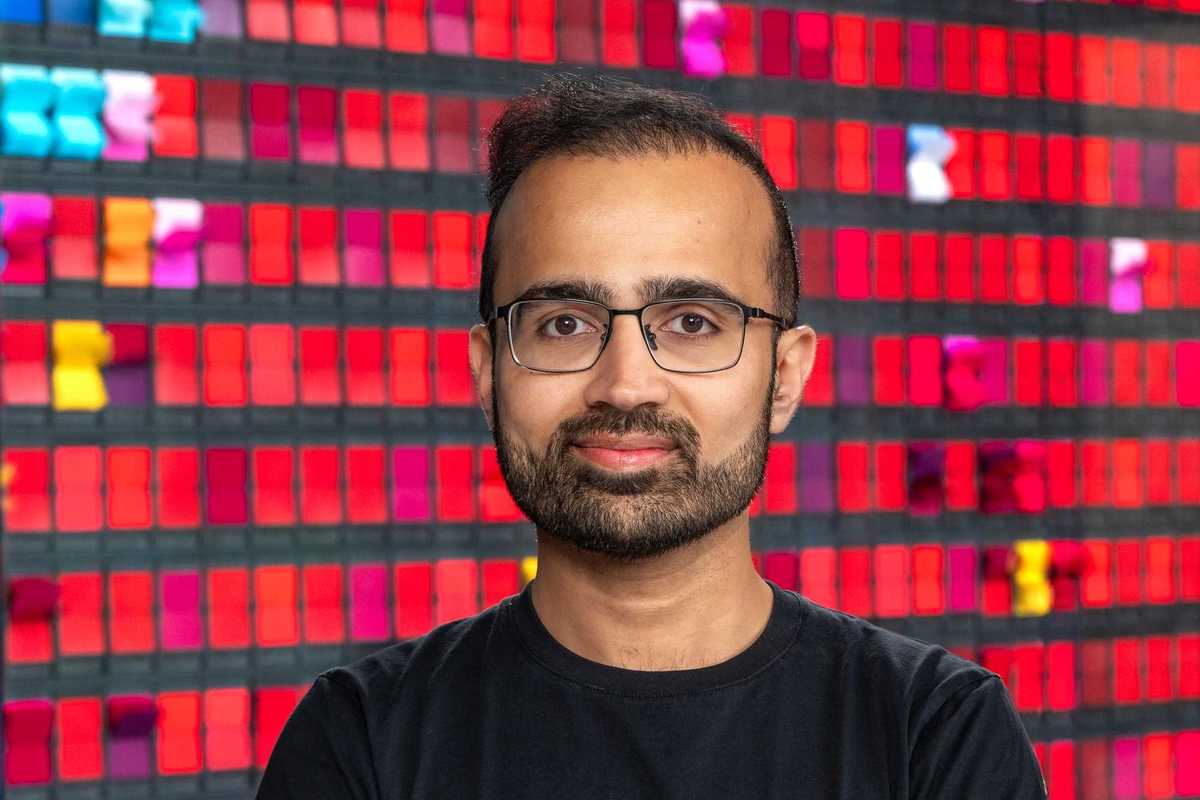
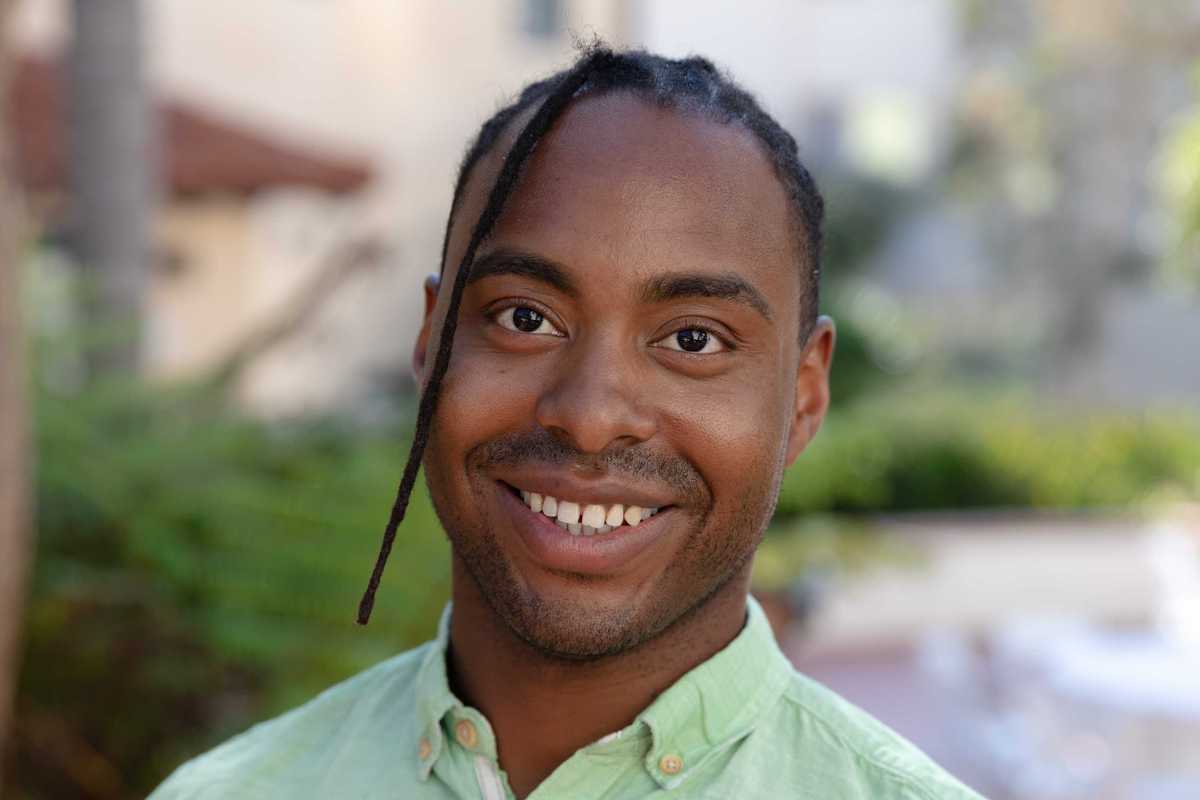
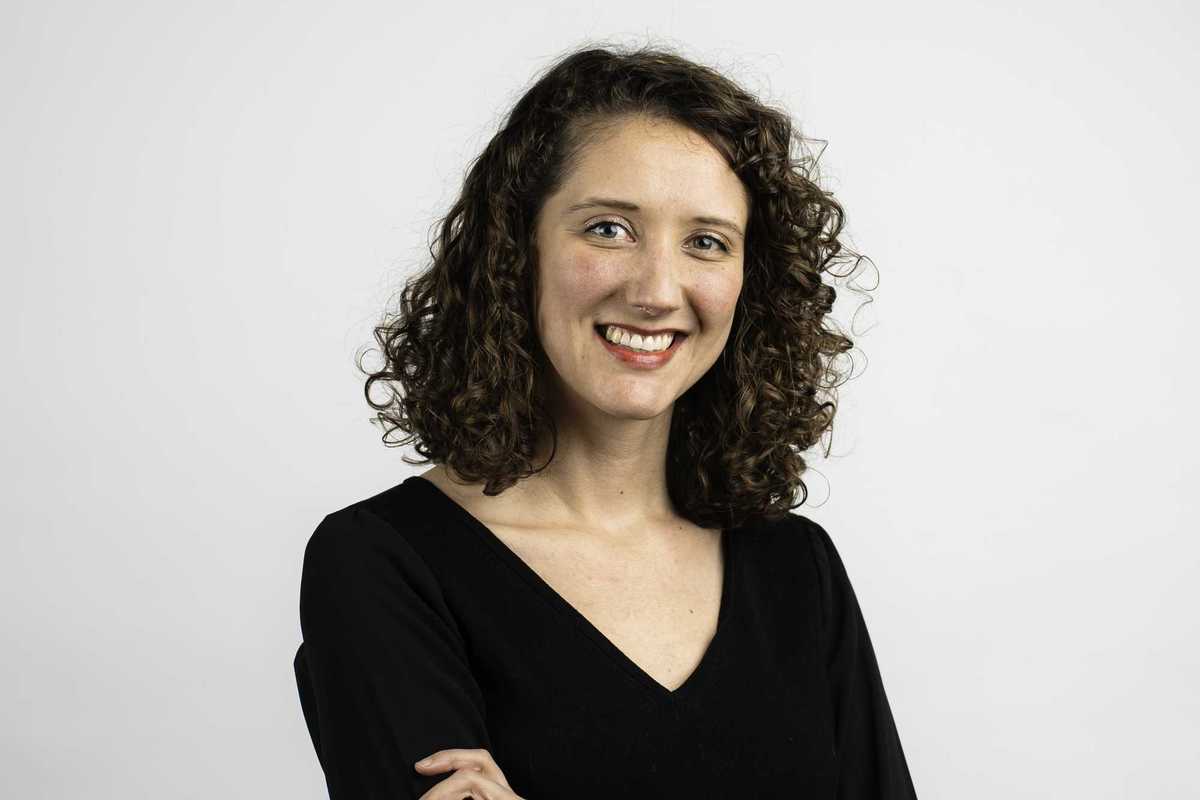
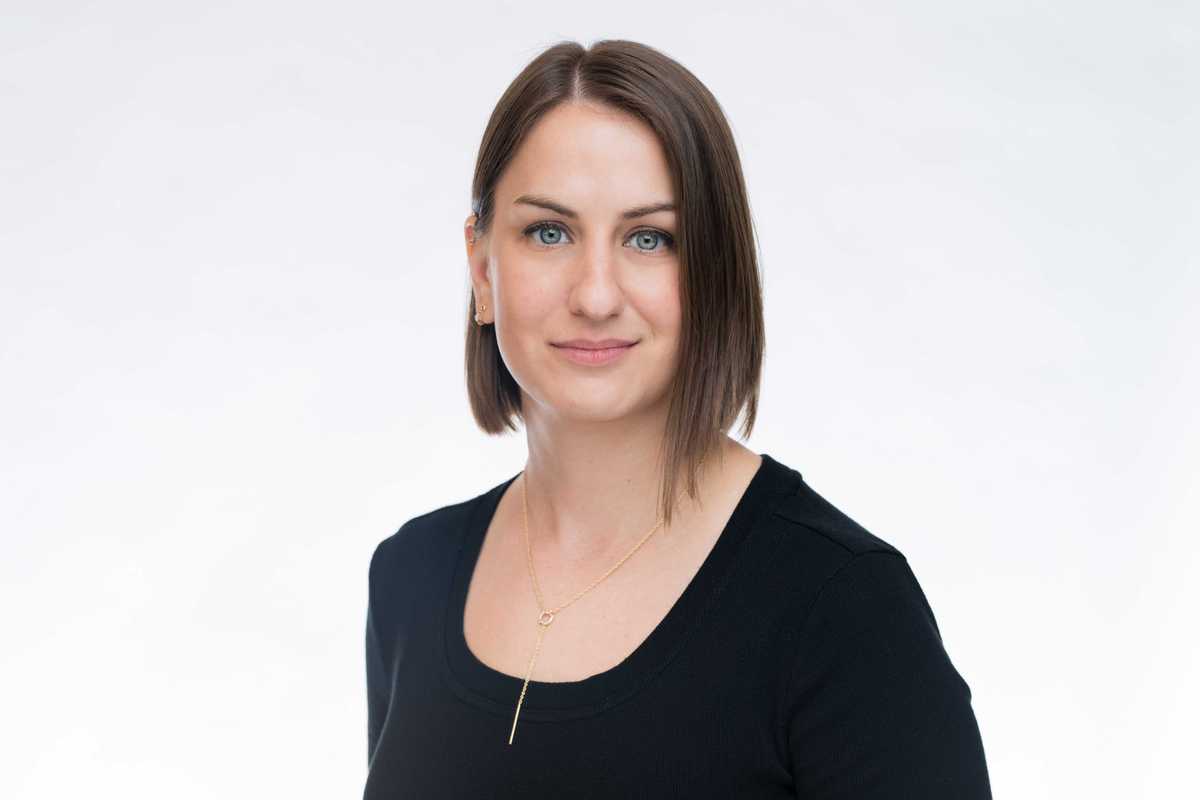
Rice University scientists Jeffrey Hartgerink, Brett Pogostin and Kevin McHugh have developed SABER, a peptide hydrogel system for drug delivery. Photos courtesy Rice University.

A team of Rice University scientists has developed a new drug delivery platform that researchers say can slow the rate of drug release, which has major implications for drug efficacy and potentially cancer immunotherapy.

The research was published in Nature Nanotechnology, and supported by the National Science Foundation, the National Institutes of Health, the Cancer Prevention and Research Institute of Texas and the Welch Foundation.

In the study, the team demonstrated how a peptide hydrogel functions as a three-dimensional network that controls the rate of release across a range of medication types, including small-molecule drugs and biologics such as insulin and antibodies. The system, called self-assembling boronate ester release (SABER), uses reversible chemical bonds between the peptide and the drug molecule to extend the duration of drug release. Instead of passing quickly through the net, the drug gets temporarily “stuck” each time it binds to the peptide, which slows its passage out of the hydrogel, according to Rice.

The researchers formulated a tuberculosis-treating drug into a hydrogel. They used it to treat infected mice with a single injection of the drug-laden hydrogel. In the test, the hydrogel outperformed almost daily oral administration of the medication over two weeks. Insulin packaged in SABER hydrogels successfully controlled blood sugar levels in diabetic mice for six days in another set of experiments.

Brett Pogostin, a Rice doctoral alum who led the development of SABER and served as first author of the study, began working on self-assembling peptides as an undergraduate student at Rice. Jeffrey Hartgerink, a professor of chemistry and bioengineering at Rice, and Kevin McHugh, associate professor of bioengineering and chemistry and a Cancer Prevention and Research Institute of Texas scholar, advised Pogostin and served as corresponding authors on the study.

Pogostin’s work aimed to bridge foundational materials research and biomedical applications. SABER was inspired by a drug delivery course taught by McHugh, where Pogostin learned about dynamic covalent bonds used in glucose sensing, where the bonds reversibly form and break apart. That quality inspired Pogostin to adapt the concept for drug delivery.

“Brett really drove this project in a way that is, in my experience, unusual for a graduate student,” Hartgerink said in the news release. “It’s a very versatile approach. You can make both small-molecule drugs and very large biologics sticky with the type of chemistry that Brett developed.”

The team demonstrated the platform in two different use cases with Tuberculosis and Type 1 diabetes, with SABER simplifying dosing and enhancing the efficacy of the drugs. Hartgerink described the current SABER system as “generation one,” and plans to work to make it widely applicable. He is looking into how SABER could be applied to cancer immunotherapy.

“What I’m really passionate about right now is cancer prevention — trying to think about how we can use materials to prime the immune system to prevent cancer from ever happening as opposed to just treating it,” Pogostin added.

Ad Placement 300x100
Ad Placement 300x600

CultureMap Emails are Awesome

Houston residents rank economy as biggest problem, new Kinder survey shows

by the numbers

The region’s economy tops the list of concerns of Houston-area residents surveyed by Rice University’s Kinder Institute for Urban Research.

Respondents in the Kinder Houston Area Survey, which questioned nearly 9,000 residents of Harris, Fort Bend and Montgomery counties, cite the regional economy as the area’s “biggest problem.”

Shrinking confidence in job opportunities and growing household financial pressures fueled the grim economic outlook:

  • The share of residents rating job prospects as “good” or “excellent” fell by more than 25 percentage points, the sharpest single-year decline since the 1980s.
  • Seventy-nine percent of those earning less than $25,000 said they’d be unable to cover an unplanned $400 expense. That was up from 72 percent last year. In the $50,000-to-$99,999 category, the figure was 39 percent, up from 30 percent last year.
  • More than 20 percent of residents said their financial status was worse than it was 12 months earlier.

“These challenges were particularly notable among lower- and middle-earning households,” according to a report about the survey.

Dan Potter, co-director of the institute’s Houston Population Research Center, says the annual survey “provides community leaders and the public with a map of where we’ve been on key issues, where we are now, and what’s of looming importance. It allows everyone to work together toward a better future for our city and our region.”

Houston-based Oxy officially announces CEO transition, names successor

Team Transition

Houston-based Occidental (Oxy) has officially announced its longtime CEO's retirement and her successor.

Oxy shared that Vicki Hollub will retire June 1. Reuters first reported Hollub's plan to retire in March, but a firm date had not been set. Hollub will remain on Oxy's board of directors.

Richard Jackson, who currently serves as Oxy's COO, will replace Hollub in the CEO role.

“It has been a privilege to lead Occidental and work alongside such a talented team for more than 40 years," Hollub shared in a news release. "Following the recently completed decade-long transformation of the company, we now have the best portfolio and the best technical expertise in Occidental’s history. With this strong foundation in place, a clear path forward and a leader like Richard, who has the experience and vision to elevate Occidental, now is the right time for this transition. “I look forward to supporting Richard and the Board through my continued role as a director.”

Hollub has held the top leadership position at Oxy since 2016 and has been with the energy giant for more than 40 years. Before being named CEO, she served as COO and senior executive vice president at the company. She led strategic acquisitions of Anadarko Petroleum in 2019 and CrownRock in 2024, and was the first woman selected to lead a major U.S. oil and gas company.

Hollub also played a key role in leading Oxy's future as a "carbon management company."

Jackson has been with Oxy since 2003. He has held numerous leadership positions, including president of U.S. onshore oil and gas, president of low carbon integrated technologies, general manager of the Permian Delaware Basin and enhanced oil recovery oil and gas, vice president of investor relations, and vice president of drilling Americas.

He was instrumental in launching Oxy Low Carbon Ventures, which focuses DAC, carbon sequestration and low-carbon fuels through businesses like 1PointFive, TerraLithium and others, according to the company. He also serves on the Oil and Gas Climate Initiative’s Climate Investment Board and the American Petroleum Institute’s Upstream Committee. He holds a bachelor's degree in petroleum engineering from Texas A&M University.

Jackson was named COO of Oxy in October 2025. In his new role as CEO, he will also join the board of directors, effective June 1.

“I am grateful to be appointed President and CEO of Occidental and excited about the opportunity to execute from the strong position and capabilities that we built under Vicki’s leadership,” Jackson added in the release. “It means a lot to me personally to be a part of our Occidental team. I am committed to delivering value from our significant and high-quality resource base. We have a tremendous opportunity to focus on organic improvement and execution to deliver meaningful value for our employees, shareholders and partners.”

---

This article first appeared on EnergyCapitalHTX.com.

Rice Brain Institute awards seed grants for dementia, Alzheimer’s research

brain trust

The recently established Rice Brain Institute awarded 12 seed grants last month to support research on dementia, Alzheimer’s disease, Parkinson’s disease and other neurological disorders.

The grants are part of the Rice DPRIT Seed Grant Program, which aims to help faculty members generate preliminary data, test and teams that would be supported under the Dementia Prevention and Research Institute of Texas.

The DPRIT was approved last year to provide $3 billion in state funding over a 10-year span for research on dementia prevention and other neurological conditions. It will be modeled after the Cancer Prevention and Research Institute of Texas (CPRIT), which has awarded nearly $4 billion in grants since 2008.

“DPRIT is a historic initiative with transformative impact potential and at Rice we are very well equipped to contribute to its mission and help make Texas a leader in brain health and innovation,” Behnaam Aazhang, a Rice professor of electrical and computer engineering and director of the Neuroengineering Initiative and the RBI, said in a news release.

The Rice DPRIT Seed Grant Program is supported by the RBI and the Educational and Research Initiative for Collaborative Health (ENRICH) office at Rice. Most of the funding came from Rice's Office of Research, with a contribution from Rice's Amyloid Mechanism and Disease Center, which also launched last year.

A number of the teams include collaborators from Houston's Texas Medical Center, including Baylor College of Medicine, University of Texas Medical Branch and the McGovern Medical School at UTHealth Houston.

The 12 teams are:

  • Keya Ghonasgi, assistant professor of mechanical engineering at Rice. Ghonasgi's research addresses the high risk of falls among people with different types of dementia and aims to develop a personalized, home-based fall-prevention approach using textile-integrated wearable sensors.
  • Luz Garcini, associate professor of psychological sciences at Rice, and Hannah Ballard, associate director of community and public health at the Kinder Institute for Urban Research at Rice. Garcini and Ballard's research looks at barriers and facilitators to early detection of Alzheimer’s disease in diverse, medically underserved urban communities and focuses on populations that experience late diagnosis, including Hispanic/Latino groups.
  • Lei Li, assistant professor of electrical and computer engineering at Rice, and Pablo Valdes, assistant professor of neurosurgery at UTMB. Li and Valdes' project develops a noninvasive, bedside imaging approach to monitor brain blood flow and oxygenation in patients recovering from stroke or brain surgery using photoacoustic imaging through a specialized transparent skull implant.
  • Cameron Glasscock, assistant professor of biosciences at Rice. Glasscock's project addresses repeat expansion disorders, such as Huntington’s disease and myotonic dystrophy, and focuses on stopping DNA instability before repeats reach a disease-causing threshold.
  • Raudel Avila, assistant professor of mechanical engineering at Rice. Avila's project focuses on everyday health factors such as nutrition, hydration and brain blood flow and how they influence brain aging long before symptoms of dementia appear.
  • Isaac Hilton, associate professor of bioengineering at Rice, and Laura Lavery, assistant professor of biosciences at Rice. Hilton and Lavery's project uses precise CRISPR-based gene regulation to target multiple genetic drivers of neuronal damage in Alzheimer’s.
  • Quanbing Mou, assistant professor of chemistry at Rice, and Qing-Long Miao, assistant professor of neurology at Baylor College of Medicine. Mou and Miao's project aims to develop a gene-regulation therapy for childhood absence epilepsy by restoring activity of the CACNA1A gene.
  • Momona Yamagami, assistant professor of electrical and computer engineering at Rice, and Christopher Fagundes, professor of psychological sciences at Rice. Yamagami and Fagundes' project addresses the physical and mental health challenges faced by spouses caring for partners with Alzheimer’s disease and related dementias and aims to develop algorithms to determine the optimal timing and frequency of supportive text messages.
  • Han Xiao, professor of chemistry at Rice. Xiao's project aims to improve the delivery of antibody therapies to the brain using a noninvasive, light-based approach that temporarily opens the blood–brain barrier.
  • Lan Luan, associate professor of electrical and computer engineering at Rice. Luan's project investigates how tiny blood-vessel injuries in the brain, known as microinfarcts, contribute to dementia.
  • Natasha Kirienko, associate professor of biosciences at Rice. Kirienko's project targets a shared cause of neurodegeneration, impaired mitochondrial cleanup, and aims to identify an existing antidepressant that could be repurposed to protect neurons in diseases like Alzheimer’s and Parkinson’s.
  • Harini Iyer, assistant professor of biosciences at Rice. Iyer's project will observe zebrafish to investigate how the brain’s primary immune cells become improperly activated in neurological disorders, leading to the loss of healthy neurons and cognitive impairment.

The RBI also named the first four projects to receive research awards through the Rice and TMC Neuro Collaboration Seed Grant Program in January. Read more about those projects here.